Power boats offer the ultimate freedom to explore the Whitsundays at your own pace, combining speed, comfort, and flexibility in one thrilling package. From sleek motor yachts to nimble speedboats, power boat hire opens up the entire 74-island archipelago for day trips, multi-day adventures, and everything in between. Whether you're chasing the perfect snorkelling spot, racing to Whitehaven Beach before the crowds, or island-hopping with mates, a power boat puts you in complete control of your Whitsundays experience.
What types of power boats can you hire in the Whitsundays?
The Whitsundays offers diverse power boat hire options including speedboats (5-8 people), motor cruisers (8-12 people), sport fishing boats, luxury motor yachts (12-20+ people), and power catamarans for larger groups seeking stability and space.
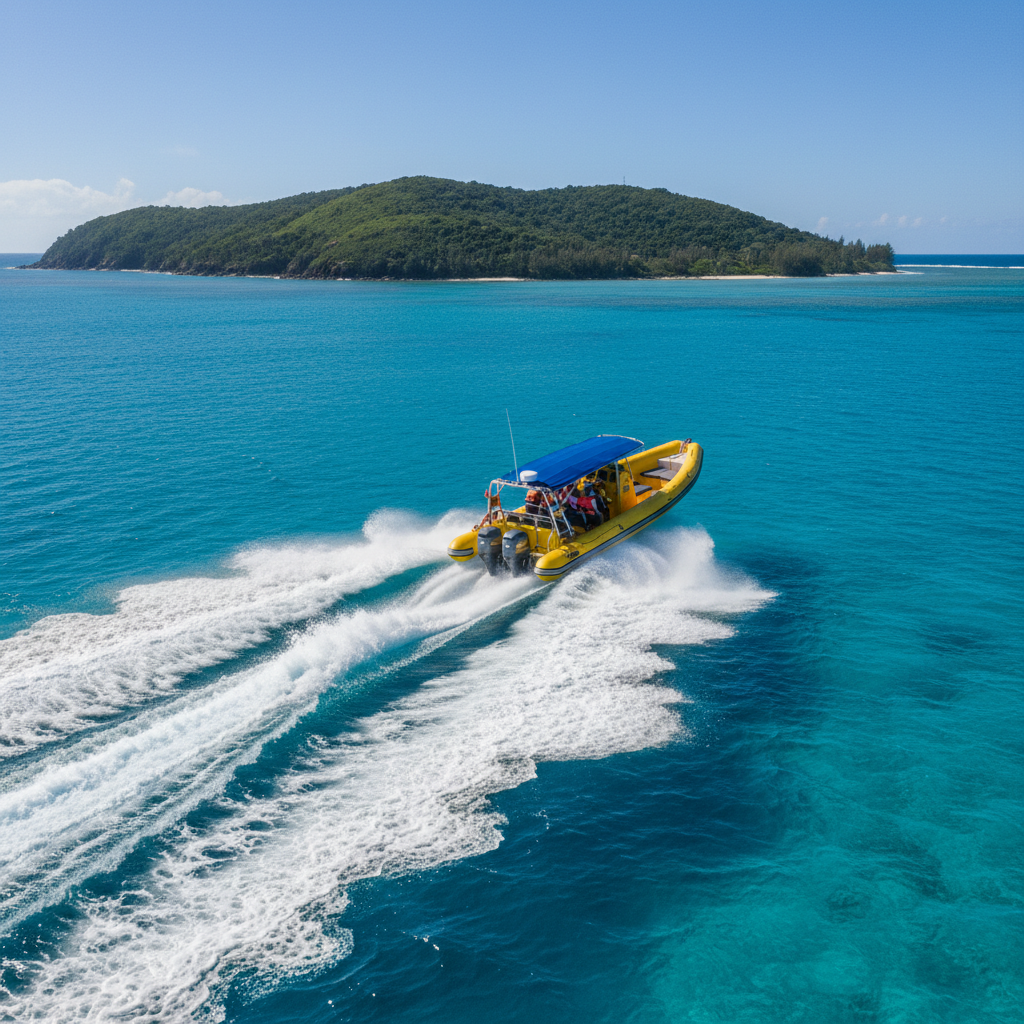
Speedboats dominate the rental market for good reason – they're perfect for day trips and can reach Whitehaven Beach from Airlie Beach in just 45 minutes. These zippy vessels typically measure 6-8 metres, accommodate 6-8 passengers, and feature twin outboard engines delivering speeds up to 35 knots. Expect to pay around $450-650 per day for a quality speedboat with GPS, safety equipment, and basic amenities.
Motor cruisers step up the comfort factor with enclosed cabins, toilets, and cooking facilities. These 8-12 metre vessels suit families or groups wanting overnight capabilities. Daily rates range from $800-1,200, but the added space and amenities justify the premium for multi-day adventures.
Sport fishing boats cater specifically to anglers, featuring rod holders, live bait wells, fish finders, and fighting chairs. Charter operators like Whitsunday Fishing Charters offer half-day ($180 per person) and full-day ($280 per person) guided trips, or you can hire bare boats for around $600-900 daily.
Luxury motor yachts represent the premium end, offering air conditioning, multiple bedrooms, full galleys, and professional-grade navigation systems. These floating palaces cost $2,000-5,000+ per day but accommodate 12-20 passengers in absolute comfort.
Power catamarans combine the stability of twin hulls with powerful engines, creating smooth rides even in choppy conditions. They're ideal for larger groups (15-30 people) and cost $1,500-3,000 per day depending on size and luxury level.
Do you need a licence to hire a power boat in the Whitsundays?
Queensland requires a Recreational Marine Driver Licence (boat licence) to operate power boats over 4.5kW (6hp). International visitors can obtain temporary licences, while many operators offer skippered charters as an alternative to self-drive options.
The Queensland boat licence system is straightforward but mandatory. Australian residents can complete online training and assessment for around $65, while international visitors need a Short Term Recreational Marine Driver Licence costing $75 and valid for three months.
Here's what you need to know about licensing requirements:
- Power threshold: Any boat over 4.5kW (6hp) requires a licence
- Age requirement: Minimum 12 years old for boats under 6 metres, 16 years for larger vessels
- Training topics: Navigation rules, safety equipment, weather interpretation, and emergency procedures
- Practical assessment: Some operators require on-water competency demonstrations
Don't have a licence or feeling nervous about captaining your own vessel? Many power boat operators offer skippered charters where experienced local captains handle navigation while you enjoy the ride. This option typically adds $200-400 per day but includes local knowledge about tides, weather, and the best spots to visit.
For comprehensive guidance on licensing and boat selection, check our detailed boat hire guide which covers everything from paperwork to practical tips.
How much does power boat hire cost in the Whitsundays?
Power boat hire ranges from $400-650 daily for speedboats, $800-1,200 for motor cruisers, and $2,000-5,000+ for luxury motor yachts. Prices include basic safety equipment but fuel, insurance, and bonds are additional costs to consider.
Understanding the true cost of power boat hire requires looking beyond the base daily rate. Here's a realistic breakdown:
Speedboat (6-8 passengers):
- Daily hire: $450-650
- Fuel: $150-250 (full day exploring)
- Bond: $1,000-2,000 (refundable)
- Insurance excess: $500-1,500
Motor cruiser (8-12 passengers):
- Daily hire: $800-1,200
- Fuel: $200-350
- Bond: $2,000-3,000
- Insurance excess: $1,000-2,500
Luxury motor yacht (12-20+ passengers):
- Daily hire: $2,000-5,000+
- Fuel: $400-800
- Bond: $5,000-10,000
- Additional crew: $300-500 per day
Multi-day bookings often attract discounts of 10-20%, particularly during shoulder seasons (April-May, September-October). Peak season (June-August) commands premium rates, while the wet season (December-March) offers the best deals but comes with weather risks.
Hidden costs can quickly add up. Most operators charge fuel separately at marina rates ($1.70-2.20 per litre), and a full day of cruising typically burns 150-400 litres depending on boat size and driving style. Insurance excess policies vary dramatically – some operators offer excess reduction for $50-100 daily, which can be worthwhile given the potential liability.
What's included when you hire a power boat?
Standard power boat hire includes the vessel, basic safety equipment (life jackets, flares, EPIRB), GPS chartplotter, VHF radio, and comprehensive pre-departure briefing. Fuel, food, drinks, and optional extras like fishing gear cost additional.
Every legitimate charter operator must provide mandatory safety equipment under Australian maritime law:
- Life jackets: Correctly sized for all passengers
- Emergency Position Indicating Radio Beacon (EPIRB): For offshore emergencies
- Flares: Red and orange smoke signals
- Sound signalling device: Horn or whistle
- Fire extinguisher: Marine-rated, regularly serviced
- First aid kit: Comprehensive medical supplies
- Bucket and bailer: Manual bilge pumping backup
Navigation equipment varies by operator but typically includes GPS chartplotters with Whitsundays maps, depth sounders, and VHF radios for marina contact and weather updates. Higher-end boats feature fish finders, autopilot systems, and radar for all-weather capability.
Most operators provide detailed briefings covering:
- Boat handling and docking procedures
- Navigation basics and local hazards
- Weather interpretation and safety protocols
- Recommended itineraries and must-visit spots
- Emergency contact procedures
What you'll need to bring includes food, drinks, sunscreen, towels, snorkelling gear (unless hired separately), and appropriate clothing. Many operators offer provisioning services where they'll stock your boat with groceries, beverages, and meal packages for $40-80 per person daily.
Where are the best power boat destinations from Airlie Beach?
Top power boat destinations include Whitehaven Beach (45 minutes), Hamilton Island (30 minutes), Langford Island (1 hour), Hook Island snorkelling spots (45 minutes), and Butterfly Bay (50 minutes) for sheltered swimming and pristine coral gardens.
Power boats excel at reaching distant destinations quickly, opening up the entire Whitsundays in a single day. Here are the must-visit spots with realistic travel times from Airlie Beach:
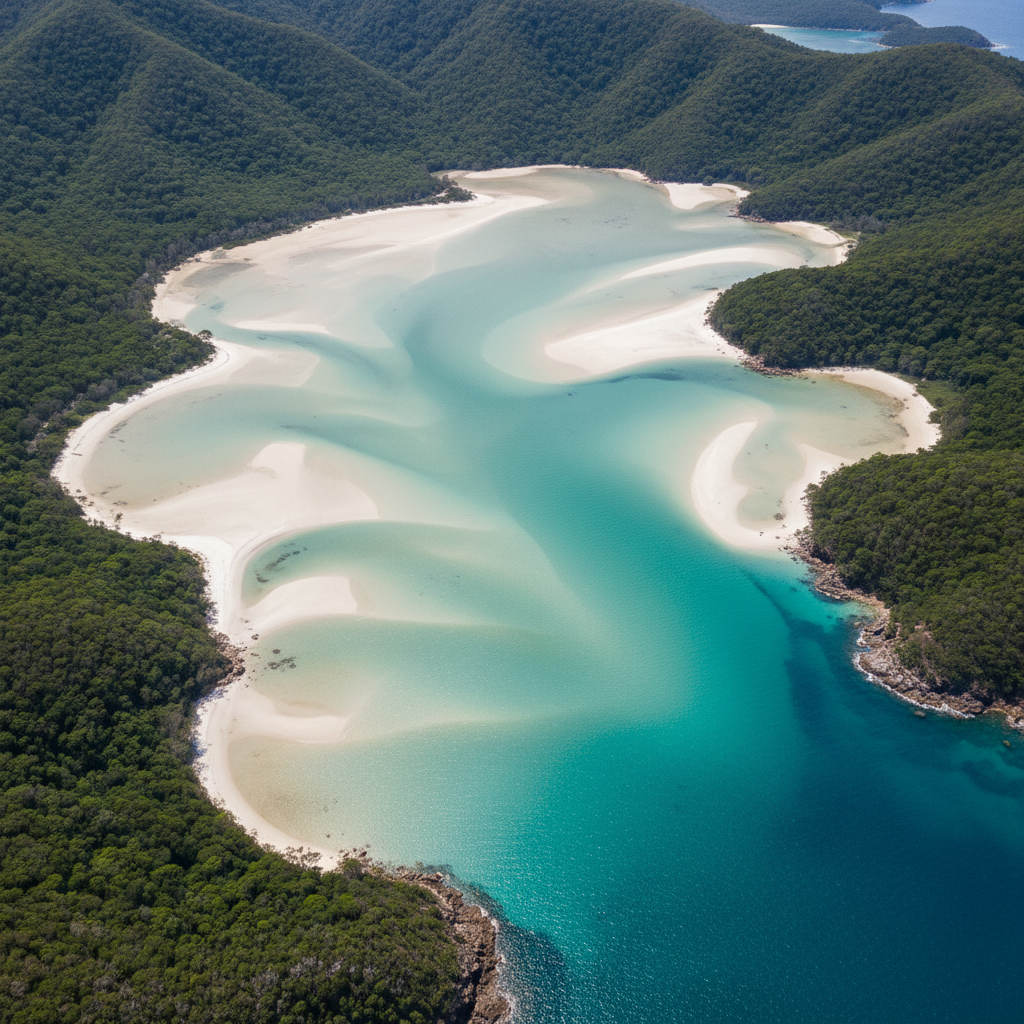
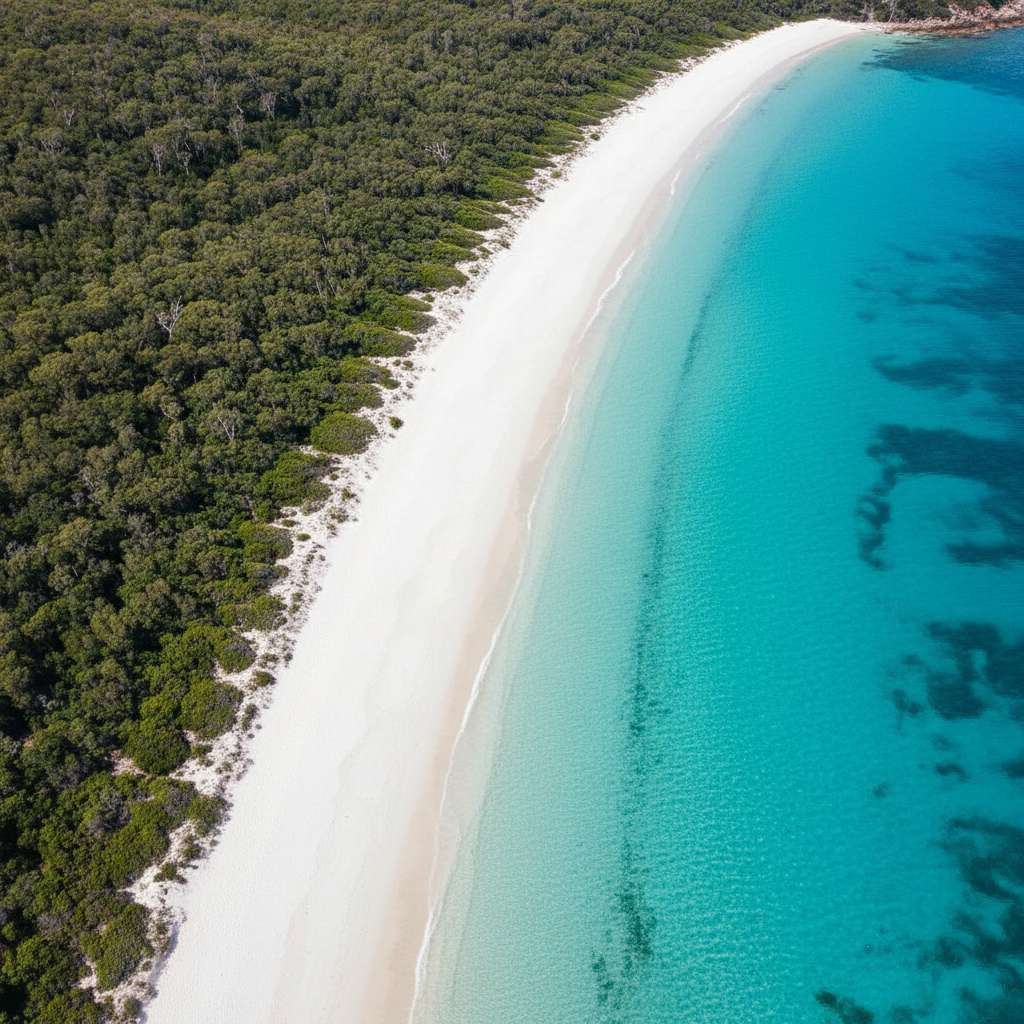
Whitehaven Beach (45 minutes): The crown jewel demands an early start to beat tour boats arriving around 11am. Power boats can anchor in deeper water at the northern end near Hill Inlet Lookout, offering better beach access and stunning swirled sand patterns. The 7-kilometre stretch of 98.9% pure silica sand maintains comfortable temperatures even on scorching days.
Hamilton Island (30 minutes): Perfect for fuel stops, dining, and duty-free shopping. The marina accepts day visitors for $25 docking fees, and the island's restaurants offer everything from casual fish and chips to fine dining. Don't miss the wildlife sanctuary featuring koalas and native birds.
Langford Island (1 hour): This small coral cay disappears at high tide, creating an other-worldly experience. Time your visit for low tide when the white sand spit extends 500 metres into crystal-clear water. Excellent snorkelling around the coral bommies on the eastern side.
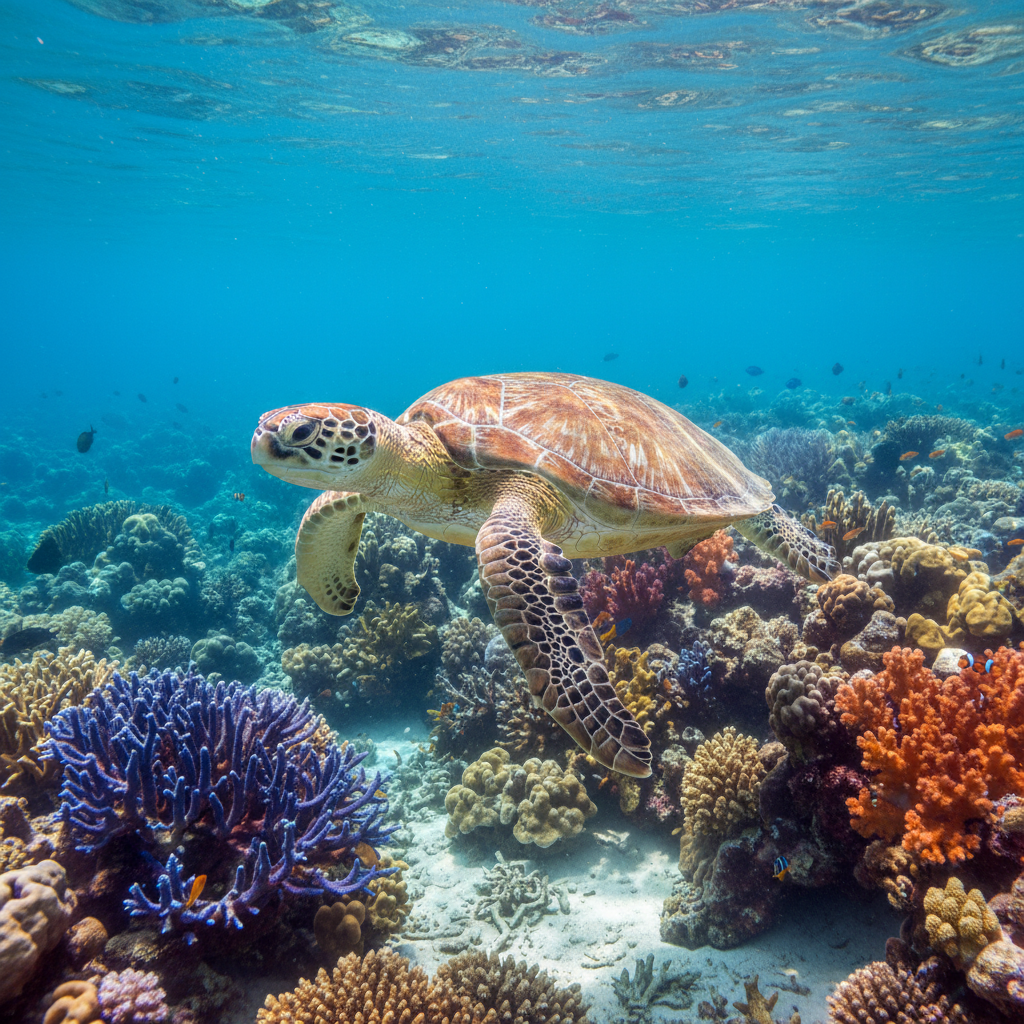
Hook Island snorkelling (45 minutes): Underwater Observatory and Maureen's Cove offer pristine coral gardens in protected waters. The observatory provides underwater viewing without getting wet, while Maureen's Cove features calm conditions perfect for novice snorkellers.
Butterfly Bay (50 minutes): Sheltered anchorage on Hook Island's western side delivers millpond conditions and vibrant coral just metres from the beach. The protected location makes it ideal for families with young children or nervous swimmers.
For those considering longer adventures, our motor yacht hire guide explores multi-day itineraries and overnight anchoring options throughout the region.
What safety considerations apply to power boat hire?
Essential safety considerations include weather monitoring, maintaining VHF radio contact with marinas, understanding tidal patterns, carrying emergency supplies, filing float plans with operators, and staying within designated boating areas to avoid shallow reefs.
The Whitsundays' tropical marine environment presents unique challenges requiring constant vigilance and preparation:
Weather awareness: Conditions change rapidly in tropical waters. Monitor Bureau of Meteorology marine forecasts every 2-3 hours, particularly wind strength and direction. Southeast trades of 15-20 knots create manageable conditions, but anything over 25 knots makes small boat handling dangerous. Afternoon thunderstorms develop quickly between November and April.
Tidal considerations: Spring tides can exceed 3.5 metres, exposing reefs and creating strong currents through narrow passages. Low tide reveals extensive coral gardens that become navigation hazards. Always carry current tide charts and plan departures around tidal windows.
Communication protocols: Maintain regular VHF contact with marinas on Channel 16 or designated working frequencies. Most operators require check-ins every 2-3 hours, particularly when moving between islands. Mobile phone coverage exists near major islands but disappears in outer areas.
Navigation hazards: The Whitsundays contain over 1,000 charted reefs, with many more unmarked shallow areas. GPS chartplotters are essential, but visual navigation remains critical in clear water. Polarised sunglasses help spot coral heads, and designated boat channels marked with navigational aids provide safe passage routes.
Emergency preparedness: Beyond mandatory safety equipment, carry extra water (4 litres per person daily), high-energy food, waterproof torch, and marine-grade sunscreen. Hypothermia remains a risk even in tropical waters if stranded overnight.
Marine stingers present seasonal concerns between November and May, though most occur in calm, inshore waters rather than open ocean areas. Stinger suits provide protection, but avoiding problematic areas altogether proves more effective.
When is the best time for power boat hire in the Whitsundays?
Peak power boat season runs May through September, offering trade wind conditions, minimal rainfall, and comfortable temperatures. April and October provide excellent value with fewer crowds, while November through March brings heat, humidity, and stinger season risks.
Seasonal conditions dramatically impact power boat experiences, making timing crucial for optimal enjoyment:
Dry season (May-September): Southeast trade winds create consistent 15-25 knot breezes, perfect for power boat handling and comfortable on-water temperatures. Rainfall averages just 40-60mm monthly, ensuring clear skies and excellent visibility. Daily temperatures range 20-26°C, with low humidity making full sun tolerable. This is peak season with premium pricing but guaranteed conditions.
Shoulder months (April, October): Offer the best balance of good weather and reasonable prices. April marks the end of stinger season with settling trade winds, while October brings increasing warmth but manageable humidity. Accommodation and boat hire rates drop 15-30% compared to peak season.
Wet season (November-March): Brings challenges and opportunities in equal measure. Daily temperatures soar to 30-35°C with 80%+ humidity, making midday boating uncomfortable without air conditioning. However, morning and late afternoon conditions can be spectacular with glass-calm waters and dramatic cloud formations. Boat hire rates drop significantly, but weather cancellation risks increase.
Cyclone considerations: The official cyclone season runs November through April, though most activity occurs January-March. Severe weather systems can disrupt plans for days or weeks, making travel insurance essential for wet season visits.
Whale watching bonus: June through September coincides with humpback whale migration, adding an extraordinary dimension to power boat adventures. Whales frequently breach and play near boats in deeper waters between islands.
For flexible travellers, booking during shoulder seasons offers exceptional value without significantly compromising conditions. Our self-drive boat hire guide provides seasonal booking strategies and weather contingency planning.
How do you choose the right power boat for your group?
Choose power boats based on passenger capacity (allowing 25% extra space), intended activities (fishing, snorkelling, island-hopping), comfort requirements (shade, toilets, storage), experience level, and budget including fuel costs for realistic total expenses.
Selecting the perfect power boat requires balancing multiple factors against your group's specific needs and expectations:
Passenger capacity planning: Official capacity ratings assume minimal gear and short trips. For day-long adventures with coolers, snorkelling equipment, and personal belongings, reduce listed capacity by 25%. A "6-person" speedboat works better for 4-5 adults on full-day excursions, ensuring comfort rather than cramped conditions.
Activity-specific features: Fishing enthusiasts need rod holders, bait wells, and fish storage facilities. Snorkelling groups benefit from swim platforms, freshwater rinse systems, and gear storage. Photography expeditions require stable platforms and equipment protection. Match boat features to your primary activities.
Comfort considerations: All-day exposure to tropical sun demands adequate shade through bimini tops or cabin areas. Toilet facilities become essential for trips exceeding 4 hours or when travelling with children. Storage capacity for food, drinks, and personal items prevents overcrowding and safety hazards.
Experience level matching: Novice operators should choose smaller, more manageable boats with simple controls and predictable handling characteristics. Experienced boaters can handle larger, more powerful vessels offering greater range and capability. Consider skippered options if group experience levels vary significantly.
Budget reality check: Factor total costs including fuel consumption rates. Powerful twin-engine speedboats burn 60-80 litres per hour at cruising speed, while efficient single-engine alternatives use 25-35 litres hourly. Calculate fuel costs for your intended itinerary before making decisions based solely on daily hire rates.
Weather capability: Smaller boats handle calm conditions beautifully but struggle in choppy seas or strong winds. Larger vessels with deeper hulls and more weight provide stability but require more skill to operate effectively. Match boat size to predicted weather conditions and your group's sea sickness tolerance.
When you're ready to experience the ultimate freedom of power boat exploration in the Whitsundays, Airlie to Whitehaven offers carefully selected charter operators, competitive pricing, and expert local advice to ensure your adventure exceeds expectations. Browse our comprehensive power boat options and secure your maritime adventure today – the pristine waters and untouched islands of the Whitsundays await your discovery.