Taking the helm of your own vessel through the pristine waters of the Whitsundays offers complete freedom to explore 74 tropical islands at your own pace. Self-drive boat hire puts you in control of when to swim, snorkel, or simply anchor in a secluded bay without the constraints of group tours or fixed schedules.
Do I need a boat licence to hire a boat in the Whitsundays?
You need either a Queensland Recreational Marine Driver Licence (boat licence) or accept a licence-free vessel under 4.5 metres with engine restrictions. Most hire companies offer both licensed and unlicensed options to accommodate different experience levels.
For boats over 4.5 metres or with engines exceeding 6 horsepower, Queensland law requires a valid boat licence. If you hold a licence from another Australian state or overseas, you can use it in Queensland waters. New Zealand licences are recognised, while international visitors may need to obtain a temporary Queensland licence or stick to licence-free options.
Licence-free vessels typically include small tinnies, pontoon boats, and compact cruisers under the 4.5-metre threshold. These boats come with automatic transmissions and simple controls, making them perfect for families or first-time boaters. However, size restrictions limit where you can safely travel in the Whitsundays' sometimes choppy waters.
Licensed vessels open up significantly more possibilities. You can hire larger, more stable boats equipped with proper navigation systems, comfortable seating areas, and amenities like onboard toilets and shade covers. These boats handle ocean swells better and can safely reach destinations like Whitehaven Beach or outer reef locations.
What types of self-drive boats are available for hire?
Hire fleets include aluminium runabouts, centre console boats, pontoon boats, small cruisers, and luxury day boats. Sizes range from 4.5-metre tinnies for four people up to 8-metre cruisers accommodating twelve passengers with full amenities.
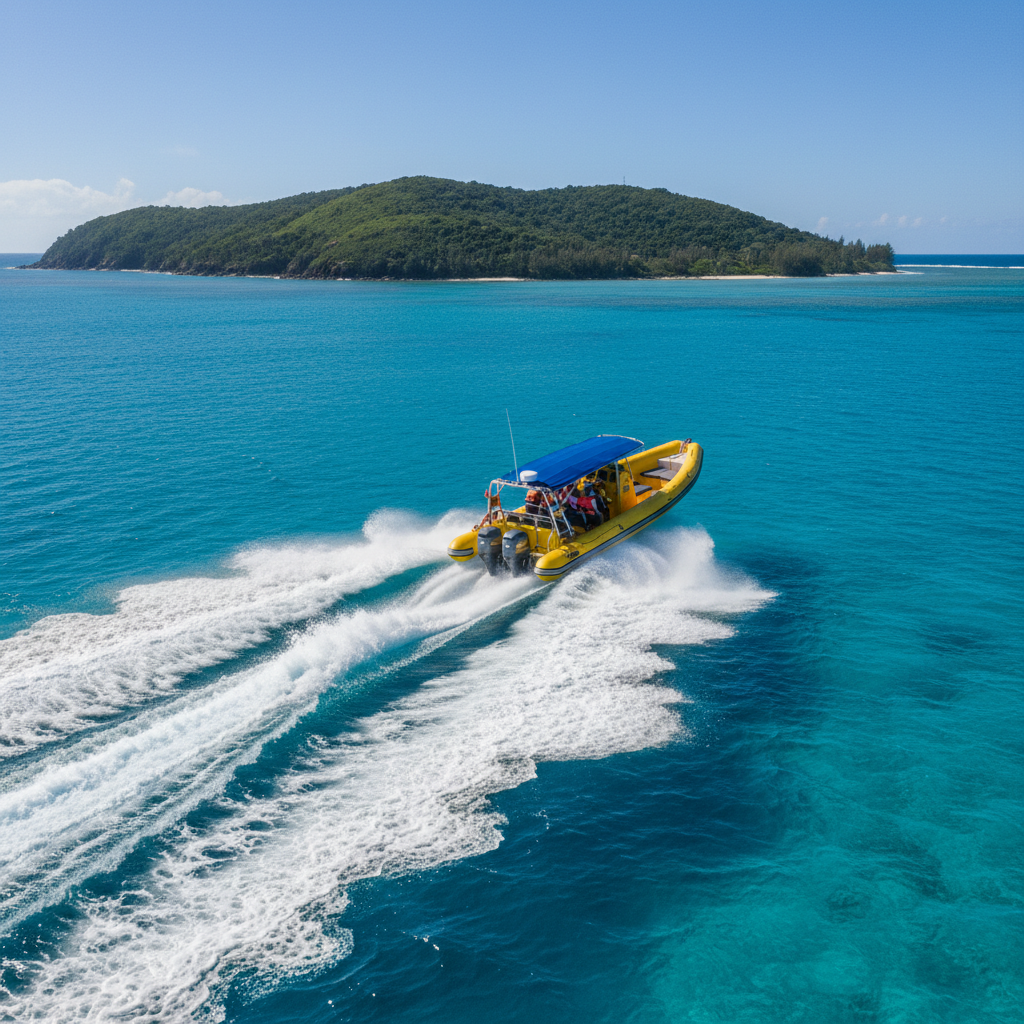
Aluminium runabouts represent the most popular choice for day trips. These 5-7 metre boats typically accommodate 6-8 people and come equipped with 150-250 horsepower outboard engines, providing excellent speed and fuel efficiency. Most include GPS navigation, safety equipment, and basic shade structures.
Centre console boats offer superior fishing capabilities with rod holders, bait tanks, and easy deck access. These vessels excel for combining island exploration with fishing expeditions around the numerous reefs surrounding the Whitsunday Islands.
Pontoon boats prioritise comfort over speed, featuring large deck spaces, comfortable seating, and excellent stability. While slower than runabouts, they're ideal for families with young children or groups preferring relaxed cruising over high-speed island hopping.
Luxury day boats represent the premium option, featuring air conditioning, full galleys, marine toilets, and sophisticated navigation systems. These vessels typically measure 7-8 metres and accommodate larger groups in significantly more comfort, though they command substantially higher hire rates.
How much does self-drive boat hire cost in the Whitsundays?
Daily hire rates start around $400-500 for small runabouts and reach $1,200-1,800 for luxury boats. Prices include basic safety equipment, but fuel, insurance bonds ($1,000-3,000), and marine park permits cost extra depending on your chosen destinations.
Half-day rentals (4 hours) typically cost 60-70% of daily rates, making them attractive for shorter explorations or budget-conscious travellers. Weekly rates often provide 15-20% discounts compared to daily pricing, encouraging longer charter periods.
Fuel costs add significantly to your budget. Expect to pay $150-400 per day for fuel depending on boat size, engine efficiency, and travel distances. Popular destinations like Whitehaven Beach require approximately 40 litres of fuel for a return trip from Airlie Beach, costing around $80-100.
Insurance bonds range from $1,000 for basic boats to $3,000 for premium vessels. These refundable deposits cover potential damage, late returns, or excessive cleaning requirements. Some companies offer optional insurance to reduce bond amounts, typically costing $50-100 per day.
Additional costs include marine park permits ($7.75 per person per day), optional extras like fishing gear ($50-80), snorkeling equipment ($30-50), and eskies ($20-30). Professional briefings for inexperienced hirers sometimes incur $100-150 charges.
Where can I go with a self-drive hire boat?
Licensed vessels can reach Whitehaven Beach, Hill Inlet Lookout, snorkeling spots around Hook Island, and protected anchorages at Daydream Island. Licence-free boats must stay within designated areas near Airlie Beach and avoid open ocean crossings to outer islands.
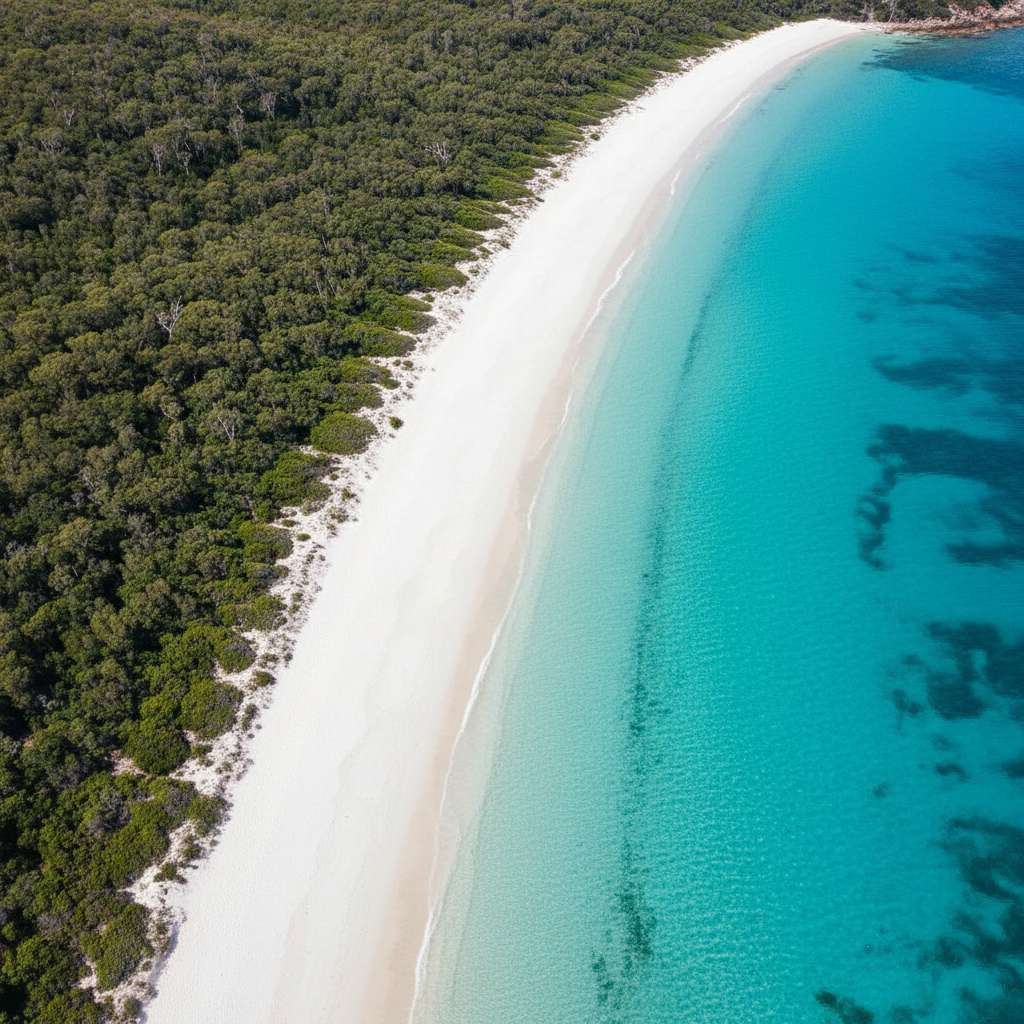
Whitehaven Beach remains the most coveted destination, located 20 kilometres from Airlie Beach on Whitsunday Island. The journey takes 45-60 minutes depending on boat size and sea conditions. You'll need proper navigation skills as the route crosses open water with potential for rough seas during adverse weather.
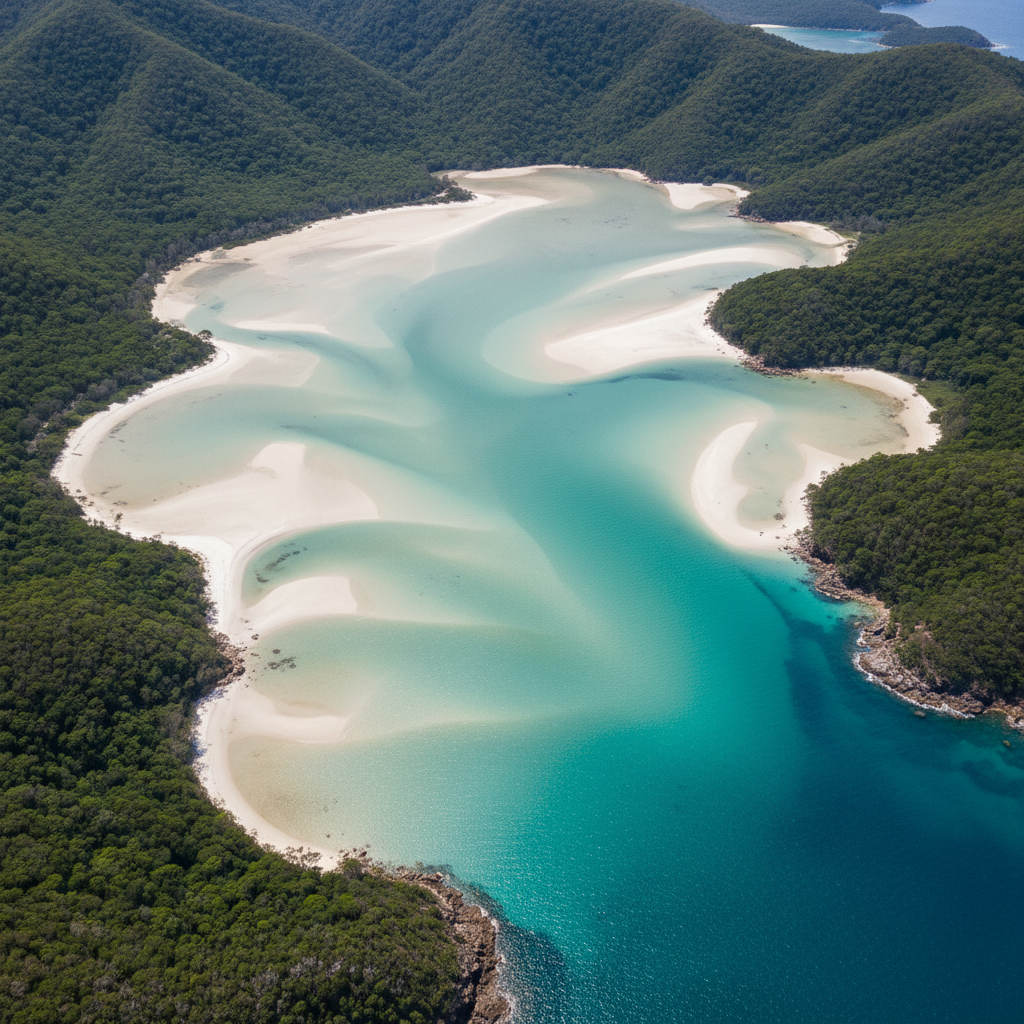
Hill Inlet offers spectacular lookout views accessible via a moderate bushwalk from Whitehaven Beach's northern end. The swirling sand patterns created by tidal movements provide Instagram-worthy photography opportunities, particularly during mid-tide periods when patterns are most defined.
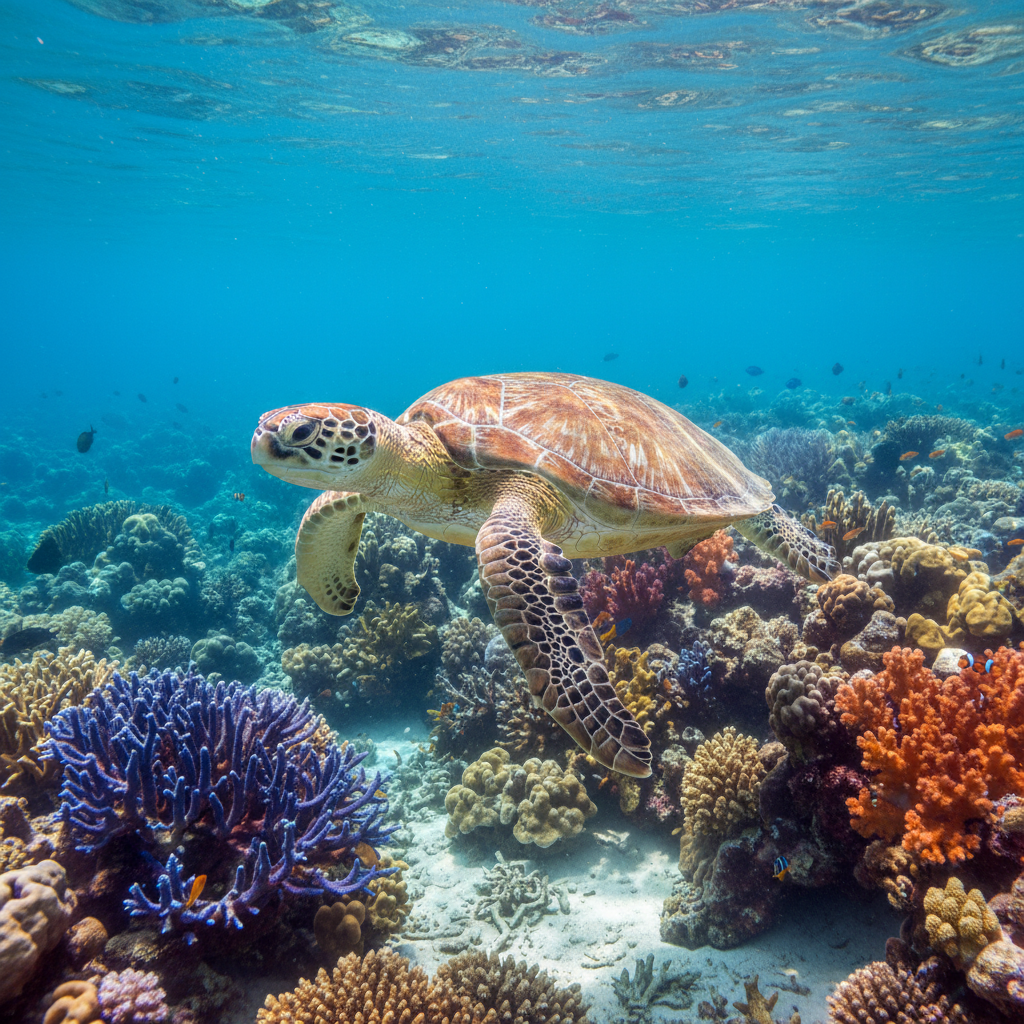
Hook Island presents excellent snorkeling opportunities at locations like Luncheon Bay and Butterfly Bay. These protected anchorages feature coral gardens and diverse marine life including tropical fish, rays, and reef sharks. The eastern side offers calmer waters during prevailing trade wind conditions.
Daydream Island allows day visitors to use resort facilities including restaurants, bars, and swimming pools for a fee. The island's protected marina provides safe anchorage during weather events or extended lunch stops.
Licence-free restrictions confine smaller boats to areas within 2 nautical miles of Airlie Beach, including Boathaven Bay, Pioneer Bay, and nearby Conway National Park foreshores. While limiting your range, these areas still offer beautiful scenery and safe swimming spots for families.
What safety equipment and regulations apply?
All hire boats include mandatory safety equipment: life jackets for every passenger, flares, EPIRB beacons, first aid kits, and VHF radios. Hire companies provide comprehensive safety briefings covering navigation, emergency procedures, and marine park regulations before departure.
Personal flotation devices must be worn by children under 12 years and readily accessible for all passengers. Queensland regulations specify different life jacket requirements based on boat type and operating distance from shore.
Emergency Position Indicating Radio Beacons (EPIRBs) automatically transmit distress signals to rescue services if manually activated or water-triggered. Hire companies register each unit to their fleet and provide basic operation training during pre-departure briefings.
VHF radio protocols include monitoring Channel 16 for emergency communications and using Channel 8 for marine park ranger contact. Most hire companies provide laminated reference cards showing proper radio procedure and important channel frequencies.
Speed restrictions apply in designated areas including 6-knot limits near boat ramps, swimming areas, and environmentally sensitive zones. Marine park regulations prohibit anchoring on coral, fishing in designated sanctuary zones, and approaching marine animals closer than specified distances.
Weather monitoring becomes crucial for safe operations. Hire companies typically cancel bookings during small craft warnings or when wind speeds exceed 20 knots. Understanding basic weather patterns and knowing when to return to protected waters prevents dangerous situations.
When is the best time to hire a self-drive boat?
April to November offers optimal conditions with trade winds under 20 knots, minimal rainfall, and calm seas. Peak season (June-September) provides the most stable weather but requires advance bookings due to high demand and premium pricing.
Dry season conditions from April through November feature consistent south-easterly trade winds averaging 10-15 knots, creating manageable sea states for recreational boating. Visibility often exceeds 20 metres underwater, perfect for snorkeling and coral viewing.
Stinger season runs roughly November through May, requiring protective clothing when swimming. Most hire companies provide stinger suits, but the marine stinger presence limits spontaneous swimming opportunities during these months.
Whale watching season peaks from June through September as humpback whales migrate along the coast. While magical to observe, maintain legal distances of 100 metres from whales and never attempt to approach these protected marine mammals.
Christmas holidays and Easter periods see maximum demand and pricing. Booking 3-6 months ahead ensures availability and sometimes secures early-bird discounts. January and February often experience unpredictable weather patterns with afternoon thunderstorms and higher humidity levels.
Shoulder seasons (April-May and October-November) provide excellent value with fewer crowds, competitive pricing, and generally favourable weather conditions. These periods offer the best combination of good weather and reasonable rates.
What should I bring on my self-drive boat trip?
Essential items include sunscreen (50+ SPF), wide-brimmed hats, sunglasses, plenty of drinking water, snacks, towels, and waterproof phone cases. Polarised sunglasses help spot coral heads and shallow areas while reducing glare from water surfaces significantly.
Sun protection cannot be overstated in tropical Queensland conditions. Apply sunscreen 20 minutes before departure and reapply every two hours, especially after swimming. Long-sleeved rash guards provide additional protection during extended sun exposure.
Hydration requirements increase dramatically on the water due to sun exposure, wind, and salt air. Bring at least 2 litres of water per person for full-day trips, plus additional supplies for cooking or rinsing salt water from skin and equipment.
Waterproof storage protects electronics, documents, and clothing from spray and unexpected weather. Dry bags in various sizes accommodate cameras, phones, wallets, and spare clothing while maintaining easy access during the day.
Snorkeling gear, if not hired from the boat company, should include properly fitting masks, snorkels, and fins. Test equipment beforehand to ensure comfort and proper seal, preventing frustration during underwater exploration.
First aid knowledge proves invaluable for minor cuts, marine stings, or seasickness. Basic supplies for treating coral cuts, sun exposure, and dehydration complement the boat's standard first aid kit.
How do I book and prepare for self-drive boat hire?
Book directly with established hire companies or through reputable platforms offering comprehensive comparisons. Provide valid boat licences, credit cards for bonds, and arrive 30-60 minutes early for safety briefings and vessel familiarisation before departure.
Research hire companies thoroughly by reading recent reviews, checking insurance coverage, and confirming included equipment. Established operators maintain newer fleets, provide comprehensive safety briefings, and offer 24-hour emergency support services.
Documentation requirements include valid photo identification, current boat licences for licensed vessels, and credit cards with sufficient limits for insurance bonds. International visitors may need passport details for marine park permit applications.
Pre-departure briefings cover boat operation, safety equipment locations, navigation basics, fuel management, and emergency procedures. Pay attention to specific boat quirks, fuel consumption rates, and recommended destinations based on current weather conditions.
Weather monitoring starts before your booking date. Hire companies usually offer free rescheduling for dangerous weather conditions, but staying flexible with your travel dates increases chances of optimal conditions.
For comprehensive guidance on choosing the right boat rental option, explore our detailed boat hire Whitsundays guide which covers everything from vessel types to safety considerations. If self-drive seems too complex, consider our Whitsundays tours offering professionally guided experiences to the same spectacular destinations. For additional adventure options, browse our Airlie Beach tours featuring diverse activities beyond boating.
Ready to captain your own Whitsundays adventure? Airlie to Whitehaven connects you with reputable self-drive boat hire operators offering competitive rates, comprehensive insurance, and detailed safety briefings. Our platform ensures you're dealing with licensed, professional companies that prioritise your safety while delivering unforgettable island-hopping experiences. Book your self-drive boat hire today and discover why having complete control over your Whitsundays itinerary creates the most rewarding and personalised tropical escape possible.