Choosing between the Whitsundays and Gold Coast for your Queensland holiday? You're comparing two completely different experiences. The Gold Coast delivers theme parks, nightlife, and urban beaches, while the Whitsundays offers pristine islands, world-class sailing, and untouched natural beauty. Both destinations showcase Queensland's best, but which suits your travel style?
What are the main differences between Whitsundays and Gold Coast holidays?
The Whitsundays focuses on nature-based luxury with 74 tropical islands, sailing, and snorkeling, while Gold Coast emphasizes urban entertainment, theme parks, and vibrant nightlife across 57km of developed coastline.
The fundamental difference lies in atmosphere and activities. Gold Coast spans from Tweed Heads to Beenleigh, featuring high-rise apartments, bustling Surfers Paradise, and world-famous theme parks like Dreamworld and Sea World. The destination attracts 13 million visitors annually seeking entertainment, shopping, and active nightlife.
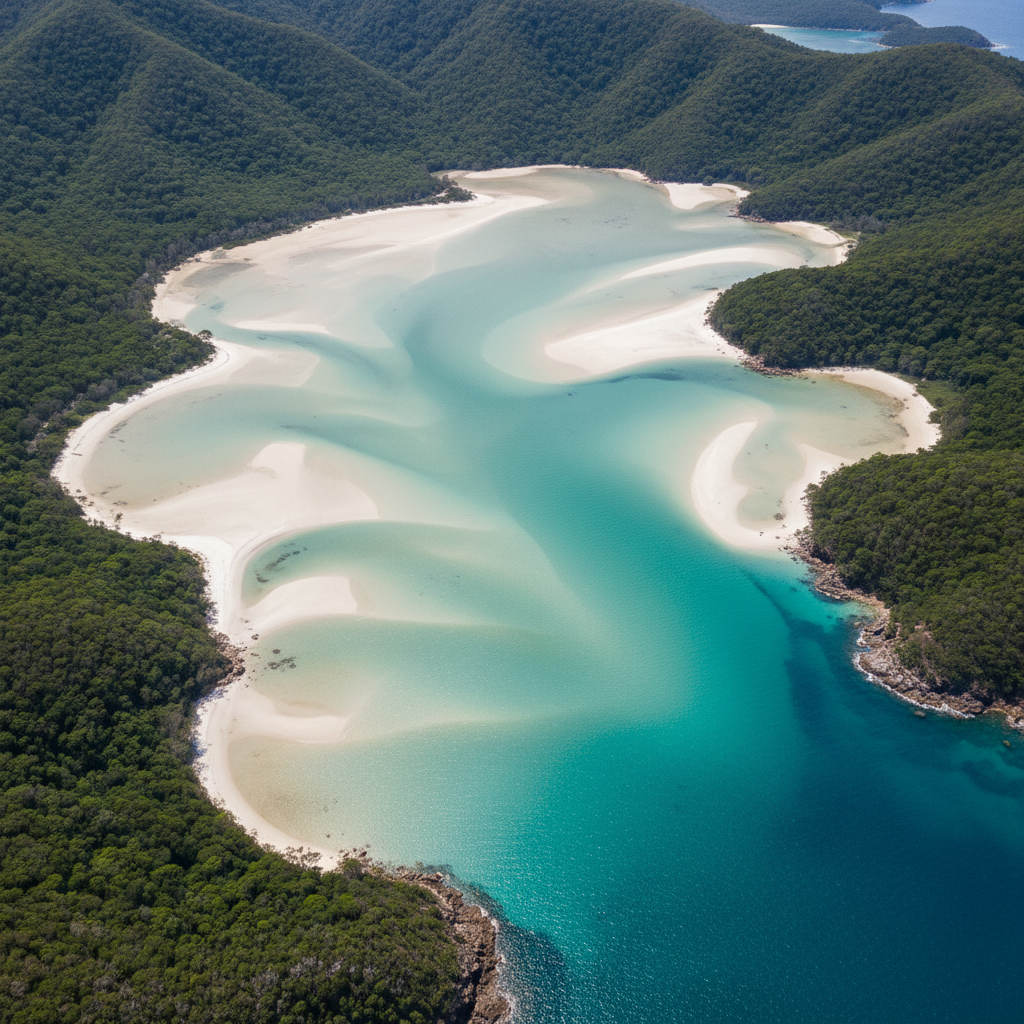
Conversely, the Whitsundays centers around Airlie Beach (population 1,200) as the gateway to 74 islands scattered across the Coral Sea. Only eight islands offer accommodation, with Hamilton Island being the largest developed resort. The region prioritizes marine experiences, with Whitehaven Beach consistently ranking among the world's top beaches for its 98.9% pure silica sand.
Weather patterns differ significantly. Gold Coast enjoys a subtropical climate with 300 sunny days annually and average temperatures of 21-28°C. The Whitsundays experiences tropical weather with distinct dry (April-November) and wet seasons, plus stinger season from November to May requiring protective suits for swimming.
Which destination has better beaches for families?
Gold Coast offers easily accessible patrolled beaches with facilities, while Whitsundays provides pristine, secluded beaches requiring boat access. Gold Coast beaches suit families wanting convenience; Whitsundays appeal to adventure-seeking families.
Gold Coast's Main Beach, Surfers Paradise, and Broadbeach feature lifeguard patrols year-round, public amenities, and immediate access to restaurants and accommodation. The beaches stretch continuously for 57 kilometers with consistent surf conditions and safe swimming areas marked by flags. Families can easily walk from hotels to beach access points.
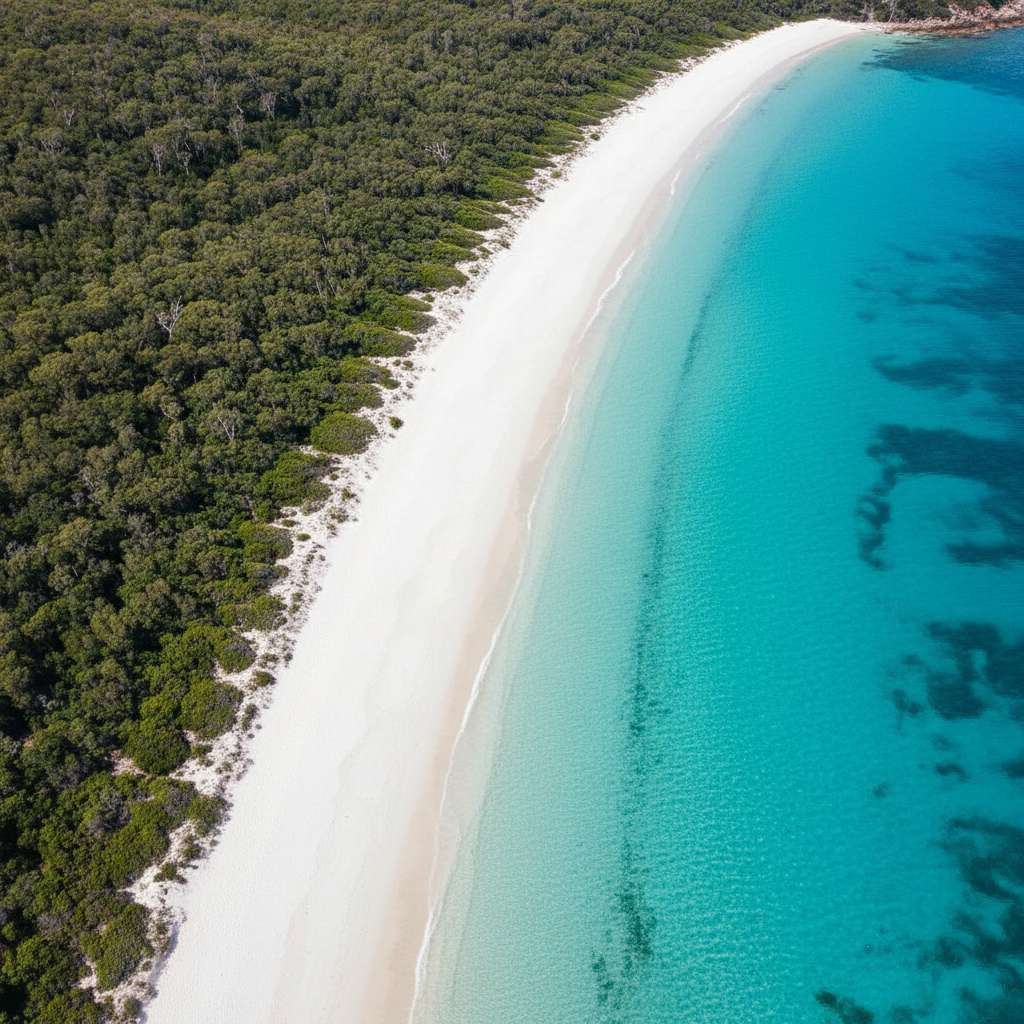
Whitehaven Beach requires boat transportation (45-90 minutes from Airlie Beach depending on vessel type) but rewards visitors with 7 kilometers of pure silica sand that doesn't retain heat and stays cool underfoot. The beach offers no commercial facilities – visitors must bring everything needed for the day. Hill Inlet Lookout provides spectacular swirling sand patterns during shifting tides.
Other Whitsunday beaches like Catseye Beach on Hamilton Island offer resort amenities and calm waters perfect for young children. Chalkies Beach on Haslewood Island remains completely undeveloped, accessible only through specialized boat tours that provide equipment and guidance.
How do activity options compare between the two destinations?
Gold Coast excels in theme parks, shopping, and nightlife with over 40 attractions, while Whitsundays dominates water activities including sailing, snorkeling, and Great Barrier Reef access via professional tour operators.
Gold Coast's theme park capital status includes Dreamworld (rides and wildlife), Movie World (movie-themed attractions), Sea World (marine shows), and Wet'n'Wild (water slides). SkyPoint Observation Deck atop Q1 building offers 360-degree views from 230 meters height. The destination features extensive shopping at Pacific Fair and Harbour Town outlets, plus vibrant nightlife in Surfers Paradise and Broadbeach.
Adventure activities include jet boating, helicopter tours, hot air ballooning over the hinterland, and world-class golf courses. The Gold Coast Hinterland provides rainforest walks, including Springbrook National Park's glow worm caves and Natural Bridge waterfall.
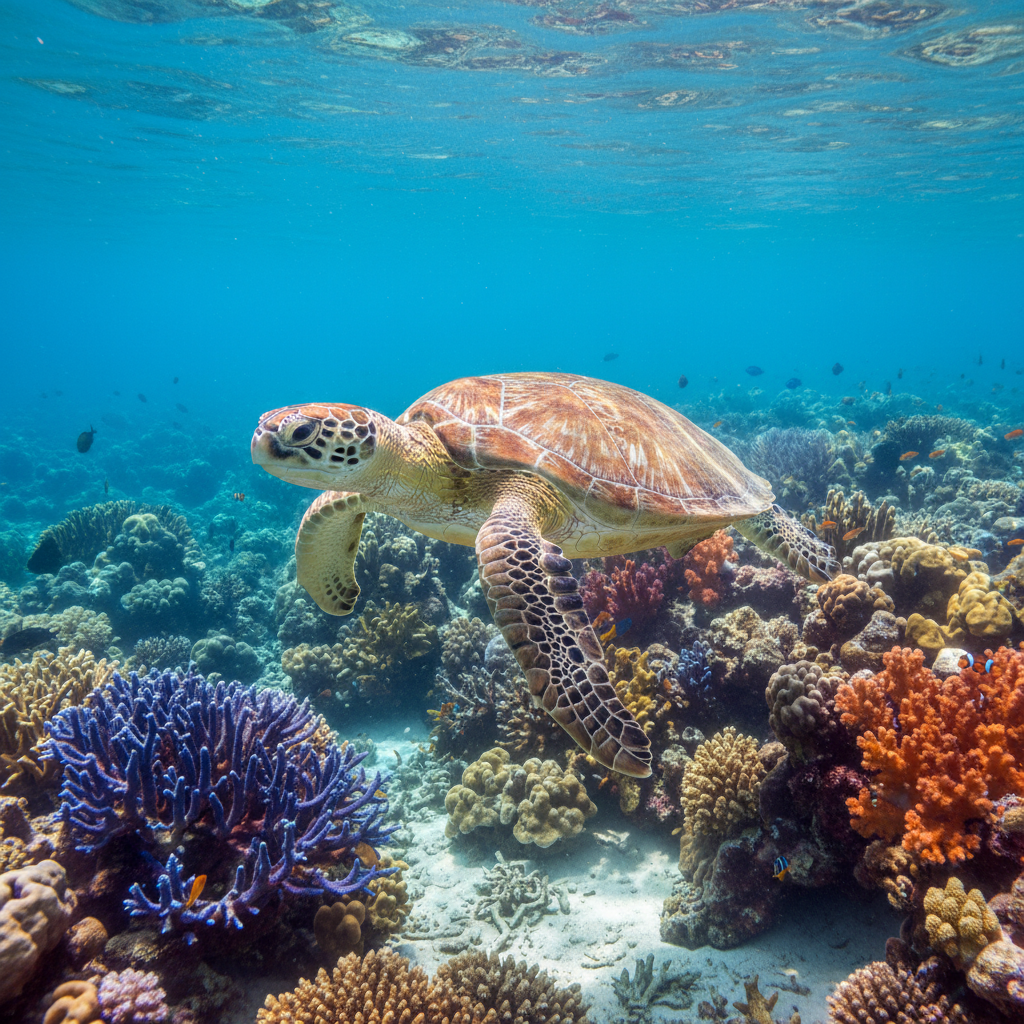
Whitsundays activities center on marine experiences. Half-day sailing trips start from $89 per adult, while multi-day sailing adventures range from $299-799 depending on vessel and inclusions. Scenic flights over Heart Reef and Whitehaven Beach cost $299-599 per person. Snorkeling and diving trips to the Great Barrier Reef (2 hours by boat from Airlie Beach) range from $189-350 per person.
Unique Whitsundays experiences include bareboat sailing (self-skippered yacht charters from $2,500-8,000 for 3-7 days), ocean rafting to secluded beaches, and whale watching during migration season (June-September) when humpback whales pass through the region.
What are the accommodation costs and options in each destination?
Gold Coast accommodation ranges from $80-800+ nightly with diverse options from backpacker hostels to luxury resorts, while Whitsundays costs $120-1,200+ nightly with limited but high-quality island resorts and mainland hotels.
Gold Coast offers over 40,000 accommodation beds across all budget levels. Budget options include backpacker hostels ($25-45 per night in dorms) and motels ($80-150 per night). Mid-range apartments in Surfers Paradise and Broadbeach cost $150-300 nightly, often featuring kitchenettes and ocean views. Luxury resorts like Palazzo Versace and The Star Grand command $400-800+ per night.
Short-term apartment rentals provide excellent value for families, with 2-3 bedroom units costing $200-400 nightly in prime locations. High-rise accommodation dominates, with many properties offering pools, spas, and direct beach access.
Whitsundays accommodation concentrates on Hamilton Island, Daydream Island, and Airlie Beach mainland. Hamilton Island resort rooms start from $300-600 nightly, while luxury villas reach $1,200+ per night. Qualia resort represents ultra-luxury with pavilions from $1,500-3,000+ nightly.
Airlie Beach offers more budget-friendly options with backpacker hostels ($30-50 per night) and mid-range hotels ($150-350 nightly). However, total costs increase when factoring mandatory boat transfers to island resorts ($35-65 per person each way) and limited dining options requiring resort restaurants.
How do travel costs and accessibility compare?
Gold Coast offers cheaper flights from major cities and immediate airport-to-destination access, while Whitsundays requires connecting flights or drives plus potential boat transfers, increasing total travel costs by $200-500 per person.
Gold Coast Airport (OOL) receives direct flights from all Australian capital cities. Return flights from Sydney cost $150-400, Melbourne $180-450, and Brisbane $120-300 depending on season and booking timing. The airport sits 25 kilometers from Surfers Paradise with taxi transfers costing $45-65, bus services $5-15, and rental cars available immediately.
Whitsundays access requires flying to Hamilton Island Airport (HTI) with direct flights from Sydney ($300-650 return), Melbourne ($350-700), and Brisbane ($250-500). Alternatively, fly to Proserpine Airport (PPP) with connections via Brisbane, then drive 25 minutes to Airlie Beach. Total travel time from major cities ranges 3-6 hours including connections.
Hamilton Island accommodation includes airport transfers, but mainland Airlie Beach stays require additional transport ($35 bus or $80 taxi from Proserpine Airport). Ferry transfers between islands and mainland cost $35-65 per person each way, adding $140-260 for couples staying on islands but taking mainland tours.
Car rental costs remain similar ($45-80 daily) but Gold Coast offers more freedom for self-drive exploration, while Whitsundays relies heavily on boat transport for island access.
Which destination offers better value for money?
Gold Coast provides better budget value with cheaper accommodation, free beach access, and diverse dining options, while Whitsundays offers premium value for luxury experiences and exclusive natural settings.
Budget travelers find Gold Coast more accessible with hostels, affordable restaurants, and free beach activities. A week-long Gold Coast holiday costs $800-1,500 per person including accommodation, meals, and activities. Theme park passes ($99-150 per park) and dining range from food courts ($15-25 per meal) to fine dining ($80-150 per person).
Whitsundays minimum daily costs typically start around $150-200 per person including basic accommodation, meals, and transport. Premium experiences like helicopter flights ($299-599), sailing trips ($89-350), and resort dining ($50-150 per meal) increase costs significantly. A week-long Whitsundays holiday costs $1,500-4,000+ per person depending on accommodation and activity choices.
However, Whitsundays delivers unique experiences unavailable elsewhere in Australia. Swimming at Whitehaven Beach, sailing through pristine waters, and snorkeling the Great Barrier Reef provide memories justifying higher costs for many travelers seeking exclusive natural beauty.
Value perception depends on priorities. Gold Coast maximizes entertainment variety per dollar spent, while Whitsundays maximizes natural beauty and exclusivity. Consider that many Whitsundays experiences are once-in-a-lifetime opportunities, whereas Gold Coast attractions can be revisited more affordably.
What's the best time to visit each destination?
Gold Coast enjoys year-round appeal with peak season December-February, while Whitsundays peak season runs April-November during dry weather when stinger risk decreases and sailing conditions optimize.
Gold Coast maintains consistent appeal throughout the year. Summer (December-February) brings warm weather (25-30°C), school holidays, and higher accommodation costs but perfect beach conditions. Autumn (March-May) and spring (September-November) offer ideal temperatures (20-26°C) with fewer crowds and moderate pricing.
Winter (June-August) provides mild temperatures (15-23°C) perfect for theme parks and hinterland exploration, though ocean swimming may feel cool. Rainfall remains relatively low year-round (average 1,200mm annually) with brief afternoon showers rather than extended wet periods.
Whitsundays experiences distinct seasons significantly impacting experiences. Dry season (April-November) offers optimal sailing conditions with steady southeast trade winds, minimal rainfall, and no stinger risk. Peak season (June-September) coincides with whale migration when humpback whales pass through the region.
Wet season (December-March) brings higher humidity, potential cyclones, and stinger season requiring protective suits for swimming. However, wet season offers lower accommodation costs (30-50% discounts) and fewer crowds. Many sailing operators reduce schedules during peak wet season months.
For first-time Whitsundays visitors, April-June and September-November provide optimal weather without peak season pricing, while experienced travelers might appreciate wet season's dramatic skies and reduced costs.
How do the destinations compare for couples vs families?
Gold Coast suits all demographics with family-friendly theme parks and romantic high-rise accommodation, while Whitsundays excels for couples seeking intimate sailing and luxury resorts but requires careful planning for families with young children.
Families gravitate toward Gold Coast for obvious reasons: theme parks specifically designed for children, patrolled beaches with lifeguards, extensive playground facilities, and accommodation with kitchenettes enabling self-catering. Restaurants offer children's menus and high chairs, while activities like SkyPoint and wildlife sanctuaries engage all ages.
Getting around Gold Coast with families proves simple using public transport, taxis, or rental cars. Theme park combo tickets provide value for multiple-day visits, while beach activities cost nothing beyond parking fees.
Couples appreciate Gold Coast's romantic high-rise accommodation with ocean views, sophisticated dining scenes in Burleigh Heads and Broadbeach, and adult-focused nightlife. Hinterland day trips to Mount Tamborine or Springbrook provide intimate nature experiences away from crowds.
Whitsundays naturally appeals to couples seeking romantic sailing adventures, secluded beaches, and luxury island resorts with spa facilities. Adult-only areas at resorts and intimate sailing charters create perfect romantic atmospheres. However, families must consider boat safety for young children, limited medical facilities on islands, and higher costs for family-sized accommodation.
Hamilton Island offers family-friendly facilities including golf carts for island transport, kids' clubs, and calm Catseye Beach, making it the most family-accessible Whitsundays option. Mainland Airlie Beach provides budget-friendly family accommodation with day trip options to islands.
Which destination should you choose for your Queensland holiday?
Choose Gold Coast for entertainment variety, budget-consciousness, and family convenience. Select Whitsundays for natural beauty, sailing adventures, and luxury experiences in exclusive island settings requiring higher budgets but delivering unique memories.
Gold Coast suits travelers wanting maximum activity variety within driving distance, predictable costs, and immediate gratification. The destination works perfectly for short getaways (2-4 days), family holidays where everyone finds suitable activities, and repeat visits exploring different aspects each time.
Whitsundays appeals to travelers prioritizing natural beauty over convenience, seeking unique Australian experiences, and comfortable with higher costs for exclusive access to pristine environments. The destination rewards longer stays (5-7+ days) allowing proper exploration of multiple islands and reef locations.
Consider practical factors: available budget, group composition, activity preferences, and travel experience. First-time Queensland visitors often find Gold Coast more accessible, while experienced travelers seeking something special gravitate toward Whitsundays' unique offerings.
Both destinations showcase Queensland's diversity brilliantly. Gold Coast demonstrates Australia's ability to create world-class entertainment destinations, while Whitsundays preserves the natural beauty that makes Australia globally envious. Your choice depends on whether you're seeking stimulation or serenity, convenience or adventure.
For travelers considering other Queensland comparisons, our detailed guide comparing Whitsundays vs Cairns explores tropical north Queensland alternatives with different reef access points and cultural experiences.
Ready to experience the Whitsundays' unmatched natural beauty? Airlie to Whitehaven specializes in connecting you with the perfect sailing adventure, scenic flight, or island tour to create your ideal Whitsundays experience. Browse our carefully selected tours and book with confidence knowing you'll access the region's best operators and exclusive experiences.