Choosing between the Whitsundays and the Maldives for your tropical holiday? Both destinations promise pristine beaches, crystal-clear waters, and unforgettable experiences, but they're worlds apart in character, cost, and culture. The Whitsundays offers accessible Australian luxury with diverse activities from snorkelling the Great Barrier Reef to exploring 74 islands, while the Maldives delivers ultra-exclusive overwater villas and unparalleled privacy. Let's dive into what makes each destination unique to help you decide which paradise suits your travel dreams.
Which destination has better beaches: Whitsundays or Maldives?
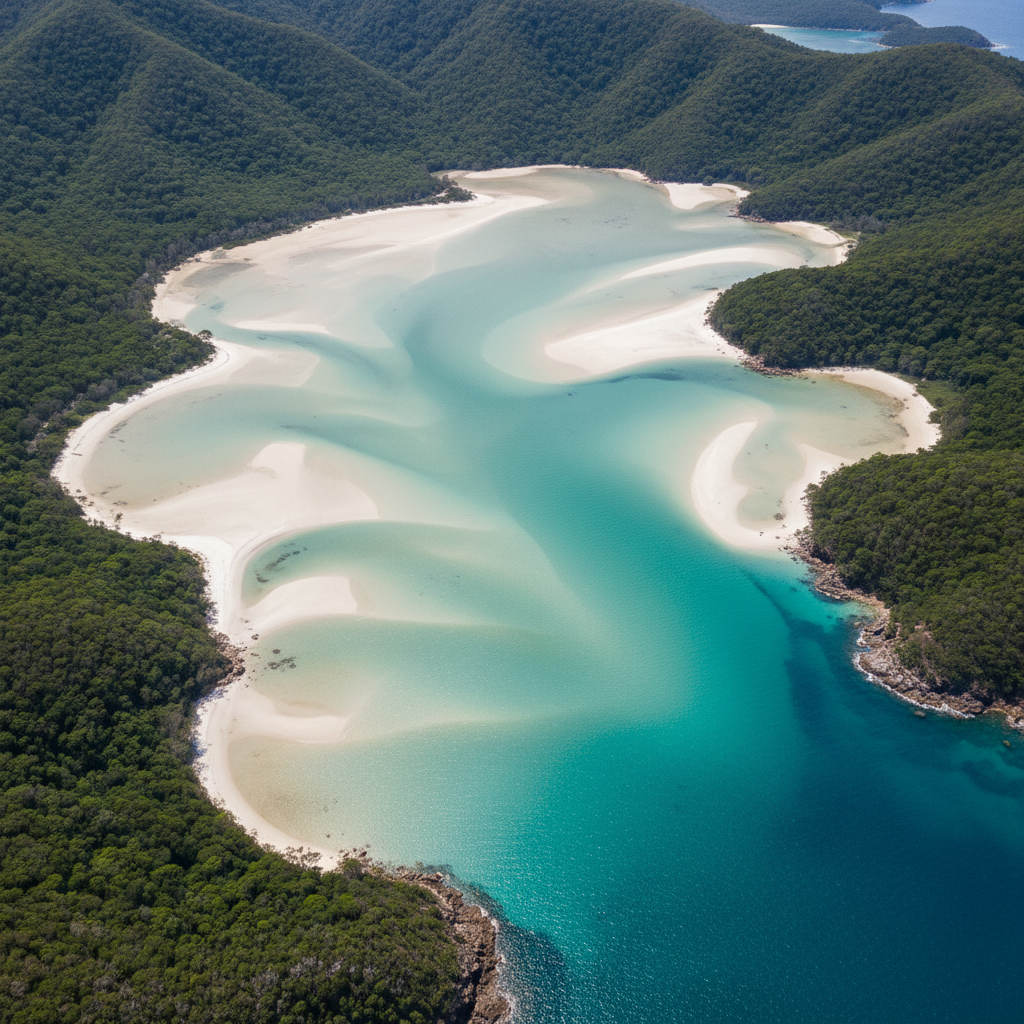
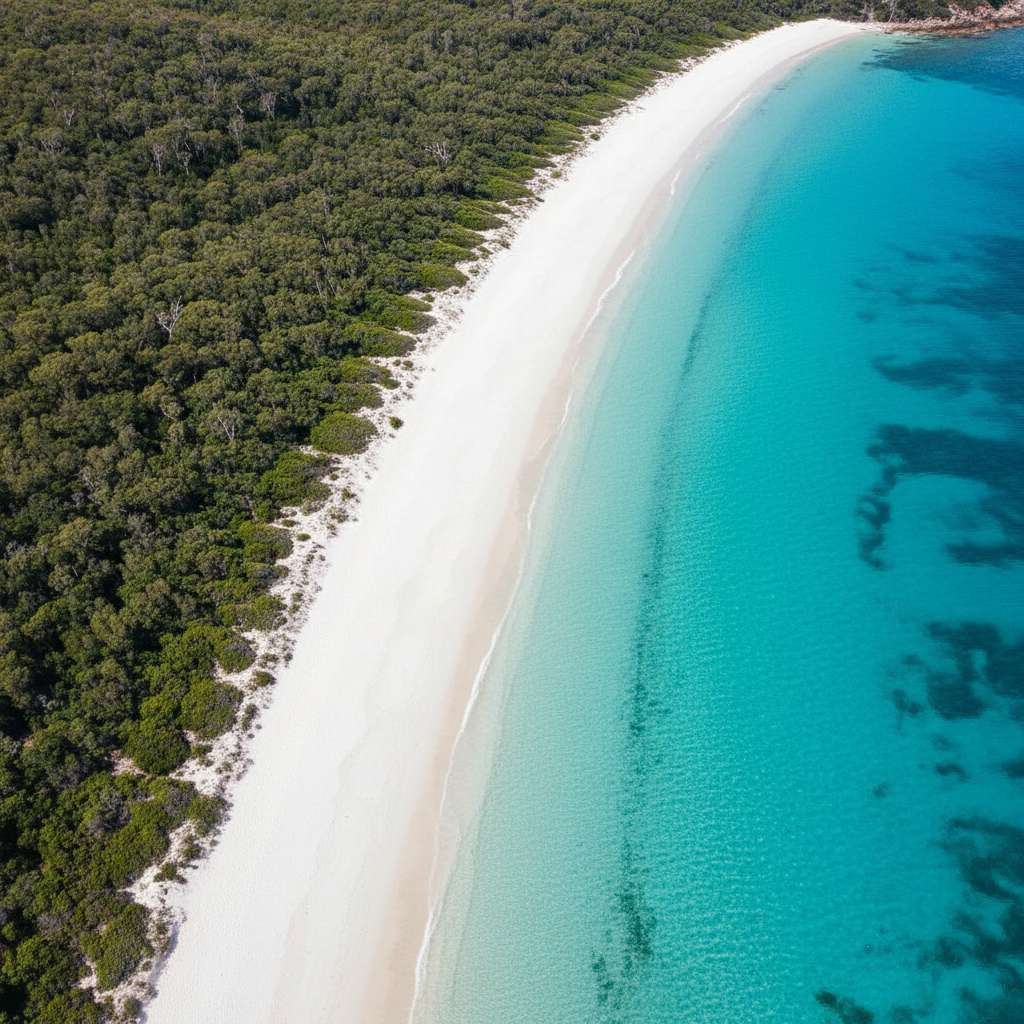
The Whitsundays takes the crown with Whitehaven Beach's 98.9% pure silica sand that stays cool underfoot and Hill Inlet's swirling sands creating natural art. The Maldives offers consistently beautiful white coral sand beaches across 1,192 islands.
Whitehaven Beach stretches 7 kilometres of blindingly white silica sand that's so pure it was once used to make camera lenses. The sand maintains a comfortable temperature even in scorching heat, making barefoot walks a pleasure year-round. Hill Inlet at the northern end creates Instagram-famous swirling patterns as turquoise waters shift the sand with each tide.
The Maldives delivers postcard-perfect beaches across nearly every one of its coral atolls. The beaches here feature soft white coral sand and house reefs just metres from shore. However, coral sand can be rougher on feet and absorbs more heat than silica. Each resort typically has its own private beach, ensuring exclusivity but limiting exploration opportunities.
Beyond Whitehaven, the Whitsundays offers 74 islands with unique beach experiences. Catseye Beach on Hamilton Island provides resort amenities, while secluded spots like Butterfly Bay offer untouched wilderness. The diversity means you can experience everything from bustling resort beaches to completely private coves accessible only by boat.
How do snorkelling and diving experiences compare between the two destinations?
The Whitsundays provides access to the Great Barrier Reef's outer reefs with hard corals and large marine life, while the Maldives offers house reefs with abundant soft corals, manta rays, and whale sharks directly from resort beaches.
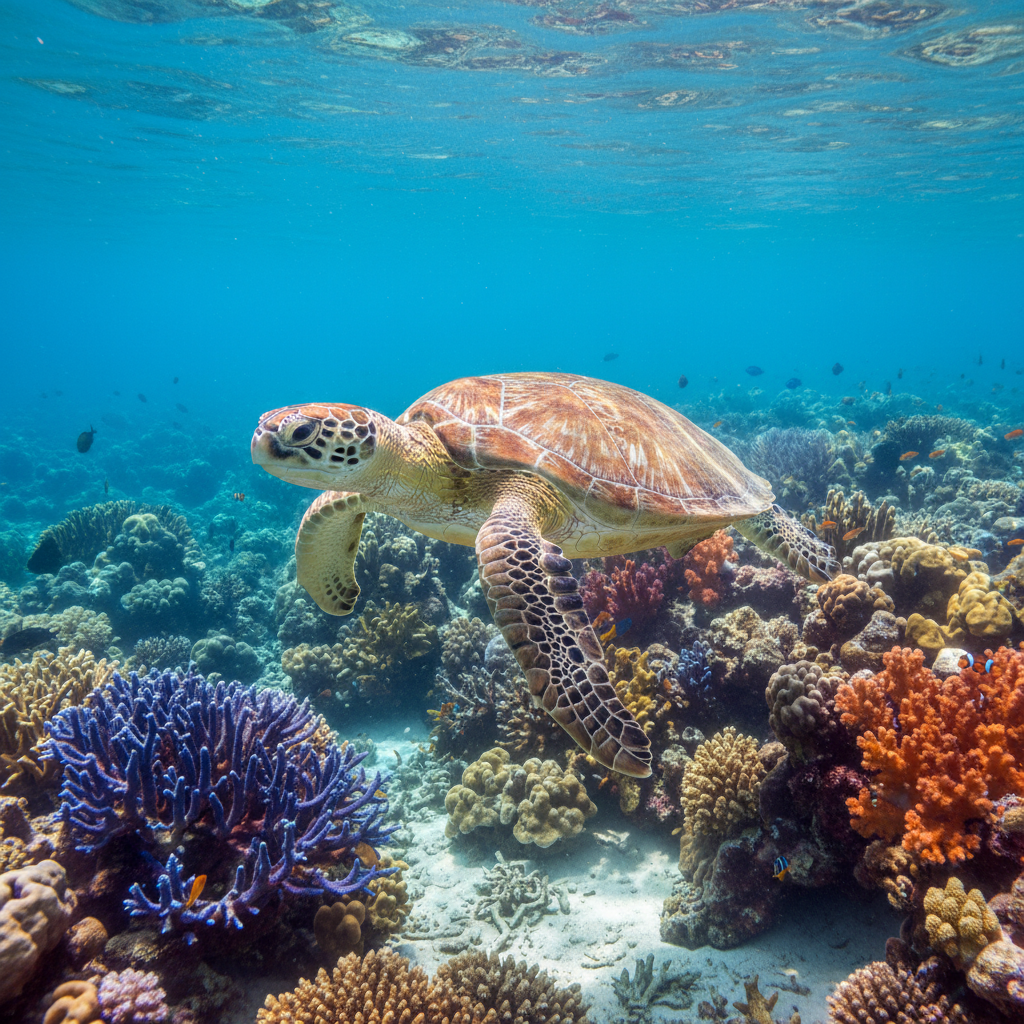
The Whitsundays sits within the Great Barrier Reef Marine Park, offering access to both fringing reefs around the islands and the spectacular outer reef sites. Popular snorkelling spots like Blue Pearl Bay and Butterfly Bay feature vibrant hard coral gardens with tropical fish species. The outer reef, accessible via day trips, showcases pristine coral walls, giant clams, and encounters with reef sharks, turtles, and schools of pelagic fish.
The Maldives excels in underwater accessibility, with house reefs literally steps from your villa. These reefs teem with soft corals in brilliant colours and offer regular sightings of manta rays at cleaning stations, nurse sharks, and even whale sharks during certain seasons. The coral formations create underwater gardens that are easily accessible to beginners.
Marine biodiversity differs significantly between locations. The Great Barrier Reef hosts over 1,500 fish species and 400 coral types, offering incredible variety across different reef systems. The Maldives, while smaller in total reef area, concentrates marine life around resort areas, making encounters more predictable and accessible.
What are the cost differences between visiting the Whitsundays and the Maldives?
The Whitsundays offers budget-friendly options from $150 AUD per night for apartments to luxury resorts at $800+ AUD, while the Maldives starts around $500 AUD nightly for basic overwater villas, reaching $2000+ AUD for luxury properties.
Accommodation in the Whitsundays spans every budget level. Airlie Beach hostels start from $30 AUD per night, mid-range hotels range $150-400 AUD, and luxury resorts like qualia reach $800-2000 AUD nightly. This variety means couples, families, and solo travellers can all find suitable options.
The Maldives operates almost exclusively on the luxury resort model, with most properties featuring overwater or beachfront villas starting around $500 AUD per night. Premium brands like Soneva or St. Regis command $1500-3000 AUD nightly, while ultra-luxury properties can exceed $5000 AUD per night during peak season.
Daily expenses vary dramatically. In the Whitsundays, meals range from $15 AUD for casual dining to $80 AUD for fine dining. Tours cost $100-400 AUD per person. The Maldives typically includes meals in resort packages, but à la carte dining can cost $50-150 AUD per person per meal, with premium restaurants reaching $300+ AUD.
Tour and activity costs also differ significantly. Whitsundays tours offer full-day sailing experiences from $150 AUD per person, helicopter flights from $300 AUD, and multi-day sailing adventures from $400 AUD. Maldives excursions like dolphin cruises cost $80-150 AUD, while sunset fishing trips range $100-200 AUD per person.
How do travel times and accessibility compare?
The Whitsundays requires 2-3 flights within Australia (typically via Brisbane or Sydney), while the Maldives needs international flights to Malé (8-24 hours depending on connections) plus seaplane transfers costing $400-800 AUD return.
Reaching the Whitsundays from major Australian cities involves flying to either Hamilton Island Airport (HTI) or Proserpine Airport (PPP). Hamilton Island receives direct flights from Sydney (2 hours), Melbourne (2.5 hours), and Brisbane (1.5 hours), with return flights costing $300-800 AUD depending on season and booking timing.
Proserpine Airport offers additional flight options and connects to Airlie Beach via a 25-minute bus transfer. Tiger Air, Virgin Australia, and Qantas service these routes regularly, providing flexibility in scheduling and pricing.
The Maldives requires international travel to Malé International Airport, followed by seaplane, speedboat, or domestic flight transfers to resort islands. From Australia, expect 8-15 hours flight time with connections through Singapore, Dubai, or Kuala Lumpur. Return flights typically cost $800-2000 AUD depending on airline and season.
Resort transfers in the Maldives add significant cost and time. Seaplane transfers, while scenic, cost $400-800 AUD return and operate only during daylight hours. Speedboat transfers range $100-300 AUD return but limit resort choices to those within reasonable boat distance from Malé.
Which destination offers better weather year-round?
The Whitsundays enjoys subtropical weather with dry season from April to November averaging 25°C, while the Maldives maintains consistent tropical temperatures around 28°C year-round but experiences monsoon seasons affecting activities and resort operations.
The best time to visit the Whitsundays falls during the dry season from April through November, when rainfall is minimal, humidity is comfortable, and trade winds provide natural cooling. Temperatures during this period average 20-28°C with abundant sunshine and calm seas ideal for sailing and snorkelling.
The Whitsundays' wet season (December to March) brings higher humidity, afternoon thunderstorms, and the possibility of cyclones. However, this period also coincides with stinger season when marine stingers are present in coastal waters, though tour operators provide stinger suits for protection.
The Maldives maintains remarkably consistent temperatures between 26-30°C throughout the year with minimal seasonal variation. However, the southwest monsoon (May to October) brings increased rainfall, rough seas, and cloudy skies that can impact outdoor activities and seaplane transfers.
The Maldives' northeast monsoon (November to April) offers the best weather with minimal rainfall, calm seas, and excellent visibility for diving and snorkelling. This dry season coincides with peak tourist season, resulting in higher accommodation rates and crowded resorts.
What activities and experiences does each destination offer beyond beaches?
The Whitsundays provides diverse adventures including sailing, helicopter tours, island hopping, Great Barrier Reef excursions, and mainland rainforest exploration, while the Maldives focuses on water sports, spa treatments, and romantic dining experiences.
The Whitsundays excels in active adventures and exploration opportunities. Multi-day sailing trips allow you to explore uninhabited islands, anchor in secluded bays, and experience different reef systems. Helicopter tours showcase the famous Heart Reef and provide aerial views of Hill Inlet's swirling sands.
Scenic flights reveal the true scale of the Great Barrier Reef, while seaplane adventures combine aerial sightseeing with remote beach landings. Island hopping introduces you to distinct personalities – Hamilton Island's resort atmosphere, Daydream Island's family focus, or Long Island's wilderness experiences.
The mainland Whitsundays region offers rainforest walks through Conway National Park, visits to local markets in Airlie Beach, and cultural experiences with traditional Aboriginal connections to the land. These diverse options cater to adventure seekers, families, and cultural enthusiasts.
The Maldives specialises in relaxation and romance with world-class spa treatments, overwater dining experiences, and sunset cruises. Water sports include kayaking through mangrove channels, stand-up paddleboarding, and traditional dhoni sailing. Many resorts offer cultural experiences like local fishing techniques and Maldivian cooking classes.
How do dining and culinary experiences compare?
The Whitsundays offers diverse dining from casual beachside cafes to award-winning restaurants featuring fresh Australian seafood, while the Maldives provides resort-based fine dining with international cuisine and romantic overwater restaurants commanding premium prices.
Airlie Beach and Hamilton Island feature vibrant dining scenes with options for every budget and taste. Fresh Australian seafood dominates menus, with local barramundi, mud crab, and prawns featuring prominently. Casual beachside venues serve fish and chips from $18 AUD, while fine dining establishments like Bommie Restaurant showcase contemporary Australian cuisine with mains from $35-55 AUD.
Local markets and food trucks add authentic flavour, offering everything from Asian street food to gourmet burgers. The social atmosphere in Airlie Beach creates opportunities to mingle with locals and fellow travellers while exploring diverse cuisines.
Maldivian resorts typically operate multiple restaurants featuring international cuisines – from Japanese teppanyaki to Italian trattorias. The focus on luxury dining experiences includes underwater restaurants, overwater fine dining, and private beach setups. However, meal costs can be substantial, with dinner for two at specialty restaurants easily exceeding $300 AUD.
Many Maldives resorts offer all-inclusive packages that include meals and beverages, providing better value for extended stays. The culinary focus emphasises presentation and ambiance over local cultural cuisine, as most ingredients are imported due to the limited agricultural capacity of the small coral islands.
Which destination is better for families vs couples?
The Whitsundays caters excellently to families with diverse activities, budget accommodation options, and easy supervision of children, while the Maldives primarily targets couples with romantic overwater villas and adult-focused luxury experiences.
Families thrive in the Whitsundays due to the variety of accommodation styles and activity levels. Hamilton Island offers family resorts with kids' clubs, shallow swimming areas, and organized activities. Sailing day trips welcome children and provide life jackets in all sizes, making reef exploration accessible for all ages.
The destination's flexibility allows families to mix active days with relaxed beach time. Parents can easily supervise children on the expansive beaches, while older kids enjoy snorkelling, paddle boarding, and wildlife spotting. Budget-friendly accommodation options mean families can extend their stay without financial stress.
The Maldives excels as a romantic destination with private overwater villas, couples' spa treatments, and intimate dining experiences. However, many luxury resorts maintain adult-only policies or charge significant supplements for children. Those that welcome families often feature kids' clubs and shallow lagoons perfect for young swimmers.
Child-friendly Maldives resorts like Soneva Fushi and Centara Grand provide excellent family facilities, but the limited space of small islands can feel restrictive for active families. The focus remains on luxury relaxation rather than adventure and exploration.
For those considering multiple tropical destinations, our Whitsundays vs Fiji comparison explores another Pacific paradise option that offers excellent family experiences.
What are the unique selling points of each destination?
The Whitsundays offers the world's purest beach sand, Great Barrier Reef access, and diverse Australian experiences at various price points, while the Maldives provides unmatched luxury, privacy, and overwater villa experiences in crystal-clear tropical waters.
The Whitsundays' connection to the Great Barrier Reef creates unparalleled marine diversity and snorkelling opportunities. Whitehaven Beach's 98.9% pure silica sand remains unique globally, while the sailing culture and 74 islands provide endless exploration possibilities. The destination successfully balances luxury with accessibility, adventure with relaxation.
Australian hospitality and English-speaking staff eliminate language barriers, while the stable currency and familiar culture provide comfort for international visitors. The variety of accommodation styles means every traveler finds their perfect match, from backpacker hostels to world-class resorts.
The Maldives delivers exclusivity and privacy unmatched anywhere else. Overwater villa accommodations provide direct ocean access and unobstructed sunset views. The intimate scale of resort islands creates a sense of having discovered a private paradise.
The Maldives' commitment to luxury extends to every detail – from personal butler service to Michelin-starred dining experiences. The underwater restaurant experiences and glass-floor chapel ceremonies create once-in-a-lifetime moments impossible to replicate elsewhere.
Both destinations offer something unique, but your choice depends on whether you prioritize diverse experiences and value (Whitsundays) or ultimate luxury and privacy (Maldives). The Whitsundays provides better bang for your buck with more activities and exploration opportunities, while the Maldives delivers uncompromising luxury for those seeking the ultimate romantic getaway.
Ready to experience the Whitsundays' perfect blend of adventure, luxury, and natural beauty? Airlie to Whitehaven makes booking your dream tropical escape effortless, with carefully selected tours and experiences that showcase the very best of this Australian paradise. From sailing adventures to helicopter flights, we'll help you create memories that rival any destination on earth.