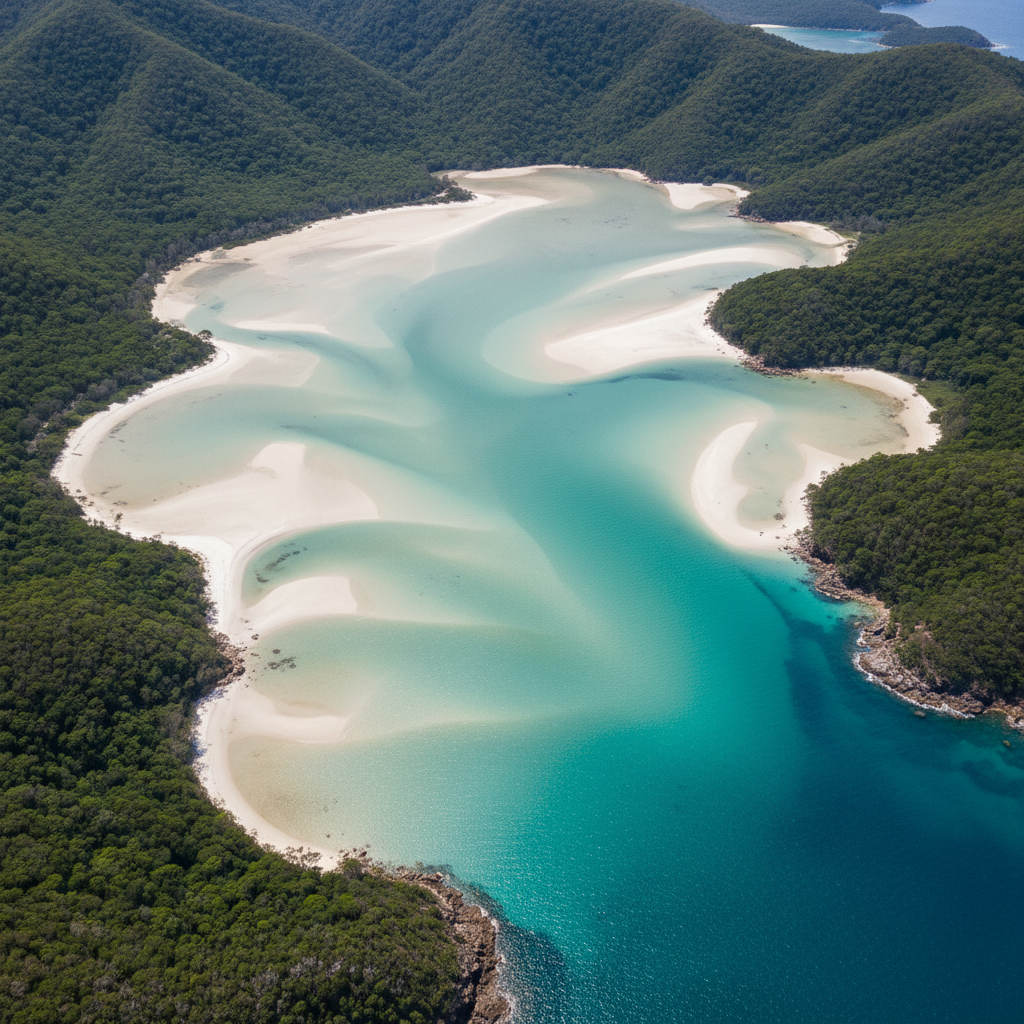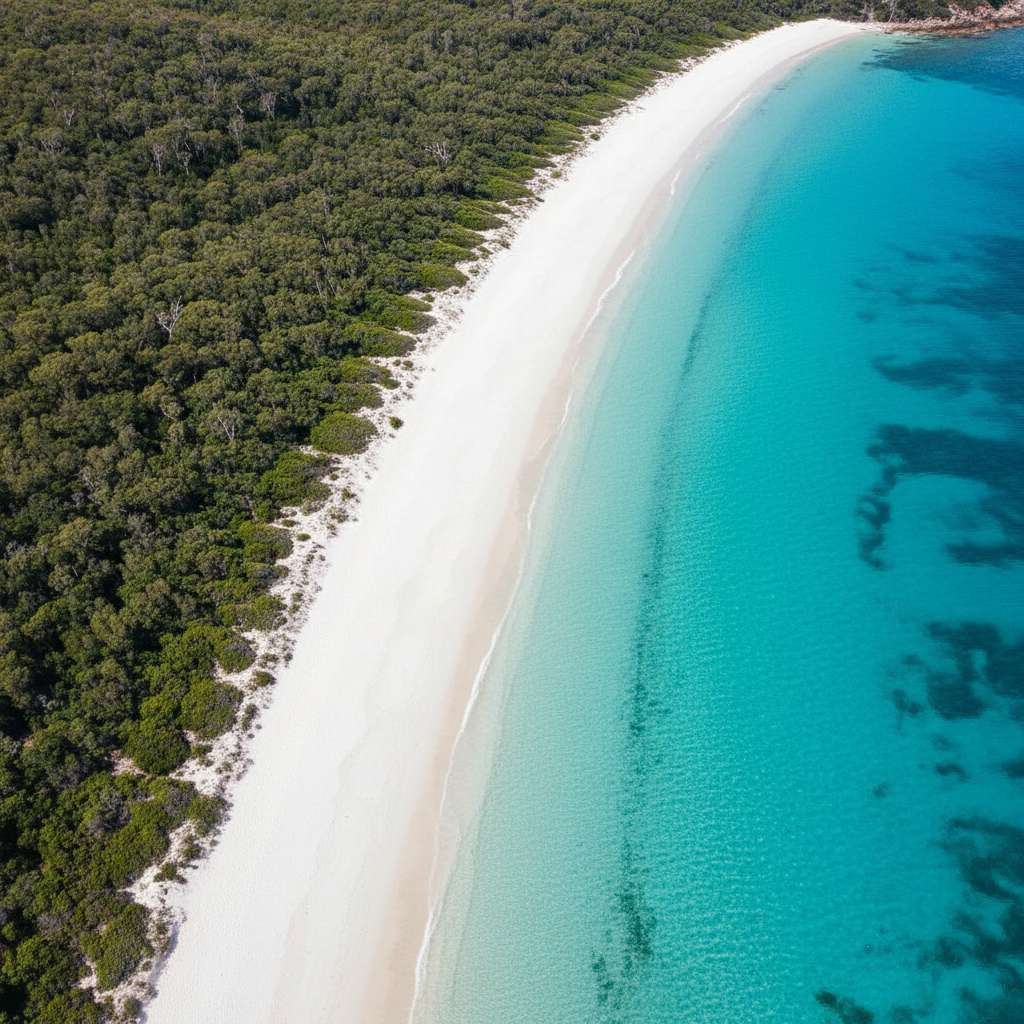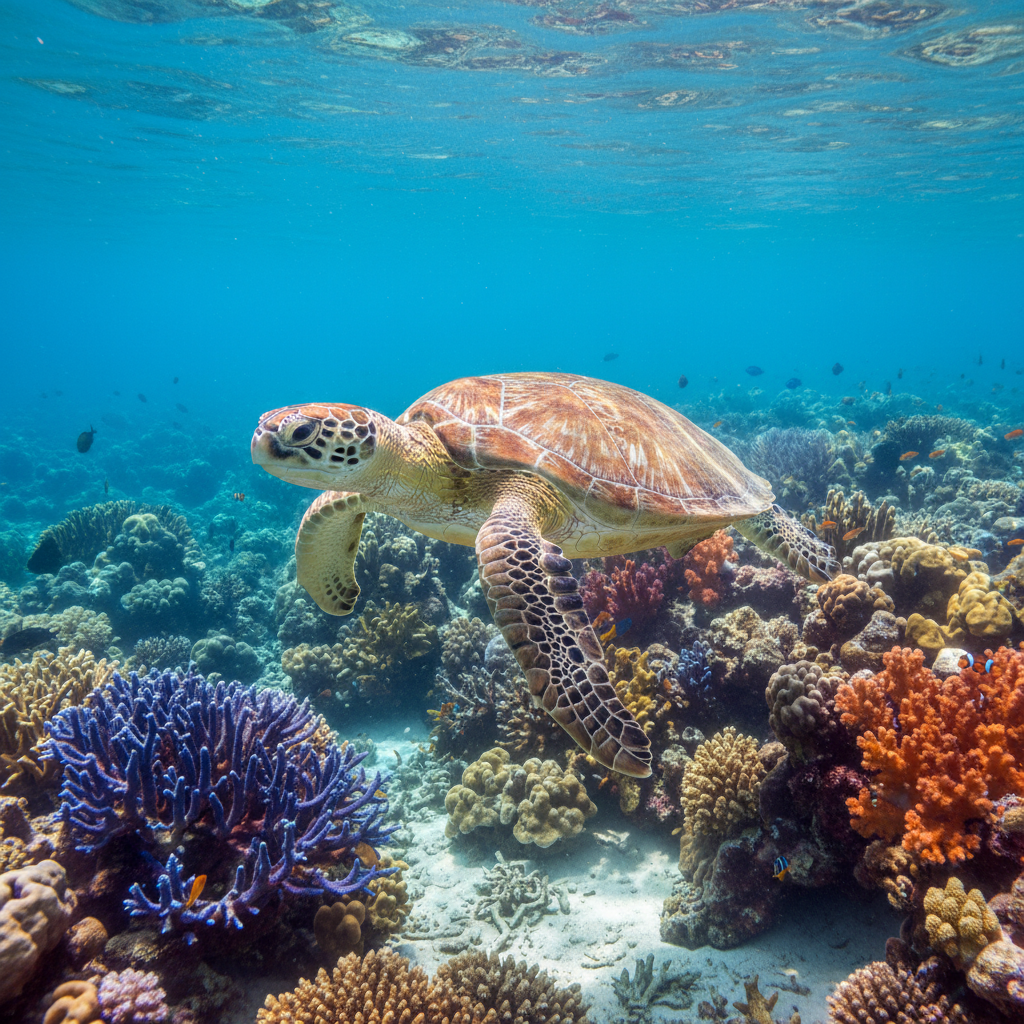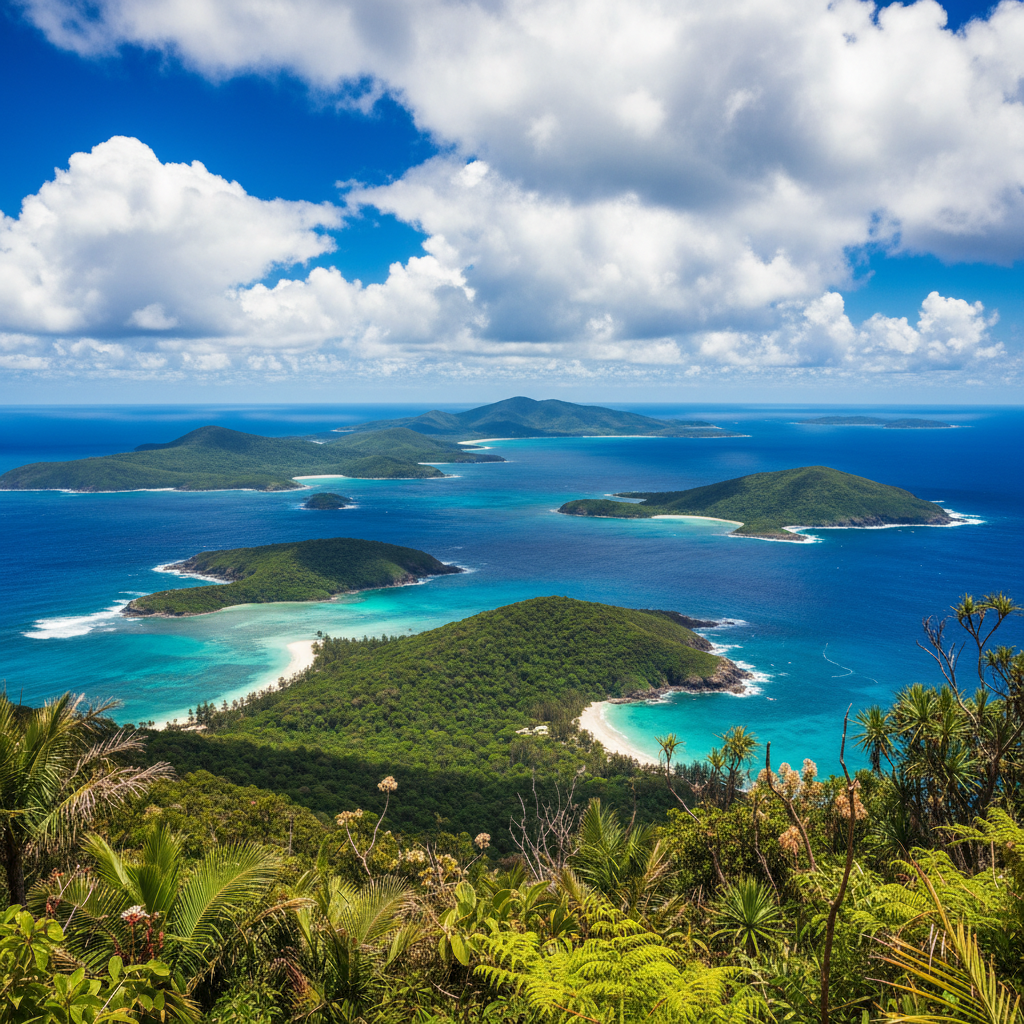
The freedom of your own motor yacht in the Whitsundays opens up endless possibilities — from spontaneous snorkelling stops at untouched reefs to sunset drinks at secluded anchorages. Unlike sailboats, motor yachts offer speed, stability, and independence from wind conditions, making them perfect for families or groups wanting maximum flexibility to explore the 74 islands at their own pace.
What types of motor yachts are available for hire in the Whitsundays?
Motor yacht hire options range from 6-metre open boats ($400-600/day) to 15-metre luxury motor cruisers ($2,500-4,000/day), including sports boats, flybridge cruisers, and expedition-style vessels for different group sizes and budgets.
The Whitsundays motor yacht fleet caters to every style of adventure. Open sports boats (6-8 metres) suit day trips for 4-8 people, featuring powerful outboard engines, minimal cabin space, and easy beach access. These nimble vessels excel at island hopping and reaching shallow bays that larger boats can't access.
Cruiser-style motor yachts (10-12 metres) accommodate 6-10 guests with comfortable cabins, kitchenettes, and bathroom facilities. They balance day-trip excitement with overnight capability, perfect for 2-3 day adventures exploring multiple islands.
Luxury flybridge motor yachts (12-15+ metres) represent the premium end, sleeping 8-12 guests in multiple cabins with full galley kitchens, spacious living areas, and upper deck entertaining spaces. These vessels come with advanced navigation systems, air conditioning, and premium amenities.
Expedition-style motor yachts focus on fishing and diving capabilities, featuring extended range, fish finders, rod holders, dive platforms, and robust construction for accessing remote reef locations.
How much does motor yacht hire cost in the Whitsundays?
Daily motor yacht hire costs range from $400 for basic 6-metre boats to $4,000+ for luxury cruisers. Weekly rates offer better value, typically reducing daily costs by 20-30% for longer charters.
Budget range ($400-800/day): 6-8 metre open boats and smaller cruisers, suitable for day trips with basic amenities. These boats typically accommodate 4-8 people and include essential safety equipment, but limited overnight facilities.
Mid-range ($800-1,500/day): 9-11 metre motor cruisers with comfortable cabins, full bathroom facilities, and basic galley equipment. Perfect for overnight adventures with 6-8 guests seeking comfort without luxury pricing.
Premium range ($1,500-2,500/day): 12-14 metre flybridge cruisers featuring multiple cabins, spacious living areas, advanced electronics, and superior comfort levels. These vessels accommodate 8-10 guests in style.
Luxury range ($2,500-4,000+/day): 15+ metre motor yachts with resort-level amenities, professional galley kitchens, premium entertainment systems, and exceptional space. Some include crew services or skipper options.
Weekly rates significantly improve value proposition. A $1,200/day boat might cost $7,000/week instead of $8,400, while luxury yachts often include additional services in weekly packages. Peak season (June-September) commands premium pricing, while shoulder seasons offer 15-25% discounts.
What's included with motor yacht hire in the Whitsundays?
Standard inclusions cover safety equipment, basic navigation electronics, dinghy with outboard, snorkelling gear, and comprehensive insurance. Fuel, provisions, marina fees, and cleaning typically cost extra, adding $200-500+ daily.
Always included: All required safety equipment meets Australian maritime standards — life jackets for all passengers, emergency beacons, fire extinguishers, first aid kits, flares, and navigation lights. Basic electronics include GPS chartplotter, VHF radio, and depth sounder.
Standard equipment: Most motor yachts include a tender (small boat) with outboard motor for shore access, snorkelling equipment for all guests, basic fishing gear, deck chairs or outdoor furniture, and fresh water systems with reasonable capacity.
Galley essentials: Refrigeration, cooking facilities (gas or electric), basic cookware, plates, cutlery, and cleaning supplies. Higher-end yachts feature full kitchens with dishwashers, ice makers, and premium appliances.
Additional costs to budget: Fuel consumption varies dramatically — expect $150-400 daily depending on yacht size and cruising distance. Marina overnight fees range from $50-150/night. Provisioning (food and drinks) typically costs $80-150 per person for multi-day trips. End-of-charter cleaning fees add $150-400.
Comprehensive insurance covers damage and third-party liability, though security bonds ($2,000-10,000) are required. Some operators include fuel in weekly packages, while others charge consumption-based rates averaging $2.20-2.80 per litre.
Do I need a boat licence to hire a motor yacht in the Whitsundays?
Motor yachts over 6 metres or with engines exceeding 6 horsepower require a valid boat licence. International visitors can use overseas licences temporarily or obtain Queensland recreational marine driver licences through approved providers.
Australian licence requirements: Queensland Recreational Marine Driver Licence covers vessels up to 12 metres, while Coxswain licences permit larger yachts. Most hire companies accept equivalent interstate licences under national recognition agreements.
International visitors: Valid overseas boat licences work for short-term visits (up to 3 months), though some operators prefer International Certificates of Competency. Popular options include RYA Day Skipper, ASA certifications, or equivalent national qualifications.
No licence options: Smaller boats (under 6 metres with engines under 6HP) don't require licences, though these severely limit Whitsundays exploration capabilities. Some operators offer skippered charters where professional captains handle navigation, though this significantly increases costs.
Emergency training: All hirers receive mandatory safety briefings covering radio procedures, emergency protocols, navigation basics, and local hazards. Many operators provide chart familiarisation and recommend practice runs in protected waters.
Obtaining temporary Queensland licences takes 1-2 days through approved training providers in Airlie Beach. Courses cover navigation rules, safety procedures, and practical boat handling, costing around $200-300 including assessment.
Where can I take a hired motor yacht in the Whitsundays?
Motor yachts can access all 74 Whitsunday islands, Great Barrier Reef locations, and mainland attractions within designated boundaries. Popular destinations include Whitehaven Beach, Hamilton Island, Hayman Island, and Hook Island reef systems.
Protected waters: The Whitsunday Passage offers calm conditions perfect for inexperienced skippers, with short distances between islands and numerous protected anchorages. Luxury destinations like Hayman Island, Daydream Island, and Hamilton Island provide resort facilities and secure moorings.
Outer reef adventures: Experienced skippers can venture to Great Barrier Reef locations including Hook Island Pinnacle, Bait Reef, and Hardy Reef systems. These trips require advanced planning, weather monitoring, and reef navigation experience, located 15-25 nautical miles from Airlie Beach.
Island highlights: Whitehaven Beach permits day visits with proper anchoring in designated zones. Hook Island offers excellent snorkelling at Butterfly Bay and Maureen's Cove. Langford Island provides 360-degree beach access, while Border Island features secluded camping spots.
Mainland attractions: Conway National Park beaches, Gloucester Island, and Dingo Beach extend exploration options beyond the main island group. These locations offer different scenery and often less crowded experiences.
Navigation boundaries typically restrict vessels to areas within 2 nautical miles of the mainland or islands, though specific hire agreements vary. GPS chartplotters include restricted zones, shipping channels, and reef locations to ensure safe passage.
What's the best motor yacht size for my group in the Whitsundays?
6-8 people suit 10-12 metre cruisers offering comfortable sleeping, adequate deck space, and practical facilities. Smaller groups (2-4) enjoy 8-10 metre boats, while larger parties (8+) require 12+ metre vessels for comfort.
Couples or small families (2-4 people): 8-10 metre motor cruisers provide intimacy without excessive costs or complexity. Single cabin layouts work perfectly, while two-cabin options offer privacy. These boats typically cost $600-1,200 daily and handle easily for novice skippers.
Standard groups (4-8 people): 10-12 metre cruisers represent the sweet spot for Whitsundays exploration. Multiple cabins, spacious cockpits, and adequate storage accommodate longer trips comfortably. Most feature 2-3 cabins, convertible saloon beds, and full facility galleys.
Large groups (8-12 people): 12-15 metre motor yachts provide necessary space and amenities for bigger parties. Three-four cabin configurations, multiple bathroom facilities, and expansive deck areas prevent overcrowding. These vessels often include professional equipment and advanced systems.
Luxury preferences: Regardless of group size, flybridge motor yachts add significant comfort and entertainment space. Upper deck areas provide additional social zones, better visibility for sightseeing, and separation from lower deck sleeping areas.
Consider planned activities when selecting size. Fishing groups need deck space and equipment storage, while diving parties require gear areas and easy water access. Detailed pricing comparisons help balance size requirements with budget constraints.
When is the best time to hire a motor yacht in the Whitsundays?
May to September offers optimal conditions with dry weather, consistent southeast trade winds, and comfortable temperatures (20-25°C). Peak season (June-August) requires advance booking but provides most reliable weather and sea conditions.
Dry season advantages (April-November): Minimal rainfall, stable weather patterns, and excellent visibility make this period ideal for motor yacht adventures. Southeast trade winds provide comfortable conditions without excessive chop, while temperatures remain pleasant for outdoor activities.
Peak season considerations (June-September): School holidays and whale migration season create maximum demand, requiring bookings 6-12 months ahead. Prices peak during July school holidays and Easter periods, but weather reliability justifies premium costs for many visitors.
Shoulder season benefits (April-May, September-November): Reduced crowds, discounted rates (15-25% savings), and excellent weather create optimal value. March-April particularly suits experienced boaters seeking fewer tourists and competitive pricing.
Wet season challenges (December-March): Tropical storms, afternoon thunderstorms, and stinger jellyfish presence require additional precautions. However, dramatic skies, lush island vegetation, and significant savings (30-40% off peak rates) attract budget-conscious adventurers.
Whale watching season (June-September) adds spectacular wildlife encounters to motor yacht adventures. Humpback whales migrate through Whitsunday waters, often approaching curious vessels for memorable close encounters.
What safety equipment and training is provided with motor yacht hire?
All hire motor yachts include mandatory Australian safety equipment: life jackets, emergency beacons, flares, first aid kits, and fire extinguishers. Comprehensive briefings cover radio procedures, emergency protocols, and local navigation hazards.
Required safety equipment: Life jackets for all passengers plus extras, Emergency Position Indicating Radio Beacon (EPIRB), VHF radio, visual distress signals (flares), sound signalling devices, fire extinguishers, first aid kit, and navigation lights. Larger vessels include additional safety equipment like life rafts and more comprehensive emergency supplies.
Navigation safety systems: GPS chartplotters with local charts, depth sounders for reef navigation, radar for visibility-limited conditions, and Automatic Identification Systems (AIS) for commercial vessel awareness. Modern yachts often include electronic chart updates and weather routing capabilities.
Mandatory briefings: Pre-departure training covers radio protocols (including Channel 16 emergency procedures), engine operation, anchor systems, navigation basics, and local hazard identification. Operators emphasise weather monitoring, tide awareness, and emergency contact procedures.
Emergency procedures: All hirers learn distress signal protocols, emergency anchor deployment, basic engine troubleshooting, and communication with marine rescue services. Contact cards include 24-hour emergency numbers and Coast Guard frequencies.
Insurance coverage includes comprehensive hull and machinery protection, third-party liability, and passenger coverage. Security bonds (typically $2,000-10,000) ensure responsible vessel operation, refunded upon successful charter completion without damage.
Can I fish from a hired motor yacht in the Whitsundays?
Motor yacht fishing is permitted in designated zones with basic equipment usually included. Queensland fishing licences aren't required for saltwater angling, though bag limits, size restrictions, and marine park regulations apply throughout Whitsunday waters.
Fishing equipment provided: Most motor yachts include basic fishing gear — rods, reels, tackle box with lures and sinkers, landing net, and fish cleaning facilities. Larger yachts often feature rod holders, bait cutting boards, and fish storage systems.
Legal requirements: No fishing licence needed for saltwater angling, though reef fishing requires understanding of marine park zones. Green zones prohibit fishing entirely, while blue zones permit line fishing only. Yellow zones allow various fishing methods with restrictions.
Popular fishing locations: Hook Island's outer reefs, Langford Island drop-offs, and Hayman Island northern waters provide excellent opportunities. Coral trout, red emperor, mackerel, and trevally represent common catches, though bag limits and size restrictions apply to all species.
Best fishing conditions: Early morning and late afternoon produce optimal results, particularly around reef edges and structure. Motor yachts' mobility advantage allows targeting different locations based on tidal movements and weather conditions.
Comprehensive boating guides include detailed fishing information, legal requirements, and species identification charts. Many operators provide fishing advice and local knowledge during pre-departure briefings.
What should I pack for a motor yacht hire in the Whitsundays?
Essential items include sun protection (SPF 50+ sunscreen, hats, long sleeves), swimwear, quick-dry clothing, reef-safe toiletries, personal medications, and soft-sided luggage suitable for limited yacht storage space.
Clothing essentials: Multiple swimsuits for constant swimming, quick-dry shorts and shirts, lightweight long sleeves for sun protection, warm layer for evening (even summer nights can be cool on water), non-slip deck shoes, and hat with chin strap for windy conditions.
Sun protection priority: SPF 50+ reef-safe sunscreen (zinc-based preferred), quality sunglasses with strap, wide-brimmed hat, lightweight long-sleeve shirt, and lip balm with SPF. Whitsundays sun reflects intensely off water, dramatically increasing burn risk.
Personal items: Prescription medications in original containers, personal toiletries in reef-safe formulations, towels (though many yachts provide these), waterproof phone case, portable charger, and soft-sided luggage for yacht storage constraints.
Optional equipment: Underwater camera for snorkelling memories, portable bluetooth speaker for entertainment, books or games for quiet moments, extra snorkelling gear if preferred personal equipment, and insulated water bottle for hydration.
Yacht storage space limits luggage size, so pack efficiently in soft bags rather than rigid suitcases. Most necessities can be purchased in Airlie Beach if forgotten, though marine equipment costs significantly more than mainland prices.
Ready to explore the Whitsundays aboard your own motor yacht? Whether you're seeking a day of island hopping, a romantic sunset cruise, or an extended adventure to the outer reef, Airlie to Whitehaven connects you with the perfect motor yacht for your dream getaway. Browse our extensive range of vessels, compare prices, and book your Whitsundays motor yacht adventure today — your captain's licence to paradise awaits.