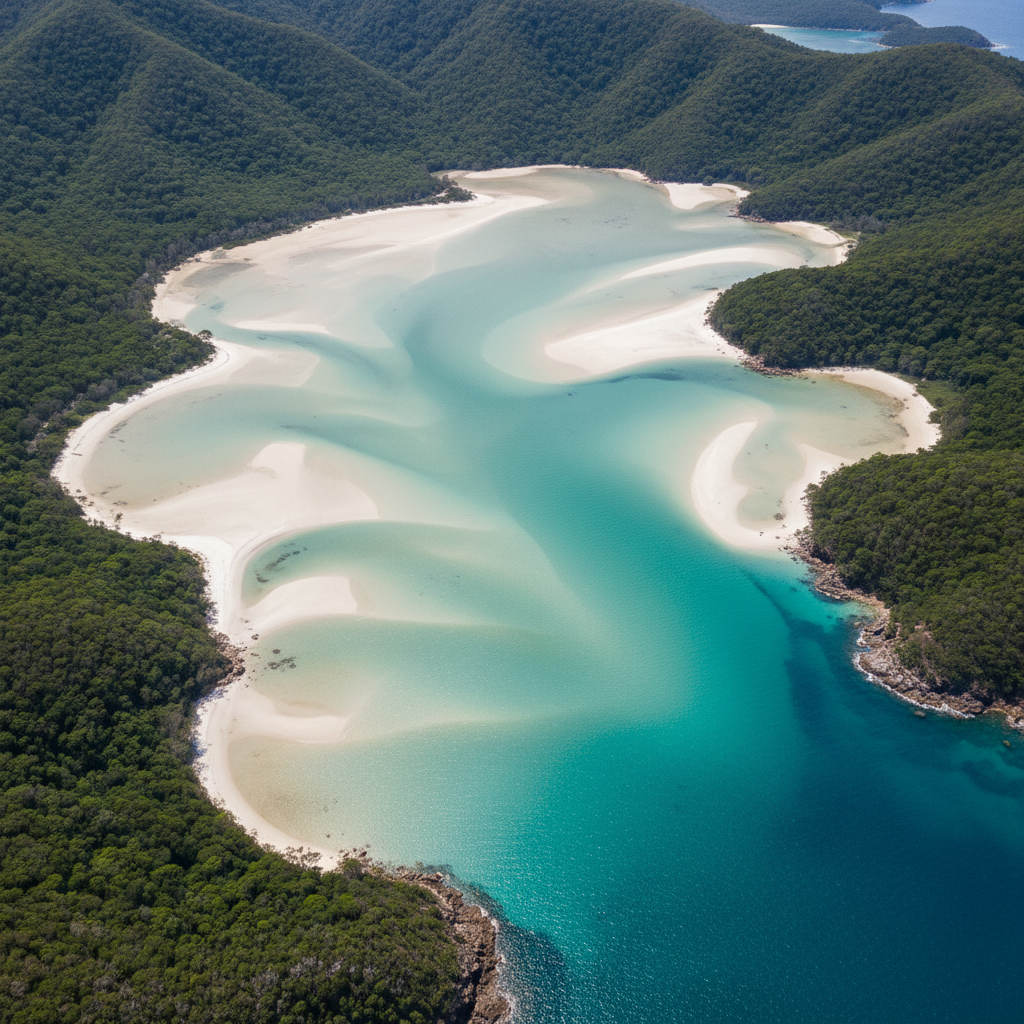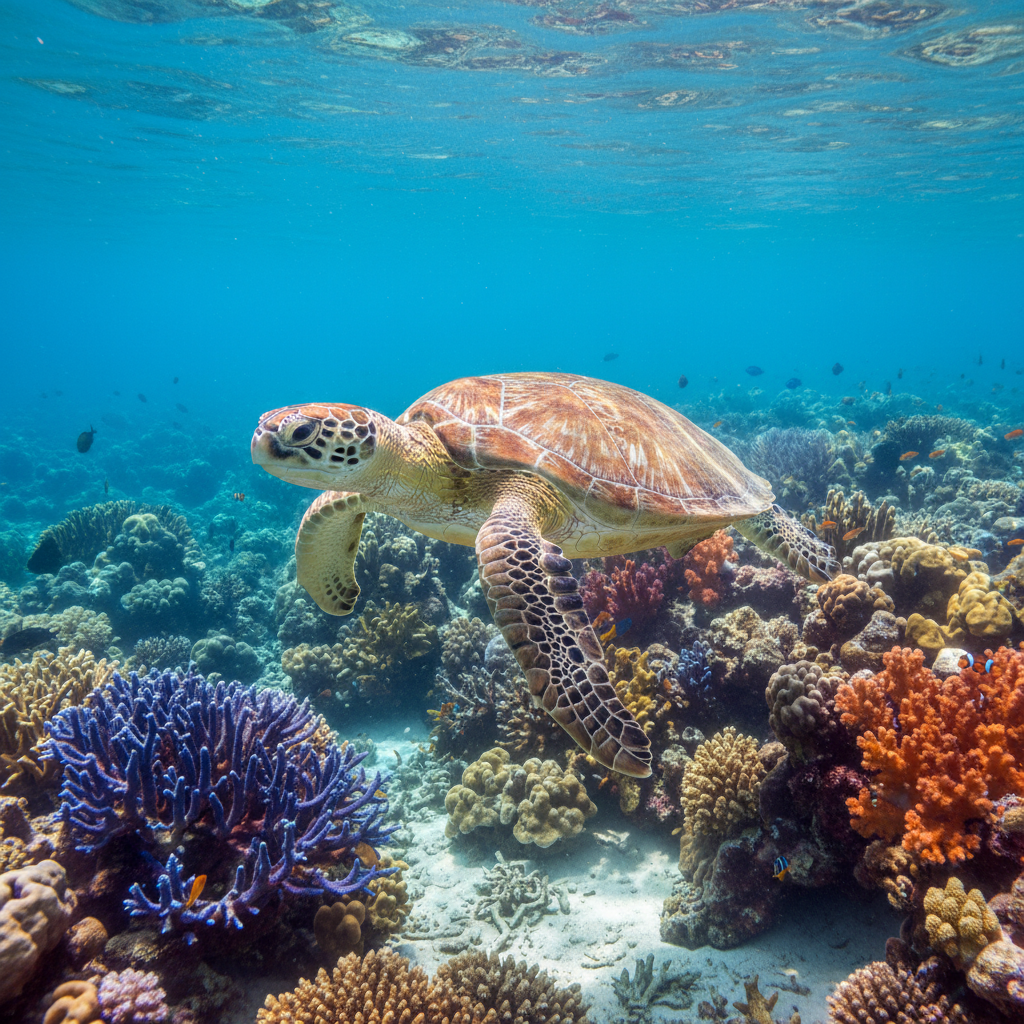
The Whitsundays offer some of Australia's most diverse fishing opportunities, with crystal-clear coral reefs, deep blue channels, and protected bays creating habitats for everything from table fish to trophy game species. Whether you're a seasoned angler chasing that elusive red emperor or a family looking to hook some tasty coral trout for dinner, these 74 islands deliver world-class fishing just minutes from Airlie Beach.
From the shallow coral gardens around Hook Island to the deep water drop-offs near the Great Barrier Reef, each fishing zone offers different species and challenges. The region's unique geography creates upwellings and currents that concentrate baitfish, attracting larger predators year-round. Most charter operators work these proven grounds daily, knowing exactly where to find each species based on tides, seasons, and recent catches.
What are the most popular fish species to target in the Whitsundays?
Coral trout, red emperor, spanish mackerel, queenfish, and giant trevally dominate Whitsundays fishing, with seasonal visitors including marlin, sailfish, and wahoo. These species thrive in the region's diverse habitats from shallow reefs to deep offshore waters.
The Whitsundays' fishing reputation centres around five key target species. Coral trout (Plectropomus leopardus) reign as the region's premier table fish, with their sweet white flesh making them highly sought after. These reef dwellers typically weigh 1-5kg, though specimens over 10kg are caught annually around deeper reef edges.
Red emperor (Lutjanus sebae) represent the holy grail for many anglers, with their deep red colouration and excellent eating quality. Adults commonly reach 5-15kg, with trophy fish exceeding 20kg caught in deeper waters beyond 40 metres. Spanish mackerel (Scomberomorus commerson) provide exciting sport fishing, with their blistering runs and acrobatic jumps. These pelagic predators average 5-15kg but can exceed 30kg during peak season.
Queenfish (Scomberoides commersonnianus) offer fantastic light tackle action, particularly around structure and drop-offs. Giant trevally (Caranx ignobilis) provide the ultimate test of angler skill and equipment, with fish over 40kg regularly encountered around offshore reefs and seamounts.
Where are the best fishing spots around the Whitsunday Islands?
Top fishing locations include Hook Island's northern reefs for coral trout, the Stepping Stones for red emperor, Langford Reef for spanish mackerel, and deeper waters around Bait Reef for pelagic species like marlin and sailfish.
Hook Island's northern coastline features extensive coral gardens in 8-25 metre depths, creating perfect coral trout habitat. The rocky headlands and coral bombies hold schools of sweetlip, hussar, and various cod species. Charter boats typically anchor in 15-20 metres, with anglers casting towards the reef edge where bigger fish patrol.
The Stepping Stones, located between Hook and Whitsunday Islands, offer deeper water fishing in 30-60 metre depths. This area consistently produces red emperor, coral trout, and various bottom species. The underwater topography includes ledges, caves, and coral outcrops that concentrate fish populations.
Langford Reef, approximately 15 nautical miles northeast of Airlie Beach, marks the beginning of serious pelagic fishing. The reef's outer edges drop into deep blue water where spanish mackerel, wahoo, and tuna cruise. Surface lures and trolled baits work effectively along current lines and temperature breaks.
Bait Reef, part of the Great Barrier Reef proper, sits roughly 35 nautical miles from Airlie Beach. This outer reef system attracts large pelagic species including black marlin (Istiompax indica), sailfish (Istiophorus platypterus), and giant trevally. The reef's steep walls and current-washed passages create feeding opportunities for these apex predators.
When is the best time to catch coral trout in the Whitsundays?
Coral trout fishing peaks from April to November during cooler months, with fish more active and feeding aggressively. Water temperatures between 22-26°C provide optimal conditions, making winter and shoulder seasons most productive for consistent catches.
Coral trout behaviour closely follows seasonal water temperature patterns. During the dry season (April-November), water temperatures stabilise between 22-26°C, triggering increased feeding activity. Fish become more aggressive, readily taking baits and lures presented near reef structures.
The spawning season from September to December sees large breeding aggregations form around specific reef sites. While catch rates can be exceptional during this period, many experienced anglers practice selective harvesting to protect breeding stock. Early morning (5:30-8:00am) and late afternoon (4:00-6:30pm) sessions typically produce the most action.
Moon phases significantly influence coral trout activity, with new moon periods generally producing better results than full moon phases. Neap tides (smaller tidal movements) often concentrate fish around structure, making them easier to locate and target effectively.
For detailed seasonal information and optimal fishing times throughout the year, check our comprehensive fishing seasons guide which covers all major species and their peak periods.
What techniques work best for catching red emperor?
Red emperor respond best to fresh baits like whole squid, large prawns, and fish fillets fished on heavy tackle in 30-80 metre depths. Use 6-8oz sinkers to maintain bottom contact in strong currents around deep reef structures.
Red emperor fishing demands patience and heavy tackle. These bottom-dwelling predators inhabit depths from 30-100 metres, often around steep drop-offs and coral bombies. A typical rig includes 80-100lb leader, 8/0-12/0 circle hooks, and sufficient weight to hold bottom in current.
Fresh bait selection proves critical for consistent success. Whole arrow squid (Nototodarus gouldi) ranks as the premier bait, with the tentacles creating enticing movement in the current. Large school prawns, fresh tuna strips, and whole small fish like pilchards also produce excellent results.
Burley (ground bait) plays a crucial role in attracting red emperor to the fishing zone. A mixture of tuna oil, bread, and chopped pilchards creates a scent trail that draws fish from considerable distances. Many charter operators prepare custom burley mixes based on local conditions and target species.
Fighting technique requires patience and steady pressure rather than aggressive pumping. Red emperor possess powerful jaws and strong bodies, often seeking refuge in caves or under coral ledges when hooked. Maintaining consistent pressure while preventing the fish from reaching structure separates successful anglers from those who lose trophy fish.
How do you target spanish mackerel and other pelagic species?
Spanish mackerel respond to high-speed trolling with spoons, hard-bodied lures, and live baits around reef edges and current lines. Maintain 6-10 knot speeds while covering water to locate feeding schools in blue water zones.
Pelagic fishing in the Whitsundays focuses on covering water to locate feeding schools. Spanish mackerel typically patrol reef edges where deep water meets shallow coral, particularly during current changes and low light conditions. GPS marks of productive areas become invaluable for return visits.
Lure selection includes chrome spoons (60-100g), hard-bodied minnows (120-180mm), and skirted trolling lures. Wire leaders (30-40lb) prevent bite-offs from sharp teeth, while 30-50lb line class provides sufficient strength for larger specimens. Many successful anglers run multiple lines at different depths to cover the water column effectively.
Live bait fishing with yakkas (Trachurus novaezelandiae), scad, and small tuna can be devastatingly effective when schools are located. Free-spooling live baits into feeding frenzies often triggers spectacular strikes from spanish mackerel, queenfish, and trevally species.
Seasonal movements see spanish mackerel numbers peak from May to September, coinciding with cooler water temperatures and increased bait concentrations. Early morning sessions often provide the most consistent action, with fish feeding actively in low light conditions.
What are the size and bag limits for popular Whitsundays fish species?
Queensland regulations set coral trout minimum size at 35cm (5 fish bag limit), red emperor at 55cm (5 fish combined coral reef fin fish), and spanish mackerel at 90cm (1 fish bag limit). These limits protect breeding stocks while allowing sustainable harvesting.
Current Queensland fisheries regulations establish specific size and bag limits for popular species. Coral trout (Plectropomus leopardus) must measure minimum 35cm total length with a bag limit of 5 fish per person. However, these fall under the combined coral reef fin fish category, limiting total reef species to 5 fish per day.
Red emperor regulations require a minimum size of 55cm total length, with possession limited under the coral reef fin fish bag limit. Spanish mackerel must measure at least 90cm total length with a strict bag limit of 1 fish per person per day.
Pelagic species like queenfish have no minimum size but fall under the general fin fish bag limit of 20 per person. Giant trevally must measure minimum 35cm with a bag limit of 1 fish per person for specimens over 50cm total length.
Possession limits extend beyond daily bag limits, with some species restricted to twice the daily bag limit in possession. These regulations frequently change, so checking current Queensland Fisheries guidelines before departure ensures compliance and supports sustainable fishing practices.
What equipment and tackle do you need for Whitsundays fishing?
Essential tackle includes medium-heavy spinning or baitcaster reels with 30-50lb line, variety of sinkers (2-8oz), circle hooks (4/0-12/0), wire leaders for pelagics, and fresh bait. Charter boats typically provide all equipment, while private boats need comprehensive tackle selection.
Rod selection depends on target species and fishing style. Medium-heavy spinning rods (7-7.5 feet) handle most reef fishing applications, while shorter boat rods (5.5-6.5 feet) provide better leverage when fighting large bottom fish in deep water. Overhead/baitcaster setups offer superior line capacity and drag systems for trophy fishing.
Reel capacity becomes critical when targeting larger species. Quality spinning reels should hold 300+ metres of 30lb braid, while overhead reels need similar capacity in 50lb line class. Sealed drag systems withstand saltwater conditions while providing smooth pressure during extended fights.
Terminal tackle variety ensures preparedness for different species and conditions. Circle hooks in sizes 4/0-12/0 reduce deep hooking while improving hook-up ratios. Sinker selection from 2-8oz accommodates varying depths and current conditions. Quality swivels, snaps, and leaders prevent tackle failures during crucial moments.
Our detailed Whitsundays fishing guide provides complete equipment recommendations and rigging instructions for targeting specific species throughout the region.
Are there fishing charters available from Airlie Beach?
Multiple fishing charter operators run daily trips from Abel Point Marina and Shute Harbour, offering half-day ($180-250), full-day ($350-450), and extended overnight trips ($800-1200) targeting various species around the Whitsunday Islands and Great Barrier Reef.
Airlie Beach hosts Queensland's largest fishing charter fleet, with operators specialising in different fishing styles and target species. Half-day charters (4-5 hours) typically focus on inshore reefs around Hook and Whitsunday Islands, targeting coral trout, sweetlip, and smaller reef species.
Full-day expeditions (8-10 hours) venture to outer reefs and deeper waters, providing opportunities for red emperor, large coral trout, and pelagic species. These trips include all tackle, bait, ice, and fish cleaning services. Many operators provide lunch and refreshments as part of the package.
Specialist game fishing charters target marlin, sailfish, and large tuna using heavy tackle and live bait techniques. These premium services typically cost $1200-1800 per day but provide access to world-class game fishing grounds beyond the continental shelf.
Most charter boats accommodate 6-12 anglers with experienced skippers who know local conditions, regulations, and productive fishing areas. Advance booking during peak seasons (school holidays and whale watching season) ensures availability on preferred dates.
Browse our complete selection of Airlie Beach fishing trips to find the perfect charter for your skill level and target species preferences.
Can you keep and eat the fish you catch in the Whitsundays?
Most fish species caught in the Whitsundays can be kept within size and bag limits, with coral trout, red emperor, and spanish mackerel offering excellent table fare. Charter operators typically provide filleting services and ice for transporting your catch.
The majority of popular Whitsundays species provide excellent eating when properly handled and prepared. Coral trout ranks among Australia's premier table fish, with sweet, firm white flesh that works well grilled, baked, or in curries. Red emperor offers similar quality with slightly firmer texture and subtle flavour.
Spanish mackerel requires immediate icing and bleeding to maintain quality, as the dark flesh can deteriorate rapidly in warm conditions. When properly handled, the flesh has a rich, distinctive flavour perfect for smoking, grilling, or sashimi preparation.
Fish handling techniques significantly impact eating quality. Immediate bleeding by cutting gill rakers, followed by icing in an insulated container, preserves freshness during extended fishing trips. Many charter operators provide these services as part of their package.
Some species like giant trevally, while legal to keep, are often released due to their fighting ability and potential breeding value. Catch and release practices help maintain healthy fish populations while still providing the excitement of hooking trophy specimens.
Charter boats typically include filleting services, providing cleaned fish fillets packed in ice for transport. This service saves time and ensures professional preparation of your catch for cooking.
What are the fishing regulations and marine park rules?
Great Barrier Reef Marine Park regulations prohibit fishing in Green Zones, require permits for some activities, and mandate specific gear restrictions. Queensland fisheries laws set size limits, bag limits, and seasonal closures for sustainable fish stock management.
The Great Barrier Reef Marine Park Authority (GBRMPA) manages fishing access through a colour-coded zoning system. Green Zones (approximately 33% of the marine park) prohibit all fishing activities to protect critical habitats and breeding areas. Yellow and Blue Zones allow recreational fishing with specific restrictions.
Recreational fishing permits are not required for most activities, but commercial operators need valid permits and regular compliance checks. Spearfishing regulations prohibit the use of SCUBA equipment and restrict access to certain areas during specific seasons.
Gear restrictions include prohibitions on certain net types, fish traps, and explosive devices. Line fishing remains the primary legal method for recreational anglers, with specific regulations covering hook types and maximum line numbers per person.
Seasonal closures protect spawning aggregations of key species like coral trout and red emperor. These temporary restrictions typically apply to specific reef areas during peak spawning periods, usually between September and December.
Penalty structures for regulation breaches include substantial fines and potential equipment confiscation. Understanding current regulations before fishing prevents costly violations and supports marine conservation efforts.
How do weather and tides affect fishing success in the Whitsundays?
Weather and tidal patterns significantly influence fishing success, with calm conditions and moderate tides generally producing better results. Strong winds limit access to offshore reefs while extreme tides can scatter fish and make fishing difficult.
Southeast trade winds dominate the dry season (April-November), typically building from 10-20 knots during afternoons. Morning sessions often provide calmer conditions with better fishing opportunities before winds strengthen. Westerly winds during winter months can create exceptional fishing conditions with minimal sea state.
Tidal movements concentrate baitfish and trigger feeding activity among predatory species. Moderate tides (1.5-2.5 metre range) generally produce better fishing than extreme spring tides, which can scatter fish and make anchoring difficult in deeper water.
Water temperature fluctuations affect fish behaviour and feeding patterns. Cooler water during winter months slows fish metabolism but often concentrates schools around warmer reef areas and deeper water refuges.
Barometric pressure changes can influence fish activity, with stable high pressure generally producing better fishing than approaching low pressure systems. Many experienced anglers track weather patterns and plan trips accordingly.
Seasonal weather patterns create distinct fishing opportunities. The stinger season (November-May) brings calmer conditions and excellent fishing but requires protective clothing. Dry season winds can limit offshore access but create productive fishing in protected waters around the inner islands.
Ready to experience world-class fishing in the Whitsundays? Airlie to Whitehaven connects you with the region's best fishing charters and operators, from half-day reef trips to multi-day game fishing adventures. Our local expertise and comprehensive booking platform make it easy to find the perfect fishing experience for your skill level and target species. Book your Whitsundays fishing adventure today and discover why these waters produce some of Australia's most memorable angling experiences.