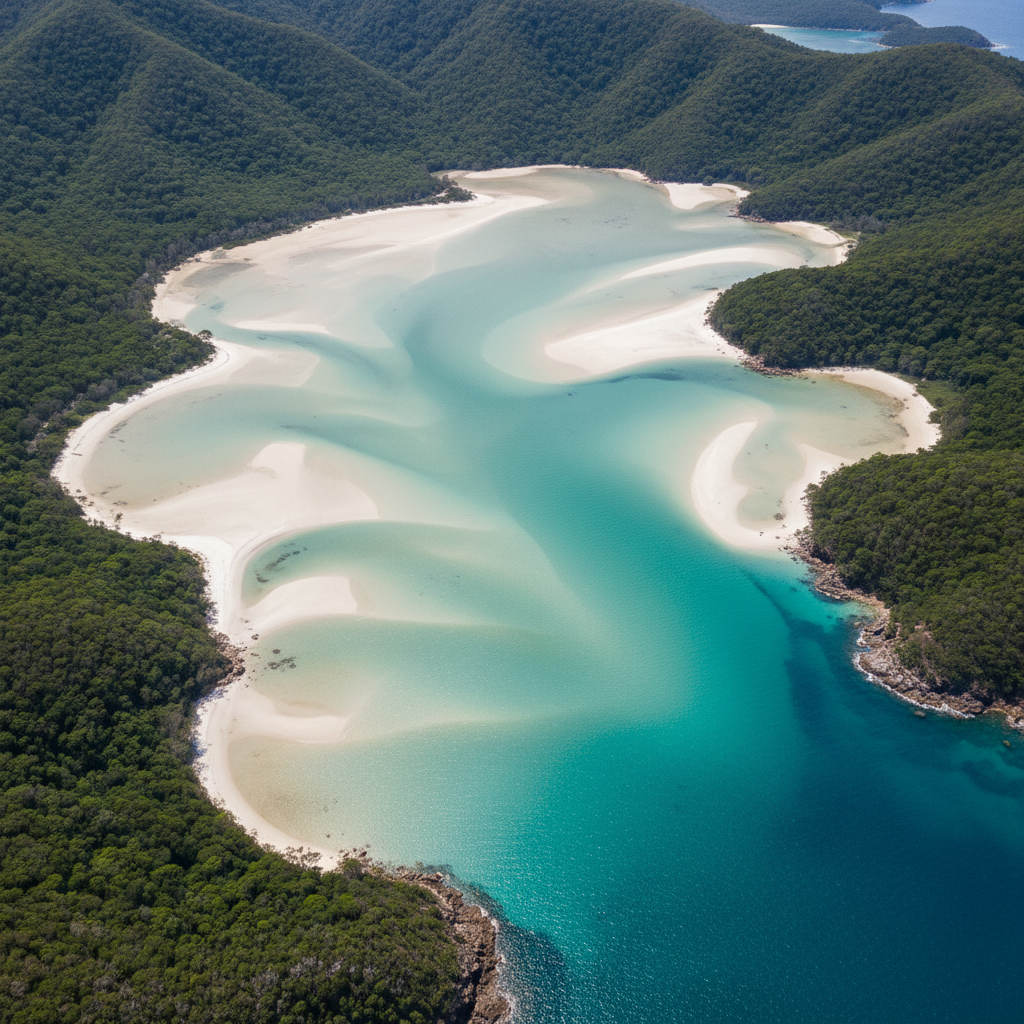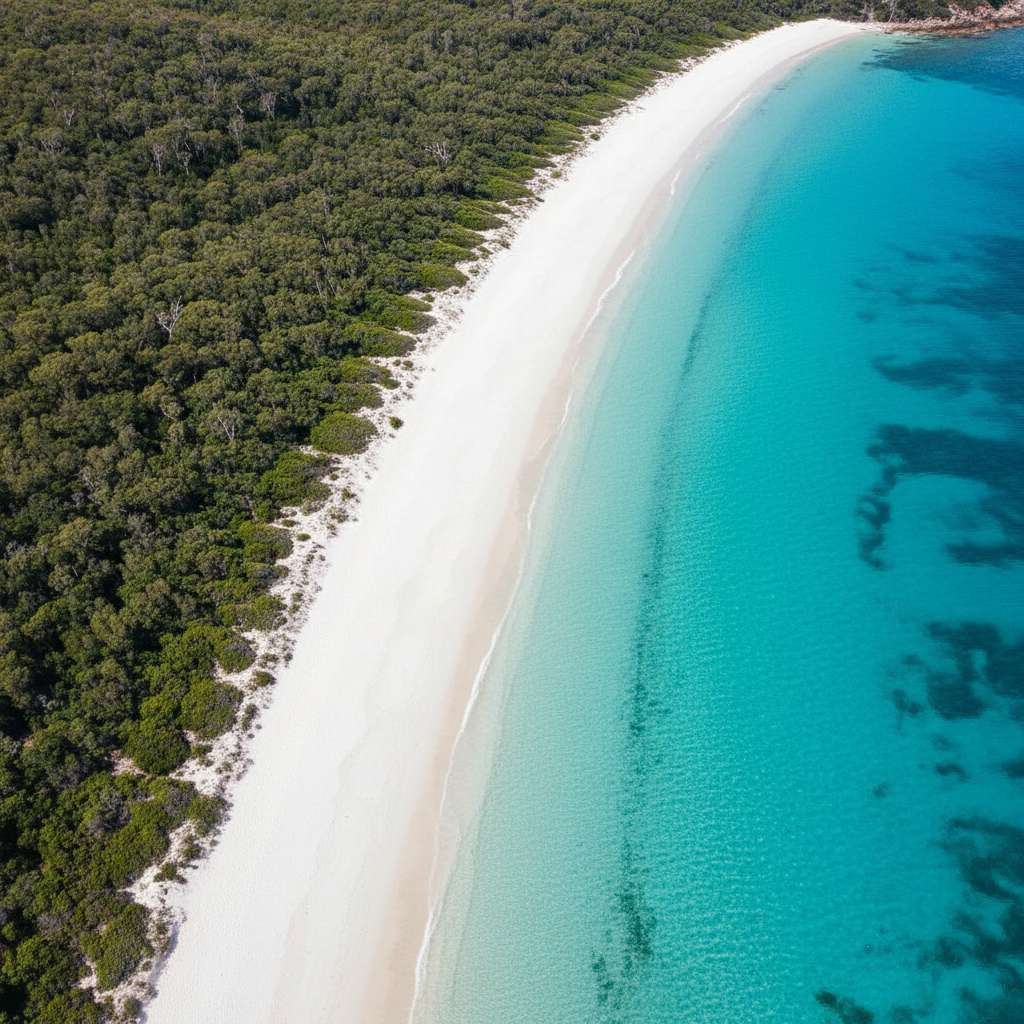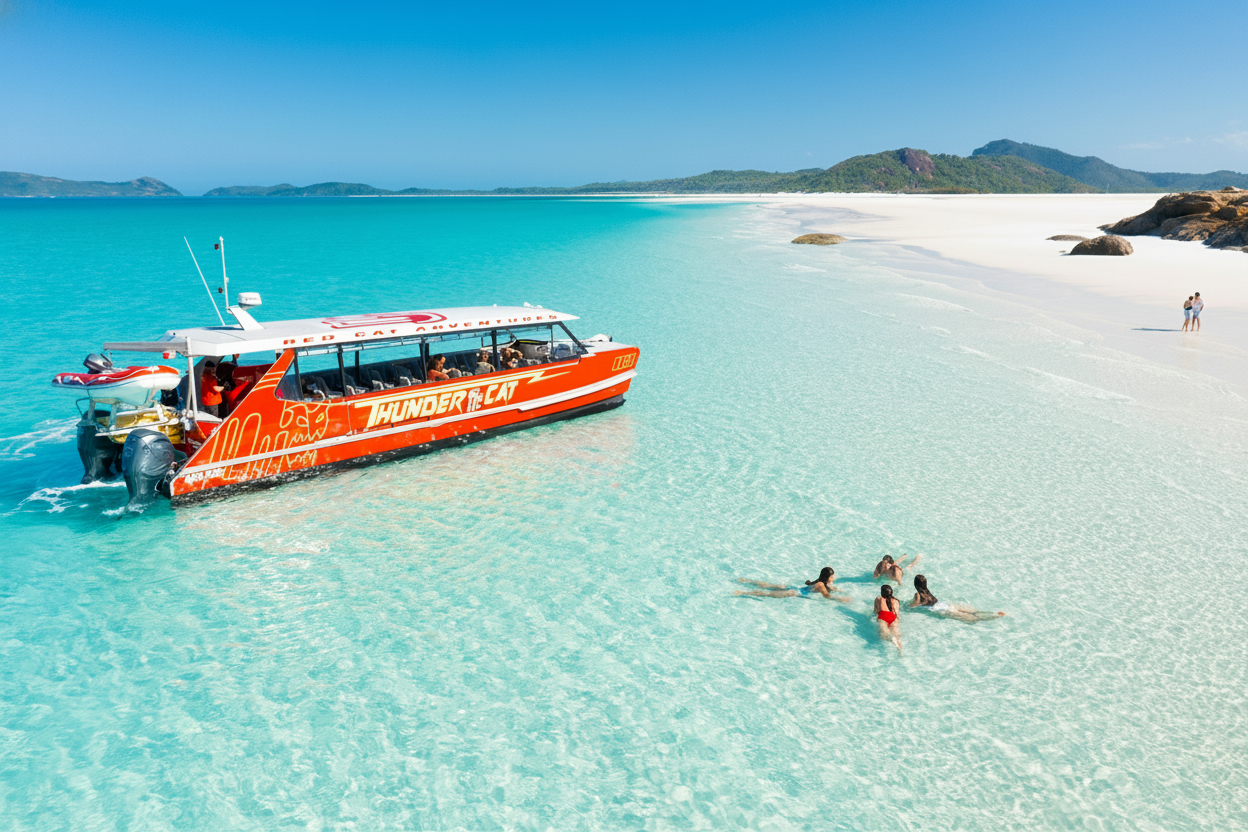
The Whitsundays offer some of Australia's most spectacular fishing opportunities, with pristine waters hosting everything from coral trout to Spanish mackerel year-round. Understanding when different species are most active can transform your fishing adventure from good to unforgettable. Whether you're targeting pelagic species in the deep blue or reef fish around the 74 islands, timing your trip with the right season makes all the difference.
What are the main fishing seasons in the Whitsundays?
The Whitsundays fishing calendar revolves around two main seasons: the wet tropical summer (November to April) and the dry winter period (May to October). Summer brings pelagic species like Spanish mackerel and tuna, while winter offers excellent coral trout and red emperor fishing with calmer seas.
Understanding these seasons helps you target specific species and plan around weather patterns. Summer fishing often requires early morning starts to beat afternoon storms, while winter provides all-day fishing opportunities with consistently calm conditions. Water temperatures range from 22°C in winter to 28°C in summer, directly influencing fish behaviour and feeding patterns.
The transitional months of April-May and September-October often provide the best fishing conditions, combining favourable weather with active fish movements as they adjust to changing water temperatures.
Which months offer the best Spanish mackerel fishing?
Spanish mackerel fishing peaks from November through April, with December to February providing the most consistent action. Water temperatures above 25°C trigger aggressive feeding, with fish averaging 8-15kg and trophy specimens exceeding 20kg regularly caught around outer reefs.
During peak season, Spanish mackerel hunt in schools around Bait Reef, Hook Reef, and the outer edges of the Whitsunday Passage. Early morning sessions from 6-9am produce the best results, with fish feeding aggressively on baitfish schools. Trolling with skirted lures at 6-8 knots proves most effective.
Key locations include the drop-offs at Bait Reef (45 minutes from Hamilton Island), Hook Reef (60 minutes from Airlie Beach), and the deeper waters around Gloucester Passage. Professional fishing charters target these areas with GPS-marked productive zones developed over years of local knowledge.
When is coral trout season in the Whitsundays?
Coral trout fishing remains excellent year-round, but winter months from May to September offer the most consistent catches. Cooler water temperatures of 22-24°C make trout more active during daylight hours, with less competition from pelagic predators in the water column.
Winter coral trout average 1-3kg, with larger specimens up to 5kg common around deeper reef structures. The species congregates around bommies, coral gardens, and reef edges in 15-30 metres of water. Popular locations include the inner reefs around Hook Island, Hayman Island's northern reefs, and the extensive coral systems surrounding Whitsunday Island.
Summer coral trout fishing requires deeper targeting, with fish moving to 20-40 metre depths to escape warm surface temperatures. Dawn and dusk sessions prove most productive during warmer months, when trout venture into shallower feeding areas.
What's the best time for red emperor and deep water species?
Red emperor fishing peaks from April through September when cooler water temperatures drive these deepwater species into shallower accessible ranges. Target depths of 40-80 metres around outer reef edges and seamounts, with fish weighing 3-8kg commonly caught during winter months.
These deepwater species, including red emperor, pearl perch, and various cod species, require specialized techniques and equipment. Heavy tackle with 80-100lb leaders handles the rocky bottom structure where these fish live. Baits include whole squid, pilchards, and large prawns fished on running sinker rigs.
Prime red emperor locations include the deeper sections of Hardy Reef, Bait Reef, and Hook Reef. Charter operators typically combine red emperor fishing with coral trout targeting, maximizing species variety during full-day trips. Winter's calmer seas make the longer runs to outer reef edges more comfortable and productive.
When should you target pelagic species like tuna and wahoo?
Pelagic species including yellowfin tuna, wahoo, and mahi mahi are most active from December through March when warm ocean currents bring baitfish concentrations. Water temperatures above 26°C trigger aggressive feeding behaviour, with fish following thermal breaks and current edges.
Yellowfin tuna in the 15-30kg range patrol the outer reef edges and blue water beyond the continental shelf. Wahoo averaging 10-20kg cruise current lines and reef edges, while mahi mahi schools form around floating debris and current convergences. These species require fast trolling at 8-12 knots with heavy tackle.
Successful pelagic fishing often involves long runs beyond the outer reefs, sometimes 15-20 nautical miles from Airlie Beach. Professional charter operators use fish finders and GPS to locate temperature breaks and baitfish schools that attract these open ocean predators.
How does the stinger season affect fishing in the Whitsundays?
Stinger season from November to May coincides with excellent fishing for warm-water species, but requires protective measures when handling fish and swimming. Charter operators provide stinger suits and follow strict safety protocols, allowing safe fishing throughout the tropical summer months.
Box jellyfish and Irukandji inhabit coastal waters during stinger season, making protective clothing essential. However, this period offers some of the year's best fishing for Spanish mackerel, queenfish, and various tuna species. Professional charters maintain comprehensive safety equipment and experienced crews familiar with stinger protocols.
Many anglers consider stinger season worth the precautions for the exceptional fishing opportunities. The warm water brings aggressive feeding behaviour and larger average fish sizes across most target species. Proper preparation and professional guidance ensure safe, productive fishing during these productive months.
What fishing opportunities exist during whale migration season?
Whale migration from June to September creates unique fishing opportunities as baitfish concentrate to avoid whale feeding areas. This congregation effect improves fishing for species like tuna, mackerel, and various reef fish that follow the increased bait concentrations throughout the region.
Humpback whale movements through the Whitsunday Passage push baitfish schools into concentrated pockets, creating excellent fishing opportunities. However, regulations require maintaining 100 metres distance from whales, which charter operators strictly observe while positioning for optimal fishing zones.
The combination of whale watching and fishing during migration season offers incredible value. Many operators provide dual-purpose trips, allowing guests to experience both activities during single charters. This period coincides with excellent coral trout fishing and calm winter weather conditions.
Which months provide the calmest seas for fishing?
May through September delivers the most consistently calm seas, with trade winds typically under 15 knots and minimal rainfall. These conditions provide comfortable fishing for all experience levels and allow access to outer reefs that may be challenging during summer storm seasons.
Winter's southeast trade winds create predictable weather patterns, with morning sessions often completely calm before afternoon sea breezes develop. This reliability allows precise trip planning and reduces seasickness concerns for inexperienced anglers. Visibility often exceeds 30 metres, enhancing both fishing success and overall experience.
The optimal weather conditions during winter months also coincide with excellent fishing for coral trout, red emperor, and various reef species. This combination makes May through September the most popular period for fishing-focused visits to the Whitsundays region.
How do moon phases affect fishing success in the Whitsundays?
New moon periods generally provide the best fishing conditions in the Whitsundays, with reduced light levels encouraging more aggressive feeding behaviour. The 3-4 days around each new moon often produce exceptional fishing results across all target species throughout the year.
Full moon phases can scatter fish feeding patterns, making them less predictable but often more active during dawn and dusk periods. Experienced charter operators adjust fishing times and techniques based on lunar cycles, often starting earlier or finishing later during bright moon phases to maximize success rates.
Tidal movements influenced by moon phases create current flows that concentrate baitfish and trigger feeding activity. The strongest tides around new and full moons often produce the most aggressive fish behaviour, particularly for pelagic species hunting in current lines and reef edges.
What's the best seasonal strategy for multi-species fishing?
April-May and September-October offer the best multi-species fishing opportunities, combining favourable weather with diverse fish populations. These transitional periods provide access to both warm-water pelagics and cooler-water reef species, maximizing variety during single fishing trips in the region.
During these shoulder seasons, morning sessions can target pelagic species while afternoon fishing focuses on reef species as water temperatures moderate throughout the day. This strategy allows experienced charter operators to adapt techniques and locations based on real-time conditions and fish activity.
Professional charters during transition periods often catch 8-12 different species during full-day trips, including Spanish mackerel, coral trout, red emperor, queenfish, and various tuna species. The diversity makes these periods ideal for first-time visitors wanting to experience the full range of Whitsundays fishing opportunities.
Ready to experience world-class fishing in the Whitsundays? Browse our comprehensive fishing guide for detailed information about techniques, equipment, and target species. Book your fishing adventure through Airlie to Whitehaven, where local expertise meets exceptional service to create unforgettable fishing experiences in one of Australia's most pristine marine environments.