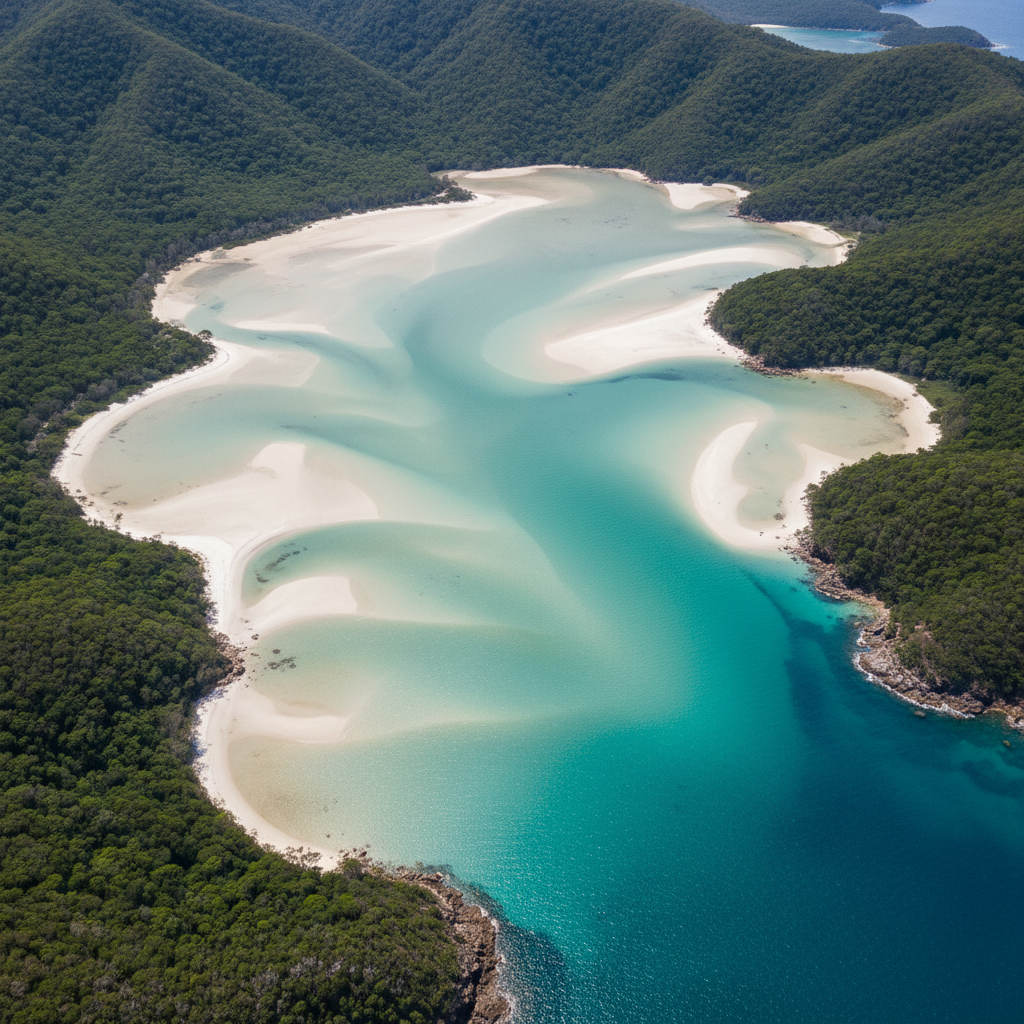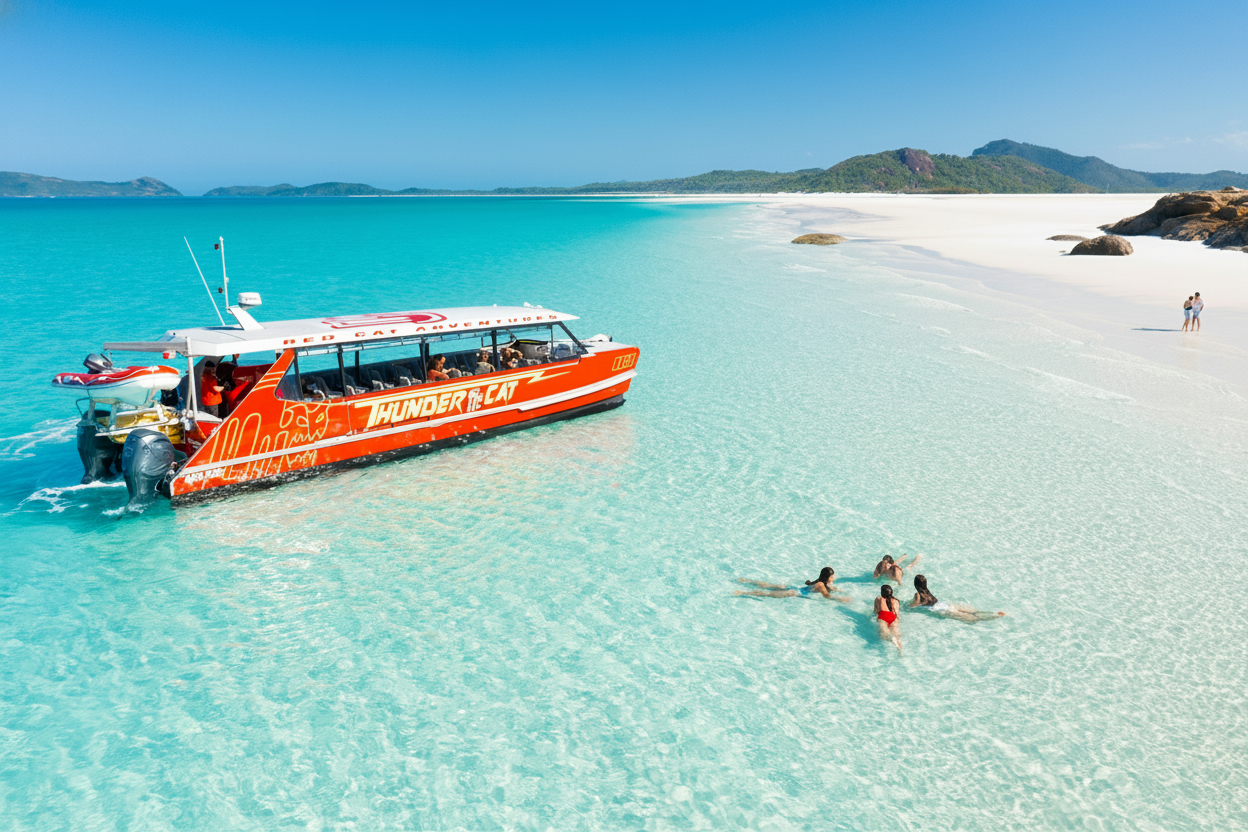
The Whitsundays offers some of Australia's most diverse fishing experiences, from shallow reef fishing to deep-sea game fishing adventures. Based in Airlie Beach, you'll have access to everything from quick half-day trips targeting coral trout and mackerel to multi-day expeditions chasing giant black marlin. Whether you're a complete beginner or seasoned angler, there's a fishing charter perfectly suited to your experience level and budget.
What types of fishing trips are available from Airlie Beach?
Airlie Beach offers reef fishing, game fishing, estuary fishing, half-day, full-day, and multi-day charters targeting species from coral trout to black marlin across diverse environments.
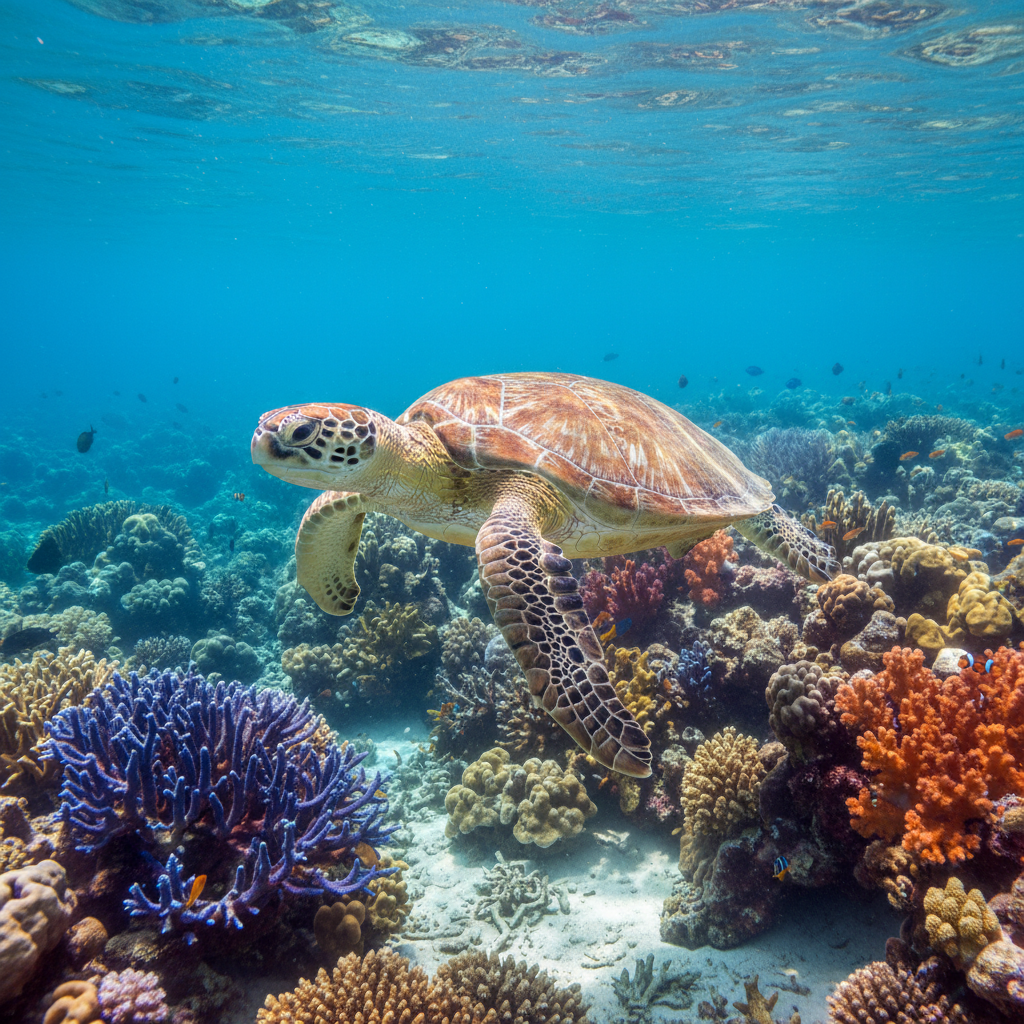
The variety of fishing opportunities from Airlie Beach is extraordinary. Reef fishing charters target coral trout, red emperor, and sweetlip around the countless reefs scattered throughout the Whitsunday Passage. These trips typically operate in 15-40 metre depths and offer consistent action for anglers of all skill levels.
Game fishing expeditions venture beyond the continental shelf into waters over 1000 metres deep, targeting pelagic species like black marlin, blue marlin, sailfish, and giant trevally. The Whitsundays sits along major migration routes, making it one of Australia's premier game fishing destinations.
Estuary and inshore fishing focuses on the numerous creeks, bays, and mangrove systems around the mainland coast. These shallow water environments are perfect for catching barramundi, mangrove jack, grunter, and flathead using lighter tackle.
Charter durations range from 4-hour half-day trips ($180-280 per person) to 10-day live-aboard expeditions ($4,500-8,000 per person). Most operators provide all fishing equipment, bait, and basic refreshments, though policies vary between companies.
Which fish species can you catch in the Whitsundays?
The Whitsundays hosts over 50 target species including coral trout, mackerel, queenfish, giant trevally, black marlin, sailfish, barramundi, and mangrove jack across different fishing environments.
Reef species dominate the catches on most day trips. Coral trout are the prized table fish, with legal sizes starting at 35cm and bag limits of 7 per person. Spanish mackerel grow to impressive sizes around the outer reefs, often exceeding 15kg. Red emperor, sweetlip, and various cod species provide excellent eating and strong fights on medium tackle.
Pelagic game fish include the legendary black marlin, which can exceed 400kg during peak season (September to December). Giant trevally patrol the reef edges, with fish over 30kg common. Sailfish, wahoo, and mahi-mahi round out the blue water targets.
Inshore species offer variety and accessibility. Barramundi inhabit the creek systems year-round, with closed season from November 1 to February 1 protecting breeding fish. Mangrove jack provide exciting fishing around structure, while queenfish and trevally school in massive numbers around the islands.
For comprehensive species information and fishing regulations, check our detailed fishing guide for the Whitsundays.
What's the difference between half-day and full-day fishing charters?
Half-day charters (4-5 hours, $180-280) focus on nearby reefs for variety fishing, while full-day trips (8-10 hours, $350-450) reach distant reefs and offer game fishing opportunities.
Half-day morning charters typically depart at 7:00 AM and return by noon, allowing time for other activities. These trips concentrate on productive reefs within 30 minutes of Airlie Beach, targeting coral trout, sweetlip, and mackerel. The shorter duration suits families with young children, first-time anglers, or those prone to seasickness.
Full-day expeditions maximize fishing time and travel to more remote locations. Departing around 6:30 AM and returning at 4:00-5:00 PM, these charters can reach the outer reefs where larger fish congregate. Many include lunch and offer both bottom fishing and trolling opportunities.
Full-day charters provide better value per fishing hour, costing roughly 60% more than half-day trips while offering double the fishing time. They also access fishing grounds that half-day boats simply can't reach, increasing your chances of landing trophy fish.
Weather conditions significantly impact the choice between options. During rough conditions, half-day trips might be modified or cancelled while full-day charters have more flexibility to find protected waters.
How much do fishing charters from Airlie Beach cost?
Fishing charter prices range from $180-280 for half-day trips, $350-450 for full-day charters, and $800-2,000 per day for private boat hire, varying by boat size and inclusions.
Shared charter pricing offers the most economical option for most anglers. Half-day trips start at $180 per person on basic boats, rising to $280 for premium operators with newer vessels and better equipment. Full-day shared charters range from $350-450 per person, typically including lunch and refreshments.
Private charter costs vary dramatically based on boat size and specifications. Small sportfishing boats (6-8 people) cost $800-1,200 per day, while luxury game boats accommodating 12+ people range from $1,500-2,000 daily. Private charters include dedicated crew, all equipment, and customized itineraries.
Multi-day live-aboard expeditions represent the premium fishing experience, with 3-day trips starting around $1,200 per person and 7-10 day adventures reaching $4,500-8,000 per person. These include all meals, accommodation, and access to remote fishing grounds impossible to reach on day trips.
Additional costs include fishing licenses ($47 for recreational fishing license valid statewide), reef tax ($6.50 per person for Great Barrier Reef access), and gratuities for crew (typically 10-15% for exceptional service).
What's included in most fishing charter packages?
Most charters include all fishing equipment, bait, basic refreshments, safety equipment, and fish cleaning services, though lunch and reef taxes may cost extra on some operators.
Standard inclusions across most operators include quality fishing rods and reels suited to target species, tackle selection, fresh and artificial baits, safety equipment meeting maritime standards, and professional crew guidance. Many boats provide complimentary tea, coffee, and light snacks throughout the trip.
Fish cleaning and filleting services are typically included, with crew preparing your catch for transport. Some operators vacuum-pack fish for travel or can arrange snap-freezing services for interstate visitors.
Variable inclusions depend on the operator and charter duration. Full-day trips often include lunch (ranging from basic sandwiches to hot BBQ meals), while half-day charters rarely provide substantial meals. Premium operators might include alcoholic beverages, while others operate dry boats.
Items typically not included are fishing licenses, Great Barrier Reef Marine Park Authority fees, alcoholic beverages (on many boats), meals (on shorter charters), and personal items like sunscreen, hats, and cameras. Some budget operators charge extra for premium bait or specialized tackle.
When is the best time for fishing from Airlie Beach?
Prime fishing occurs during the dry season (May-October) with calm conditions and migrating pelagics, while wet season (November-April) offers excellent estuary fishing despite occasional weather challenges.
Dry season advantages include consistently calm seas, minimal rainfall, and comfortable temperatures averaging 20-26°C. Trade winds typically blow 10-20 knots from the southeast, creating ideal conditions for both reef and game fishing. This period coincides with humpback whale migration and increased pelagic fish activity.
Game fishing peaks occur September through December when black marlin migrate along the continental shelf. Giant trevally, wahoo, and sailfish are most active during these months. Water temperatures ranging 24-26°C create perfect conditions for blue water species.
Wet season benefits include fewer tourists, lower charter prices, and exceptional estuary fishing. While weather can be unpredictable with afternoon thunderstorms, morning fishing is often excellent. Barramundi fishing peaks during pre-spawning periods in October-November.
Year-round opportunities exist for reef fishing, with coral trout, mackerel, and sweetlip available in all seasons. Tidal movements, moon phases, and local weather patterns often matter more than seasonal timing for reef species.
Stinger season (November-May) requires protective clothing when swimming, though this doesn't affect fishing activities. Most operators provide stinger suits if swimming opportunities arise during trips.
Which fishing charter operators are recommended from Airlie Beach?
Top operators include MiLady for luxury game fishing, Renegade for reef fishing excellence, and Wings for helicopter fishing adventures, each offering specialized experiences and professional service standards.
MiLady Charters operates from Abel Point Marina with a purpose-built 56-foot game fishing vessel. Specializing in black marlin fishing and multi-day expeditions, they're renowned for professional crew, quality equipment, and exceptional catch rates. Full-day charters start at $450 per person.
Renegade Fishing Charters focuses on reef fishing excellence with modern vessels and experienced local crews. Their half-day trips ($220 per person) and full-day adventures ($380 per person) consistently produce quality catches. They're particularly known for family-friendly service and fish cleaning expertise.
Wings Fishing Adventures combines helicopter transfers with remote fishing locations, accessing untouched reefs impossible to reach by boat. While expensive ($800+ per person), these trips offer exclusive fishing in pristine environments.
For detailed reviews and booking options, visit our comprehensive guide to the best fishing charters in the Whitsundays.
Shared charter operators like Prosail and Coral Sea Marina Services offer budget-friendly options with regular departure schedules. While less specialized than dedicated fishing operators, they provide good value for casual anglers.
What should you bring on a fishing trip from Airlie Beach?
Bring sun protection (hat, sunglasses, SPF 50+ sunscreen), weather-appropriate clothing, sturdy shoes, camera, and personal medications, while operators provide all fishing equipment and safety gear.
Essential sun protection cannot be overstated in the tropical Queensland environment. Wide-brimmed hats, polarized sunglasses, and SPF 50+ sunscreen require reapplication every 2 hours. Long-sleeved UV protection shirts and lightweight pants prevent sunburn during extended exposure.
Footwear requirements include non-slip shoes with good grip for wet boat decks. Thongs (flip-flops) are inadequate and potentially dangerous. Many operators recommend old sneakers or dedicated boat shoes that you don't mind getting wet and fishy.
Weather contingency items should include light rain jacket, warm layer for early morning departures, and complete change of clothes in waterproof bag. Even during dry season, early morning temperatures can be surprisingly cool on the water.
Personal items include camera in waterproof housing, personal medications (especially seasickness prevention), snacks if you have dietary requirements, and reusable water bottle. Many operators provide refreshments, but personal preferences vary.
Items to avoid include loose jewelry, expensive electronics without protection, glass containers, and excessive personal belongings. Most fishing boats have limited storage space and prioritize safety over convenience.
How do you prevent seasickness on Whitsundays fishing trips?
Prevent seasickness by taking medication 1-2 hours before departure, eating light meals, staying hydrated, focusing on the horizon, and choosing morning departures when conditions are typically calmest.
Medication options include Dramamine (dimenhydrinate), Gravol, or prescription scopolamine patches for severe sufferers. Take medications 1-2 hours before departure for maximum effectiveness. Natural alternatives include ginger tablets or acupressure wristbands, though scientific evidence varies.
Pre-trip preparation involves eating light, non-greasy meals and avoiding alcohol the night before fishing. Stay well-hydrated but avoid excessive fluid intake immediately before departure. Get adequate sleep and minimize stress before the trip.
On-boat strategies include staying on deck in fresh air, focusing on the horizon rather than reading or looking down, and keeping busy with fishing activities. Position yourself midship where boat movement is minimized, and face forward when possible.
Boat selection matters for susceptible individuals. Larger, more stable vessels with modern stabilization systems reduce motion significantly. Catamaran designs typically offer more stability than monohull boats of similar size.
If seasickness occurs despite prevention efforts, inform the crew immediately. Experienced crews can modify the trip route, provide assistance, or arrange early return if necessary. Most operators are understanding and prioritize passenger comfort and safety.
Can beginners join fishing charters from Airlie Beach?
Absolutely - most operators welcome beginners and provide instruction, equipment guidance, and hands-on assistance, making fishing charters accessible to complete novices seeking their first Australian fishing experience.
Beginner-friendly operators specialize in educational experiences, with crews trained to teach basic fishing techniques, species identification, and equipment handling. These charters typically target easier-to-catch species like coral trout and sweetlip that provide consistent action.
Instruction quality varies between operators, but reputable companies provide comprehensive guidance covering bait presentation, hook setting, fighting techniques, and fish handling. Many crews enjoy sharing local knowledge and fishing stories with enthusiastic beginners.
Equipment familiarity isn't required, as crews handle all tackle setup, bait rigging, and equipment maintenance. However, listening to safety instructions and following crew guidance ensures both success and safety aboard fishing vessels.
Realistic expectations help beginners enjoy their experience. While the Whitsundays offers excellent fishing, success depends on weather, tides, and fish behavior. Experienced crews maximize opportunities, but fishing remains a natural pursuit with inherent variability.
Consider half-day trips for your first experience, allowing you to gauge your interest and comfort level before committing to longer expeditions. Many beginners become enthusiastic repeat customers after successful initial experiences.
What are the fishing regulations in the Whitsundays?
Whitsundays fishing follows Queensland regulations including size limits, bag limits, closed seasons for certain species, and Great Barrier Reef Marine Park zoning restrictions requiring permits and reef tax payments.
License requirements mandate recreational fishing licenses for anyone over 18 fishing in Queensland waters. Licenses cost $47 annually and are available online or from tackle shops. Charter boat passengers are covered under the operator's master license for the trip duration.
Size and bag limits vary by species, with coral trout requiring 35cm minimum size and 7 fish daily bag limit. Spanish mackerel have no minimum size but 3 fish bag limit. Red emperor must exceed 40cm with 3 fish bag limit. Regulations change periodically, so current information is essential.
Closed seasons protect breeding stocks during spawning periods. Barramundi closure runs November 1 to February 1, while coral trout has various closures throughout the year. Some areas have permanent closures or seasonal restrictions.
Marine park zoning creates green zones (no fishing), yellow zones (limited fishing), and blue zones (unrestricted fishing) throughout the Great Barrier Reef. Charter operators navigate these restrictions, but private vessel operators must understand zoning maps.
Great Barrier Reef Marine Park Authority charges $6.50 per person reef tax for accessing reef waters, supporting conservation and management programs. Most charter operators collect this fee as part of their booking process.
Ready to experience world-class fishing in the Whitsundays? Airlie to Whitehaven offers the complete range of fishing charter options from our fishing charters hub, connecting you with the region's best operators for unforgettable angling adventures. Whether you're targeting trophy game fish or enjoying a relaxed family reef fishing trip, we'll help you find the perfect charter to match your experience level and budget.