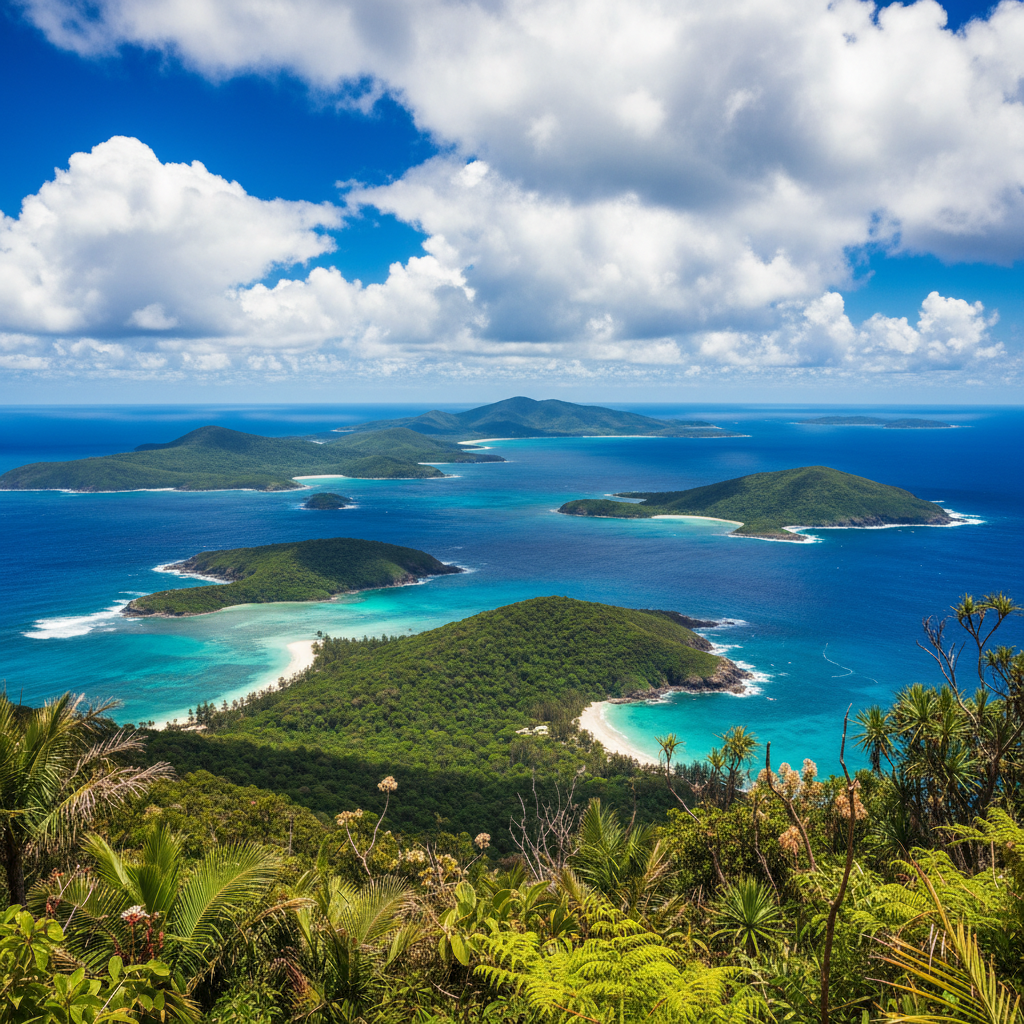
The Whitsunday Islands offer some of Australia's most spectacular sailing waters, with 74 tropical islands scattered across crystal-clear seas. Whether you're dreaming of a romantic getaway on a luxury yacht or planning an adventure-packed week with friends on a bareboat charter, understanding yacht hire prices and options helps you choose the perfect vessel for your Whitsundays experience.
What does yacht hire cost in the Whitsundays?
Yacht hire in the Whitsundays ranges from $200-500 per day for basic bareboat charters to $2,000-15,000+ per day for luxury crewed yachts, depending on vessel size, season, and inclusions.
Pricing varies dramatically based on several key factors. During peak season (June to September), expect to pay 30-50% more than shoulder season rates. A typical 38-foot bareboat catamaran costs around $350-450 per day in low season, jumping to $550-650 during whale season and school holidays.
Luxury crewed yacht charters command premium prices, with 50-foot motor yachts starting around $2,500 per day and superyachts over 80 feet reaching $10,000-15,000 daily. These rates typically include crew, fuel, and some meals, making them surprisingly competitive when calculated per person for larger groups.
Budget-conscious sailors can find older monohull yachts from $200-300 per day, though these require sailing experience and don't offer the stability and space of catamarans. Mid-range catamarans (40-45 feet) represent the sweet spot for most families and groups, providing comfortable accommodation for 6-8 people at $400-700 per day depending on season and vessel age.
What's the difference between bareboat and crewed yacht charters?
Bareboat charters provide the yacht without crew, requiring you to captain and operate the vessel yourself, while crewed charters include professional skipper and crew to handle all sailing and service.
Bareboat charters suit experienced sailors who hold appropriate licenses and want complete freedom to explore at their own pace. You'll need a powerboat license for vessels under 12 meters or a recreational skipper ticket for larger yachts. The charter company provides a comprehensive briefing, but you're responsible for navigation, anchoring, and boat maintenance throughout your trip.
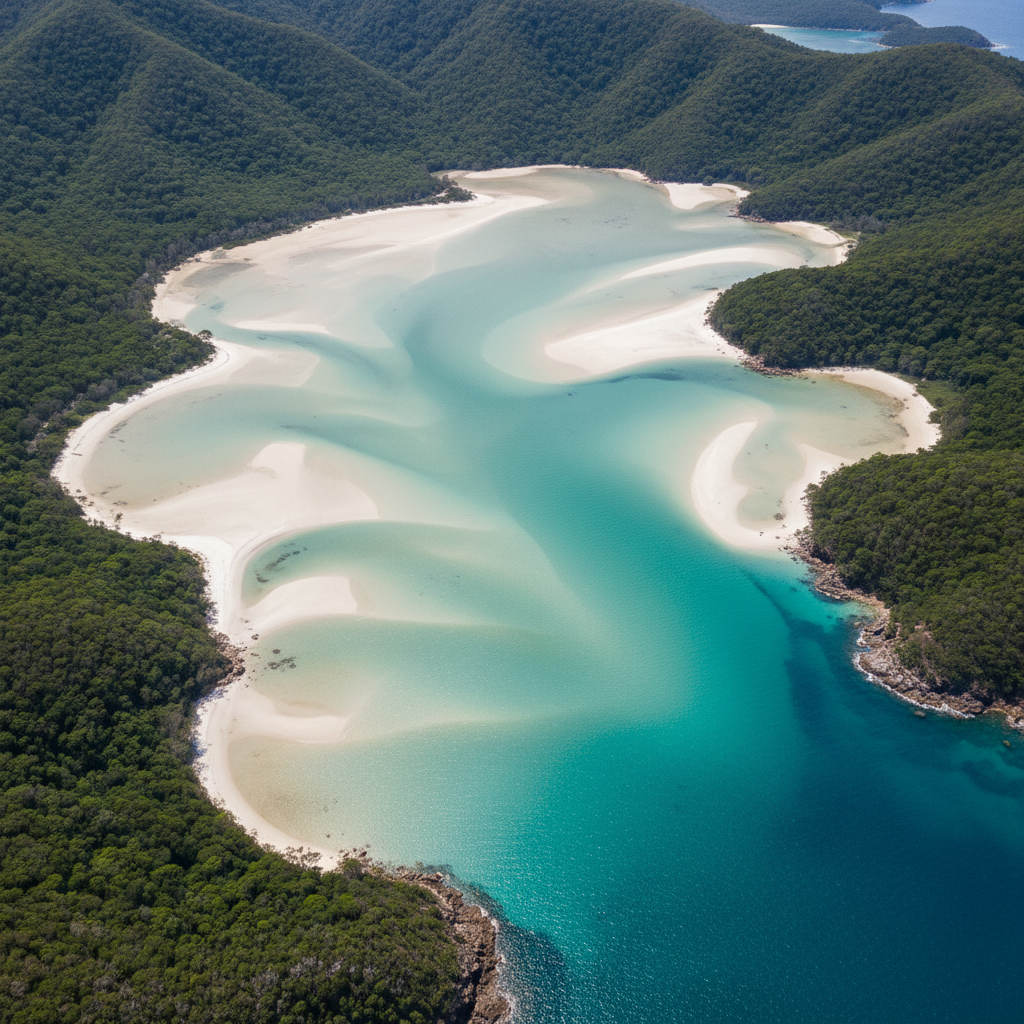
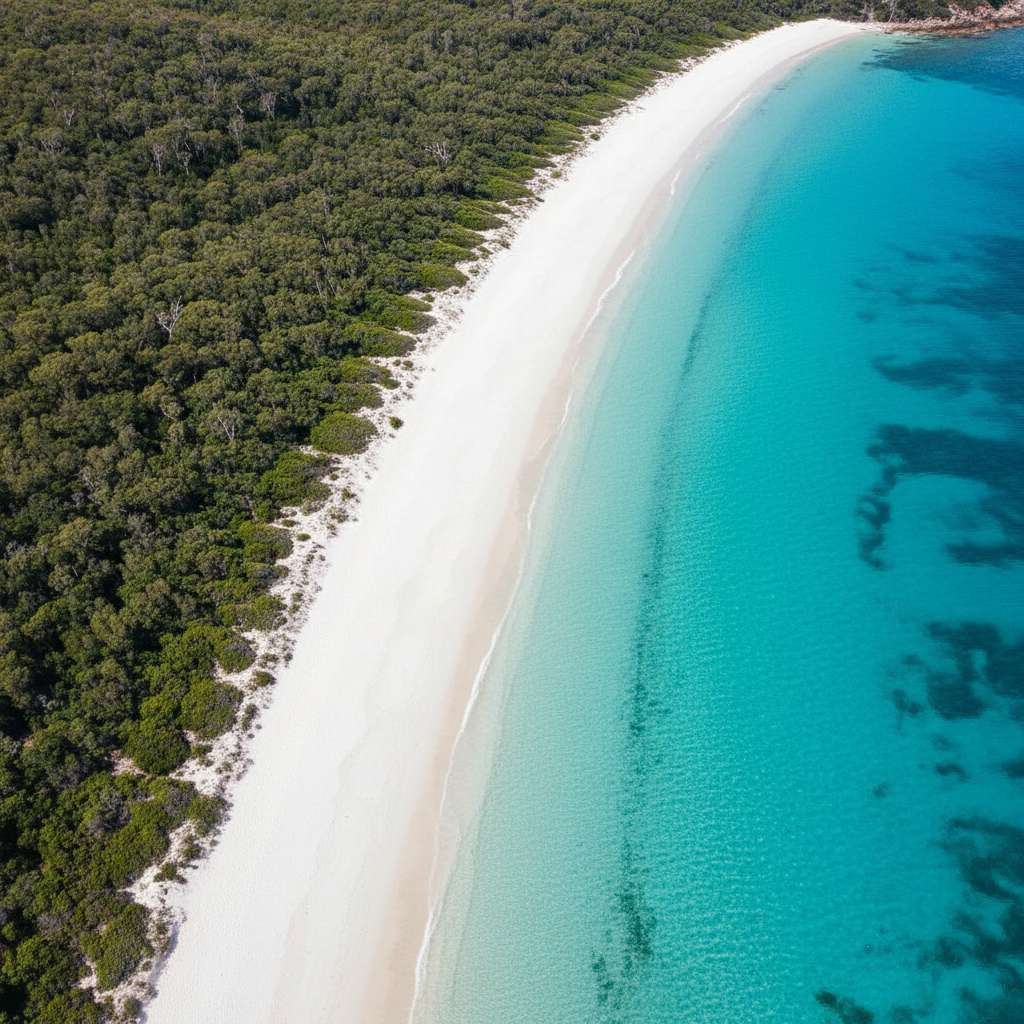
Crewed charters eliminate all sailing responsibilities, letting you relax while professional crew handle everything from navigation to meal preparation. The skipper knows the best anchorages, hidden beaches, and local conditions, often providing insider knowledge about secret snorkeling spots and optimal timing for popular destinations like Whitehaven Beach.
Cost-wise, crewed charters typically add $300-500 per day for a qualified skipper, plus gratuities (usually 10-15% of charter cost). However, this investment pays dividends in safety, local expertise, and stress-free enjoyment. Many guests find crewed charters more relaxing, especially for special celebrations or groups with limited sailing experience.
Which yacht type offers the best value for money?
Catamarans provide the best value for most Whitsundays charters, offering stability, space, and shallow draft capabilities that monohulls and motor yachts can't match at similar price points.
Catamarans excel in the Whitsundays' protected waters, providing stable platforms that reduce seasickness and create comfortable living spaces. Their dual hulls create generous deck areas perfect for entertaining, while shallow drafts allow access to secluded beaches and anchorages impossible for deeper-draft vessels.
A 40-foot catamaran typically sleeps 6-8 people in private cabins with ensuite bathrooms, costs $400-650 per day, and delivers exceptional stability for swimming, snorkeling, and relaxation. Compare this to a 45-foot motor yacht at $800-1,200 per day with higher fuel costs and limited shallow-water access.
Monohull sailing yachts offer traditional sailing experiences at lower charter rates ($250-400 per day for 35-40 footers), but provide less living space and comfort. They're perfect for experienced sailors prioritizing authentic sailing over amenities, though the Whitsundays' light winds often mean motoring rather than sailing.
Luxury motor yachts justify their premium pricing ($1,500-5,000+ per day) with speed, range, and five-star amenities, but many guests find catamarans offer 80% of the comfort at 40% of the price.
When is the cheapest time to hire a yacht in the Whitsundays?
February through May offers the lowest yacht charter rates, with savings of 30-50% compared to peak winter months, though this period coincides with stinger season and potential cyclones.
The shoulder seasons (March-May and October-November) provide the perfect balance of good weather and reasonable prices. April and May are particularly attractive, with post-cyclone season stability, warm water temperatures around 26-28°C, and charter rates 20-30% below peak winter pricing.
Peak season (June through September) brings premium pricing due to perfect weather conditions, humpback whale migration, and school holiday demand. July bookings often require 6-12 months advance notice, with rates jumping 40-60% above low season.
Stinger season (November through May) sees significant rate reductions, but most charter companies provide stinger suits and stick to established safe swimming areas around resort islands. Many experienced Whitsundays visitors prefer these months for lower crowds, dramatic storm watching, and lush green landscapes following wet season rains.
Last-minute deals occasionally appear 7-14 days before departure, particularly for longer charters (5+ days) during shoulder periods. However, accommodation bookings in Airlie Beach become challenging for spontaneous trips during peak periods.
What additional costs should I budget for yacht charters?
Budget an additional 40-60% of charter costs for extras including fuel ($150-400/day), provisioning ($50-80 per person), insurance ($50-150/day), and security bonds ($2,000-10,000 refundable deposit).
Fuel costs vary dramatically by vessel type and usage. Sailing catamarans using engines minimally consume $100-200 per day in diesel, while motor yachts can burn $300-800 daily depending on cruising speed and distance covered. Most charters include some fuel allowance, with excess charged at current marina rates.
Provisioning represents a significant expense, with basic supplies for a week-long charter costing $400-600 for four people. Many charter companies offer provisioning services ($80-120 per person) including fresh produce, meats, beverages, and essentials delivered to your yacht before departure.
Insurance and security bonds protect charter companies against damage and loss. Comprehensive insurance typically costs $30-100 per day depending on vessel value and coverage levels. Security bonds range from $2,000 for basic bareboat charters to $10,000+ for luxury yachts, held on credit cards and released post-charter subject to damage assessment.
Optional extras like stand-up paddleboards ($20/day each), fishing equipment ($50-80 charter), and professional photography ($300-800 per session) enhance your experience but increase total costs. Many experienced charterers recommend the comprehensive boat hire guide for detailed budgeting information.
Which marinas offer the best yacht charter options?
Abel Point Marina hosts the largest selection of charter yachts with over 50 operators, while Port of Airlie provides luxury yacht options and Shute Harbour offers budget-friendly departures.
Abel Point Marina serves as the Whitsundays' charter hub, featuring modern facilities, ample parking, and easy access from Airlie Beach accommodation. The marina's protected waters provide safe, calm conditions for yacht briefings and departures, particularly important for nervous first-time charterers.
Most major charter companies maintain bases at Abel Point, including Sunsail, The Moorings, and Cumberland Charter Yachts. This concentration creates competitive pricing and extensive fleet options, from budget 32-foot monohulls to luxury 60-foot catamarans.
Port of Airlie caters to premium charters with superyacht berths and five-star facilities. While vessel selection is smaller, the quality tends toward luxury motor yachts and high-end sailing catamarans with professional crew arrangements.
Shute Harbour, located 10 kilometers from Airlie Beach, offers lower-cost options with reduced marina fees reflected in charter pricing. However, limited dining and accommodation options mean most charterers prefer staying in Airlie Beach and transferring to Shute Harbour for departure.
How do I choose the right yacht size for my group?
Allow 6-8 feet of yacht length per person for comfortable accommodation, meaning a 40-foot catamaran suits 5-6 people while 8+ guests require 50+ foot vessels with multiple cabins.
Yacht capacity depends on sleeping arrangements and comfort expectations rather than just numbers. A 38-foot catamaran typically features 3-4 cabins sleeping 6-8 people, but groups valuing privacy and space are more comfortable with 4-6 guests maximum.
Consider your group's dynamics when selecting size. Families with teenagers appreciate separate cabin zones, while couples' groups often prioritize communal spaces over individual privacy. Catamarans excel at providing both options with generous saloon areas and private cabin wings.
Budget impacts size selection significantly. Moving from 38-foot to 45-foot catamarans often increases charter costs by 40-60%, but provides substantially more space, storage, and comfort. The sweet spot for most groups lies in 40-42 foot catamarans offering excellent space-to-cost ratios.
Remember that yacht specifications vary between builders. A well-designed 40-foot catamaran can feel more spacious than a poorly laid out 45-footer. Our bareboat charter guide provides detailed layouts and capacity recommendations for popular yacht models.
What qualifications do I need for bareboat yacht charters?
Australian residents need a Recreational Skipper Ticket for yachts over 12 meters, while smaller vessels require a Boat License. International visitors need equivalent home country qualifications plus charter company assessments.
Queensland's licensing requirements vary by vessel size and engine power. Boats under 12 meters with engines over 4.5kW require a Recreational Marine Driver License (boat license), obtainable through a one-day course and test costing around $200-250.
Yachts over 12 meters require a Recreational Skipper Ticket, involving more comprehensive training covering navigation, weather, safety procedures, and marine radio operation. This qualification costs $800-1,200 and requires 2-3 days of training plus practical assessment.
International visitors can charter using equivalent home country qualifications, but most reputable companies conduct practical assessments regardless of paperwork. These briefings typically last 2-4 hours, covering yacht systems, local navigation hazards, weather patterns, and emergency procedures specific to Whitsundays waters.
Many charter companies offer "learn-to-sail" packages combining basic instruction with guided charters, perfect for unlicensed guests wanting hands-on sailing education. These typically cost 20-30% more than standard bareboat rates but provide professional instruction throughout your charter.
Which routes work best for different charter durations?
Day charters suit Whitehaven Beach and nearby islands, 2-3 day trips allow northern island exploration, while week-long charters enable full Whitsunday circumnavigation including outer reef visits.
Single-day yacht charters focus on Whitehaven Beach and Hill Inlet Lookout, covering approximately 15-20 nautical miles from Airlie Beach. This timeframe allows 2-3 hours at Whitehaven plus swimming and snorkeling stops at nearby locations like Chance Bay or Cid Harbour.
Two to three-day charters open up the northern Whitsundays, including Hamilton Island, Hayman Island, and Hook Island. This duration provides time for multiple snorkeling sites, bushwalking on Hook Island, and sunset cocktails at sophisticated resorts. Total distance typically ranges 40-60 nautical miles depending on chosen anchorages.
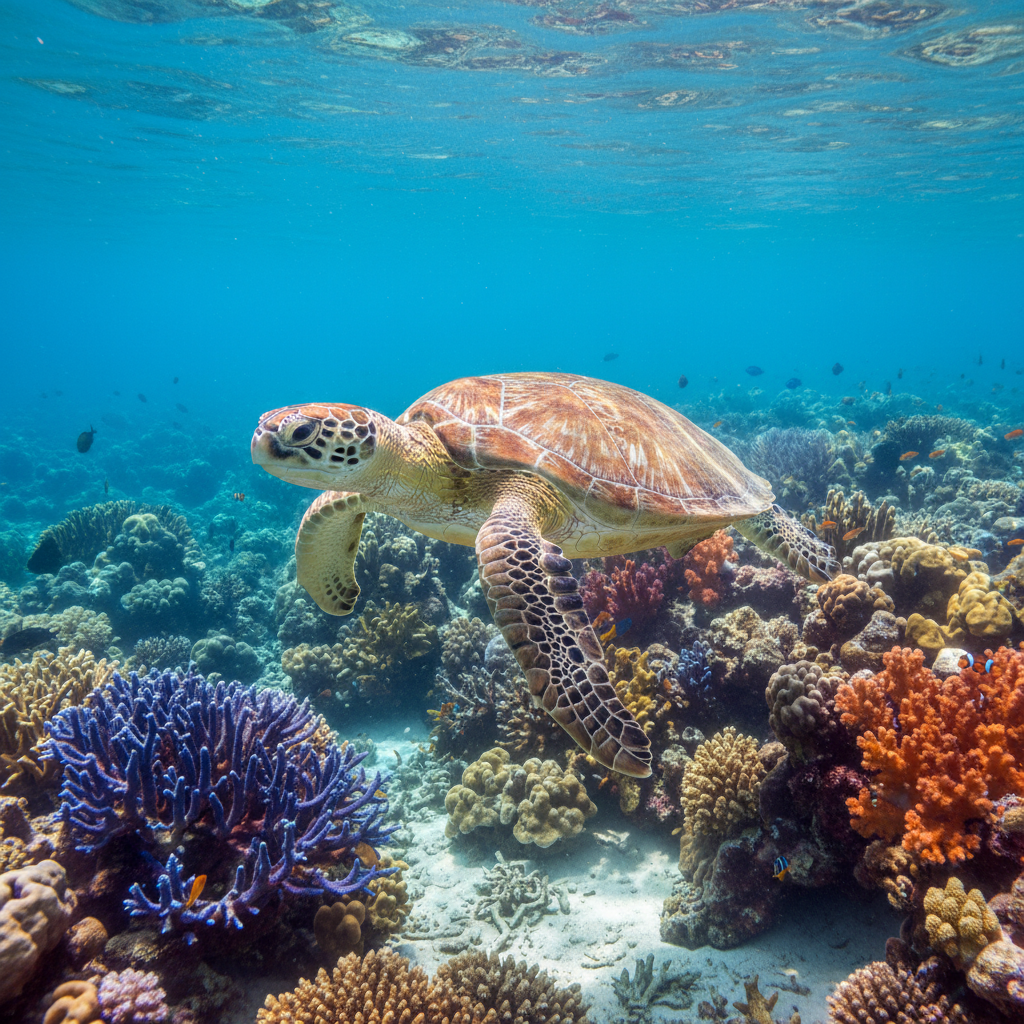
Week-long charters enable comprehensive Whitsundays exploration, from southern islands like Lindeman and Shaw through to northern gems like Hayman and Border Island. Experienced charterers can reach the outer Great Barrier Reef, approximately 60 nautical miles from Airlie Beach, for world-class diving and snorkeling.
The classic seven-day circuit covers Whitehaven Beach, Hamilton Island, Hayman Island, Hook Island, and Daydream Island, totaling 80-120 nautical miles depending on routing. This allows 1-2 nights at each destination with flexibility for weather and group preferences.
What safety equipment and procedures should I expect?
All charter yachts include mandatory safety equipment like life jackets, flares, fire extinguishers, and first aid kits, plus GPS navigation, VHF radios, and 24/7 emergency contact with charter base operations.
Australian maritime safety regulations mandate specific equipment quantities based on vessel size and passenger numbers. Typical charter yachts carry life jackets for all passengers, emergency beacons (EPIRB), flare packs, fire extinguishers in engine and galley areas, and comprehensive first aid supplies.
Modern charter fleets feature advanced electronics including chart plotters with detailed reef mapping, VHF radios for marina contact and emergency services, and mobile phone boosters for communication throughout most Whitsunday waters. Many also include satellite communication devices for emergency contact beyond mobile coverage.
Charter companies provide detailed safety briefings covering yacht-specific systems, local hazards like coral reefs and shipping channels, and emergency procedures. They maintain 24/7 operations centers monitoring weather conditions and charter fleet locations via GPS tracking systems.
Weather monitoring becomes crucial during your charter, with several VHF weather channels providing regular updates. Charter companies typically contact vessels directly when significant weather changes approach, sometimes requiring early returns to marina or alternative anchorages for safety.
How far in advance should I book my yacht charter?
Book 6-12 months ahead for peak season (June-September) and specific yacht preferences, though shoulder season bookings can succeed with 3-6 months notice for reasonable selection.
Peak season demand, particularly during whale migration months and school holidays, creates intense competition for quality yachts. Popular 40-45 foot catamarans from reputable companies often book solid for July-August by February, with premium rates and limited availability for spontaneous bookings.
Shoulder season (March-May, October-November) offers more flexibility, with decent yacht selection available 2-4 months prior to departure. However, specific vessel preferences and larger group requirements still benefit from early booking, as the best-maintained yachts disappear first regardless of season.
Last-minute availability occasionally emerges due to cancellations, particularly for longer charters during quieter periods. Some charter companies offer standby rates 7-14 days before departure, providing 10-20% discounts on remaining inventory. However, this strategy risks disappointment and limits accommodation options in Airlie Beach.
Group charters requiring multiple yachts or specific dates (weddings, celebrations) need 12+ months advance booking to secure coordinated fleet availability. Our private yacht charter specialists recommend early consultation for complex group requirements.
Ready to experience the Whitsundays from your own private yacht? Airlie to Whitehaven connects you with the region's most trusted charter operators, offering transparent pricing, detailed vessel information, and expert local advice. Whether you're seeking an intimate bareboat adventure or a fully crewed luxury experience, our platform makes comparing options and securing your perfect Whitsundays yacht charter simple and stress-free.