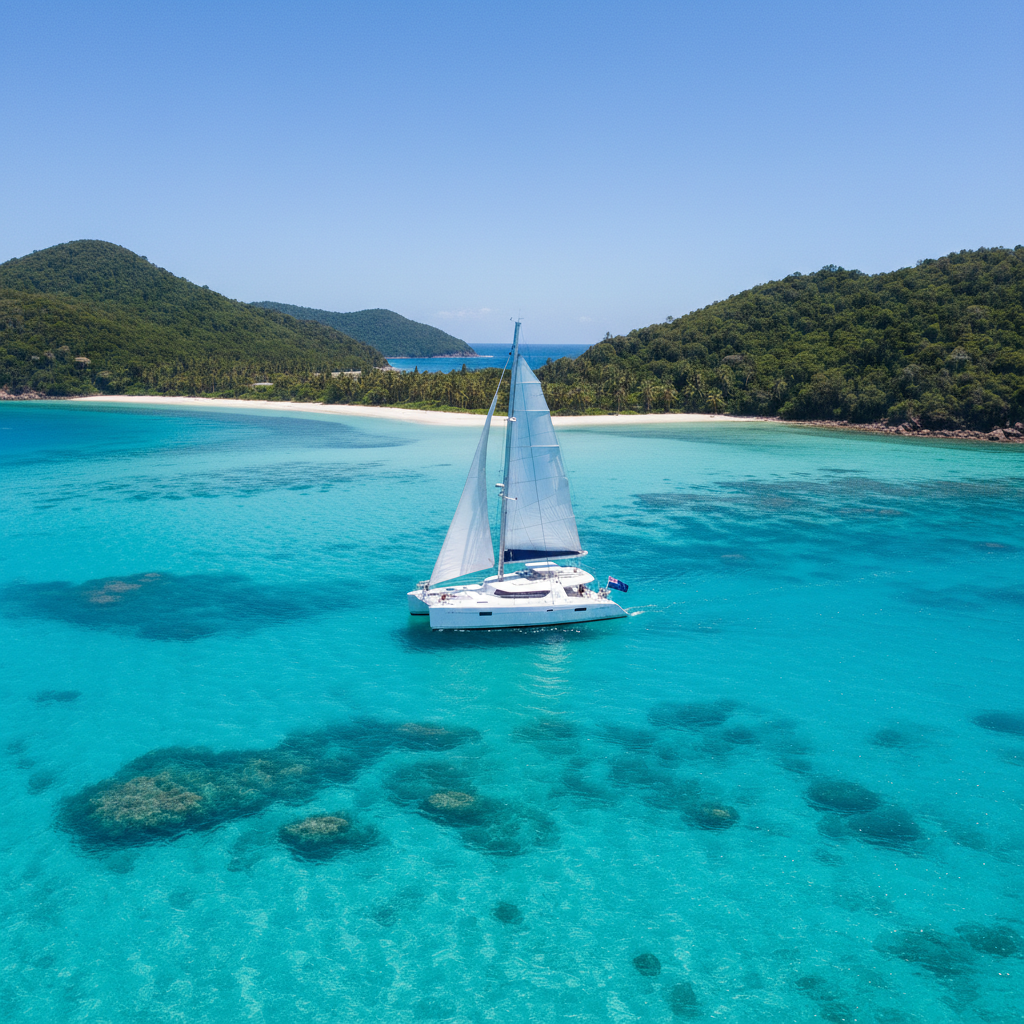
Picture yourself at the helm of your own yacht, sailing crystal-clear waters between 74 tropical islands with complete freedom to anchor wherever paradise calls. Bareboat charters in the Whitsundays offer the ultimate sailing experience — no skipper, no schedule, just you, your crew, and some of the world's most spectacular cruising grounds. Whether you're an experienced sailor seeking adventure or a group wanting privacy and flexibility, bareboat charters deliver an unforgettable way to explore Queensland's island jewels.
What is a bareboat charter in the Whitsundays?
A bareboat charter means hiring a yacht without crew — you're the captain, navigator, and crew. You receive the boat, safety equipment, and basic orientation, then sail independently around the Whitsunday Islands for your chosen duration, typically 3-7 days.
Unlike skippered charters or day tours, bareboat charters put you in complete control. You choose your route, anchorages, and activities. The boat becomes your floating accommodation, complete with cabins, kitchen, bathroom facilities, and all necessary navigation equipment. Most bareboat operators provide detailed charts, suggested itineraries, and 24-hour radio support, but the adventure is entirely yours to create.
The Whitsundays' protected waters, consistent trade winds, and numerous safe anchorages make it one of Australia's premier bareboat destinations. You'll have access to iconic spots like Whitehaven Beach, Hill Inlet Lookout, and secluded bays that larger tour boats can't reach. The freedom to wake up in a different paradise each morning, swim off your own private yacht, and explore at your own pace creates memories no resort or tour can match.
What qualifications do I need for bareboat charter?
You need either an Australian Boat License, International Certificate of Competence (ICC), or equivalent overseas qualification. Some operators accept Day Skipper certificates or provide short competency assessments for experienced sailors without formal qualifications.
Most bareboat companies require at least one person aboard to hold a recognised marine qualification. Australian Boat Licenses from any state are accepted, as are International Certificates of Competence issued by recognised authorities. If you hold overseas qualifications like RYA Day Skipper, ASA certifications, or equivalent national licenses, these are typically accepted with prior approval.
For those without formal qualifications but with sailing experience, some operators offer short competency assessments. These usually involve demonstrating boat handling, navigation skills, and safety knowledge. The assessment takes 1-2 hours and covers anchoring, man overboard procedures, basic navigation, and radio operation.
Beyond qualifications, operators want to see practical sailing experience. Even with a license, they'll ask about your sailing background, particularly experience with similar-sized vessels. If you're rusty or new to multihulls, consider booking a sailing tutorial before your charter to build confidence and skills.
How much does bareboat charter cost in the Whitsundays?
Bareboat charters range from $400-2,000+ per day depending on boat size, season, and duration. A typical 38-40ft monohull for 3 days costs $1,500-2,500, while luxury catamarans can reach $3,000+ per day during peak season.
Pricing varies significantly by season, with peak times (April-June, September-November) commanding premium rates. Low season (December-March) offers savings of 30-40%, though this coincides with stinger season and higher rainfall risk.
Monohulls typically cost less than catamarans of similar length. A 38ft monohull might cost $1,800 for three days in shoulder season, while a 38ft catamaran could be $2,400. Luxury vessels with premium fit-outs, larger layouts, or newer age command significant premiums.
Additional costs include fuel (typically $200-600 depending on usage), provisions, marine park permits (included in most charters), and optional extras like kayaks, fishing gear, or SUPs. Some operators offer all-inclusive packages including fuel and provisions, which can provide better value for groups wanting hassle-free booking.
Security bonds range from $2,000-10,000, held on credit card and released after satisfactory vessel return. Insurance excess typically applies, usually $2,000-5,000 depending on vessel value.
What types of bareboat charter vessels are available?
Options include monohull sailing yachts (32-50ft), catamarans (35-60ft), and motor boats. Catamarans offer more space and stability, monohulls provide classic sailing feel, while motor boats maximise time at destinations rather than sailing.
Monohull sailing yachts range from compact 32-footers perfect for couples to spacious 50-footers accommodating 8-10 people. Popular models include Beneteau Oceanis series, Jeanneau Sun Odyssey, and Bavaria Cruiser ranges. These offer traditional sailing experience with good performance and reasonable accommodation.
Catamarans dominate the bareboat market due to their stability, space, and shallow draft perfect for Whitsundays conditions. Models like Lagoon 380-450, Fountaine Pajot Lucia series, and Leopard catamarans provide exceptional living space, multiple heads, and comfortable sailing for groups or families.
Motor boats, while less common, suit those prioritising destinations over sailing. These vessels maximise time at anchorages and attractions, covering greater distances quickly. They're ideal for fishing enthusiasts or groups with non-sailing members.
Luxury options include premium catamarans with air conditioning, watermakers, premium electronics, and designer interiors. These vessels offer resort-quality accommodation with sailing freedom, though at significantly higher rates.
Which bareboat charter duration is best?
Three to five days suits most first-timers, allowing visits to Whitehaven Beach, Hill Inlet, and 2-3 other anchorages without rushing. Seven days enables full island circumnavigation and exploration of outer reef locations.
Three-day charters provide a solid introduction to bareboat sailing. You can typically visit Whitehaven Beach, Hill Inlet Lookout, and one additional anchorage like Butterfly Bay or Blue Pearl Bay. This duration suits weekend getaways, nervous first-timers, or budget-conscious sailors wanting to test the waters.
Five to seven days represents the sweet spot for most charterers. This allows a relaxed exploration of major highlights plus discovery of lesser-known gems. You might circumnavigate Whitsunday Island, visit Hamilton Island for supplies, explore Hook Island's bays, and anchor at multiple pristine locations.
Longer charters of 10-14 days open possibilities for reaching the outer reef, visiting all 74 islands, or simply enjoying a completely relaxed pace. Extended charters often work out more economical per day and allow weather flexibility — you can wait out poor conditions rather than missing planned activities.
Consider your group's experience level, budget, and vacation time. Beginners might prefer shorter initial charters before committing to longer adventures, while experienced sailors can maximise their investment with extended explorations.
What's included in a bareboat charter package?
Standard inclusions are the yacht, safety equipment, navigation instruments, charts, basic galley equipment, and orientation briefing. Fuel, provisions, marine park fees, and optional equipment like kayaks typically cost extra.
Every bareboat charter includes comprehensive safety equipment meeting Australian Maritime Safety Authority requirements: life jackets, flares, EPIRB (emergency beacon), first aid kit, fire extinguishers, and radio. Navigation equipment includes GPS chartplotter, compass, charts, and tide tables.
Galley equipment covers basic cooking and dining needs: pots, pans, plates, cutlery, glasses, and essential utensils. Most boats have gas stoves, refrigeration, and basic storage. However, provisions, ice, and specialty cooking equipment aren't included.
The pre-charter briefing covers boat systems, navigation basics, emergency procedures, and local knowledge. This typically takes 1-2 hours and includes hands-on demonstrations of key systems. Some operators provide written guides with anchorage information and suggested itineraries.
Optional extras often include kayaks, fishing gear, stand-up paddleboards, snorkelling equipment, barbecue gas, and provisioning packages. These can be arranged during booking or sometimes added on departure day.
When is the best time for bareboat charter?
April to June and September to November offer ideal conditions with consistent trade winds, minimal rainfall, and comfortable temperatures. These shoulder seasons provide excellent sailing with fewer crowds than peak winter months.
The dry season (April-November) delivers the most reliable weather for sailing. Trade winds blow consistently from the southeast at 15-25 knots, providing excellent sailing conditions without being overpowering for inexperienced crews.
Peak season (June-August) offers the most predictable weather but brings higher prices and crowded anchorages. This period sees the most charter bookings, particularly from southern Australian states escaping winter.
Shoulder seasons (April-May, September-November) provide the best balance of good weather, reasonable prices, and manageable crowds. Water temperatures remain warm year-round, and these periods often feature spectacular sunsets and comfortable sailing breezes.
Stinger season (November-May) requires stinger suits for swimming, though this is minor inconvenience given the protective gear provided. The wet season (December-March) brings higher rainfall risk and occasional storms, though many days remain perfectly suitable for sailing.
Which anchorages should bareboat charterers visit?
Essential stops include Whitehaven Beach for world-famous silica sand, Hill Inlet for aerial views, Butterfly Bay for snorkelling, and Nara Inlet for Aboriginal cave art. Each offers unique experiences showcasing different Whitsundays highlights.
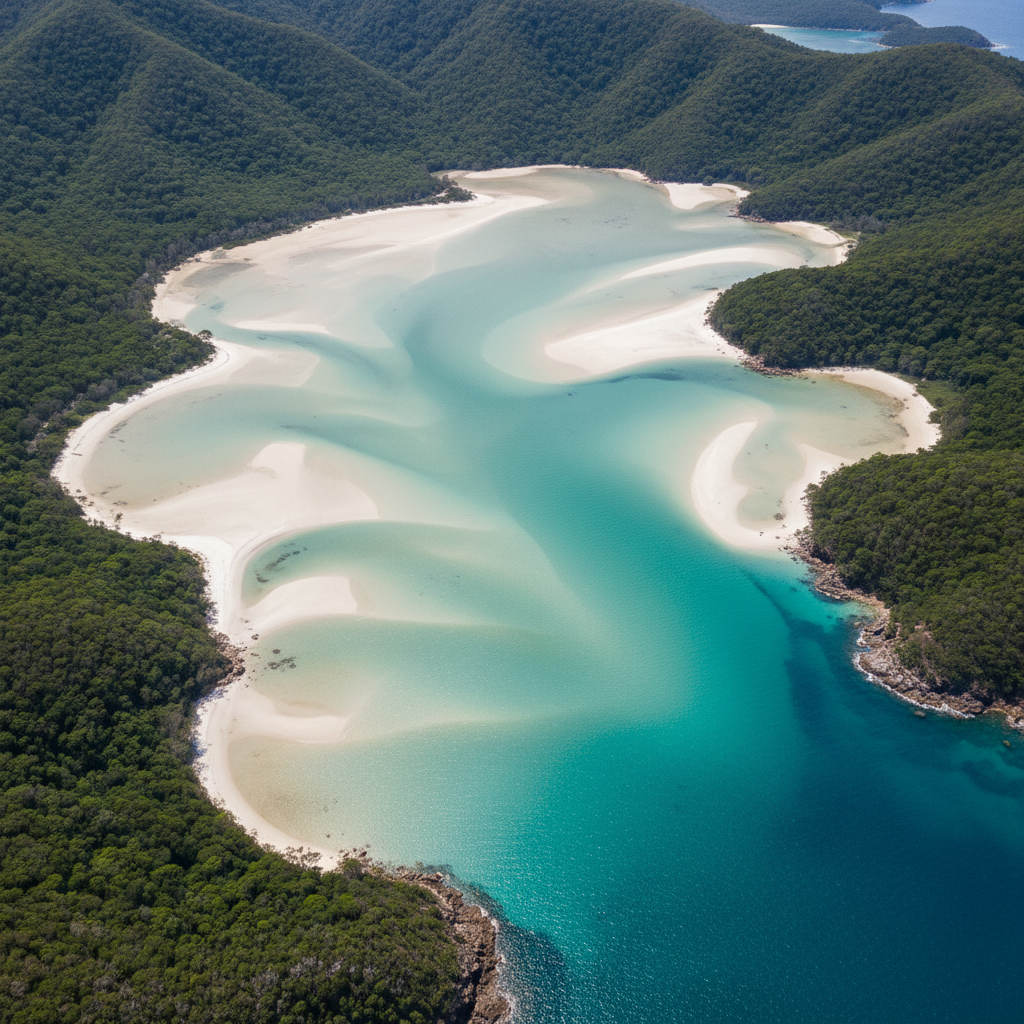
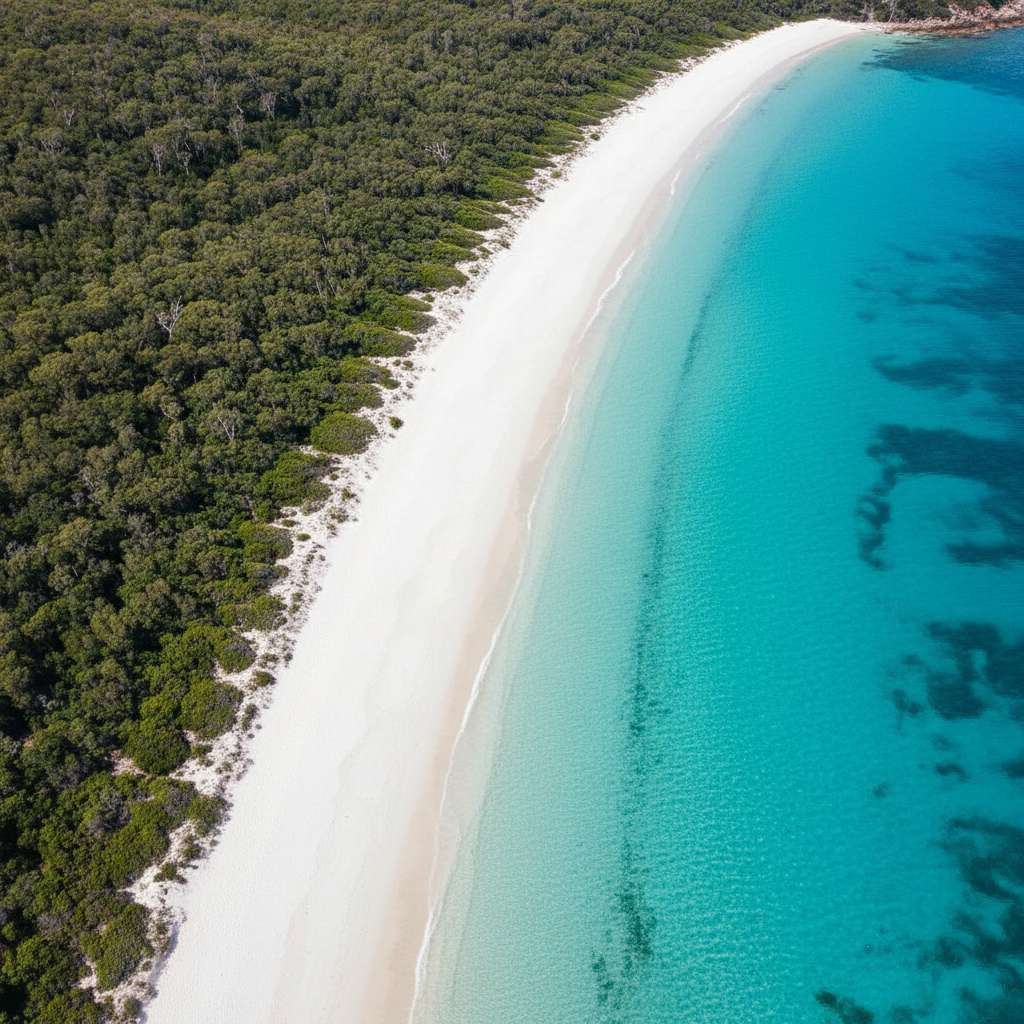
Whitehaven Beach remains the must-see destination, famous for its 7-kilometre stretch of 98.9% pure silica sand. The northern end provides easier dinghy access, while the southern end offers more space. Time your visit around low tide for the best Hill Inlet colours.
Hill Inlet Lookout requires a 20-minute uphill walk but rewards with Instagram-famous views of swirling sands and turquoise waters. The patterns change with tides, creating ever-shifting natural artwork. Early morning visits avoid crowds and offer the best photography light.
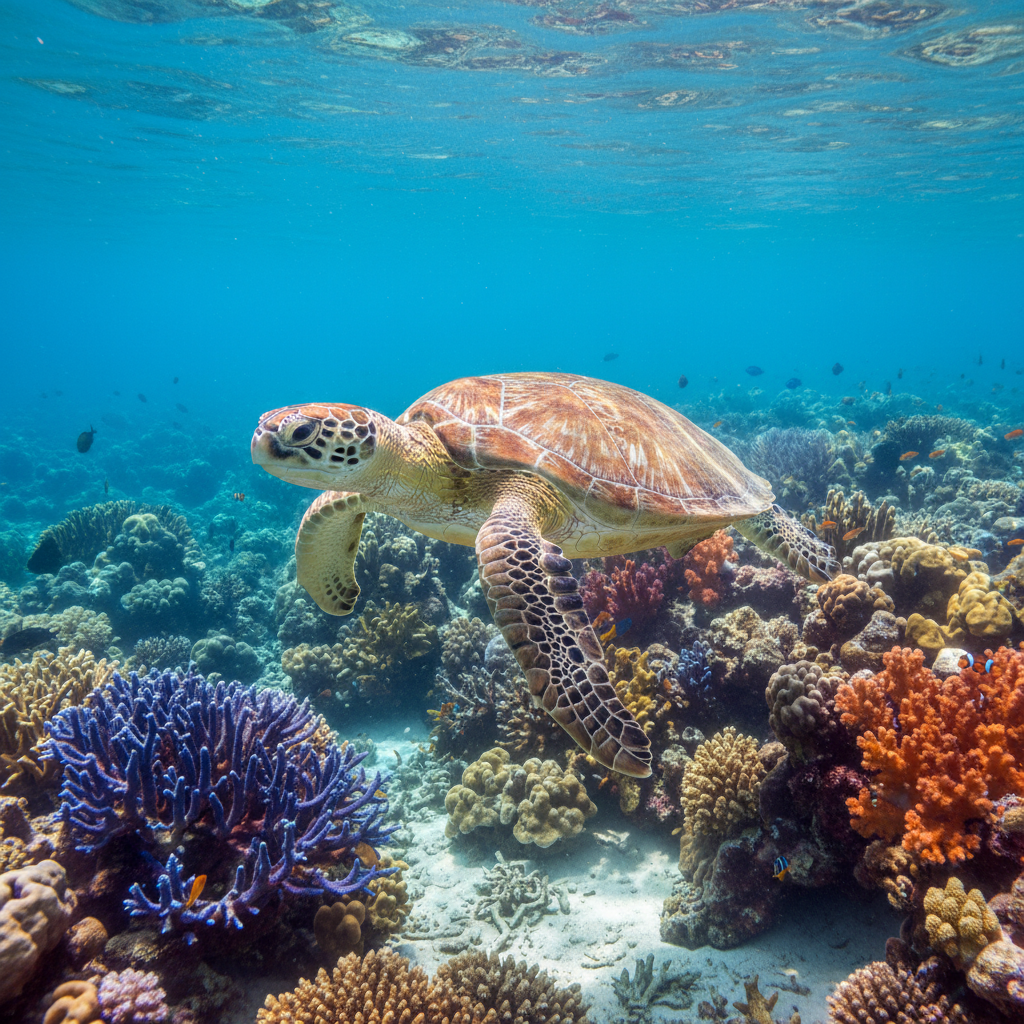
Butterfly Bay on Hook Island provides excellent snorkelling over coral bommies close to shore. The protected bay offers good holding ground and spectacular sunset views. It's particularly good for families with children due to calm, clear water.
Nara Inlet features ancient Aboriginal cave paintings and peaceful surroundings. The inlet provides excellent protection in all weather and interesting bushwalking opportunities. It's a cultural highlight showing the region's indigenous heritage.
What safety considerations apply to bareboat charters?
Key safety factors include weather monitoring, anchor watch keeping, emergency communication protocols, and understanding tide patterns. Marine stingers (November-May) require protective clothing, and reef proximity demands careful navigation in shallow areas.
Weather monitoring is crucial in the tropics. Check Bureau of Meteorology forecasts twice daily and monitor VHF weather channels. Strong wind warnings above 25 knots should be taken seriously, particularly for inexperienced crews. Seek sheltered anchorages when conditions deteriorate.
Anchor watch becomes critical in changing tides and winds. Set GPS anchor alarms and regularly check your position. Dragging anchor in the night can lead to grounding or collision. Use appropriate anchor scope (chain length) for conditions — typically 5:1 in normal conditions, more in strong winds.
Emergency communication relies on VHF radio and EPIRB. Monitor Channel 16 for emergencies and use designated channels for marina contact. Mobile phone coverage exists near major islands but disappears in outer areas. Your chartplotter's man-overboard function could save lives.
Reef navigation requires constant vigilance. Use GPS chartplotters but also maintain visual lookouts. The Whitsundays feature numerous coral bommies and shallow areas. Travel at reduced speeds in unfamiliar waters and avoid navigation at night.
How do I choose the right bareboat charter company?
Evaluate fleet age and condition, staff knowledge, briefing quality, and support services. Established operators with comprehensive insurance, modern safety equipment, and good reviews typically provide better experiences than budget alternatives.
Fleet quality varies dramatically between operators. Inspect boats before booking if possible, or research recent reviews focusing on boat condition. Newer vessels (under 5-7 years) typically offer better reliability, equipment, and comfort. Well-maintained older boats can be excellent value but require more careful selection.
Staff expertise significantly impacts your experience. Knowledgeable staff provide better briefings, practical advice, and support during your charter. Ask about staff sailing qualifications and local knowledge during initial enquiries.
Support services matter when problems arise. Check if operators provide 24-hour radio monitoring, emergency assistance, and technical support. Some companies offer mid-charter check-ins or assistance with difficult situations.
Insurance and terms vary between operators. Understand your liability, excess amounts, and what constitutes acceptable boat return condition. Established operators typically offer comprehensive insurance with reasonable excess levels.
Location convenience affects your experience. Operators based at Abel Point Marina offer easier provisioning and departure logistics than those at distant marinas. Consider transfer costs and convenience when comparing options.
What's the difference between bareboat and skippered charters?
Bareboat means you captain the vessel independently, while skippered charters include a professional crew. Bareboat offers privacy and flexibility but requires sailing qualifications; skippered provides expertise and relaxation but costs more.
Bareboat charters suit experienced sailors wanting complete control over their itinerary. You make all decisions about where to go, when to sail, and how long to stay at each location. This independence appeals to adventurous groups comfortable with responsibility and navigation.
Skippered charters include a professional captain who handles all sailing, navigation, and boat management. This allows non-sailing groups to enjoy the Whitsundays while learning from experts. Skippers share local knowledge, find the best snorkelling spots, and handle difficult weather conditions.
Cost differences are significant. Skippered charters typically cost 40-60% more than bareboat due to crew wages, but this can represent good value when split among larger groups. Skippered charters also include more meals and activities in many cases.
Privacy varies between options. Bareboat provides complete privacy for your group, while skippered charters include crew members as part of your experience. Some guests prefer the social aspect of crew interaction, while others value private family or friend time.
How do I provision for a bareboat charter?
Purchase provisions before departure at Airlie Beach supermarkets, or arrange delivery to your marina. Plan meals carefully considering limited storage, cooking facilities, and the need for non-perishable backup options during extended sailing.
Airlie Beach offers excellent provisioning options including Woolworths, Coles, and IGA supermarkets. These stores stock everything needed for yacht provisioning and understand charter requirements. Shop the day before departure or early departure morning to ensure freshness.
Many charter companies offer provisioning packages including basic supplies, breakfast items, and meal suggestions. These packages cost premium pricing but save significant time and ensure you don't forget essentials. Custom provisioning services can deliver specific requirements to your boat.
Menu planning should consider limited cooking facilities, refrigeration space, and crew preferences. Focus on simple meals using minimal pots and pans. Fresh seafood, barbecue options, and one-pot meals work well. Include backup options like pasta and canned goods for weather delays.
Essential non-food items include ice, drinking water, cooking gas (if not included), sunscreen, insect repellent, and basic toiletries. Many items cost significantly more at island resorts, so stock up in Airlie Beach. Don't forget garbage bags — you'll need to remove all rubbish.
Ready to experience the ultimate sailing freedom in the Whitsundays? Airlie to Whitehaven connects you with the region's most trusted bareboat operators, offering everything from budget-friendly monohulls to luxury catamarans. Our local expertise helps match you with the perfect vessel and operator for your qualifications, group size, and adventure dreams. Browse our comprehensive selection of Whitsundays experiences and start planning your independent sailing adventure today.