The Whitsundays offer some of Australia's best fishing opportunities, but these pristine waters come with strict regulations designed to protect marine ecosystems for future generations. Whether you're planning a fishing charter from Airlie Beach or bringing your own gear, understanding the rules is essential for a legal and enjoyable fishing experience in this World Heritage Marine Park.
What are the main fishing zones in the Whitsundays?
The Whitsundays contain three main fishing zones: green zones (no-take areas), yellow zones (limited fishing), and blue zones (general use areas allowing recreational fishing). Green zones cover approximately 33% of the marine park area.
The Great Barrier Reef Marine Park Authority (GBRMPA) divides the Whitsundays into these distinct zones, each with different regulations. Green zones are complete no-take areas where no fishing, collecting, or extracting of marine life is permitted. These areas protect critical breeding and nursery habitats.
Yellow zones allow limited fishing with specific restrictions on gear types and species. Most recreational fishing activities are prohibited in yellow zones, though some traditional fishing methods may be permitted with proper permits.
Blue zones represent general use areas where recreational fishing is allowed, subject to standard size and bag limits. Most popular fishing spots around Airlie Beach, Hamilton Island, and the outer islands fall within blue zones, making them accessible for fishing charters and private boat excursions.
The zoning maps are updated regularly, and it's crucial to check current boundaries before heading out. GPS coordinates and detailed maps are available through the GBRMPA website and mobile apps.
What size and bag limits apply to popular fish species?
Coral trout must be between 38-50cm with a bag limit of 7 fish. Mackerel species have varying limits: Spanish mackerel (90cm minimum, 1 fish), spotted mackerel (50cm minimum, 10 fish combined with other mackerel species).
Queensland's fishing regulations set specific size and possession limits for key species. Coral trout, the region's most prized fish, has strict regulations due to its ecological importance. The slot limit (38-50cm) protects both juvenile fish and large breeding adults.
Red emperor requires a 55cm minimum size with a bag limit of 5 fish. This deep-water species is popular on outer reef fishing charters but takes years to reach maturity, hence the conservative limits.
Mangrove jack must be at least 35cm with a bag limit of 5 fish. These aggressive predators are common around rocky shorelines and structure, making them favorites for land-based anglers.
Flathead species have a 40cm minimum size (except dusky flathead at 36cm) with a combined bag limit of 10 fish across all flathead species. Whiting must be 27cm minimum with a 30-fish bag limit, while bream require 25cm minimum with a 20-fish bag limit.
Trevally species vary significantly: giant trevally (60cm minimum, 1 fish), golden trevally (35cm minimum, 10 fish combined), and other trevally (25cm minimum, 10 fish combined).
Do you need a fishing permit in the Whitsundays?
Recreational fishing requires a Queensland recreational fishing licence costing $54.65 for three years or $21.85 annually. Children under 18, seniors over 66, and pension cardholders fish for free with valid identification.
The recreational fishing licence is mandatory for anyone over 18 fishing in Queensland waters, including the Whitsundays. You can purchase licences online, at post offices, or through authorized retailers in Airlie Beach and surrounding areas.
Commercial fishing operations require additional permits and endorsements. Charter boat operators must hold commercial fishing licences and marine tourism permits, which guests don't need to worry about when booking organized trips.
Spearfishing requires the same recreational licence but comes with additional restrictions. Spearfishing is prohibited in all green zones and many yellow zones, and you cannot use compressed air equipment (scuba) for spearfishing in Queensland waters.
Traditional fishing by Aboriginal and Torres Strait Islander peoples is recognized under native title rights and may not require standard permits in certain areas. However, conservation regulations still apply to protect endangered species and critical habitats.
Where exactly are the green zones located?
Major green zones include areas around Hayman Island's northern waters, sections of Whitsunday Island's eastern coast, Hook Island's northeastern bays, and significant portions of the outer reef approximately 60 nautical miles from Airlie Beach.
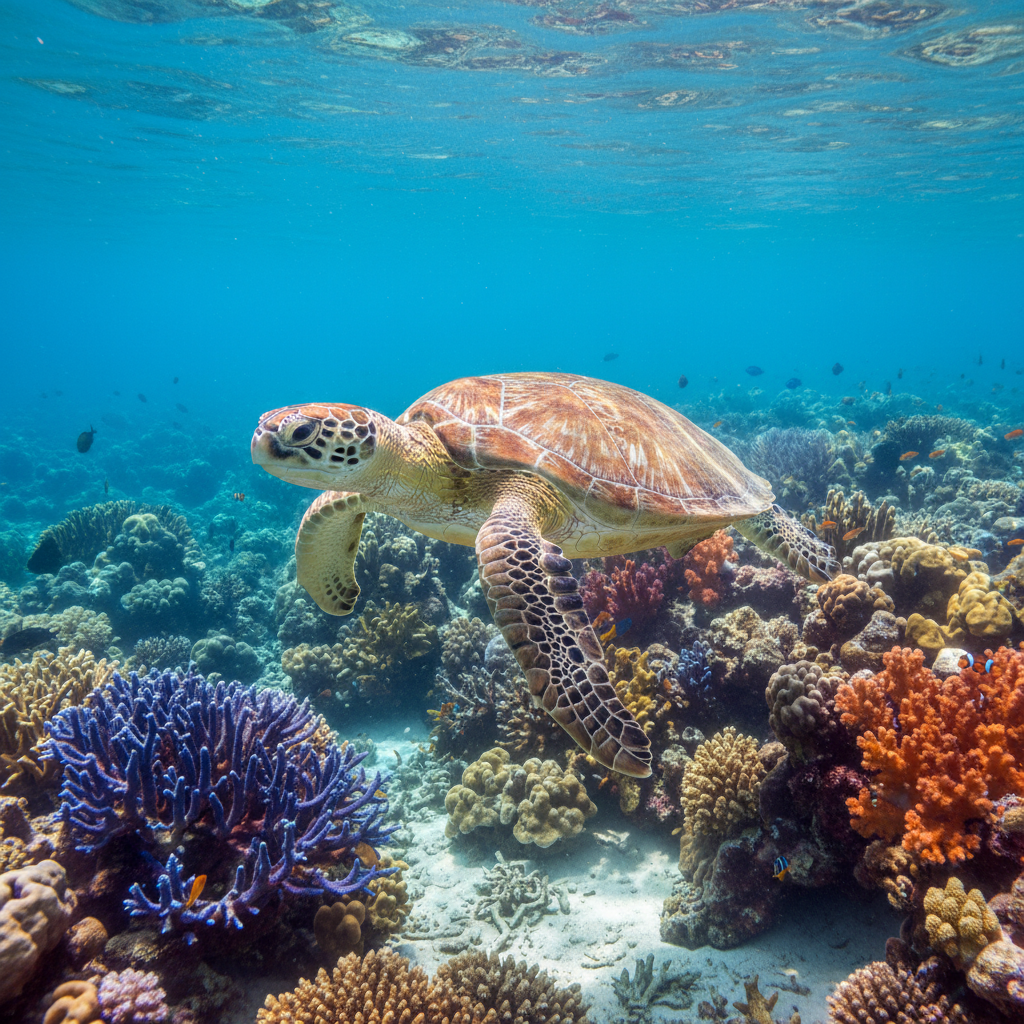
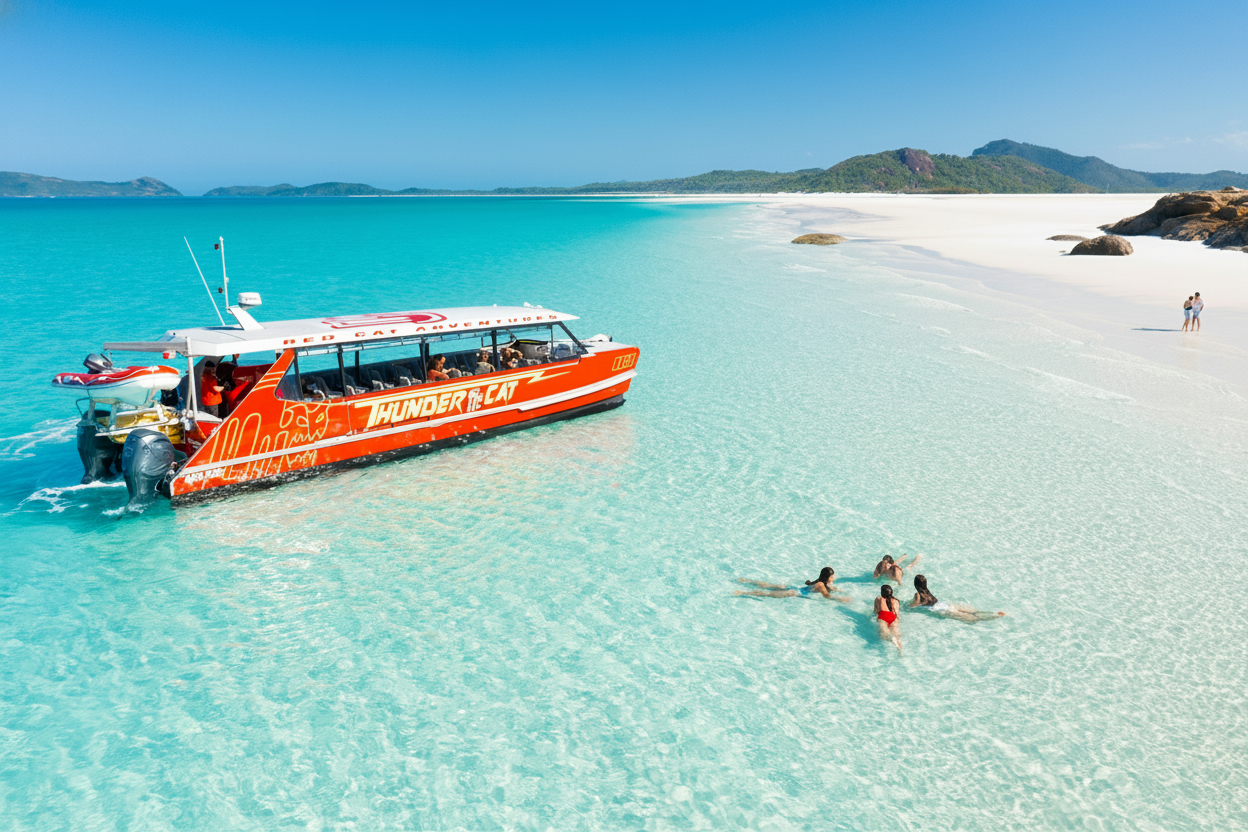
The most accessible green zone for day-trippers is located around Hayman Island's northern and western waters. This area encompasses pristine coral gardens and serves as a critical nursery for many reef fish species. Tour boats frequently visit the boundary areas for snorkeling while respecting the no-take regulations.
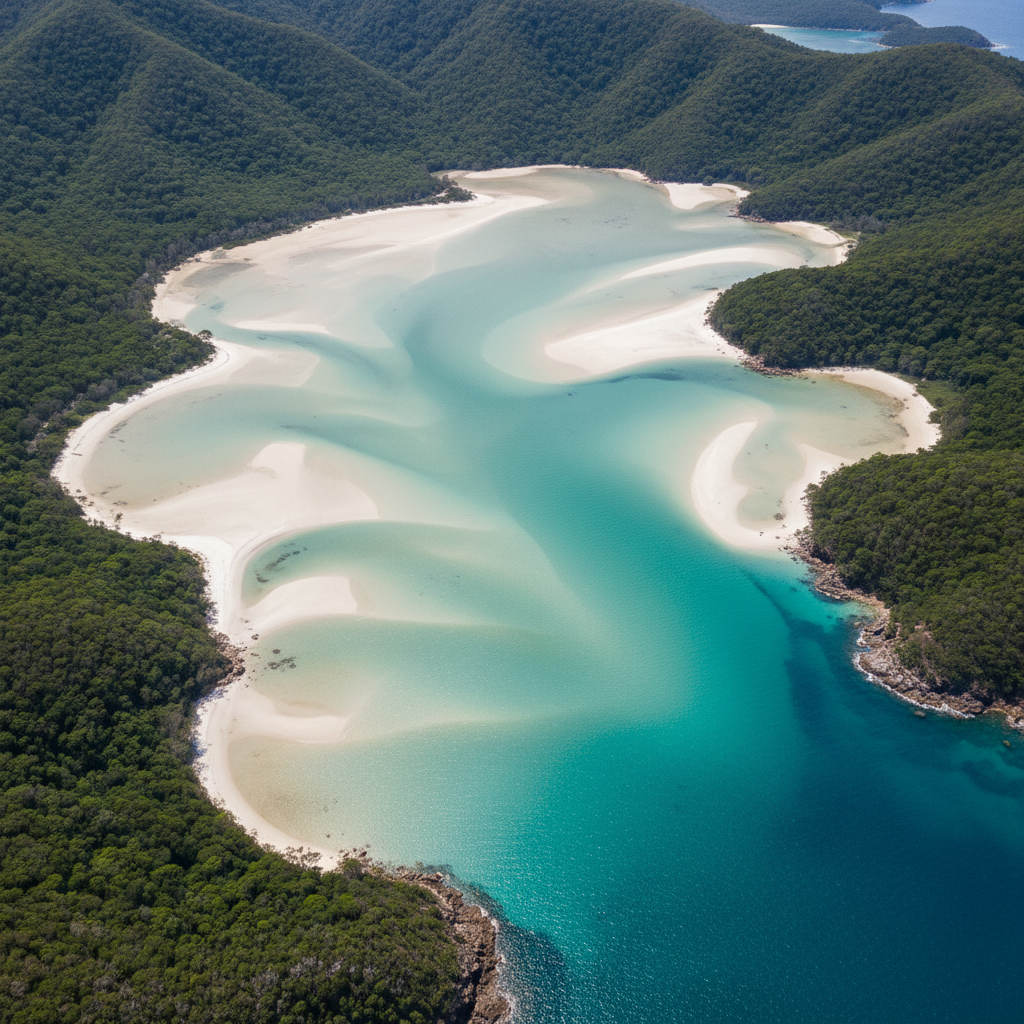
Whitsunday Island's eastern coastline includes substantial green zones protecting the fringing reefs near Whitehaven Beach. These areas are easily identifiable by the yellow marker buoys positioned at zone boundaries.
Hook Island features complex zoning with green areas in Nara Inlet and along the northeastern coastline. These zones protect important mangrove ecosystems and coral communities that support juvenile fish populations.
The outer reef green zones begin approximately 35 nautical miles from Airlie Beach and extend to the continental shelf edge. These areas protect pristine hard coral communities and support large pelagic species during their migrations.
Detailed zoning maps are essential for navigation, as some zones have irregular boundaries that don't follow obvious geographical features. The GBRMPA mobile app provides GPS-accurate zone information with offline capability.
What fishing gear restrictions apply in the marine park?
Net fishing is prohibited in most areas except for limited bait netting. Spearfishing cannot use compressed air equipment. Line fishing gear must have single, barbless hooks when targeting certain species in specific zones.
Recreational fishing gear regulations focus on sustainability and reducing ecosystem impact. Commercial-style nets, including mesh nets and fish traps, are generally prohibited for recreational use throughout the marine park.
Bait netting is restricted to specific areas and requires cast nets no larger than 3.7 meters radius. You can only use bait nets to collect small baitfish species like pilchards, anchovies, and herring. Collecting bait is prohibited in all green zones.
Line fishing restrictions vary by location and target species. Circle hooks are mandatory when targeting some species to reduce deep-hooking mortality. Barbless hooks are required in certain sensitive areas to minimize handling stress on released fish.
Trolling is permitted in most blue zones using standard recreational gear. However, commercial-style longlines and multiple-hook systems beyond standard recreational configurations are prohibited.
Crab pots require special permits and are subject to seasonal closures during breeding periods. Mud crab season typically runs from September to January, with specific closure periods protecting breeding females.
What are the penalties for breaking fishing regulations?
Penalties range from $275 on-the-spot fines for minor infractions like undersized fish, to court-imposed penalties exceeding $500,000 for serious offenses like commercial-scale illegal fishing in green zones or taking protected species.
Fisheries officers and marine park rangers conduct regular patrols throughout the Whitsundays, with the authority to board vessels and inspect catches. They use sophisticated technology including underwater cameras and DNA testing to enforce regulations.
Common penalties include $275 for possessing undersized fish, $550 for exceeding bag limits, and $1,100 for fishing without a valid licence. Equipment confiscation may occur for serious offenses, including boat seizure in extreme cases.
Fishing in green zones attracts penalties starting at $1,378 for individuals, with significantly higher fines for commercial operators or repeat offenders. The courts can impose additional penalties including licence suspension and criminal convictions for serious breaches.
Taking protected species like dugong, marine turtles, or certain shark species can result in penalties exceeding $100,000 and potential jail terms. Even accidental capture must be reported immediately to avoid prosecution.
International visitors face the same penalties as Australian residents, and convictions can affect visa status and future travel permissions. Travel insurance typically doesn't cover fines for illegal activities.
How do seasonal closures affect fishing opportunities?
Coral trout spawning closures occur from October to December, typically lasting 4-6 weeks in specific reef areas. Mud crab season closes January to August annually. Spanish mackerel has intermittent closures during peak spawning periods.
Seasonal closures protect critical breeding periods when fish are most vulnerable and contribute most to population sustainability. The exact dates and locations vary annually based on water temperature and moon phases, which trigger spawning behavior.
Coral trout closures affect the most popular fishing areas around the Whitsundays, including many outer reef locations that fishing charter operators visit regularly. Alternative species like mackerel, trevally, and reef fish remain available during these closures.
Spanish mackerel closures typically occur during the warmest months when these fish aggregate to spawn. The closures are often short-term (2-4 weeks) but can significantly impact charter operators who specialize in pelagic species.
Barramundi has a closed season from November to January in certain freshwater areas, though this primarily affects mainland river systems rather than marine areas around the Whitsundays.
Charter boat operators adjust their target species and fishing locations during closures, ensuring guests still enjoy productive fishing experiences. Many operators use closures as opportunities to target alternative species or explore different fishing techniques.
What should catch-and-release anglers know about best practices?
Use circle hooks to reduce deep-hooking, land fish quickly to minimize stress, keep fish in water when removing hooks, and release immediately in the same location. Fish showing signs of barotrauma need weighted descent to survive deep-water release.
Proper catch-and-release techniques are essential for maintaining healthy fish populations, especially for breeding-sized individuals and species approaching their bag limits. Many anglers now practice selective harvesting, keeping only what they need while releasing the rest.
Deep-water species like coral trout and red emperor often suffer from barotrauma when brought to the surface quickly. Their swim bladders expand, making it difficult for them to swim back down. Using weighted release devices or venting tools can significantly improve survival rates.
Handling techniques matter enormously for fish survival. Wet hands before touching fish, avoid touching gills or eyes, and minimize air exposure time. Fish photography should be quick, with the fish supported properly and returned to water immediately.
Hook removal requires the right tools and techniques. Carry quality pliers, de-hooking tools, and consider cutting the line close to the hook if the fish is deeply hooked. Research shows that fish can successfully digest or reject hooks over time if removal would cause more trauma.
Water temperature affects fish stress levels significantly. During warmer months, fight times should be minimized, and fish should be released immediately without photos or lengthy handling periods.
How do Great Barrier Reef protections impact fishing access?
The World Heritage listing provides additional protection layers beyond standard fishing regulations. Some areas have enhanced restrictions, and development activities that could affect fishing access undergo rigorous environmental assessment processes through multiple government agencies.
The Great Barrier Reef's World Heritage status means that any changes to fishing regulations or marine park zoning must consider international conservation obligations. This often results in more conservative management approaches compared to other marine areas.
Access to certain fishing areas may be restricted during coral spawning events, extreme weather events, or when research activities are occurring. These restrictions are typically temporary but can affect planned fishing trips.
Climate change impacts, including coral bleaching events and cyclone damage, sometimes trigger temporary fishing restrictions to allow ecosystem recovery. These closures protect vulnerable areas during critical recovery periods.
The Whitsunday Islands National Park overlays additional terrestrial protections that can affect shore-based fishing access. Some beaches and rocky shores have restricted access during seabird nesting seasons or turtle nesting periods.
International research collaborations and monitoring programs occasionally require temporary access restrictions to specific areas. These activities contribute to our understanding of reef health and fish population dynamics.
What are the rules for taking shellfish and other marine life?
Mud crabs must be at least 15cm across the shell with a bag limit of 10. Prawns have a 2-liter container limit. Taking coral, shells, or other marine organisms is prohibited in most areas, with severe penalties for removing protected species.
Shellfish collection requires the same recreational fishing licence as finfish. Size measurements for crabs are taken across the widest part of the shell, not including spines. Only male mud crabs can be taken during open season, with females and soft-shell crabs requiring immediate release.
Prawn netting is restricted to specific areas and times, typically during warmer months when juvenile prawns are less abundant. Cast nets must not exceed 3.7 meters radius, and commercial-style prawn trawling is prohibited for recreational users.
Oyster collection from wild populations is generally prohibited to protect natural reefs. Rock oysters and other mollusks play crucial ecological roles in maintaining water quality and providing habitat structure.
Sea cucumber collection is highly regulated due to previous overharvesting. Most species require special permits, and some are completely protected due to conservation concerns.
Coral collection carries severe penalties due to the ecosystem's fragile nature and slow growth rates. This includes both hard and soft corals, with some species requiring decades to reach maturity. Even dead coral plays important ecological roles and should not be removed.
Ready to experience world-class fishing in the Whitsundays while following all regulations? Airlie to Whitehaven connects you with licensed charter operators who know the current regulations, fishing zones, and best practices for sustainable angling. Our experienced guides ensure you enjoy productive fishing while protecting these pristine waters for future generations. Book your regulated fishing adventure today and fish with confidence knowing you're in expert hands.