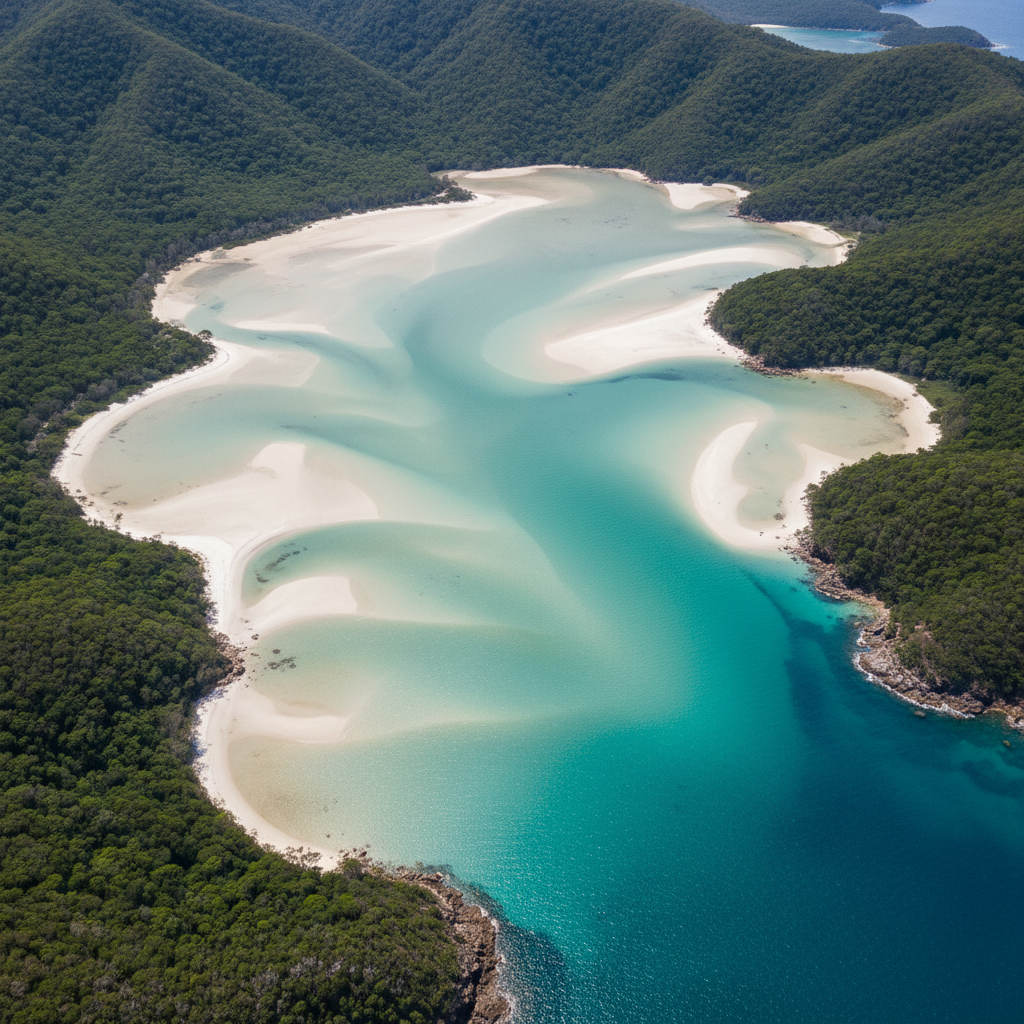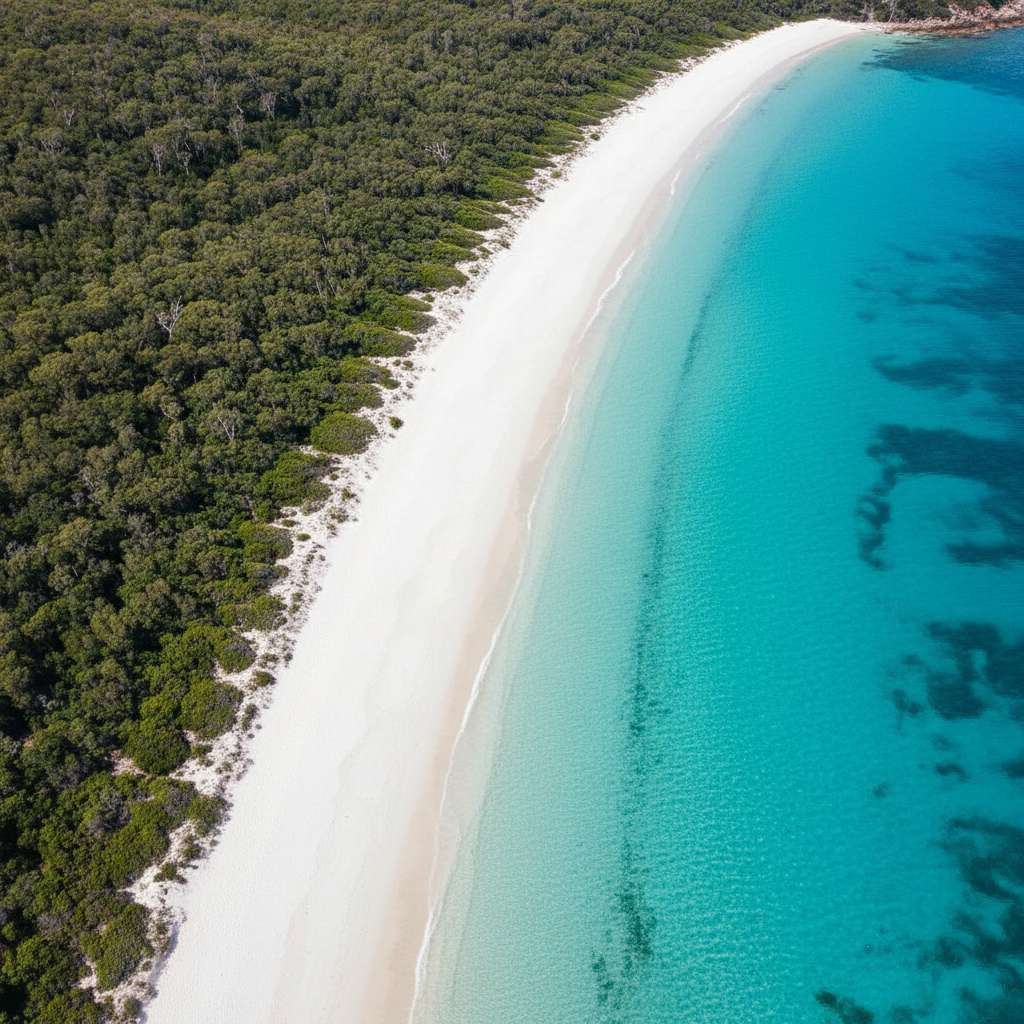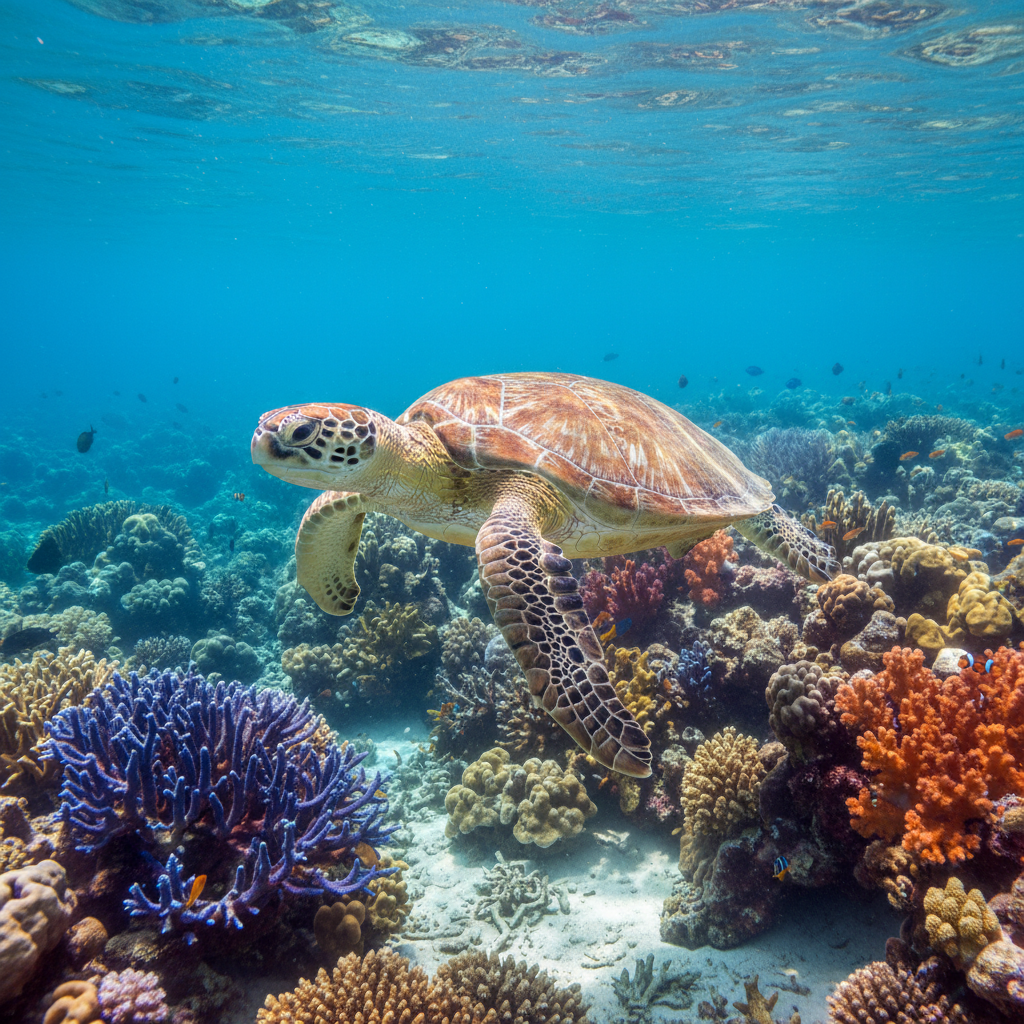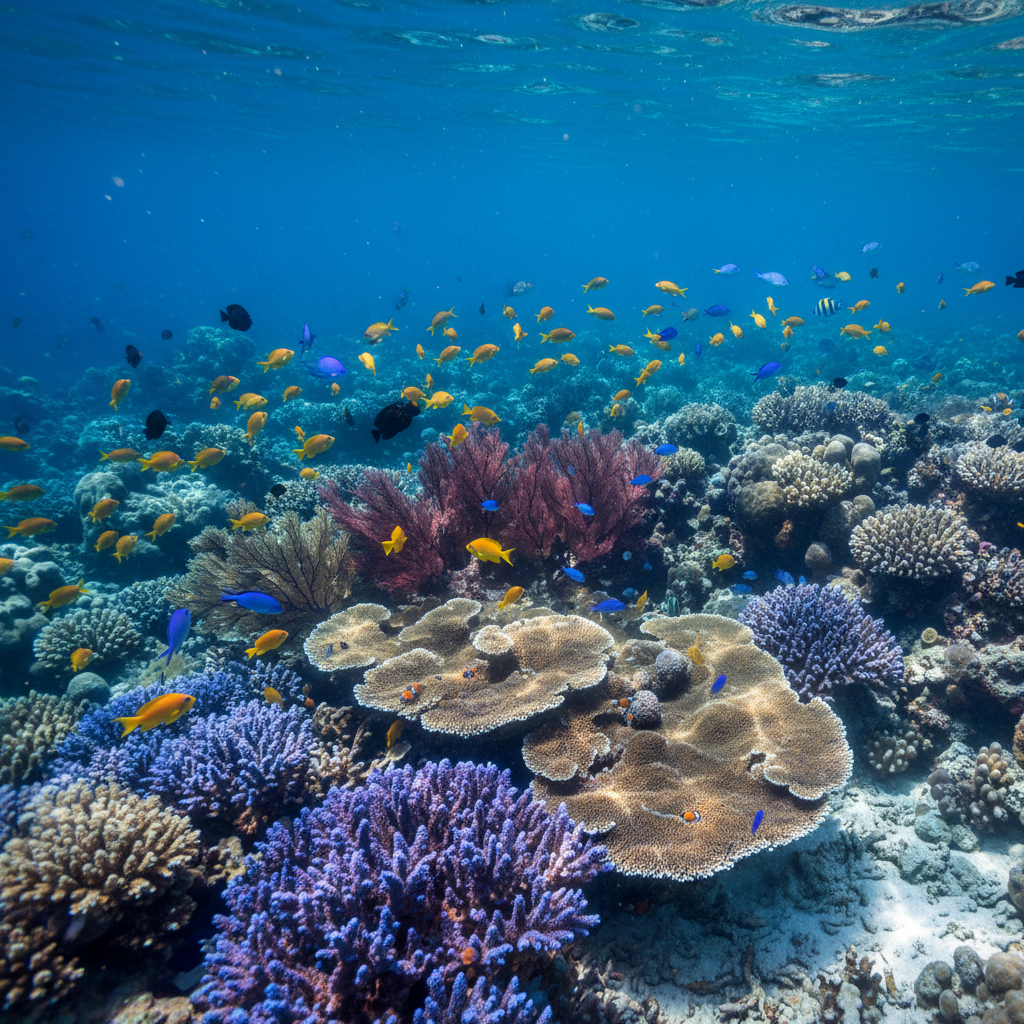
The Whitsundays isn't just about picture-perfect beaches and crystal-clear waters — it's one of Australia's most important marine ecosystems, home to ancient coral reefs, diverse marine life, and pristine island environments that need our protection. Eco tours in the Whitsundays combine unforgettable experiences with environmental education, supporting local conservation efforts while showing you the natural wonders that make this region so special.
What makes Whitsunday eco tours different from regular tours?
Whitsunday eco tours prioritise environmental sustainability through certified operators, smaller group sizes, educational components, and direct contributions to local conservation projects while maintaining the same spectacular reef and beach experiences.
Unlike standard tour operators, eco-certified companies in the Whitsundays follow strict environmental guidelines set by EcoGuide Australia and the Great Barrier Reef Marine Park Authority. These operators limit passenger numbers to reduce environmental impact, use reef-safe mooring systems instead of anchoring on coral, and employ marine biologists or certified eco-guides who share knowledge about the ecosystem's delicate balance.
The boats themselves are often equipped with advanced waste management systems, solar panels, and fuel-efficient engines. Many eco operators also contribute a portion of their profits directly to reef restoration projects, turtle conservation programs, and coral monitoring initiatives. You'll learn about conservation efforts in the Whitsundays while experiencing the same stunning locations as conventional tours.
Which types of eco tours operate in the Whitsundays?
The Whitsundays offers reef conservation tours, wildlife watching expeditions, sustainable sailing trips, low-impact island experiences, and marine research participation tours, each designed to minimise environmental impact while maximising educational value.
Reef Conservation Tours ($165-$285 per adult) combine snorkelling at pristine reef sites with hands-on conservation activities. You might participate in coral health surveys, help remove crown-of-thorns starfish, or assist with data collection for ongoing research projects. These full-day tours typically visit two reef sites and include marine biologist guides.
Wildlife Watching Expeditions ($125-$195 per adult) focus specifically on observing marine life in their natural habitats. During whale season (June to September), you'll encounter humpback whales on their migration route. Year-round, you might spot dolphins, sea turtles, manta rays, and hundreds of tropical fish species. Small group sizes (maximum 20 passengers) ensure minimal disturbance to wildlife.
Sustainable Sailing Adventures ($185-$450 per adult) use wind power instead of engines wherever possible, visiting secluded anchorages and beaches with minimal tourist impact. These tours often include overnight options on eco-certified vessels with solar power and composting toilets.
Low-Impact Island Experiences ($95-$155 per adult) take you to lesser-visited islands where you'll learn about native vegetation, indigenous history, and island ecosystem restoration projects. Walking tracks are carefully maintained to prevent erosion and habitat damage.
How much do Whitsunday eco tours typically cost?
Half-day Whitsunday eco tours range from $95-$195 per adult, full-day trips cost $165-$285, and multi-day eco sailing adventures range from $450-$850 per person, with prices varying by group size and inclusion level.
The price premium for eco tours (typically 15-25% more than standard tours) reflects the additional costs of environmental certification, smaller group sizes, specialist guides, and conservation contributions. However, many operators offer early bird discounts (10-15% off bookings made 7+ days in advance) and group rates for 6+ people.
Budget-conscious travellers can find half-day reef and island eco tours starting at $95, which include snorkelling gear, environmental briefings, and transfers from Airlie Beach. Mid-range full-day options ($165-$225) typically add lunch, multiple locations, and extended time with marine biologist guides.
Premium multi-day sailing tours ($450-$850 per person for 2-3 days) include all meals, accommodation on eco-certified vessels, multiple reef and beach locations, and comprehensive marine environment education. These trips often contribute $20-50 per passenger directly to reef restoration projects.
What wildlife can you expect to see on eco tours?
Whitsunday eco tours regularly encounter sea turtles, dolphins, tropical fish, rays, and reef sharks year-round, plus humpback whales during migration season (June-September), with marine biologist guides explaining each species' behaviour and conservation status.
Green sea turtles and hawksbill turtles are common sightings, particularly around seagrass beds near Whitehaven Beach and Hook Island. Your eco-guide will explain the threats these species face (plastic pollution, boat strikes, climate change) and current conservation efforts, including the turtle monitoring stations you might visit.
Bottlenose dolphins frequently approach eco tour boats, attracted by the slower speeds and quieter engines. Spinner dolphins are also common in deeper waters. During whale season, humpback whales pass through the Whitsunday Passage on their annual 10,000km migration — one of the longest of any mammal.
The coral reefs themselves host incredible biodiversity: over 400 species of hard and soft corals, 1,500 species of fish, giant clams, sea cucumbers, and various ray species including spotted eagle rays and reef manta rays. Eco-guides use underwater slates to point out species and explain their ecological roles without disturbing the marine life.
Which eco tour operators are certified in the Whitsundays?
EcoGuide Australia certified operators in the Whitsundays include Reef Encounter, Ocean Rafting, Siska Sailing, and Whitsunday Jetski Tours, each meeting strict environmental standards for sustainable tourism practices and conservation education.
These operators undergo regular audits covering waste management, fuel efficiency, wildlife interaction protocols, staff training, and contribution to conservation research. They're required to use reef-safe sunscreen only, maintain detailed wildlife sighting logs for research purposes, and follow strict approach distances for marine life encounters.
Many also hold Advanced Ecotourism Certification, the highest level of eco-certification in Australia, which requires demonstrating best practice in all areas of environmental performance plus significant contribution to conservation outcomes. These operators typically employ qualified marine biologists or environmental interpreters as guides.
When choosing an eco tour, look for operators displaying EcoGuide Australia certification, Great Barrier Reef Marine Park Authority permits, and Clear Water Certificate (indicating commitment to reef water quality). Genuine eco operators will clearly outline their environmental policies and conservation contributions on their websites and during pre-tour briefings.
What should you bring on a Whitsunday eco tour?
Pack reef-safe sunscreen, reusable water bottle, hat, rashguard or stinger suit, biodegradable toiletries, and underwater camera with reef-safe settings to ensure you're prepared while minimising environmental impact during your eco tour experience.
Most importantly, use only reef-safe sunscreen (zinc oxide or titanium dioxide based) as chemical sunscreens containing oxybenzone and octinoxate contribute to coral bleaching. Eco operators often provide reef-safe sunscreen, but bringing your own ensures you're using products you know work for your skin.
A reusable water bottle reduces plastic waste — most eco tour boats have filtered water refill stations. Quick-dry clothing including a rashguard or long-sleeved UV shirt provides sun protection while snorkelling and reduces the need for frequent sunscreen reapplication.
During stinger season (November to May), eco operators provide stinger suits, but bringing your own ensures proper fit. Pack any personal medications in reef-safe containers (no aerosols), and consider bringing a reef identification book or downloading marine life apps to enhance your learning experience.
When is the best time to book Whitsunday eco tours?
April to November offers the best conditions for Whitsunday eco tours with calmer seas, clearer visibility, comfortable temperatures, and outside stinger season, though wildlife viewing varies seasonally with optimal whale watching from June to September.
The dry season (April-November) provides consistently good weather with southeast trade winds averaging 10-20 knots, creating ideal sailing conditions and calmer seas for wildlife spotting. Water visibility ranges from 15-30 metres compared to 8-15 metres during the wet season.
Whale watching is phenomenal from June to September when over 30,000 humpback whales migrate through the Whitsunday Passage. Mother and calf pairs are commonly spotted from July onwards, often approaching boats for closer observation. Turtle nesting season runs October to March, with guided night walks available on some eco tours.
Book eco tours 7-14 days in advance for best availability, especially during peak season (June-September). Many eco operators limit group sizes to 12-20 people, so popular dates fill quickly. Wet season tours (December-March) are often discounted 20-30% but may be affected by weather cancellations.
How do eco tours contribute to Whitsundays conservation?
Whitsunday eco tour operators contribute through direct funding of research projects, citizen science data collection, reef restoration activities, wildlife monitoring, and educational programs that create long-term environmental advocates among visitors and local communities.
Many operators allocate $10-25 from each passenger ticket directly to conservation initiatives. This funding supports coral restoration projects, turtle monitoring programs, crown-of-thorns starfish removal, water quality testing, and marine debris removal. Some operators adopt specific reef sites, funding ongoing monitoring and maintenance.
Passenger participation in citizen science projects provides valuable research data. You might help tag marine life, record water temperatures, photograph coral health, or log wildlife sightings that contribute to long-term monitoring databases used by research institutions and government agencies.
The educational component creates conservation advocates who return home with increased environmental awareness. Studies show that participants in eco tours are significantly more likely to support marine conservation, modify their behaviour to reduce environmental impact, and contribute to conservation organisations after their experience.
Which eco tours suit different types of travellers?
Families prefer half-day reef discovery tours ($95-135), couples choose romantic sailing expeditions ($185-285), backpackers opt for budget conservation tours ($95-165), and wildlife photographers select specialist marine life tours ($155-225) with extended observation time.
Families with children (6+ years) enjoy half-day tours that balance education with fun activities. Interactive reef walks, junior marine biologist programs, and hands-on conservation activities keep kids engaged while teaching environmental responsibility. Most eco operators provide child-sized snorkelling equipment and stinger suits.
Couples seeking romance prefer sunset sailing tours on small eco-certified yachts, combining stunning scenery with intimate wildlife encounters. These tours often include sustainable catering featuring local produce and minimal waste packaging.
Solo travellers and backpackers gravitate toward shared-cost group tours focusing on marine conservation activities. These trips offer excellent value while providing opportunities to meet like-minded environmentally conscious travellers from around the world.
Serious wildlife photographers book specialist tours with extended time at each location, professional marine guides who can position boats for optimal wildlife photography, and underwater photography workshops teaching techniques that don't disturb marine life.
What are the booking tips for Whitsunday eco tours?
Book eco tours 7-14 days ahead for better rates and availability, verify operator certification credentials, check weather policies, confirm group sizes, and ask about conservation contributions to ensure you're choosing genuinely sustainable tour experiences.
Research operators thoroughly by checking their EcoGuide Australia certification status, reading recent TripAdvisor reviews specifically mentioning environmental practices, and verifying their Great Barrier Reef Marine Park Authority permits. Genuine eco operators will readily discuss their conservation contributions and environmental policies.
Ask specific questions: What's the maximum group size? Which marine biologist or eco-guide qualifications do staff hold? How much of my ticket price goes to conservation? What specific projects do you support? Can you show me your environmental certification?
Flexible booking policies are crucial during peak season when weather can affect tour operations. Look for operators offering free date changes within 48 hours of weather-related cancellations. Many eco operators provide detailed pre-tour briefings about what to expect and how to minimise environmental impact.
Compare inclusions carefully as eco tours often provide added value through expert guides, smaller groups, and unique experiences like research station visits or conservation project participation that aren't available on standard Whitsundays tours.
Ready to experience the Whitsundays while supporting vital conservation efforts? Browse our carefully selected eco-certified tour operators on Airlie to Whitehaven, where every booking contributes to protecting this incredible marine ecosystem for future generations. From intimate wildlife encounters to hands-on reef restoration activities, we'll help you find the perfect eco tour that matches your interests and budget while making a positive environmental impact.