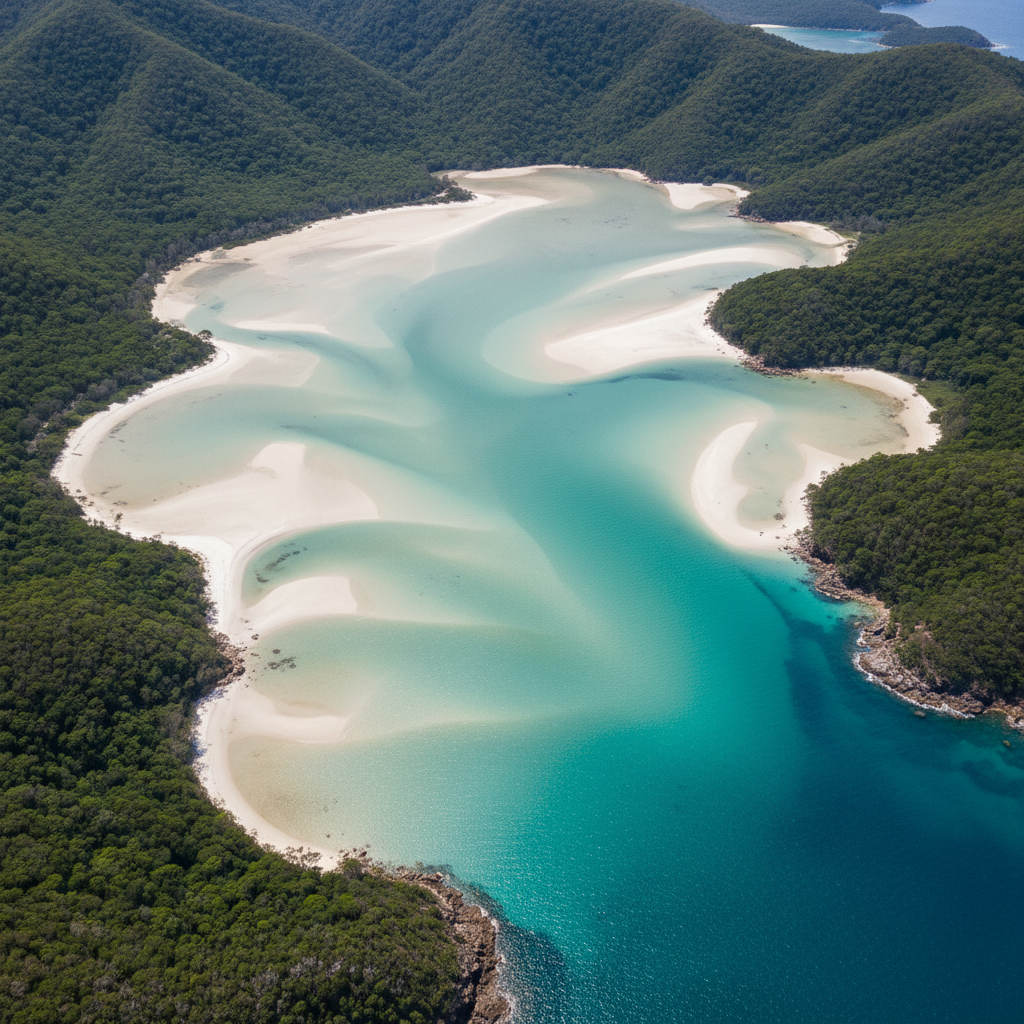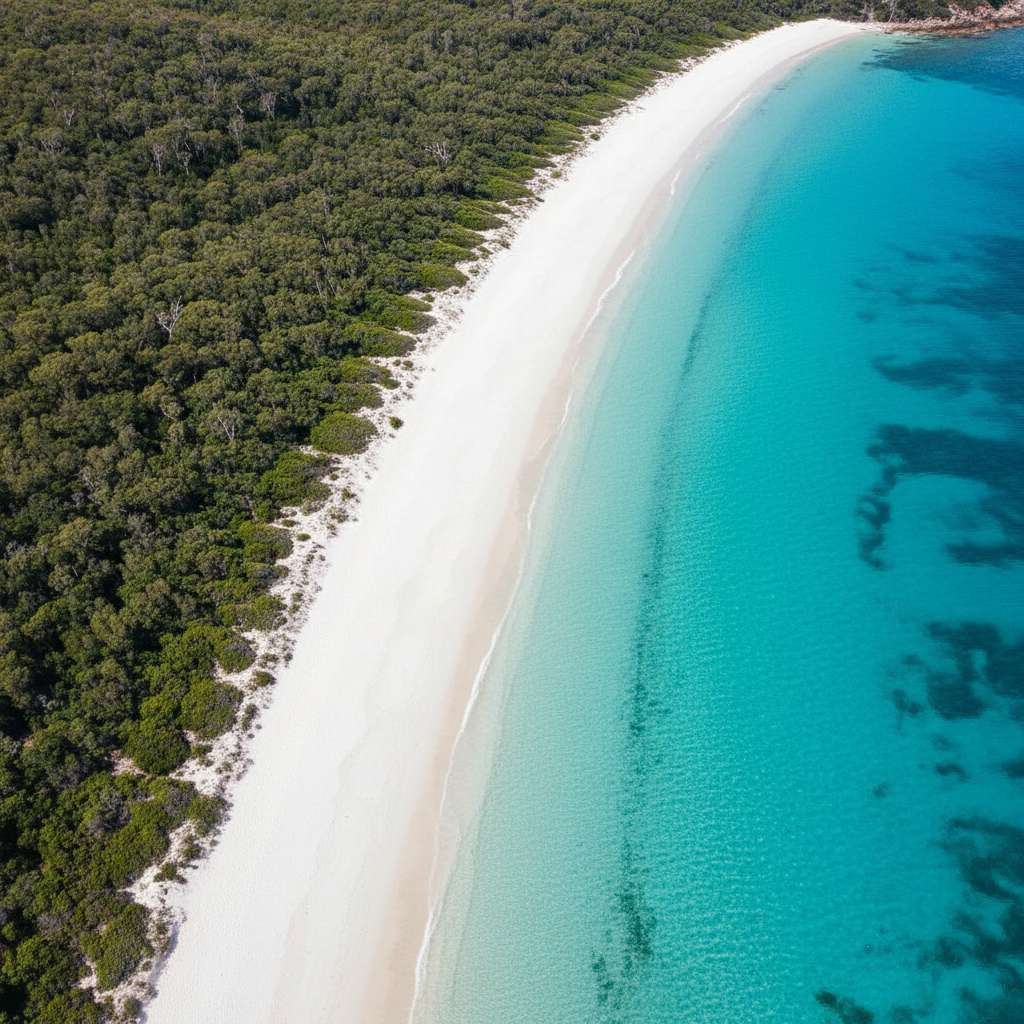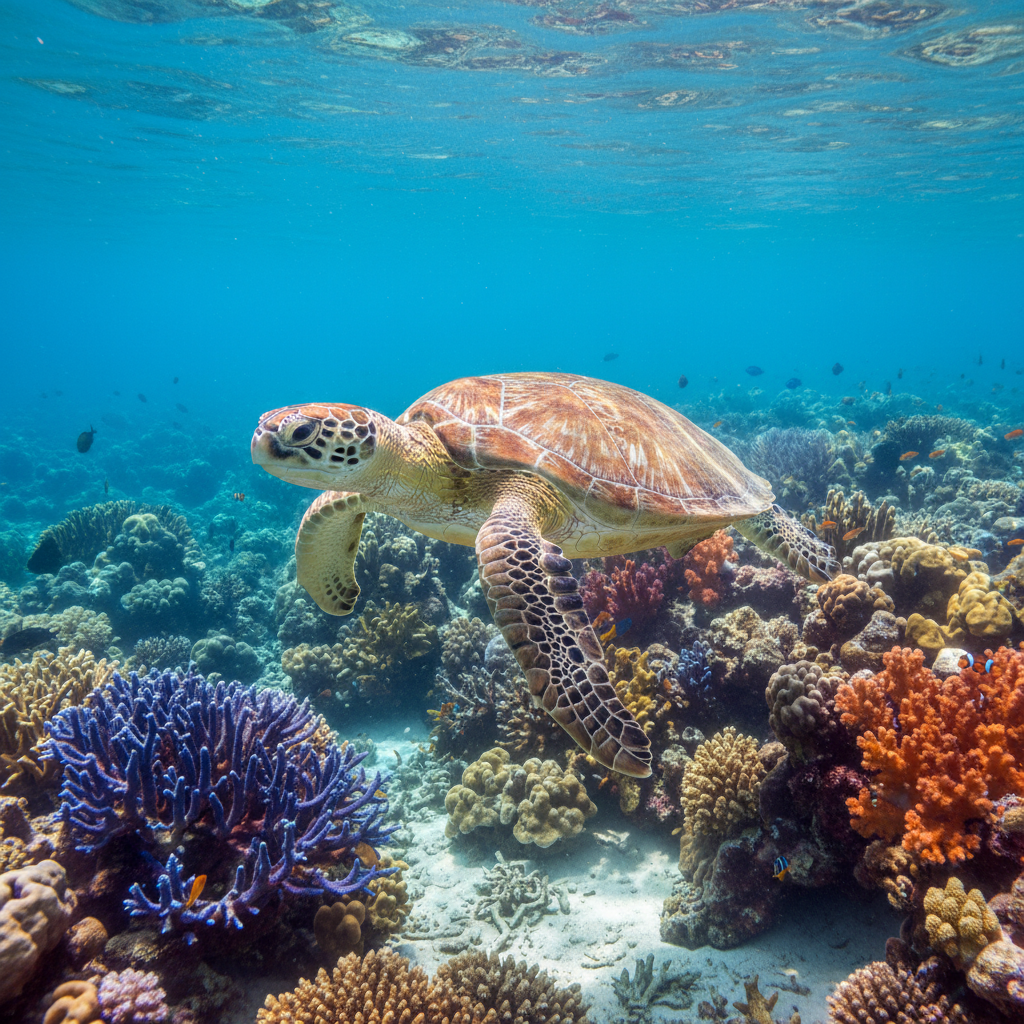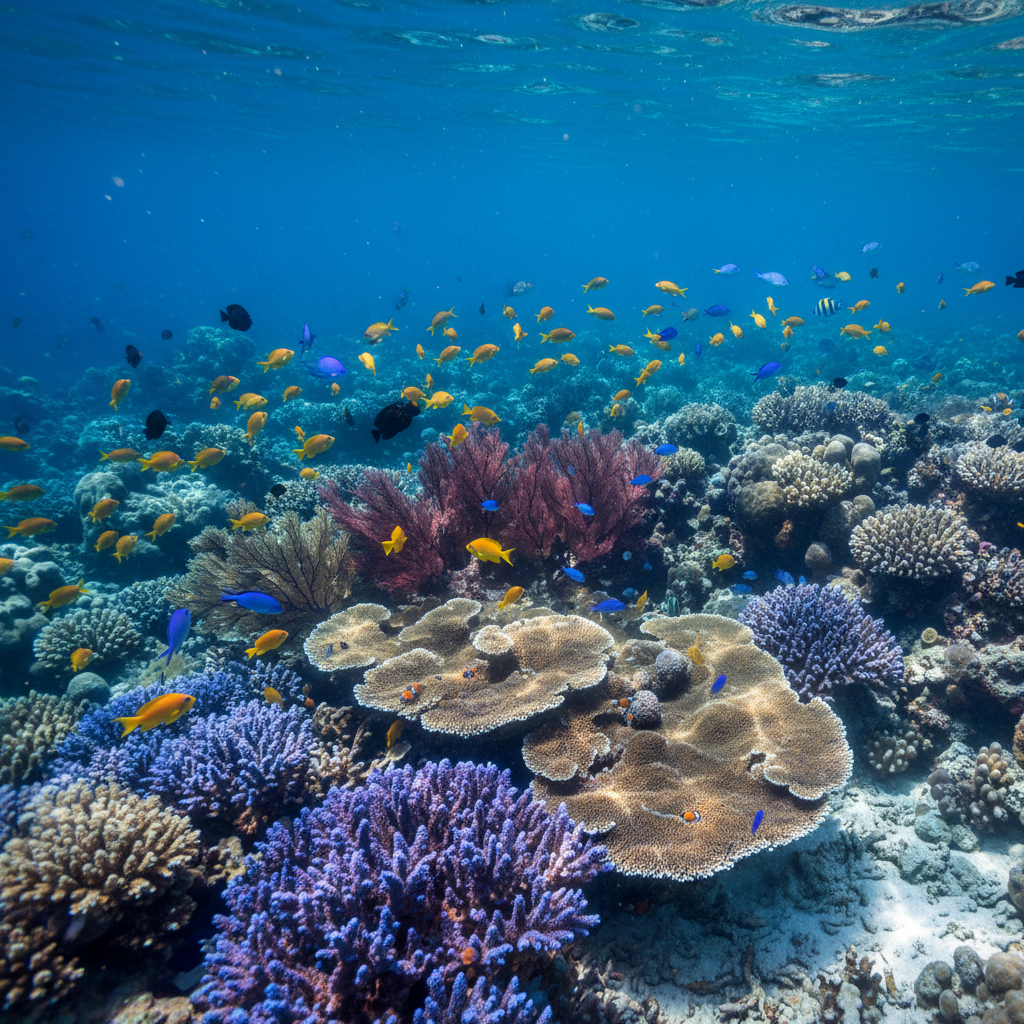
The Whitsundays isn't just a pretty picture — it's one of Australia's most important marine ecosystems, home to over 1,625 fish species, 133 shark and ray species, and six of the world's seven marine turtle species. This 344,000-hectare marine park requires careful protection to survive the pressures of two million annual visitors, climate change, and coastal development. Here's how conservation efforts are protecting this UNESCO World Heritage treasure and what you can do to help.
What conservation zones protect the Whitsundays marine environment?
The Great Barrier Reef Marine Park divides the Whitsundays into five colour-coded zones with increasing protection levels. Green zones (33% of the area) prohibit all fishing and collecting, while blue zones allow limited recreational fishing with restrictions on commercial activities.
The Marine Park Authority manages these zones through a comprehensive zoning system that balances conservation with sustainable tourism. General Use zones (light blue) permit most activities including trawling, while Habitat Protection zones (dark blue) exclude trawling but allow line fishing. Conservation Park zones (yellow) prohibit commercial fishing but permit recreational angling, and Buffer zones (olive green) around sensitive areas like Whitehaven Beach restrict anchoring within 500 metres of the shore.
The most protected Marine National Park zones (green) cover critical areas including the waters around Hook Island, Bait Reef, and sections of the Whitsunday Passage. These no-take zones have shown remarkable recovery, with fish biomass increasing by up to 28% in some areas since their establishment. Coral trout populations in green zones average 31% larger than in fished areas, demonstrating the effectiveness of protection measures.
How are coral restoration projects rebuilding Whitsundays reefs?
Scientists use coral gardening, assisted gene flow, and micro-fragmentation techniques to restore damaged reefs. The Reef Restoration Foundation operates coral nurseries at Daydream Island, growing heat-resistant coral varieties that can survive rising ocean temperatures up to 29°C.
The foundation's Coral Nurture Program involves tourism operators who adopt coral frames and monitor their growth. Each frame costs $385 and can house up to 30 coral fragments that grow 3-5 times faster than wild corals. These nursery-grown corals are then transplanted to degraded reef areas, with survival rates exceeding 80% after 12 months.
Recent innovations include cryopreservation technology that freezes coral sperm and eggs for future use, and assisted gene flow projects that introduce heat-tolerant coral genetics from warmer northern reefs. The Australian Institute of Marine Science has successfully bred corals that can withstand temperatures 1.5°C higher than their parents — crucial adaptation as ocean temperatures continue rising.
You can witness this conservation work firsthand on Great Barrier Reef tours from Airlie Beach that visit restoration sites, where marine biologists explain the techniques and progress being made.
Which native species are most threatened in the Whitsundays?
Six marine turtle species nest in the Whitsundays, with green turtles and loggerheads most common. Hawksbill turtle populations declined 80% since the 1990s due to plastic pollution, boat strikes, and nest disturbance. Dugongs face critical threats from boat propellers and seagrass habitat loss.
The Northern Hairy-nosed Wombat, found only at Epping Forest National Park 300km inland, remains Australia's rarest mammal with just 315 individuals. Marine species face more immediate pressures — Scalloped Hammerhead Sharks have declined 95% since the 1960s due to commercial fishing, while Indo-Pacific Humpback Dolphins number fewer than 10,000 individuals along Australia's east coast.
Coral species particularly vulnerable include Staghorn Coral (Acropora cervicornis) and Table Coral (Acropora hyacinthus), which have lost 80-95% of their coverage during mass bleaching events. These fast-growing species provide essential habitat for juvenile fish but recover slowly from disturbance. Giant Clams (Tridacna gigas) can live over 100 years but mature slowly, making them vulnerable to overharvesting — now completely protected in Queensland waters.
What role do marine park rangers play in conservation?
Marine park rangers patrol 344,000 hectares daily using boats, aircraft, and underwater surveillance. They conduct compliance checks, research monitoring, and emergency rescues while educating 30,000+ visitors annually about reef protection. Rangers issue fines up to $220,000 for serious breaches like anchoring in protected zones.
Rangers operate from bases at Airlie Beach, Hamilton Island, and Hayman Island, conducting over 2,000 vessel inspections annually. They monitor water quality at 25 sites monthly, tracking nutrients, sediments, and pesticides that affect coral health. During turtle nesting season (October to March), rangers patrol beaches nightly to protect nests from disturbance and monitor hatchling success rates.
Emergency response capabilities include marine animal rescue, oil spill containment, and tourist safety incidents. Rangers rescued 47 marine animals in 2023, including turtles with plastic ingestion and dolphins caught in fishing nets. They also coordinate with Queensland Parks and Wildlife Service to manage the 74 islands' terrestrial ecosystems, controlling invasive species like Lantana and Prickly Pear that threaten native vegetation.
How can tourists practice responsible reef tourism?
Use reef-safe sunscreen without oxybenzone or octinoxate chemicals, maintain 3-metre distances from marine life, and never touch coral. Take only photos, follow designated moorings, and choose operators with EcoGuide Australia or Ecotourism Australia certification for sustainable practices.
Physical contact causes immediate coral damage and increases disease susceptibility by up to 15 times. Even gentle touches remove the protective mucus layer corals need to fight infections. When snorkelling, maintain neutral buoyancy and avoid fins contact with the reef — a single fin kick can destroy decades of coral growth.
Choose reef-safe sunscreen options in the Whitsundays that protect both your skin and marine environments. Chemical sunscreens containing oxybenzone cause coral bleaching even at concentrations as low as 62 parts per trillion — equivalent to one drop in six Olympic swimming pools.
Responsible operators follow strict environmental guidelines: anchoring only at designated moorings, maintaining engine distances from marine life, and limiting group sizes to reduce reef impact. They also contribute to research through citizen science programs, with tourists helping collect water quality data and marine life sighting records that inform conservation decisions.
What climate change impacts are affecting Whitsundays ecosystems?
Rising ocean temperatures caused mass coral bleaching in 2016, 2017, 2020, and 2022, affecting 50-90% of reef areas. Sea level rise of 3.3mm annually threatens low-lying islands and seagrass beds, while increasing storm intensity damages coral structures and coastal vegetation.
Water temperatures in the Whitsundays now regularly exceed 29°C during summer months — the threshold where corals expel their symbiotic algae and turn white. The Australian Institute of Marine Science records show average temperatures have risen 0.8°C since 1900, with warming accelerating to 0.18°C per decade since 1980.
Ocean acidification affects shell-forming creatures like corals, molluscs, and crustaceans. As seawater absorbs increasing atmospheric CO2, pH levels have dropped from 8.2 to 8.1 since pre-industrial times — seemingly small but representing a 30% increase in acidity. This makes it harder for corals to build calcium carbonate skeletons, slowing growth rates by up to 15%.
Learn more about coral bleaching impacts in the Whitsundays and how warming temperatures are reshaping these delicate ecosystems.
How do crown-of-thorns starfish control programs work?
Divers inject crown-of-thorns starfish with bile salts or sodium bisulfate solutions that kill them within 24 hours. Trained teams remove up to 1,000 starfish per day during population outbreaks, with each adult starfish consuming 10 square metres of coral annually if left unchecked.
The Crown-of-Thorns Starfish Control Program operates year-round with professional divers and trained volunteers. During outbreak periods, starfish can reach densities of 1,000+ per hectare — far exceeding the natural threshold of 0.22 adults per hectare. A single female can produce up to 50 million eggs in one spawning season, explaining their explosive population growth.
Control methods have evolved from manual removal to targeted injection systems. The current bile salt injection technique kills starfish without affecting other marine life, unlike earlier methods using formalin or compressed air. Monitoring programs use manta tow surveys and SCUBA transect counts to track starfish populations and prioritise control efforts on high-value reefs.
What waste management challenges face the marine park?
Marine debris, particularly plastic bottles and fishing gear, threatens 267 marine species in the region. Ghost nets abandoned by commercial fishing vessels continue catching wildlife for years. The marine park removes 15-20 tonnes of debris annually through community cleanup programs and ranger patrols.
Microplastics contaminate the entire food chain, with studies finding plastic particles in 73% of fish stomachs near urban areas. These particles absorb toxic chemicals that concentrate as they move up the food web, affecting everything from plankton to apex predators. Cigarette butts remain the most common litter item, containing cellulose acetate that takes 10-15 years to decompose.
Island resorts face unique waste challenges with limited infrastructure. Hayman Island operates a comprehensive recycling program, while Daydream Island uses onsite composting for organic waste. Water treatment systems must handle sewage from 2,000+ daily visitors without impacting surrounding waters — requiring advanced filtration and UV disinfection technologies.
Tourism operators contribute through take-only-photos policies and providing reusable water bottles to reduce single-use plastic consumption. Some companies offer discounts to customers who bring their own water bottles and reef-safe sunscreen.
How effective are fishing restrictions in protecting marine ecosystems?
No-take marine zones have increased fish abundance by 166% and fish size by 28% compared to fished areas. Species like coral trout and red emperor show dramatic recovery in protected zones, with some fish populations doubling within five years of protection implementation.
Commercial fishing restrictions include seasonal closures during spawning periods, minimum size limits, and gear restrictions. Coral Trout must exceed 35cm length, while Red Emperor requires 55cm minimum — ensuring fish can reproduce before harvest. Net fishing is prohibited in most areas to prevent bycatch of turtles, dolphins, and dugongs.
Recreational fishing rules allow line fishing in blue and yellow zones but prohibit spearfishing near popular snorkelling sites. Bag limits restrict recreational anglers to five coral trout and two mackerel per person daily, preventing overharvesting by the 750,000 annual recreational fishers visiting the region.
Scientific monitoring shows protected zones function as fish nurseries, with juvenile fish spilling over into adjacent areas where fishing is permitted. This "spillover effect" benefits commercial and recreational fishers while maintaining breeding populations in sanctuary zones.
What conservation research is currently underway?
Scientists monitor coral health through satellite imagery, underwater sensors, and DNA analysis. Current projects include coral probiotic treatments, algae symbiont research, and artificial intelligence systems that can identify individual fish species from underwater cameras to track population changes in real-time.
James Cook University operates the Heron Island Research Station, conducting long-term studies on coral adaptation and fish behaviour. Their Coral Probiotic Project introduces beneficial bacteria to help corals resist disease and bleaching stress. Early trials show 40% improved survival rates during heat stress events.
The eReefs program combines satellite data with in-water sensors to monitor water quality across 2,300km of coastline. This system tracks sediment plumes, nutrients, and temperature in near real-time, helping predict bleaching events and guide management responses. Machine learning algorithms process thousands of satellite images to detect coral bleaching weeks before it's visible to divers.
Environmental DNA (eDNA) sampling detects species presence from water samples, revealing ecosystem changes without disturbing wildlife. This technique has discovered new species and tracked rare animals like sawfish and river sharks in Whitsunday waters.
The Whitsundays' future depends on balancing tourism, conservation, and climate adaptation. By choosing responsible tour operators and following marine park guidelines, visitors play a crucial role in protecting this irreplaceable ecosystem. Book your eco-conscious Whitsundays adventure through Airlie to Whitehaven to support operators committed to sustainable tourism and conservation — because the best way to protect paradise is to experience it responsibly.