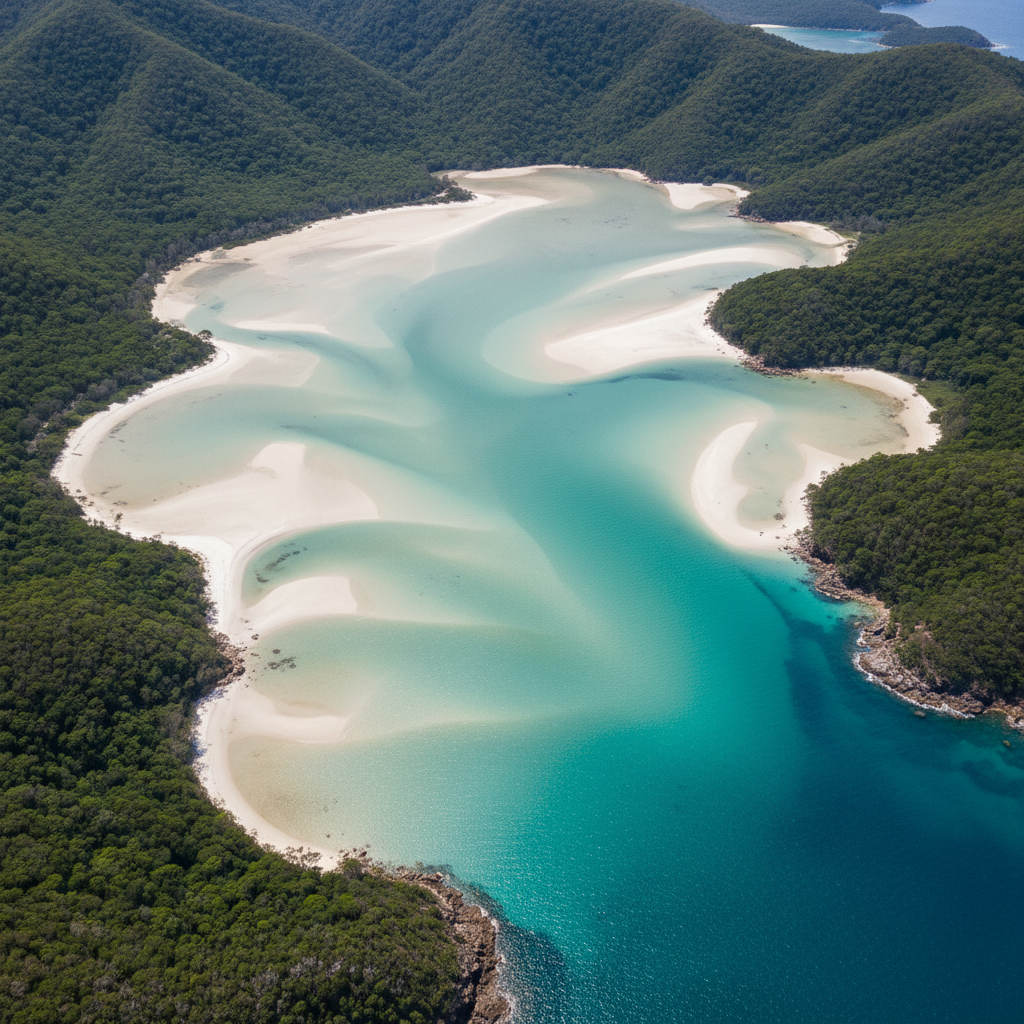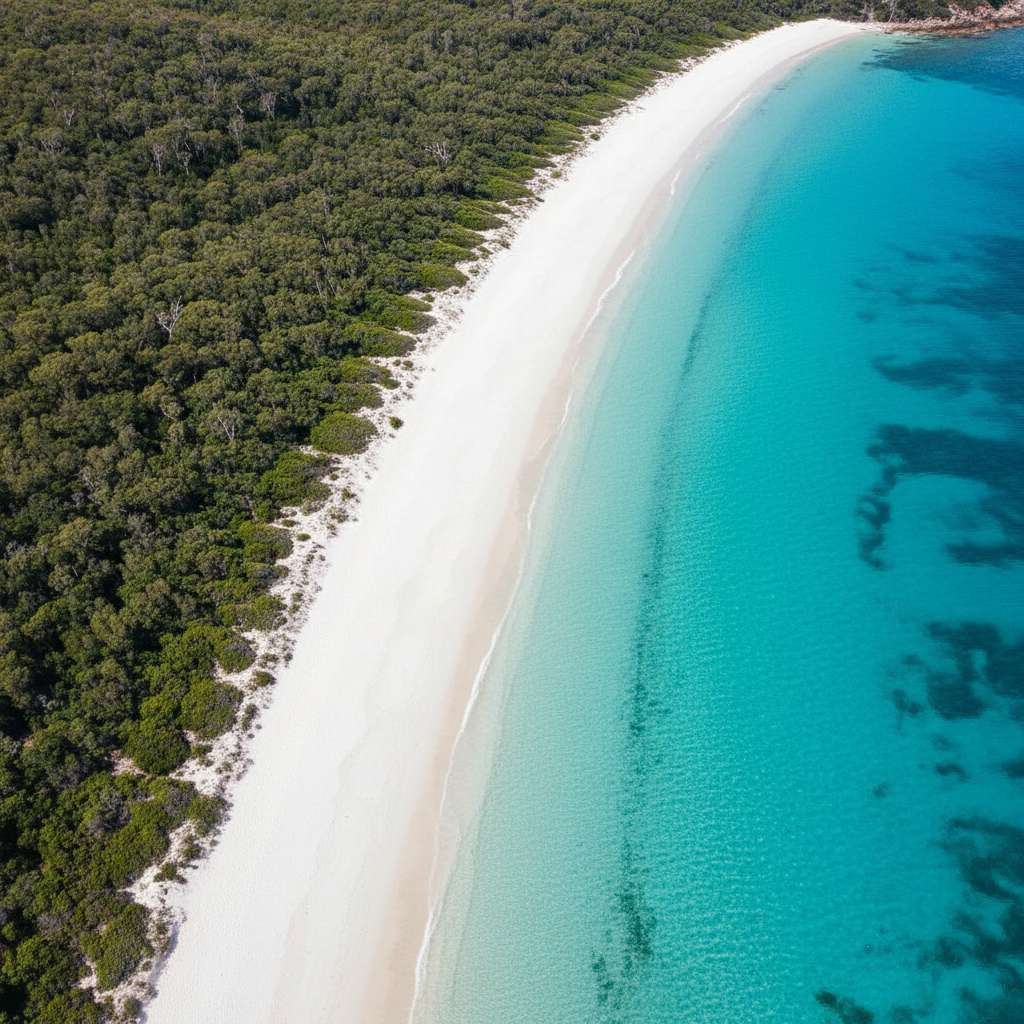
The Great Barrier Reef from Airlie Beach offers some of the most accessible yet pristine diving in Australia. While many think you need to travel to Cairns for world-class reef diving, Airlie Beach provides a gateway to the outer reef's healthiest sections with fewer crowds and dramatic coral formations that stretch uninterrupted for hundreds of kilometres.
How far is the Great Barrier Reef from Airlie Beach?
The outer Great Barrier Reef lies approximately 60 nautical miles (111km) east of Airlie Beach, requiring a 2-3 hour boat journey to reach the pristine diving sites. Most dive operators target specific reef systems including Bait Reef, Hook Reef, and the renowned Heart Reef area.
The journey to the outer reef takes you through the protected waters of the Whitsunday Islands before hitting the open Coral Sea. Unlike inner reefs closer to shore, these outer reef systems experience constant oceanic currents that deliver nutrient-rich waters, supporting massive coral formations and diverse marine life. The distance means day trips start early – typically departing Abel Point Marina at 7:30am – but the payoff is accessing some of the most untouched reef sections along the entire Great Barrier Reef system.
Weather conditions significantly impact travel times and site selection. During calm conditions, operators can reach the furthest outer reef locations, while rougher seas might limit trips to closer intermediate reef systems like Langford Reef, still offering exceptional diving just 45 minutes from shore.
What dive sites can you access from Airlie Beach?
Airlie Beach dive operators regularly visit Bait Reef, Hook Reef, Hardy Reef, and Black Reef systems, each offering distinct underwater topography from coral gardens to dramatic wall dives. These outer reef locations provide consistent 20-30 metre visibility with minimal tourist impact.
Bait Reef features extensive coral gardens in 8-25 metres of water, perfect for both novice and experienced divers. The site includes multiple dive locations: Stepping Stones offers gentle coral slopes teeming with tropical fish, while Cathedral offers more advanced wall diving with swim-throughs and overhangs.
Hook Reef presents the most diverse diving with shallow coral gardens transitioning to dramatic drop-offs exceeding 40 metres. The northern section features pristine hard coral formations, while the southern bommies attract larger pelagic species including reef sharks, tuna, and during migration season, minke whales.
Hardy Reef includes the famous Heart Reef area (viewed from above only) and surrounding dive sites featuring massive coral formations. The underwater topography includes coral canyons, swim-throughs, and cleaning stations where divers regularly encounter manta rays and large fish aggregations.
Inner reef options like Langford Reef and Pinnacle Reef provide alternative sites during rough weather, offering excellent diving in more protected waters just 30-45 minutes from Airlie Beach.
What marine life will you see while diving the reef?
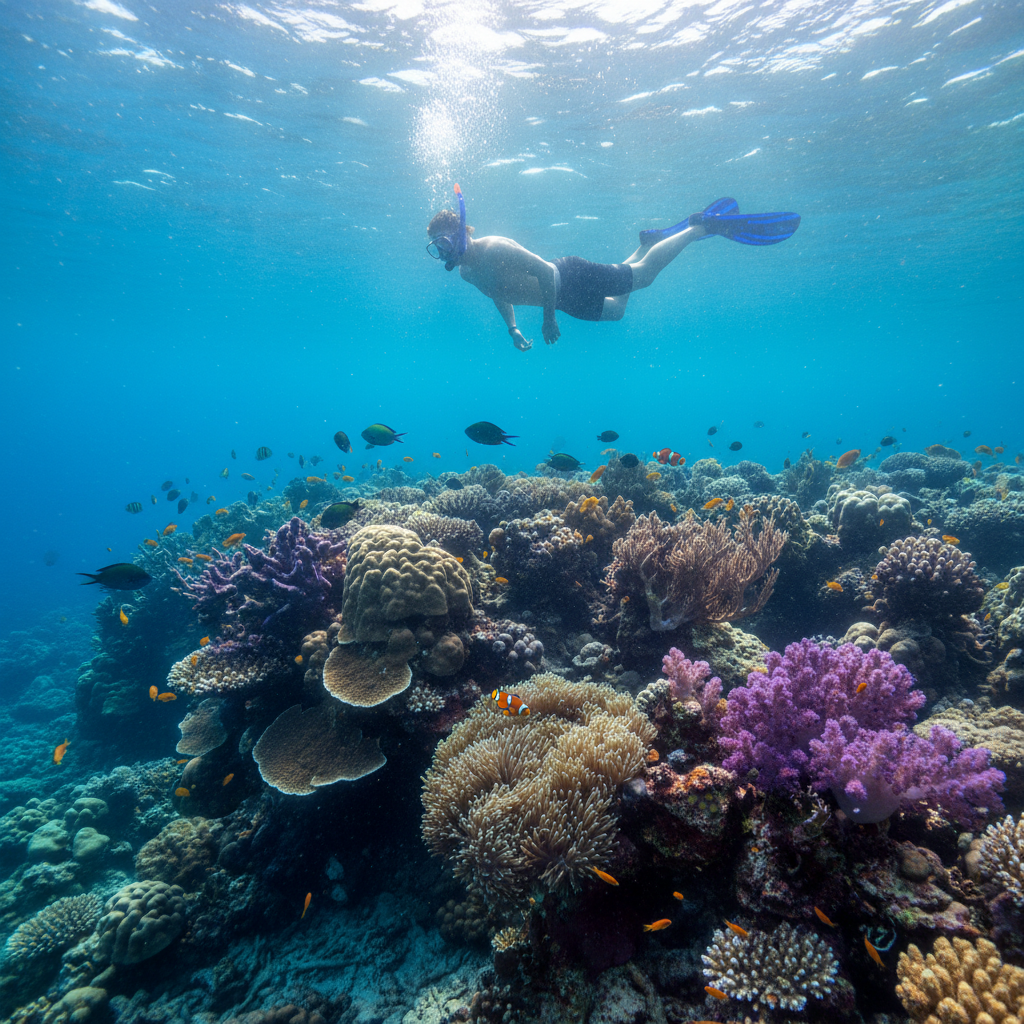
Expect encounters with over 1,500 fish species, six turtle species, reef sharks, rays, and seasonal visitors including humpback whales (June-September) and dwarf minke whales (June-July). Hard and soft coral coverage exceeds 80% at healthy outer reef sites.
The diversity stems from the reef's position where tropical and temperate currents meet. Common sightings include schools of barracuda, trevally, and sweetlip forming massive aggregations around coral bommies. Reef sharks – predominantly whitetip and grey reef sharks – patrol deeper sections, while leopard sharks rest in sandy channels.
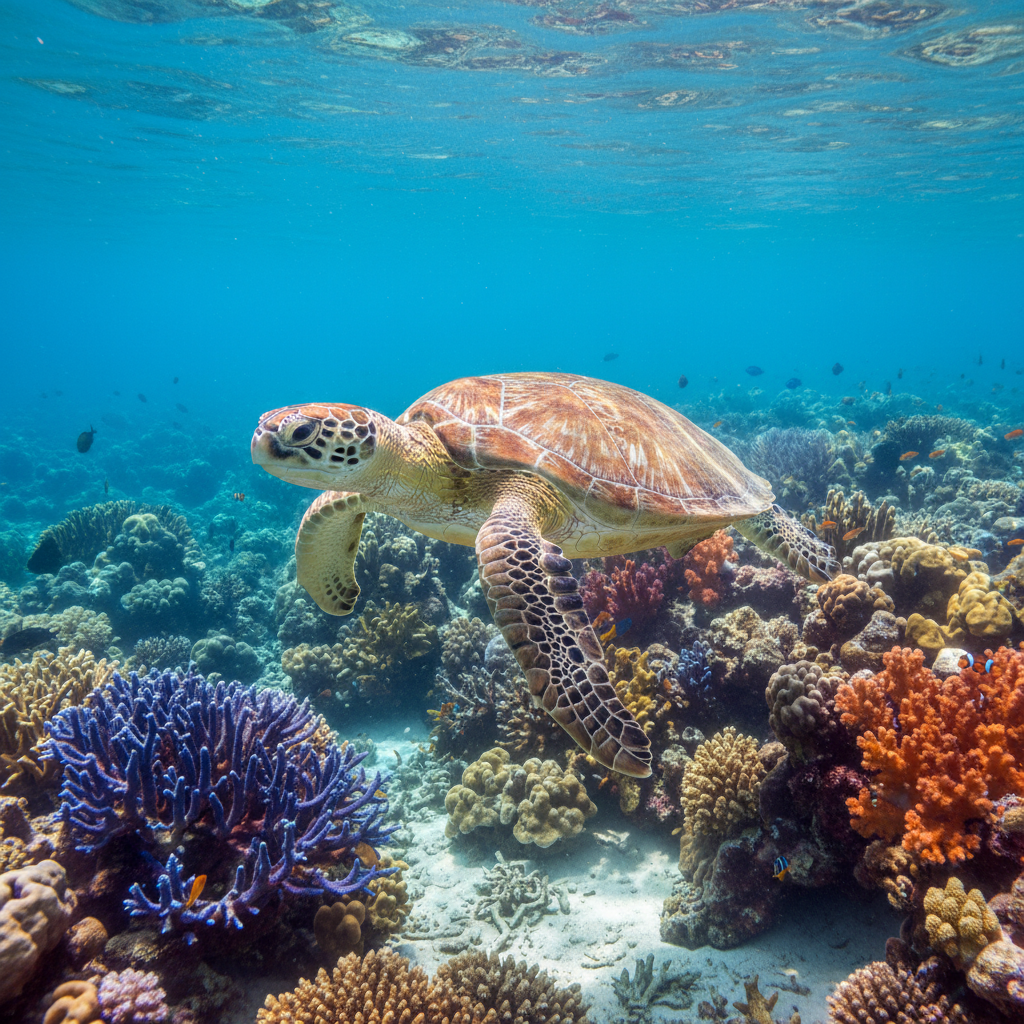
Turtle encounters are virtually guaranteed, with green and hawksbill turtles most common around coral feeding areas. Loggerhead, olive ridley, flatback, and leatherback turtles also frequent these waters, with turtle cleaning stations providing predictable viewing opportunities.
Macro life includes vibrant nudibranchs, mantis shrimp, and cleaning gobies operating from dedicated cleaning stations. Night diving reveals different species: Spanish dancers, hunting octopi, and various crustaceans emerge after dark.
Seasonal highlights include humpback whale encounters during their annual migration. Dwarf minke whales specifically seek out divers during June and July, often approaching within metres for extended interactions – a unique phenomenon rarely experienced elsewhere.
What are the diving conditions like year-round?
Water temperatures range from 22°C in winter to 29°C in summer, with visibility typically 20-30 metres on outer reefs. Southeast trade winds (May-September) create the calmest conditions, while summer brings higher temperatures but potential tropical weather systems.
Dry Season (April-November): Offers the most consistent diving conditions with minimal rainfall and steady southeast winds. Water temperatures drop to 22-25°C, requiring 5mm wetsuits but providing the clearest visibility often exceeding 30 metres. This period coincides with whale migration season and generally calmer seas.
Wet Season (December-March): Brings warmer 27-29°C water temperatures perfect for 3mm wetsuits or dive skins. However, increased rainfall and potential cyclonic activity can affect visibility and trip scheduling. The upside includes fewer crowds and often spectacular underwater lighting conditions.
Tidal influences create varying conditions throughout each day. Incoming tides typically bring clearer water and increased fish activity, while outgoing tides can reduce visibility but concentrate marine life around feeding areas. Experienced operators time dives to maximise these natural cycles.
Current strength varies significantly between sites. Outer reef locations experience stronger oceanic currents supporting healthier coral growth, while inner sites offer more sheltered conditions suitable for training dives and less experienced divers.
Do you need diving certification to dive the Great Barrier Reef?
Open Water certification is required for most reef diving, though discover scuba programs allow beginners to experience shallow reef sites under direct instructor supervision. Advanced Open Water certification unlocks deeper sites and more challenging dive locations.
PADI and SSI certifications are universally accepted, with most operators requiring proof of certification and recent diving experience. If you haven't dived within 12 months, many operators recommend a skills refresher session in sheltered waters before heading to the outer reef.
Discover Scuba Programs: Allow complete beginners to experience reef diving in maximum 12 metres of water with 1:2 instructor ratios. These programs include basic training, equipment familiarisation, and guided reef exploration, typically costing $150-200 AUD additional to boat trip fees.
Open Water Requirements: Most outer reef sites require minimum Open Water certification due to depths exceeding 18 metres and potential current conditions. Operators verify certification cards and recent dive logs before departure.
Advanced Certifications: Unlock access to the most spectacular deep wall dives, night diving opportunities, and extended liveaboard expeditions exploring remote reef systems impossible to reach on day trips.
How much does Great Barrier Reef diving cost from Airlie Beach?
Day trips range from $195-280 AUD including two dives, equipment, and lunch, with single dive options from $165 AUD. Premium operators and outer reef locations command higher prices but deliver superior dive sites and smaller group sizes.
Standard Day Trips: Most operators offer two-dive packages for $195-230 AUD including all dive equipment, lunch, and snorkelling between dives. These trips typically visit one or two reef locations with 3-4 hours underwater time total.
Premium Operators: Charge $240-280 AUD but provide smaller groups (maximum 20 divers), superior equipment, experienced dive guides, and access to the most pristine outer reef locations. Additional services often include underwater photography, marine biologist presentations, and premium lunch options.
Equipment Costs: Most packages include all diving equipment, but bringing your own mask and fins ensures better fit. Underwater camera rentals cost $40-60 AUD per day, while professional underwater photography services range from $80-150 AUD for edited photo packages.
Additional Expenses: Marine park fees ($6.50 AUD per person), certification courses ($450-650 AUD), and advanced diving experiences like night dives or specialty courses incur additional costs but significantly enhance the reef experience.
Which dive operators offer the best Great Barrier Reef trips?
Established operators like Reef Encounter, ProDive, and Cruise Whitsundays provide reliable outer reef access with experienced guides, quality equipment, and comprehensive safety protocols. Smaller boutique operators often offer more personalised experiences with flexible itineraries.
Large Operators: Companies like Cruise Whitsundays operate high-speed catamarans reaching outer reef locations efficiently with comprehensive facilities including onboard compressors, equipment drying areas, and experienced dive masters familiar with current reef conditions.
Speciality Dive Operators: Dedicated diving companies like ProDive and Reef Encounter focus exclusively on diving experiences, offering smaller groups, longer bottom times, and access to more challenging dive sites unsuitable for mixed snorkelling/diving trips.
Boutique Operators: Smaller companies provide personalised service with flexible scheduling and willingness to target specific dive sites based on group experience levels and interests. These operators often adjust itineraries based on real-time conditions and marine life sightings.
When selecting operators, consider group sizes, dive guide ratios, equipment quality, and safety protocols. The best operators maintain current dive master certifications, comprehensive insurance, and detailed emergency action plans for outer reef diving.
What should you bring for a reef diving day trip?
Bring reef-safe sunscreen, swimwear, towel, hat, and personal mask/fins if owned. Most operators provide complete diving equipment, but personal items ensure better comfort and hygiene during extended reef diving days.
Essential Items: Reef-safe sunscreen (zinc-based formulations) protects both skin and coral systems. Quick-dry clothing and multiple swimwear options allow comfort between dives. Wide-brimmed hats and UV-protective shirts prevent sunburn during surface intervals on open boats.
Personal Equipment: While operators provide complete diving gear, bringing personal masks and fins ensures proper fit and comfort during extended diving sessions. Prescription mask inserts accommodate vision correction, while personal dive computers provide detailed dive profile information.
Comfort Items: Seasickness medication taken 30 minutes before departure prevents motion sickness during the 2-3 hour journey to outer reef sites. Waterproof phone cases protect devices while allowing underwater photography, though dedicated underwater cameras provide superior image quality.
Optional Extras: Reef identification guides enhance underwater experiences by helping identify fish and coral species. Underwater slates allow communication with dive buddies and recording unusual marine life sightings for later identification.
Ready to explore the Great Barrier Reef's pristine outer sections? Airlie to Whitehaven connects you with Airlie Beach's most experienced reef diving operators, ensuring access to the healthiest coral systems and most diverse marine encounters. Book your reef diving adventure today and discover why the Great Barrier Reef from Airlie Beach offers some of Australia's most spectacular underwater experiences.