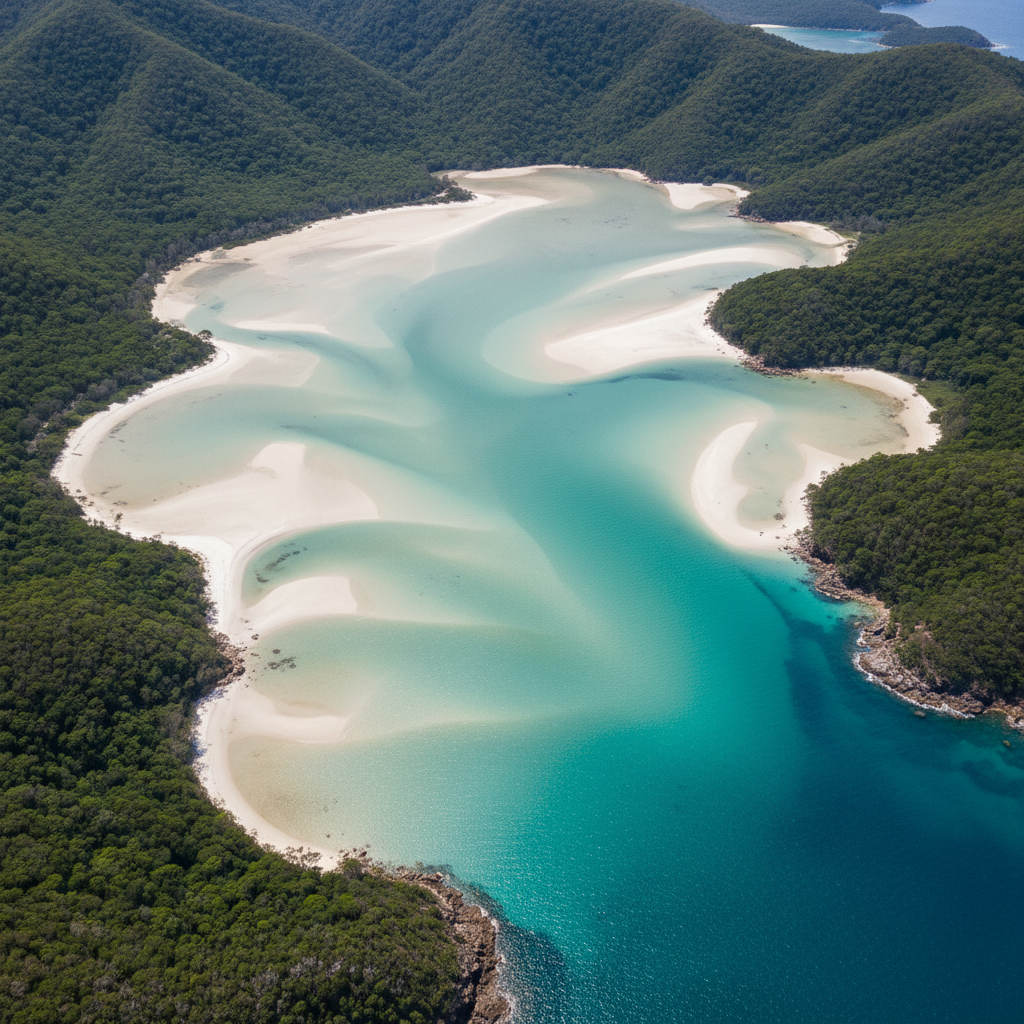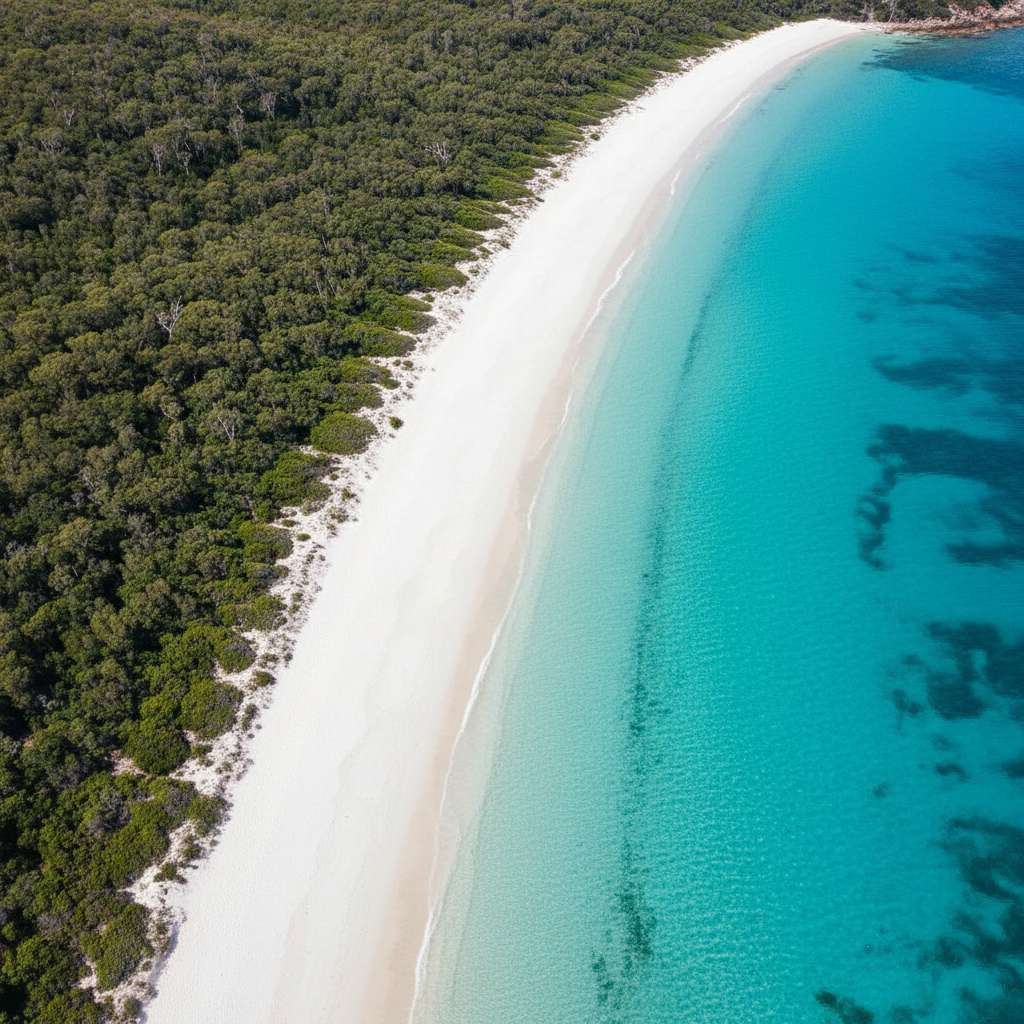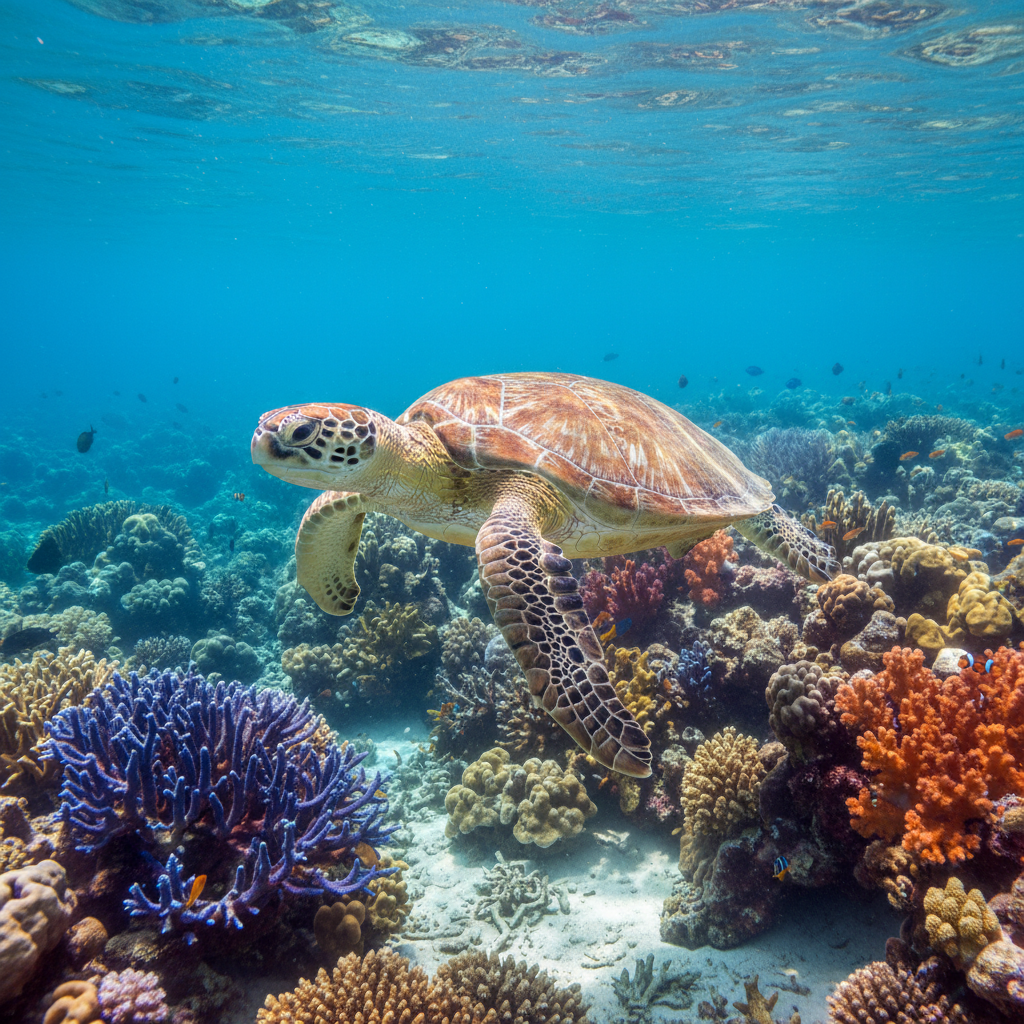
Living aboard a dive vessel for multiple days opens access to the Great Barrier Reef's most pristine sites, far from the crowds of day trips. From Airlie Beach, liveaboard diving expeditions venture to remote coral gardens where whale sharks glide through crystal-clear waters and manta rays perform underwater ballets. These multi-day adventures combine the convenience of floating accommodation with unlimited diving at world-class reef systems that remain untouched by mass tourism.
What exactly is a liveaboard diving trip?
A liveaboard diving trip is a multi-day vessel-based experience where you sleep, eat, and dive from the same boat, accessing remote Great Barrier Reef sites impossible to reach on day trips.
Unlike day trips that return to Airlie Beach each evening, liveaboard vessels become your floating hotel for 2-7 days. You'll wake up anchored above pristine coral reefs, complete up to five dives per day, and fall asleep to the gentle rocking of calm reef waters. The vessel carries all necessary equipment, meals, and accommodation, allowing operators to reach outer reef locations 3-4 hours from shore.
Entity: Liveaboard diving / Attribute: Trip duration / Value: 2-7 days Entity: Great Barrier Reef / Attribute: Distance from Airlie Beach / Value: 2-4 hours by vessel Entity: Diving frequency / Attribute: Maximum dives per day / Value: 5 dives
Which liveaboard operators run trips from Airlie Beach?
Pro Dive, Reef Encounter, and Deep Six operate the main liveaboard services from Airlie Beach, offering 3-7 day trips with accommodation for 20-40 passengers per vessel.
Pro Dive operates the largest liveaboard fleet with vessels like "Reef Encounter" (40 passengers) and "Reef Experience" (32 passengers). Their 3-day/2-night trips cost from $695 per person, including all meals, accommodation, and diving equipment. Deep Six runs more intimate trips on smaller vessels (20 passengers maximum) with 4-day expeditions from $1,250 per person.
Reef Encounter specializes in budget-friendly options with shared cabin accommodation starting at $495 for 3 days. All operators provide PADI Open Water certification courses during longer trips, perfect for combining learning with exploration.
Entity: Pro Dive vessel capacity / Attribute: Maximum passengers / Value: 40 passengers Entity: Deep Six trips / Attribute: Vessel capacity / Value: 20 passengers maximum Entity: Reef Encounter pricing / Attribute: Budget option cost / Value: $495 for 3 days
What diving sites do liveaboards visit?
Liveaboards access remote outer reef sites including Bait Reef, Hook Reef, and Hardy Reef, featuring pristine coral gardens, wall dives, and pelagic species encounters unavailable on day trips.
The crown jewel destination is Bait Reef, located 65 nautical miles from Airlie Beach, where massive Maori wrasse patrol vertical walls dropping 30+ meters. Hook Reef offers drift diving through coral canyons where grey reef sharks, white-tip sharks, and giant trevally hunt in crystal-clear 40-meter visibility.
Hardy Reef features the famous Heart Reef flyover location plus spectacular coral bombies rising from 25-meter depths. Advanced divers explore the outer edge walls where pelagic species including hammerhead sharks, manta rays, and seasonal whale sharks cruise the blue water. Night dives reveal hunting moray eels, Spanish dancers, and bioluminescent plankton.
Entity: Bait Reef / Attribute: Distance from Airlie Beach / Value: 65 nautical miles Entity: Hook Reef / Attribute: Visibility / Value: 40 meters Entity: Hardy Reef walls / Attribute: Depth / Value: 25+ meters
How much do liveaboard diving trips cost?
Liveaboard diving trips from Airlie Beach range from $495-$2,500 depending on duration, vessel standard, and cabin type, with most 3-day trips costing $700-$1,200 per person including everything.
Budget options include Reef Encounter's 3-day shared cabin trips at $495 per person, covering 8 dives, all meals, and basic accommodation. Mid-range operators like Pro Dive charge $695-$950 for 3-day trips with private twin-share cabins and superior dining.
Premium liveaboards cost $1,200-$2,500 for 3-7 day expeditions featuring ensuite cabins, gourmet meals, and smaller passenger numbers ensuring more personalized service. All prices include dive equipment rental, compressed air fills, meals, and accommodation. Additional costs include PADI certification courses ($250-$450), nitrox certification ($150), and alcoholic beverages.
Entity: Budget liveaboard cost / Attribute: 3-day price / Value: $495 shared cabin Entity: Premium liveaboard cost / Attribute: Price range / Value: $1,200-$2,500 Entity: PADI certification / Attribute: Additional cost / Value: $250-$450
What's included in liveaboard diving packages?
All liveaboard packages include accommodation, three daily meals, unlimited tea and coffee, dive equipment rental, compressed air fills, and professional dive guide services throughout your trip.
Accommodation ranges from shared 4-berth cabins to private ensuite rooms depending on vessel and price tier. Three substantial meals per day plus morning and afternoon snacks keep energy levels high between dives. All diving equipment including BCD, regulator, wetsuit, mask, and fins comes included, though many divers prefer bringing personal masks and fins.
Professional dive guides conduct detailed site briefings before each dive, assist with navigation underwater, and point out marine life highlights. Compressed air fills are unlimited, with nitrox available on most vessels for certified divers. Stinger suits are provided during November-May stinger season, and towels are supplied for post-dive comfort.
Entity: Meal provision / Attribute: Daily frequency / Value: 3 meals plus snacks Entity: Equipment inclusion / Attribute: Items provided / Value: BCD, regulator, wetsuit, mask, fins Entity: Stinger suits / Attribute: Season provided / Value: November-May
What diving experience level do you need?
Most liveaboards welcome Open Water certified divers (minimum 10 logged dives recommended), though some outer reef sites require Advanced Open Water certification due to depth and current conditions.
Entry-level liveaboards accept newly certified Open Water divers but recommend at least 10 logged dives for comfort and confidence. Advanced Open Water certification opens access to deeper walls (30+ meters) and more challenging drift dives where the best marine life encounters occur.
Complete beginners can obtain PADI Open Water certification during 4-7 day liveaboard courses, combining classroom theory, pool sessions, and four open water training dives with certified divers' regular diving schedule. Experienced divers with 50+ logged dives access all sites including advanced drift dives and night diving opportunities.
For those interested in scuba diving in the Whitsundays but unsure about liveaboard commitments, day trips offer excellent introduction to local reef conditions and marine life.
Entity: Open Water minimum / Attribute: Recommended dives / Value: 10 logged dives Entity: Advanced certification / Attribute: Access depth / Value: 30+ meters Entity: Training course / Attribute: Duration / Value: 4-7 days
When is the best time for liveaboard diving?
April to November offers optimal liveaboard conditions with calm seas, 25-28°C water temperatures, excellent visibility (20-40 meters), and minimal stinger risk requiring only brief wetsuit protection.
The dry season (April-November) provides consistently calm conditions perfect for comfortable liveaboard experiences. Water temperatures remain pleasant at 25-28°C requiring only 3mm wetsuits, while visibility often exceeds 30 meters on outer reefs. Stinger risk is minimal outside November-May, though operators provide stinger suits year-round.
Whale season (June-September) adds spectacular humpback whale encounters to diving itineraries as 30,000+ whales migrate through Whitsunday waters. December-March brings higher rainfall, stronger winds, and increased stinger activity, though Great Barrier Reef access from Airlie Beach remains excellent with proper stinger protection.
Entity: Water temperature / Attribute: Optimal range / Value: 25-28°C Entity: Visibility / Attribute: Outer reef average / Value: 30+ meters Entity: Whale migration / Attribute: Numbers / Value: 30,000+ humpbacks
What should you pack for a liveaboard trip?
Pack lightweight casual clothing, reef-safe sunscreen, personal toiletries, underwater camera, and any personal dive equipment like mask and fins, keeping luggage minimal as cabin storage space is limited.
Clothing should include 3-4 changes of lightweight casual wear, swimwear, and a light jacket for evening breezes. Most liveaboards provide towels, dive equipment, and stinger suits, so focus on personal comfort items. Reef-safe sunscreen (zinc-based, no oxybenzone) protects both your skin and coral reef ecosystem.
Underwater cameras capture incredible marine life encounters, though ensure batteries and memory cards last the entire trip. Personal dive masks provide better comfort and vision than rental equipment. Pack medications, toiletries, and any special dietary requirements as vessels carry limited extras. Soft luggage works best in cramped cabin storage spaces.
Entity: Luggage type / Attribute: Recommended style / Value: Soft luggage Entity: Sunscreen requirement / Attribute: Type / Value: Reef-safe, zinc-based Entity: Cabin storage / Attribute: Space availability / Value: Limited
How do liveaboards compare to day trips or sailing adventures?
Liveaboards offer unlimited diving at remote pristine sites for serious divers, while day trips provide reef introduction and sailing adventures focus on surface activities and beaches.
Day trips excel for first-time reef visitors, families with non-divers, or those wanting variety including snorkeling, beach visits, and scenic cruising. They return to Airlie Beach each evening, maintaining hotel accommodation and restaurant dining options. However, day trips access only closer reef sites within 2 hours travel time.
Liveaboards specialize in serious diving experiences with up to 15 dives over 3 days at pristine outer reef locations. Accommodation and dining occur onboard, creating total reef immersion but limiting non-diving activities. Overnight sailing in the Whitsundays offers middle ground with 1-2 night trips combining sailing, diving, and beach exploration.
Entity: Day trip access / Attribute: Travel time limit / Value: 2 hours maximum Entity: Liveaboard diving / Attribute: 3-day total / Value: 15 dives possible Entity: Sailing trips / Attribute: Duration / Value: 1-2 nights
What marine life will you encounter on liveaboards?
Outer reef liveaboard sites host Maori wrasse, reef sharks, manta rays, giant trevally, coral trout, and seasonal whale sharks, plus healthy hard coral coverage exceeding 80% in many areas.
Large pelagic species frequent outer reef walls including grey reef sharks, white-tip sharks, and massive Queensland groper weighing up to 200kg. Manta rays with 4-meter wingspans glide through cleaning stations where smaller fish remove parasites from their skin.
Coral diversity peaks on outer reefs with pristine staghorn, table, and brain corals creating underwater gardens. Macro life includes mantis shrimp, leaf scorpionfish, and rare mandarin fish in coral crevices. Night diving reveals hunting behavior as moray eels emerge from coral caves and bioluminescent plankton illuminate water movement.
Whale shark encounters occur seasonally (March-July) when these gentle giants follow plankton blooms across outer reef areas. Humpback whales (June-September) provide surface encounters during migration periods.
Entity: Queensland groper / Attribute: Maximum weight / Value: 200kg Entity: Manta ray wingspan / Attribute: Size / Value: 4 meters Entity: Coral coverage / Attribute: Outer reef percentage / Value: 80%+
How do you book and prepare for a liveaboard trip?
Book liveaboard trips 2-4 weeks advance during peak season, complete PADI medical forms, arrange Airlie Beach accommodation for departure/return days, and confirm certification levels meet trip requirements.
Most operators require 48-72 hours advance booking minimum, though popular seasons (April-May, September-October) need 2-4 weeks notice. Complete PADI medical questionnaires honestly as some conditions require doctor clearance before diving participation.
Arrange Airlie Beach accommodation for nights before departure and after return, as liveaboards typically depart 8-9am and return 4-5pm. Airport transfers from Proserpine (25 minutes) or Hamilton Island (ferry + bus, 1.5 hours total) should align with trip timing.
Confirm your certification level meets specific trip requirements, as some advanced sites require AOW certification. Bring certification cards and dive logs as operators verify credentials before departure.
Entity: Peak season booking / Attribute: Advance notice required / Value: 2-4 weeks Entity: Departure times / Attribute: Standard time / Value: 8-9am Entity: Proserpine transfer / Attribute: Duration / Value: 25 minutes
Ready to explore the Great Barrier Reef's most pristine diving sites? Browse our selection of liveaboard diving adventures and secure your spot on these incredible multi-day reef expeditions. Airlie to Whitehaven connects you with the Whitsundays' premier liveaboard operators, ensuring professional service and unforgettable underwater encounters at the world's most spectacular coral reef system.