The Whitsundays offer some of Australia's most spectacular sailing waters, with 74 pristine islands scattered across crystal-clear tropical seas. Whether you're an experienced sailor or complete beginner, hiring a sailboat opens up endless possibilities for exploring secluded beaches, snorkeling over coral reefs, and experiencing the freedom that only comes with wind-powered travel through these legendary waters.
What types of sailboats can you hire in the Whitsundays?
Sailboat hire options include monohull yachts (30-60 feet), catamarans (35-50 feet), racing yachts for performance sailing, and classic timber vessels. Each type offers different advantages for comfort, speed, and group size accommodation.
Monohull sailing yachts remain the most popular choice, ranging from compact 30-foot vessels perfect for couples to spacious 60-foot yachts accommodating up to 12 guests. These traditional single-hull designs offer authentic sailing experiences with responsive handling and the classic heel when catching wind. Expect to pay $400-800 per day for smaller monohulls (30-40 feet) and $800-1,500 per day for larger vessels (45-60 feet).
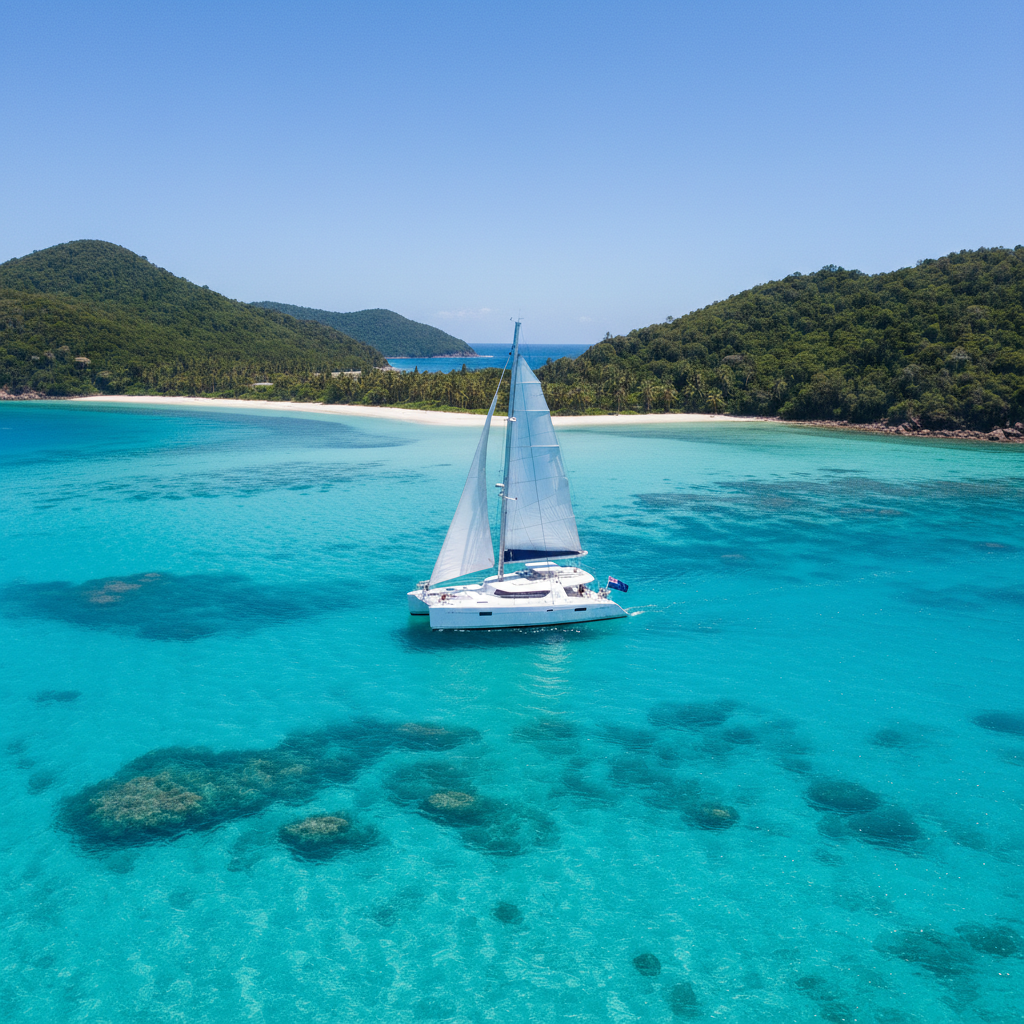
Catamarans provide exceptional stability and space, making them ideal for families or groups prioritizing comfort over sailing performance. The twin-hull design eliminates the tilting motion of monohulls, creating level living spaces and reduced seasickness risk. Most sailing catamarans in the Whitsundays measure 35-50 feet, sleeping 6-12 people across multiple cabins. Daily rates typically range from $600-1,200 depending on size and luxury level.
Racing yachts appeal to sailing enthusiasts seeking performance and speed. These sleek vessels sacrifice some comfort for exceptional sailing capabilities, perfect for covering long distances quickly or participating in competitive sailing events. Racing yacht hire starts around $500 per day for smaller vessels, reaching $1,000+ for high-performance models.
Classic sailing vessels, including restored timber yachts and traditional designs, offer unique character and historical charm. While potentially less modern in amenities, these boats provide distinctive sailing experiences with authentic maritime heritage. Availability varies seasonally, with rates typically comparable to equivalent-sized modern monohulls.
Do you need a sailing license to hire a sailboat in the Whitsundays?
Yes, bareboat sailing requires either an Australian Recreational Boat Operator's License or recognized international equivalent. Alternatively, you can hire skippered boats or complete quick competency assessments at charter bases.
For bareboat sailing charters, Queensland maritime law requires the nominated skipper to hold valid boat operator credentials. Australian residents need a Recreational Boat Operator's License, obtainable through online courses and testing. International visitors can use equivalent licenses from their home countries, including RYA qualifications from the UK, ASA certifications from the USA, or ICC permits from European nations.
Many charter companies offer skippered sailing options where professional skippers handle navigation and boat operation while you enjoy the sailing experience. Skippered charters typically add $250-400 per day to base boat hire costs but eliminate licensing requirements and provide local knowledge about optimal anchorages, weather patterns, and hidden gems throughout the islands.
Some operators provide quick competency assessments for experienced sailors without formal qualifications. These practical evaluations typically take 2-3 hours and cover basic boat handling, safety procedures, and local navigation requirements. Successful completion allows bareboat hire privileges, though costs ($200-300) and availability vary between charter companies.
What's included with Whitsundays sailboat hire?
Standard sailboat hire includes safety equipment, basic galley equipment, bedding, snorkeling gear, and tender dinghies. Additional costs typically apply for fuel, provisions, cleaning fees, and optional extras like fishing equipment.
All sailboat charters include mandatory safety equipment meeting Australian maritime standards: life jackets for all passengers, emergency beacons, flares, fire extinguishers, and first aid kits. Navigation equipment includes GPS chartplotters, compasses, and detailed paper charts of Whitsunday waters. Communication equipment typically features marine VHF radios for emergency contact and weather updates.
Galley (kitchen) provisions include basic cooking equipment, cutlery, plates, glasses, and essential appliances like gas stoves and refrigeration. Most boats feature electric or manual anchor windlasses, making anchoring manageable for small crews. Bedding packages include sheets, pillows, and towels, though some operators charge extra ($50-100 total) for fresh linen services.
Tender dinghies enable shore access and exploration of shallow areas inaccessible to larger sailboats. These small boats typically feature outboard motors and can transport 3-6 passengers depending on size. Snorkeling equipment (masks, fins, snorkels) comes standard with most charters, recognizing the exceptional underwater experiences available throughout the region.
Additional costs include fuel ($100-300 depending on usage), end-of-charter cleaning fees ($100-200), and security bonds ($1,000-5,000 held on credit cards). Optional extras might include fishing equipment ($50-100), underwater cameras ($100-150), or provisioning services where operators stock boats with food and beverages ($200-500 depending on requirements).
Where are the best sailing destinations from Airlie Beach?
Top sailing destinations include Whitehaven Beach (20km south), Hamilton Island (16km east), Hook Island (15km northeast), and Langford Island (12km northeast). Each offers unique attractions from pristine beaches to excellent snorkeling.
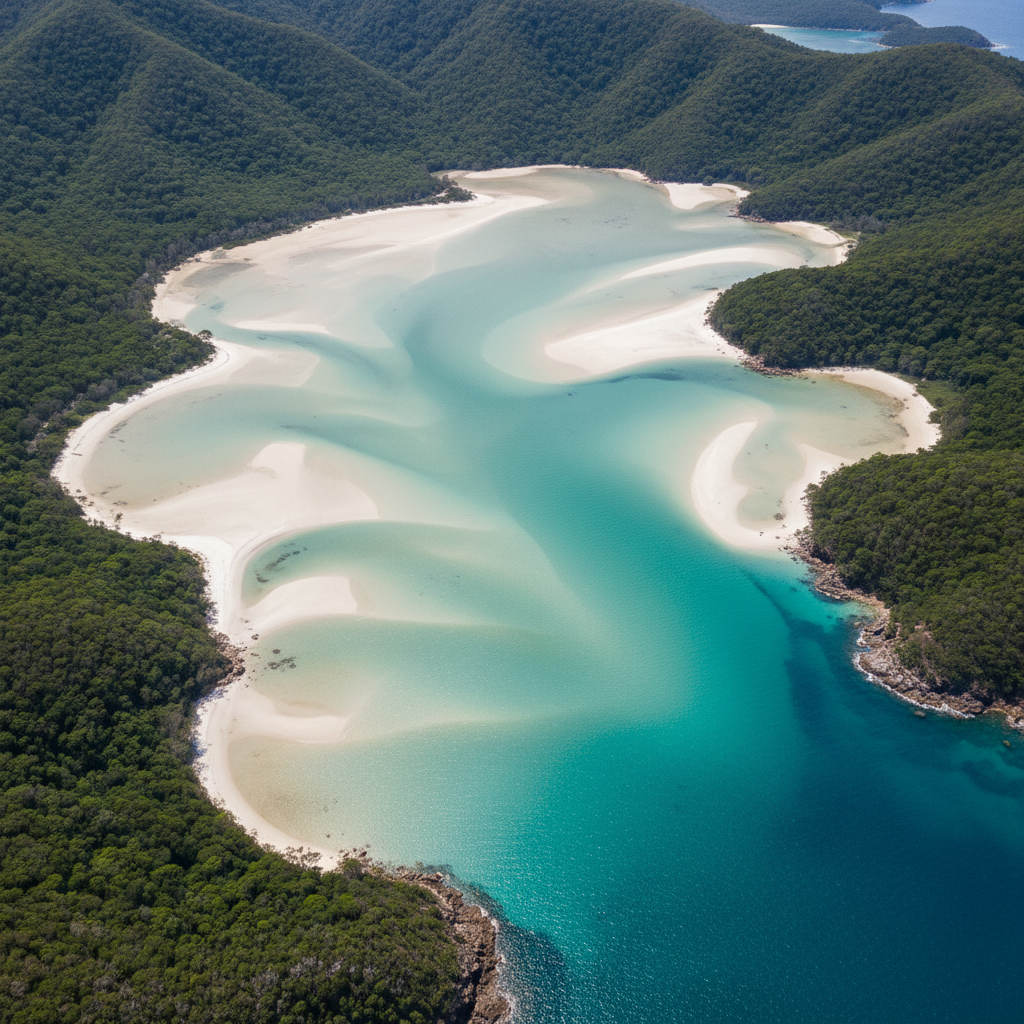
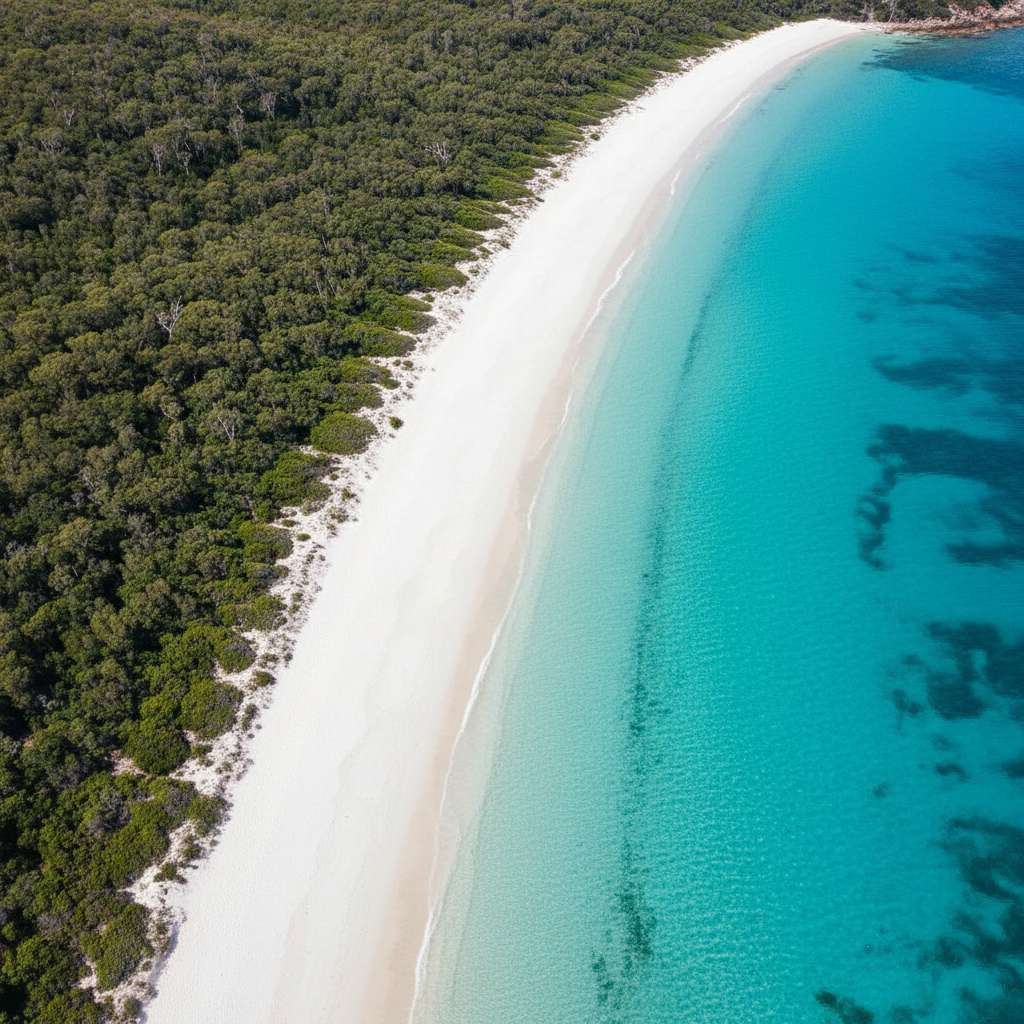
Whitehaven Beach represents the crown jewel destination, famous for its 7-kilometer stretch of 98.9% pure silica sand that remains cool underfoot even in scorching temperatures. The southern end features Hill Inlet Lookout, where swirling sand and water patterns create Instagram-worthy aerial views. Sailing time from Airlie Beach averages 2-3 hours depending on wind conditions and boat type.
Hamilton Island provides comprehensive facilities including restaurants, shops, accommodation, and airport connections. The island's marina welcomes visiting sailors with fuel, water, and waste disposal services. Catseye Beach offers protected swimming and water sports, while hiking trails lead to scenic viewpoints. Distance from Airlie Beach: approximately 16 kilometers requiring 1.5-2 hours sailing time.
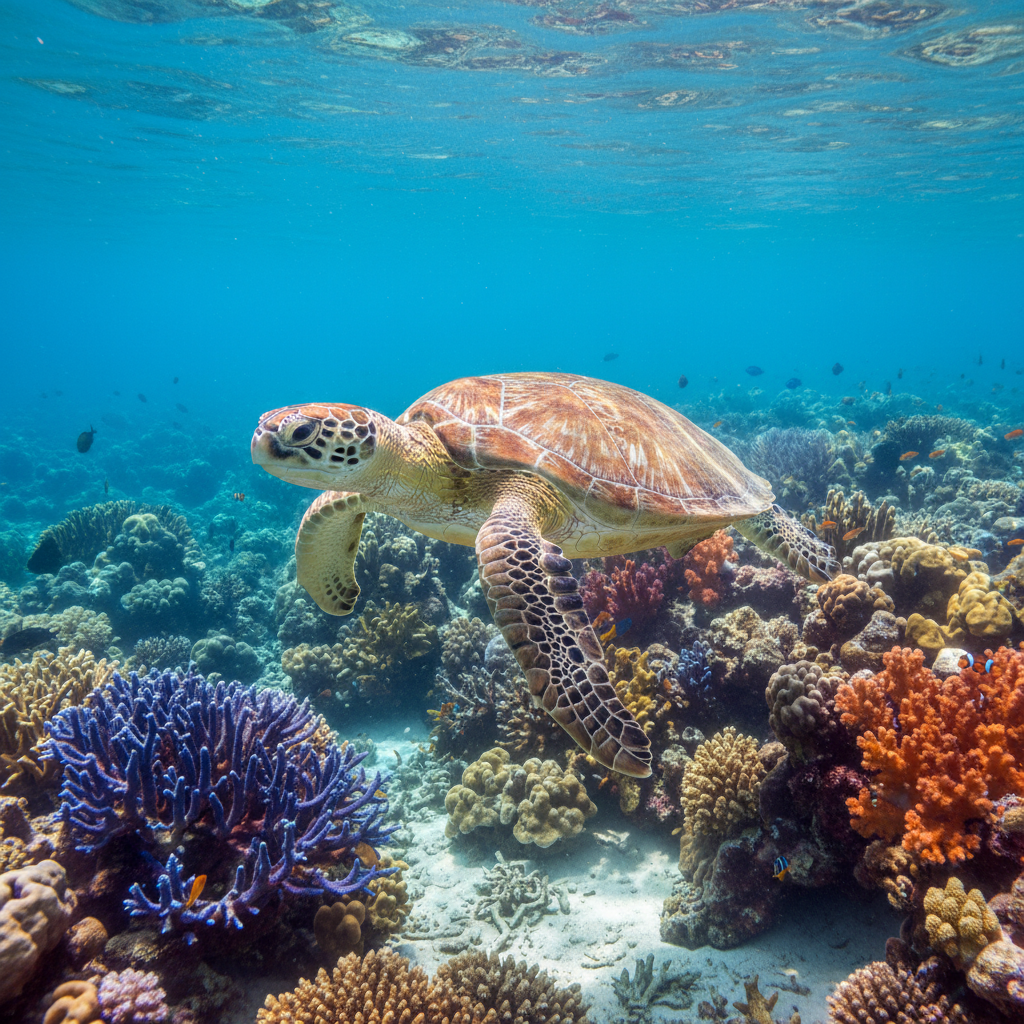
Hook Island features excellent snorkeling and diving opportunities, particularly around Butterfly Bay and Manta Ray Bay. The island's fringing reefs host diverse marine life including colorful fish, rays, and occasional reef sharks. Underwater Observatory at Hook Island provides unique below-surface viewing experiences. Multiple protected anchorages offer shelter during varying wind conditions.
Langford Island presents a small sand cay perfect for day visits, featuring crystal-clear waters and coral gardens accessible directly from the beach. This intimate destination suits smaller groups seeking secluded tropical experiences. The island virtually disappears at high tide, creating unique photographic opportunities and swimming experiences.
When is the best time for sailing in the Whitsundays?
May through September offers optimal sailing conditions with consistent southeast trade winds, minimal rainfall, and comfortable temperatures. Stinger season (November-May) requires protective clothing, while winter months provide reliable winds averaging 15-25 knots.
The dry season (April through November) delivers the most predictable sailing weather, with consistent southeast trade winds providing reliable 15-25 knot breezes perfect for sailboat handling. Rainfall remains minimal during these months, reducing the risk of weather delays or uncomfortable conditions. Temperatures range from pleasant 20-25°C overnight to warm 25-30°C during peak daylight hours.
Stinger season (November through May) introduces marine stingers including potentially dangerous box jellyfish and Irukandji. While not prohibiting sailing activities, stinger presence requires protective clothing when swimming. Most charter companies provide stinger suits, enabling safe water activities throughout the year. This period also coincides with higher humidity, increased rainfall, and more variable wind patterns.
Trade wind patterns shift during winter months (June-August), often producing stronger and more consistent winds ideal for experienced sailors. However, these conditions can challenge beginners with increased boat heel and more demanding sail handling requirements. Many sailing enthusiasts consider this peak season for pure sailing performance, despite slightly cooler temperatures.
Whale migration season (June through September) adds spectacular wildlife encounters to sailing adventures, with humpback whales frequently visible during passages between islands. These gentle giants often approach boats curiosally, creating unforgettable close encounters with Australia's largest marine mammals.
How much does sailboat hire cost in the Whitsundays?
Daily sailboat hire ranges from $400-800 for smaller monohulls (30-40 feet) to $800-1,500 for larger vessels (45-60 feet). Catamarans cost $600-1,200 daily, with additional expenses for fuel, provisions, and cleaning fees.
Pricing varies significantly based on boat size, age, luxury level, and seasonal demand. Peak season (June-September) commands premium rates, often 20-40% higher than shoulder season pricing. Minimum charter periods typically require 3-7 days, with longer bookings often receiving discounted daily rates. Weekly charters frequently offer better value than multiple day bookings.
Budget-conscious sailors can find older or smaller vessels starting around $300-400 daily for basic 30-foot monohulls sleeping 4-6 people. These boats provide authentic sailing experiences while maintaining affordability for couples or small groups. Mid-range options ($500-800 daily) offer improved comfort and amenities in 35-45 foot vessels accommodating 6-8 guests.
Luxury sailing yachts and large catamarans command premium pricing ($1,000-2,500+ daily) but deliver exceptional comfort, space, and features like watermakers, air conditioning, and multiple cabin suites. These vessels suit large groups or those prioritizing comfort and convenience over budget considerations.
Additional costs typically add $300-600 to base charter fees, including fuel consumption ($100-300), cleaning fees ($100-200), provisioning ($200-500), and insurance or security bonds ($1,000-5,000 held on credit cards). Some operators offer all-inclusive packages bundling these extras for simplified budgeting.
What sailing experience do you need for Whitsundays boat hire?
Bareboat sailing requires demonstrated competence in boat handling, navigation, and safety procedures. Beginners can choose skippered charters or complete sailing courses locally. Previous coastal sailing experience significantly helps with Whitsunday conditions.
Charter companies typically require evidence of sailing experience through logbooks, references, or practical demonstrations. Minimum requirements often include experience skippering similar-sized vessels in coastal waters, basic navigation skills, and familiarity with anchoring procedures. Many operators accept sailing school certifications or yacht club memberships as qualification evidence.
Complete beginners shouldn't attempt bareboat sailing without proper preparation. Local sailing schools offer intensive courses combining theoretical knowledge with practical skills development. These programs typically span 3-5 days and cost $800-1,500, providing comprehensive preparation for independent sailing adventures.
Skippered charter options eliminate experience requirements while providing educational opportunities. Professional skippers often encourage guest participation in sailing activities, teaching practical skills throughout charter periods. This approach suits families with mixed experience levels or groups wanting stress-free sailing holidays.
Whitsunday waters present unique challenges including coral reef navigation, tidal considerations, and variable wind patterns. Even experienced sailors benefit from local briefings covering anchorage locations, weather patterns, and potential hazards. Charter companies provide comprehensive briefings covering boat-specific equipment and local sailing conditions.
Which charter companies offer sailboat hire in the Whitsundays?
Major charter operators include Cumberland Charter Yachts, Whitsunday Rent a Yacht, Sailing Whitsundays, and Sunsail Australia. Each company offers different fleet sizes, boat types, and service levels catering to various budgets and experience levels.
Cumberland Charter Yachts operates one of the largest fleets in the region, featuring over 60 vessels ranging from budget-friendly monohulls to luxury catamarans. Their Airlie Beach base provides comprehensive services including provisioning, equipment rental, and local expertise. Fleet ages vary from brand-new vessels to well-maintained older boats offering budget-conscious options.
Whitsunday Rent a Yacht specializes in smaller, more intimate sailing experiences with a carefully selected fleet emphasizing quality over quantity. Their vessels typically accommodate 2-8 guests, perfect for couples or small groups seeking personalized sailing adventures. Higher per-boat costs often reflect superior maintenance standards and more detailed customer service.
Sailing Whitsundays combines boat charter services with day tour operations, offering unique insights into optimal sailing destinations and local conditions. Their charter division features modern vessels with comprehensive equipment packages. Combined services enable flexible itineraries mixing independent sailing with guided tour components.
International operators like Sunsail Australia provide standardized fleet specifications and global booking systems. These companies often offer package deals including flights, accommodation, and additional activities. Boat specifications remain consistent across global operations, providing predictable experiences for repeat customers.
Local independent operators offer personalized service and intimate fleet knowledge. While potentially offering fewer boats and services, these companies often provide exceptional local expertise and flexible arrangements. Direct relationships with owners can enable custom itineraries and specialized requirements.
What safety considerations apply to Whitsundays sailing?
Key safety considerations include marine stingers (November-May), reef navigation, weather monitoring, emergency communication protocols, and proper safety equipment usage. Charter companies provide comprehensive briefings and emergency contact procedures.
Marine stingers present the most significant safety concern, particularly during summer months when box jellyfish and Irukandji populate coastal waters. Protective clothing remains essential for any water activities during stinger season. Charter companies provide stinger suits and detailed briefings about safe swimming practices. Vinegar supplies treat minor stinger contacts, though serious incidents require immediate medical attention.
Coral reef navigation demands constant vigilance and proper chart reading skills. The Great Barrier Reef extends throughout Whitsunday waters, creating spectacular underwater environments alongside navigation hazards. Depth sounders, detailed charts, and local knowledge help avoid reef damage and potential groundings. Tidal ranges exceeding 4 meters significantly affect passage planning and anchorage selection.
Weather monitoring capabilities include VHF radio weather broadcasts, mobile phone weather applications, and onboard barometers. Tropical weather systems can develop rapidly, requiring flexible itineraries and safe harbor identification. Charter companies provide detailed weather briefings and emergency contact protocols for severe weather situations.
Emergency communication equipment includes marine VHF radios, emergency position indicating radio beacons (EPIRBs), and mobile phone coverage in most sailing areas. Charter companies maintain 24-hour emergency contact services for mechanical breakdowns, medical emergencies, or navigation assistance. Detailed emergency procedures cover evacuation protocols and medical emergency responses.
Ready to experience the ultimate freedom of sailing through the Whitsundays? Airlie to Whitehaven makes it easy to compare sailboat hire options, read genuine reviews, and book your perfect sailing adventure. Our comprehensive boat hire guide helps match your experience level and group size with ideal vessels, while our local expertise ensures you discover the most spectacular anchorages and hidden gems these legendary waters have to offer.