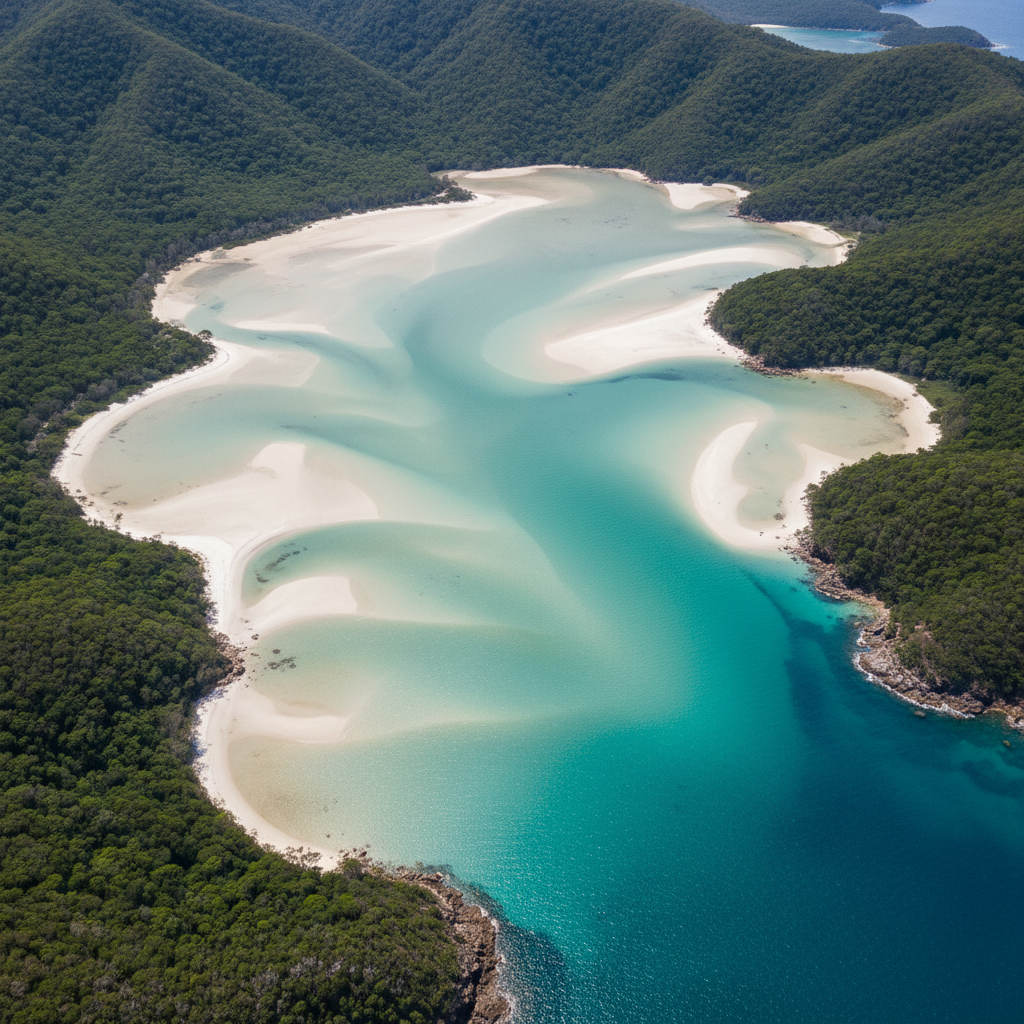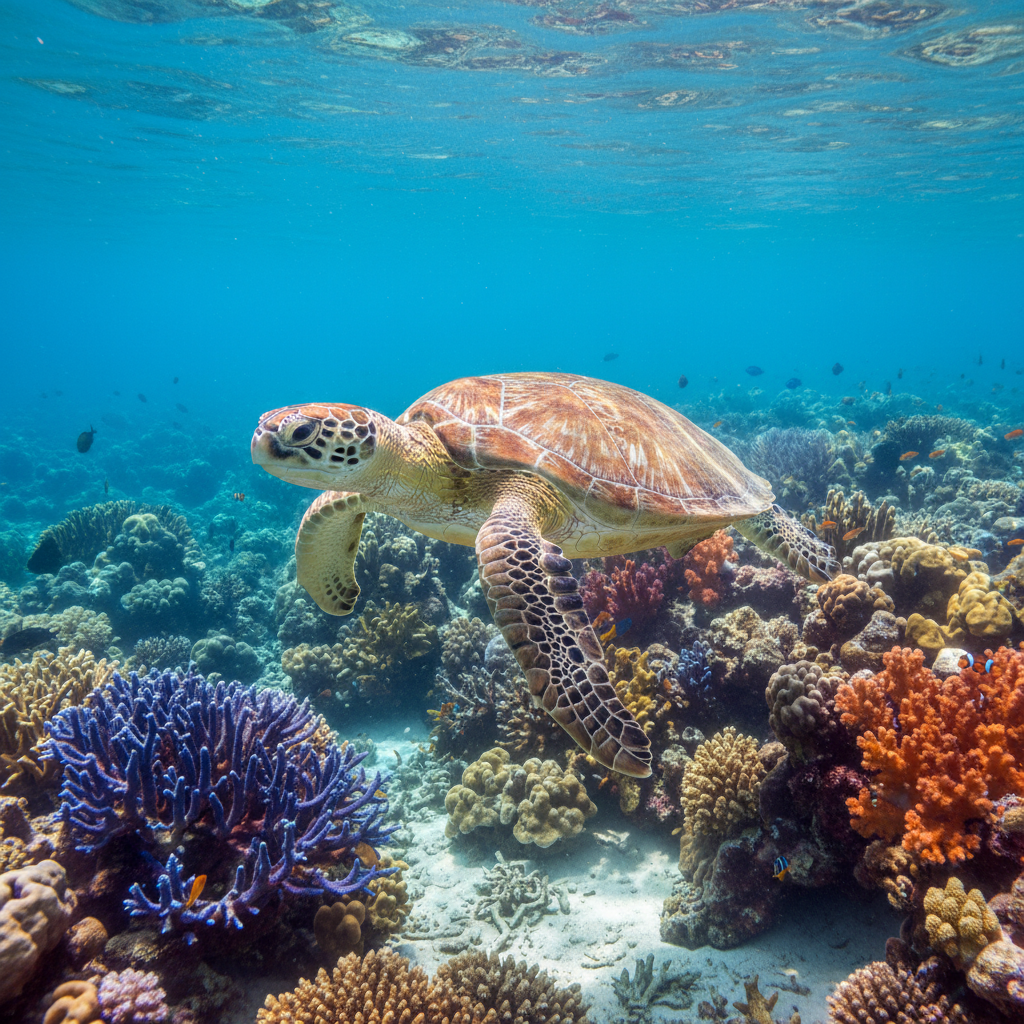
The Whitsundays region offers some of Australia's most spectacular reef fishing, with the Great Barrier Reef's southern section just two hours northeast of Airlie Beach. From massive coral trout hiding in the reef's crevices to Spanish mackerel patrolling the drop-offs, these waters hold trophy fish that draw anglers from across the globe. Reef fishing charters from Airlie Beach provide access to pristine fishing grounds that would take days to reach from southern ports, making this tropical paradise the perfect base for your fishing adventure.
What fish species can you catch on Whitsundays reef fishing charters?
Whitsundays reef fishing charters target coral trout, red emperor, Spanish mackerel, queenfish, trevally, sweetlip, and chinaman fish. Peak catches include coral trout up to 8kg, Spanish mackerel to 20kg, and red emperor weighing 10kg or more in deeper reef waters.
The diversity of fish species available on Whitsundays fishing trips reflects the region's position on the Great Barrier Reef. Coral trout remain the most sought-after species, with their vibrant colours and excellent eating qualities making them the holy grail of reef fishing. These fish inhabit coral bombies and reef edges, typically caught using live bait or soft plastics.
Spanish mackerel frequent the deeper water drop-offs, particularly around Bait Reef and Hook Reef. These pelagic speedsters can reach speeds of 70km/h and provide heart-stopping runs on light tackle. Peak Spanish mackerel season runs from April through October, coinciding with the region's dry season.
Red emperor, prized for their size and eating qualities, inhabit deeper reef structures beyond 30 metres. Charter operators often target these magnificent fish using heavy tackle and fresh bait, with successful trips yielding fish between 3-10kg. Other reef species include golden snapper, mangrove jack (around reef edges), various trevally species, and the occasional cobia or giant queenfish.
Pelagic species like mahi mahi, wahoo, and yellowfin tuna occasionally appear during charter trips, particularly when fishing the outer reef edges or travelling to fishing grounds. These bonus catches add excitement to any reef fishing expedition.
When is the best season for reef fishing from Airlie Beach?
Peak reef fishing season runs April through October, offering calm seas, clear skies, and active fish feeding. Spanish mackerel peak during April-June and September-October, while coral trout remain consistent year-round with slightly better results during cooler months.
The dry season's southeast trade winds create ideal fishing conditions, with average wind speeds of 10-15 knots and minimal rainfall. Water temperatures during this period range from 22-26°C, perfect for most reef species' feeding activity. Visibility often exceeds 20 metres, allowing charter operators to sight-fish for coral trout and other reef species.
Stinger season (November through May) doesn't prevent reef fishing, but charter operators provide stinger suits for passenger safety. During this period, afternoon thunderstorms become more common, though morning fishing sessions typically enjoy calm conditions. Water temperatures rise to 26-29°C, which can slow some fish feeding but increases the likelihood of encountering pelagic species.
Moon phases significantly impact reef fishing success. New moon periods often produce the best results for bottom species like coral trout and red emperor, while full moon phases can trigger Spanish mackerel feeding frenzies. Experienced charter operators plan trips around these lunar cycles to maximize catch rates.
Winter months (June through August) offer the most consistent weather patterns, though water temperatures drop slightly. This cooling often triggers increased feeding activity among resident reef species, making it an excellent time for targeting trophy coral trout and red emperor.
How much do reef fishing charters cost from Airlie Beach?
Half-day reef fishing charters cost $180-250 per person, while full-day trips range from $280-420 per person. Private charters start around $2,200 for six people half-day, with full-day private charters costing $3,500-4,800 depending on boat size and inclusions.
Shared charter pricing typically includes all fishing equipment, bait, tackle, reef tax, and often lunch on full-day trips. Most operators provide quality rods, reels, and tackle suitable for reef fishing, though serious anglers often bring their preferred gear. Fishing licenses are included in charter prices, as operators hold master licenses covering all passengers.
Private charter rates offer better value for groups of 4-6 people, providing exclusive boat access and customized fishing itineraries. Premium private charters on larger vessels (40+ feet) can cost $5,000-7,000 for full-day reef fishing, but include professional crew, gourmet meals, and access to the most remote fishing grounds.
Additional costs may include optional extras like fish cleaning and bagging ($20-30 per person), drinks packages ($25-40), and gratuities for crew (10-15% is standard for excellent service). Some operators offer photography packages capturing your fishing highlights for an additional $50-80.
Budget-conscious anglers can find deals during shoulder seasons (March-April, November) when operators offer discounted rates. Group bookings of 8+ people often receive 10-15% discounts, while repeat customers may access loyalty pricing.
Which reefs offer the best fishing near Airlie Beach?
Bait Reef, Hook Reef, and Line Reef provide exceptional fishing 40-60km from Airlie Beach. Closer options include Gloucester Island's drop-offs and Pioneer Rocks, offering quality fishing just 15-25km from port with shorter travel times and calmer waters.
Bait Reef sits approximately 55km northeast of Airlie Beach and consistently produces trophy-sized coral trout, Spanish mackerel, and red emperor. The reef's diverse structure includes shallow coral gardens, deep drop-offs, and isolated bombies that hold different fish species. Travel time averages 90 minutes each way on typical charter boats.
Hook Reef, positioned slightly closer at 50km from port, features excellent coral trout habitat and reliable Spanish mackerel grounds. The reef's hook-shaped structure creates current lines that concentrate baitfish, attracting predatory species. Many charter operators consider Hook Reef their most consistent producer for mixed reef species.
Line Reef extends northeast from Hook Reef, offering deeper water fishing opportunities for large red emperor and occasional pelagic species. The outer edges of Line Reef drop into 100+ metre depths, creating upwellings that attract yellowfin tuna and mahi mahi during certain seasons.
Closer inshore options provide excellent fishing with reduced travel time. Gloucester Island's eastern drop-offs hold quality coral trout and sweetlip just 25km from Airlie Beach. Pioneer Rocks, located 15km northeast, offers reliable fishing for smaller reef species and serves as an excellent backup location during rough weather.
The Molles group, including North and South Molle Islands, provides sheltered reef fishing opportunities perfect for families or beginners. These locations offer consistent catches of smaller reef species while remaining protected from southeast trade winds.
What's included in typical reef fishing charter packages?
Standard packages include fishing equipment, bait, tackle, reef taxes, crew instruction, and fish cleaning. Full-day charters typically add lunch, while premium charters include drinks, snorkeling gear, professional photography, and luxury amenities like air-conditioning and spacious deck areas.
Quality fishing equipment forms the foundation of any professional fishing charter. Operators provide Penn, Shimano, or Daiwa rods and reels suitable for reef fishing, along with fresh bait including pilchards, squid, and live yakkas when available. Terminal tackle, sinkers, hooks, and leaders are continuously restocked throughout the trip.
Crew expertise adds tremendous value to charter packages. Professional fishing guides provide instruction on reef fishing techniques, assist with rigging tackle, and share local knowledge about fish behaviour and feeding patterns. Many crew members hold commercial fishing backgrounds and can significantly improve your success rate.
Safety equipment exceeds marine safety requirements, including EPIRB beacons, life jackets, first aid kits, and emergency communication devices. Modern charter vessels feature fish finders, GPS navigation, and radar systems ensuring safe navigation to fishing grounds.
Additional inclusions vary by operator but may include stinger suits during season, sunscreen, ice for your catch, and esky loans for transporting fish home. Some operators provide courtesy pickup from Airlie Beach accommodation, while others include parking at departure marinas.
Premium packages extend beyond fishing to include gourmet meals prepared onboard, premium beverages, snorkeling opportunities at pristine reef locations, and professional photography services capturing your fishing memories.
Do you need fishing experience for reef fishing charters?
No fishing experience is required for reef fishing charters. Professional crew provide comprehensive instruction on reef fishing techniques, equipment operation, and fish handling. Beginners often out-fish experienced anglers due to excellent crew guidance and quality fishing grounds.
Charter operators welcome anglers of all skill levels, from complete beginners to tournament professionals. Crew members excel at teaching fundamental reef fishing techniques, including proper sinker weights, hook sizes, and bait presentation for different species. They'll show you how to feel bottom structure, detect fish bites, and fight large reef fish effectively.
Equipment operation receives thorough explanation before fishing begins. Crew demonstrate proper casting techniques, drag settings, and line management. Electric reels are available on some charters for deeper water fishing, eliminating the physical demands of hand-winding from 40+ metre depths.
Fish handling instruction ensures your safety around species with sharp teeth, spines, or defensive behaviours. Crew teach proper grip techniques for coral trout, safe handling of Spanish mackerel, and identification of various species caught. They'll also explain catch limits and size restrictions for different fish species.
Families with children receive special attention, with crew providing smaller rods and simplified rigging appropriate for young anglers. Many operators stock kid-sized life jackets and provide additional supervision ensuring safe, enjoyable experiences for junior fishermen.
Advanced anglers appreciate crew knowledge of local fishing conditions, seasonal patterns, and productive techniques specific to Whitsundays reefs. Experienced guides can recommend specific lures, bait presentations, and fishing depths based on current conditions and target species.
Can you keep the fish you catch on reef fishing charters?
Yes, you can keep fish within legal size and bag limits. Typical limits allow 5 coral trout per person (minimum 38cm), 3 Spanish mackerel (minimum 90cm), and 2 red emperor (minimum 55cm). Charter operators provide fish cleaning, icing, and bagging services.
Queensland fisheries regulations govern all recreational fishing, including charter boat fishing. Current bag limits for popular reef species include coral trout (5 fish, 38cm minimum), red emperor (2 fish, 55cm minimum), Spanish mackerel (3 fish, 90cm minimum), and various trevally species (5-10 fish depending on type, with minimum size requirements).
Charter operators maintain measuring devices and species identification guides ensuring compliance with regulations. Crew members regularly update their knowledge of fishing rules, as regulations occasionally change to protect fish stocks. They'll measure borderline fish and release those under legal size.
Fish cleaning services add significant value, particularly for tourists unfamiliar with filleting techniques for reef species. Professional crew can clean, fillet, and bag your catch, often vacuum-sealing portions for travel. Most operators charge $20-30 per person for this service, though some premium charters include it.
Catch sharing arrangements vary between operators. Some allow passengers to distribute the day's catch equally, while others strictly maintain individual bag limits. Discuss these arrangements before departure, especially when fishing with friends or family who may not want their full allocation.
Interstate travelers should check airline regulations for transporting fish. Most domestic airlines accept properly packaged, frozen fish as checked baggage, though some restrictions apply. Charter operators can recommend local seafood processors who provide airline-compliant packaging for traveling anglers.
How far offshore do reef fishing charters travel?
Reef fishing charters travel 15-60km offshore depending on target species and weather conditions. Inshore reefs around Pioneer Rocks and Gloucester Island sit 15-25km from port, while major outer reefs like Bait Reef and Hook Reef require 45-60km travel distances.
Travel distance directly impacts fishing time, with closer reefs allowing more time with lines in the water. Inshore options typically require 30-45 minutes travel time each way, while outer reef destinations need 75-90 minutes. Weather conditions can extend these travel times if sea conditions require reduced speeds for passenger comfort.
Fuel costs influence charter pricing, with distant reef trips commanding higher rates due to increased operating expenses. However, outer reefs often provide better fishing opportunities, with larger fish populations and less fishing pressure from recreational boats. The trade-off between travel time and fishing quality varies by individual preferences.
Charter vessel speed capabilities affect travel options. High-speed catamarans can reach outer reefs efficiently, while smaller monohulls may focus on closer fishing grounds. Operators typically choose fishing locations based on current conditions, passenger experience levels, and seasonal fish movements.
Multi-location trips combine travel efficiency with fishing variety. Some charters fish multiple reefs during full-day trips, starting at outer locations and working inshore as conditions change. This strategy maximizes fishing opportunities while accommodating different fish species' feeding patterns.
Weather conditions can force itinerary changes, with rough seas limiting access to distant reefs. Experienced operators maintain backup fishing locations closer to shore, ensuring productive fishing regardless of conditions. These contingency plans demonstrate professional charter management and passenger safety priorities.
What should you bring on a reef fishing charter?
Bring sun protection (hat, sunglasses, long sleeves, sunscreen), non-slip deck shoes, camera, drinks, snacks, and seasickness medication. Operators provide all fishing equipment, bait, and tackle. Avoid bringing loose items that could blow overboard during boat travel.
Sun protection is critical on reef fishing charters, with intense tropical sun reflecting off water surfaces. Wide-brimmed hats, polarized sunglasses, and SPF 50+ sunscreen prevent sunburn during long days on the water. Long-sleeved shirts with UV protection offer better coverage than frequent sunscreen reapplication.
Footwear should provide grip on wet deck surfaces. Non-slip deck shoes or quality athletic shoes work well, while thongs (flip-flops) create safety hazards on moving boats. Some passengers bring lightweight rain jackets for spray protection during travel to fishing grounds.
Camera equipment captures fishing memories, though waterproof cases or disposable underwater cameras prevent expensive damage from spray or accidental drops. Many modern smartphones offer water resistance, but additional protection is recommended for expensive devices.
Personal items should be minimal and secured. Soft bags work better than hard cases in limited storage areas. Bring any required medications, particularly seasickness remedies if you're prone to motion sickness. Ginger tablets, wristbands, or prescription patches can prevent discomfort.
Food and beverages depend on charter inclusions. Half-day trips typically require personal snacks and drinks, while full-day charters often include lunch. Alcohol policies vary between operators, with some allowing BYO alcohol and others maintaining alcohol-free policies for safety reasons.
Consider bringing a small cooler for transporting your catch home, though many operators provide this service. Cash for crew tips (10-15% for excellent service) and fish cleaning fees should be readily accessible, as credit card facilities may not be available on all vessels.
Ready to experience world-class reef fishing in the Whitsundays? Browse our complete selection of reef fishing charters from Airlie Beach and book your unforgettable fishing adventure today. Airlie to Whitehaven connects you with the region's top charter operators, ensuring you find the perfect reef fishing experience for your skill level, budget, and group size.