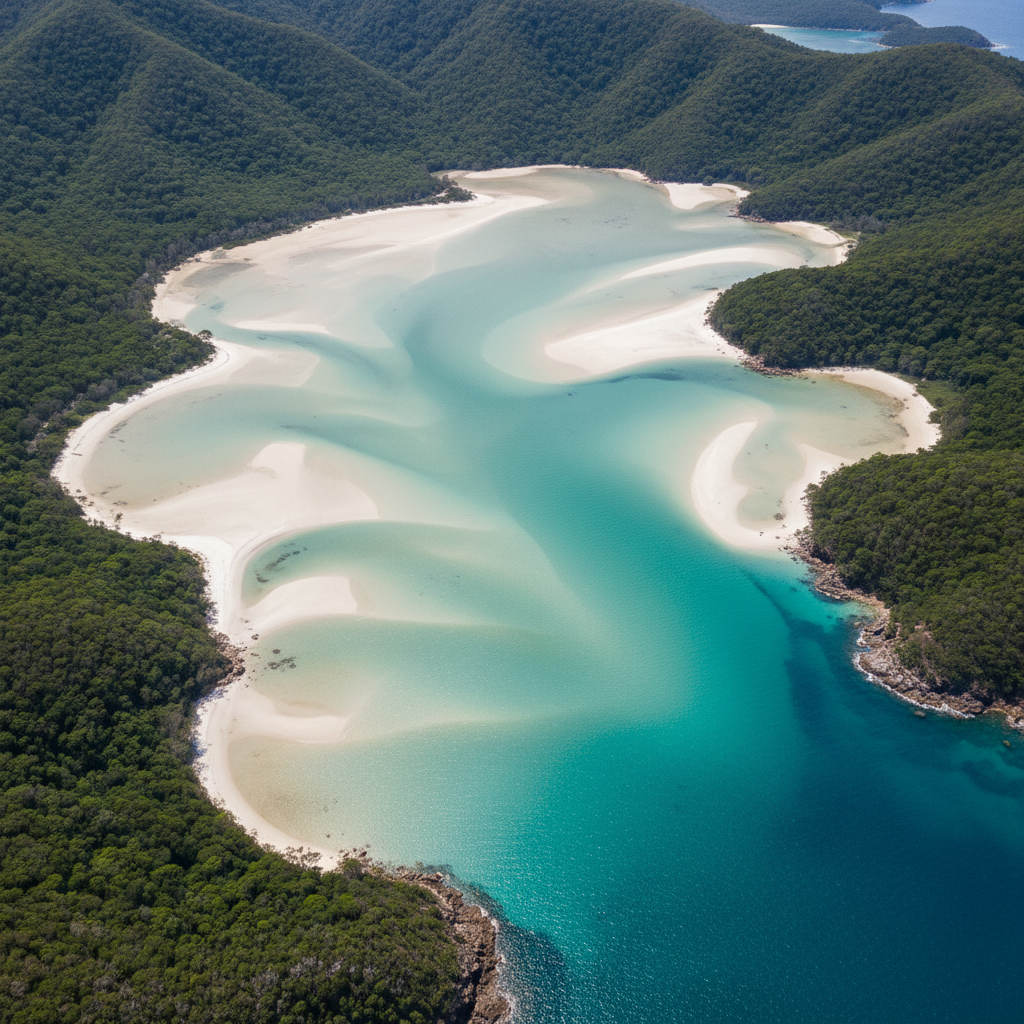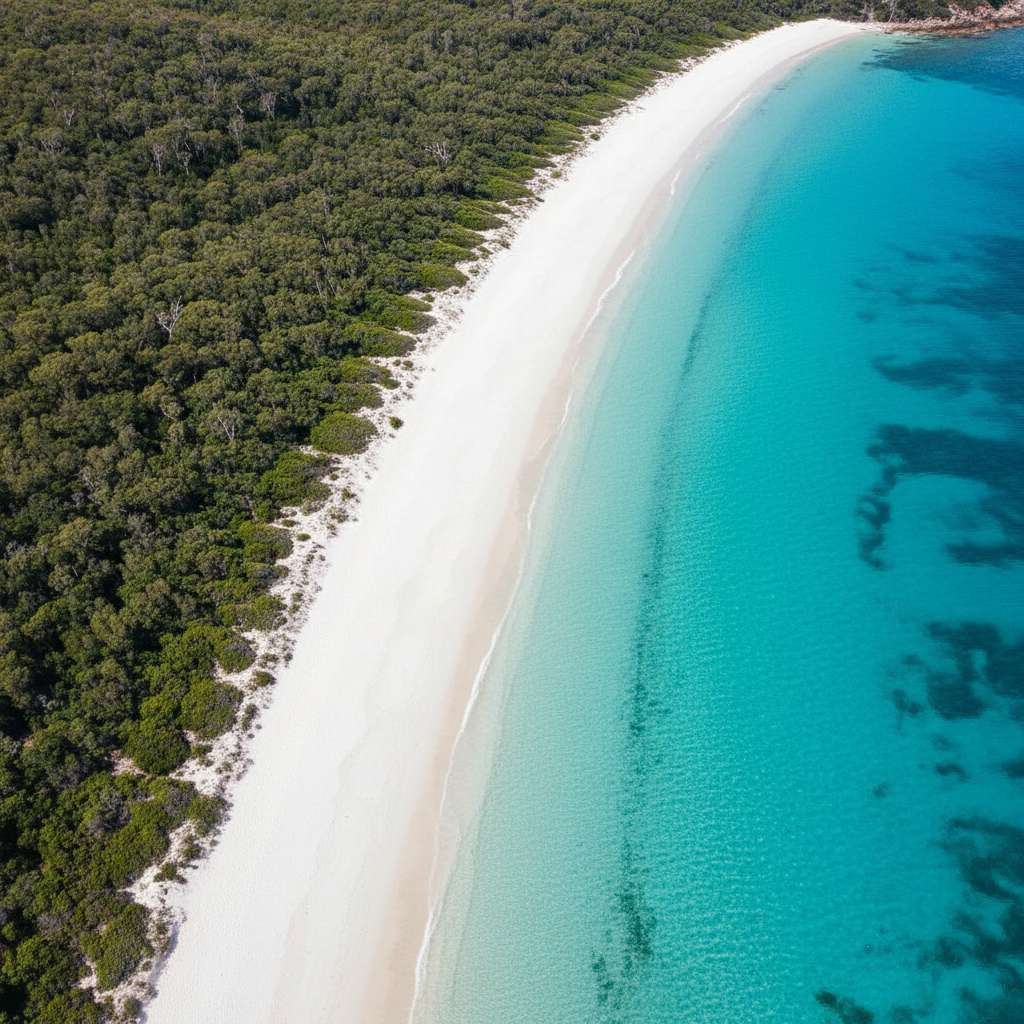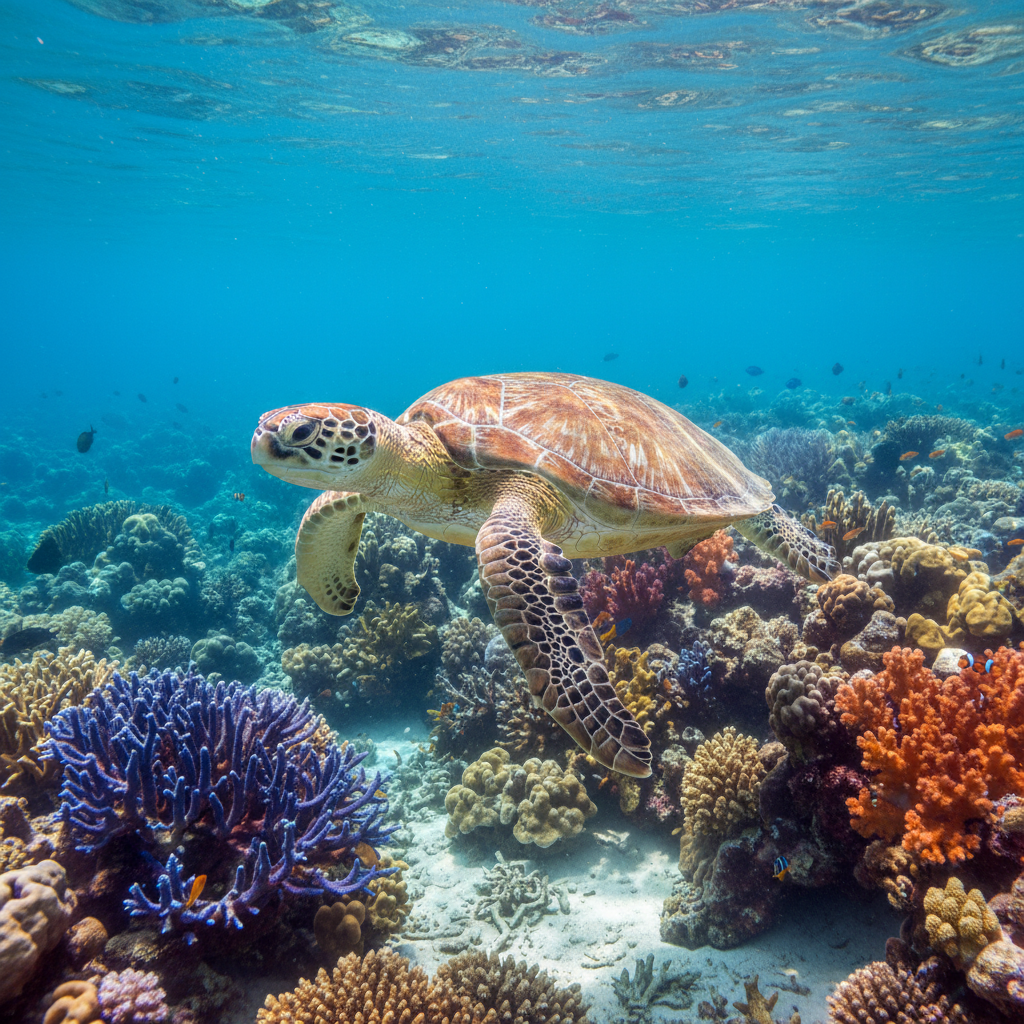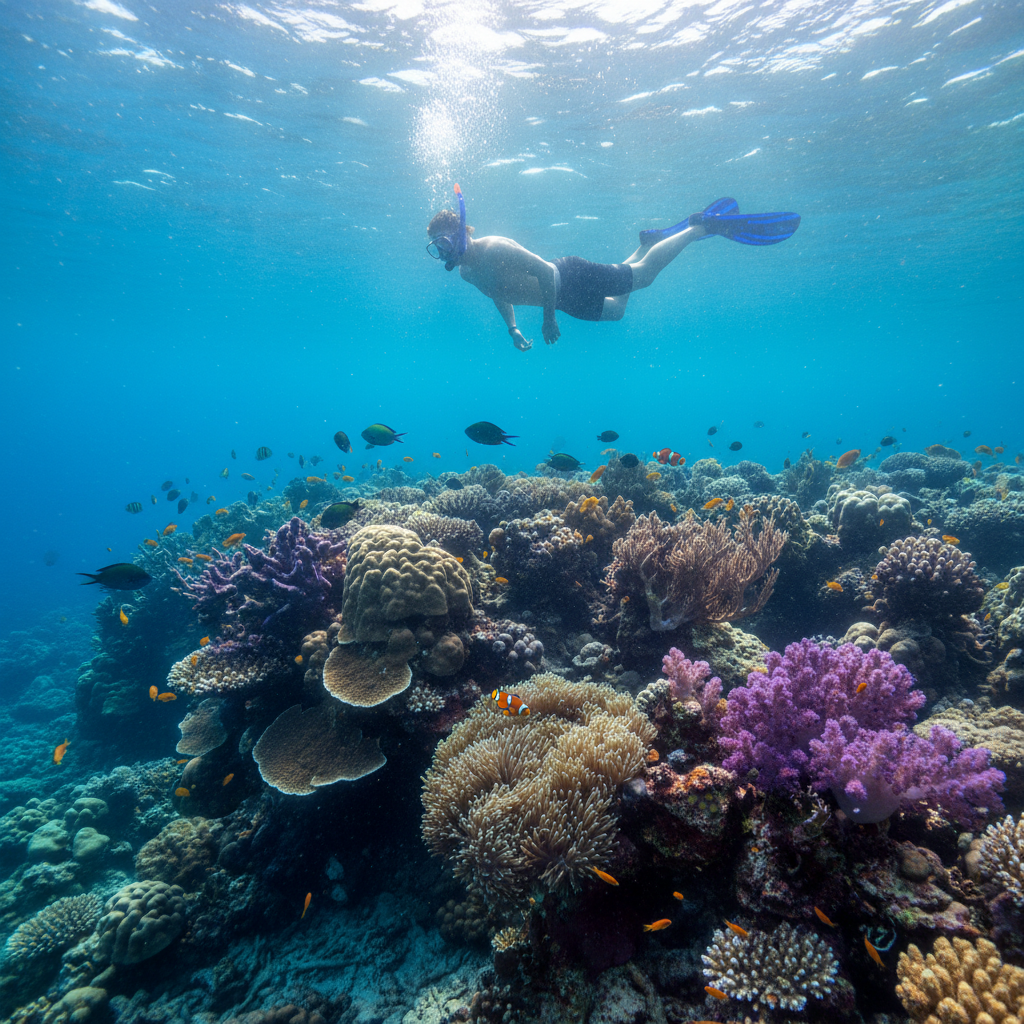
The Great Barrier Reef's outer edge offers some of the world's most pristine coral gardens, and from Airlie Beach, you can reach these untouched sections where the reef meets the open ocean. Unlike the closer fringing reefs around the Whitsunday Islands, outer reef sites like Hardy Reef showcase massive coral bommies, crystal-clear visibility exceeding 30 metres, and marine life diversity that's simply breathtaking.
What exactly are outer reef tours from Airlie Beach?
Outer reef tours from Airlie Beach take you 60-80 kilometres offshore to pristine reef sites where the Great Barrier Reef meets deep ocean waters, offering superior coral health, visibility, and marine diversity compared to inner reefs.
The outer reef represents the reef's seaward edge, where coral formations have grown for thousands of years in pristine conditions. From Airlie Beach, the journey typically takes 2-2.5 hours by high-speed catamaran, crossing the Whitsunday Passage and Coral Sea to reach these remote locations. The most popular destination is Hardy Reef, featuring the famous Heart Reef and an established pontoon infrastructure.
These tours differ significantly from Great Barrier Reef tours that visit closer fringing reefs around islands. Outer reef sites maintain water temperatures between 23-28°C year-round, with visibility often exceeding 30 metres compared to 10-20 metres at inner reef locations. The coral coverage averages 60-80% at outer sites versus 30-50% at many fringing reefs.
How do outer reef tours differ from Whitsunday island reef tours?
Outer reef tours travel 60+ kilometres to pristine coral gardens with 30+ metre visibility, while island reef tours visit fringing reefs 10-20 kilometres away with 10-20 metre visibility and more limited coral coverage.
The fundamental difference lies in reef health and marine environment. Fringing reefs around Whitsunday Islands experience runoff from land, tourist traffic, and natural sedimentation that reduces water clarity and coral coverage. These reefs typically show 30-50% hard coral coverage with visibility ranging 10-20 metres depending on conditions.
Outer reef sites maintain pristine conditions due to their distance from land-based influences. Hardy Reef, for example, showcases 70-80% hard coral coverage with massive plate corals, staghorn formations, and Maori wrasse exceeding 150cm in length. The deeper waters surrounding outer reefs support pelagic species including reef sharks, giant trevally, and Spanish mackerel rarely seen at fringing reef sites.
Journey times reflect this distance difference. Island reef tours typically require 30-60 minutes travel time, allowing for longer reef exploration within day trip schedules. Outer reef expeditions dedicate 4-5 hours to travel, leaving 3-4 hours for snorkelling, diving, and reef activities.
Which companies operate outer reef tours from Airlie Beach?
Cruise Whitsundays operates the primary outer reef service with their Hardy Reef pontoon, while Reef Encounter offers diving-focused outer reef expeditions departing from Abel Point Marina.
Cruise Whitsundays dominates outer reef tourism from Airlie Beach with their established Hardy Reef operation. Their high-speed catamaran "Reef Encounter" carries up to 350 passengers daily to their permanent pontoon at Hardy Reef. The pontoon features underwater observatory, semi-submersible tours, helicopter transfers, and certified dive operations. Full-day tours cost approximately $269 adults, $135 children (4-14 years), including lunch, snorkelling gear, and glass-bottom boat tours.
Ocean Rafting provides small-group alternatives with rigid inflatable boats carrying maximum 32 passengers. Their outer reef adventures combine reef visits with secluded beach stops, though they primarily focus on fringing reef sites due to vessel limitations in open ocean conditions.
Several dive operators including Pro Dive Whitsundays and Reef Encounter offer dedicated diving expeditions to outer reef locations. These tours cater specifically to certified divers, featuring 2-3 dive sites with enhanced bottom times and technical diving opportunities at deeper outer reef walls.
What can you see and do at Hardy Reef?
Hardy Reef offers snorkelling over massive coral gardens, scenic flights over Heart Reef, underwater observatory viewing, semi-submersible tours, and certified diving with visibility exceeding 30 metres through pristine coral formations.
Hardy Reef represents the premier outer reef destination accessible from Airlie Beach, located 80 kilometres northeast of the mainland. The site's main attraction is Heart Reef, a naturally heart-shaped coral formation measuring approximately 17 metres across, visible only from aircraft due to protected status prohibiting swimming or diving.
The permanent pontoon at Hardy Reef provides multiple activity platforms. The underwater observatory extends 5 metres below surface level, offering 360-degree viewing through massive windows showcasing coral gardens without getting wet. Semi-submersible vessels with glass panels provide guided tours explaining coral species, fish identification, and reef ecology.
Snorkelling areas around the pontoon feature designated shallow and deep zones. Shallow areas (2-4 metres depth) suit beginners with staghorn corals, giant clams exceeding 1 metre width, and tropical fish including parrotfish, angelfish, and Maori wrasse. Advanced snorkellers can explore deeper sections (8-12 metres) where plate corals form massive table structures and reef sharks patrol the drop-offs.
Our comprehensive Hardy Reef pontoon guide covers all available activities, pricing structures, and booking recommendations for this premier outer reef destination.
How much do outer reef tours from Airlie Beach cost?
Outer reef tours from Airlie Beach cost $269-299 for adults and $135-149 for children, including transfers, lunch, snorkelling equipment, and pontoon activities, with helicopter flights and diving as premium add-ons.
Cruise Whitsundays' Hardy Reef full-day tours represent the standard pricing benchmark at $269 adults, $135 children (4-14 years). This includes return catamaran transfers, buffet lunch, snorkelling gear, glass-bottom boat tours, underwater observatory access, and semi-submersible experiences. Stinger suits are provided during stinger season (November-May) at no additional cost.
Premium additions significantly increase costs. Scenic helicopter flights over Heart Reef cost an additional $169 per person for 10-minute flights departing directly from the pontoon. Certified diving adds $89 for introductory dives or $79 for certified divers, including all equipment and guide services.
Multi-day options combine outer reef with Whitsunday Islands experiences. Two-day packages including overnight accommodation on floating hotels cost $459-599 per person, while three-day reef and island combinations range $689-899 depending on accommodation standards and included activities.
Budget-conscious travellers should consider standby rates available 24-48 hours before departure, offering 15-25% discounts on published prices subject to availability. Group bookings (8+ people) typically receive 10% discounts with advance booking.
What's the best time of year for outer reef tours?
April to November offers optimal outer reef conditions with dry weather, calm seas, and 25-30 metre visibility, while December to March brings stinger season and occasional weather disruptions affecting tour operations.
The dry season (April-November) provides ideal outer reef touring conditions. Southeast trade winds average 10-15 knots, creating manageable sea conditions for the 2-hour journey to outer reef sites. Water visibility peaks during these months, often exceeding 30 metres with water temperatures ranging 23-26°C.
Stinger season (November-May) requires protective lycra suits provided by tour operators. While Irukandji and box jellyfish presence increases near coastlines, outer reef sites typically experience lower stinger concentrations due to distance from breeding areas. However, tour operators maintain strict safety protocols including mandatory stinger suit usage.
Whale migration season (June-September) adds spectacular wildlife viewing opportunities during outer reef journeys. Humpback whales frequently surface near tour vessels during their northward and southward migrations, with whale sighting rates exceeding 80% during peak season.
Weather patterns significantly impact outer reef accessibility. Cyclone season (November-April) occasionally disrupts tours, though operators maintain flexible booking policies allowing transfers to alternative dates. Coral spawning events typically occur October-December, creating temporary water cloudiness but offering unique natural phenomena viewing opportunities.
How long do outer reef tours take and what's included?
Outer reef tours operate 8-10 hours total including 4-5 hours travel time, featuring 3-4 hours reef exploration with snorkelling, dining, underwater viewing, and equipment rental included in tour prices.
Standard outer reef itineraries commence with 6:30-7:30 AM departures from Abel Point Marina or Shute Harbour. High-speed catamarans require 2-2.5 hours to reach Hardy Reef, depending on sea conditions and vessel specifications. Morning tea service typically occurs during outbound journeys.
Reef exploration time spans approximately 3.5-4 hours at the pontoon site. This includes guided snorkelling orientations, multiple snorkelling sessions, buffet lunch service, underwater observatory tours, and semi-submersible experiences. Free time allows independent exploration of designated snorkelling areas with continuous safety supervision.
Return journeys depart outer reef sites around 2:30-3:00 PM, arriving Airlie Beach approximately 5:30-6:00 PM. Afternoon tea service provides refreshments during return travel, with marine life educational presentations and photo sharing opportunities.
Included amenities encompass mask, snorkel, fins, flotation devices, stinger suits (seasonal), underwater cameras (rental available), and comprehensive buffet meals featuring tropical fruits, sandwiches, salads, and hot dishes. Complimentary transfers operate from major Airlie Beach accommodations to departure points.
What marine life will you encounter at outer reef sites?
Outer reef sites host over 400 fish species including Maori wrasse, reef sharks, giant trevally, massive clams, sea turtles, and pristine hard coral formations with 70-80% coverage across extensive coral gardens.
The biodiversity at outer reef locations significantly exceeds fringing reef environments due to pristine water conditions and minimal human impact. Giant clams measuring 1-1.5 metres diameter inhabit shallow coral gardens, some specimens exceeding 100 years age. These massive molluscs display brilliant blue and green mantles, serving as natural water filtration systems.
Large pelagic species frequent outer reef drop-offs including grey reef sharks averaging 1.5-2 metres length, white-tip reef sharks, and occasional visits from hammerhead schools. Spanish mackerel, giant trevally exceeding 40kg, and coral trout populate deeper reef sections accessible to confident snorkellers and divers.
Turtle encounters occur frequently with green turtles and hawksbill turtles commonly sighted around coral cleaning stations. These reptiles show minimal fear of snorkellers, often allowing close observation of feeding behaviours on algae and sponges.
Coral coverage at Hardy Reef demonstrates remarkable health with staghorn coral forests, massive plate corals forming table structures, and brain corals exceeding 2 metres diameter. Soft corals including sea fans, leather corals, and vibrant soft coral trees create underwater landscapes unmatched at inner reef locations.
What should you bring on an outer reef tour?
Bring reef-safe sunscreen, hat, sunglasses, towel, change of clothes, underwater camera, motion sickness tablets, and reef-safe personal care products as most equipment is provided by operators.
Essential sun protection items include SPF 50+ reef-safe sunscreen (zinc oxide or titanium dioxide based), wide-brimmed hat, and polarized sunglasses. The outer reef journey involves extended sun exposure on open catamarans, while reef-safe formulations protect coral ecosystems from harmful chemical runoff.
Personal comfort items should include quick-dry towels, complete change of clothes including underwear, and waterproof bag for electronics. Catamaran facilities provide changing areas and freshwater rinses, though personal towels ensure comfort throughout the day.
Motion sickness prevention is crucial for the 2-hour ocean crossing. Seasickness tablets should be taken 30-60 minutes before departure, with backup doses for sensitive individuals. Ginger tablets or wristbands provide natural alternatives, though choppy conditions may require pharmaceutical intervention.
Photography equipment rental is available onboard, though personal underwater cameras capture unlimited images. Waterproof phone cases, GoPro cameras, or disposable underwater cameras document the reef experience. External battery packs ensure devices remain charged throughout long tour days.
The comprehensive outer reef guide provides detailed packing lists, seasonal considerations, and equipment recommendations for maximizing your outer reef adventure.
Can beginners snorkel at outer reef sites?
Yes, outer reef sites accommodate beginners with shallow snorkelling areas, safety briefings, flotation aids, guided tours, and continuous supervision, though basic swimming ability is required for participation.
Outer reef operators provide comprehensive safety orientations covering snorkelling techniques, equipment usage, and reef safety protocols. Professional guides demonstrate proper fin kicking, mask clearing, and snorkel breathing techniques before water entry. Flotation aids including noodles, vests, and boards support nervous swimmers.
Designated beginner zones around pontoons feature 2-4 metre depths with sandy bottom areas for easy standing. These shallower sections contain abundant coral gardens and fish life while providing confidence-building environments. Rope lines and markers clearly define safe snorkelling boundaries.
Advanced snorkelling areas extend to 8-12 metre depths over dramatic coral drop-offs, suitable for confident swimmers seeking enhanced reef exploration. These deeper zones require demonstrated swimming competence and comfort in open water environments.
Safety personnel maintain continuous water supervision with rescue equipment and emergency procedures. Snorkelling guides provide assistance, marine life identification, and photography services throughout reef exploration sessions.
Non-swimmers can participate through glass-bottom boat tours, semi-submersible experiences, and underwater observatory viewing, ensuring reef appreciation without water entry requirements.
Ready to experience the pristine outer reef from Airlie Beach? Book your unforgettable journey to Hardy Reef and beyond through Airlie to Whitehaven, your trusted platform for authentic Whitsundays adventures. Compare tour options, read genuine reviews, and secure your spot on these extraordinary outer reef expeditions that showcase the Great Barrier Reef at its absolute finest.