The outer Great Barrier Reef from Airlie Beach represents one of Australia's most pristine marine environments, sitting approximately 80 kilometres offshore where coral formations flourish in crystal-clear waters. Unlike the fringing reefs closer to shore, these outer reef systems host an incredible diversity of marine life including massive Maori wrasse, reef sharks, and vibrant coral gardens that have remained largely untouched by coastal development.
What exactly is the outer reef and how does it differ from fringing reefs?
The outer Great Barrier Reef consists of ribbon and platform reefs located 60-100 kilometres offshore in deeper, clearer waters with superior coral health and marine biodiversity compared to inshore fringing reefs.
The outer reef forms the true edge of Australia's continental shelf, where depths plunge from shallow coral gardens to oceanic depths of over 2,000 metres. These reef systems benefit from constant oceanic currents that bring nutrient-rich waters and maintain exceptional water clarity, often exceeding 30 metres visibility. The coral formations here include massive bommies (coral towers) rising from sandy floors, creating dramatic underwater landscapes.
Fringing reefs near the Whitsunday Islands, while beautiful, experience more sedimentation and nutrient runoff from land-based activities. The outer reef's isolation means coral coverage often exceeds 70%, compared to 20-40% on many fringing reefs. Water temperature remains more stable year-round, typically 24-28°C, creating optimal conditions for hard coral growth and fish aggregation.
Where exactly is the outer reef located from Airlie Beach?
The outer reef sits 80-100 kilometres northeast of Airlie Beach, requiring 2-2.5 hours by high-speed catamaran to reach prime locations like Hardy Reef and Bait Reef.
Key outer reef destinations include Hardy Reef (80km northeast), famous for its heart-shaped lagoon visible from helicopters, and Bait Reef (85km east), renowned for exceptional snorkelling and diving conditions. Hook Reef (75km northeast) offers dramatic drop-offs and pelagic fish encounters, while Line Reef (90km northeast) features pristine coral gardens and manta ray cleaning stations.
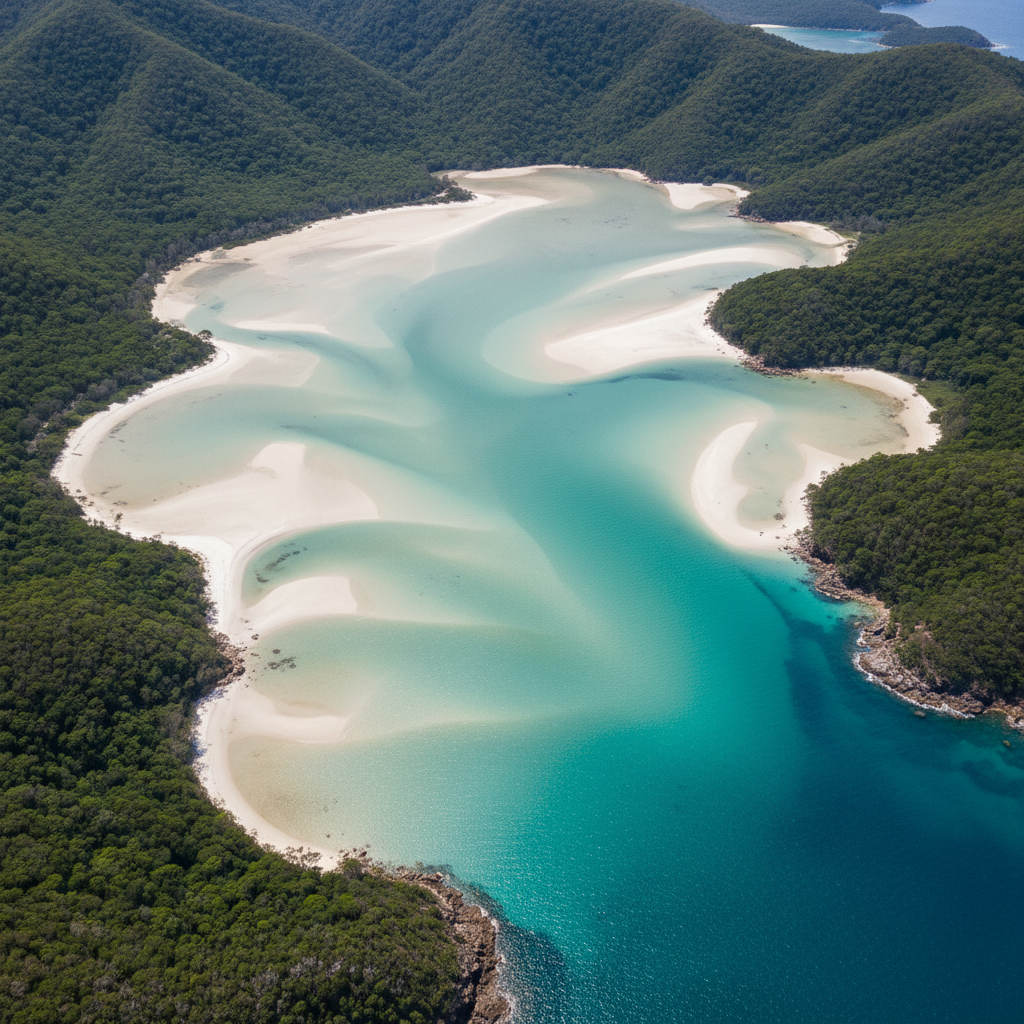
Most outer reef tours depart from Abel Point Marina in Airlie Beach at 7:30-8:00 AM, travelling via high-speed catamaran through the Whitsunday Passage. The journey passes iconic locations like Whitehaven Beach and Hamilton Island before reaching the continental shelf edge where the outer reef begins.
How do you get to the outer reef from Airlie Beach?
Access to the outer reef requires joining organised tours departing from Airlie Beach, with high-speed catamarans being the most common transport method, taking 2-2.5 hours each way.
Several tour operators offer outer reef experiences from Airlie Beach. Cruise Whitsundays operates full-day tours to Hardy Reef aboard their high-speed catamarans, departing daily at 8:00 AM and returning around 5:30 PM. Prices typically range from $199-299 for adults, including snorkelling equipment, semi-submersible tours, and lunch.
Helicopter transfers provide a luxurious alternative, reducing travel time to 25-30 minutes each way. These scenic flights cost approximately $400-600 per person but allow more time at the reef and spectacular aerial photography opportunities of the famous Heart Reef.
Seaplane services offer another premium option, combining scenic flights with reef landings. The journey takes about 35-40 minutes and costs $350-500 per person, often including champagne and gourmet meals at floating pontoons.
What marine life can you expect to see at the outer reef?
The outer reef hosts over 400 coral species and 1,500 fish species, including massive Queensland grouper, white-tip reef sharks, sea turtles, and seasonal manta rays in pristine conditions.
Large pelagic species frequent the outer reef due to cleaner waters and abundant food sources. Queensland grouper (Maori wrasse) can reach 2 metres in length and 200 kilograms, approaching snorkellers with curious behaviour. White-tip and grey reef sharks patrol deeper sections, while harmless leopard sharks rest in sandy channels.
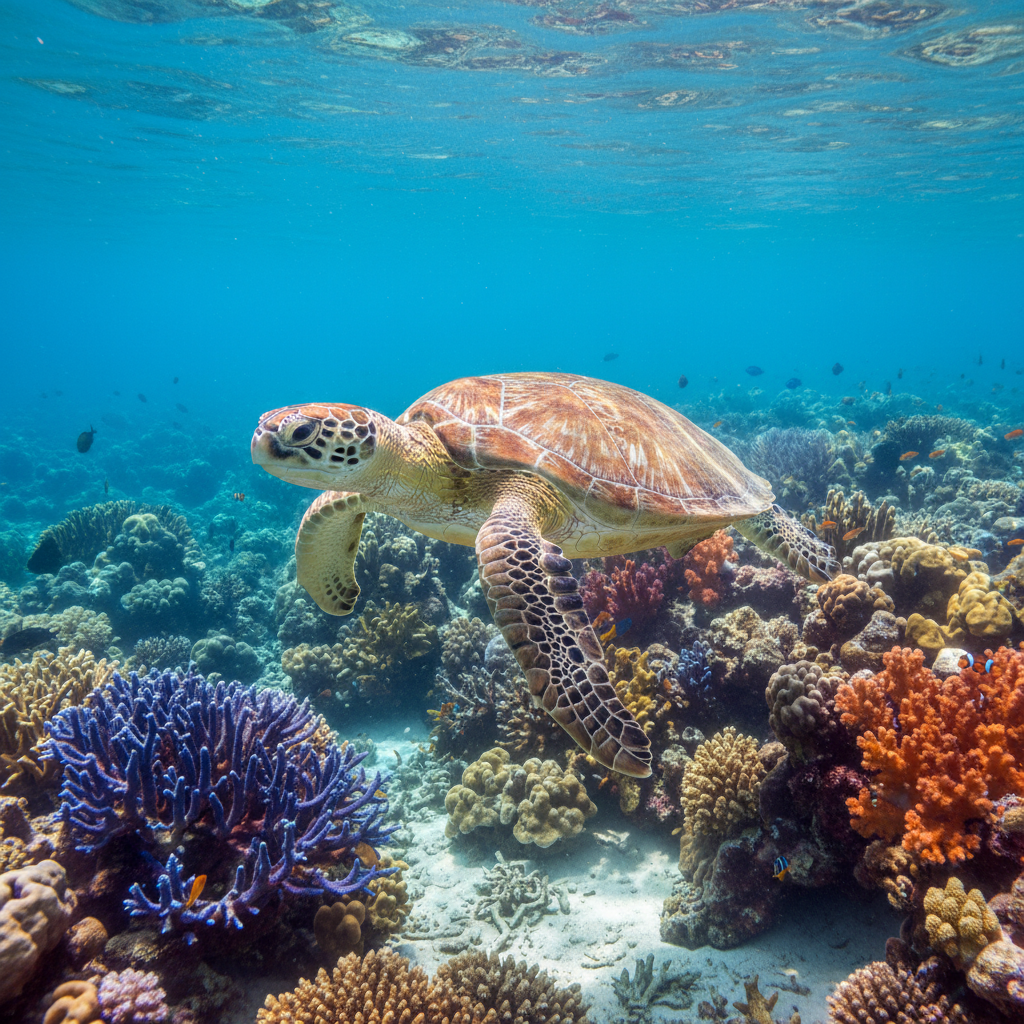
Sea turtles, including green and hawksbill species, feed on algae-covered bommies. Manta rays visit cleaning stations between June and September, particularly at sites like Bait Reef. Giant trevally, coral trout, and red emperor inhabit the reef edges, while smaller species like angelfish, butterfly fish, and parrotfish create colourful displays in shallow gardens.
Seasonal variations affect marine life encounters. Whale season (June-September) brings humpback whales through outer reef waters, while stinger season (November-May) requires full-body suits but coincides with manta ray activity and optimal coral spawning displays.
What's the best time of year to visit the outer reef?
April to November offers optimal outer reef conditions with minimal rainfall, calm seas, and excellent visibility, while avoiding peak stinger season and maximising marine life encounters.
The dry season (May-October) provides the most consistent weather conditions. Water visibility often exceeds 30 metres during this period, with sea conditions typically 1-2 metres making for comfortable boat travel. Temperatures remain pleasant at 22-26°C, requiring minimal thermal protection.
April and November represent shoulder seasons with fewer crowds but excellent conditions. Coral spawning events often occur in October-November, creating unique underwater photography opportunities as billions of eggs and sperm create underwater snowstorms.
December to March brings the wet season with higher rainfall, increased wind, and stinger presence requiring full protective suits. However, this period also offers warmer water temperatures (26-29°C) and increased manta ray activity, particularly around full moon periods when plankton blooms attract these gentle giants.
Whale migration season (June-September) adds another dimension to outer reef visits, with humpback whales frequently spotted during transfers to reef sites.
Which tours actually go to the outer reef from Airlie Beach?
Cruise Whitsundays, Prosail, and premium helicopter operators offer outer reef access from Airlie Beach, with full-day tours ranging from $199-600 depending on transport method and inclusions.
Cruise Whitsundays operates the most comprehensive outer reef program with their "Reefsleep" platform at Hardy Reef. Day trips cost $299 for adults and include return transfers, snorkelling equipment, semi-submersible tours, and lunch. Their overnight experiences at $499 per person provide unique sunset and sunrise reef encounters.
GSL Aviation offers helicopter day trips to Hardy Reef, combining scenic flights with 3-4 hours reef time. At $695 per person, these tours include champagne, gourmet lunch, and exclusive access to pristine reef sections away from larger tour groups.
Hamilton Island Air provides seaplane services to outer reef pontoons, with full-day packages starting at $450 per person. These tours often combine Great Barrier Reef experiences with scenic flights over Heart Reef and Whitehaven Beach.
Several operators combine outer reef visits with Airlie Beach snorkeling at fringing reefs, allowing comparison between different reef environments on the same day.
What facilities and amenities are available at outer reef sites?
Outer reef facilities include floating pontoons with change rooms, freshwater showers, underwater observatories, and dining areas, plus snorkelling equipment and safety briefings from marine biologists.
Hardy Reef features the most developed infrastructure with Cruise Whitsundays' permanent pontoon. Facilities include spacious sun decks, shaded seating areas, underwater viewing chambers, and a helicopter landing pad. The pontoon accommodates up to 450 visitors with multiple entry points for different swimming abilities.
Freshwater showers remove salt and sunscreen after snorkelling, while change rooms provide privacy and storage. Professional marine biologists conduct reef talks and guided snorkel tours, sharing knowledge about coral identification and marine behaviour.
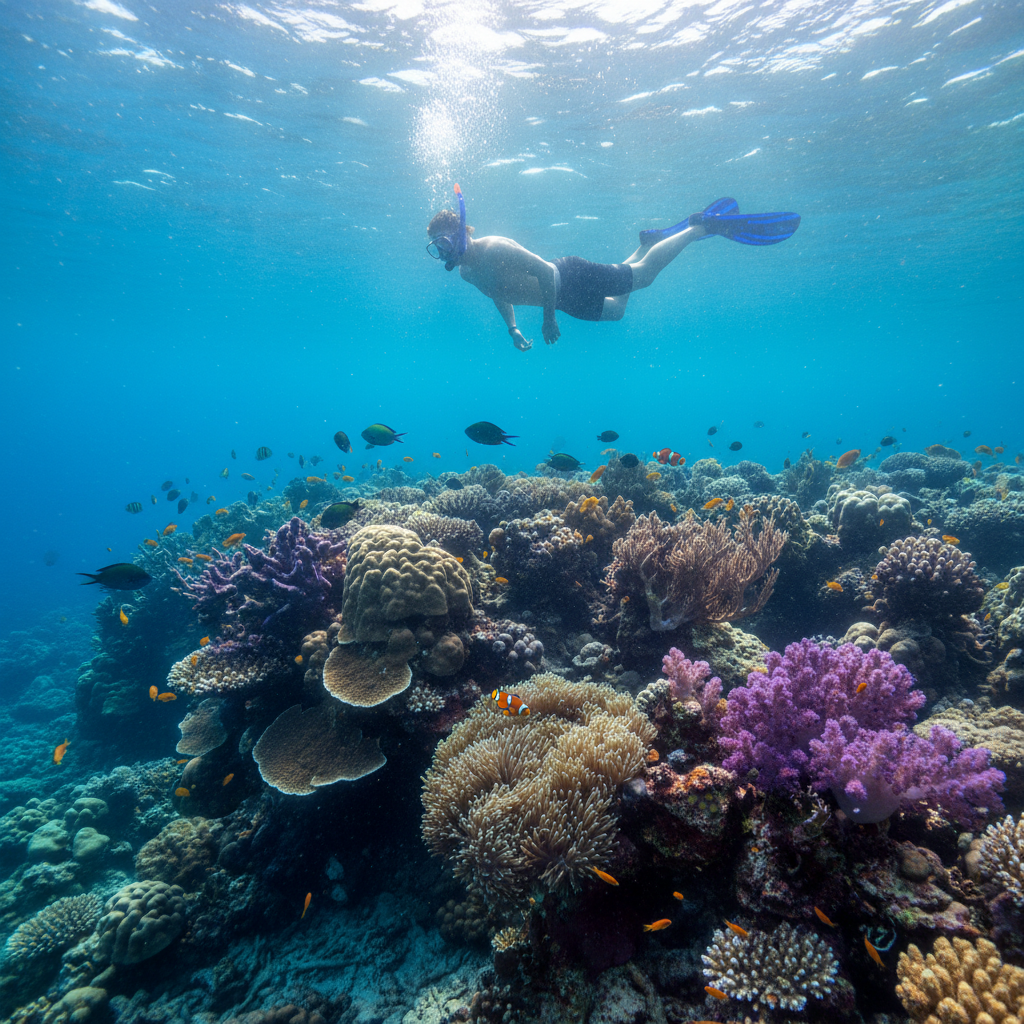
All outer reef tours provide high-quality snorkelling equipment including masks, snorkels, fins, and flotation devices. Prescription masks are available on request, while wetsuits or stinger suits are provided during cooler months or stinger season.
Food service ranges from buffet lunches to premium dining experiences. Most day tours include tropical fruit platters, sandwiches, and hot meals, with vegetarian and dietary requirements catered for with advance notice.
What should you bring for an outer reef day trip?
Essential items include reef-safe sunscreen, hat, towel, underwater camera, and light jacket for boat travel, plus any personal medications and prescription diving masks if needed.
Sun protection remains critical despite provided shade structures. Reef-safe sunscreen (zinc oxide or titanium dioxide based) prevents coral bleaching while protecting your skin. Wide-brimmed hats and UV-protective clothing provide additional coverage during deck time.
Underwater cameras capture incredible memories, though many operators offer professional photography services. Waterproof phone cases work for basic shots, while dedicated underwater cameras produce superior results in the crystal-clear conditions.
Light layers accommodate changing conditions during the 2-hour boat journey. Morning departures can be cool with sea spray, while reef sites become quite warm by midday. Quick-dry clothing works best for multiple water entries.
Motion sickness medication should be taken before departure if you're prone to seasickness. The outer reef journey crosses open ocean where swells can be significant, particularly during winter months.
Where are the best photography opportunities at the outer reef?
Underwater photography excels at coral bommies with 30+ metre visibility, while aerial shots from helicopters capture Heart Reef's iconic shape and the reef's ribbon-like formations against deep blue ocean.
Underwater photography benefits from the outer reef's exceptional clarity and diverse subjects. Bommies rising from 15-20 metre depths create dramatic compositions with schools of fish silhouetted against blue water. Macro photography opportunities include colourful nudibranchs, Christmas tree worms, and juvenile fish hiding in coral branches.
The famous Heart Reef, visible only from above, provides Instagram-worthy aerial shots during helicopter transfers. The heart shape measures approximately 17 metres across and sits within Hardy Reef's lagoon system. Photography is prohibited from the water to protect this fragile formation.
Semi-submersible vessels offer unique photography angles, combining underwater coral views with surface perspectives. These glass-bottom boats provide steady platforms for photography without getting wet, ideal for capturing large marine life like Maori wrasse and sea turtles.
Golden hour photography during overnight trips creates magical lighting conditions rarely available to day visitors. Sunrise and sunset shots from floating pontoons offer perspectives impossible from shore-based locations.
How does the outer reef experience compare to visiting fringing reefs?
Outer reef environments offer superior water clarity, healthier coral systems, larger marine life, and more pristine conditions, while fringing reefs provide easier access and integration with island visits.
Water quality represents the most significant difference between outer and fringing reefs. Outer reef visibility consistently exceeds 25-30 metres compared to 10-20 metres around the Whitsunday Islands. This clarity allows photography at greater distances and provides more immersive snorkelling experiences.
Coral health varies dramatically between locations. Outer reef hard coral coverage often reaches 60-80%, while many fringing reefs show 20-40% coverage due to crown-of-thorns starfish impacts, bleaching events, and coastal development pressures.
Marine life size and diversity increase at outer reef locations. Large pelagic species like reef sharks, giant trevally, and Queensland grouper are rarely seen at fringing reefs. The outer reef's nutrient-rich currents support larger fish populations and more complex ecosystem relationships.
However, fringing reefs offer advantages including shorter travel times, calmer conditions, and integration with other Great Barrier Reef tours visiting Whitehaven Beach or island resorts. Many visitors combine both experiences for comprehensive reef exploration.
What weather conditions affect outer reef tours?
Sea conditions above 3 metres, strong wind warnings, or severe weather typically cancel outer reef tours due to the 80-100 kilometre offshore journey across exposed ocean waters.
Wind direction significantly impacts sea conditions during the journey to outer reef sites. Southeast trade winds during winter months create choppy conditions but settle near reef locations. Northwest winds during summer generate larger swells but often provide calmer reef-side conditions.
Cyclone season (November-April) occasionally disrupts outer reef operations, with tours cancelled during severe weather warnings. Operators monitor Bureau of Meteorology forecasts closely, often making cancellation decisions 12-24 hours in advance.
Rain doesn't necessarily cancel tours but can reduce visibility both above and below water. Light rain often passes quickly, while heavy downpours may affect departure times or modify itineraries to include more protected activities like semi-submersible tours.
Temperature variations affect visitor comfort and marine life activity. Water temperatures below 22°C require wetsuits for extended snorkelling, while temperatures above 29°C can stress corals and reduce fish activity during midday hours.
Ready to experience the outer Great Barrier Reef's pristine beauty and incredible marine life? Book your outer reef adventure through Airlie to Whitehaven, where we connect you with the best tour operators for unforgettable reef experiences departing from Airlie Beach. From budget-friendly day trips to luxury helicopter transfers, we'll help you find the perfect outer reef tour to create memories that last a lifetime.