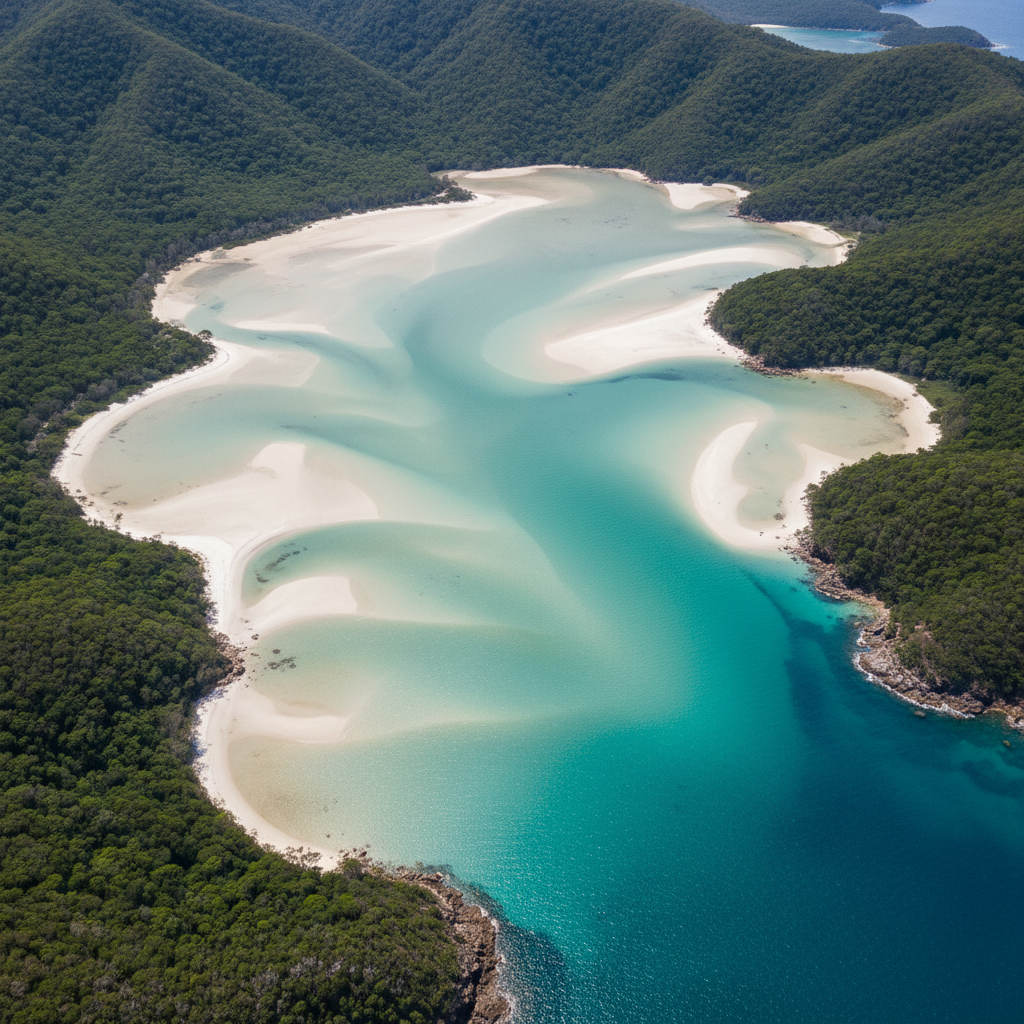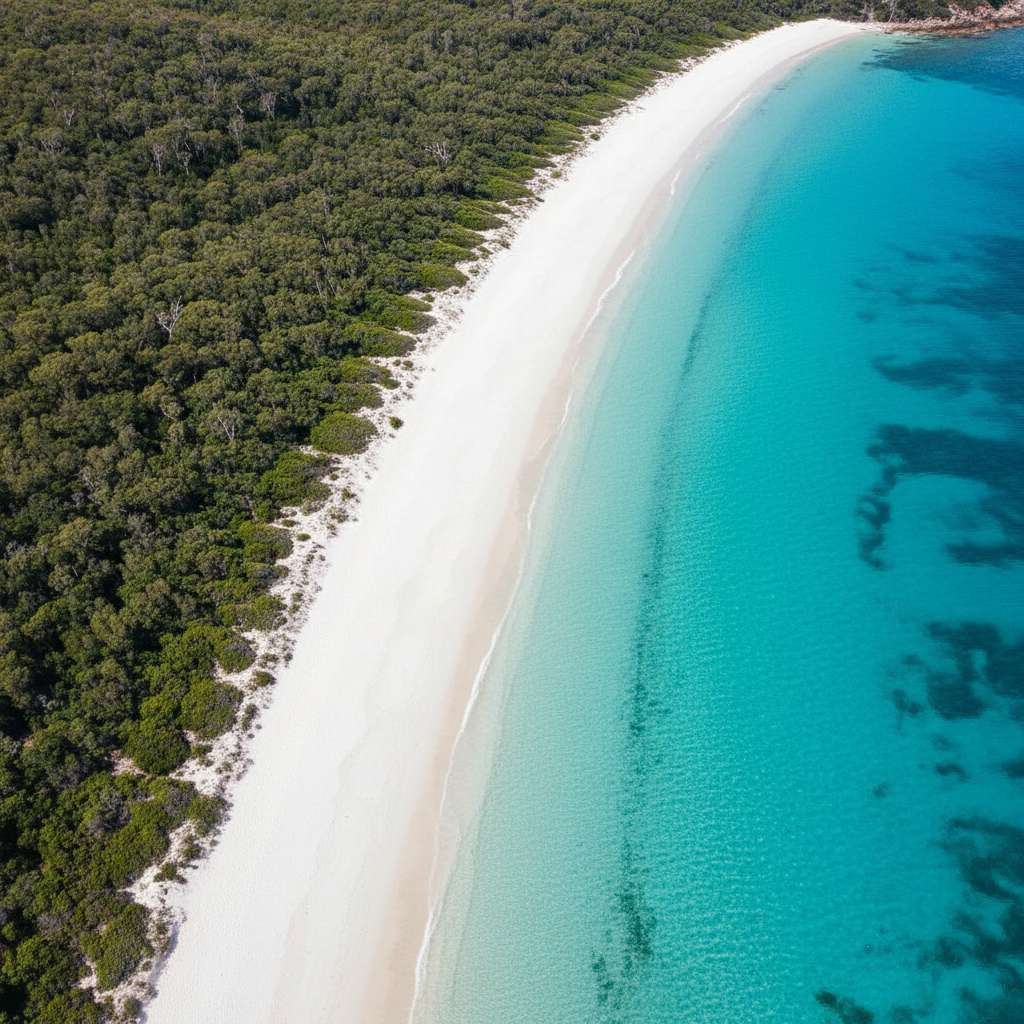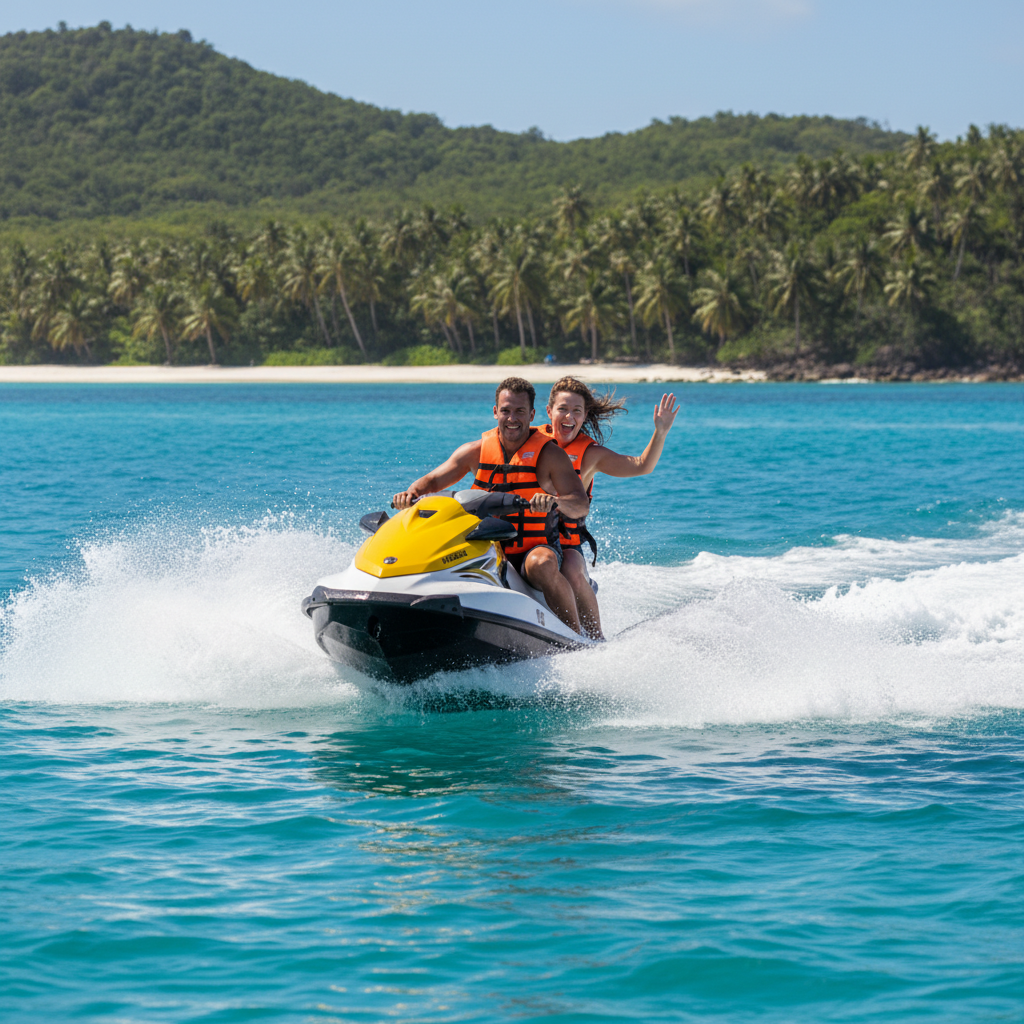
Jet ski safari tours from Airlie Beach offer the most exhilarating way to explore the Whitsunday Islands, combining high-speed adventure with close-up wildlife encounters and stunning island scenery. These guided multi-island expeditions take you beyond the typical tourist routes, accessing secluded beaches and hidden coves that larger vessels can't reach while maintaining the perfect balance of adrenaline and natural beauty.
What exactly is a jet ski safari tour in the Whitsundays?
A jet ski safari is a guided tour using personal watercraft to explore multiple islands, beaches, and marine environments across 2-6 hours, covering 40-80 kilometres of pristine waters with expert commentary and wildlife spotting opportunities throughout the journey.
Unlike standard jet ski rentals where you're confined to a small area, safari tours take you on curated routes through the heart of the Whitsunday Islands. Professional guides lead groups of 4-12 jet skis, maintaining radio contact to share local knowledge about marine life, island history, and navigation through protected reef waters. Tours typically visit 3-5 destinations including secluded beaches on Hook Island, snorkelling spots around Daydream Island, and wildlife-rich areas where dolphins, sea turtles, and tropical fish congregate.
The safari format means regular stops for swimming, snorkelling, morning tea, and beach exploration, making it accessible to intermediate riders rather than requiring advanced jet ski experience. Safety briefings cover marine park regulations, wildlife interaction protocols, and emergency procedures, ensuring both environmental protection and rider safety throughout the adventure.
How long do jet ski safari tours typically run?
Jet ski safari tours range from 2.5 to 6 hours, with half-day tours (3-4 hours) covering 2-3 islands and full-day expeditions (5-6 hours) visiting 4-5 destinations including extended snorkelling and beach time at remote locations.
Half-day safari tours (starting around $299-399 AUD) typically run from 8:30am-12:30pm or 1:00pm-5:00pm, covering approximately 40-50 kilometres. These tours usually visit Hook Island's northern beaches, Daydream Island waters, and one snorkelling location, with a morning tea break included.
Full-day expeditions ($499-699 AUD) operate from 9:00am-4:00pm, covering 60-80 kilometres across the island chain. Extended tours reach more remote destinations like Butterfly Bay on Hook Island, the fringing reefs around Border Island, and secluded beaches on Whitsunday Island's eastern shores. Lunch is provided at a beach location, usually featuring fresh local seafood and tropical fruits.
Sunset safari tours (2.5-3 hours, $249-349 AUD) offer a more relaxed pace with emphasis on photography and wildlife viewing during the golden hour, typically visiting 2 key locations with extended time at each stop.
Which islands and locations do safari tours typically visit?
Safari tours primarily visit Hook Island's secluded bays, Daydream Island's fringing reefs, Border Island's snorkelling areas, and southern Whitsunday Island beaches, chosen for their wildlife abundance, snorkelling quality, and protection from prevailing winds.
Hook Island features prominently in most safari routes due to its 15+ pristine beaches accessible only by small watercraft. Maureen's Cove and Butterfly Bay offer excellent snorkelling with coral gardens 2-8 metres deep, while Nara Inlet provides sheltered waters perfect for wildlife spotting. The island's elevated terrain creates natural wind protection, making it ideal for extended stops.
Daydream Island's northern and eastern shores showcase vibrant coral formations within 50 metres of the beach. The resort island's marine protection zones have created thriving fish populations, with regular sightings of Maori wrasse, parrotfish, and reef sharks. Water depth ranges from 1-12 metres, suitable for all snorkelling abilities.
Border Island and Dumbell Island offer advanced snorkelling opportunities with visibility often exceeding 20 metres. These locations feature swim-through coral formations and deeper reef walls where larger pelagic species including trevally, mackerel, and occasional reef sharks are encountered.
What wildlife can you expect to encounter on a jet ski safari?
Jet ski safaris regularly encounter dolphins (year-round), sea turtles at reef sites, tropical fish species including Maori wrasse and parrotfish, and during whale season (June-September), humpback whales migrating through Whitsunday waters.
Dolphin encounters occur on approximately 70% of safari tours, with pods of 3-12 bottlenose dolphins often approaching jet skis out of curiosity. These intelligent marine mammals are most active during morning hours and frequently perform acrobatic displays when boats maintain respectful distances (minimum 30 metres as per marine park regulations).
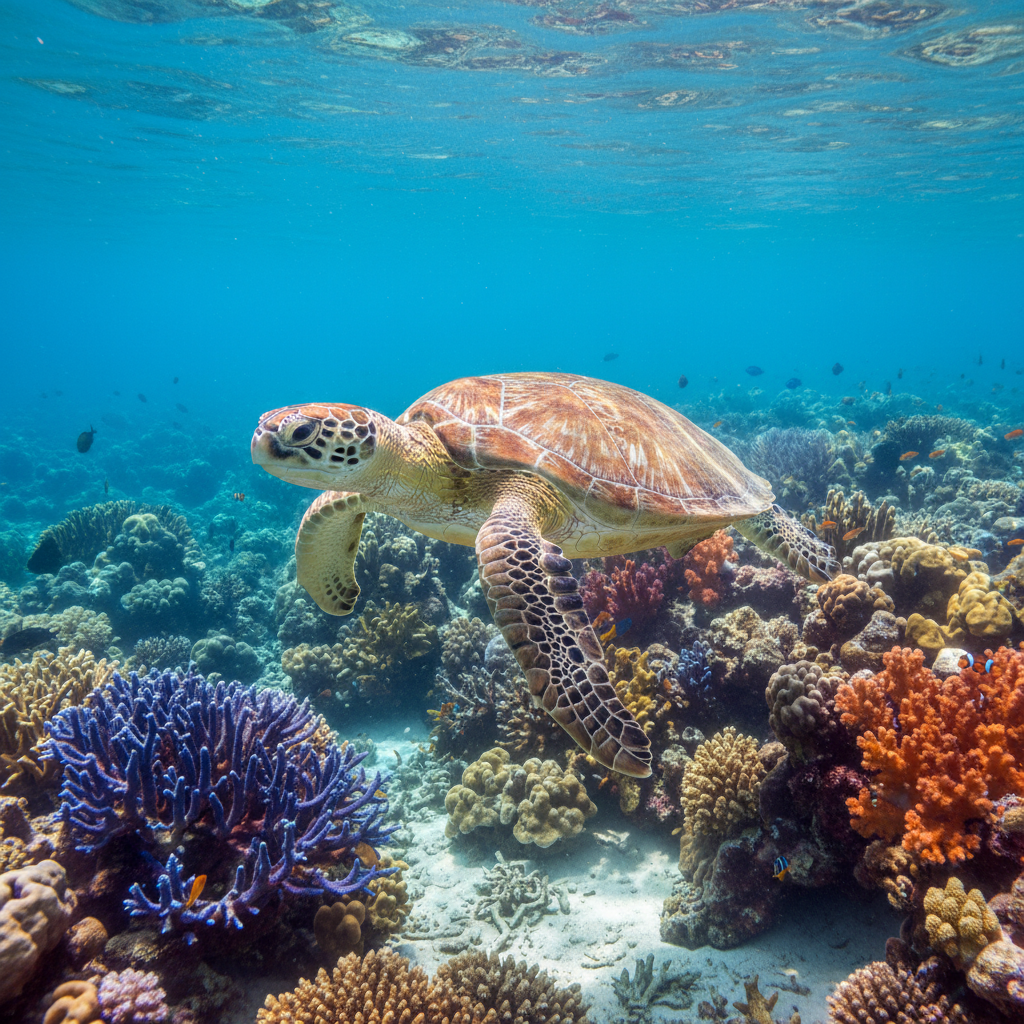
Green sea turtles and hawksbill turtles are commonly spotted at coral reef locations, particularly around Hook Island's eastern shores and Border Island's southern reefs. These ancient mariners often surface near jet skis, providing incredible photo opportunities while they breathe between dives to feed on seagrass and algae.
During humpback whale migration season, safari tours may encounter these magnificent cetaceans in deeper waters between islands. Adult humpbacks measuring 12-16 metres surface every 3-8 minutes, creating unforgettable viewing opportunities. Tour operators maintain strict approach distances (100 metres minimum) while whales demonstrate behaviours including breaching, tail slapping, and spy hopping.
Tropical fish diversity includes over 200 species across safari snorkelling locations, from massive Maori wrasse (napoleon fish) weighing up to 230kg to colourful parrotfish, angelfish, and butterflyfish creating rainbow displays across coral formations.
Do you need previous jet ski experience for a safari tour?
Basic jet ski operation skills are recommended but not essential, as tours include comprehensive safety briefings and practice sessions, with guides providing ongoing instruction and support throughout the safari for riders of all experience levels.
Pre-tour briefings cover jet ski operation fundamentals including throttle control, steering dynamics, and stopping techniques. Practice sessions in sheltered marina waters allow new riders to develop confidence before heading into open water. Professional guides demonstrate proper riding posture, how to navigate waves, and techniques for fuel-efficient cruising across longer distances.
Intermediate riders benefit most from safari tours, as basic comfort with jet ski handling allows focus on wildlife observation and scenery rather than machine operation. However, complete beginners regularly participate successfully, with guides providing one-on-one assistance during the initial practice phase.
Advanced riders appreciate the freedom to explore challenging routes through reef passages and around rocky headlands, though all participants must follow guide instructions for safety and environmental protection. Maximum speeds are typically limited to 30-40 km/h during transit phases, with slower speeds mandated near wildlife and in marine sanctuary zones.
What's included in a typical jet ski safari package?
Safari packages include jet ski rental, safety equipment (life jackets, wetsuits), professional guide services, snorkelling gear, marine park permits, morning tea or lunch depending on duration, and comprehensive insurance coverage for the entire expedition.
Equipment provision covers high-quality Yamaha or Sea-Doo jet skis with GPS tracking, marine-grade life jackets, full-body stinger suits during stinger season (November-May), and optional wetsuits for cooler months (June-August). Snorkelling gear includes masks, snorkels, and fins in all sizes, plus prescription mask options for vision-impaired participants.
Food and beverage inclusions vary by tour length: half-day tours provide morning tea featuring fresh fruit, muffins, and hot beverages served at a scenic beach location. Full-day expeditions include tropical lunch with options like barramundi, prawns, fresh salads, and local seasonal fruits, plus morning and afternoon refreshment breaks.
Professional photography services are available on premium tours ($99-149 AUD additional), with guides using underwater cameras and drones to capture wildlife encounters and scenic moments throughout the safari. High-resolution images are provided via digital download within 48 hours.
Marine park permits and Great Barrier Reef Marine Park Authority fees are included in tour pricing, ensuring full compliance with environmental regulations and contributing to ongoing conservation efforts across the Whitsunday region.
What safety measures are in place during jet ski safaris?
Safety protocols include mandatory life jacket wearing, GPS tracking on all jet skis, qualified marine rescue-trained guides, comprehensive insurance coverage, emergency communication systems, and strict marine park compliance to ensure participant safety throughout the expedition.
All guides hold commercial vessel operator licenses and marine rescue certifications, with regular training updates covering emergency response procedures, first aid, and wildlife interaction protocols. Guide-to-participant ratios are maintained at maximum 1:6 to ensure adequate supervision and immediate assistance availability.
GPS tracking systems on each jet ski enable real-time location monitoring and emergency response coordination. Guides carry satellite communication devices for contact with marine rescue services and tour base operations, ensuring rapid response capability even in remote island locations.
Weather monitoring includes real-time wind and wave forecasting, with tours cancelled or modified when conditions exceed safe operating parameters. Wind speeds above 20 knots or wave heights exceeding 1.5 metres typically result in route modifications or tour cancellations with full refunds provided.
Emergency procedures cover man-overboard protocols, medical emergencies, mechanical failures, and severe weather response. Safety briefings include hand signal communication methods for guide-participant coordination when engine noise prevents verbal communication during transit phases.
When is the best time of year for jet ski safari tours?
Optimal safari conditions occur April through November during the dry season, with calm seas, excellent visibility, and minimal rainfall. Stinger season (November-May) requires protective suits but offers warmer water temperatures and active marine life.
Dry season months (April-November) provide the most consistent safari conditions with average wind speeds 10-15 knots, wave heights under 1 metre, and water visibility often exceeding 20 metres. Water temperatures range from 22-26°C, comfortable for extended snorkelling without thermal protection.
Stinger season (November-May) coincides with warmer water temperatures (26-29°C) and increased marine activity, including turtle nesting, coral spawning, and fish breeding behaviours. Full-body stinger suits are mandatory during this period, provided free of charge by all tour operators. Despite the protective clothing requirement, many safari enthusiasts prefer stinger season for its enhanced wildlife viewing opportunities.
Whale watching safari tours operate exclusively during migration season (June-September) when humpback whales transit Whitsunday waters en route between Antarctica and northern Australia breeding grounds. These specialised tours focus on whale encounters while incorporating traditional island exploration elements.
Weather patterns show morning conditions typically providing the calmest seas, with afternoon thermal winds developing around 1:00-2:00pm. Early departure tours (8:00-8:30am) maximise optimal riding conditions and wildlife activity levels.
How do jet ski safari tours differ from regular island hopping tours?
Jet ski safari tours offer intimate small-group experiences (maximum 12 participants), access to shallow waters and secluded beaches unreachable by larger vessels, faster transit times between destinations, and greater flexibility for wildlife following and spontaneous route changes.
Unlike conventional island hopping tours using catamarans or sailing vessels with 50+ passengers, jet ski safaris maintain personal watercraft intimacy allowing individual wildlife interactions and photography opportunities. Small group dynamics enable guides to adjust routes based on real-time conditions, wildlife sightings, or group interests.
Accessibility advantages include reaching beaches with shallow approaches, navigating through coral passages too narrow for larger boats, and exploring hidden coves behind rocky headlands. Jet skis can beach directly on sandy shores, eliminating tender transfers and enabling immediate beach exploration upon arrival.
Transit efficiency allows visiting more destinations within the same timeframe, with jet ski cruising speeds of 25-40 km/h compared to sailing vessel speeds of 8-15 km/h. This time advantage translates to extended stays at each location rather than rushed visits common on conventional tours.
Environmental interaction differs significantly, with jet ski riders experiencing unfiltered sensory engagement including salt spray, ocean sounds, and marine aromas impossible from enclosed vessel decks. This immediate connection with the marine environment enhances wildlife appreciation and photographic opportunities.
What should you bring and wear on a jet ski safari?
Essential items include reef-safe sunscreen (SPF 50+), hat with chin strap, polarised sunglasses with retainer strap, water bottle, waterproof camera or phone case, and swim-appropriate clothing under provided safety equipment for optimal comfort and protection.
Clothing recommendations include board shorts or swimwear as base layers, with lightweight quick-dry shirts for sun protection during stops. Closed-toe water shoes or reef boots protect feet during beach walks and reef snorkelling, especially important around coral areas and rocky shorelines.
Sun protection requires reef-safe sunscreen formulations to protect marine environments while preventing burns during 3-6 hours of open-water exposure. Wide-brimmed hats with secure chin straps prevent wind loss during high-speed transits, while polarised sunglasses reduce glare for improved visibility and wildlife spotting.
Photography equipment should include waterproof housing or cases for cameras and phones, as splash and spray exposure is inevitable during safari tours. Many operators provide underwater disposable cameras as backup options for capturing snorkelling moments without electronic equipment concerns.
Personal items must be secured in provided waterproof storage compartments, with valuable items best left at accommodation. Tour operators typically provide secure storage at departure marinas for items not needed during the expedition, including wallets, car keys, and excess clothing.
How much do jet ski safari tours cost and what booking options are available?
Jet ski safari tours range from $249-699 AUD depending on duration and inclusions, with half-day adventures starting around $299, full-day expeditions from $499, and premium photography packages available for additional $99-149 AUD upgrade fees.
Pricing structures reflect tour duration, included amenities, and group size limitations. Standard half-day tours (3-4 hours) cost $299-399 AUD per person, including equipment, guide services, snorkelling gear, and morning tea. Full-day expeditions (5-6 hours) range $499-699 AUD with extended itineraries, lunch provisions, and additional snorkelling locations.
Premium package upgrades include professional photography services ($99-149 AUD), private group charters (from $2,500 AUD for up to 8 participants), and combination packages linking jet ski safaris with helicopter transfers or overnight island accommodation.
Booking flexibility includes free cancellation up to 24 hours before departure for weather-related changes, with rescheduling options available for up to 12 months from original booking date. Group discounts apply for 6+ participants, with corporate and educational group rates available upon request.
Payment options include full payment at booking or deposit systems ($99-149 AUD deposit) with balance due 48 hours before departure. Major credit cards, PayPal, and Afterpay installment options accommodate various payment preferences for domestic and international visitors.
Ready to experience the ultimate Whitsunday adventure? Book your jet ski safari tour through Airlie to Whitehaven, where we've curated the best jet ski tour operators offering exceptional safety standards, expert local guides, and unforgettable island exploration experiences. Our platform provides transparent pricing, real customer reviews, and instant confirmation for your Whitsunday jet ski safari adventure.