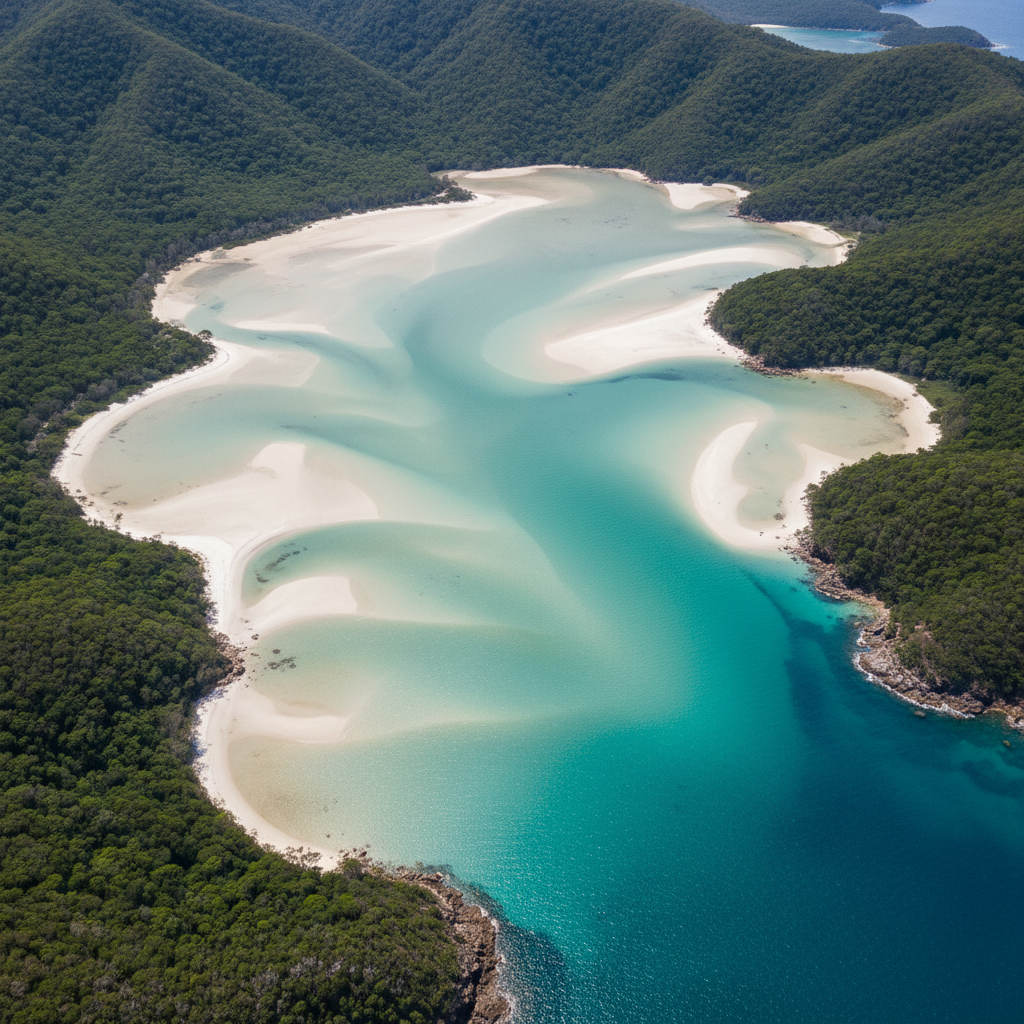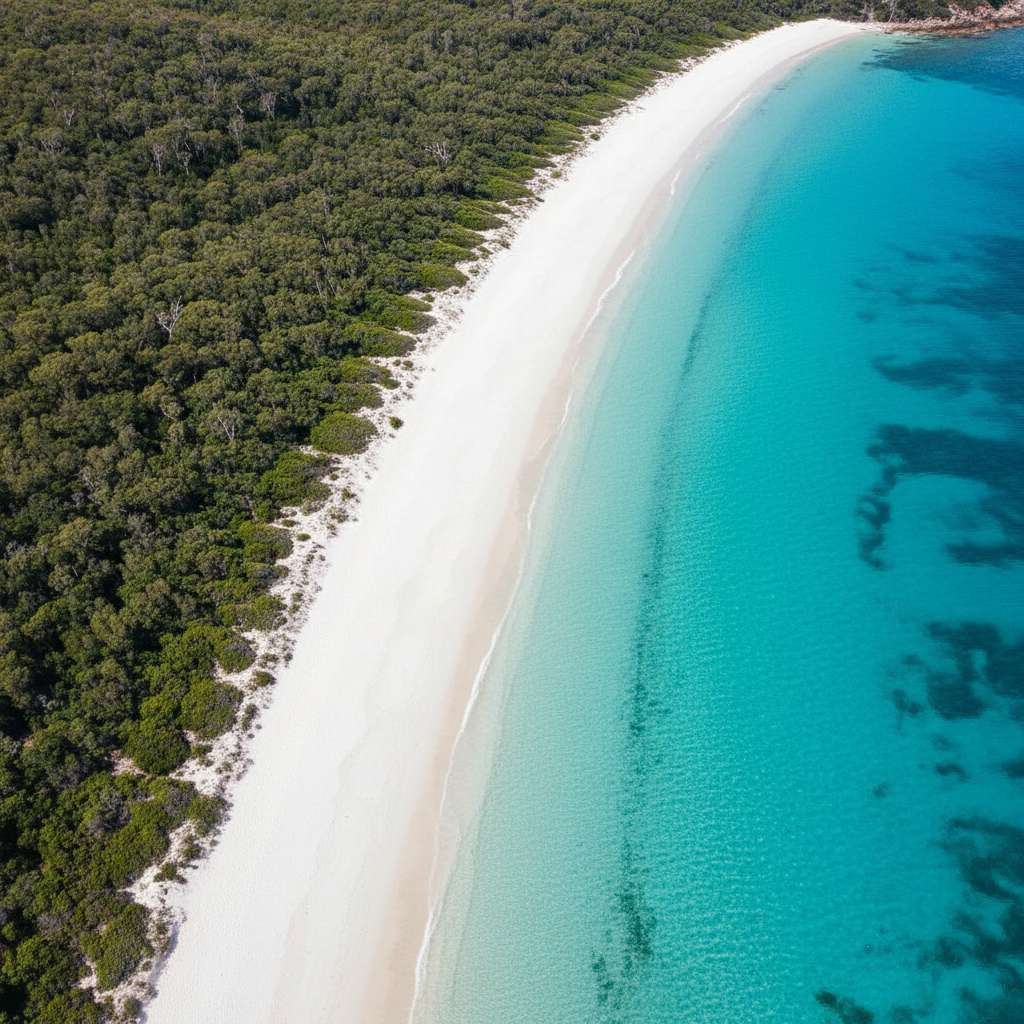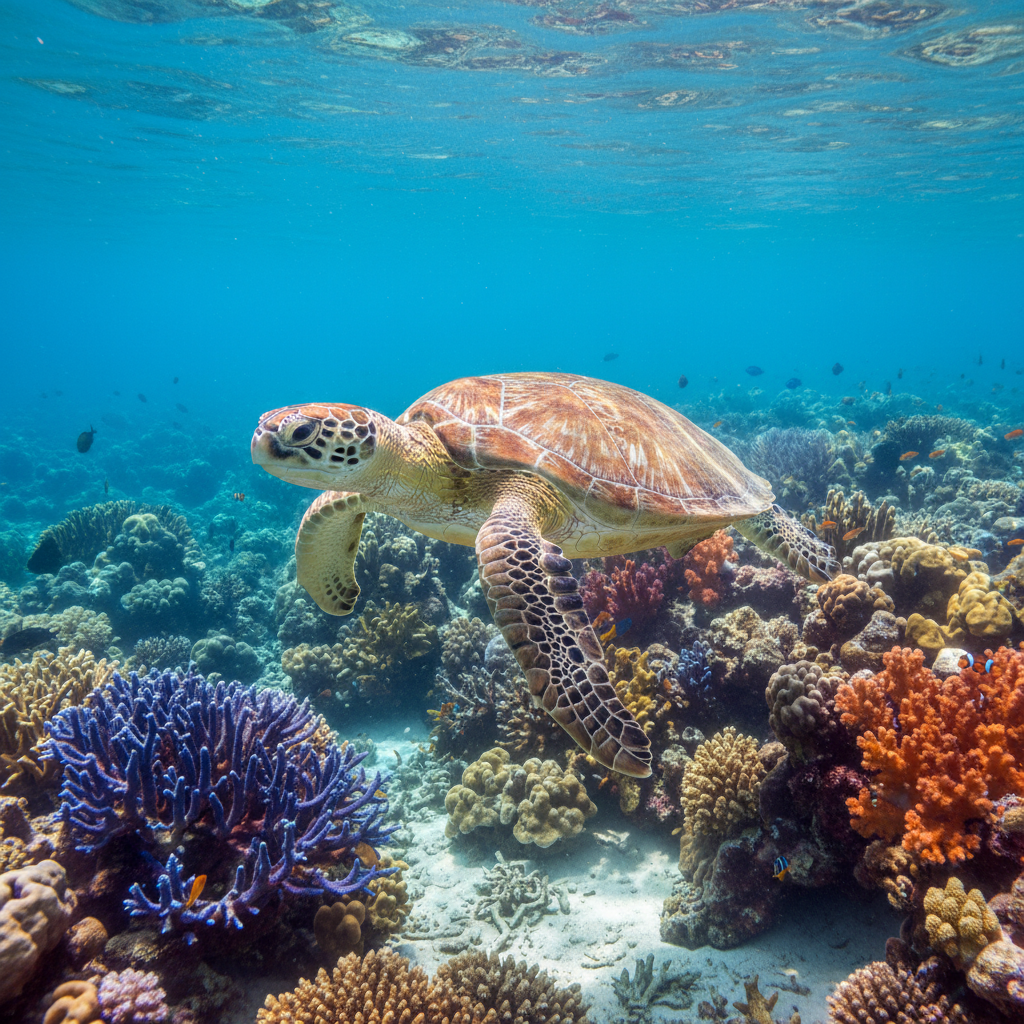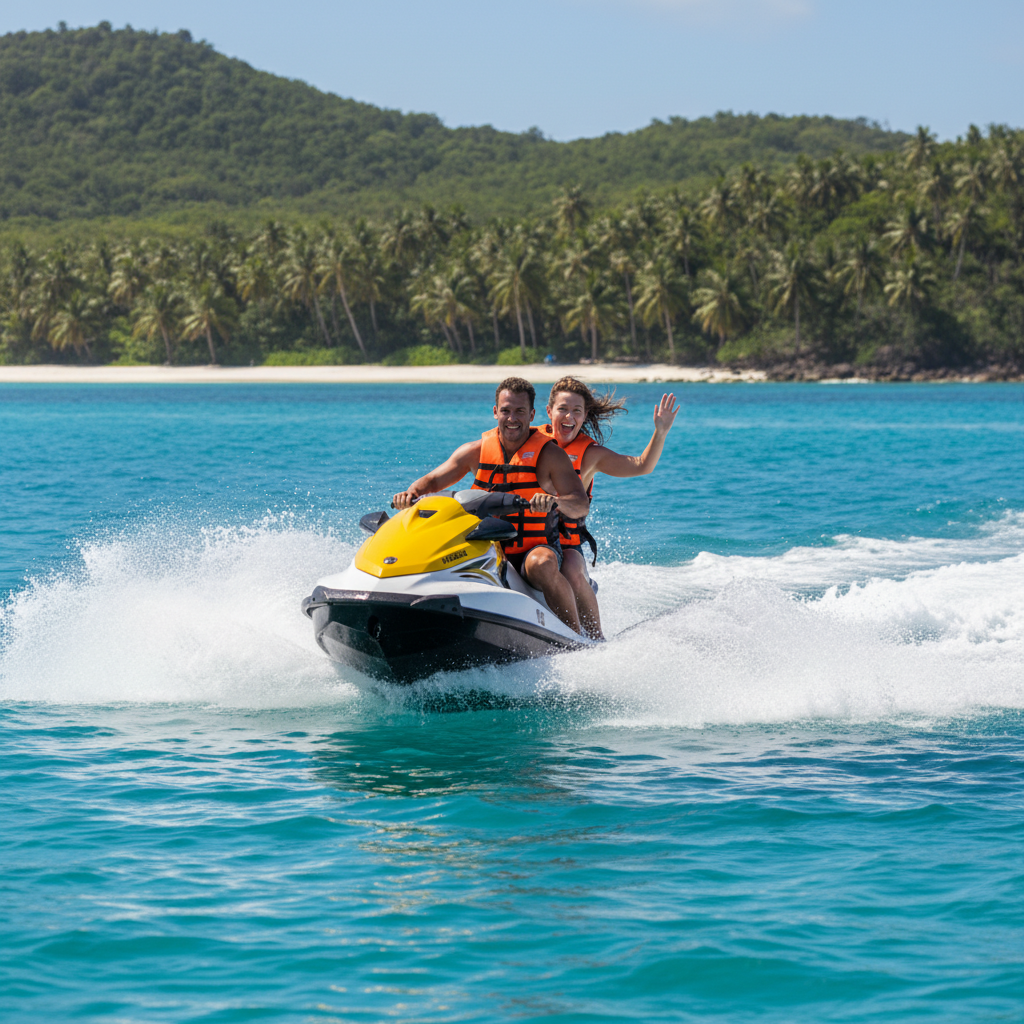
The Whitsundays' crystal-clear waters and protected channels create perfect conditions for jet skiing, with tours departing daily from Airlie Beach's marinas. From quick 1-hour blasts around Pioneer Bay to full-day island safari adventures, there's a jet ski experience for every thrill-seeker and budget in this tropical playground.
What jet ski tour options are available from Airlie Beach?
Airlie Beach offers four main jet ski experiences: 1-hour guided tours around Pioneer Bay ($169-$199), 3-hour island adventures to South Molle Island ($299-$349), full-day safaris visiting multiple islands ($449-$599), and self-drive jet ski hire with instructor briefings ($89-$129 per hour).
The variety caters to different experience levels and time constraints. First-time riders often start with the 1-hour Pioneer Bay circuit, which covers approximately 15 kilometres of sheltered waters around Airlie Beach's coastline. This tour provides a gentle introduction to jet skiing while offering spectacular views of the Whitsunday Islands backdrop.
More adventurous riders gravitate toward the 3-hour island adventures, typically heading to South Molle Island's secluded beaches. These tours cover 25-30 kilometres and include beach stops for swimming and snorkelling. The full-day safari experiences are the premium option, visiting 3-4 different locations including Daydream Island, Hamilton Island approaches, and hidden coves accessible only by personal watercraft.
Self-drive hire operates differently, with mandatory safety briefings covering navigation rules, emergency procedures, and designated riding zones. Hire periods range from 1-4 hours, with longer sessions offering better value per hour.
How much do jet ski tours from Airlie Beach cost?
Jet ski tour prices range from $169 for 1-hour guided experiences to $599 for full-day island safaris. Self-drive hire costs $89-$129 per hour, while 3-hour island adventures are priced between $299-$349, with seasonal variations affecting rates.
Price variations depend on several factors including tour duration, destinations visited, group size, and seasonal demand. Peak season (April to October) commands premium pricing, while shoulder months (November to March) often feature discounted rates.
Single-rider tours typically cost 20-30% more than double-rider options per person. Most operators offer group discounts for 4+ participants, reducing individual costs by $20-$40. Package deals combining jet ski tours with snorkelling or lunch stops provide additional value.
Additional costs include fuel surcharges during peak periods ($10-$15), wet suit rentals in winter months ($15), and underwater camera hire ($25-$35). Comprehensive insurance coverage is usually included in tour prices, though excess reduction options cost extra $15-$25.
Cancellation policies vary by operator, with most offering full refunds for weather-related cancellations and 50% refunds for cancellations made 24+ hours in advance.
Which jet ski tour companies operate from Airlie Beach?
Major jet ski operators include Whitsunday Jet Ski Tours (established 2008), Airlie Beach Jet Ski Hire, Ocean Rafting Jet Ski Division, and Island Jet Ski Adventures. These companies operate from Abel Point Marina and Shute Harbour with modern Yamaha and Sea-Doo fleets.
Whitsunday Jet Ski Tours leads the market with the largest fleet (18 jet skis) and most comprehensive tour options. Their guides hold advanced powerboat licenses and marine rescue certifications. The company maintains a 4.8/5 TripAdvisor rating across 1,200+ reviews.
Airlie Beach Jet Ski Hire focuses primarily on self-drive experiences, operating 12 late-model Sea-Doo GTX units. Their briefing facility includes simulator training and detailed chart familiarisation sessions.
Ocean Rafting's jet ski division combines their reef tour expertise with personal watercraft adventures. They're the only operator offering combined jet ski/snorkel packages to reef sites near Daydream Island.
Island Jet Ski Adventures specialises in small-group premium experiences, with maximum 6 participants per tour. Their guides are marine biology qualified and provide detailed commentary about local wildlife and island formation.
What's included in a typical jet ski tour from Airlie Beach?
Standard inclusions are safety briefing, helmet, life jacket, fuel, experienced guide, and marine park permits. Premium tours add snorkelling equipment, refreshments, underwater cameras, wet suits (winter), and beach landing permits for designated islands within the Great Barrier Reef Marine Park.
All operators provide comprehensive safety equipment meeting Australian Maritime Safety Authority standards. This includes Coast Guard-approved life jackets, communication helmets for guide contact, and emergency beacons on guide vessels.
Tour briefings cover jet ski operation basics, hand signals, emergency procedures, and environmental guidelines. Participants receive laminated maps showing approved riding zones and speed restrictions near sensitive areas.
Fuel costs are included in tour prices, with modern jet skis achieving approximately 15-20 litres per hour consumption. Guide boats carry additional fuel for extended tours and emergency situations.
Marine park permits allow access to designated zones within the Great Barrier Reef Marine Park. These permits restrict activities in turtle nesting areas and coral reef zones, with guides ensuring compliance with conservation regulations.
Premium tour additions include high-quality snorkelling masks and fins, reef-safe sunscreen, waterproof cameras (GoPro standard), and light refreshments including water, soft drinks, and seasonal fruit.
What are the age and license requirements for jet ski tours?
Minimum age is 16 years for driving (with parental consent) or 12 years as a passenger. No boat license required for guided tours, but recreational boat operators license needed for self-drive hire. Maximum weight per jet ski is 200kg (440lbs) for safety reasons.
Age restrictions vary by tour type and operator policies. Guided tours allow younger participants (12+) as passengers when accompanied by adults, while self-drive experiences require 16+ with guardian supervision or 18+ for independent operation.
Boat license requirements depend on tour structure. Guided experiences don't require licenses as participants follow qualified instructors within designated zones. Self-drive hire mandates either recreational boat operator licenses or completion of the operator's certification course.
The certification course covers navigation rules, weather recognition, emergency procedures, and environmental responsibilities. Course completion takes 2-3 hours and costs $45-$65 additional to hire fees.
Physical requirements include ability to swim 50 metres unassisted, comfortable water confidence, and sufficient mobility to mount/dismount jet skis from water. Medical conditions affecting balance or consciousness require disclosure and may restrict participation.
Weight limits ensure jet ski stability and performance. Two-seater units accommodate maximum combined weight of 200kg, while single-rider models limit individual weight to 120kg for optimal handling characteristics.
When is the best time for jet ski tours in the Whitsundays?
April to October offers ideal conditions with trade winds 10-20 knots, minimal rainfall, and temperatures 22-28°C. Morning departures (8-10am) provide calmest waters, while afternoon sessions offer stronger winds for experienced riders seeking more challenging conditions.
Seasonal weather patterns significantly impact riding conditions. The dry season (April-October) features consistent southeast trade winds, creating moderate chop ideal for jet skiing. Daily temperatures range 22-28°C with minimal rainfall and excellent visibility.
Wet season (November-March) brings higher temperatures (25-32°C), increased humidity, and afternoon thunderstorms. While morning conditions remain suitable, afternoon tours face cancellation risks due to electrical storm activity.
Daily timing affects water conditions substantially. Early morning (8-10am) provides glass-off conditions with minimal wind chop, perfect for beginners and photography. Mid-morning (10am-12pm) offers moderate conditions as trade winds strengthen.
Afternoon sessions (1-4pm) feature stronger winds and larger swells, appealing to experienced riders wanting more dynamic conditions. Late afternoon tours benefit from spectacular lighting but may encounter increased boat traffic from returning day tours.
Tidal considerations influence launch locations and tour routes. Low tides expose coral bombies in shallow areas, requiring route modifications and increased caution near reef edges.
What safety measures are in place for Airlie Beach jet ski tours?
Safety protocols include mandatory briefings, guide boats with emergency equipment, GPS tracking, VHF radio communication, first aid certified guides, and comprehensive insurance coverage. Weather monitoring systems cancel tours when wind speeds exceed 25 knots or electrical storms threaten.
Pre-departure briefings cover jet ski controls, stability principles, collision avoidance, and emergency signals. Participants practice mounting, dismounting, and basic manoeuvres in protected marina areas before open water riding.
Guide boats shadow tour groups with emergency equipment including first aid kits, emergency beacons, spare fuel, and towing gear. Guides maintain VHF radio contact with marine rescue services and monitor weather updates throughout tours.
GPS tracking systems monitor jet ski locations in real-time, with automatic alerts triggered if units exceed designated boundaries or remain stationary for extended periods. This technology enables rapid response to mechanical issues or rider difficulties.
Weather monitoring includes real-time wind speed measurement, radar precipitation tracking, and Bureau of Meteorology updates. Tours cancel automatically when conditions exceed safety parameters: wind speeds over 25 knots, visibility below 500 metres, or electrical storm activity within 10 kilometres.
Insurance coverage includes comprehensive liability, equipment damage, and emergency medical evacuation. Most operators carry $20 million public liability coverage and provide detailed emergency contact procedures for international visitors.
Can beginners join jet ski tours from Airlie Beach?
Beginner-friendly options include 1-hour guided tours with extensive briefings, tandem riding with experienced operators, and simulator training sessions. Most operators provide patient instruction, starting in calm marina waters before progressing to open ocean areas.
First-time rider programs focus on confidence building through structured learning progressions. Initial instruction covers basic controls, throttle sensitivity, steering principles, and stability techniques in protected waters.
Tandem options pair beginners with experienced guides or certified passengers, allowing newcomers to experience jet skiing without operation responsibility. This arrangement builds confidence while ensuring safety through expert control.
Simulator training facilities offer risk-free learning opportunities, teaching steering responses, throttle control, and emergency procedures. These sessions particularly benefit nervous beginners or those wanting additional preparation.
Calm water progression starts tours in marina areas or sheltered bays, gradually moving to more open waters as participant confidence increases. Guide-to-participant ratios remain low (1:4 maximum) for personalised attention.
Common beginner concerns include stability fears, throttle control anxiety, and directional uncertainty. Professional guides address these through demonstration, patient instruction, and positive reinforcement techniques developed over thousands of introductory sessions.
How do jet ski island tours compare to other Whitsundays experiences?
Jet ski tours offer unique advantages including reef access, personalised pace, adrenaline thrills, and small group sizes (4-8 people), while sailing tours provide relaxation, full-day experiences, and larger social groups. Helicopter tours offer aerial perspectives but shorter durations and higher costs.
Speed and manoeuvrability distinguish jet skis from traditional boat tours. Personal watercraft access shallow reef areas and secluded beaches inaccessible to larger vessels, providing exclusive snorkelling opportunities and pristine beach landings.
Time efficiency appeals to visitors with limited schedules. Half-day jet ski adventures cover similar distances to full-day sailing tours, maximising island exploration within compressed timeframes. This efficiency suits cruise ship passengers or short-stay visitors.
Adrenaline factors separate jet skiing from passive experiences like sailing or island transfers. The combination of speed, spray, and personal control creates memorable thrills unavailable through conventional sightseeing methods.
For comprehensive Whitsundays exploration, consider our detailed jet skiing guide which compares all personal watercraft options across the region.
Cost comparisons show jet ski tours competing favourably with premium sailing experiences while offering shorter commitment periods. Half-day jet ski adventures ($299-$349) compare with full-day sailing tours ($199-$299), providing higher hourly value for thrill-seeking visitors.
Weather dependency affects all marine activities, but jet skis handle moderate conditions better than sailing vessels dependent on specific wind directions. However, jet skis are more sensitive to rough seas than larger boats.
What should I bring on a jet ski tour from Airlie Beach?
Essential items include swimwear, reef-safe sunscreen, hat, sunglasses with retainer strap, towel, and waterproof camera housing. Avoid loose jewelry, bring secure footwear, and pack dry clothes for after the tour in provided waterproof bags.
Swimwear recommendations favour secure-fitting options that won't shift during high-speed riding. Board shorts or one-piece swimsuits provide better coverage than loose-fitting alternatives. Rash vests offer additional sun protection and reduce chafing from life jackets.
Sun protection requires careful consideration given extended ocean exposure and reflected UV rays. Reef-safe sunscreen (SPF 30+) protects marine environments while providing adequate coverage. Wide-brimmed hats with chin straps prevent loss during high-speed sections.
Eye protection needs secure attachment systems, as standard sunglasses easily fall during jet ski operation. Floating sunglasses with retainer straps provide the best security, while prescription glasses require sports-specific retainers or contact lens alternatives.
Photography equipment benefits from waterproof housing or professional underwater cameras. Most operators offer GoPro rentals ($25-$35) with mounting accessories, providing higher quality results than phone cameras in waterproof cases.
Secure storage options prevent item loss during tours. Operators provide dry bags for valuables, but space limitations require selective packing. Leave unnecessary items at accommodation rather than risking water damage or loss.
For detailed equipment recommendations and operator comparisons, check out our comprehensive guide to the best jet ski tours in the Whitsundays.
Are there any restrictions on where jet skis can go in the Whitsundays?
Great Barrier Reef Marine Park regulations restrict jet skiing in green zones (general use areas only), prohibit reef walking, limit speeds near wildlife, and require 400-metre distances from whales during migration season (June-September). Specific island landing permits apply to designated beaches.
Marine park zoning creates a complex framework governing personal watercraft usage. Green zones allow jet skiing with environmental guidelines, yellow zones permit restricted access, and pink zones (preservation areas) prohibit all motorised activities.
Speed restrictions apply near sensitive areas including turtle nesting beaches, dugong habitats, and coral reef edges. Maximum speeds drop to 8 knots within 200 metres of designated conservation zones, requiring guides to carefully plan routes and timing.
Wildlife interaction rules become particularly strict during humpback whale migration (June-September). Jet skis must maintain 300-metre distances from whales, with severe penalties for harassment or close approaches. Turtle encounters require similar caution with no-touch policies.
Island landing permissions vary by location and season. Some beaches allow limited access during specific months, while others remain permanently closed to protect nesting sites or cultural heritage areas. Tour operators maintain current permit information and access rights.
Enforcement occurs through regular marine park authority patrols, with substantial fines for regulation breaches. Penalties range from $575 for minor speed infractions to $57,500 for serious wildlife harassment charges.
Weather-related restrictions supplement conservation rules, with automatic tour cancellations when wind speeds exceed 25 knots or electrical storms threaten participant safety.
Ready to experience the thrill of jet skiing through the Whitsundays' pristine waters? Our curated selection of Airlie Beach tours includes all the top-rated jet ski operators, from quick adrenaline hits to full-day island adventures. Book through Airlie to Whitehaven for guaranteed best rates, instant confirmation, and local expert support to ensure your Whitsundays jet ski experience exceeds every expectation.