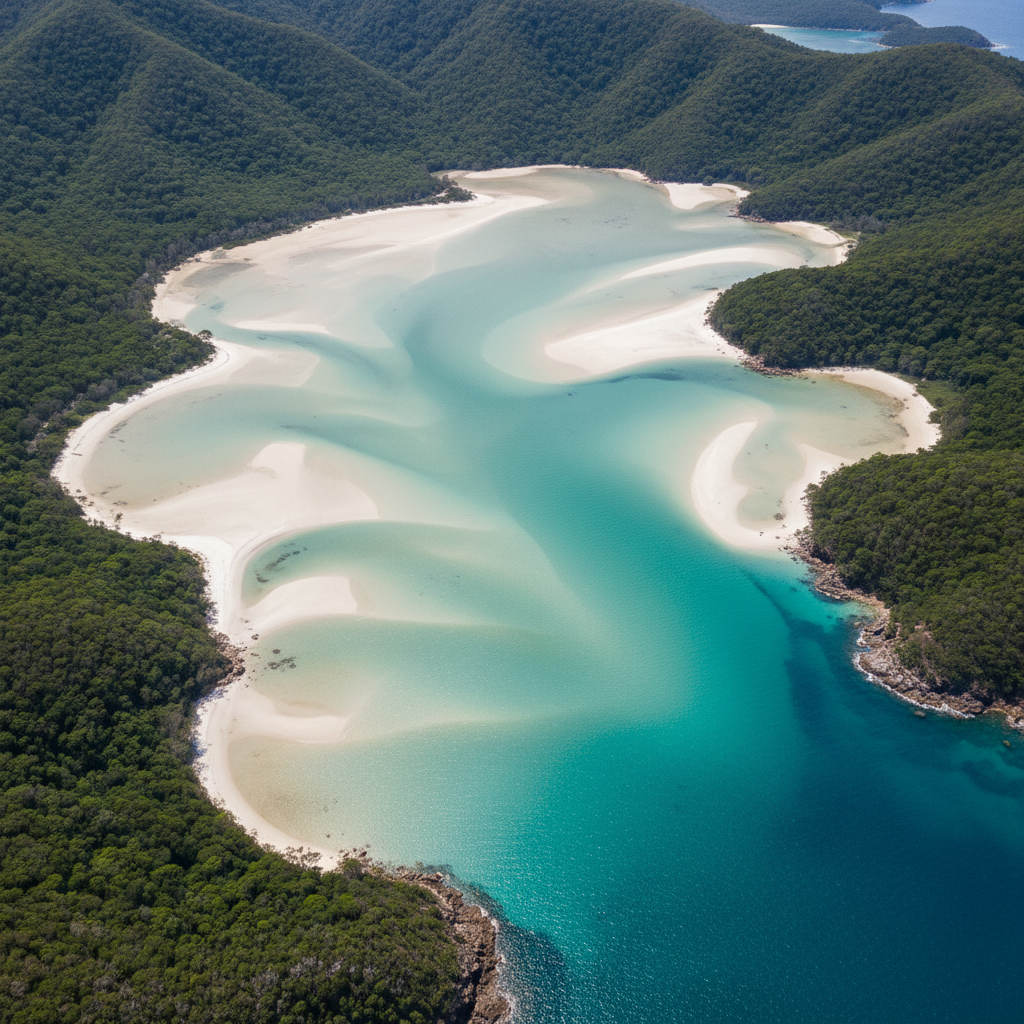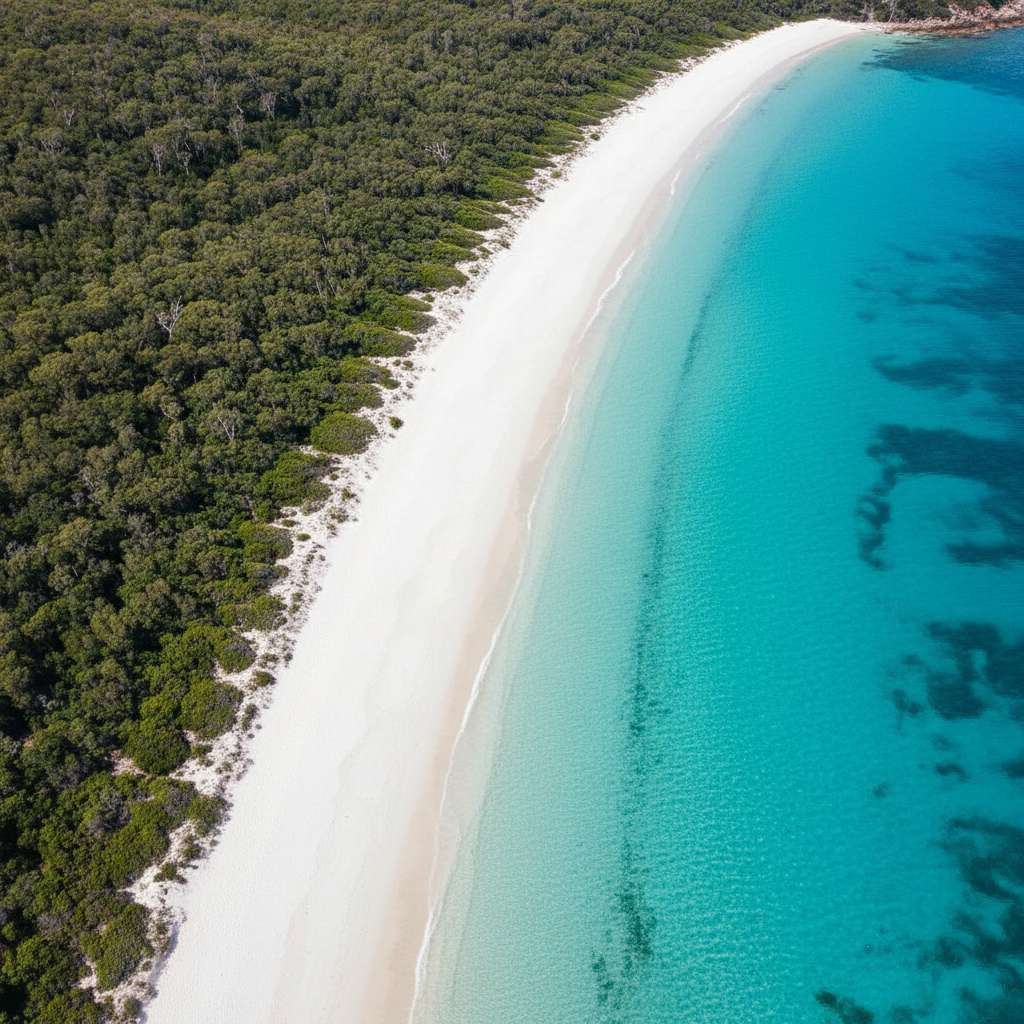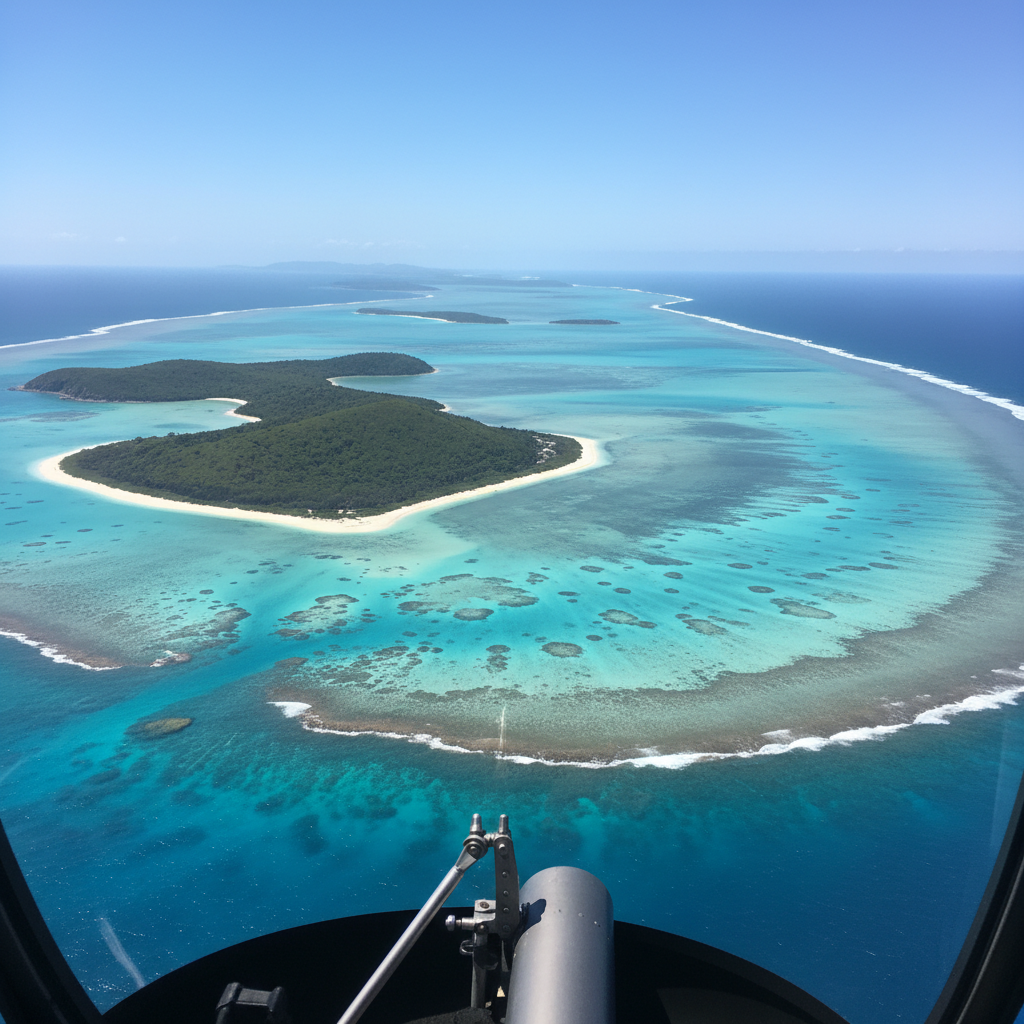
Nothing beats the thrill of soaring above the Whitsundays' turquoise waters and pristine islands, but choosing between a helicopter and seaplane can be tricky. Both offer spectacular aerial perspectives of Whitehaven Beach's swirling sands and Heart Reef's iconic shape, yet each delivers a distinctly different experience. Your choice depends on what matters most: the adrenaline rush of helicopter flight, the nostalgic charm of seaplane travel, your budget, and whether you want to land on water or remote beaches.
What's the main difference between helicopter and seaplane tours?
Helicopters provide 360-degree panoramic views through glass bubbles and can hover over specific locations, while seaplanes offer a classic aviation experience with water landings and smoother flight characteristics over longer distances.
The fundamental difference lies in how each aircraft operates. Helicopters use rotating blades to achieve vertical takeoff and can hover motionless above spectacular locations like Hill Inlet Lookout or Heart Reef, allowing photographers unlimited time to capture the perfect shot. The glass-bubble cockpits in most tourist helicopters provide unobstructed views in every direction.
Seaplanes, typically Cessna floatplanes in the Whitsundays, operate more like traditional aircraft but with the unique ability to land on water. They offer a gentler, more nostalgic flying experience reminiscent of early aviation adventures. The wing-mounted configuration means views are primarily through side windows, but the experience feels more like a journey than a sightseeing hover.
Flight characteristics differ significantly too. Helicopter flights tend to be more dynamic, with sharp turns, sudden altitude changes, and the ability to follow coastlines closely. Seaplane flights follow smoother flight paths at higher altitudes, providing broader landscape perspectives rather than intimate close-ups.
Which offers better views of Whitehaven Beach and Hill Inlet?
Helicopters provide superior views due to their ability to hover directly overhead and fly at lower altitudes, offering intimate perspectives of Hill Inlet's swirling sands and multiple angles of Whitehaven Beach's seven-kilometre coastline.
For Whitehaven Beach specifically, helicopters dominate the viewing experience. They can descend to just a few hundred feet above the beach, allowing passengers to see individual tourists on the sand and appreciate the incredible contrast between the 98.9% pure silica sand and the surrounding vegetation. The ability to hover means pilots can position the aircraft for optimal photography angles.
Hill Inlet, where Whitehaven Beach's northern end creates those famous swirling patterns, is best experienced by helicopter. Pilots can circle the inlet multiple times, hover at different altitudes, and ensure every passenger gets window shots. The ever-changing tide patterns create different swirl formations throughout the day, and helicopters can adapt their flight path to showcase the current conditions.
Seaplanes view these locations from higher altitudes during flyovers, providing broader landscape context but less intimate detail. However, this elevated perspective can be stunning for understanding the scale of Whitsunday Island and seeing how Whitehaven Beach fits into the broader island geography.
How do flight durations and coverage areas compare?
Helicopter tours typically range from 15-60 minutes with focused coverage, while seaplane tours often run 30-75 minutes covering larger distances including outer reef locations and multiple island groups efficiently.
Most helicopter tours from Airlie Beach offer three main durations: 15-minute Whitehaven Beach flybys ($199-$249 per person), 30-minute island tours covering multiple beaches ($349-$449), and 60-minute extended tours reaching Heart Reef ($649-$899). The shorter helicopter range means tours focus intensively on the inner Whitsunday islands.
Seaplane tours generally start at 30 minutes ($399-$499) and commonly extend to 60-75 minutes ($699-$999), covering significantly more territory. A single seaplane tour can include Whitehaven Beach, Hamilton Island, Hayman Island, and even reach the outer reef locations like Heart Reef and Hook Reef, which are 60 kilometres offshore.
The key difference is geographic coverage. Helicopters excel at detailed exploration of specific locations, spending more time circling and hovering around fewer sites. Seaplanes function more as scenic transport, efficiently covering large distances and providing overview perspectives of multiple island groups during a single flight.
For comprehensive scenic flights covering the entire Whitsundays region, seaplanes offer better value for distance covered, while helicopters provide more intimate experiences at fewer locations.
What are the landing options for each aircraft type?
Helicopters can land on beaches, helipads, and designated clearings including Whitehaven Beach itself, while seaplanes land exclusively on water at locations like Chalkie's Beach, Hamilton Island Marina, or sheltered bays.
Helicopter landing capabilities open unique opportunities. Some premium tours include beach landings directly on Whitehaven Beach's northern end, allowing 1-2 hours of ground time for swimming, walking, and photography. Beach landings typically occur at the Hill Inlet end where helicopter access doesn't disturb the main beach area used by boat tours.
Other helicopter landing options include Hamilton Island's helipad for resort transfers, private island helipads for day tours, and mainland locations like Conway National Park for bushwalking combinations. Some operators offer multi-stop tours landing at 2-3 different beaches during extended flights.
Seaplane water landings create different opportunities. Popular landing sites include Chalkie's Beach on Hook Island for snorkeling tours, sheltered bays for swimming and picnicking, and Hamilton Island Marina for resort connections. The romantic appeal of stepping from aircraft directly onto a floating pontoon or beach adds to the adventure factor.
Water landings allow seaplanes to access locations impossible for helicopters, particularly secluded bays with overhanging vegetation or beaches without suitable helicopter landing zones. However, water conditions must be suitable, with landings cancelled during rough weather or strong winds.
How do noise levels and flight smoothness differ?
Helicopters produce significant rotor noise requiring noise-canceling headphones, while seaplanes offer quieter cabin environments with normal conversation possible, plus smoother flights without the vibration characteristic of rotor aircraft.
Helicopter noise levels are substantial, with most aircraft generating 85-95 decibels during flight. All passengers receive noise-canceling headphones with intercom systems for pilot communication and passenger conversation. The constant rotor thrum and vibration are inherent to the experience, though modern aircraft minimize these factors through advanced engineering.
Seaplane cabins operate at significantly lower noise levels, typically 70-80 decibels, similar to commercial airlines. Normal conversation is possible without headphones, though most operators provide headsets for pilot commentary. The propeller-driven flight is smoother, without helicopter vibration, making it more comfortable for photography and extended tours.
Motion sensitivity varies between aircraft types. Helicopter movements can be sudden and dynamic, with rapid altitude changes and sharp turns that may affect passengers prone to motion sickness. Seaplanes follow gentler flight paths with gradual climbs and turns, similar to commercial flights but with more scenic routing.
The flight experience atmosphere differs markedly. Helicopter tours feel more intense and adventurous, while seaplane flights are more relaxed and conversational, allowing passengers to interact naturally throughout the journey.
What's the price difference between helicopter and seaplane tours?
Helicopter tours generally cost $199-$899 depending on duration, while seaplane tours range $399-$1,299, making helicopters more budget-friendly for short scenic flights but seaplanes offering better value for extended touring.
Entry-level helicopter tours start around $199 for 15-minute Whitehaven Beach flybys, making them the most accessible aerial option. Mid-range 30-minute tours cost $349-$449, while premium 60-minute tours with beach landings reach $649-$899 per person.
Seaplane tours have higher minimum prices, typically starting at $399 for 30-minute flights, reflecting the higher operating costs of larger aircraft and longer flight times. Extended 60-minute tours cost $699-$999, while full-day tours with multiple landings can reach $1,299 per person.
The price differential reflects different value propositions. Helicopter tours offer intensive experiences focused on specific highlights, while seaplane tours provide comprehensive regional coverage with unique water-landing experiences. For couples or families wanting a taste of aerial sightseeing, helicopters offer more budget-friendly options.
Group booking discounts and seasonal variations affect both aircraft types. Peak season (July-September) commands premium pricing, while shoulder seasons offer significant savings. Many operators provide package deals combining flights with accommodation or other activities.
Which aircraft handles weather conditions better?
Seaplanes generally handle adverse weather better due to their fixed-wing stability and higher operating ceilings, while helicopters are more affected by wind conditions and have stricter weather minimums for safe operation.
Weather sensitivity varies significantly between aircraft types. Helicopters typically require calm conditions with winds below 25 knots for passenger tours. Strong winds, particularly crosswinds during takeoff and landing, can ground helicopter operations even when conditions appear suitable to passengers.
Seaplanes operate safely in higher wind conditions, typically up to 35-40 knots, due to their fixed-wing design and higher weight. However, water landing conditions become critical factors, with rough seas or strong harbour winds preventing safe water operations even when flight conditions are acceptable.
Rain and visibility restrictions affect both aircraft types similarly, with tours cancelled when cloud cover drops below safe minimums or rainfall reduces visibility. However, seaplanes can often climb above lower cloud layers that would restrict helicopter operations, potentially salvaging tours during marginal conditions.
Seasonal weather patterns in the Whitsundays favor different aircraft during various periods. The dry season (April-November) provides excellent conditions for both, while wet season weather (December-March) may favor seaplanes during periods of gusty winds but clear skies.
What's the passenger capacity and group accommodation like?
Most helicopters accommodate 3-6 passengers in intimate settings with guaranteed window seats, while seaplanes typically carry 6-8 passengers with some middle seats, making helicopters better for small groups wanting premium experiences.
Helicopter configurations vary by aircraft type. Robinson R44 helicopters carry 3 passengers plus pilot, while larger aircraft like the Bell 407 accommodate up to 6 passengers. Every seat is a window seat with excellent visibility, making helicopters ideal for couples or small families wanting intimate experiences.
Seaplanes, typically Cessna 206 or similar aircraft, accommodate 5-6 passengers plus pilot, though some larger aircraft carry up to 8 passengers. Window seat availability depends on passenger configuration, with some seats offering limited views due to wing placement or aircraft structure.
Group dynamics differ significantly between aircraft types. Helicopter tours feel more exclusive and intimate, with easy conversation between passengers and personalized pilot attention. Seaplane tours accommodate larger groups but may feel less personal, particularly in bigger aircraft.
For special occasions like proposals, anniversaries, or small celebrations, helicopters offer more romantic and private experiences. Seaplanes work better for larger family groups or friends wanting to share the experience together.
Which provides better photography opportunities?
Helicopters offer superior photography conditions with bubble windows, hovering capability for steady shots, and low-altitude access, while seaplanes provide unique perspectives but with window restrictions and constant motion affecting image quality.
Photography advantages heavily favor helicopters. The glass-bubble design eliminates window reflections and allows cameras to point in any direction. Pilots can hover motionless over photogenic locations, providing stable platforms for both amateur photographers and professional shoots.
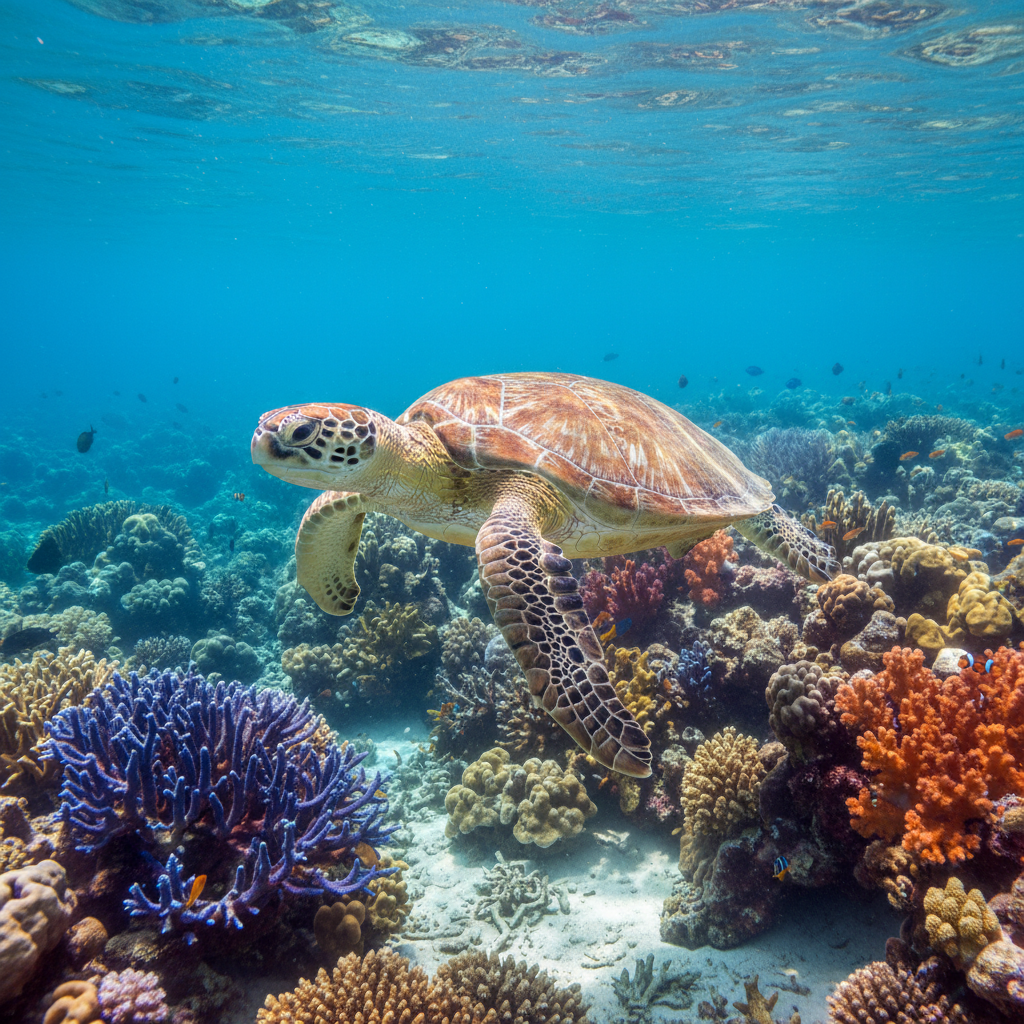
The ability to fly at very low altitudes means helicopter photos capture incredible detail. Shots of Whitehaven Beach can include individual people on the sand, detailed coral formations in shallow water, and intimate perspectives of island vegetation. The 360-degree visibility ensures every passenger gets optimal photo opportunities regardless of seating position.
Seaplane photography faces several challenges. Windows may reflect sunlight or create distortions, and wing placement can obstruct views from certain seats. However, the higher altitude perspective provides dramatic landscape shots showing the relationship between islands, reefs, and ocean that ground-level perspectives cannot match.
For social media content and personal memories, helicopters produce more dramatic and shareable images. For professional landscape photography or broader documentation purposes, seaplanes offer unique perspectives that helicopters cannot achieve.
Camera equipment considerations also differ. Helicopter vibration can affect telephoto lenses, while seaplane stability allows for longer exposures and more detailed shots of distant subjects.
How do departure locations and scheduling flexibility compare?
Both aircraft typically depart from Airlie Beach locations with helicopter tours offering more frequent departures throughout the day, while seaplane tours often have fixed schedules with 2-3 daily departure times requiring advance booking.
Most helicopter tours depart from Airlie Beach Airport or nearby helipads, with some operators offering multiple daily departures from early morning until late afternoon. The shorter flight times allow for flexible scheduling, with tours often available with just hours of advance notice, particularly during peak seasons.
Seaplane operations typically use Airlie Beach Airport or Hamilton Island seaplane base, with more structured scheduling due to longer tour durations and aircraft positioning requirements. Most operators offer 2-3 fixed departure times daily, requiring advance booking particularly during busy periods.
Weather-related scheduling flexibility favors helicopters due to shorter tour commitments. If morning weather is marginal, helicopter tours can easily reschedule to afternoon slots. Seaplane tours, with their longer durations, have fewer alternative time slots available for weather-related rescheduling.
For travelers with tight itineraries, helicopter tours offer more scheduling flexibility and higher chances of securing last-minute bookings. Seaplane tours require more advance planning but often provide more comprehensive experiences justifying the scheduling constraints.
To experience the best scenic flights the Whitsundays has to offer, whether by helicopter or seaplane, early booking ensures optimal departure times and better aircraft selection.
Which experience suits different types of travelers better?
Helicopters suit thrill-seekers, photographers, couples wanting intimate experiences, and budget-conscious travelers seeking aerial highlights, while seaplanes appeal to comfort-focused travelers, larger groups, aviation enthusiasts, and those wanting comprehensive regional tours.
Adventure-seeking travelers typically prefer helicopter experiences for their dynamic flight characteristics, dramatic takeoffs, and ability to access remote locations. The glass-bubble intimacy and hovering capabilities create more intense, memorable experiences perfect for adrenaline junkies and social media content creators.
Comfort-focused travelers often gravitate toward seaplanes for their smoother flights, quieter cabins, and gentler flight characteristics. Older passengers or those concerned about motion sensitivity find seaplane tours more comfortable and less overwhelming than helicopter alternatives.
Photography enthusiasts face a choice between helicopter accessibility and seaplane perspectives. Serious photographers often choose helicopters for technical advantages, while casual photographers may prefer seaplane tours for unique water-landing shots and broader landscape compositions.
Budget considerations significantly influence choice. Travelers wanting to experience aerial sightseeing without major expense often choose shorter helicopter tours, while those treating flights as major vacation highlights invest in comprehensive seaplane experiences.
Group dynamics also matter. Couples and small families often prefer helicopter intimacy, while larger friend groups or extended families choose seaplanes for shared experiences and better group accommodation.
For those specifically interested in seaplane tours from Airlie Beach, the unique water-landing experience and comprehensive regional coverage justify the higher investment and advance planning requirements.
Ready to choose your perfect aerial adventure? Whether you're drawn to the intimate thrills of helicopter flight or the classic elegance of seaplane touring, Airlie to Whitehaven helps you find and book the ideal scenic flight experience. Compare operators, check real-time availability, and secure your spot above the world's most beautiful islands through our comprehensive booking platform designed specifically for Whitsundays travelers.