There's something absolutely magical about taking off from the water and soaring above the Whitsundays in a seaplane. Unlike helicopters or fixed-wing aircraft, seaplanes offer the unique combination of scenic flight and water landing, giving you access to secluded spots that other aircraft simply can't reach. From Airlie Beach, seaplane tours provide an unforgettable perspective of the 74 islands, pristine coral reefs, and that world-famous stretch of silica sand at Whitehaven Beach.
What makes seaplane tours different from other scenic flights?
Seaplanes can land directly on water, allowing beach landings at remote locations like Whitehaven Beach where helicopters cannot land due to strict regulations. This unique capability transforms your scenic flight into an exclusive beach experience with unmatched access to pristine wilderness areas.
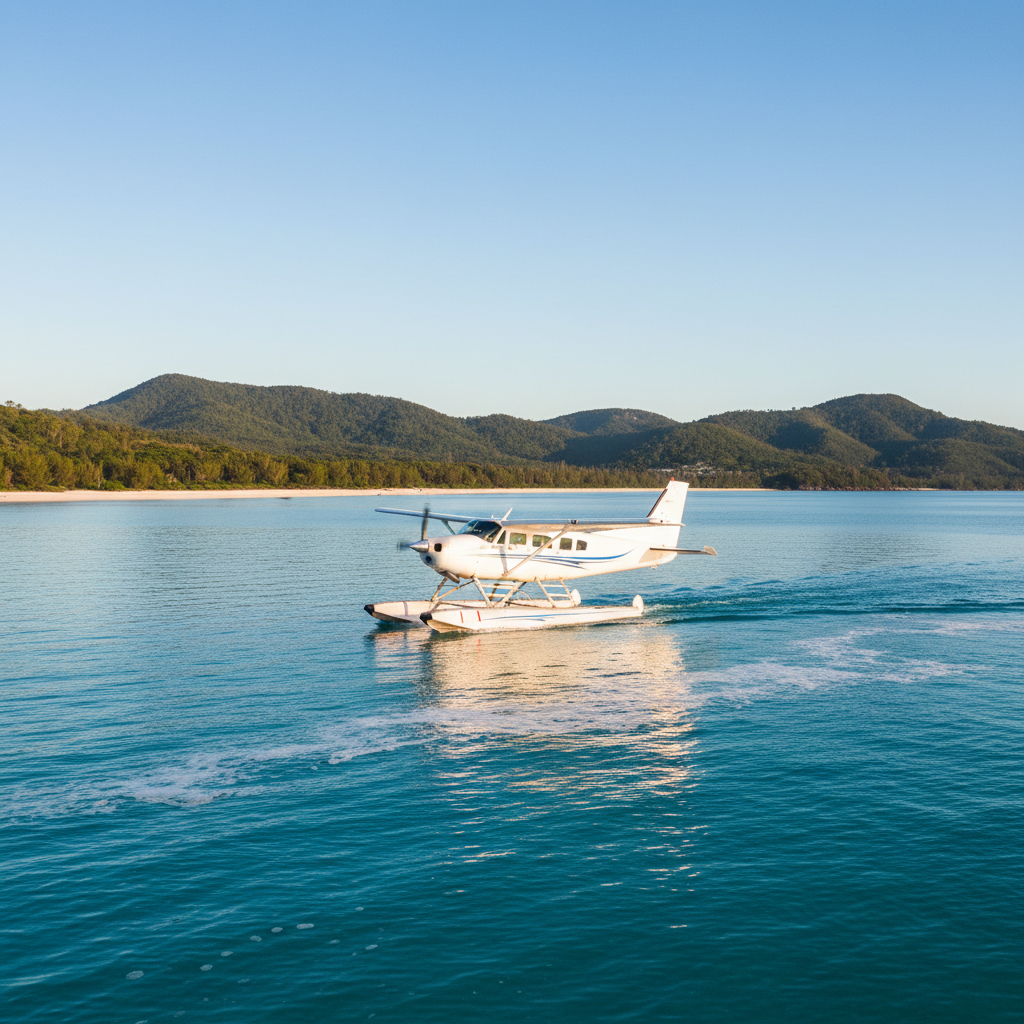
The fundamental difference lies in the aircraft's design. Seaplanes are equipped with floats instead of wheels, enabling them to take off and land on water surfaces. This means your tour becomes a multi-dimensional experience – you're not just observing the Whitsundays from above, but actually touching down in secluded bays and beaches that remain inaccessible to most visitors.
The flight experience itself differs significantly from helicopters. Seaplanes typically fly at lower altitudes (around 500-1000 feet) compared to fixed-wing aircraft, providing intimate views of marine life, coral formations, and beach details. The water takeoff creates a smooth, almost boat-like sensation before transitioning into flight, offering a gentler experience than helicopter departures.
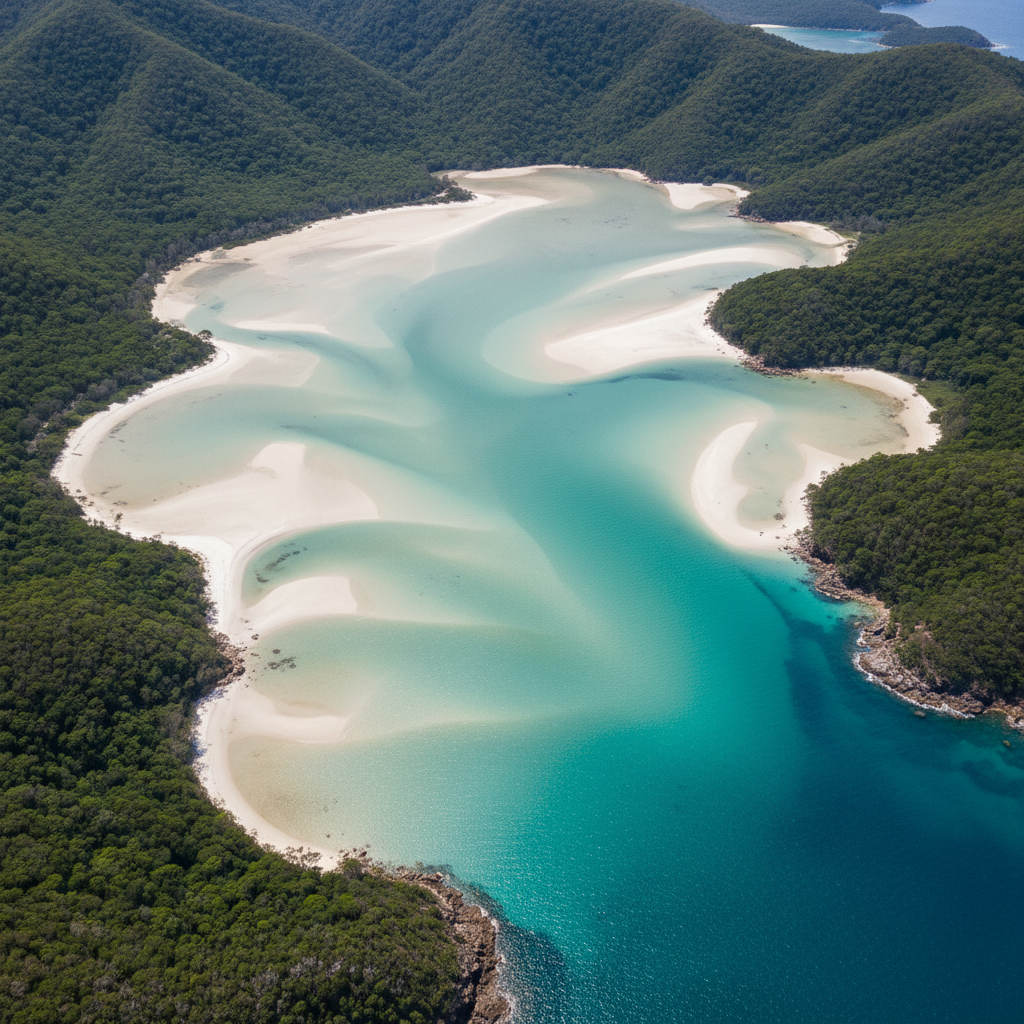
Most importantly, seaplanes can land at Whitehaven Beach's northern end, where the famous Hill Inlet swirls create the most photographed vista in the Whitsundays. Helicopter regulations prohibit landings on Whitehaven Beach itself, making seaplanes the only aircraft that can deliver this exclusive beach access combined with aerial perspectives.
Which seaplane operators fly from Airlie Beach?
Air Whitsunday operates the primary seaplane services from Airlie Beach, using DHC-2 Beaver aircraft with panoramic windows. GSL Aviation also provides seaplane charters from nearby locations, offering customizable itineraries for private groups seeking exclusive Whitsundays experiences.
Air Whitsunday remains the most established seaplane operator in the region, operating from their base at Airlie Beach waterfront. Their fleet consists of restored DHC-2 Beaver seaplanes, each accommodating up to six passengers plus pilot. These aircraft feature large panoramic windows designed specifically for sightseeing, ensuring every seat offers unobstructed views.
The company operates daily scheduled services, weather permitting, with experienced pilots who provide detailed commentary about the islands, marine life, and geological formations below. Their pilots average over 5,000 flight hours in the Whitsundays region, bringing extensive local knowledge to enhance your flight experience.
GSL Aviation offers charter seaplane services from Hamilton Island and occasionally from Airlie Beach, focusing on private group experiences. Their services cater to special occasions, photography tours, and customized itineraries that can include multiple landings across different islands.
Both operators maintain strict safety standards, with aircraft undergoing daily inspections and pilots holding commercial seaplane endorsements. The seaplanes are equipped with modern avionics, life jackets for all passengers, and emergency beacon systems for additional safety assurance.
How much do seaplane tours cost from Airlie Beach?
Seaplane tours from Airlie Beach typically range from $399-$899 per person for scenic flights, while full-day experiences with beach landings cost $899-$1,499 per person. Private charter rates start around $3,500 for up to six passengers, making group bookings cost-effective for families.
The most popular option is the Whitehaven Beach and Hill Inlet tour, priced around $699-$799 per person. This includes a 45-minute scenic flight, two hours on Whitehaven Beach, and return flight via a different route to maximize sightseeing opportunities. The tour operates with minimum two passengers and maximum six per aircraft.
Reef and island scenic flights without landings cost $399-$499 per person for 30-45 minute flights. These tours focus purely on aerial sightseeing, covering the outer reef, Heart Reef, and multiple islands in a comprehensive overview of the Whitsundays region.
Full-day luxury packages combining reef landings, island visits, and gourmet meals range from $1,299-$1,499 per person. These premium experiences often include champagne service, professional photography, and access to exclusive locations not available on standard tours.
Private charter costs vary significantly based on itinerary complexity and duration. A basic 2-hour private charter for six passengers costs approximately $3,500, while full-day custom itineraries can reach $8,000-$12,000 depending on landing fees, catering, and special requirements.
Where do seaplanes take off and land in the Whitsundays?
Seaplanes depart from Airlie Beach waterfront, landing at Whitehaven Beach northern end, various island resorts, reef pontoons, and secluded bays. Popular landing sites include Hill Inlet lagoon, Catseye Beach on Hamilton Island, and pristine coral gardens near Hook Island.
The primary departure point is Airlie Beach waterfront, specifically from the designated seaplane area adjacent to the main jetty. This location provides easy access for passengers staying in Airlie Beach, with parking available nearby and simple transfer arrangements from accommodation.
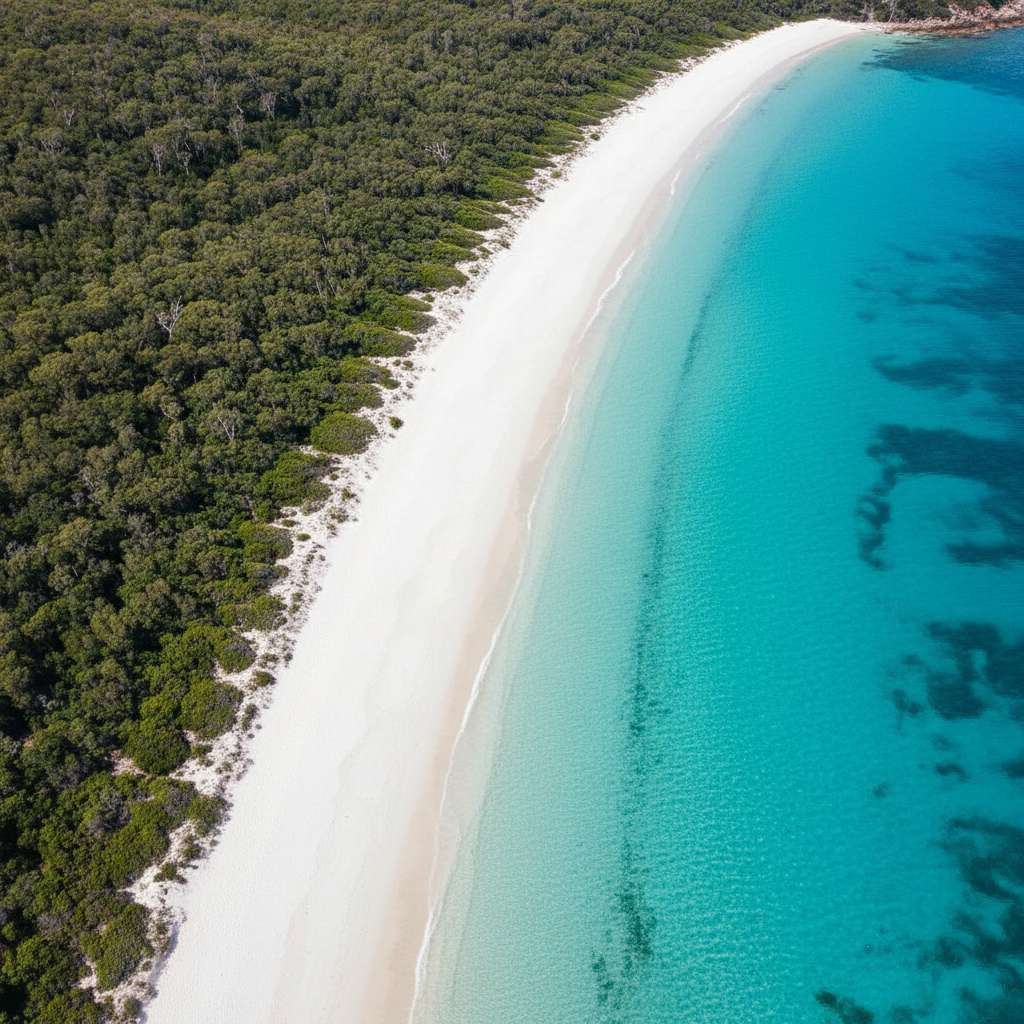
Whitehaven Beach's northern end serves as the most requested landing destination. The seaplane touches down in the sheltered waters near Hill Inlet, where passengers disembark onto pristine sand via small tender boats. This location offers immediate access to the famous Hill Inlet lookout and swirling sand patterns.
Island resort landings include Hamilton Island's Catseye Beach, where seaplanes can deliver guests directly to resort facilities. Daydream Island also accommodates seaplane landings for resort transfers or day visits, providing seamless integration with island accommodation experiences.
Reef landing sites vary depending on weather and tidal conditions. Popular locations include sheltered lagoons near Hook Island, coral viewing areas around Bait Reef, and secluded anchorages where passengers can snorkel directly from the aircraft.
Several uninhabited islands offer exclusive landing opportunities, including Langford Island's sandbar, Border Island's protected bay, and various beaches on Shaw Island. These locations provide complete privacy and untouched natural environments for photography and exploration.
What can you see during a seaplane flight over the Whitsundays?
Seaplane flights reveal Heart Reef, swirling sands of Hill Inlet, 74 tropical islands, coral gardens, marine life including whales and rays, and the contrast between deep blue ocean and turquoise lagoons from unique low-altitude perspectives with panoramic visibility.
The flight path typically covers Heart Reef, the naturally formed coral heart located on Hardy Reef approximately 80 kilometers from Airlie Beach. This iconic formation appears most clearly from 500-1000 feet altitude, making seaplanes ideal for Heart Reef photography. The surrounding reef systems display vibrant coral colors visible through crystal-clear water.
Hill Inlet's famous swirling sand patterns create constantly changing artwork visible only from above. The tidal movements shift these patterns daily, ensuring unique photographic opportunities on every flight. The contrast between pure white silica sand and varying shades of blue water creates the Whitsundays' most photographed landscape.
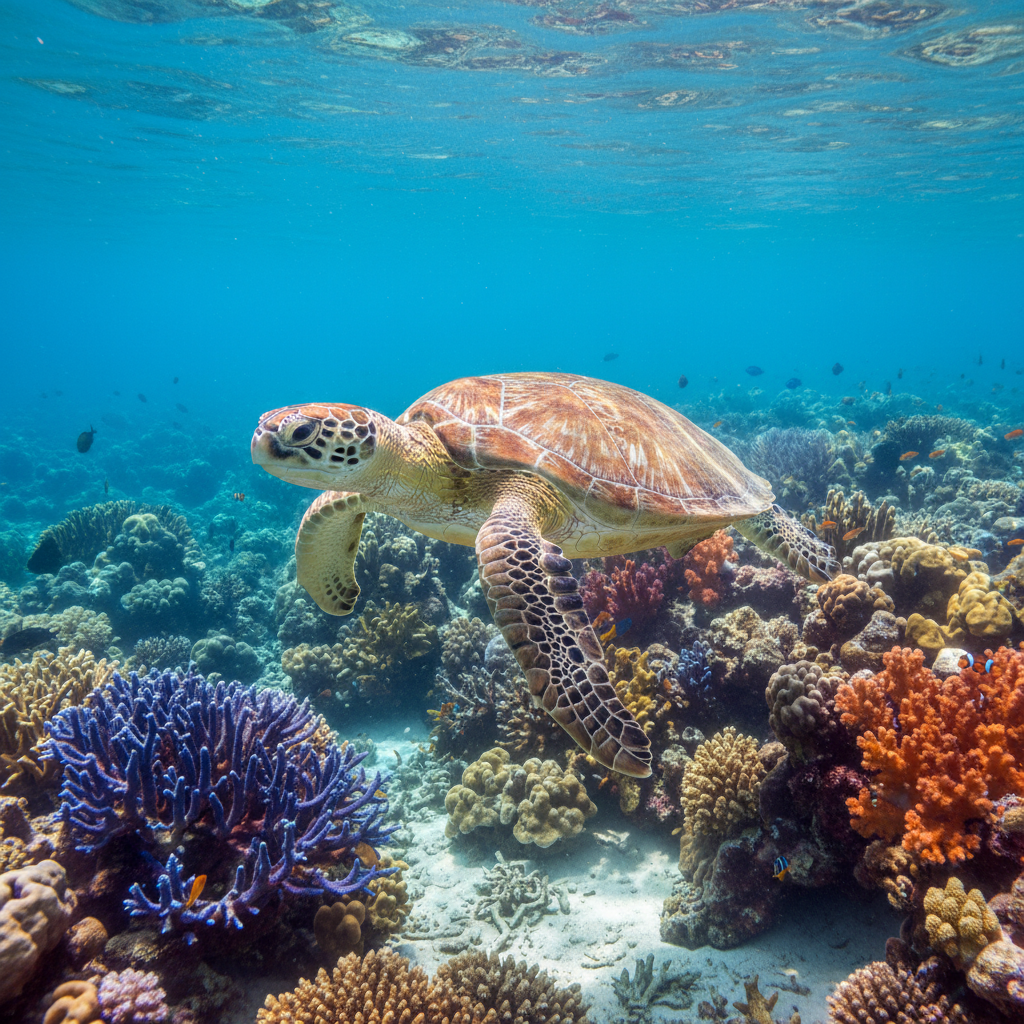
Marine life sightings vary seasonally but commonly include manta rays, reef sharks, sea turtles, and during whale season (June-September), humpback whales. The seaplane's lower altitude and slower speed compared to fixed-wing aircraft increase wildlife spotting opportunities, particularly in shallow reef areas.
The 74 islands display remarkable diversity from above – from uninhabited national park islands covered in native hoop pines to developed resort islands with manicured beaches and facilities. Each island reveals unique geographical features including hidden lagoons, rocky outcrops, and pristine beaches accessible only by boat.
Weather patterns become visible during flight, with cloud formations, wind patterns affecting water color, and the clear delineation between shallow reef areas and deep ocean trenches. Pilots often adjust flight paths to showcase optimal lighting conditions and weather phenomena unique to the region.
When is the best time to book a seaplane tour?
The optimal period for seaplane tours is April through November during dry season, offering clear skies, calm waters, and excellent visibility. Early morning departures provide the smoothest water conditions and best lighting for photography, while avoiding afternoon wind patterns.
Weather conditions significantly impact seaplane operations more than other aircraft types. Seaplanes require calm water for safe takeoffs and landings, making wind conditions the primary operational factor. The dry season (April-November) provides consistently calmer weather patterns, reducing tour cancellations and ensuring optimal flight experiences.
Morning departures (8:00-10:00 AM) offer several advantages including glassy water conditions, optimal lighting angles for photography, and typically calmer wind patterns. Afternoon flights may encounter increased wind and choppier water, though they often provide different lighting conditions that enhance coral visibility.
During stinger season (November-May), marine stinger risk doesn't affect seaplane operations as passengers remain primarily airborne. However, increased rainfall and wind patterns during these months can impact flight schedules and visibility conditions.
Whale watching season (June-September) adds significant value to seaplane tours, as humpback whales migrate through Whitsunday waters. The aerial perspective provides excellent whale spotting opportunities, particularly during August when whale numbers peak.
Booking 2-3 days in advance allows flexibility for weather-related rescheduling. Same-day bookings are often available during peak season, but advance booking ensures preferred departure times and better group pricing options.
Are there any restrictions or requirements for seaplane passengers?
Seaplane passengers must weigh under 120kg per person, provide accurate weights for aircraft balance calculations, and cannot bring large bags. Age restrictions typically require children over 4 years, and pregnant passengers need medical clearance after 28 weeks of pregnancy.
Weight restrictions are strictly enforced for aircraft safety and performance. Each passenger must provide accurate weight information during booking, as this affects aircraft balance calculations and fuel requirements. Passengers exceeding 120kg may require two seats or alternative tour arrangements.
Baggage limitations restrict passengers to small personal items only. Large cameras, diving equipment, and oversized bags cannot be accommodated due to limited cabin space. Most operators provide waterproof bags for small cameras and personal belongings during water landings.
Children under 4 years are generally prohibited due to safety equipment sizing and communication requirements during emergency procedures. Children 4-12 years require adult supervision and may need assistance with safety equipment including life jackets and communication headsets.
Pregnancy restrictions vary by operator but typically require medical clearance for passengers beyond 28 weeks. The multiple takeoffs, landings, and potential for turbulence require additional consideration for pregnant passengers' comfort and safety.
Medical conditions including severe motion sickness, claustrophobia, or mobility restrictions may affect seaplane suitability. Passengers should inform operators of relevant medical conditions during booking to ensure appropriate safety preparations and aircraft configuration.
How does the seaplane experience compare to helicopter tours?
Seaplanes offer water landings and beach access that helicopters cannot provide, while helicopters offer more hover capability and diverse landing sites. Seaplanes provide smoother, quieter flights with larger windows, whereas helicopters offer more agile maneuvering and closer proximity to cliff faces and waterfalls.
The most significant difference lies in landing capabilities. Seaplanes can land directly on Whitehaven Beach and in sheltered lagoons where helicopters face strict environmental restrictions. This gives seaplane passengers exclusive access to pristine beach locations for swimming, walking, and photography without time pressure from hovering aircraft.
Flight characteristics differ substantially between aircraft types. Seaplanes provide a gentler, more stable flight experience with less vibration and noise compared to helicopters. The fixed-wing design offers superior forward visibility through larger panoramic windows, making them ideal for scenic photography and comfortable for passengers prone to motion sickness.
Helicopters excel in maneuverability, allowing hover capability above specific points of interest and closer approach to cliff faces, waterfalls, and tight island formations. This makes helicopters better suited for detailed exploration of individual islands and geological features.
For comprehensive coverage of the Whitsundays, many visitors find seaplanes provide better overall value by combining scenic flight with exclusive beach access. The ability to swim at Whitehaven Beach directly from your aircraft creates a more immersive experience than helicopter tours that require separate boat transfers.
Cost comparisons generally favor seaplanes for full-day experiences when beach access is included. While basic scenic helicopter flights may cost less, equivalent helicopter experiences requiring boat transfers to reach beaches often exceed seaplane pricing. Consider exploring our comprehensive guide to scenic flights in the Whitsundays to compare all aerial tour options.
What should you bring on a seaplane tour?
Essential items include reef-safe sunscreen, hat, sunglasses, swimwear, towel, waterproof camera housing, and minimal personal belongings. Operators typically provide life jackets, snorkeling equipment, and refreshments, while restricting luggage to small day packs due to limited aircraft storage.
Sun protection becomes critical during seaplane tours due to extended exposure above water and on beaches. Reef-safe sunscreen protects both passengers and marine environments, while wide-brimmed hats and quality sunglasses reduce glare from water surfaces during flight and beach time.
Swimwear and quick-dry clothing maximize comfort during beach landings and potential swimming opportunities. A compact, quick-dry towel proves essential for post-swim comfort and can serve multiple purposes during the tour.
Camera equipment requires waterproof protection for beach landings and potential water activities. Many passengers invest in waterproof camera housings or underwater cameras to capture both aerial and underwater perspectives during their experience.
Personal medications, particularly motion sickness remedies, should be easily accessible during flight. Some passengers benefit from anti-nausea medication taken 30-60 minutes before departure, especially for longer tours or rough weather conditions.
Operators typically provide safety equipment including life jackets, snorkeling gear where applicable, and refreshments during longer tours. Confirming inclusions during booking prevents over-packing and ensures you're prepared for your specific tour itinerary.
Ready to experience the Whitsundays from a completely unique perspective? Seaplane tours offer unmatched access to the region's most spectacular locations, combining the thrill of flight with exclusive beach landings that create memories lasting a lifetime. Whether you're seeking the perfect aerial photography opportunity, exclusive access to Whitehaven Beach, or simply want to experience the magic of water takeoffs and landings, seaplane tours deliver an adventure unlike any other. Book your seaplane experience through Airlie to Whitehaven and discover why this unique form of aerial exploration represents the ultimate way to experience the natural wonder of the Whitsunday Islands.