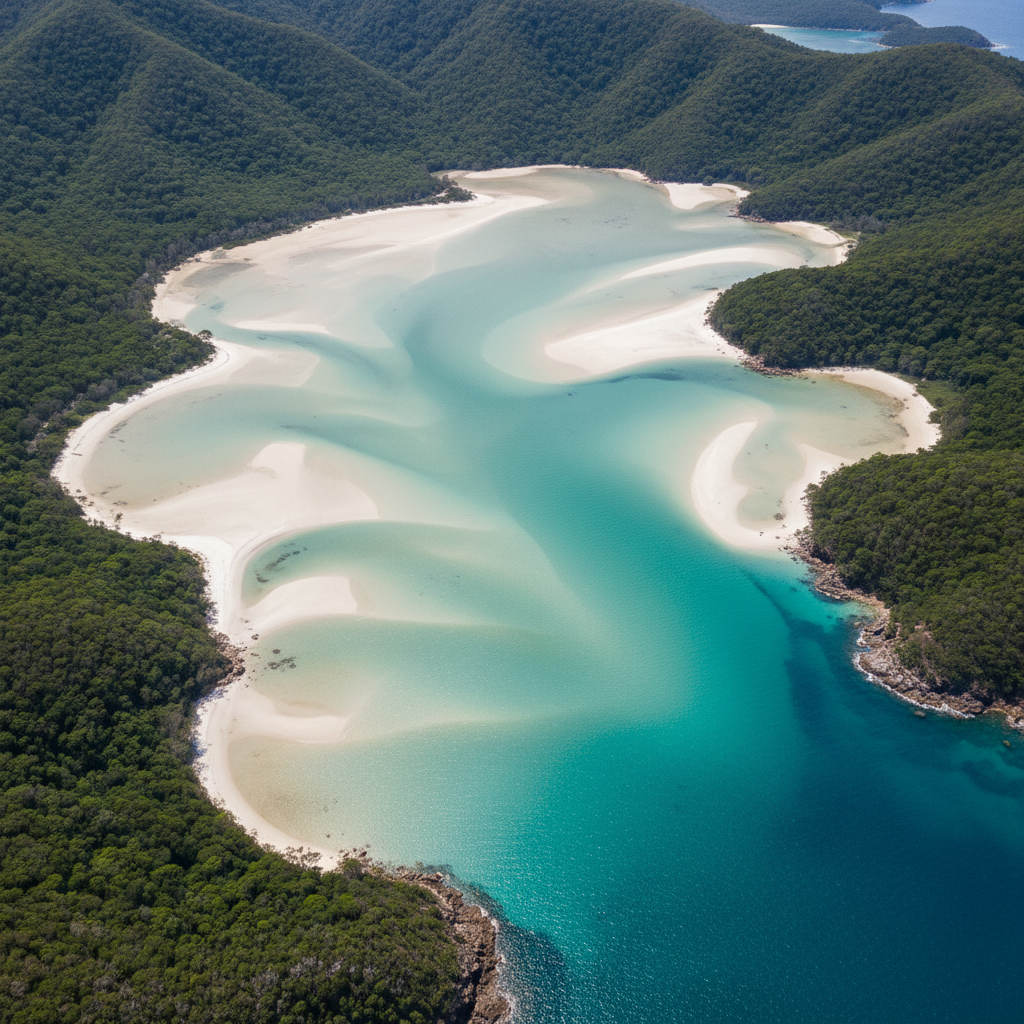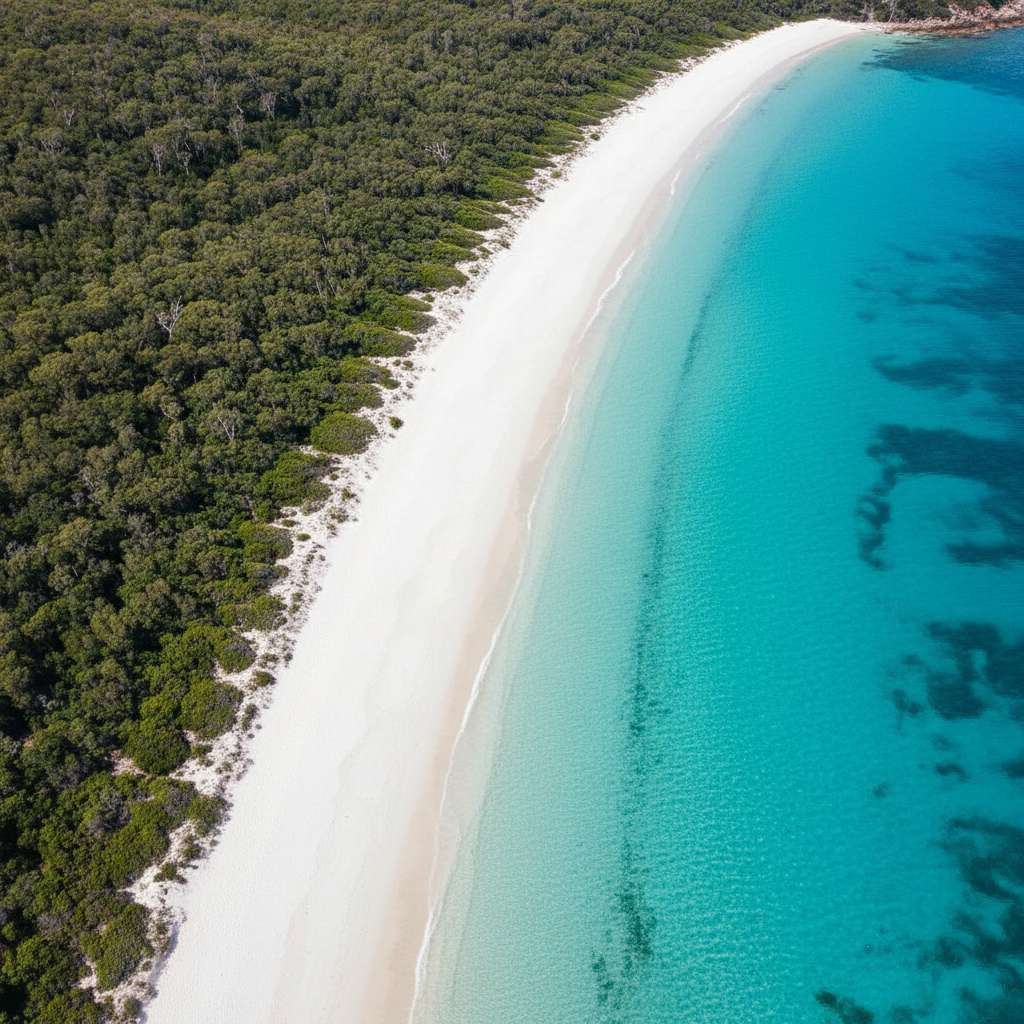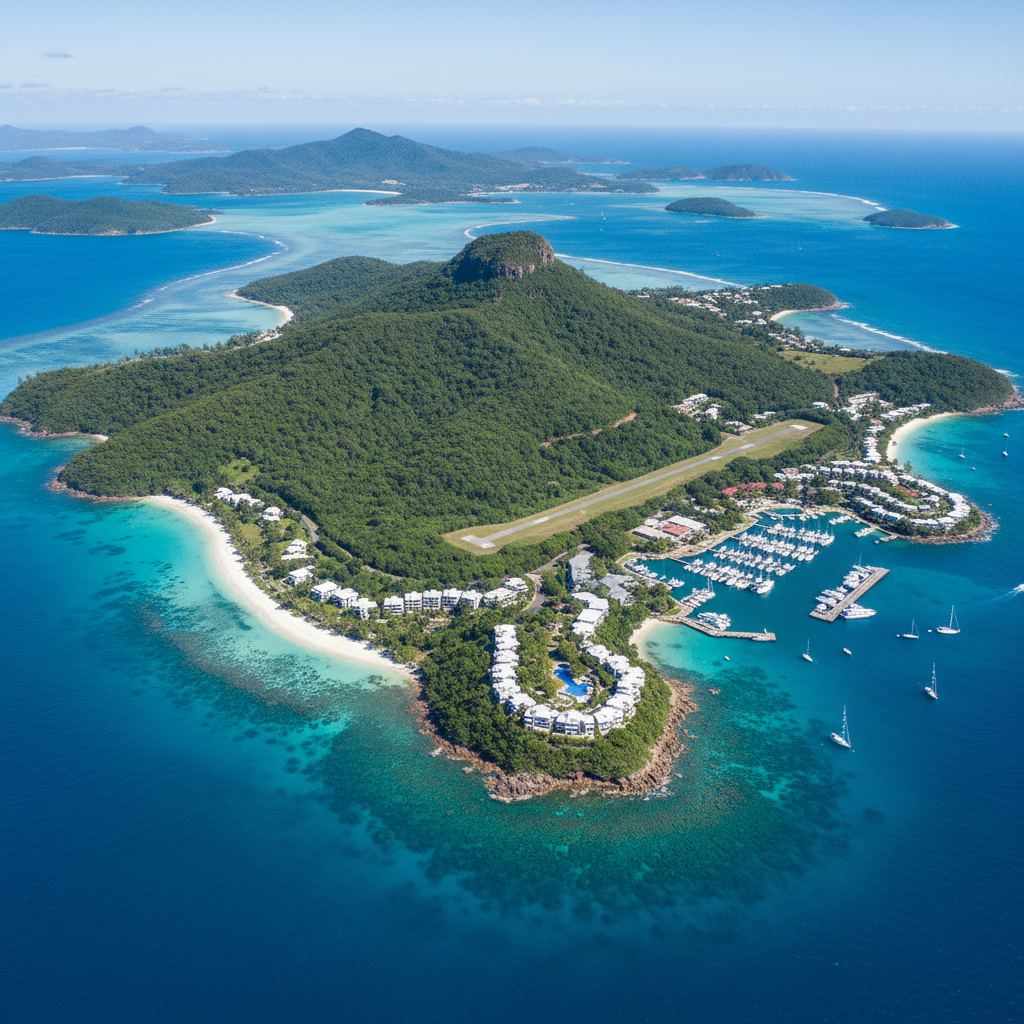
The Great Barrier Reef stretches right to Hamilton Island's doorstep, making it one of Australia's most accessible reef experiences. Unlike mainland departures that require 2-3 hour boat journeys, Hamilton Island's reef cruises reach pristine outer reef locations in just 90 minutes, delivering you to permanent pontoons where you can snorkel, dive, and explore one of the world's seven natural wonders without the lengthy travel time.
What exactly is included on a Hamilton Island reef cruise and pontoon experience?
Hamilton Island reef cruises include return boat transfers, full buffet lunch, snorkelling gear, stinger suits, reef presentations, semi-submersible tours, and underwater observatory access. Most operators also provide complimentary wetsuit hire and basic snorkelling instruction for beginners.
The comprehensive package typically covers your entire day from departure to return. Morning tea and afternoon tea are standard inclusions, along with unlimited use of snorkelling equipment. Professional marine biologists conduct reef talks and guided snorkel tours, explaining the coral ecosystem and identifying marine life species. The pontoon facilities include freshwater showers, change rooms, and sun-protected deck areas.
Additional experiences like introductory scuba diving, scenic helicopter flights, and certified diving expeditions are available for extra fees, typically ranging from $89 for intro dives to $200+ for certified diving packages. The pontoon's underwater viewing chamber provides reef access for non-swimmers, featuring 360-degree windows showcasing the reef's underwater landscape.
How much do Hamilton Island reef cruises cost and what affects the pricing?
Hamilton Island reef cruise prices range from $219-$289 per adult for full-day pontoon experiences. Pricing varies by operator, seasonal demand, inclusions, and specific reef destinations. Children typically pay 50-70% of adult fares.
Cruise + Fly packages, combining reef cruises with scenic helicopter flights, cost $389-$450 per adult. Premium operators like Cruise Whitsundays charge higher rates but include more comprehensive facilities and services. Reef Magic and similar operators offer competitive pricing with slightly fewer inclusions.
Seasonal pricing peaks during Australian school holidays (December-January, Easter, and July) when adult fares can increase by $30-50. Budget-conscious travellers find better value during shoulder seasons (February-March, May-June) when operators offer early-bird discounts and package deals. Family packages typically include 2 adults + 2 children for around $650-750.
Which reef locations do Hamilton Island cruises visit and how do they differ?
Hamilton Island reef cruises primarily visit Hardy Reef's permanent pontoons, located 90 minutes northeast of the island. Hardy Reef offers excellent coral coverage, diverse marine life, and calm protected waters ideal for snorkelling and diving activities.
Hardy Reef features two main pontoon locations: the original Reefworld platform and newer ReefSuite facilities. Hardy Reef's pontoon infrastructure includes multiple snorkelling platforms, diving areas, and underwater observatories. The reef system spans 15 square kilometres with coral gardens, bommies, and drop-offs reaching 30+ metres depth.
Alternative destinations include Knuckle Reef and Flynn Reef, though these are less frequently visited from Hamilton Island. Hardy Reef's protected lagoon location provides consistent snorkelling conditions regardless of weather, while outer reef sites can be affected by wind and swell conditions. The reef's biodiversity includes over 200 coral species and 1,500+ fish species.
What marine life can you expect to see on Hamilton Island reef cruises?
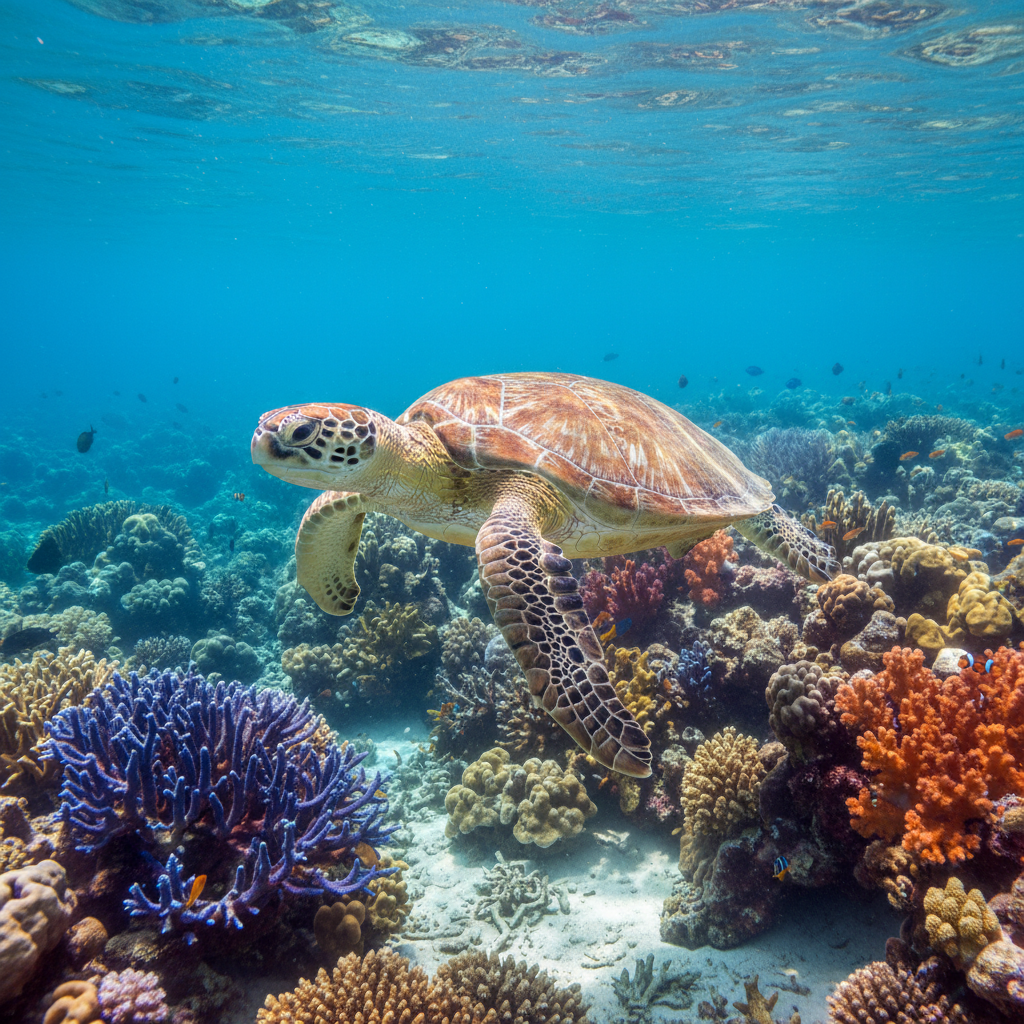
Hamilton Island reef cruises showcase over 1,500 fish species, 200+ coral varieties, sea turtles, reef sharks, rays, and seasonal marine life. Giant clams, Maori wrasse, parrotfish, and colourful coral gardens are virtually guaranteed sightings.
The reef ecosystem supports incredible biodiversity within snorkelling depths. Green and hawksbill turtles frequent the area year-round, with highest sighting probabilities during morning snorkel sessions. White-tip reef sharks patrol the deeper drop-offs, while stingrays glide across sandy patches between coral formations.
Seasonal highlights include dwarf minke whales (June-August), which occasionally approach the pontoons during their southern migration. Coral spawning occurs during November-December full moons, creating underwater snowstorms of coral eggs and sperm. Giant Triton shells, red bass, and Queensland grouper represent the reef's larger resident species, while micro-life includes nudibranchs, Christmas tree worms, and cleaning stations bustling with activity.
How suitable are Hamilton Island reef cruises for non-swimmers and beginners?
Hamilton Island reef cruises cater excellently to non-swimmers and beginners through underwater observatories, glass-bottom boat tours, semi-submersible vessels, and professional snorkelling instruction. Pontoon facilities include shallow snorkelling areas and flotation aids.
The permanent pontoons feature walk-in snorkelling areas where nervous swimmers can gradually build confidence. Professional guides provide one-on-one instruction, teaching mask clearing, breathing techniques, and flotation skills. Life jackets and pool noodles ensure safety for weak swimmers or children.
Non-swimmers enjoy comprehensive reef access through the underwater observatory's panoramic windows and semi-submersible tours that showcase the reef without getting wet. Glass-bottom boat excursions provide surface-level viewing of coral gardens and marine life. The pontoon's sun decks offer comfortable viewing areas for those preferring to stay dry while still experiencing the reef environment.
What's the difference between Hamilton Island reef cruises and tours from Airlie Beach?
Hamilton Island reef cruises offer shorter travel times (90 minutes vs 2+ hours), premium facilities, and direct access to outer reef locations. However, Airlie Beach tours provide more variety, competitive pricing, and combined Whitsunday Islands experiences.
The key advantage of Hamilton Island departures is convenience - you're already positioned closer to the reef, reducing travel time and sea-sickness potential. The infrastructure on Hamilton Island supports higher-end operations with better facilities, dining options, and service standards. However, this premium positioning comes with higher prices, typically 20-30% more than equivalent mainland tours.
Great Barrier Reef tours from Hamilton Island focus purely on reef experiences, while Airlie Beach operators often combine reef visits with Whitsunday Islands touring. Airlie Beach provides more budget-friendly options and greater tour variety, including multi-day sailing adventures that incorporate reef visits alongside island exploration.
When is the best time to book Hamilton Island reef cruises for optimal conditions?
Optimal conditions for Hamilton Island reef cruises occur April-November during the dry season. Book morning departures during calm weather periods, avoiding stinger season (November-May) and peak tourist periods for best pricing and conditions.
Weather patterns significantly impact reef cruise experiences. Trade winds typically strengthen May-September, creating choppy conditions for boat transfers but excellent underwater visibility. Calm periods between weather systems offer perfect snorkelling conditions with 25+ metre visibility.
Stinger season (November-May) requires protective clothing, though tour operators provide stinger suits as standard equipment. Water temperatures range from 22°C (winter) to 29°C (summer), with wetsuits recommended during cooler months. Booking 48-72 hours in advance allows flexibility to choose optimal weather windows, as most operators offer free date changes for weather-related cancellations.
Early morning departures (8:00-8:30am) provide the calmest sea conditions and best marine life activity. Afternoon light enhances underwater photography, while morning light offers better visibility for spotting larger marine species.
How do you get to Hamilton Island for reef cruise departures?
Hamilton Island Airport receives direct flights from Sydney, Melbourne, Brisbane, and connecting services from other capitals. The resort shuttle connects the airport to Hamilton Island Marina where reef cruises depart within 10-15 minutes.
Jetstar, Virgin Australia, and Qantas operate regular services to Hamilton Island Airport (HTI), with flight times of 1.5-2.5 hours from major capitals. Airport shuttles run every 15-20 minutes to Hamilton Island Resort areas, costing around $8 per person. Taxi services are available but expensive given the island's premium positioning.
Alternative access includes ferry connections from Shute Harbour near Airlie Beach, operated by Cruise Whitsundays. These ferries run 8-10 times daily with a 35-minute crossing time, costing $71 adult return. All Hamilton Island reef tour options can be coordinated with ferry arrival times for mainland visitors seeking Hamilton Island's reef cruise advantages without island accommodation costs.
What should you pack and prepare for Hamilton Island reef cruises?
Pack reef-safe sunscreen, hat, towel, underwater camera, and change of clothes. Tours provide snorkelling gear, stinger suits, and meals. Bring motion sickness medication, water bottle, and waterproof bag for personal items.
Essential items include biodegradable, reef-safe sunscreen (zinc-based formulas) as chemical sunscreens damage coral systems. A wide-brimmed hat protects against intense tropical sun reflecting off water surfaces. Quick-dry clothing and a spare shirt prevent post-snorkelling discomfort during the return journey.
Optional equipment includes prescription mask inserts for glasses wearers, though most operators provide prescription masks in common strengths. Underwater cameras capture reef memories, with disposable waterproof cameras available on-board for $25-35. Motion sickness tablets taken 30 minutes before departure prevent seasickness during choppy conditions. Cash for optional activities and gratuities, as card facilities may be limited on remote pontoons.
Ready to experience the Great Barrier Reef from Hamilton Island? Compare all available reef cruise options and book your Hamilton Island reef adventure through Airlie to Whitehaven - your trusted platform for Whitsundays experiences with competitive pricing, honest reviews, and local expertise to help you choose the perfect reef cruise for your Great Barrier Reef adventure.