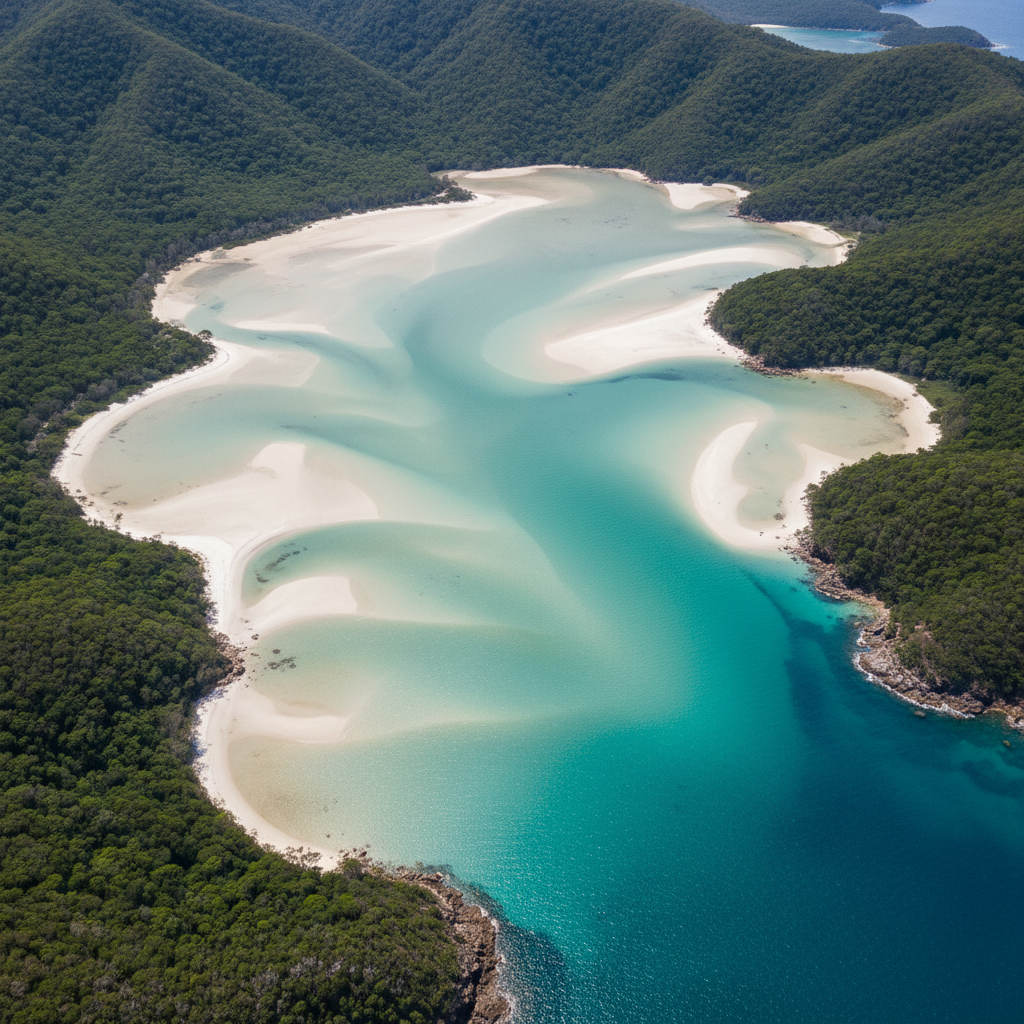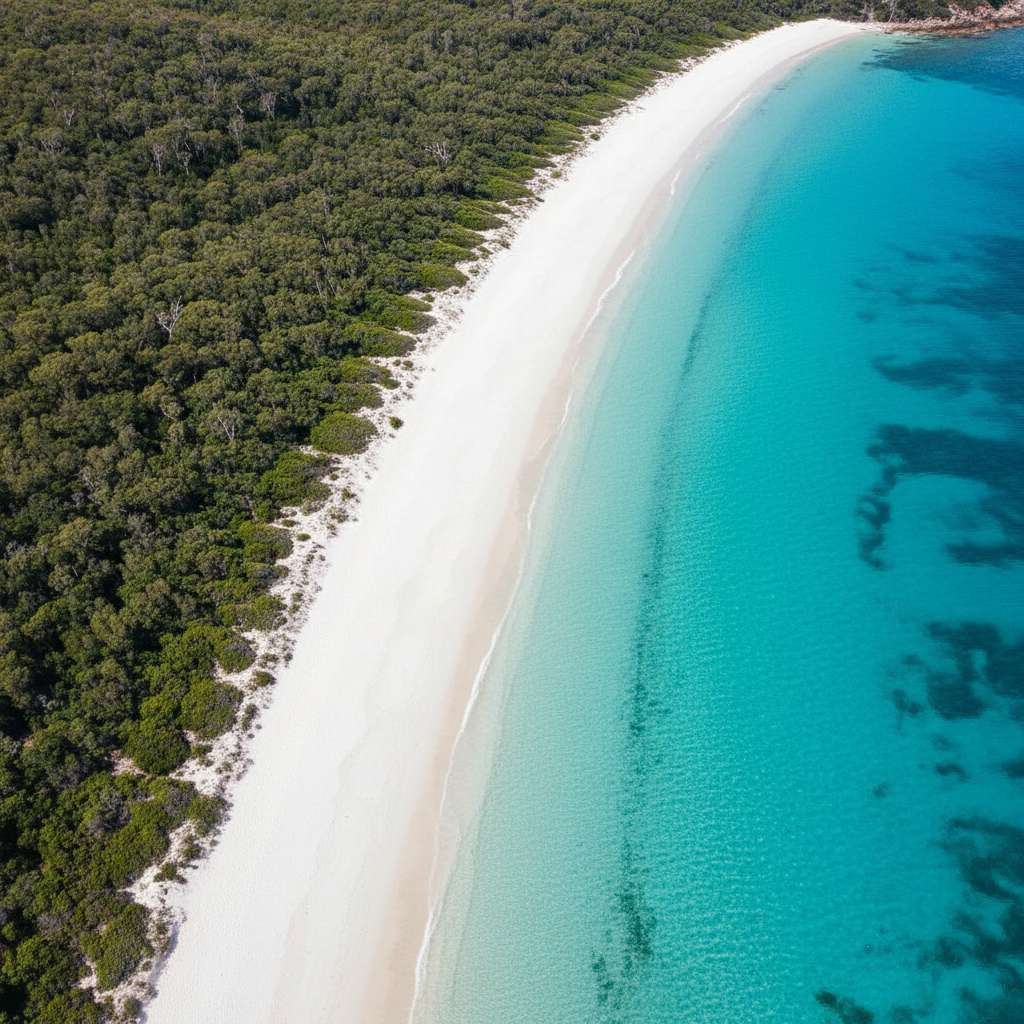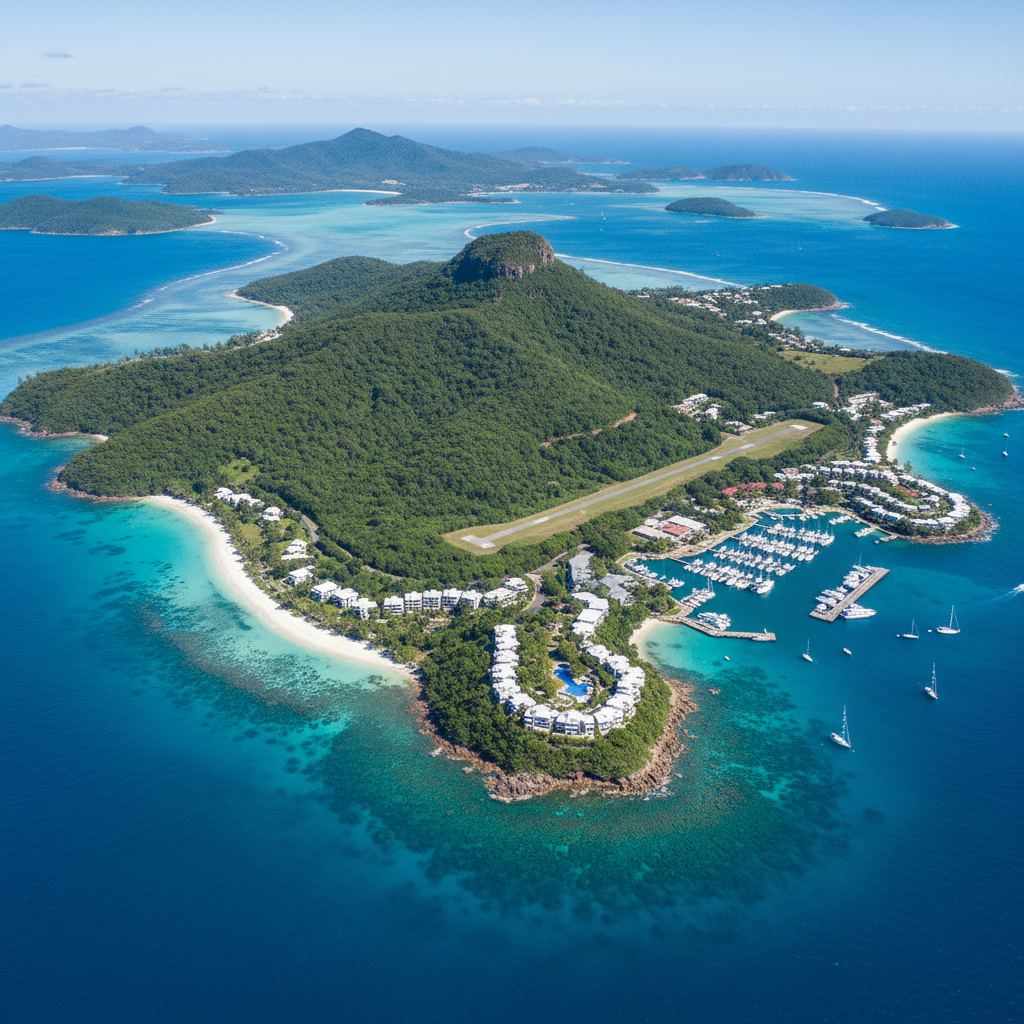
Hamilton Island sits perfectly positioned as your gateway to the Great Barrier Reef, offering unparalleled access to one of the world's seven natural wonders. As Australia's largest inhabited island in the Whitsundays, Hamilton provides multiple pathways to experience the reef's pristine coral gardens, vibrant marine life, and crystal-clear waters just 30 nautical miles offshore.
Where exactly is the Great Barrier Reef from Hamilton Island?
The Great Barrier Reef extends from Hamilton Island's eastern shores, beginning approximately 30 nautical miles (55km) offshore at Hardy Reef and Bait Reef. These outer reef locations offer the most pristine coral formations and clearest water visibility for snorkelling and diving experiences.
The reef system stretches over 2,300 kilometres along Queensland's coast, with the Whitsundays region representing one of the most accessible and spectacular sections. From Hamilton Island, you'll reach the reef's edge in roughly 90 minutes by high-speed catamaran, or just 30 minutes by helicopter or seaplane.
Hardy Reef stands as the most popular destination, featuring the famous Heart Reef — a naturally formed coral formation shaped like a heart, visible only from above. Bait Reef offers equally stunning underwater experiences with its diverse coral gardens and abundant tropical fish populations.
How do you get to Hamilton Island from Airlie Beach?
Travel from Airlie Beach to Hamilton Island requires a 30-minute ferry journey across the Whitsunday Passage. Cruise Whitsundays operates regular passenger ferries departing from Port of Airlie terminal, with services running approximately every two hours throughout the day.
Ferry tickets cost around $70 AUD return for adults, with discounts available for children and seniors. The modern vessels feature air-conditioning, comfortable seating, and viewing decks perfect for spotting dolphins and sea turtles during the crossing.
Alternatively, you can fly directly to Hamilton Island Airport from major Australian cities including Sydney (2 hours), Melbourne (2.5 hours), and Brisbane (1.5 hours). Jetstar, Virgin Australia, and Qantas operate regular services, making Hamilton Island one of the most accessible reef gateways in Australia.
What Great Barrier Reef tours operate from Hamilton Island?
Hamilton Island offers diverse Great Barrier Reef experiences including full-day reef cruises, helicopter flights, seaplane adventures, and sailing tours. Cruise Whitsundays operates the largest reef fleet, while Helireef and GSL Aviation provide aerial reef experiences with snorkelling combinations.
The most popular option is Cruise Whitsundays' full-day reef cruise to Hardy Reef, featuring their permanent pontoon with underwater observatory, semi-submersible tours, and guided snorkelling. Tours depart Hamilton Island Marina at 9:00 AM, reaching the reef by 10:30 AM for a full day of exploration.
Helireef combines scenic helicopter flights with reef snorkelling, offering 60-minute flights over Heart Reef followed by guided snorkelling at exclusive reef locations. These premium experiences cost approximately $650 AUD per person but provide unmatched reef access and smaller group sizes.
GSL Aviation's seaplane tours offer similar aerial reef experiences with the added excitement of water takeoffs and landings. Their half-day reef flights include snorkelling at secluded reef locations accessible only by seaplane, creating truly exclusive experiences.
What marine life can you see at the Great Barrier Reef?
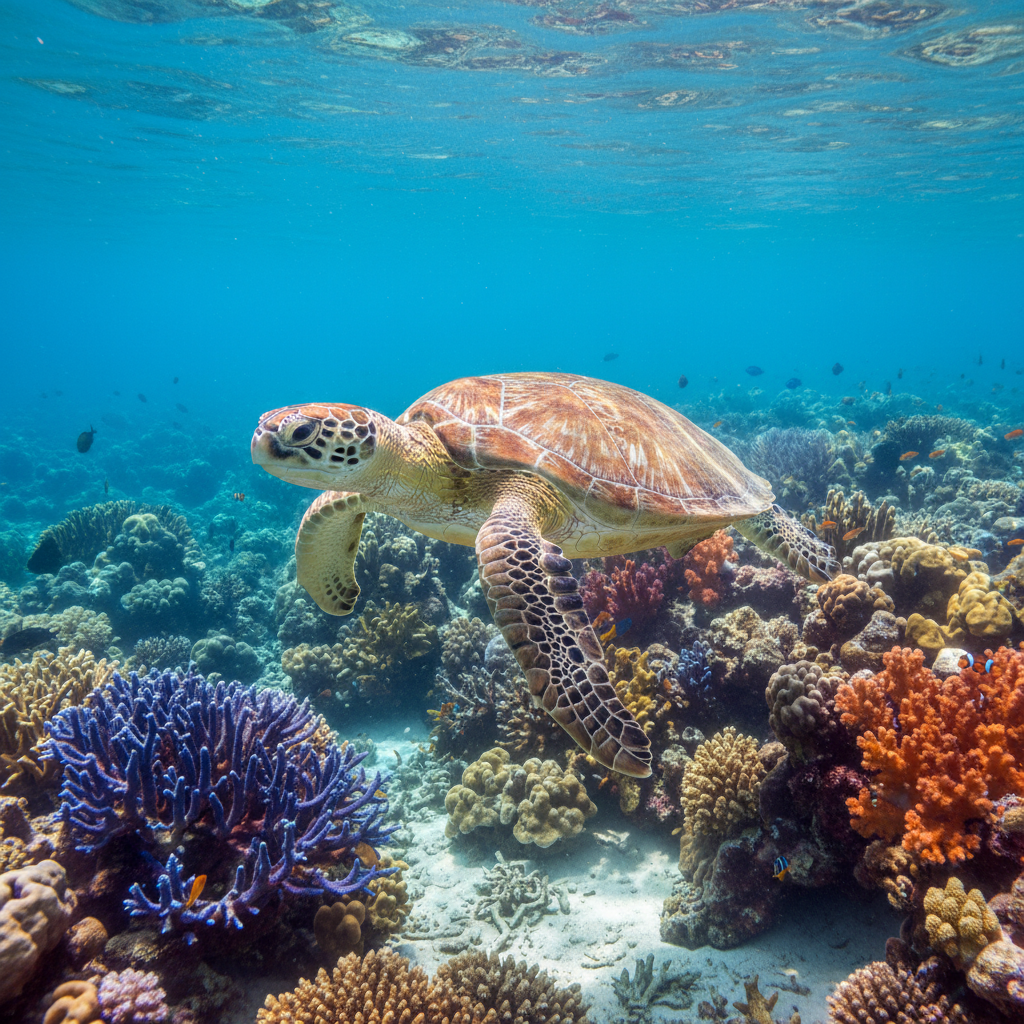
The Great Barrier Reef hosts over 1,500 fish species, 400 coral types, 240 bird species, and marine mammals including whales, dolphins, dugongs, and sea turtles. Visibility typically ranges from 15-30 metres, providing excellent conditions for underwater photography and marine observation.
Coral formations include staghorn, brain, table, and soft corals creating underwater gardens in brilliant colours. Fish species range from tiny clownfish (Nemo) and angelfish to massive Maori wrasse, coral trout, and schools of barracuda.
Sea turtle encounters are common year-round, with green and hawksbill turtles frequently spotted around reef platforms. Between June and November, humpback whales migrate through Whitsunday waters, often visible from reef pontoons and boats.
Reef sharks, including whitetip and blacktip species, patrol deeper reef edges but pose no threat to snorkellers. Eagle rays and manta rays occasionally visit cleaning stations, providing unforgettable encounters for lucky visitors.
When is the best time to visit the Great Barrier Reef from Hamilton Island?
The optimal reef visiting period spans April through November, offering calm seas, excellent visibility, minimal rainfall, and comfortable temperatures ranging from 22-28°C. This dry season provides ideal conditions for snorkelling, diving, and underwater photography with visibility often exceeding 25 metres.
June through September represents peak whale watching season, when humpback whales migrate north through Whitsunday waters. During this period, many reef tours include whale watching opportunities, adding another dimension to your reef experience.
December through March brings wet season conditions with higher humidity, increased rainfall, and potential cyclone activity. However, this period also offers fewer crowds, lower accommodation prices, and still-excellent reef conditions on clear days.
Water temperature remains comfortable year-round, ranging from 23°C in winter to 29°C in summer. Stinger season (November to May) requires protective suits for swimming, which all tour operators provide at no additional cost.
What facilities are available at Great Barrier Reef locations?
Hardy Reef features Cruise Whitsundays' permanent pontoon facility with underwater observatory, change rooms, freshwater showers, sun protection areas, and licensed bar. The pontoon accommodates up to 400 visitors daily with comprehensive snorkelling equipment and guided tour services.
The underwater observatory allows reef viewing without getting wet, perfect for non-swimmers or those preferring to stay dry. Semi-submersible coral viewing tours operate directly from the pontoon, providing guided underwater tours in climate-controlled comfort.
All reef tour operators provide comprehensive snorkelling equipment including masks, fins, snorkels, and flotation devices. Prescription masks are available for guests requiring vision correction, and professional snorkelling instruction ensures everyone can participate safely.
Lunch facilities vary by tour operator, ranging from tropical buffets on larger vessels to gourmet picnic options on smaller boats. Most tours include all meals, snacks, and beverages as part of their package pricing.
How much do Great Barrier Reef tours from Hamilton Island cost?
Great Barrier Reef tour prices from Hamilton Island range from $220 AUD for half-day sailing trips to $650 AUD for premium helicopter-reef combinations. Full-day reef cruises typically cost $280-350 AUD per adult, while scenic helicopter flights start around $450 AUD per person.
Cruise Whitsundays' full-day reef experiences cost approximately $289 AUD for adults, $189 AUD for children (4-14 years), with family packages available. These prices include return transfers, all meals, snorkelling equipment, guided reef walks, and access to underwater viewing facilities.
Premium small-group experiences command higher prices but offer personalised service, exclusive reef access, and superior equipment. Sailing tours combining reef visits with Whitehaven Beach typically cost $350-450 AUD per person for full-day experiences.
Additional costs may include underwater photography services ($40-60 AUD), scuba diving upgrades ($80-120 AUD), and premium beverage packages ($25-35 AUD). Most operators offer online booking discounts and package deals combining multiple activities.
What should you bring for a Great Barrier Reef day trip?
Essential reef trip items include reef-safe sunscreen (SPF 50+), wide-brimmed hat, sunglasses with retention strap, towel, and waterproof camera or phone case. Reef-safe sunscreen protects both your skin and coral ecosystems from harmful chemical damage.
All snorkelling equipment is provided, but you may prefer bringing personal masks for comfort and hygiene. Prescription masks are available from tour operators, though advance notification ensures availability.
Light, quick-dry clothing works best, with rashguards providing excellent sun protection during extended water time. Flip-flops or water shoes protect feet on boat decks and reef platforms.
Underwater cameras capture reef memories, though many operators offer professional photography services. Waterproof phone cases provide budget-friendly photography options, while GoPro rentals are available on most vessels.
Seasickness medication should be taken before departure if you're prone to motion sensitivity. Most reef locations feature calm, protected waters, but the journey to outer reef sites can involve choppy conditions.
Where are the best photography spots at the Great Barrier Reef?
Hardy Reef's coral gardens provide exceptional underwater photography opportunities with vibrant soft corals, massive brain corals, and abundant fish life. The reef's edges offer dramatic drop-offs perfect for wide-angle photography, while shallow coral bommies suit macro photography of smaller marine life.
Heart Reef, visible only from above, requires helicopter or seaplane tours for photography. This naturally heart-shaped coral formation creates iconic aerial shots, particularly stunning during golden hour lighting conditions.
Underwater photography thrives in the 10-15 metre depth range where coral colours remain vibrant and fish activity peaks. Early morning and late afternoon provide optimal lighting conditions, though the reef's consistent visibility ensures quality photos throughout the day.
The pontoon's underwater observatory offers photography opportunities without getting wet, featuring large viewing windows perfect for capturing reef life in natural habitat conditions.
How does Hamilton Island compare to Airlie Beach for reef access?
Hamilton Island offers more direct reef access with shorter travel times and premium facilities, while Airlie Beach provides greater tour variety and competitive pricing. Both destinations offer excellent reef experiences, with choice depending on accommodation preferences and budget considerations.
From Hamilton Island, reef travel times are typically 30 minutes shorter than equivalent tours from Airlie Beach, providing more reef exploration time. The island's resort infrastructure offers seamless tour integration with accommodation and dining facilities.
However, Airlie Beach's larger tour market provides more competitive pricing and diverse options, including budget-friendly backpacker tours and premium small-group experiences. The mainland base also offers easier access to multiple Whitsunday destinations beyond just reef experiences.
Hamilton Island's isolation creates a more exclusive atmosphere but limits dining and accommodation options compared to Airlie Beach's diverse hospitality scene. Consider your overall Whitsundays itinerary when choosing your base location.
Whether you're staying on Hamilton Island or visiting from Airlie Beach, experiencing the Great Barrier Reef represents the highlight of any Whitsundays adventure. The combination of pristine coral gardens, abundant marine life, and crystal-clear waters creates memories that last a lifetime. Ready to explore this underwater wonderland? Browse our comprehensive range of Great Barrier Reef tours and experiences at Airlie to Whitehaven, where we'll help you find the perfect reef adventure to match your interests, budget, and schedule.