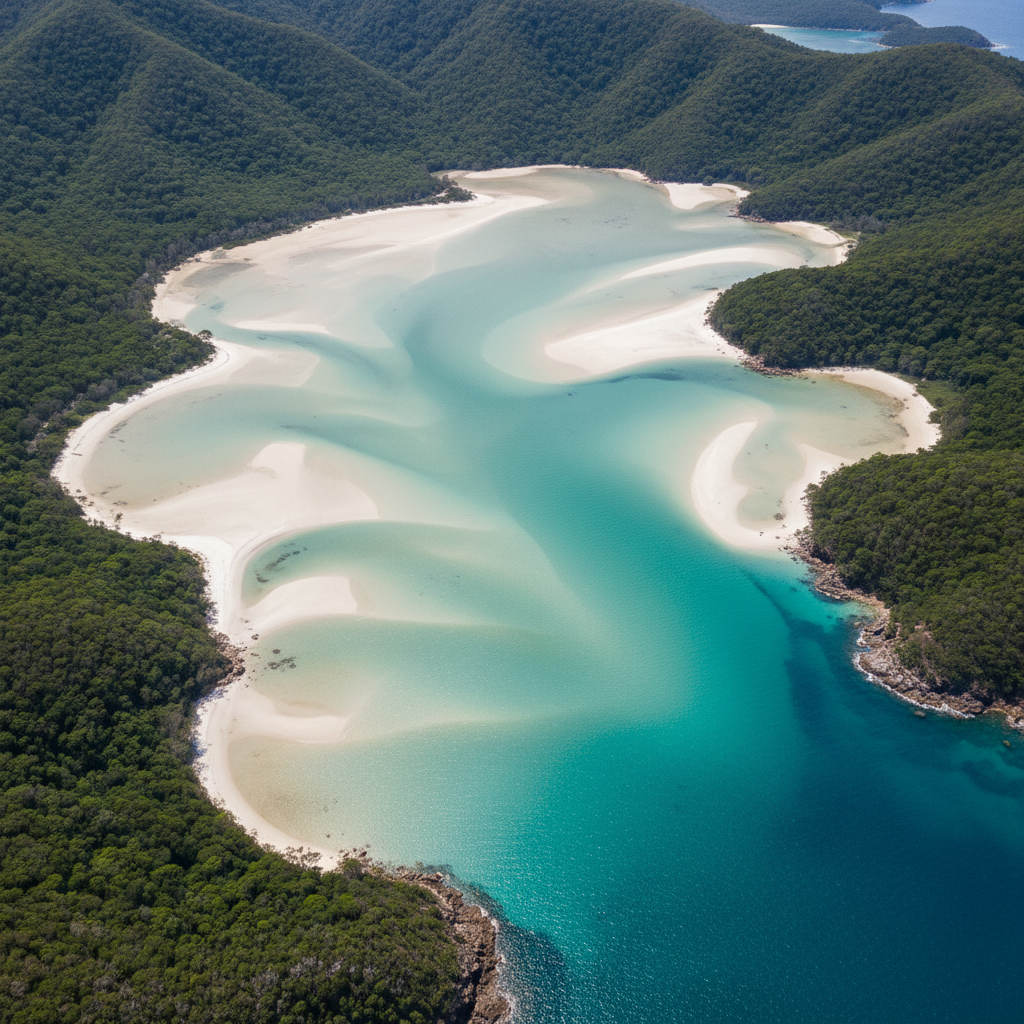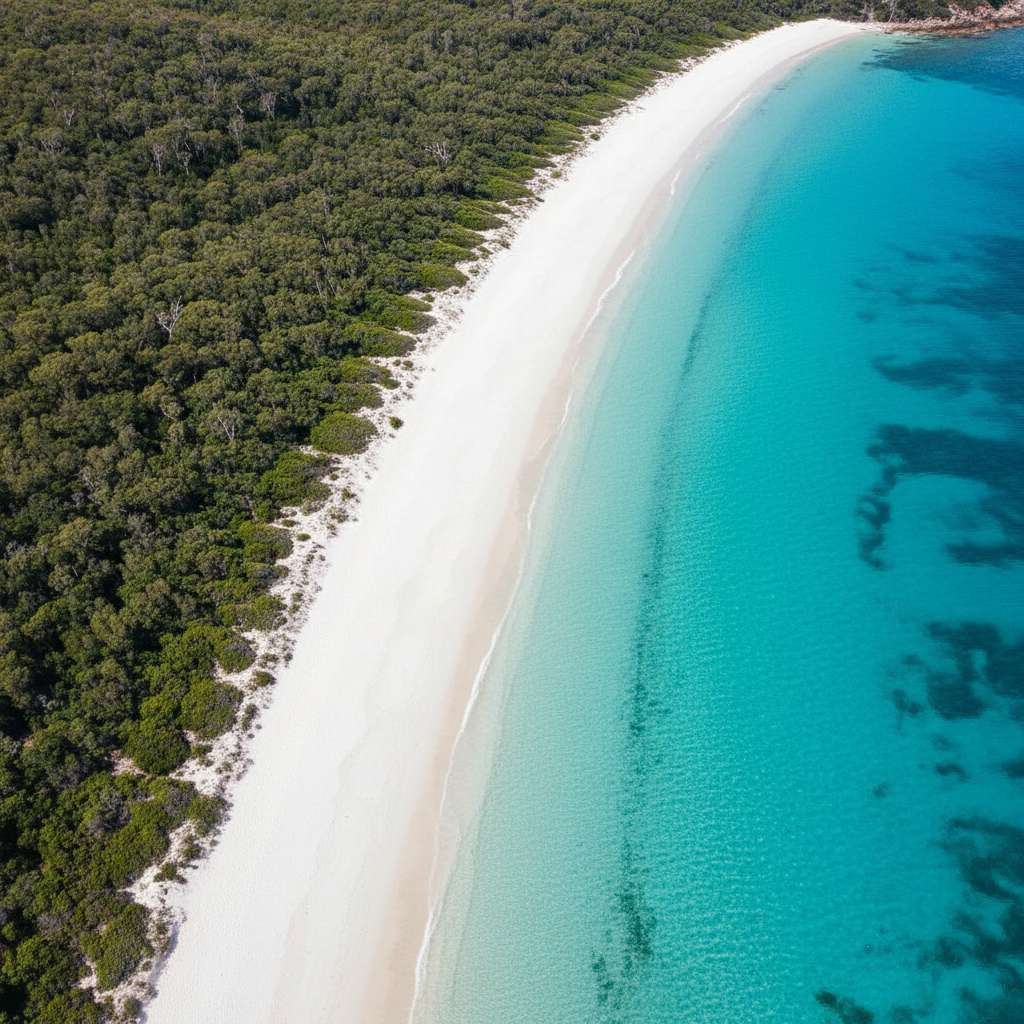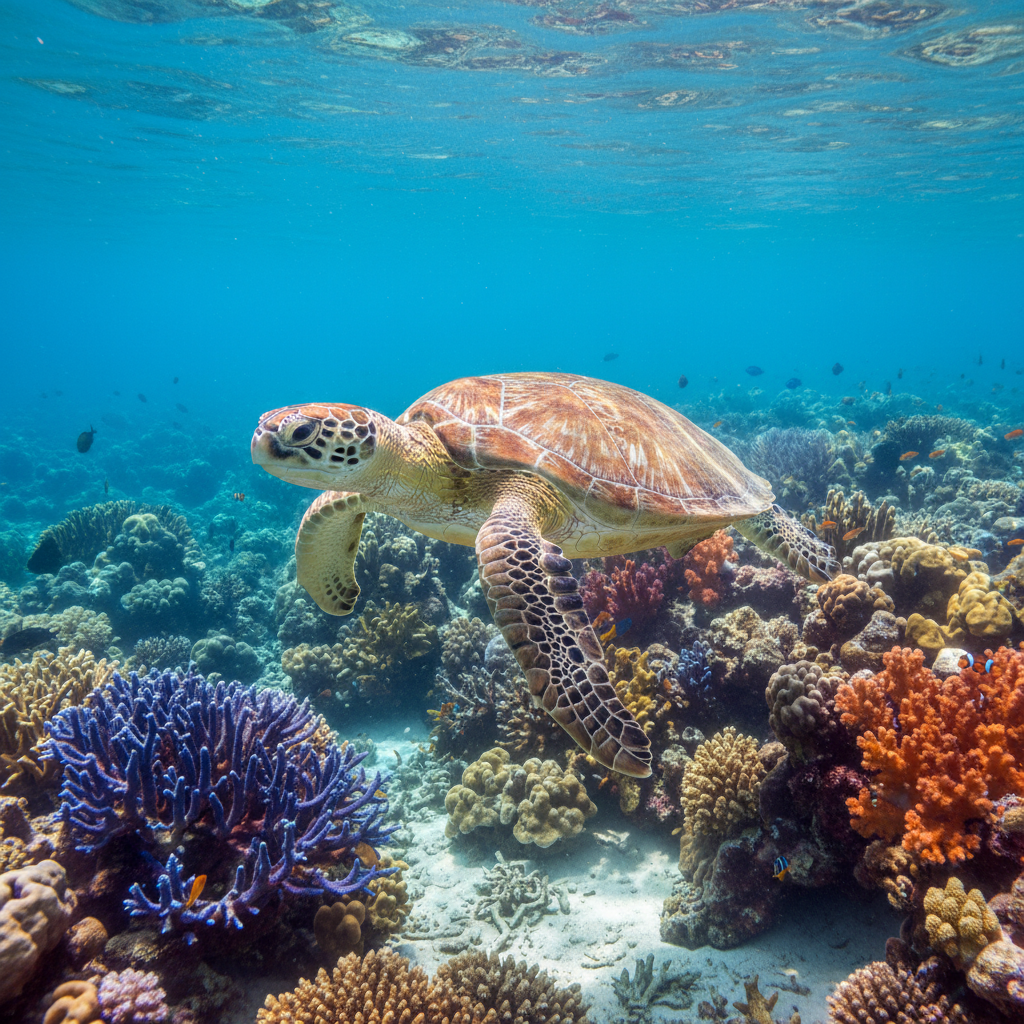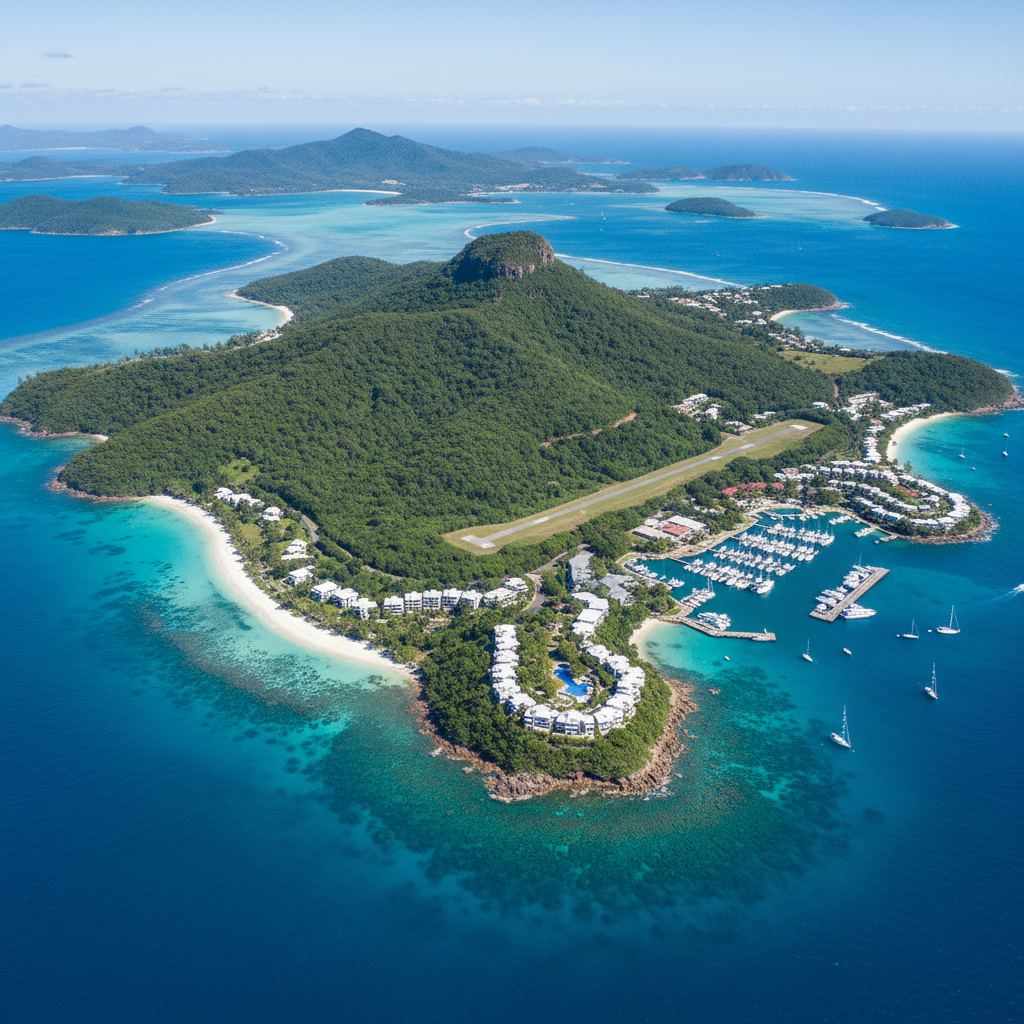
Hamilton Island sits in the heart of the Whitsundays, surrounded by some of Australia's most productive fishing waters. From the coral gardens of the Great Barrier Reef to the deep channels between islands, these waters hold everything from trophy mackerel to table fish like coral trout. Whether you're after a guided charter experience or planning to wet a line from the shore, Hamilton Island offers fishing opportunities that match the stunning scenery.
What fish species can you catch around Hamilton Island?
Hamilton Island waters host over 40 fish species including Spanish mackerel, coral trout, red emperor, sweetlip, queenfish, trevally, and barracuda. Reef species dominate inshore waters while pelagics like mackerel patrol deeper channels and reef edges throughout the year.
The diversity here stems from Hamilton Island's position between inshore reefs and deeper Great Barrier Reef waters. Coral trout reign as the most sought-after species - these vibrant red fish inhabit coral bombies and drop-offs around every island. Spanish mackerel cruise the blue water channels, particularly between Hamilton and Whitsunday Islands, with fish ranging from school-sized specimens to trophy fish exceeding 20kg.
Red emperor frequent deeper reef areas (30-60 metres), while sweetlip congregate around coral heads in 15-30 metre depths. Queenfish and trevally patrol shallow flats and reef edges, offering exciting surface action on lighter tackle. Barracuda lurk near baitfish schools, and job fish (green jobfish) provide consistent action around deeper reef structures.
Seasonal variations affect species availability. Spanish mackerel peak during cooler months (April to September), while coral trout remain active year-round with heightened activity during warmer periods. Giant trevally appear sporadically but provide unforgettable encounters when conditions align.
Where are the best fishing spots around Hamilton Island?
Prime fishing locations include Catseye Beach for shore fishing, the channel between Hamilton and Dent Islands for mackerel, Bait Reef for deep water species, and Hook Island's western side for coral trout and sweetlip in protected waters.
Catseye Beach offers Hamilton Island's most accessible shore fishing. The northern end produces queenfish, trevally, and occasional coral trout, particularly during early morning and late afternoon sessions. The resort jetty area holds baitfish schools that attract predators, though fishing restrictions apply near swimming areas.
The deep channel separating Hamilton Island from Dent Island serves as a highway for Spanish mackerel and other pelagics. Charter boats work this area using trolling lures and live baits, with depths ranging from 20-40 metres. Strong currents concentrate baitfish, creating ideal hunting grounds for larger predators.
Bait Reef, located 15km northeast of Hamilton Island, offers world-class deep water fishing. This outer reef system holds red emperor, coral trout, and various deep-sea species in 40-80 metre depths. The reef's vertical walls and cave systems create perfect habitat for trophy-sized fish.
Hook Island's western coastline provides numerous fishing opportunities in more protected waters. Butterfly Bay and Maureen's Cove offer coral gardens perfect for coral trout fishing, while the deeper waters off Pinnacle Point hold larger pelagic species. These spots remain fishable during stronger weather when outer reefs become inaccessible.
What fishing charter options are available from Hamilton Island?
Hamilton Island fishing charters range from half-day reef fishing trips ($180-250 per person) to full-day deep sea expeditions ($350-450 per person). Private charters accommodate 4-8 people with rates from $1,200-2,500 per day including tackle and bait.
Half-day charters typically run 4-5 hours targeting inshore reefs and island drop-offs. These trips focus on coral trout, sweetlip, and smaller reef species using bottom fishing techniques. Most include tackle, bait, and fish cleaning services. Departure times usually start at 7:00 AM or 1:00 PM from Hamilton Island Marina.
Full-day adventures venture to outer reef systems like Bait Reef and Hardy Reef. These 8-10 hour expeditions target larger species including Spanish mackerel, red emperor, and deep-sea varieties. Charter boats employ various techniques from trolling for pelagics to deep dropping for bottom species. Lunch and refreshments are typically included.
Private charter arrangements offer ultimate flexibility for serious anglers. Groups can customize departure times, target species, and fishing locations based on conditions and preferences. Many private operators provide premium tackle, live bait options, and specialized techniques for trophy hunting.
For comprehensive fishing experiences, consider exploring Hamilton Island fishing tours that combine multiple techniques and locations in single-day packages.
Can you fish from the shore on Hamilton Island?
Shore fishing on Hamilton Island is permitted at Catseye Beach, resort marina areas, and various rocky headlands. Best results occur during dawn and dusk using live baits, soft plastics, and small lures for queenfish, trevally, and coral trout.
Catseye Beach provides the island's primary shore fishing access. The northern rocky section offers structure that holds coral trout, sweetlip, and trevally. Anglers use live baits like pilchards and prawns, or work soft plastic lures around coral bombies visible at low tide. The beach's eastern end near the resort provides deeper water access but requires longer casts.
Hamilton Island Marina offers night fishing opportunities under lights that attract baitfish and subsequent predators. Queenfish and trevally commonly feed in these illuminated areas after dark. However, fishing restrictions apply near boat mooring areas and swimming zones - check current regulations before fishing.
Rocky headlands around the island provide elevated casting positions into deeper water. These spots require careful navigation due to coral and rock hazards but offer access to larger fish that patrol deeper water edges. High tide periods generally provide better fishing as fish move closer to shore structure.
Success requires matching tackle to conditions. Light spinning gear with 10-15lb line suits most shore fishing situations. Fluorocarbon leaders (20-30lb) prevent bite-offs from toothy species like barracuda while remaining invisible to wary coral trout.
What fishing gear and tackle do you need for Hamilton Island?
Essential Hamilton Island tackle includes medium spinning reels with 15-20lb braid, fluorocarbon leaders, circle hooks sizes 2/0-6/0, soft plastic lures, small metal spoons, and live bait options. Tackle hire services operate from Hamilton Island Marina.
Rod selection depends on target species and fishing methods. Medium-weight spinning rods (7-8ft, 8-15kg class) handle most situations from shore fishing to light charter work. For serious deep-sea fishing, heavier boat rods (5-6ft, 15-24kg class) provide necessary power for large coral trout and Spanish mackerel in deeper water.
Reel requirements focus on smooth drag systems and corrosion resistance. Spinning reels in 4000-6000 sizes suit most applications, while overhead reels excel for deep water bottom fishing and trolling applications. Quality drag systems prove essential when fighting strong reef fish around coral structure.
Terminal tackle varies by technique. Circle hooks in sizes 2/0-6/0 work best for bait fishing while reducing deep hooking. Soft plastic lures in 3-5 inch sizes imitate local baitfish effectively. Small metal lures (30-60 grams) work well for casting to surface schools and trolling for pelagics.
Live bait options include pilchards, prawns, and small reef fish. Many charter operators provide live bait catching services or purchase fresh bait from local suppliers. Frozen alternatives remain effective when fresh options aren't available.
Hamilton Island Sports Shop and several marina operators rent complete tackle packages for $40-60 per day, including rods, reels, tackle box, and basic lures. This option suits visitors who prefer not to transport gear.
When is the best time to fish around Hamilton Island?
Optimal fishing occurs during April to September when weather conditions stabilize, Spanish mackerel activity peaks, and sea temperatures remain comfortable. Early morning (5:30-8:30 AM) and late afternoon (4:00-6:30 PM) provide daily peak feeding periods.
Seasonal patterns significantly influence fishing success. The dry season (April-November) offers most consistent conditions with lighter winds, calmer seas, and clearer water. Spanish mackerel fishing peaks during this period as cooler water temperatures trigger increased activity levels. Coral trout remain active year-round but show heightened feeding during warmer months (October-March).
Daily timing patterns follow typical tropical fish behavior. Pre-dawn sessions often produce the largest fish as predators hunt in low-light conditions. Morning activity typically continues until 8:30-9:00 AM before slowing during midday heat. Afternoon feeding resumes around 4:00 PM and continues until after dark.
Tidal influences affect different fishing styles. Incoming tides generally produce better results for shore fishing as baitfish move into shallow water pursued by predators. Outgoing tides can concentrate baitfish in channels and deeper areas, benefiting boat-based fishing.
Moon phases impact fishing behavior, particularly for larger predators. New moon periods often coincide with increased feeding activity, while bright full moons can shift feeding patterns to dawn and dusk periods when light levels are reduced.
What are the fishing regulations around Hamilton Island?
Hamilton Island fishing operates under Queensland recreational fishing rules requiring fishing licenses for residents, size and bag limits for each species, and designated no-fishing zones around resort swimming areas and marine park green zones throughout the region.
Fishing license requirements vary by residency status. Queensland residents need a recreational marine fishing license ($45 annually) while interstate and international visitors receive temporary exemptions. However, all anglers must comply with size limits, bag limits, and closed seasons regardless of license status.
Coral trout regulations mandate minimum size limits of 38cm (some species 35cm) with bag limits of 7 fish per person. Spanish mackerel require 90cm minimum length with 1 fish per person daily. Red emperor must exceed 55cm with a 5 fish bag limit. These regulations protect breeding populations while allowing sustainable recreational fishing.
Marine park zoning creates various restrictions throughout the Whitsundays. Green zones prohibit all fishing activities while yellow zones permit line fishing but prohibit netting and collecting. Blue zones allow most recreational fishing methods. Understanding zoning maps prevents inadvertent violations in protected areas.
No-fishing zones exist around Hamilton Island resort areas, particularly near Catseye Beach swimming areas and yacht club facilities. These restrictions protect swimmers and maintain resort amenity while preserving fishing access in appropriate locations.
For broader Whitsundays fishing regulations and techniques, reference our comprehensive Whitsundays fishing guide covering all regional fishing opportunities.
How much does fishing on Hamilton Island cost?
Hamilton Island fishing costs range from $40-60 daily tackle hire for shore fishing to $180-450 per person for charter trips. Private charters cost $1,200-2,500 per day while accommodation packages including fishing start around $300 per night per person.
Budget-conscious options include shore fishing with hired tackle ($40-60 per day) plus accommodation at Hamilton Island Holiday Homes ($150-250 per night). This combination allows multiple days of fishing for around $200-300 daily per person excluding meals and transport.
Mid-range fishing experiences typically involve half-day charter trips ($180-250 per person) combined with resort accommodation ($250-400 per night). These packages provide guided fishing experiences without the full-day charter expense while maintaining comfortable accommodation standards.
Premium fishing holidays feature full-day private charters ($1,200-2,500 per day) with luxury resort accommodation ($400-800 per night). These experiences include premium tackle, expert guides, and access to distant fishing grounds for serious anglers seeking trophy fish.
Additional costs include bait and tackle purchases ($20-40 per day), fishing licenses where applicable ($45 annually for Queensland residents), and fish cleaning services ($10-20 per fish). Most charter operators include basic tackle and bait in their rates.
Transport to Hamilton Island adds $300-600 return flights from mainland capital cities, or $45 ferry transfers from Airlie Beach. Hamilton Island's resort environment means limited budget dining options, with most meals costing $25-60 per person.
What other activities can you combine with Hamilton Island fishing?
Hamilton Island offers snorkeling, diving, sailing, wildlife parks, hiking trails, golf, and resort amenities that perfectly complement fishing adventures. Multi-activity packages often provide better value than booking individual experiences separately through integrated resort systems.
Snorkeling and diving experiences work naturally with fishing charters. Many operators offer combination trips where anglers fish during prime feeding periods while non-anglers explore coral reefs during slower fishing times. Popular sites include Blue Pearl Bay and Butterfly Bay where clear water showcases vibrant coral gardens.
Sailing adventures provide alternative water-based experiences when fishing conditions prove challenging. Hamilton Island's yacht club offers skippered sailing experiences, while bareboat charters suit experienced sailors. These options maintain water-based adventure when wind conditions prevent effective fishing.
Hamilton Island Wildlife Park houses native Australian animals including crocodiles, koalas, and various bird species. This attraction suits families where not all members participate in fishing activities. The park operates daily with animal presentations throughout the day.
Hiking opportunities exist throughout Hamilton Island with the Passage Peak trail providing 360-degree views of the Whitsundays. This moderate 45-minute hike offers excellent exercise and photography opportunities during fishing rest periods.
Hamilton Island Golf Club, located on nearby Dent Island, provides championship golf with spectacular ocean views. The course operates a shuttle service from Hamilton Island Marina, making it easily accessible for fishing groups wanting golf experiences.
For comprehensive activity planning beyond fishing, explore Hamilton Island activities that showcase the full range of experiences available on this resort island.
Hamilton Island delivers some of Australia's finest fishing experiences within a world-class resort setting. Whether you're casting from Catseye Beach at sunrise or trolling the outer reefs for Spanish mackerel, these waters consistently reward anglers with both variety and quality. The combination of accessible shore fishing, professional charter services, and luxury accommodation creates fishing holidays that satisfy every preference and budget. Ready to plan your Hamilton Island fishing adventure? Book your complete Whitsundays experience through Airlie to Whitehaven, where local expertise meets competitive pricing for unforgettable fishing adventures in paradise.