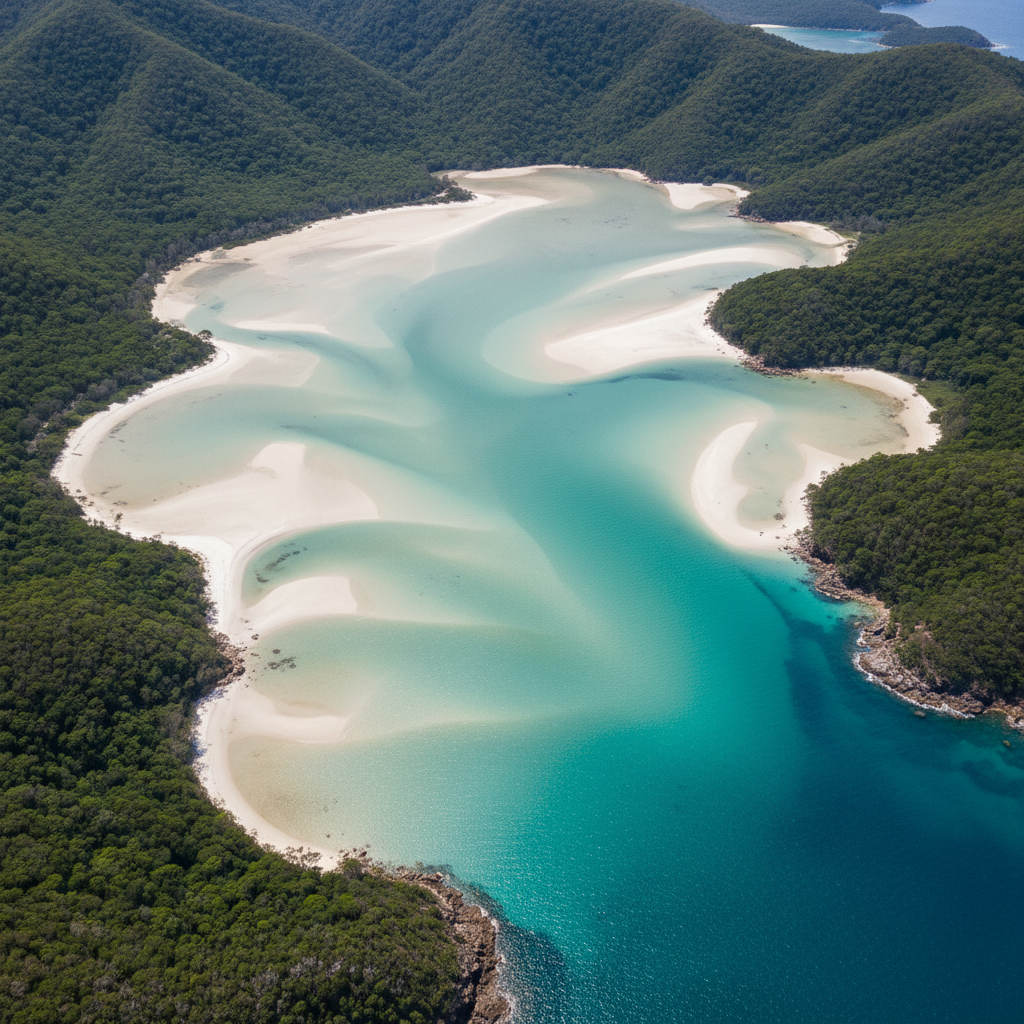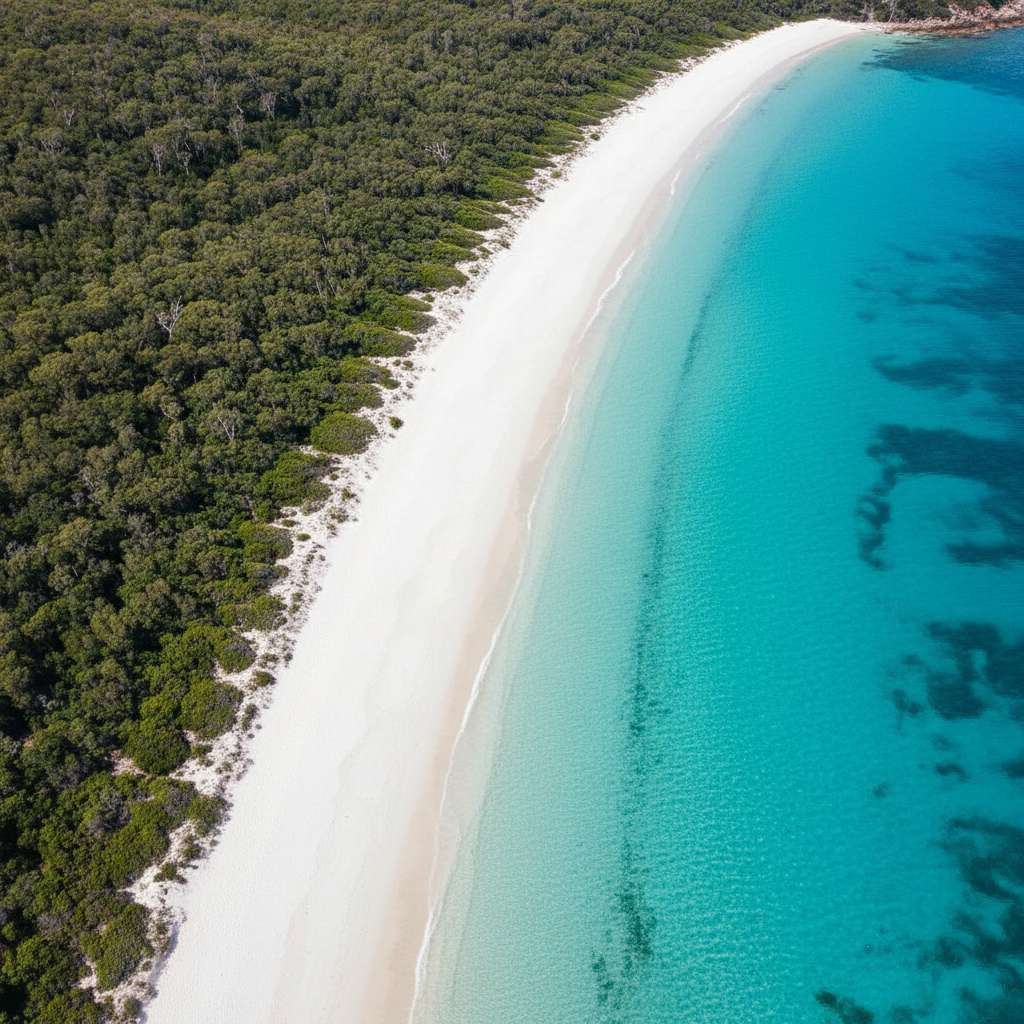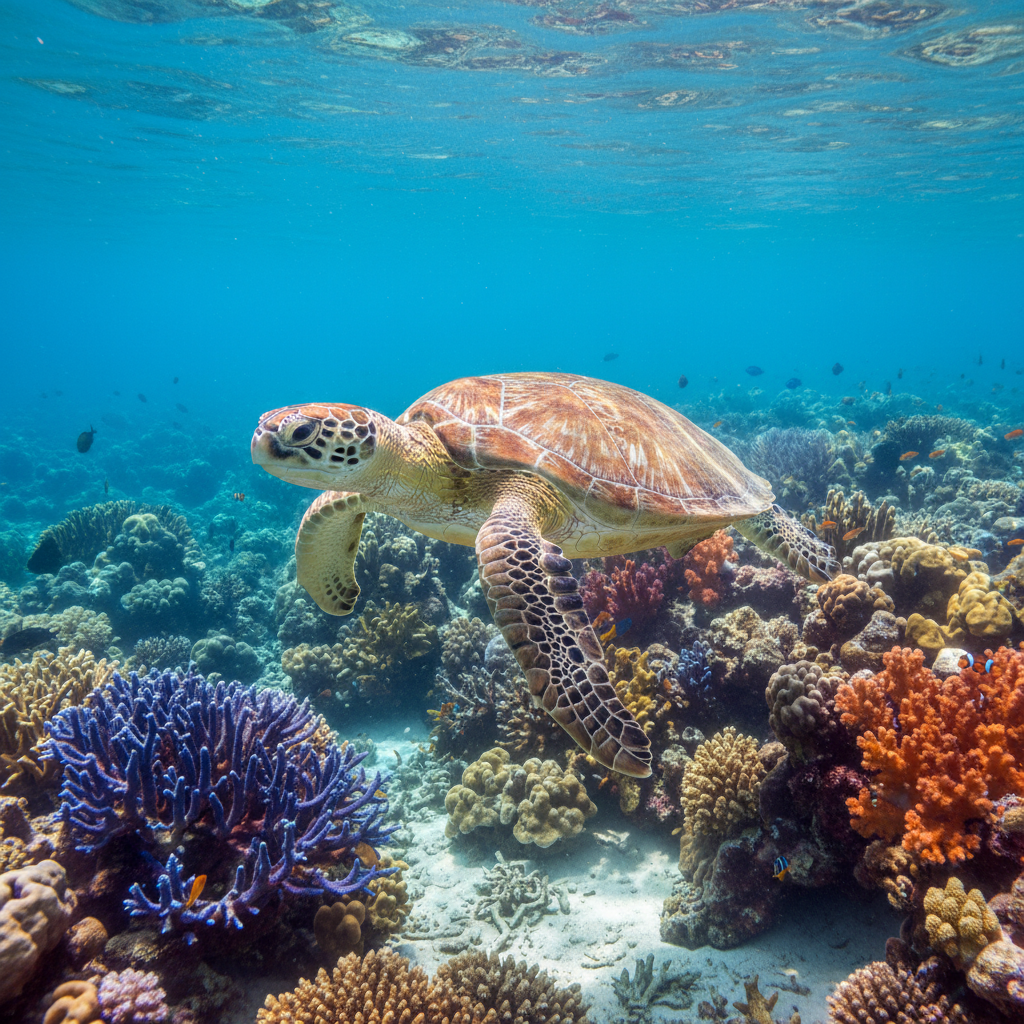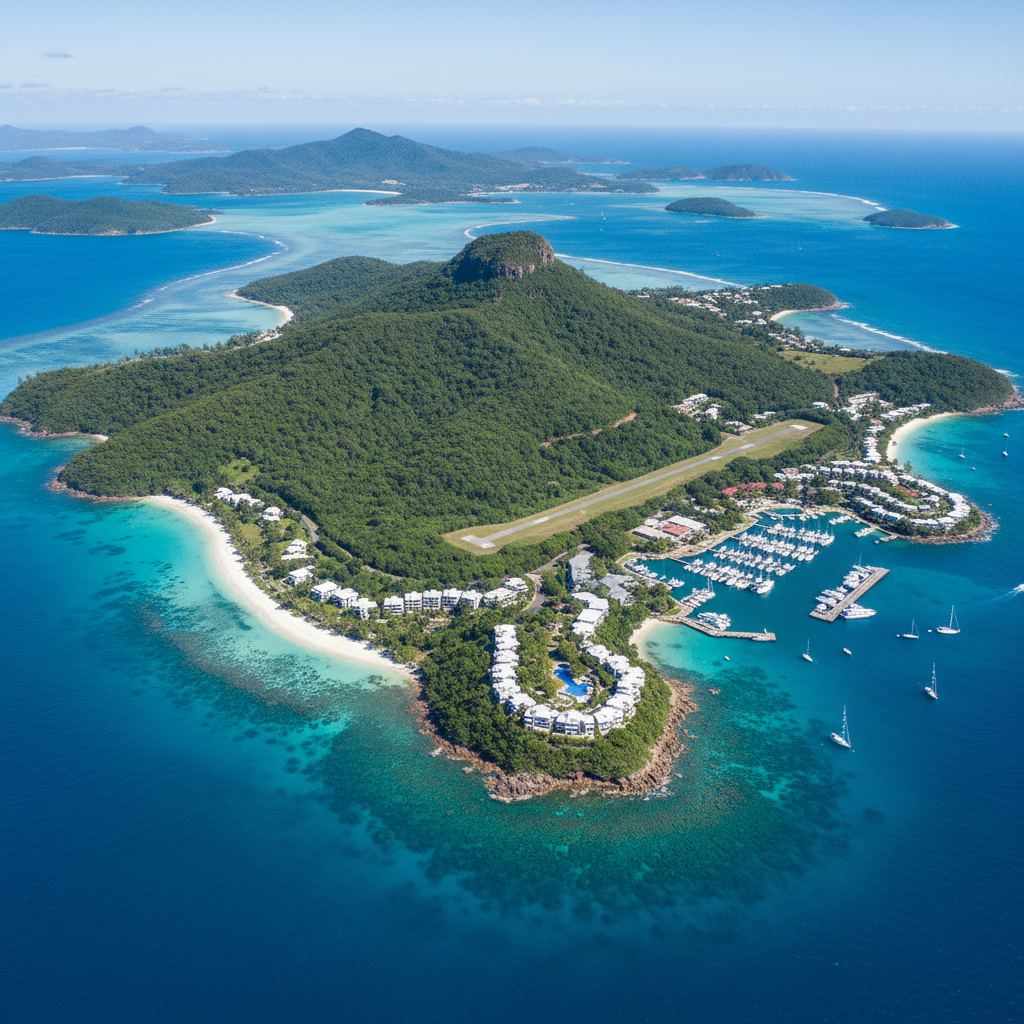
Hamilton Island sits perfectly positioned in the heart of the Whitsundays, making it one of Australia's premier fishing destinations. With the Great Barrier Reef just 30 minutes away by boat and pristine waters surrounding the island, you'll find everything from budget-friendly half-day charters to luxury multi-day fishing adventures. The island's modern marina infrastructure and experienced charter operators make it dead easy to get on the water, whether you're after coral trout on the reef or chasing marlin in the deep blue.
What fishing charter options are available from Hamilton Island?
Hamilton Island offers reef fishing charters ($150-400 per person), game fishing expeditions ($200-600 per person), estuary fishing trips ($120-250 per person), and multi-day live-aboard charters ($800-2000 per person). Most depart from Hamilton Island Marina with trips ranging from 4 hours to 5 days.
The variety of fishing experiences from Hamilton Island is genuinely impressive. Half-day reef fishing trips typically run 4-6 hours and cost between $150-250 per person, targeting coral trout, sweetlip, and red emperor around the inner reef systems. Full-day reef charters stretch to 8-10 hours for $300-400 per person, reaching the outer reef where Spanish mackerel, coral trout, and queenfish are abundant.
Game fishing is where Hamilton Island really shines. Half-day game fishing trips cost $200-350 per person for 6 hours, while full-day expeditions run $450-600 per person for 10-12 hours. These target black marlin, spanish mackerel, wahoo, and various tuna species in the deeper waters beyond the reef.
For something different, estuary and shallow water fishing trips explore the mangrove systems and flats around the Whitsunday Islands. These 4-6 hour trips cost $120-250 per person and are perfect for families, targeting bream, flathead, trevally, and barramundi in the protected waters.
Live-aboard fishing charters are the ultimate experience, ranging from overnight trips ($800-1200 per person) to 5-day expeditions ($1500-2000 per person). These include all meals, accommodation, and fishing gear, with opportunities to fish multiple reef systems and deep-water locations.
Which fishing charter companies operate from Hamilton Island?
Major operators include Renegade Fishing Charters, On the Edge Charters, Hamilton Island Game Fishing, and Whitsunday Fishing Charters. Most are based at Hamilton Island Marina and offer daily departures with experienced local skippers who know the best fishing spots around the reef systems.
Renegade Fishing Charters operates a 12-metre custom sportfisher and specialises in game fishing. They run daily trips from Hamilton Island Marina, with half-day charters at $280 per person and full-day trips at $520 per person. Their boat is equipped with tournament-grade tackle and has an excellent reputation for marlin and spanish mackerel.
On the Edge Charters runs both reef and game fishing from their modern 10-metre vessel. Their reef fishing trips cost $180 per person for half-day and $320 for full-day, while game fishing is $250 and $450 respectively. They're particularly good for mixed groups who want to try both styles of fishing.
Hamilton Island Game Fishing operates specifically for serious anglers, with custom sportfishing boats designed for offshore work. Their rates start at $350 per person for half-day game fishing, but they consistently produce the biggest fish and have the most experienced tournament skippers.
Whitsunday Fishing Charters offers the most family-friendly options, with slower-paced reef fishing trips that include snorkelling stops. Their half-day trips cost $150 per person (kids under 12 are $100), making them the most budget-conscious choice without sacrificing quality.
What fish species can you catch around Hamilton Island?
Common catches include coral trout, spanish mackerel, sweetlip, red emperor, queenfish, trevally, and barramundi. Game fishing produces black marlin, sailfish, wahoo, various tuna species, and mahi-mahi. The diverse reef and deep-water environments support over 50 different sporting fish species.
On the reef systems surrounding Hamilton Island, coral trout is the most prized catch. These beautiful fish range from 2-8kg and are excellent eating. Red emperor, sweetlip, and various parrotfish are also common reef catches. The coral gardens between Hamilton Island and Hook Island are particularly productive for these species.
Spanish mackerel are the bread and butter of Whitsundays fishing. These fast, aggressive predators range from 5-25kg and provide spectacular fights. They're found around reef edges, particularly early morning and late afternoon. Queenfish and trevally are also common pelagic species that offer great sport on lighter tackle.
The deeper waters beyond the reef systems hold the real prizes. Black marlin are the signature species, with fish from 50-300kg caught annually. The peak season runs from September to December, when the fish follow bait schools along the continental shelf.
Spanish mackerel also venture into deeper water, where they grow larger and fight harder. Wahoo, various tuna species (yellowfin, longtail, mack tuna), and mahi-mahi are regular catches in the 20-50kg range. Sailfish, while less common than marlin, provide incredible aerial displays when hooked.
For those exploring the various activities Hamilton Island offers, fishing consistently ranks as a top experience due to this incredible species diversity.
When is the best time to fish from Hamilton Island?
Peak fishing runs April to November during the dry season, with September to December best for black marlin. Spanish mackerel fishing peaks May to September. Avoid January to March due to cyclone season and reduced fish activity during hot, wet weather conditions.
The dry season from April to November offers the most consistent fishing conditions. Southeast trade winds average 10-20 knots, creating perfect conditions for both reef and game fishing. Water visibility is at its best, and fish are more active in the cooler water temperatures.
September through December is marlin season in the Whitsundays. Water temperatures reach 24-26°C, triggering the annual baitfish migration that draws marlin up from deeper waters. This period offers the best chance of hooking a genuine trophy fish.
Spanish mackerel fishing peaks during the cooler months of May through September. These fish become more aggressive as water temperatures drop slightly, and they congregate around reef edges in larger schools. Early morning and late afternoon are the most productive times.
Coral trout and other reef species are relatively consistent year-round but are most active during the dry season. The clearer water makes them easier to locate, and they feed more aggressively in the stable weather conditions.
January through March should generally be avoided. This is cyclone season, with unpredictable weather, rough seas, and reduced fish activity. Many charter operators reduce their schedules during this period, and those that do operate often face last-minute cancellations due to weather.
How much do Hamilton Island fishing charters cost?
Half-day reef fishing costs $150-280 per person, full-day reef trips $300-450. Game fishing runs $200-350 half-day, $450-600 full-day. Shared charters are cheapest, while private boats cost $1800-3500 per day depending on boat size and target species.
Budget-conscious anglers should look at shared reef fishing charters. Half-day trips typically cost $150-200 per person and include all tackle, bait, and basic refreshments. These boats usually take 8-12 passengers and visit 2-3 fishing spots around the inner reef systems.
Mid-range options include smaller group charters (4-6 people) for reef fishing at $220-280 per person half-day, or $320-400 full-day. These provide more personalised attention and often visit more productive, less crowded fishing spots.
Game fishing commands premium prices due to the specialised equipment and fuel costs. Shared game fishing charters cost $250-350 per person for half-day trips, with full-day expeditions ranging $450-600 per person. The boats are typically faster, more comfortable, and equipped with high-end tackle.
Private charter costs vary significantly based on boat size and target species. A private 8-metre reef fishing boat costs around $1800-2200 per day, while a 12-metre game fishing vessel runs $2800-3500 per day. Private charters include up to 6-8 passengers and can customise the trip to your group's preferences.
Additional costs to consider include fishing licenses ($48 per person for recreational fishing), which most operators include in their pricing. Some premium charters charge extra for tackle ($30-50 per person), while others include everything. Always confirm what's included when comparing prices.
For comprehensive information about fishing throughout the region, check our complete Whitsundays fishing guide, which covers all the major fishing locations and techniques.
What's included in a typical Hamilton Island fishing charter?
Most charters include fishing tackle, bait, ice, basic refreshments, and fishing licenses. Full-day trips typically add lunch and additional beverages. Premium charters may include filleting service, while budget options might charge extra for tackle or require you to bring your own food and drinks.
Standard inclusions across most Hamilton Island fishing charters cover the essentials: rods, reels, terminal tackle, bait, ice for your catch, basic refreshments (water, soft drinks), and recreational fishing licenses. The tackle provided is usually suitable for the target species, though serious anglers often bring their preferred gear.
Half-day charters typically provide morning or afternoon tea with light snacks. Full-day charters include a hot lunch, usually featuring fresh local seafood, salads, and tropical fruits. Some operators pride themselves on their onboard catering, preparing restaurant-quality meals during the trip.
Most operators offer complimentary fish cleaning and filleting, a valuable service that saves time and mess. They'll bag your catch with ice, ready for you to take back to your accommodation. Some premium operators can arrange for your fish to be vacuum-packed or even cooked at local restaurants.
Safety equipment is always included: life jackets, first aid kits, and emergency communication devices. Sunscreen is often provided, though it's worth bringing your own preferred brand. Quality polarised sunglasses and hats are recommended but not usually provided.
What's typically not included varies by operator. Budget charters might charge extra for premium tackle ($30-50), alcoholic beverages ($5-8 per beer), or extensive catering. Some require you to bring your own food and drinks. Always check the inclusions when booking to avoid surprises.
Which fishing spots are accessible from Hamilton Island?
Popular spots include Bait Reef (30 minutes), Hook Reef (45 minutes), Hardy Reef (1 hour), and the continental shelf (1.5-2 hours). Closer options include Dent Island flats (15 minutes), Passage Peak drop-off (20 minutes), and various reef bombies between Hamilton and Whitsunday Islands.
Bait Reef sits 30 minutes northeast of Hamilton Island and offers excellent coral trout fishing. The reef structure includes numerous bombies and coral gardens in 15-25 metres of water. It's easily accessible in most weather conditions and consistently produces quality fish for both beginners and experienced anglers.
Hook Reef, 45 minutes north, features dramatic drop-offs and coral walls that hold spanish mackerel, queenfish, and various reef species. The deeper water around Hook Reef also attracts pelagic species, making it a favourite spot for charter operators targeting mixed bags.
Hardy Reef lies about an hour from Hamilton Island and represents some of the best fishing in the Whitsundays. The outer reef location means larger fish and less fishing pressure. Hardy Reef is famous for its coral trout, red emperor, and spanish mackerel fishing, though it requires calm conditions to fish effectively.
For game fishing, the continental shelf lies 1.5-2 hours from Hamilton Island in deeper water beyond the reef systems. This is marlin country, where the seafloor drops from 60 metres to over 1000 metres. The dramatic depth changes create upwellings that attract baitfish and, consequently, the pelagic predators that follow them.
Closer to Hamilton Island, the Dent Island flats provide excellent light tackle fishing for bream, flathead, and trevally. These shallow areas are perfect for families or when weather conditions prevent venturing to the outer reefs.
The drop-off near Passage Peak, just 20 minutes from Hamilton Island, offers deep water fishing without the long travel times. Spanish mackerel, queenfish, and various tuna species patrol these edges where shallow reef meets deep water.
What equipment and tackle do you need for Hamilton Island fishing?
Charter boats provide suitable tackle, but experienced anglers often bring preferred gear. Recommended: 6-8kg outfits for reef fishing, 10-15kg for spanish mackerel, 24-37kg for game fishing. Essential items include polarised sunglasses, sun hat, sunscreen, and appropriate clothing for marine conditions.
Most charter operators provide quality tackle suitable for their target species, but the gear sees heavy use and may not match the preferences of serious anglers. If you're particular about your equipment, consider bringing your own rods and reels.
For reef fishing, 6-8kg spinning or overhead outfits work perfectly for coral trout, sweetlip, and similar species. Medium-action rods around 2-2.4 metres pair well with reels loaded with 20-30lb braid and 30-40lb fluorocarbon leaders.
Spanish mackerel and pelagic species require heavier gear. 10-15kg outfits with fast-action rods handle the speed and power of these fish. Reels should hold at least 300 metres of 30-40lb braid, with wire or heavy fluorocarbon leaders to prevent bite-offs.
Game fishing demands serious tackle: 24-37kg stand-up rods with high-capacity reels holding 400+ metres of 50-80lb line. Quality drag systems are essential for fighting large marlin and tuna. Most game fishing charters provide this specialised equipment as it's expensive and requires expertise to use effectively.
Personal items are crucial for comfort and safety. Quality polarised sunglasses reduce glare and help spot fish, while a wide-brimmed hat provides essential sun protection. High-SPF sunscreen should be reapplied regularly, and lightweight, long-sleeved fishing shirts prevent sunburn during long days on the water.
Consider bringing a small tackle box with personal lures and terminal tackle. Local favourites include metal slugs for spanish mackerel, soft plastics for reef species, and various jigs for different fishing situations.
How do you book a fishing charter from Hamilton Island?
Book directly with charter operators, through Hamilton Island accommodation concierges, or via online platforms. Peak season (April-November) requires advance booking, especially for weekends. Compare prices, inclusions, and boat specifications. Confirm weather policies and cancellation terms before paying deposits.
Direct booking with charter operators often provides the best rates and most detailed information about specific trips. Most Hamilton Island fishing charter companies have websites with online booking systems, detailed pricing, and boat specifications. This approach lets you ask specific questions about fishing techniques, target species, and group requirements.
Hamilton Island accommodation properties, particularly resorts, usually have concierge services that can arrange fishing charters. While convenient, this may include booking fees or commissions that increase the overall cost. However, concierges often have relationships with quality operators and can recommend charters suited to your experience level.
Online booking platforms and tourism websites offer easy comparison shopping but may not include all available operators. Always verify that bookings made through third parties are confirmed directly with the charter operator, and understand the cancellation and refund policies.
Peak season booking is essential, particularly for weekends and school holidays. Quality operators often book out 2-3 weeks in advance during busy periods. If you're visiting during September to December (marlin season), book as early as possible as this is the most popular fishing period.
When comparing options, look beyond just the price. Consider boat size and condition, group size limits, inclusions, skipper experience, and safety equipment. Read recent reviews and check if the operator holds appropriate commercial licenses and insurance.
Weather cancellation policies are crucial in tropical Queensland. Understand whether you'll receive a full refund, credit for future trips, or alternative arrangements if your charter is cancelled due to weather. Reputable operators prioritise safety and will cancel trips in marginal conditions.
For the most comprehensive selection of fishing charters throughout the Whitsundays, including detailed comparisons and real-time availability, browse our best fishing charters guide which covers all operators and boat types across the region.
What should you know about fishing regulations around Hamilton Island?
Queensland fishing licenses required for anyone 18+, costing $48 annually. Bag limits apply: 5 coral trout, 3 spanish mackerel, 1 queenfish per person daily. Some areas are marine park green zones (no-take). Charter operators typically handle licenses and ensure compliance with size and bag limits.
Recreational fishing licenses are mandatory for anyone 18 years or older fishing in Queensland waters. The annual license costs $48 and can be purchased online through the Queensland Government website or at many tackle shops. Most charter operators include this cost in their pricing, but confirm when booking.
Bag and size limits are strictly enforced around the Whitsundays. Coral trout have a minimum size of 35cm and maximum size of 50cm, with a daily bag limit of 5 per person. Spanish mackerel must be at least 70cm with a bag limit of 3 per person. These limits apply regardless of where you fish them - reef, offshore, or estuary.
Marine park zoning significantly affects where you can fish. Green zones (no-take areas) prohibit all fishing and are clearly marked on charts and GPS systems. Yellow zones allow line fishing but prohibit spearfishing and collecting. Blue zones are general use areas where most fishing activities are permitted.
Charter operators are responsible for ensuring their clients comply with all regulations. Experienced skippers know the marine park zones, size limits, and bag limits for all common species. They'll typically measure and count your fish throughout the day to ensure compliance.
Penalties for fishing violations are severe, including fines up to $2,875 for individuals. Marine park rangers regularly patrol the Whitsundays and have authority to inspect catches, licenses, and equipment. Ignorance of the rules is not accepted as a defence.
Special regulations apply to certain species. Barramundi have closed seasons in some areas, while some shark species are totally protected. Always check current regulations before fishing, as rules can change based on stock assessments and environmental conditions.
Commercial fishing activities take priority in some areas, and recreational fishing may be restricted during certain times or seasons. Charter operators stay updated on these temporary restrictions and will adjust their fishing plans accordingly.
Ready to experience some of the best fishing the Whitsundays has to offer? Whether you're after the thrill of battling a black marlin off the continental shelf or prefer the relaxed pace of reef fishing with the family, Hamilton Island provides the perfect base for your fishing adventure. At Airlie to Whitehaven, we work with the region's most experienced and reputable charter operators to ensure your fishing trip exceeds expectations. Browse our selection of Hamilton Island fishing charters and book your spot on the water today - the fish are waiting, and the memories you'll create will last a lifetime.