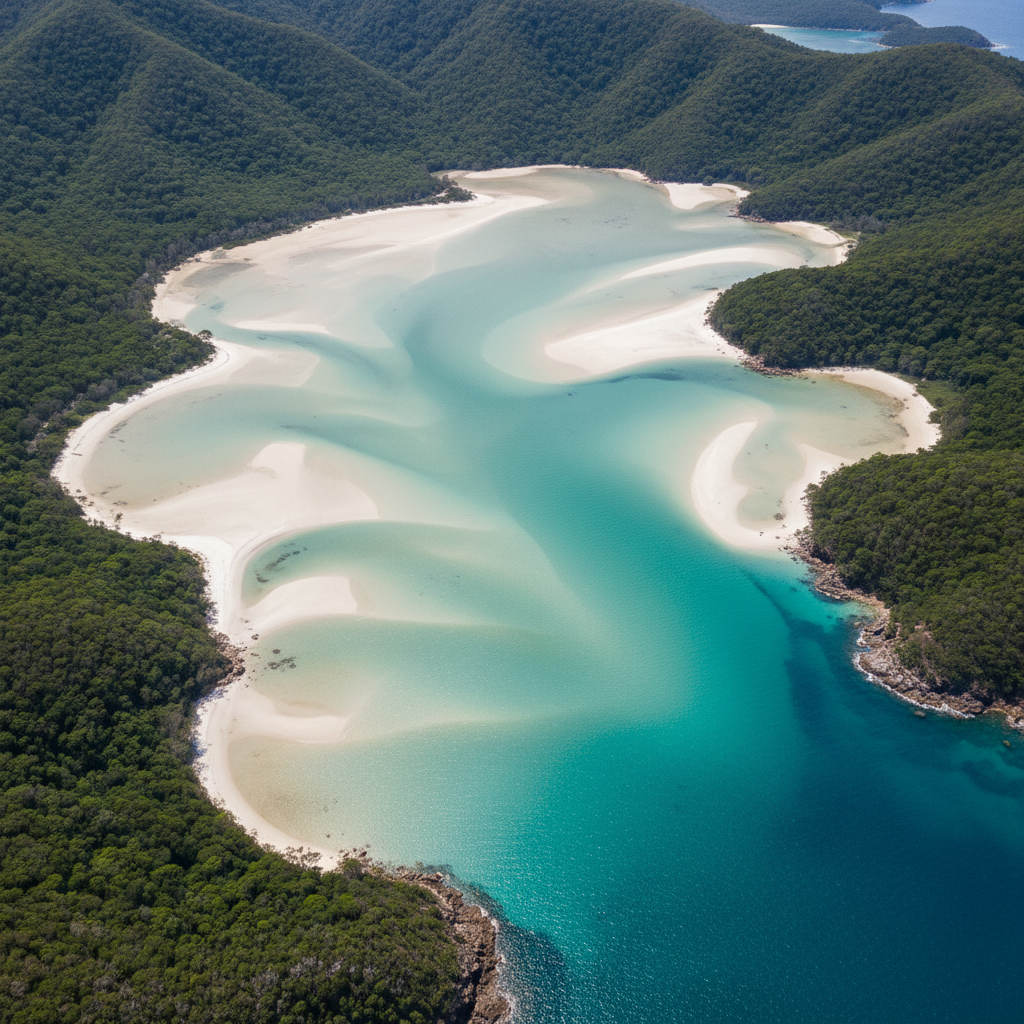
The crystal-clear waters surrounding Airlie Beach teem with some of Australia's most prized fishing species, making half-day fishing charters the perfect way to experience the Whitsundays' legendary angling opportunities without committing to a full day on the water. These shorter trips pack serious fishing action into 4-6 hour adventures, targeting everything from coral trout and mackerel to queenfish and trevally in the productive waters around the Whitsunday Islands.
What fishing species can you catch on half-day charters from Airlie Beach?
Half-day charters from Airlie Beach target coral trout, Spanish mackerel, queenfish, golden trevally, sweetlip, and red emperor in waters ranging from shallow reefs to deeper offshore drop-offs around the Whitsunday Islands.
The diversity of fishing environments within reach of Airlie Beach means you'll encounter an impressive variety of species during your half-day adventure. Coral trout remain the most sought-after prize, with these vibrant reef fish averaging 2-5kg and providing excellent eating. Spanish mackerel patrol the deeper waters, often reaching 10-15kg and delivering blistering runs that test your angling skills.
Golden trevally and queenfish inhabit the mid-water column around reef edges, known for their acrobatic fights and speeds reaching 60km/h. Red emperor, sweetlip, and various cod species lurk around the deeper reef structures, while smaller reef fish like parrotfish, wrasse, and surgeonfish provide consistent action for less experienced anglers.
Seasonal variations significantly impact catch rates. During the warmer months (November to April), pelagic species like mackerel and tuna become more active, while the cooler dry season (May to October) sees increased coral trout and emperor activity around the reefs.
How much do half-day fishing charters cost in Airlie Beach?
Half-day fishing charters from Airlie Beach typically cost $180-$280 per adult for shared charters, with private charters ranging from $1,800-$3,500 depending on boat size and group capacity.
Shared half-day charters offer the most affordable option, with morning trips (6am-12pm) generally priced at $180-$220 per adult and afternoon sessions (1pm-6pm) costing $200-$280. These prices usually include all fishing equipment, bait, tackle, and basic refreshments.
Private half-day charters provide exclusive access and customized fishing experiences. A 6-person private charter averages $2,200-$2,800, while larger vessels accommodating 10-12 people range from $2,800-$3,500. Private charters include professional crew, premium tackle, bait, ice, and often lunch or refreshments.
Additional costs to consider include fishing licenses ($48 for recreational fishing in Queensland waters), gratuities for crew (10-15% is customary), and filleting services ($5-$10 per fish). Some operators offer package deals combining fishing with snorkeling or island visits, typically adding $50-$80 to the base charter price.
Children under 12 usually receive 20-30% discounts on shared charters, while teenagers pay adult rates. Cancellation policies vary, but most operators offer full refunds for weather-related cancellations and 50-80% refunds for cancellations made 24-48 hours in advance.
What's included in a typical half-day fishing charter package?
Standard half-day fishing charter packages include all fishing equipment, bait and tackle, ice for your catch, basic refreshments, and professional guide services with local knowledge of productive fishing spots.
Professional-grade fishing equipment forms the backbone of any quality charter package. This includes heavy-duty rods and reels suitable for reef and offshore fishing, a comprehensive tackle box with various lures, sinkers, and hooks, plus fresh and artificial baits. Ice and storage facilities ensure your catch stays fresh throughout the trip.
Experienced crew members provide invaluable local knowledge, identifying the most productive fishing locations based on current conditions, tides, and seasonal patterns. They'll also assist with rigging, baiting hooks, landing fish, and ensuring compliance with size and bag limits.
Most packages include basic refreshments such as bottled water, soft drinks, and light snacks. Premium charters may provide morning tea, lunch, or afternoon refreshments depending on departure times. Sunscreen, first aid equipment, and safety gear including life jackets are standard inclusions.
Many operators also provide fish cleaning and filleting services, either included or available for a small additional fee. Some charters include transportation from central Airlie Beach locations to the departure marina, typically Abel Point Marina or Shute Harbour.
Which half-day fishing charter times work best for different fish species?
Morning charters (6am-12pm) excel for coral trout and emperor fishing during cooler conditions, while afternoon trips (1pm-6pm) target pelagic species like mackerel and trevally as they become more active.
Early morning departures capitalize on the dawn feeding period when many reef species are most active. Coral trout, red emperor, and various cod species feed aggressively in the first few hours after sunrise, making 6am-12pm charters highly productive for these prized table fish. Morning conditions also tend to be calmer, with lighter winds and less boat traffic.
Afternoon charters benefit from increased pelagic activity as water temperatures rise throughout the day. Spanish mackerel, queenfish, and trevally become more active in the warmer afternoon waters, often feeding in the late afternoon and early evening periods. The 1pm-6pm timeframe allows fishing into the golden hour when surface activity peaks.
Tidal movements significantly influence fishing success regardless of departure time. The two hours before and after high tide generally produce the best results, as moving water triggers feeding behavior across most species. Experienced charter operators time their trips to coincide with these optimal tidal windows.
Seasonal considerations also impact timing effectiveness. During summer months (December-February), early morning trips avoid the heat and afternoon storms, while winter fishing (June-August) can be productive throughout the day due to milder conditions.
What fishing techniques and equipment are used on half-day charters?
Half-day charters employ bottom fishing with heavy sinkers for reef species, trolling with lures and baits for pelagics, and casting techniques around structure using quality rods rated for 15-30kg fish.
Bottom fishing dominates when targeting reef species like coral trout and red emperor. Heavy sinkers (200-500 grams) take baited hooks quickly to the seafloor, minimizing the time fish have to inspect the bait. Fresh pilchards, prawns, and squid strips prove most effective, with circle hooks reducing gut-hooking and improving survival rates for undersized fish.
Trolling techniques target fast-moving pelagic species in deeper waters. Charter boats typically deploy 4-6 lines at varying depths, using diving lures, skirted lures, and natural baits like whole pilchards or garfish. Trolling speeds of 5-8 knots cover significant water while maintaining lure action that attracts mackerel, tuna, and queenfish.
Casting around structure requires accurate placement near reef edges, bombies, and drop-offs where predators ambush prey. Jigs, soft plastics, and surface poppers excel in these situations, with charter crews providing guidance on lure selection and retrieval techniques.
Rod specifications typically range from 6-7 foot lengths with 15-30kg line ratings, providing the backbone necessary to extract large fish from reef structures while maintaining sensitivity for detecting subtle bites. Premium charters often feature Shimano or Penn reels with smooth drag systems crucial for handling powerful reef fish.
Where do half-day fishing charters go from Airlie Beach?
Half-day charters from Airlie Beach typically fish the waters around Hook Island, Whitsunday Island, and Hayman Island, covering distances of 15-25 nautical miles from Abel Point Marina or Shute Harbour.
The northern Whitsunday Islands provide excellent fishing grounds within 45 minutes of Airlie Beach. Hook Island's eastern and northern sides feature deep drop-offs and coral formations that hold coral trout, sweetlip, and various cod species. The waters around Hayman Island offer similar structure with the added benefit of stronger currents that attract pelagic species.
Whitsunday Island's northern tip and western side present diverse fishing opportunities, from shallow coral gardens to deeper channels between islands. These areas consistently produce queenfish, trevally, and mackerel, particularly around Whitehaven Beach's northern and southern ends where deeper water meets shallow sand flats.
Outer reef locations like Stepping Stones and the Elbow provide access to larger pelagic species, though these spots require longer travel times (60-75 minutes) that may limit fishing time on half-day trips. Charter captains balance travel time against fishing opportunity, often choosing closer grounds that allow maximum time with lines in the water.
Weather conditions significantly influence destination choices. During southeast trade wind seasons, leeward sides of islands provide protection, while calmer periods allow access to more exposed but productive eastern aspects of the islands.
How do you prepare for a half-day fishing charter in Airlie Beach?
Prepare for half-day fishing charters by bringing sun protection, seasickness medication, appropriate clothing, and a valid Queensland recreational fishing license plus photo identification for departure check-in.
Sun protection remains critical even on shorter trips, as reflection off water intensifies UV exposure. Pack broad-spectrum sunscreen (SPF 30+), a wide-brimmed hat, polarized sunglasses, and long-sleeved shirt for extended sun exposure. Many charters provide shade areas, but deck fishing often requires full sun exposure.
Seasickness prevention should be considered even on calm days, as boat movement while fishing differs from transit conditions. Take seasickness medication 30-60 minutes before departure if you're prone to motion sickness. Ginger tablets, wrist bands, and staying hydrated also help minimize discomfort.
Appropriate clothing includes non-slip deck shoes (thongs/flip-flops can be dangerous on wet decks), quick-dry shorts or pants, and layers for changing conditions. A light waterproof jacket protects against spray during travel, while fishing gloves prevent line cuts and improve grip on wet surfaces.
Documentation requirements include a current Queensland recreational fishing license (available online for $48) and photo identification. Some operators provide temporary licenses, but purchasing in advance avoids delays. Check bag limits and size restrictions for target species to ensure compliance.
Personal items to consider include a camera for fish photos, small cooler for taking fish home, cash for crew gratuities, and any prescription medications. Leave valuables ashore or in waterproof containers, as deck areas can get wet during fishing activities.
What are the size and bag limits for fish caught on Whitsundays charters?
Queensland recreational fishing limits include 38cm minimum size for coral trout (5 fish daily), 90cm for Spanish mackerel (1 fish), and 35cm for sweetlip (5 fish) with strict enforcement and heavy penalties for violations.
Coral trout regulations require a minimum size of 38cm with a maximum of 5 fish per person per day. These measurements are taken from the tip of the snout to the end of the tail fin, and charter operators carry measuring devices to ensure compliance. Coral trout between 38-70cm may be retained, while larger breeding fish must be released.
Spanish mackerel have a 90cm minimum size limit with only 1 fish allowed per person daily. These powerful predators are measured in the same manner, and their silver coloration makes them easily identifiable. Charter crews are experienced in properly handling and measuring these large fish.
Red emperor and various cod species have size limits ranging from 35-50cm depending on species, with bag limits of 3-5 fish per person. Sweetlip require a 35cm minimum with a 5-fish daily bag limit. Queenfish and trevally typically have 35cm minimums with generous bag limits of 10+ fish per species.
Penalties for exceeding limits or retaining undersize fish are severe, ranging from $2,875-$11,500 individual fines plus potential court appearances. Queensland Boating and Fisheries Patrol conduct regular inspections, and charter operators risk losing licenses for allowing violations aboard their vessels.
Seasonal closures also apply to certain species and areas. Coral trout have periodic spawning closures, typically during October-November, when retention is prohibited regardless of size. Charter operators stay current on all regulations and communicate any changes to passengers before departure.
How does weather affect half-day fishing charter availability?
Weather conditions determine charter availability, with operations typically cancelled for winds exceeding 25 knots, wave heights over 2 meters, or severe weather warnings, though morning charters often run when afternoon trips are cancelled.
Wind strength and direction most significantly impact charter operations. Southeast trade winds (April-September) averaging 15-20 knots provide ideal fishing conditions, while tropical lows and storm systems can generate dangerous conditions requiring cancellations. Charter operators monitor Bureau of Meteorology forecasts and marine wind warnings 12-24 hours in advance.
Wave height and sea conditions affect passenger comfort and fishing effectiveness. Swells exceeding 2 meters make fishing difficult and increase seasickness, leading to trip cancellations or destination changes to more protected waters. The Whitsunday Islands provide numerous sheltered fishing spots, allowing operations to continue in moderately rough conditions.
Morning charters benefit from typically calmer conditions before afternoon sea breezes develop. Trade wind patterns often see 5-10 knot morning winds building to 20-25 knots by afternoon, making early departures more reliable during windy periods.
Summer storm seasons (November-April) present unique challenges with afternoon thunderstorm development. Morning half-day charters often complete successfully while afternoon trips face cancellation due to lightning and severe weather risks. Charter operators maintain radio contact with weather services and other vessels to monitor changing conditions.
Cancellation policies vary by operator but typically offer full refunds for weather-related cancellations made by the charter company. Passengers cannot claim refunds for seasickness or discomfort in marginal conditions where the operator deems travel safe.
Ready to experience the incredible fishing the Whitsundays has to offer? Browse our complete range of fishing adventures or explore our top-rated fishing charters to find the perfect half-day fishing experience. Whether you're after trophy coral trout or exciting pelagic action, our carefully selected Airlie Beach tour operators deliver unforgettable fishing adventures in these pristine tropical waters. Book your half-day fishing charter through Airlie to Whitehaven today and discover why the Whitsundays rank among Australia's premier fishing destinations.