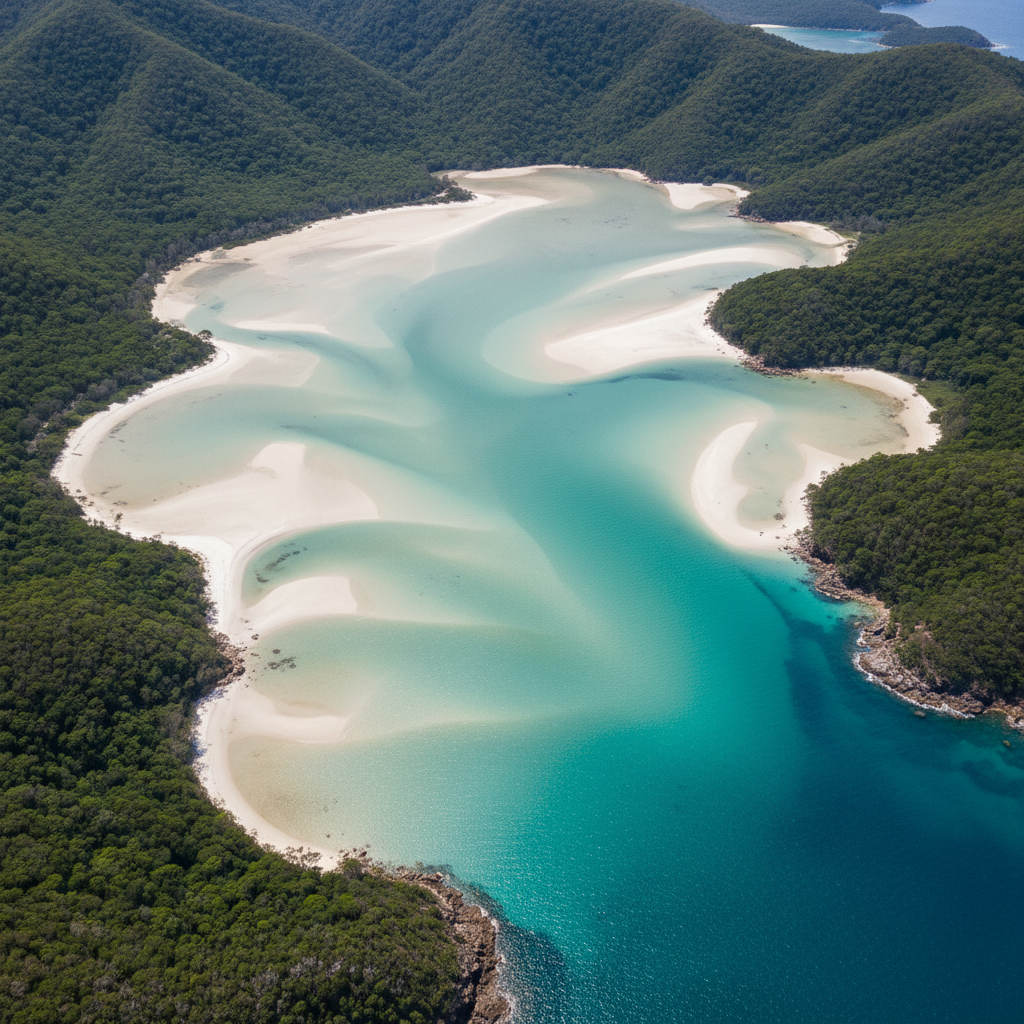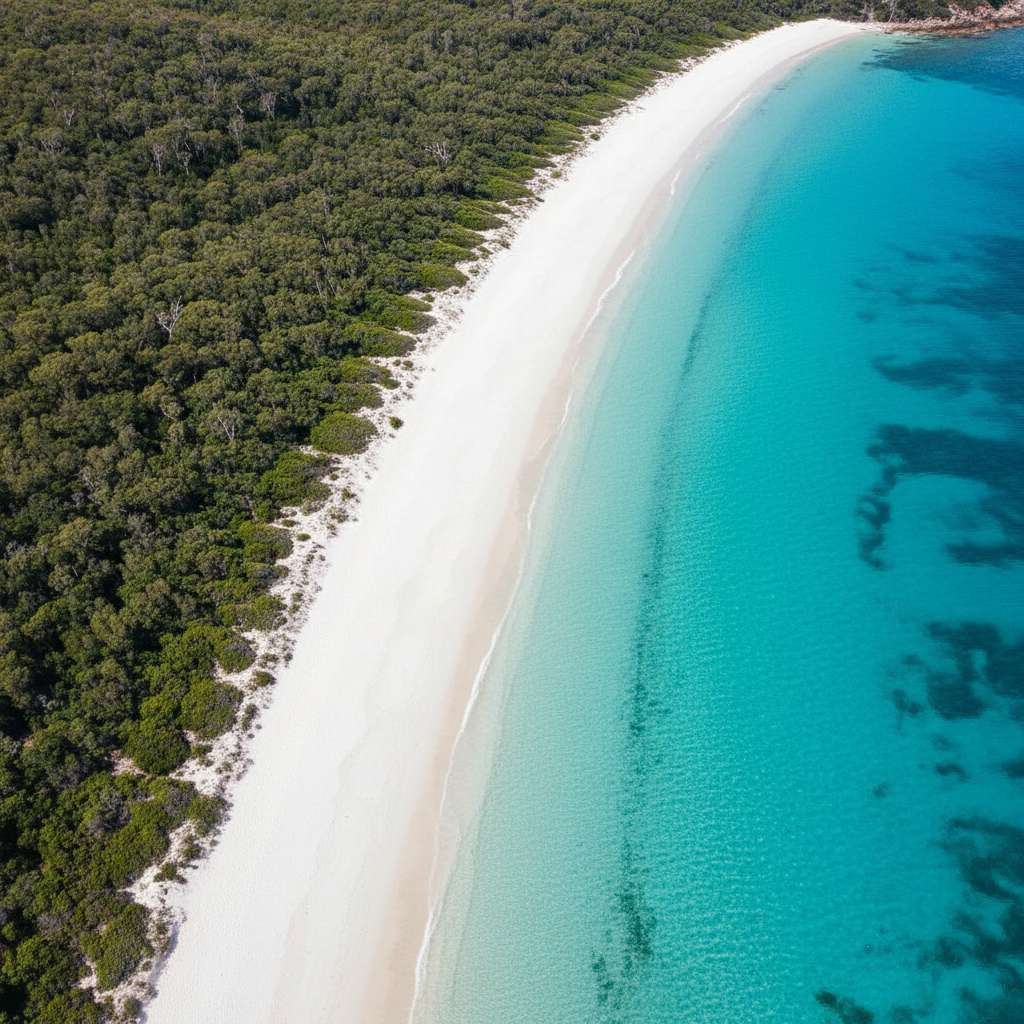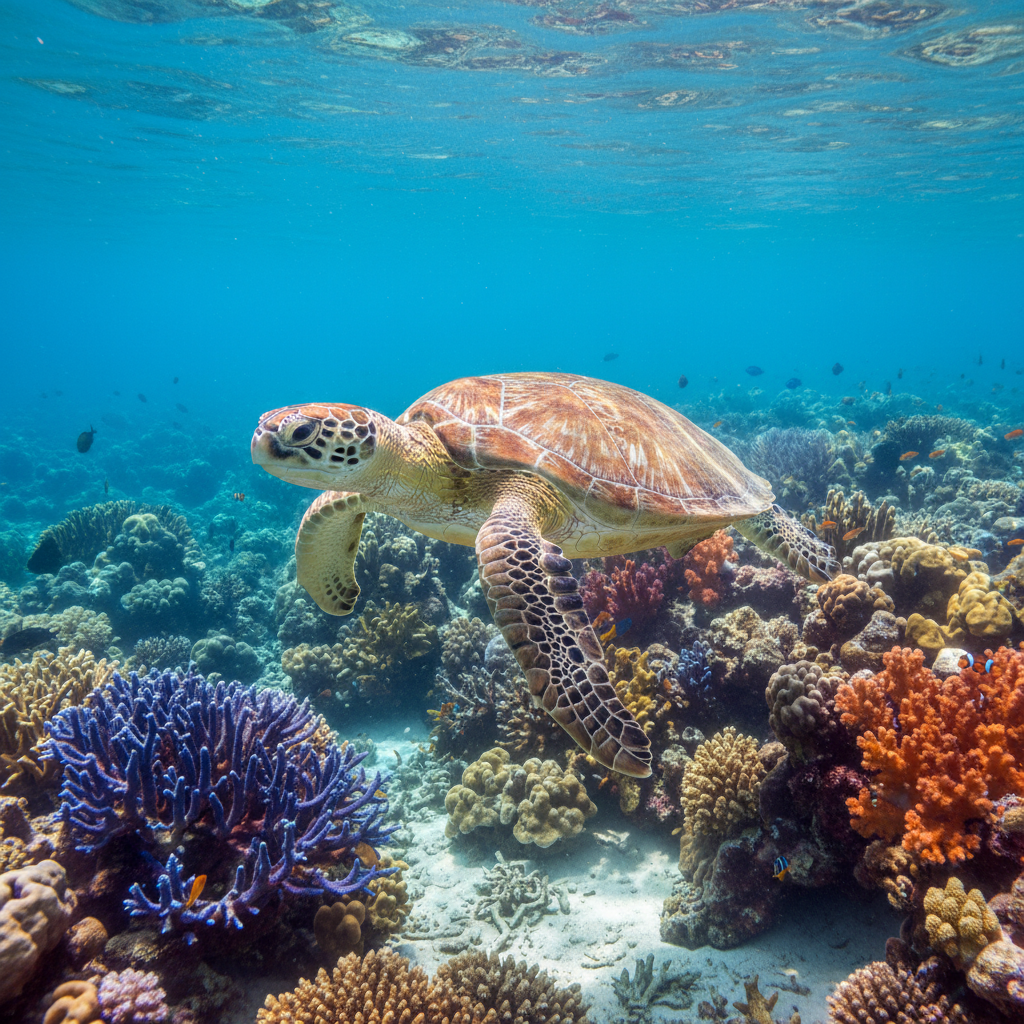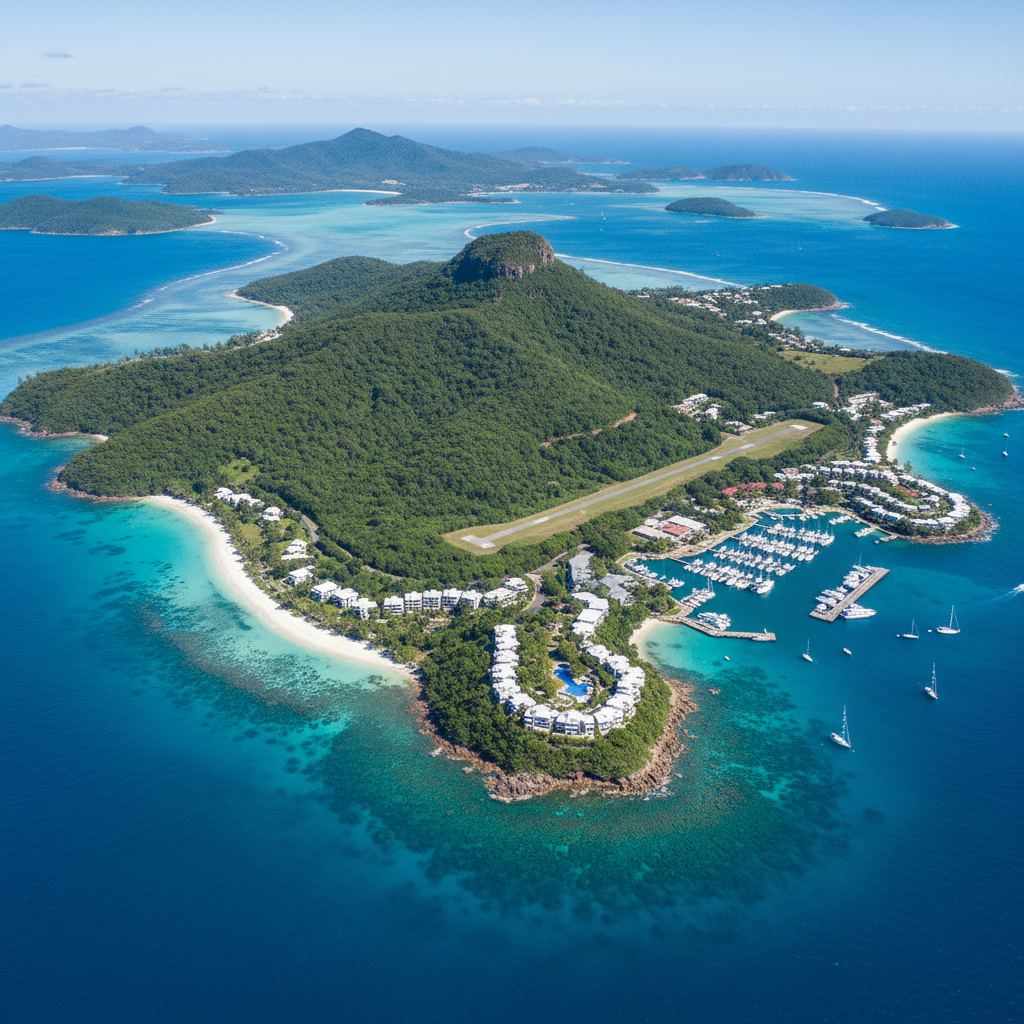
The Great Barrier Reef stretches 2,300 kilometres along Queensland's coast, and Hamilton Island offers one of the most convenient gateways to this underwater wonderland. Located just two hours by high-speed catamaran from the reef's outer edge, Hamilton Island serves as the perfect launching pad for reef adventures, combining luxury resort amenities with easy access to some of Australia's most pristine coral systems.
With reef pontoons, snorkelling tours, and dive expeditions departing daily, you'll find reef cruise options to match every experience level and budget. The outer reef sites accessible from Hamilton Island feature 65% hard coral coverage and water visibility often exceeding 30 metres, making them among the most spectacular diving and snorkelling destinations on the entire Great Barrier Reef.
What Great Barrier Reef cruise options depart from Hamilton Island?
Hamilton Island offers three main reef cruise types: full-day pontoon experiences with Cruise Whitsundays ($245 AUD), half-day snorkelling tours with Reef World ($185 AUD), and premium dive charters starting from $320 AUD for certified divers.
The most popular option is Cruise Whitsundays' Reefworld pontoon, a permanent floating platform anchored at Hardy Reef. This three-level pontoon features underwater viewing chambers, semi-submersible tours, helicopter scenic flights, and both snorkelling and diving facilities. The platform accommodates up to 600 guests daily and includes all snorkelling equipment, stinger suits, and a tropical buffet lunch.
For smaller group experiences, Reef World operates high-speed catamarans to multiple outer reef locations. Their tours visit two separate reef sites during the day, allowing you to compare different coral ecosystems. Each site offers 45-60 minutes of water time, with marine biologist guides providing reef interpretation and safety briefings.
Premium dive operators like ProDive Hamilton Island focus on certified divers, offering two-tank dives at pristine outer reef sites. These tours maintain a maximum 20-passenger capacity and visit exclusive mooring sites with minimal tourist traffic. Dive sites include Bait Reef's Cathedral Cave and Hardy Reef's spectacular coral gardens.
How long does it take to reach the Great Barrier Reef from Hamilton Island?
High-speed catamarans take approximately 90-120 minutes to reach outer Great Barrier Reef sites from Hamilton Island Marina, covering roughly 70 nautical miles through the Whitsunday Passage and Coral Sea.
The journey time varies depending on your specific reef destination and weather conditions. Hardy Reef, the closest outer reef site, takes 90 minutes via fast catamaran travelling at 25 knots. Bait Reef and Hook Reef, located slightly further northeast, require 105-120 minutes each way. These timing estimates include brief stops for passenger safety briefings and equipment distribution.
Weather conditions significantly impact travel times. During calm seas, catamarans maintain maximum speeds and arrive on schedule. However, during periods of 20+ knot winds or 2-metre swells, captains reduce speeds for passenger comfort, potentially adding 15-30 minutes to the journey. The Whitsunday Passage provides some protection from ocean swells, but the final 45 minutes crosses open Coral Sea waters.
Most operators depart Hamilton Island Marina between 8:00-9:00 AM to maximise reef time. Return journeys typically begin around 3:30-4:00 PM, arriving back at Hamilton Island by 5:30-6:00 PM. This schedule allows approximately 4-5 hours at the reef, including lunch and multiple snorkelling or diving sessions.
Which reef sites can you visit on Hamilton Island reef cruises?
Hamilton Island reef cruises primarily visit Hardy Reef, Bait Reef, and Hook Reef - three outer shelf locations featuring 98% live coral coverage, giant clam gardens, and resident populations of reef sharks, turtles, and tropical fish species.
Hardy Reef hosts the famous Heart Reef, a naturally heart-shaped coral formation visible only from helicopters. The reef's main snorkelling areas feature staghorn coral forests, giant clam gardens containing specimens over 100 years old, and cleaning stations frequented by green sea turtles. Water depth ranges from 2-15 metres across the snorkelling zones, with crystal-clear visibility averaging 25-35 metres.
Bait Reef offers more dramatic underwater topography, including swim-through caves, coral bombies rising from sandy bottoms, and steep coral walls descending beyond 40 metres. The reef's protected lagoons provide excellent conditions for novice snorkellers, while experienced divers can explore the Cathedral Cave system. White-tip reef sharks patrol the outer edges, and manta ray sightings occur regularly between June and September.
Hook Reef features the most diverse marine life populations, including resident populations of Maori wrasse, sweetlip emperors, and schools of barracuda. The reef's unique hook-shaped structure creates varied habitats, from shallow coral gardens perfect for snorkelling to deep channels attracting pelagic species. Advanced divers often encounter grey reef sharks, eagle rays, and seasonal whale sharks at Hook Reef's outer walls.
What's included in Great Barrier Reef cruise packages from Hamilton Island?
Standard reef cruise packages include return catamaran transport, snorkelling equipment, stinger suits, marine biologist guides, tropical buffet lunch, and underwater viewing opportunities. Premium packages add helicopter flights, introductory dives, and semi-submersible submarine tours.
All operators provide comprehensive snorkelling gear including masks, snorkels, fins, and flotation devices. Prescription masks are available for guests requiring vision correction. Lycra stinger suits come in all sizes, from children's XS to adult 5XL, providing protection against marine stingers and sun exposure during extended water activities.
Lunch typically features tropical buffets with barramundi, prawns, fresh salads, tropical fruits, and vegetarian options. Unlimited tea, coffee, and soft drinks are included throughout the day. Some operators offer complimentary wine or beer with lunch for guests over 18 years.
Professional marine biologists accompany all tours, providing reef ecology presentations, species identification assistance, and safety supervision in the water. They offer guided snorkel tours for beginners and can point out specific marine life including coral species, fish families, and turtle behaviour patterns.
Additional inclusions vary by operator. Cruise Whitsundays' Reefworld includes underwater viewing chambers, semi-submersible tours, and optional helicopter scenic flights over Heart Reef ($199 AUD for 10 minutes). Premium packages often include introductory scuba dives for non-certified guests ($99 AUD) and underwater photography services.
Can beginners snorkel the Great Barrier Reef from Hamilton Island?
Absolutely. All Hamilton Island reef operators cater specifically to beginners with shallow water areas, flotation aids, professional instruction, and constant supervision. No prior snorkelling experience is required for any reef cruise.
Pre-departure briefings cover basic snorkelling techniques, equipment usage, and safety protocols. Marine biologists demonstrate proper mask clearing, breathing techniques, and fin usage before entering the water. First-time snorkellers receive individual attention and can practice in shallow areas near the pontoon or boat.
Flotation devices include pool noodles, life jackets, and flotation belts, allowing nervous swimmers to stay comfortably at the surface. Many reef sites feature sandy areas just 2-3 metres deep, perfect for building confidence before exploring deeper coral formations. Safety staff remain in the water at all times, maintaining visual contact with all snorkellers.
Age restrictions vary by operator. Most accept children from 4 years old with adult supervision, while some require minimum ages of 6-8 years for open water activities. Children under 12 must wear flotation devices, and family flotation platforms allow parents and kids to snorkel together safely.
Non-swimmers can still experience the reef through semi-submersible tours, underwater viewing chambers, and glass-bottom boat trips. These dry alternatives showcase the same coral formations and marine life without requiring any swimming ability.
What marine life can you see on Hamilton Island reef cruises?
Common sightings include green sea turtles (90% encounter rate), white-tip reef sharks, giant trevally, Maori wrasse, coral trout, sweetlip emperors, and over 200 tropical fish species across pristine hard and soft coral formations.
Green sea turtles represent the most reliable wildlife encounter, with multiple individuals residing permanently at each reef site. These gentle giants often approach snorkellers curiously, especially around turtle cleaning stations where small fish remove algae from their shells. Hawksbill turtles appear less frequently but are distinguished by their pointed beaks and beautiful shell patterns.
Shark encounters focus primarily on harmless white-tip and grey reef sharks, ranging from 1-2 metres in length. These species show little interest in humans and typically maintain safe distances while patrolling reef edges. Nurse sharks occasionally rest in sandy areas, and leopard sharks inhabit deeper waters around Bait Reef.
The reef's fish diversity astounds first-time visitors. Massive schools of blue tangs create moving walls of electric blue, while territorial damselfish dart aggressively around their coral territories. Humphead Maori wrasse, some weighing over 150 kilograms, patrol outer reef areas and often pose curiously for underwater photographers.
Seasonal visitors include humpback whales (June-September), manta rays (winter months), and whale sharks (rare but possible year-round). During whale season, surface intervals often feature whale watching opportunities, with breaching humpbacks visible from reef platforms.
When is the best time for Great Barrier Reef cruises from Hamilton Island?
April through November offers optimal conditions with 15-20 knot winds, minimal rainfall, 24-27°C water temperatures, and 25-35 metre visibility. Avoid December-March due to stinger season, cyclones, and reduced visibility from rainfall.
The dry season (April-November) provides the most consistent weather patterns and sea conditions. Trade winds typically blow at 15-20 knots from the southeast, creating manageable sea conditions for comfortable catamaran travel. Water temperatures remain pleasant at 24-27°C, requiring only thin wetsuits or lycra suits for thermal protection.
Underwater visibility peaks during dry season months, often exceeding 30 metres at outer reef sites. Reduced rainfall means less terrestrial runoff reaching the reef, maintaining crystal-clear water conditions perfect for photography and marine life observation.
Stinger season (November-May) requires additional precautions due to potentially dangerous jellyfish including Irukandji and box jellyfish. All operators provide full-body lycra suits during this period, and some reef areas may be temporarily closed depending on stinger density. Despite precautions, many guests prefer avoiding stinger season entirely.
Whale watching season (June-September) adds extra excitement to reef trips, with humpback whale sightings possible during transit to reef sites. However, this period also brings increased tourist numbers and higher cruise prices. Booking 2-3 months ahead is recommended during peak whale season.
How much do Great Barrier Reef cruises cost from Hamilton Island?
Reef cruise prices range from $185-$450 AUD per adult depending on tour type and inclusions. Budget half-day tours start at $185, full-day pontoon experiences cost $245-$285, while premium dive charters reach $320-$450 AUD.
Cruise Whitsundays' Reefworld represents the mid-range option at $245 AUD for adults, $140 AUD for children (4-14 years), and $195 AUD for concession holders. This price includes catamaran transport, buffet lunch, snorkelling equipment, marine biologist presentations, and access to underwater viewing facilities.
Half-day reef tours with operators like Reef World cost $185 AUD for adults and $125 AUD for children. These shorter trips visit two reef sites but exclude lunch and additional activities like helicopter flights or diving options.
Premium dive charters command higher prices due to smaller group sizes and exclusive reef sites. Two-tank dive trips cost $320-$380 AUD for certified divers, while learn-to-dive experiences reach $450 AUD including full certification courses and equipment.
Additional costs include optional helicopter flights over Heart Reef ($199 AUD for 10 minutes), introductory scuba dives ($99 AUD), underwater photography packages ($45-$89 AUD), and alcoholic beverages ($8-$12 AUD each). Most operators offer family packages with 10-15% discounts for groups of 4+ people.
What should you bring on a Great Barrier Reef cruise from Hamilton Island?
Essential items include reef-safe sunscreen (SPF 50+), hat, sunglasses, towel, camera, motion sickness medication, and water bottle. Operators provide all snorkelling equipment, lunch, and stinger suits, so minimal personal gear is required.
Reef-safe sunscreen is crucial for coral protection and legal requirements. Choose zinc oxide or titanium dioxide formulations without oxybenzone, octinoxate, or nano-particles that damage coral polyps. Apply generously 30 minutes before water activities and reapply after toweling off.
Underwater cameras capture reef memories effectively. Waterproof disposable cameras cost $25-$35 AUD and provide decent image quality for casual use. GoPro cameras with underwater housings offer superior video capabilities, while some operators rent professional underwater camera packages for $45-$65 AUD daily.
Motion sickness prevention is essential for sensitive passengers. Take medications 30-60 minutes before departure, avoid alcohol the night before, and eat light breakfasts. Natural remedies include ginger tablets, pressure point wristbands, and focusing on the horizon during rough weather periods.
Personal towels aren't always provided, so bring quick-dry travel towels for post-snorkelling comfort. Wide-brimmed hats and quality sunglasses protect against reflected UV rays, which intensify dramatically over water surfaces. Insulated water bottles help maintain hydration throughout long reef days.
Are there age restrictions for Great Barrier Reef cruises from Hamilton Island?
Most operators accept passengers from 4 years old, though some require 6-8 year minimums. Children under 12 must wear flotation devices, and under-18s need parental consent. No upper age limits apply for standard reef activities.
Cruise Whitsundays welcomes children from 4 years old on their Reefworld pontoon trips. Younger children enjoy semi-submersible tours, underwater viewing chambers, and supervised shallow-water snorkelling with certified flotation aids. Family-friendly facilities include child-sized equipment and designated shallow areas perfect for nervous young swimmers.
Scuba diving maintains stricter age requirements. Introductory resort dives accept participants from 10 years old with parental supervision and shallow depth limits (maximum 6 metres). Full scuba certification requires minimum ages of 12-15 years depending on certification agency (PADI vs SSI).
Senior passengers face no age restrictions for standard reef activities. However, boat operators may require medical clearances for passengers with heart conditions, mobility issues, or recent surgeries. Most boats provide assistance with equipment and water entry/exit for guests requiring additional support.
Pregnancy restrictions vary by trimester and operator. First and second trimester passengers typically receive approval for surface activities like snorkelling and pontoon visits. Third trimester or high-risk pregnancies may face restrictions depending on individual medical circumstances and operator insurance policies.
How do Hamilton Island reef cruises compare to Airlie Beach departures?
Hamilton Island offers more convenient logistics with resort accommodation and shorter airport transfers, while Airlie Beach provides more tour variety, competitive pricing, and easier mainland access. Both reach identical outer reef sites.
For travellers staying on Hamilton Island, reef cruise convenience is unmatched. Walk from your resort accommodation to the marina in 5-10 minutes, avoiding the 30-minute ferry transfer required for Airlie Beach tours. Hamilton Island Airport's direct flights from Sydney, Melbourne, and Brisbane eliminate the need for additional ground transport to reach tour departure points.
However, Hamilton Island cruise options are more limited than Airlie Beach's extensive tour selection. Airlie Beach hosts 15+ reef operators offering everything from budget backpacker trips to luxury small-group charters. Hamilton Island's reef options focus primarily on Cruise Whitsundays and 2-3 smaller operators.
Pricing typically favours Airlie Beach departures by 10-20% for comparable experiences. Hamilton Island's resort setting commands premium prices for convenience, while Airlie Beach's competitive market keeps costs lower. Budget travellers often save $50-$80 AUD per person by choosing Airlie Beach reef tours.
Both departure points reach identical outer reef destinations, with similar travel times and reef site quality. Great Barrier Reef access from Hamilton Island covers the same Hardy Reef, Bait Reef, and Hook Reef locations as mainland departures, ensuring equivalent underwater experiences regardless of starting point.
Can you combine Great Barrier Reef and Whitehaven Beach in one trip from Hamilton Island?
Yes, several operators offer 2-day combination packages visiting both Whitehaven Beach and outer reef locations. Same-day combinations aren't possible due to distance and logistics, but consecutive day trips work perfectly from Hamilton Island.
Cruise Whitsundays operates the most popular combination package, featuring Whitehaven Beach and Hill Inlet on day one, followed by their Reefworld pontoon experience on day two. This package costs $485 AUD for adults ($245 per day) and includes all transfers, meals, equipment, and activities. The structured itinerary maximises time at each destination without rushing.
Independent travellers can book separate day tours for more flexibility. Hamilton Island activities include numerous Whitehaven Beach options departing Tuesday-Sunday, with reef cruises operating daily except certain weather-dependent cancellations. This approach allows rest days between intensive tour days and accommodation of personal schedules.
Helicopter and seaplane operators offer premium combination experiences, including scenic flights over both destinations with beach landings and reef platform stops. These luxury options cost $800-$1,200 AUD per person but compress both experiences into single spectacular days with aerial perspectives impossible from boats.
Three-day itineraries work exceptionally well: Day 1 for Whitehaven Beach exploration and Hill Inlet hiking, Day 2 for reef snorkelling and diving, and Day 3 for island relaxation or additional Whitsunday exploration. This pace prevents tour fatigue while maximising your Hamilton Island experience.
Ready to experience the Great Barrier Reef from Hamilton Island? Browse our comprehensive selection of reef cruises, combination packages, and island adventures through Airlie to Whitehaven. Our local expertise ensures you'll find the perfect reef experience to match your schedule, budget, and adventure level – from family-friendly pontoon visits to exclusive dive charters exploring the most pristine coral gardens in the world.