Glass bottom boat tours from Airlie Beach offer the perfect way to explore the underwater world without getting wet. These specially designed vessels feature transparent viewing panels in the hull, allowing you to peer directly down into the vibrant marine ecosystem of the Whitsundays and Great Barrier Reef. Whether you're not comfortable in the water, travelling with young children, or simply want to stay dry while experiencing the reef, glass bottom boats provide an accessible window into one of the world's most spectacular marine environments.
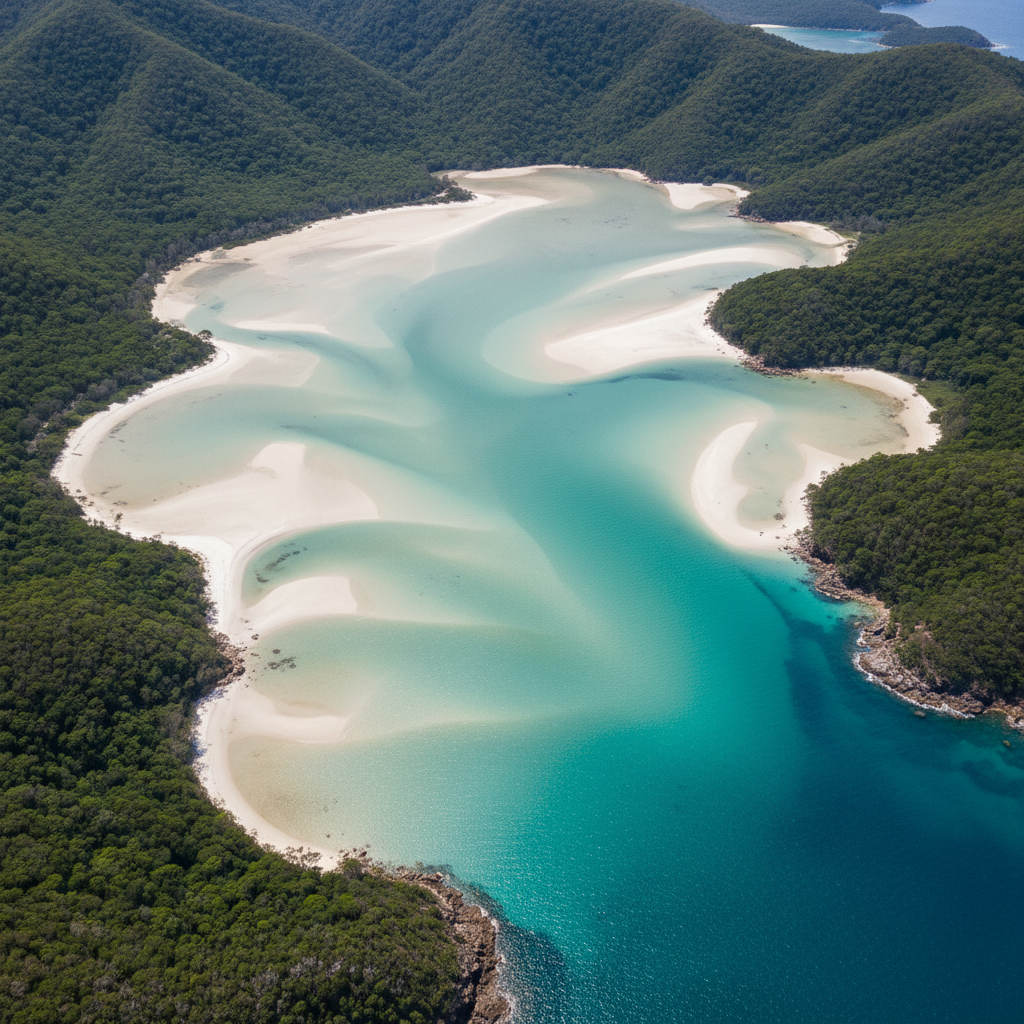
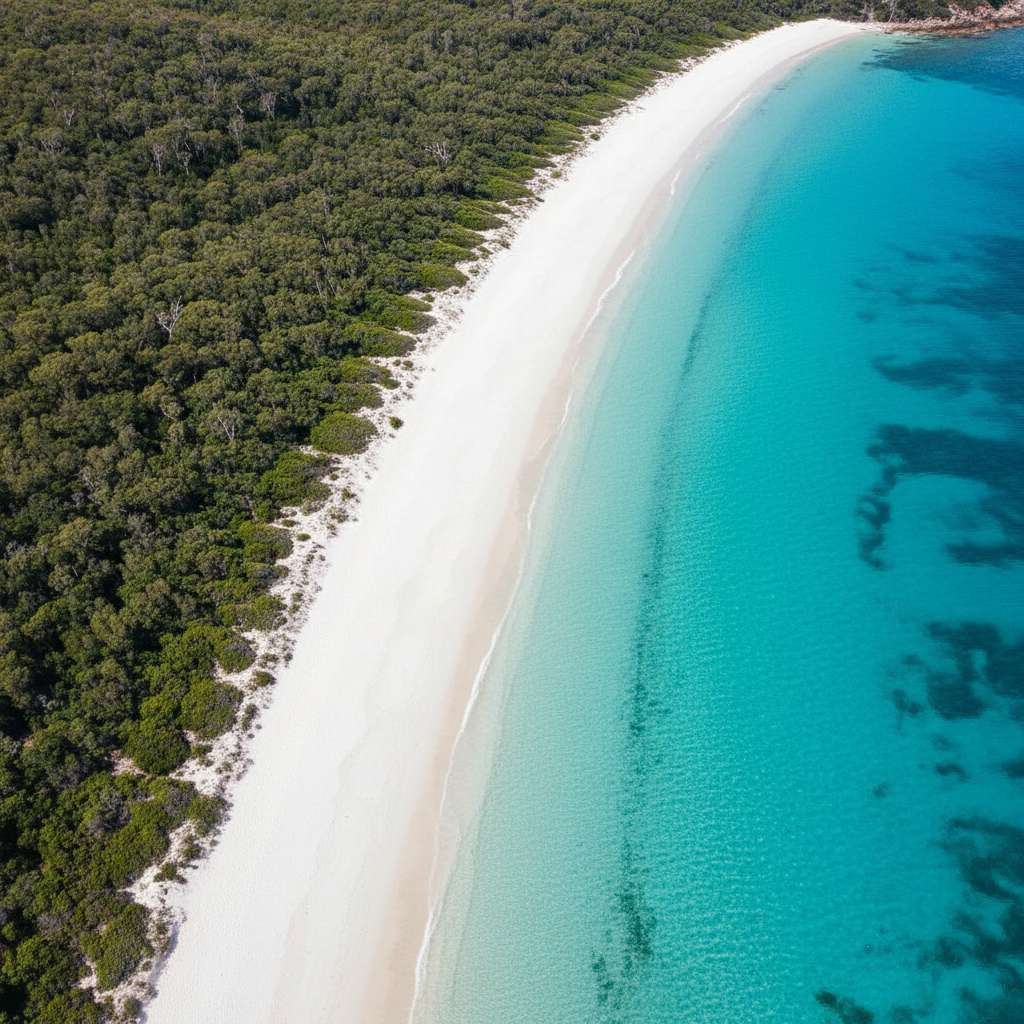
The Whitsundays region boasts some of Australia's most diverse marine life, from colourful coral gardens to schools of tropical fish, reef sharks, and the occasional turtle or ray. Glass bottom boat tours typically combine reef viewing with visits to iconic destinations like Whitehaven Beach, making them an excellent choice for first-time visitors wanting to see the best of both worlds above and below the waterline.
What exactly is a glass bottom boat and how does it work?
Glass bottom boats feature reinforced glass or acrylic viewing windows built into the hull, creating underwater observation chambers that allow passengers to view marine life without entering the water. The transparent panels are typically 2-3 metres long and positioned along the boat's centre, with bench seating arranged around the viewing area.
These specialised vessels work best in clear, shallow waters where sunlight can penetrate to illuminate the reef below. The boat's captain positions the vessel over coral formations, maintaining a safe distance of 3-5 metres above the reef to protect both the marine environment and the boat. Most glass bottom boats in the Whitsundays use LED underwater lighting systems to enhance visibility, particularly useful during overcast conditions or when viewing deeper sections of reef.
The viewing experience is enhanced by knowledgeable guides who point out marine species and explain reef ecology. Modern glass bottom boats often feature multiple viewing windows, allowing 20-30 passengers to observe simultaneously without crowding. The glass panels undergo regular cleaning and maintenance to ensure crystal-clear visibility throughout each tour.
Where do glass bottom boat tours from Airlie Beach typically visit?
Glass bottom boat tours from Airlie Beach typically visit Hook Reef, Hardy Reef, and Bait Reef, located 60-90 kilometres from the mainland. These outer reef locations offer the clearest water and most diverse marine life for optimal underwater viewing experiences.
Most full-day tours depart from Abel Point Marina or Shute Harbour, travelling approximately 2 hours to reach the outer Great Barrier Reef. The journey passes through the protected waters of the Whitsunday Islands, often including stops at Whitehaven Beach or Hill Inlet Lookout before continuing to reef locations.
Popular reef sites include:
- Hook Reef: Features vibrant coral gardens and large schools of fish, with visibility often exceeding 20 metres
- Hardy Reef: Home to the famous Heart Reef (viewed from helicopter) and excellent snorkelling locations
- Bait Reef: Known for diverse marine life including reef sharks, rays, and seasonal turtle sightings
- Knuckle Reef: Shallower sections perfect for glass bottom boat viewing, with extensive coral formations
Half-day tours often visit closer reef locations around the Whitsunday Islands, including fringing reefs near Hook Island or Hayman Island. While these sites don't offer the pristine conditions of the outer reef, they still provide excellent viewing opportunities with shorter travel times and lower costs.
How much do glass bottom boat tours cost and what's included?
Glass bottom boat tours from Airlie Beach range from $89-149 for half-day trips and $199-289 for full-day reef excursions. Prices vary based on tour duration, reef locations visited, additional activities included, and seasonal demand throughout the year.
Half-day glass bottom boat tours (4-5 hours) typically cost:
- Budget options: $89-109 including glass bottom boat viewing and island stop
- Standard tours: $119-139 with reef viewing, Whitehaven Beach visit, and refreshments
- Premium half-day: $149-169 including gourmet lunch and additional activities
Full-day reef tours (8-9 hours) generally cost:
- Outer reef tours: $199-229 with glass bottom boat viewing, snorkelling gear, and lunch
- Premium reef experiences: $249-289 including helicopter flights, premium dining, and multiple reef sites
- Luxury catamarans: $289-349 with spacious vessels, full bar service, and exclusive reef locations
Most tours include morning or afternoon tea, buffet lunch on full-day trips, snorkelling equipment, stinger suits during stinger season (November-May), and complimentary hotel transfers from Airlie Beach accommodation. Additional costs may apply for wetsuit hire ($10-15), underwater cameras ($25-35), or helicopter scenic flights ($149-199).
What marine life can you actually see through glass bottom boats?
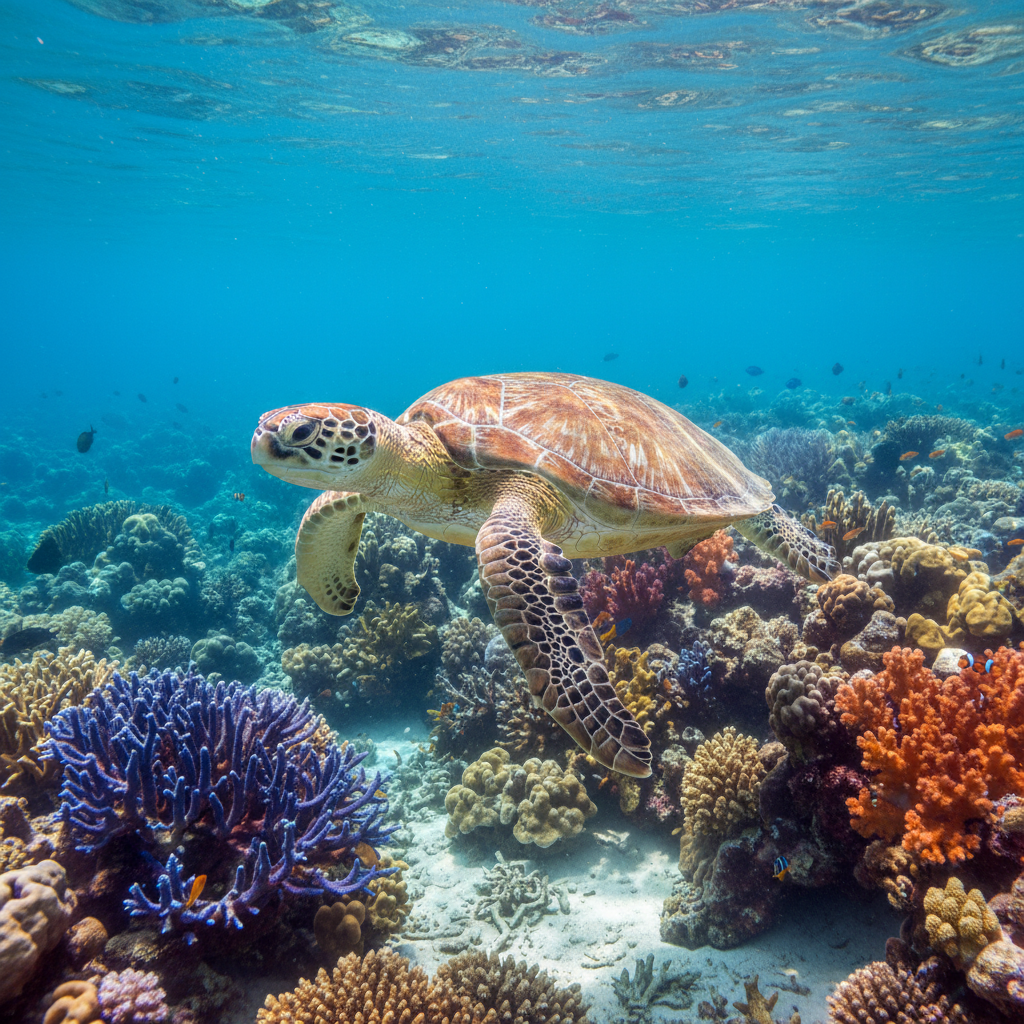
Glass bottom boats in the Whitsundays reveal diverse marine life including colourful reef fish, coral formations, green sea turtles, reef sharks, rays, and seasonal visitors like whales. Visibility and species diversity vary significantly based on weather conditions, water clarity, and specific reef locations visited.
Common marine species visible through glass bottom boats include:
Fish species:
- Parrotfish - large, colourful fish often seen grazing on coral
- Angelfish - distinctive black and yellow striped varieties
- Wrasse - including massive Maori wrasse weighing up to 200kg
- Coral trout - popular eating fish with distinctive spotting
- Sweetlip - schools of 50+ fish often gathering around coral bombies
- Clownfish (Nemo) - visible in anemone gardens during calm conditions
Larger marine life:
- Green sea turtles - frequently spotted grazing on seagrass beds
- Reef sharks - harmless whitetip and blacktip species, 1-2 metres long
- Stingrays - often buried in sandy areas between coral formations
- Eagle rays - occasional sightings of these graceful swimmers
- Giant clams - impressive molluscs up to 1 metre across
Coral formations: The reef showcases over 400 coral species, including branching staghorn corals, massive brain corals, delicate plate corals, and colourful soft corals swaying in the current. Visibility is typically best between 10am-2pm when sunlight penetrates deepest into the water.
Are glass bottom boat tours suitable for children and elderly passengers?
Glass bottom boat tours are exceptionally suitable for children and elderly passengers, offering comfortable seating, accessible viewing, minimal physical demands, and protection from sun and weather. Most operators welcome infants to seniors, making these tours among the most inclusive reef experiences available.
Benefits for families with children:
- Safety: No swimming required, children remain safely on deck throughout the tour
- Engagement: Interactive viewing experience holds attention spans better than traditional boat tours
- Education: Guides provide age-appropriate marine life commentary and reef education
- Comfort: Sheltered viewing areas protect from sun, wind, and seasickness
- Flexibility: Children can move around the boat when not actively viewing through glass panels
Considerations for elderly passengers:
- Accessibility: Most boats feature easy-access boarding with handrails and assistance available
- Seating: Comfortable bench seating around glass viewing areas with back support
- Mobility: Minimal walking required once aboard, with toilet facilities on larger vessels
- Weather protection: Indoor/covered viewing areas available during inclement weather
Age-specific considerations include infant rates (usually free under 4 years), child pricing (4-14 years typically 50-70% of adult price), and senior discounts often available on weekday tours. Most operators provide life jackets in all sizes and maintain first aid equipment aboard.
What's the difference between glass bottom boat tours and snorkelling tours?
Glass bottom boat tours offer dry viewing through transparent hull panels while snorkelling tours provide direct water immersion with mask and fins. Glass bottom boats suit non-swimmers and weather-sensitive passengers, while snorkelling offers closer marine interaction for confident swimmers.
Key differences include:
Viewing experience:
- Glass bottom boats: Observe from 3-5 metres above the reef through glass panels
- Snorkelling: Float directly above coral formations, often within 1-2 metres of marine life
- Perspective: Glass bottom boats provide wider viewing angles but less detail
- Duration: Continuous viewing throughout tour vs. 45-60 minutes actual snorkelling time
Physical requirements:
- Glass bottom boats: No swimming ability required, suitable for all fitness levels
- Snorkelling: Basic swimming confidence essential, comfortable in open water
- Equipment: Glass bottom boats require no gear vs. mask, fins, and snorkel
- Weather dependency: Glass bottom boats operate in more varied conditions
Many tours combine both experiences, starting with glass bottom boat viewing to identify reef areas before snorkelling at the same location. This combination approach allows passengers to choose their preferred level of water interaction. Snorkelling tours typically cost $20-40 more than glass bottom boat only options but provide more immersive reef experiences.
Tours designed for non-swimmers often prioritise glass bottom boat experiences while maintaining options for confident swimmers to snorkel if desired.
When is the best time of year for glass bottom boat tours?
The best time for glass bottom boat tours is April to November during the dry season, offering optimal water clarity, calm seas, and minimal rainfall. May to September provides the clearest visibility, while October to November offers warm weather with fewer crowds and competitive pricing.
Seasonal breakdown:
Dry season (April-November):
- Water visibility: 15-25 metres, ideal for glass bottom boat viewing
- Weather: Minimal rainfall, calm seas, consistent trade winds
- Temperature: 20-26°C, comfortable for all-day tours
- Marine life: Year-round tropical species plus seasonal visitors
Peak season (June-September):
- Advantages: Perfect weather, whale migration season, guaranteed tour departures
- Disadvantages: Higher prices ($20-40 premium), crowded boats, advance booking essential
- Whale watching: Humpback whales migrate through June-September
Wet season (December-March):
- Water clarity: Reduced to 8-15 metres due to rainfall and runoff
- Weather: High humidity, afternoon storms, occasional tour cancellations
- Stinger season: Marine stingers present (stinger suits provided)
- Benefits: Lower prices, fewer crowds, tropical atmosphere
Optimal booking timing varies by season: book 2-3 days ahead during shoulder seasons (April-May, October-November) and 7-14 days during peak season. Weather-dependent cancellations are rare but most common January-March.
How long do glass bottom boat tours typically take?
Glass bottom boat tours from Airlie Beach range from 4-hour half-day trips to 9-hour full-day reef adventures. Half-day tours focus on Whitsunday Islands fringing reefs, while full-day tours travel to outer Great Barrier Reef locations for optimal viewing conditions.
Half-day tours (4-5 hours):
- Departure: 8:30am or 1:00pm from Abel Point Marina
- Travel time: 45-60 minutes to island reef locations
- Glass bottom viewing: 90-120 minutes across 2-3 reef sites
- Additional stops: Whitehaven Beach visit (45 minutes) or Hill Inlet Lookout
- Return: 1:00pm or 5:30pm to Airlie Beach
Full-day tours (8-9 hours):
- Departure: 8:00-8:30am from Shute Harbour or Abel Point Marina
- Travel time: 2 hours each way to outer reef locations
- Reef time: 4-5 hours including glass bottom viewing and optional snorkelling
- Lunch break: 60-90 minutes aboard the vessel or at reef pontoon
- Return: 4:30-5:30pm to mainland
Sunset tours (3-4 hours): Some operators offer afternoon departures focusing on glass bottom viewing combined with sunset sailing, typically departing 2:00pm and returning 6:00pm. These tours offer different lighting conditions for reef viewing and romantic sunset experiences.
Tour duration affects pricing significantly, with half-day options 40-50% less expensive than full-day reef adventures. Weather conditions can extend or shorten tours, with operators maintaining flexible schedules to maximise viewing opportunities.
What should you bring on a glass bottom boat tour?
Essential items for glass bottom boat tours include sun protection (hat, sunglasses, SPF 30+ sunscreen), comfortable clothing, camera, light jacket for air conditioning, and cash for optional extras. Most operators provide refreshments, snorkelling equipment, and stinger suits when required.
Essential items to pack:
- Sun protection: Wide-brimmed hat, polarised sunglasses, reef-safe sunscreen SPF 30+
- Clothing: Lightweight, quick-dry shirt and shorts, swimwear underneath
- Footwear: Non-slip deck shoes or sandals with heel straps
- Weather protection: Light jacket or windbreaker for air-conditioned viewing areas
- Photography: Waterproof camera case, extra batteries, memory cards
Optional items:
- Snorkelling: Own mask if preferred (fins and snorkels provided)
- Comfort: Seasickness medication, small towel, reusable water bottle
- Cash: $50-100 for underwater cameras, helicopter upgrades, or souvenir purchases
Items typically provided:
- Snorkelling equipment (mask, fins, snorkel)
- Stinger suits during stinger season (November-May)
- Refreshments and meals as specified in tour package
- Hotel transfers from Airlie Beach accommodation
- Safety equipment including life jackets
Leave valuables at accommodation as boats have limited secure storage. Most operators provide waterproof bags for personal items during snorkelling activities.
Are there any limitations or drawbacks to glass bottom boat viewing?
Glass bottom boat viewing limitations include weather-dependent visibility, distance from marine life, potential motion sickness, and reduced flexibility compared to snorkelling. Choppy seas, overcast conditions, and crowded viewing areas can significantly impact the experience quality.
Environmental limitations:
- Weather dependency: Rough seas create distortion through glass panels
- Light conditions: Overcast skies reduce underwater visibility by 30-50%
- Water clarity: Recent rainfall or strong winds can muddy water clarity
- Tidal conditions: Low tides may prevent access to optimal reef viewing areas
Physical limitations:
- Viewing distance: Observe from 3-5 metres above reef, limiting detail visibility
- Motion sickness: Stationary viewing while boat rocks can trigger seasickness
- Crowding: Limited viewing window space during peak periods
- Reflection: Bright clothing and sun glare can create glass reflections
Experience limitations:
- Fixed perspective: Cannot explore reef at your own pace like snorkelling
- Tour schedule: Viewing time limited by vessel itinerary constraints
- Marine life behaviour: Fish may avoid large vessels, reducing sighting opportunities
To minimise limitations, choose tours during optimal weather windows, book smaller vessels with fewer passengers, and consider combination tours offering both glass bottom viewing and snorkelling options. Premium glass bottom boat tours often address these limitations with superior vessels, smaller group sizes, and flexible itineraries.
How do glass bottom boat tours compare to helicopter or scenic flights?
Glass bottom boat tours offer detailed underwater viewing and marine life interaction while helicopter flights provide aerial reef perspectives and iconic formations like Heart Reef. Boats cost $89-289 versus helicopters at $149-599, with boats offering longer reef time but helicopters showcasing reef scale and patterns.
Cost comparison:
- Glass bottom boats: $89-289 for 4-9 hours reef experience
- Helicopter flights: $149-599 for 15-60 minute aerial tours
- Combined packages: $299-499 for boat tour plus 15-20 minute helicopter flight
Experience differences:
Glass bottom boats provide:
- Detailed marine life viewing and identification
- Extended reef interaction time (2-4 hours)
- Educational commentary about reef ecology
- Comfortable viewing for all ages and fitness levels
- Weather protection and onboard facilities
Helicopter flights offer:
- Spectacular aerial photography opportunities
- Heart Reef and Whitehaven Beach from above
- Reef scale and pattern appreciation
- Quick access to multiple locations
- Unique perspective impossible from water level
Weather considerations: Glass bottom boats operate in more weather conditions than helicopters, which require clear visibility and calm winds. Boats can operate in light rain and moderate seas, while helicopters cancel for low clouds, strong winds, or poor visibility.
Combination tours offer the best of both worlds, typically featuring 6-8 hours aboard glass bottom boats with 15-20 minutes helicopter flight over Heart Reef and Whitehaven Beach. These packages provide comprehensive reef experiences but require larger budgets and favourable weather conditions.
Ready to explore the underwater world of the Whitsundays? Airlie to Whitehaven offers the region's most comprehensive selection of glass bottom boat tours, from budget-friendly half-day adventures to luxury full-day reef experiences. Our local expertise ensures you'll find the perfect tour to match your interests, budget, and travel dates. Browse our carefully selected glass bottom boat tours and secure your underwater adventure today – the Great Barrier Reef awaits just beneath the surface.