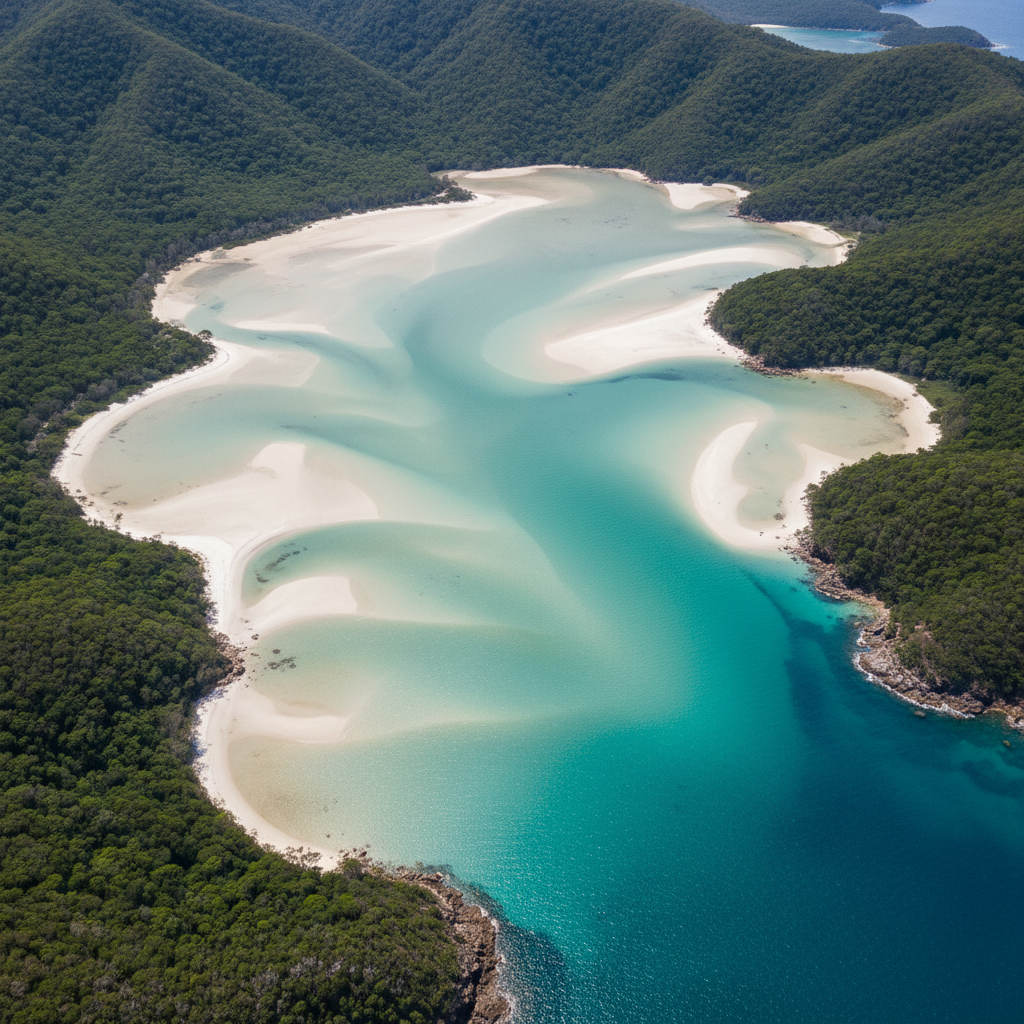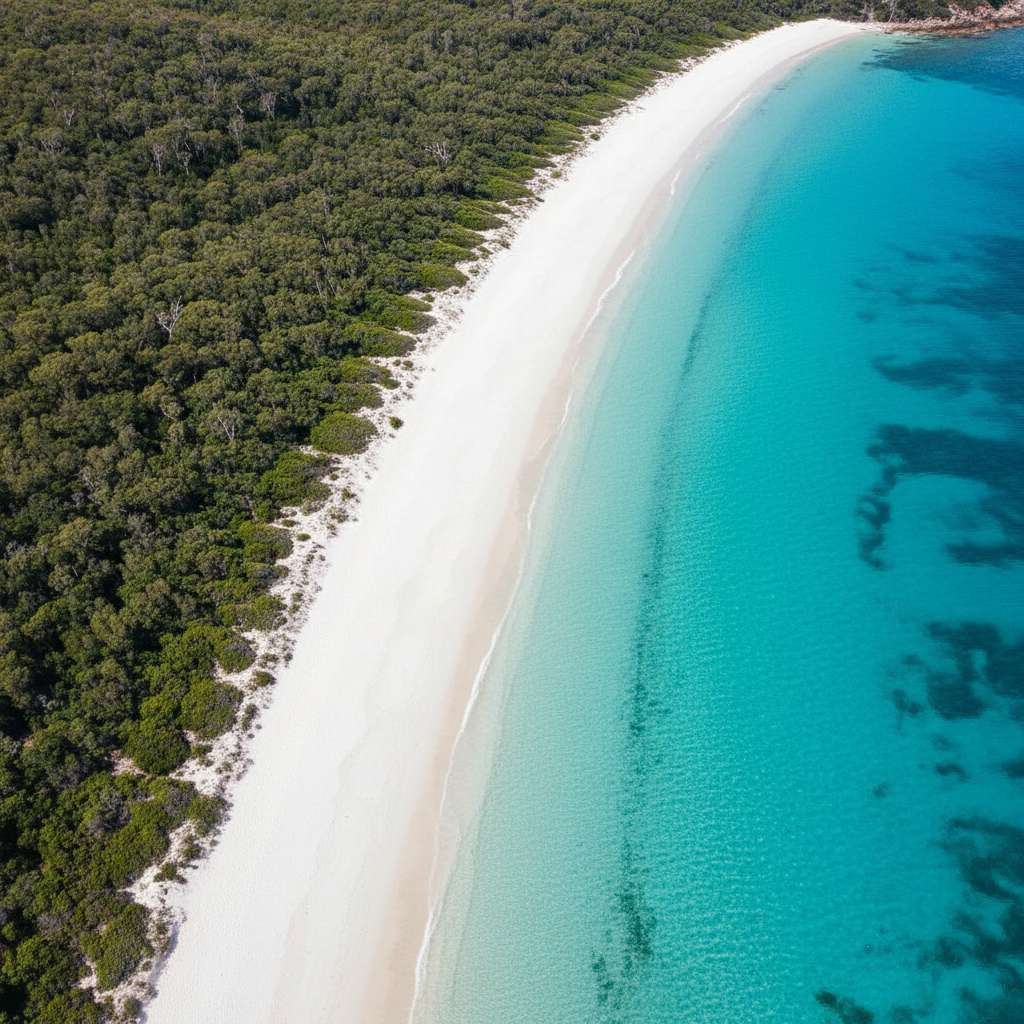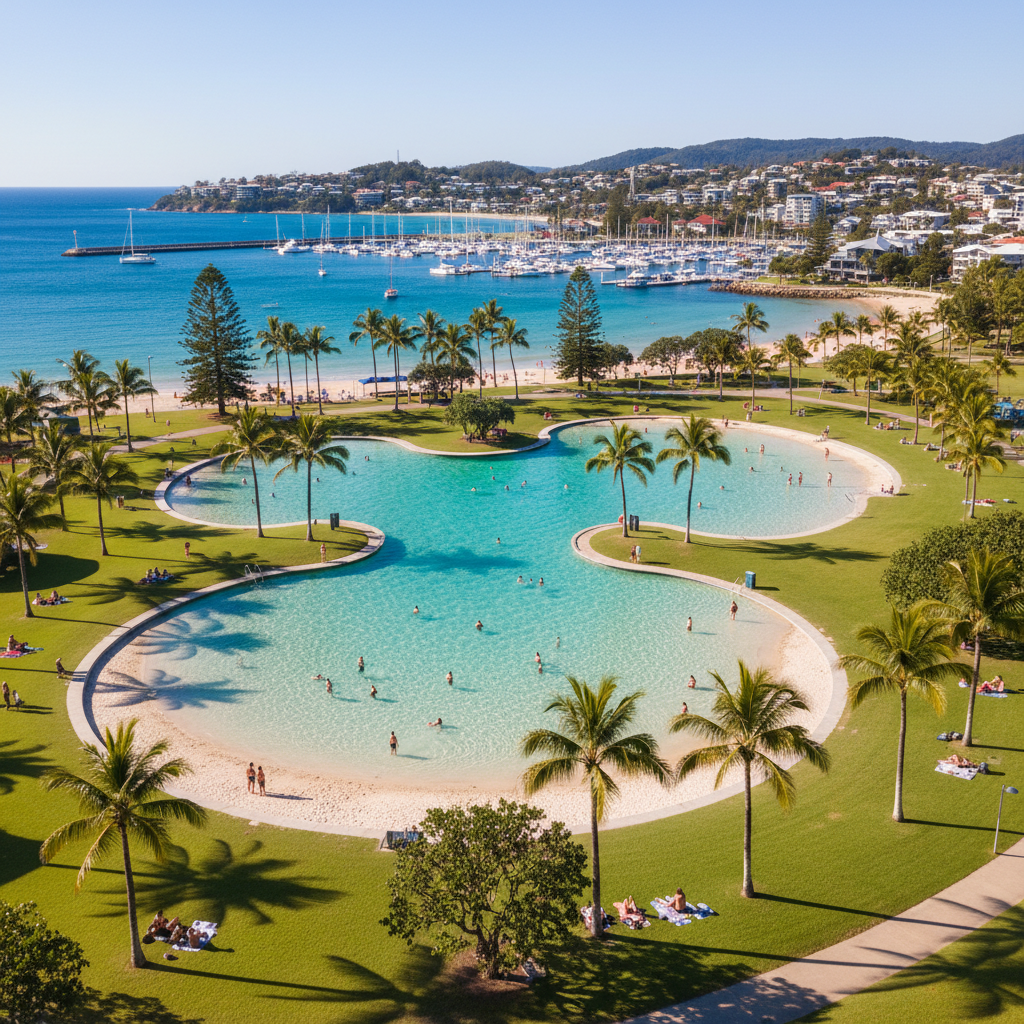
Glass bottom boats offer the perfect solution for exploring the Whitsundays' underwater world without getting wet. These specially designed vessels feature transparent viewing panels in their hull, allowing passengers to observe coral gardens, tropical fish, and marine life from the comfort of a dry deck. From Airlie Beach, several operators run glass bottom boat tours that combine reef viewing with island visits, making them ideal for families, non-swimmers, or anyone wanting to experience the Great Barrier Reef without snorkeling gear.
What makes a glass bottom boat tour worth booking in Airlie Beach?
Quality glass bottom boat tours in Airlie Beach combine clear underwater viewing panels with knowledgeable guides, comfortable vessels, and strategic stops at pristine coral sites. The best tours visit multiple locations, provide marine biology commentary, and include additional activities like beach time or snorkeling opportunities for those who want them.
The key differentiator lies in the boat's design and positioning. Premium glass bottom boats feature large, crystal-clear acrylic panels that extend across the vessel's width, offering unobstructed views for all passengers. These boats also position themselves over shallow coral gardens where natural lighting penetrates the water, creating optimal viewing conditions without artificial illumination.
Experienced skippers know precisely where to anchor for maximum marine life encounters. They understand tidal patterns, fish feeding times, and seasonal migration routes. This local knowledge transforms a simple boat ride into an educational marine safari, where passengers regularly spot green turtles, reef sharks, giant trevally, and countless tropical fish species.
Which glass bottom boat tours offer the best value for money?
Whitsunday Bullet's half-day glass bottom boat tour provides exceptional value at $149 per adult, combining reef viewing with Whitehaven Beach visits. Their purpose-built vessel features expansive viewing panels and includes lunch, making it ideal for families seeking comprehensive Whitsundays experience without overnight costs.
This tour operates from Abel Point Marina and covers approximately 60 nautical miles during its six-hour journey. The vessel accommodates up to 35 passengers, ensuring personal attention from the crew. What sets Whitsunday Bullet apart is their commitment to visiting three distinct locations: two coral viewing sites and Whitehaven Beach's northern end.
At the first reef stop near Hook Island, passengers enjoy 45 minutes of glass bottom viewing over pristine coral gardens. The boat's positioning system allows for 360-degree marine observation while maintaining stability in varying sea conditions. The second stop focuses on deeper waters where larger pelagic species frequent, including occasional dolphin encounters.
The tour includes morning tea, buffet lunch featuring local barramundi, and afternoon refreshments. Professional commentary covers marine biology, indigenous history, and conservation efforts. For families with young children, this represents outstanding value compared to multi-day sailing options.
What's included in premium glass bottom boat experiences?
Premium glass bottom boat tours typically include marine park fees, expert commentary, gourmet meals, snorkeling equipment, and transfers from Airlie Beach accommodation. High-end operators like Ocean Rafting provide wetsuit hire, underwater cameras, and small group sizes limited to 32 passengers for personalized experiences.
Ocean Rafting's Northern Exposure tour, priced at $195 per adult, exemplifies premium glass bottom boat experiences. Their rigid inflatable boats feature custom-built glass viewing compartments alongside traditional hull designs. This hybrid approach allows for both underwater observation and high-speed travel between locations.
The tour includes professional-grade snorkeling equipment with prescription masks available upon request. Stinger suits are provided during marine stinger season (November to May), ensuring year-round safety. Their marine biologist guides hold university qualifications and provide detailed explanations of coral spawning, fish behavior, and ecosystem interactions.
Premium tours also incorporate cultural elements, including indigenous Ngaro people's connection to these waters. Passengers learn traditional fishing methods, sacred site significance, and contemporary conservation partnerships between Aboriginal communities and marine park authorities.
Gourmet inclusions feature locally-sourced ingredients: Bowen mangoes, Proserpine sugar, and sustainably-caught seafood. Vegetarian, vegan, and gluten-free options accommodate dietary requirements without compromise. Complimentary beverages include premium coffee, herbal teas, and tropical fruit juices.
How do glass bottom boats compare to snorkeling tours?
Glass bottom boats provide marine life viewing without water entry, making them suitable for all ages and swimming abilities. While snorkeling offers immersive underwater experiences, glass bottom boats excel for families with young children, elderly passengers, or those preferring dry observation methods combined with snorkeling opportunities.
The viewing experience differs significantly between methods. Glass bottom boats offer stable, comfortable observation platforms where passengers remain dry while enjoying uninterrupted marine life viewing. Professional guides point out specific species and behaviors that novice snorkelers might miss underwater.
However, snorkeling provides three-dimensional reef exploration, allowing swimmers to follow fish schools, examine coral formations closely, and experience the reef's natural acoustics. Water temperature, buoyancy, and marine life proximity create sensory experiences impossible from boat decks.
Many operators now combine both experiences effectively. Passengers begin with glass bottom viewing to identify marine species and coral formations, then enter the water with enhanced awareness of what to observe. This educational progression proves particularly valuable for nervous swimmers or first-time snorkelers.
Cost comparisons favor glass bottom boats for families, as most operators charge adult pricing for children over 12 years on snorkel-only tours. Glass bottom boats typically offer child discounts (ages 4-14) with infants under 4 traveling free, making them economically attractive for larger families.
Which tours are best for families with young children?
Cruise Whitsundays' glass bottom boat tours excel for families with young children, offering stable vessels, child-friendly facilities, safety rails, and engaging marine life commentary. Their tours include child life jackets, baby changing facilities, and flexible scheduling accommodating nap times during longer journeys.
Their Reef World pontoon experience incorporates glass bottom boat transfers with additional family amenities. The purpose-built catamaran features spacious decks, shaded seating areas, and specialized glass viewing chambers designed for children's heights. Safety features include enclosed viewing areas and supervised deck access.
Family-friendly inclusions extend beyond basic safety requirements. The vessel stocks children's snorkeling equipment in multiple sizes, flotation devices for nervous swimmers, and educational activity books featuring Whitsundays marine life. Professional crew members are trained in child engagement techniques and marine education delivery appropriate for different age groups.
The tour structure accommodates family dynamics with flexible timing. Glass bottom viewing sessions last 20-30 minutes, preventing young children from becoming restless. Multiple short stops maintain engagement while allowing parents to manage snacks, bathroom breaks, and sun protection application.
Special consideration extends to meal provisions with child-friendly options including pasta, fresh fruit, and allergen-free alternatives. High chairs are available for toddlers, and crew members assist with meal distribution during rough weather conditions.
What marine life can you expect to see through glass bottom boats?
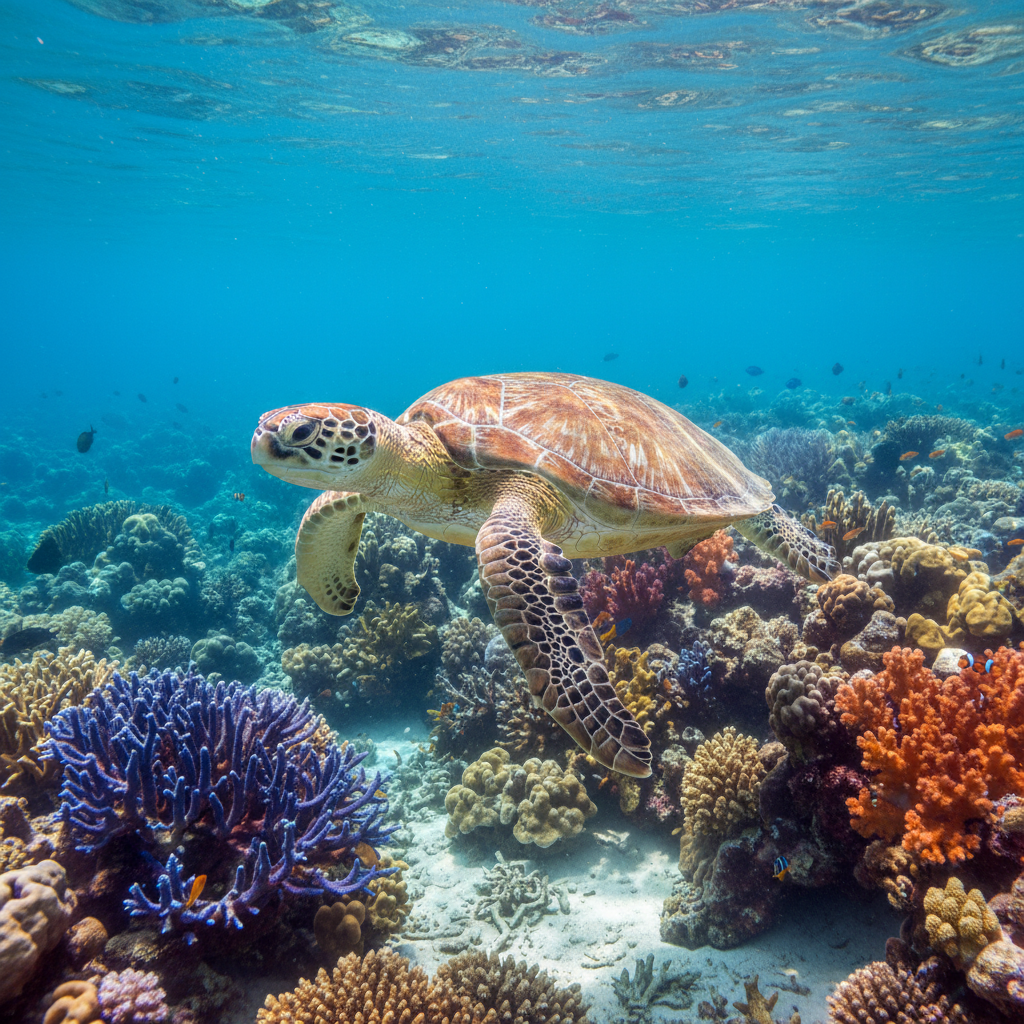
Glass bottom boats regularly showcase green turtles, reef sharks, giant trevally, parrotfish, angelfish, and coral trout over pristine coral gardens. Seasonal highlights include humpback whales (June-September), manta rays, and spawning coral events. Professional guides identify species and explain behaviors, enhancing viewing experiences significantly.
Coral diversity impresses first-time visitors with hard corals including staghorn, plate, and brain corals creating complex reef structures. Soft corals add vibrant colors with sea fans, whips, and leather corals swaying in currents. These formations support intricate ecosystems where cleaner fish, anemones, and crustaceans interact continuously.
Fish populations vary seasonally but consistently include resident species. Large schools of fusiliers create silver curtains above coral bommies, while solitary species like Maori wrasse patrol territorial boundaries. Juvenile fish seek shelter in coral crevices, providing excellent opportunities for observing fish behavior and life cycles.
Turtle encounters occur frequently, particularly around seagrass beds where green turtles feed. These ancient mariners demonstrate natural behaviors including grazing, surface breathing, and interaction with cleaner fish. Guides explain turtle nesting cycles, conservation efforts, and identification techniques for different species.
Shark sightings focus primarily on reef species including whitetip and blacktip reef sharks. These harmless species rest in sandy channels during daylight hours or cruise coral edges hunting small fish. Professional commentary emphasizes sharks' ecological importance and addresses common misconceptions about reef shark behavior.
How do we choose the best glass bottom boat tours?
Our selection criteria prioritize vessel quality, viewing panel clarity, guide expertise, safety standards, and value for money. We evaluate glass bottom boats based on hull design, passenger capacity, comfort amenities, marine park permits, and customer feedback from verified passengers who've experienced multiple operators.
Vessel assessment begins with glass panel quality and positioning. Superior boats feature high-grade acrylic panels extending across the hull's full width, providing unobstructed viewing for all passengers. Panel thickness, clarity, and maintenance standards directly impact viewing quality, particularly in varying light conditions.
Guide qualifications significantly influence tour quality. We prioritize operators employing marine biologists, experienced dive masters, or guides with formal marine education. These professionals provide accurate species identification, explain complex ecological relationships, and answer technical questions about coral reef systems.
Safety evaluations include vessel maintenance records, safety equipment quality, emergency procedures, and crew training standards. All recommended operators maintain commercial vessel surveys, carry appropriate insurance, and comply with Maritime Safety Queensland regulations.
Customer feedback analysis involves reviewing verified passenger experiences across multiple platforms. We consider recurring comments about guide knowledge, vessel comfort, viewing quality, and overall satisfaction. Negative reviews receive equal attention to identify potential service issues or operational limitations.
Value assessment extends beyond pricing to examine inclusions, tour duration, locations visited, and additional activities. The best tours combine glass bottom viewing with complementary experiences like beach visits, snorkeling opportunities, or specialized tours for non-swimmers.
When is the best time to book glass bottom boat tours?
Optimal glass bottom boat conditions occur during dry season months (April-November) when southeast trade winds create calm seas and excellent underwater visibility. Morning departures offer superior viewing conditions with calmer waters and active marine life, while afternoon tours may encounter stronger winds affecting glass panel clarity.
Water visibility peaks during dry season months when reduced rainfall minimizes sediment runoff. April through June provides exceptional conditions with water visibility often exceeding 25 meters. Marine life activity increases during these months as fish feeding patterns intensify following plankton blooms.
Seasonal considerations impact marine life diversity significantly. Humpback whale migration (June-September) adds spectacular surface encounters to glass bottom viewing experiences. Turtle activity peaks during warmer months (October-March) when nesting behaviors increase around Whitsunday beaches.
Booking timing affects both pricing and availability. Peak season (July-September) requires advance reservations, particularly for school holiday periods. Shoulder season months (April-June, October-November) offer competitive pricing with excellent weather conditions and reduced crowding at popular reef sites.
Daily timing influences marine life encounters significantly. Morning tours capitalize on fish feeding activities and calmer sea conditions. Afternoon departures may encounter rougher seas but often provide better photographic lighting for underwater observations and coral photography.
What should you bring on a glass bottom boat tour?
Essential items include reef-safe sunscreen, hat, sunglasses, camera, and light jacket for air-conditioned cabins. Tours provide safety equipment and refreshments, but personal items like prescription medications, motion sickness tablets, and comfortable closed-toe shoes enhance comfort during marine adventures.
Sun protection requires careful consideration as glass bottom boats spend extended periods on open water. Broad-spectrum SPF30+ sunscreen needs regular reapplication, particularly during glass viewing sessions when passengers lean over panels. Wide-brimmed hats prevent glare while observing marine life through glass panels.
Photography equipment should include waterproof cases for cameras and phones. Many operators provide underwater viewing opportunities alongside glass bottom experiences, making waterproof protection essential. Extra batteries and memory cards ensure complete documentation of marine encounters and coral formations.
Comfort items enhance extended time on water. Light layers accommodate varying temperatures between air-conditioned cabins and open deck areas. Seasickness prevention includes natural remedies like ginger tablets or prescription medications taken 30 minutes before departure.
Personal medications require careful planning as tours operate in remote locations without immediate medical access. Prescription medications, EpiPens, and any emergency treatments should accompany passengers in waterproof containers.
Ready to explore the Whitsundays' underwater world in comfort? Browse our comprehensive selection of Airlie Beach tours and book your perfect glass bottom boat adventure through Airlie to Whitehaven. We partner with the region's most reputable operators to ensure unforgettable marine experiences that showcase the Great Barrier Reef's incredible biodiversity from the comfort of purpose-built viewing vessels.