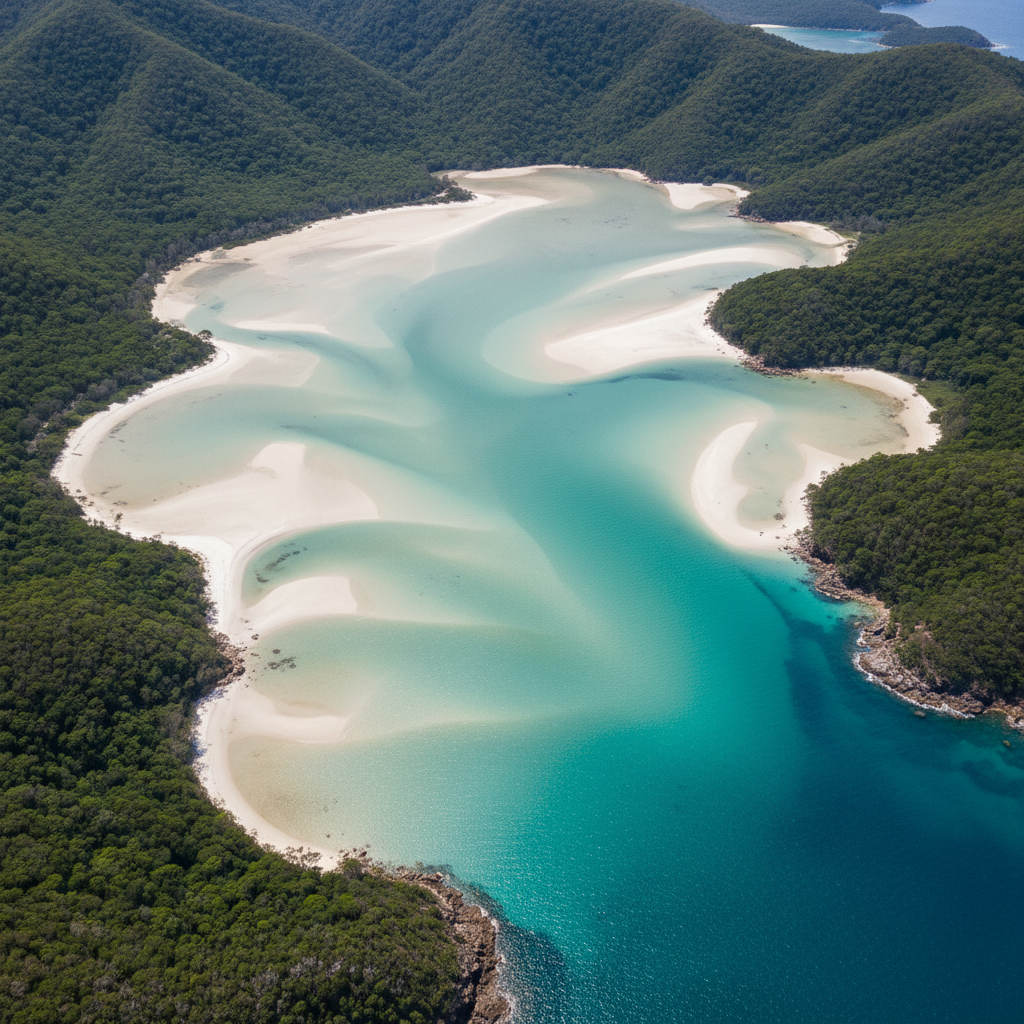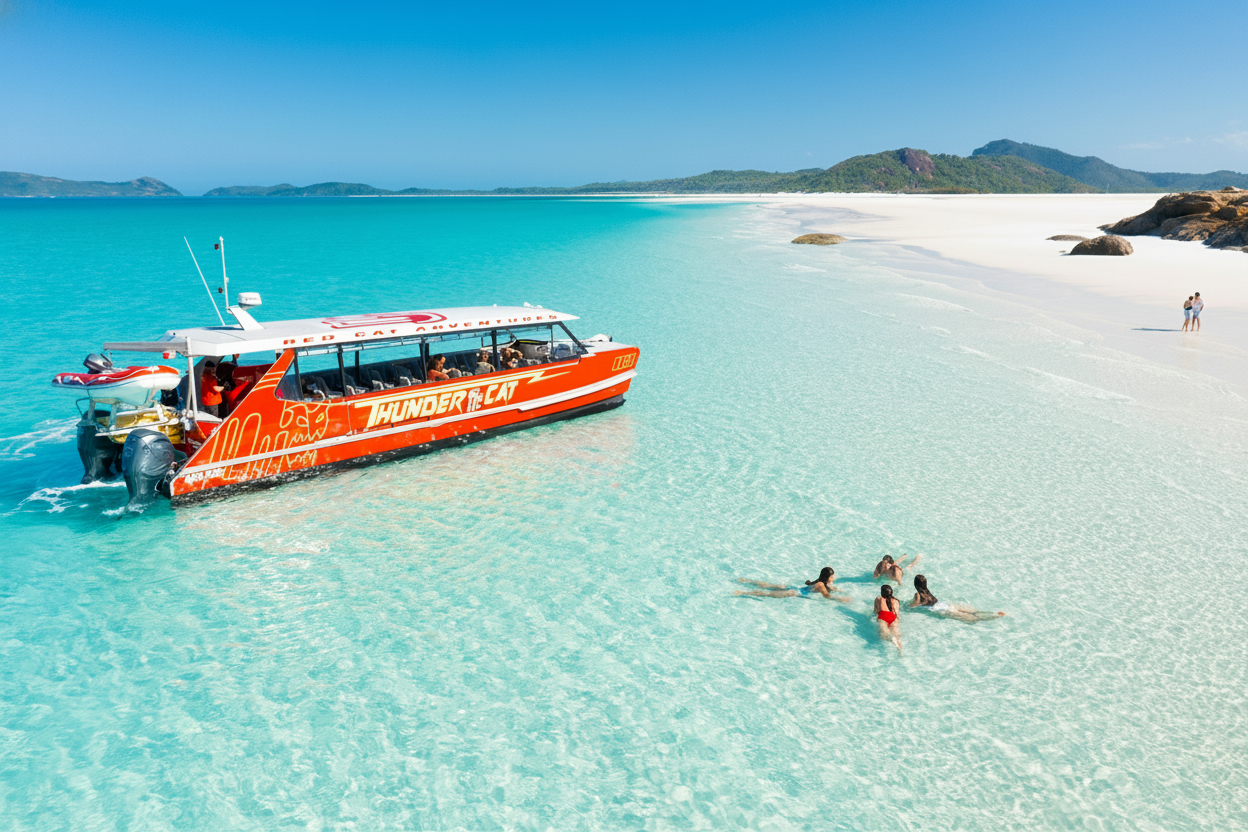
The calm waters and hidden creeks around Airlie Beach offer some of Queensland's finest estuary fishing experiences. From stalking barramundi in mangrove-lined channels to targeting mangrove jack around structure, these protected waterways provide year-round fishing opportunities just minutes from town. Unlike offshore reef fishing, estuary fishing here focuses on native Australian species in pristine tropical environments where every cast could produce a trophy fish.
What fish species can you catch in Airlie Beach estuaries?
Airlie Beach estuaries hold barramundi (up to 120cm), mangrove jack, queenfish, trevally, flathead, grunter, and mud crabs. Peak barramundi season runs October through March during warmer months when they're most active.
The estuarine systems around Airlie Beach create perfect habitat for Australia's premier sportfish. Barramundi dominate the fishing scene here, with specimens ranging from legal 58cm fish up to metre-plus trophy barra weighing 15kg or more. These iconic Australian natives thrive in the brackish waters where freshwater creeks meet the ocean.
Mangrove jack provide the most challenging fight pound-for-pound, ambushing lures from mangrove root systems and oyster-encrusted structure. Legal mangrove jack start at 35cm, but the real prizes are 45cm-plus specimens that test both tackle and angler skill. Queenfish patrol the deeper channels and creek mouths in schools, offering spectacular aerial displays when hooked.
Other regular catches include golden trevally, giant trevally (up to 25kg), flathead on sandy creek beds, grunter around structure, and threadfin salmon during their seasonal runs. Mud crabs inhabit mangrove areas year-round, with peak numbers during warmer months coinciding with their breeding cycle.
Where are the best estuary fishing spots near Airlie Beach?
Top estuary fishing locations include Proserpine River system (15km west), Repulse Creek (8km south), O'Connell River (25km north), and Cannon Creek (12km south). Each system offers different structure types and target species.
The Proserpine River represents the region's premier barramundi fishery, with extensive mangrove systems, deep holes, and tidal structure spanning 30km upstream from the mouth. Key areas include the boat ramp area at Proserpine, Gregory River junction, and upstream reaches near the Bruce Highway crossing. Water depths range from 2-8 meters in the main channel.
Repulse Creek offers easier access via Shute Harbour Road boat ramp, with productive fishing around the railway bridge pylons, upstream bends, and tidal gutters. This system holds excellent populations of mangrove jack and queenfish, with barramundi present but less concentrated than Proserpine River.
The O'Connell River system north of Airlie Beach provides extensive fishing opportunities with multiple access points. The Seaforth boat ramp offers direct access to prime barramundi habitat, while upstream areas near Bloomsbury hold good grunter and flathead populations. Tidal range affects fishing success significantly here.
Cannon Creek and surrounding waterways near Cannonvale provide convenient access for shorter fishing sessions. These systems hold resident populations of mangrove jack, queenfish, and smaller barramundi, making them perfect for beginners or when time is limited.
What's the best time and tide for estuary fishing?
Fish the first two hours of incoming tide and last hour of outgoing tide for peak activity. Dawn and dusk sessions produce best results, with neap tides often outperforming springs in estuary systems.
Tidal movement drives feeding activity in Whitsunday estuaries more than any other factor. Incoming tides bring fresh baitfish and prawns into creek systems, triggering aggressive feeding responses from predatory fish. The optimal window typically starts one hour before low tide and continues through the first two hours of the rise.
Outgoing tides concentrate baitfish in deeper holes and channel margins as water drains from shallow flats. The final hour of the run-out often produces explosive surface activity as predators trap prey against structure or in confined areas.
Neap tide periods (smaller tidal ranges around quarter moons) often produce more consistent fishing than large spring tides. During neaps, fish feed more regularly throughout the tide cycle rather than just during peak movement periods. Spring tides can be productive but require more precise timing.
Time of day significantly impacts success rates. Dawn sessions (first light to 8am) consistently produce the largest barramundi and most aggressive strikes. Evening sessions (5pm to dark) offer excellent queenfish and trevally action as these species feed heavily before nightfall. Midday fishing can be productive during cooler months or overcast conditions.
How do you fish for barramundi in Airlie Beach creeks?
Target barramundi using 4-6 inch soft plastics, spinnerbaits, or surface lures around fallen timber, mangrove edges, and deep bends. Cast tight to structure then work lures slowly with erratic retrieves mimicking wounded baitfish.
Barramundi fishing requires understanding their ambush feeding behavior. These fish position themselves near structure - fallen trees, mangrove overhangs, rock bars, or creek bends - waiting for prey to swim within striking distance. Successful presentations place lures within centimeters of this cover.
Soft plastic lures in 4-6 inch sizes work exceptionally well on 1/4 to 3/8oz jigheads. Popular patterns include white, pearl, chartreuse, and natural prawn colors. Work plastics with slow lifts and drops, allowing them to flutter down naturally beside structure. Strike detection requires constant line contact as barramundi often inhale lures gently.
Spinnerbaits excel around heavy timber and mangrove systems where snags threaten other lures. 3/8 to 1/2oz models with white or chartreuse skirts produce consistent results. Slow-roll spinnerbaits just above bottom structure, using rod tip lifts to create blade flash and vibration.
Surface lures provide the most exciting barramundi fishing during dawn and dusk periods. Walk-the-dog style poppers, prop baits, and buzz baits all produce explosive strikes. Work surface lures in 2-3 second pauses between rod tip twitches, allowing ripples to dissipate before the next movement.
Tackle recommendations include 7-foot medium-heavy baitcaster rods paired with high-speed reels spooled with 30-50lb braid. Fluorocarbon leaders (40-60lb) provide abrasion resistance around structure while maintaining natural presentation.
What tackle and techniques work for mangrove jack?
Mangrove jack require heavy tackle (50lb+ braid, 60lb+ leader) and precise casting to structure. Use small hard-bodied lures, soft plastics, or live baits presented within inches of mangrove roots, pylons, and rock walls.
Mangrove jack fishing demands precision casting and immediate pressure after hookup. These aggressive predators rarely venture far from their structural homes, requiring presentations that place lures directly in the strike zone. Any hesitation after the strike allows jack to reach their sanctuary and break off.
Hard-bodied lures in 60-80mm sizes work well around clean structure. Shallow diving minnows, surface poppers, and lipless crankbaits all produce strikes. Retrieve lures with sharp twitches and pauses, imitating injured baitfish. Popular colors include gold, red, pink, and natural baitfish patterns.
Soft plastics on heavy jigheads allow fishing tighter to structure with less snag risk. Use 3-4 inch grubs, prawns, and paddle tails in natural colors. Present lures with vertical jigs beside pylons or horizontal swimming retrieves along mangrove edges.
Live bait options include prawns, small fish, and yabbies fished on gang hooks or circle hooks. Present baits just uptide from structure, allowing natural drift into strike zones. Use minimal weight to maintain natural presentation while keeping baits near bottom.
Heavy tackle specifications include 7-foot heavy action rods with fast tapers for immediate pressure application. High-speed baitcaster reels provide the cranking power needed to extract hooked fish from structure. 50-65lb braid mainlines connect to 60-80lb fluorocarbon leaders via FG knots.
Which guided fishing tours operate in Whitsunday estuaries?
Several operators offer estuary fishing charters from Airlie Beach, including half-day trips ($280-350 per person) and full-day expeditions ($450-550 per person). Tours provide tackle, bait, and local knowledge of productive fishing locations.
Professional fishing guides offer significant advantages for estuary fishing success, particularly for visitors unfamiliar with local conditions and hotspots. Experienced guides understand seasonal fish movements, optimal tidal timing, and productive techniques for each target species.
Half-day charter options typically run 4-5 hours and focus on accessible creek systems near Airlie Beach. These trips suit families or anglers with limited time, targeting mangrove jack, queenfish, and smaller barramundi in protected waters. Prices range from $280-350 per adult with group discounts available.
Full-day expeditions extend 8-10 hours and access more remote systems like upper Proserpine River or O'Connell River tributaries. These comprehensive trips maximize fishing time during optimal tidal windows and often include lunch. Expect to pay $450-550 per person for premium full-day experiences.
Specialized barramundi charters focus exclusively on trophy barra fishing in prime systems during peak seasons. These trips use larger boats for extended range and carry specialized tackle for big fish. Premium barramundi charters start around $600 per person for full-day trips.
Most charter operators provide quality tackle, fresh bait, and expert guidance on techniques. Some include fish cleaning, photography services, and local transfers. For comprehensive fishing options in the Whitsundays, check our complete fishing trips guide covering all available charter services.
Can you fish estuaries independently without a guide?
Independent estuary fishing is possible with boat rentals ($150-250/day), public boat ramps, and creek access points. Purchase fishing licenses online ($47 annual recreational license) and observe size/bag limits for sustainable fishing practices.
Boat rental options in Airlie Beach include 4.5-6 meter aluminum boats suitable for creek fishing. Rental rates start around $150 per day for basic models up to $250 for larger boats with sounder/GPS units. Most rental companies provide safety equipment and basic fishing advice.
Public boat ramps offer free launching access to major estuary systems. Proserpine River ramp provides direct access to premium barramundi habitat, while Shute Harbour ramp serves Repulse Creek and surrounding waters. Arrive early during peak seasons as parking fills quickly.
Licensing requirements include a current Queensland recreational fishing license ($47 annually or $14 for 8-day visitor permits). Licenses can be purchased online through Queensland Fisheries or at local tackle shops. Keep physical or digital copies while fishing.
Fishing regulations enforce minimum sizes: barramundi 58cm, mangrove jack 35cm, queenfish 40cm. Bag limits include 5 barramundi, 5 mangrove jack, and 10 queenfish per person per day. Closed seasons protect barramundi breeding (November 1 - January 31 in some areas).
Essential equipment for independent fishing includes marine GPS/chartplotter, VHF radio, first aid kit, and quality tackle appropriate for target species. Inform someone of your fishing plans and expected return time for safety.
What baits and lures work best in Whitsunday creeks?
Fresh prawns, pilchards, and yabbies excel as natural baits, while 4-6 inch soft plastics in white, pearl, and chartreuse colors consistently produce results. Match lure size to target species and water depth for optimal presentations.
Natural baits often outproduce artificials in estuary systems, particularly for inexperienced anglers. Fresh prawns (school or king prawns) work for all species when fished on 2/0-4/0 hooks with minimal weight. Pilchards cut into strips or used whole target larger predators, while yabbies dug from creek banks provide excellent mangrove jack bait.
Soft plastic lures offer versatility and durability for extended fishing sessions. The 4-6 inch size range covers most estuary species effectively. White and pearl colors imitate prawns and small fish, while chartreuse provides high visibility in tannin-stained water. Popular brands include Berkley Gulp, Z-Man, and Atomic soft plastics.
Hard-bodied lures excel during active feeding periods when fish are aggressively hunting. Surface poppers create commotion that attracts predators from considerable distances. Shallow diving minnows work well around structure, while lipless vibes cover water efficiently in deeper areas.
Spinnerbaits and buzzbaits shine in heavy cover where snags threaten other lures. The wire construction and single hook design reduce snag risk while creating flash and vibration that triggers strikes. White and chartreuse perform consistently across different water conditions.
Live baits including small fish, prawns, and worms provide the ultimate natural presentation. Rig live baits with minimal weight and allow natural swimming action. Change baits regularly to maintain freshness and scent trails that attract predatory fish.
When is the peak season for estuary fishing around Airlie Beach?
Peak estuary fishing occurs October through April during warmer months when barramundi, queenfish, and trevally are most active. Dry season (May-September) offers comfortable conditions but slower fishing for tropical species seeking warmer waters.
Summer fishing (December-March) produces the most consistent barramundi action as water temperatures reach optimal ranges (26-30°C). Afternoon thunderstorms often trigger feeding activity, while dawn sessions remain productive throughout the period. Expect some weather delays during the wet season.
Shoulder seasons (October-November and April-May) provide excellent conditions with warm weather, manageable rainfall, and active fish populations. These months often produce the largest barramundi as fish feed heavily before and after breeding periods.
Winter fishing (June-September) sees reduced activity from tropical species but improved fishing for temperate species like flathead and bream. Winter sessions require longer periods between strikes but often produce better quality fish. Comfortable weather makes extended fishing sessions enjoyable.
Spawning closures affect barramundi fishing in some creek systems from November 1 through January 31. Check current regulations before fishing as closure dates can vary between waterways. Catch-and-release fishing may be permitted during closure periods.
Seasonal patterns show queenfish and trevally most active during warmer months, while mangrove jack remain catchable year-round with peak activity during breeding seasons. Plan fishing trips around these patterns for optimal success rates.
What safety considerations apply to creek fishing?
Creek fishing safety requires awareness of tidal conditions, crocodile habitat, weather changes, and marine stingers (November-May). Carry emergency communications, inform others of fishing plans, and wear appropriate protection including stinger suits during season.
Crocodile awareness is essential in all Whitsunday creek systems. Saltwater crocodiles inhabit these waters year-round and pose genuine threats to anglers. Avoid swimming, keep fish catches in the boat, and maintain awareness of surrounding waters. Report crocodile sightings to Queensland Parks and Wildlife.
Tidal safety requires understanding local tidal ranges (up to 4 meters) and their effects on access and navigation. Rising tides can flood launch areas and cut off walking access to fishing spots. Falling tides expose shallow areas and create strong currents around creek mouths.
Marine stingers including box jellyfish and Irukandji are present October through May, with peak danger during December-March. Wear protective stinger suits when wading or swimming. Carry vinegar for first aid treatment and seek immediate medical attention for any stings.
Weather monitoring is crucial as afternoon thunderstorms develop rapidly during summer months. Lightning poses significant danger to anglers in exposed positions on water. Monitor weather radar and head for shore when storms approach.
Emergency preparedness includes carrying EPIRB or satellite communicators in remote areas, first aid supplies, and emergency contact information. Mobile phone coverage is limited in many creek systems, making alternative communication essential for serious emergencies.
How much does estuary fishing cost in the Whitsundays?
Independent estuary fishing costs $200-300 daily including boat hire ($150-250), fuel ($30-50), and tackle/bait ($20-40). Guided half-day trips cost $280-350 per person, while full-day charters range $450-550 per person including equipment.
Boat rental expenses dominate independent fishing costs, with 4.5-meter aluminum boats starting at $150 per day. Larger 6-meter boats with electronics cost $200-250 daily. Add fuel costs ($30-50 depending on distance traveled) and boat ramp fees where applicable ($10-15).
Tackle and bait costs vary significantly based on fishing style and target species. Budget $20-40 daily for fresh bait, replacement lures, and terminal tackle. Initial tackle investment for serious anglers ranges $300-500 for quality rods, reels, and lure selection.
Guided charter pricing includes all equipment, bait, and expert guidance. Half-day trips (4-5 hours) cost $280-350 per adult with group discounts often available. Full-day expeditions (8-10 hours) range $450-550 per person and include lunch on premium charters.
Additional expenses include fishing licenses ($47 annual or $14 for 8-day visitor permits), accommodation near fishing areas, and meals/refreshments. Budget an extra $50-100 daily for incidental costs during multi-day fishing trips.
Value considerations favor guided trips for short visits or inexperienced anglers, while boat rental becomes cost-effective for groups or extended stays. Factor success rates and local knowledge when comparing options - guides significantly improve catch rates for most anglers.
Whether you're chasing trophy barramundi in the Proserpine River system or targeting mangrove jack around creek structure, the estuary fishing opportunities near Airlie Beach offer unforgettable experiences in pristine tropical environments. From guided charter adventures to independent exploration of hidden creeks, these productive waters reward anglers with diverse species and spectacular scenery. Ready to experience world-class estuary fishing? Browse our complete selection of fishing charters and experiences, or explore other amazing activities around Airlie Beach. For comprehensive fishing information covering all Whitsunday opportunities, check out our detailed Whitsundays fishing guide. Book your perfect fishing adventure through Airlie to Whitehaven and discover why the Whitsundays represent Australia's premier tropical fishing destination.