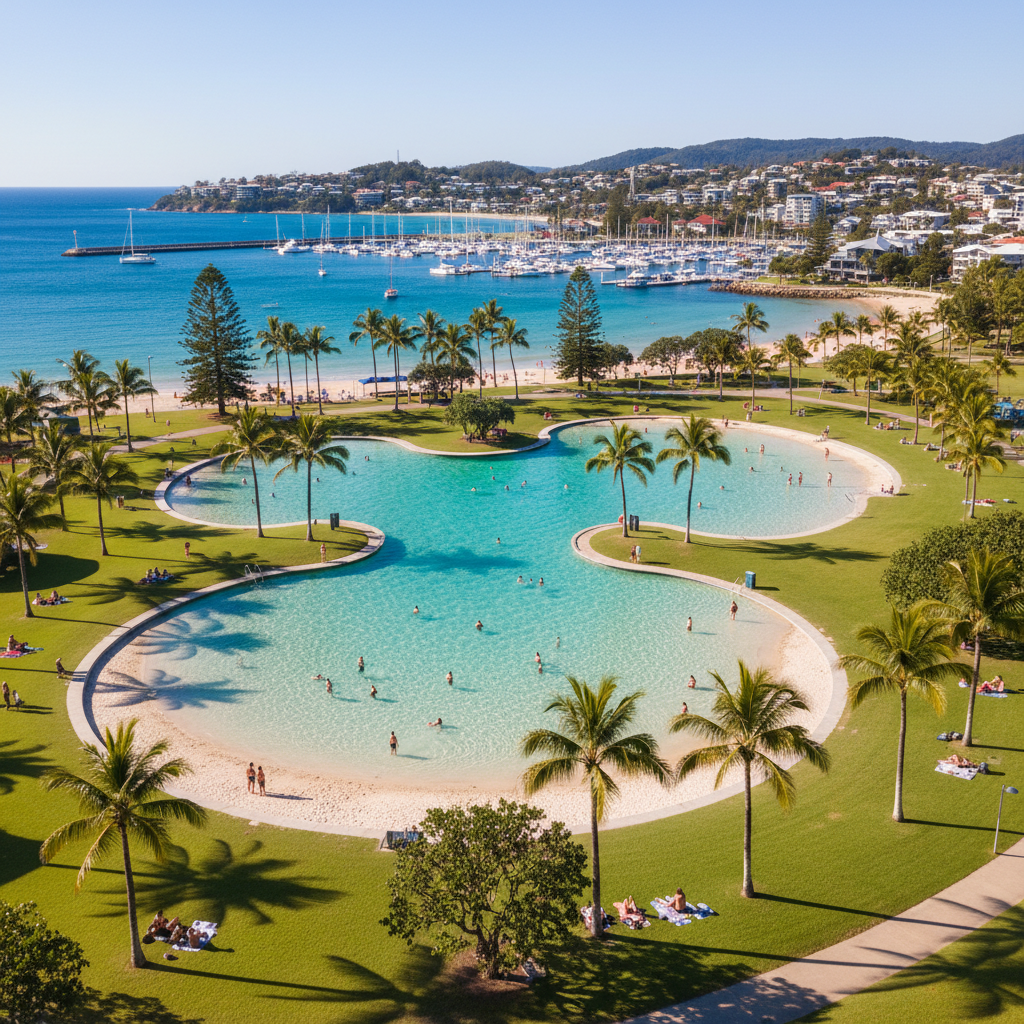
If you're looking for an adrenaline rush that doesn't compromise your environmental values, EcoJet Safari in Airlie Beach might be exactly what you need. This unique tour operator combines the thrill of jet skiing with genuine marine conservation education, creating an experience that's as enlightening as it is exhilarating. After spending a morning with their team exploring the waters around Airlie Beach, here's everything you need to know about this standout adventure.
What Makes EcoJet Safari Different from Other Jet Ski Tours?
EcoJet Safari stands apart by combining high-speed jet ski adventures with marine biology education and genuine conservation practices. Their tours feature smaller group sizes, qualified marine biologists as guides, and custom-built eco-friendly watercraft designed to minimise environmental impact while maximising wildlife encounter opportunities.
Unlike traditional jet ski tours in the Whitsundays that focus purely on speed and stunts, EcoJet Safari has built their entire operation around responsible marine tourism. Their watercraft are specifically modified to reduce noise pollution and water disturbance, making them far more suitable for wildlife observation. Each tour is led by qualified marine biologists who provide real-time education about the local ecosystem, turtle behaviour, and reef conservation.
The company operates with a maximum of 8 participants per tour, compared to the 12-16 person groups common with other operators. This smaller group size allows for more personalised attention from guides and reduces the overall environmental impact. Their tours last 2.5 hours compared to the standard 2-hour offerings, giving you more time to explore and learn.
EcoJet Safari's commitment to conservation extends beyond their tours. They actively participate in turtle monitoring programs, contribute data to marine research institutions, and donate 5% of their profits to local reef conservation initiatives. This isn't greenwashing – it's genuine environmental stewardship backed by measurable actions.
How Much Does an EcoJet Safari Tour Cost?
EcoJet Safari tours are priced at $189 AUD per person for their 2.5-hour marine discovery experience. This includes all safety equipment, wetsuit rental, underwater cameras, marine biology guidebook, and post-tour refreshments. Additional photography packages are available for $35 AUD.
The $189 price point positions EcoJet Safari in the premium category among Whitsundays jet ski operators. Standard jet ski tours typically range from $120-150 AUD, but these rarely include the educational components, extended duration, or specialised equipment that EcoJet provides. When you factor in the included underwater cameras (normally $25-30 rental elsewhere), marine biology materials, and extended tour time, the value proposition becomes more compelling.
Group discounts apply for bookings of 6 or more people, reducing the per-person cost to $169 AUD. They also offer a "Local's Special" for Queensland residents at $159 AUD with valid ID. Children under 16 receive a $20 discount when accompanied by a paying adult, making it $169 AUD for young adventurers.
Payment plans are available for bookings made more than 14 days in advance, allowing you to secure your spot with a $50 deposit and pay the remainder 48 hours before your tour. All major credit cards are accepted, and they offer fee-free payment through direct bank transfer.
What Marine Life Can You Expect to See?
EcoJet Safari tours regularly encounter green sea turtles, hawksbill turtles, eagle rays, reef sharks, and dolphins around Airlie Beach. Seasonal highlights include humpback whale sightings from June to September and manta ray encounters near reef edges during summer months.
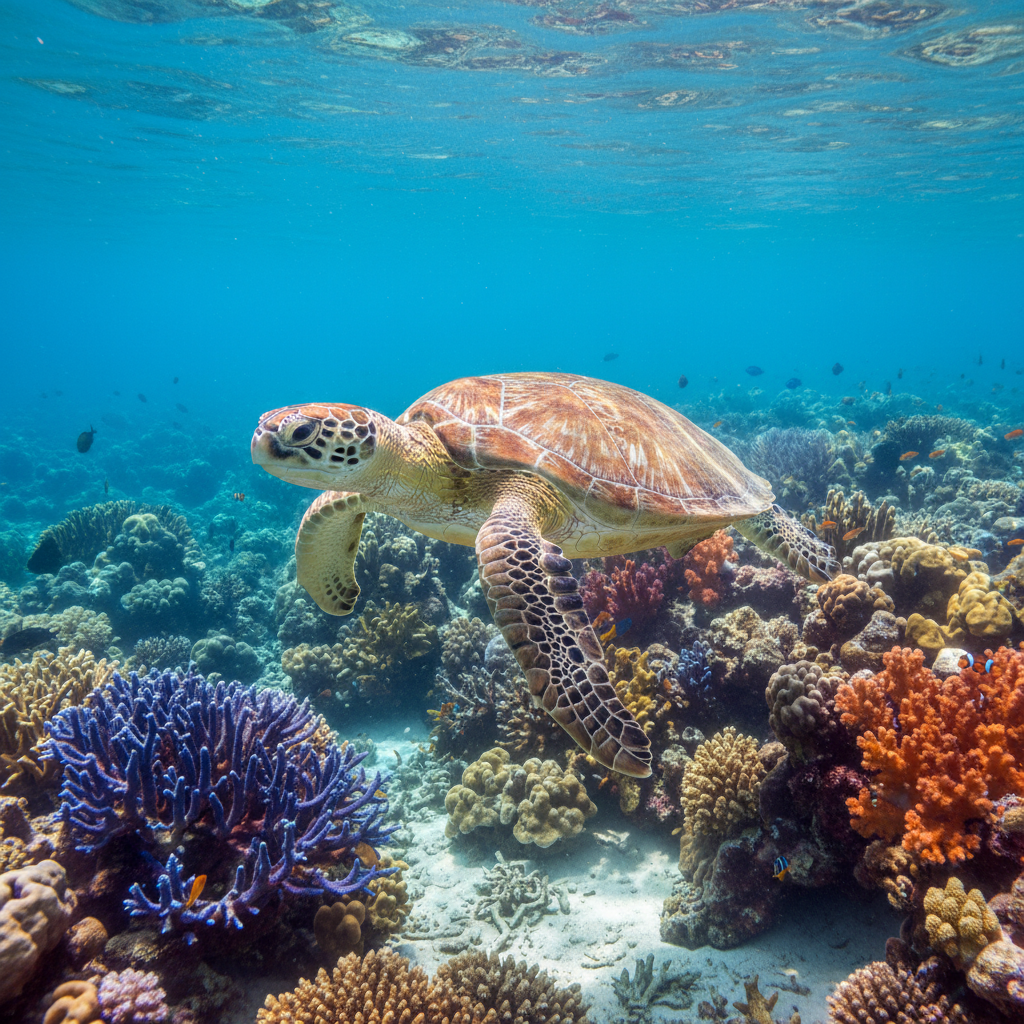
The waters around Airlie Beach support an incredibly diverse marine ecosystem. Green sea turtles are spotted on approximately 85% of tours, particularly around the seagrass beds near Daydream Island and the southern shores of Long Island. These gentle giants, which can weigh up to 200 kilograms, are often seen feeding in depths of 3-8 metres – perfect for jet ski observation.
Hawksbill turtles, distinguished by their pointed beaks and stunning shell patterns, appear on about 40% of tours. They're typically found around coral formations and rocky outcrops, feeding on sponges and soft corals. The guides are expertly trained to identify species from surface behaviour and shell patterns visible when turtles surface to breathe.
Eagle rays are particularly spectacular sightings, with wingspans reaching up to 3 metres. They're most commonly seen gliding through deeper channels between islands, and the jet ski's mobility allows the group to safely observe these magnificent creatures without disturbing their natural behaviour. Reef sharks, primarily whitetip and blacktip species, are occasionally spotted around coral bombies and drop-offs.
During humpback whale migration season (June to September), EcoJet Safari maintains strict whale watching protocols, observing from the required 100-metre distance while still providing incredible viewing opportunities. The whales' migration route passes directly through the Whitsundays, making encounters possible on about 60% of tours during peak season.
What's Included in the Tour Experience?
Each EcoJet Safari includes jet ski rental, safety briefing, wetsuit and safety equipment, underwater cameras, marine identification guides, expert commentary from marine biologists, and post-tour refreshments. Tours operate for 2.5 hours with maximum 8 participants per group.
The experience begins with a comprehensive 20-minute safety briefing and jet ski orientation at their Airlie Beach facility. All participants receive properly fitted life jackets, wetsuits (essential during stinger season), and waterproof communication devices that allow real-time interaction with guides throughout the tour.
Each jet ski is equipped with a waterproof storage compartment containing your personal underwater camera (yours to keep), laminated marine life identification guide, and emergency whistle. The jet skis themselves are Yamaha VX Cruiser models, modified with quieter exhaust systems and turtle-safe propeller guards.
Your marine biologist guide carries underwater filming equipment and often captures professional-quality footage of wildlife encounters, which is shared with the group via email within 24 hours. They also provide detailed species information, behaviour explanations, and conservation context throughout the experience.
Post-tour refreshments include fresh tropical fruit, local honey, and premium coffee or tea at their waterfront facility. You'll also receive a digital copy of their marine conservation guide and information about ongoing research projects you've helped support through your participation.
How Experienced Do You Need to Be with Jet Skis?
No previous jet ski experience is required for EcoJet Safari tours. They provide comprehensive training for beginners, including practice sessions in calm water before departing. Minimum age is 16 years, or 12 years when sharing a jet ski with a licensed adult driver.
The pre-tour training covers all essential skills: starting and stopping procedures, steering techniques, emergency protocols, and wildlife observation positioning. New riders spend 15-20 minutes in the sheltered waters of Airlie Beach practicing basic manoeuvres before joining the main tour group.
For those sharing jet skis, the licensed driver (minimum age 18 with valid boat licence or car licence) takes full control while passengers focus on wildlife spotting and photography. This arrangement works particularly well for families with younger children or anyone who prefers to concentrate on the marine life rather than operating the watercraft.
The guides maintain constant radio contact with all participants and adjust the tour pace based on the group's comfort level. Maximum speeds rarely exceed 30 km/h, and most wildlife observation occurs at idle speed or slow cruise. The emphasis is on controlled, respectful exploration rather than high-speed thrills.
Physical fitness requirements are minimal – you need to be able to board a jet ski from the water (using provided boarding ladders) and maintain balance while seated. The tour involves several stops for swimming and snorkelling, but participation in water activities is optional.
When is the Best Time to Book EcoJet Safari?
The optimal time for EcoJet Safari is during dry season (April to November) for best weather and marine visibility. Whale season (June-September) offers additional sightings, while turtle activity peaks during warmer months (October-March). Morning tours typically provide calmer conditions and better wildlife activity.
Weather conditions significantly impact both safety and wildlife visibility. The dry season months offer the most consistent conditions, with average wind speeds under 15 knots and minimal rainfall. Sea conditions are typically calmer in mornings, with afternoon sea breezes often creating choppier waters that reduce underwater visibility and make wildlife spotting more challenging.
Turtle behaviour varies seasonally. Green sea turtles are most active during warmer months when seagrass growth peaks, while hawksbill turtles maintain relatively consistent activity year-round. During cooler months (June-August), turtles may spend longer periods underwater, requiring patience for surface sightings.
Stinger season (November to May) requires full-body stinger suits, which are provided free of charge. While this adds a layer of protection, it can reduce swimming comfort for some participants. However, stinger season often coincides with excellent underwater visibility and high marine life activity.
Booking timing affects availability and pricing. Tours operate Tuesday through Sunday (weather permitting), with weekend slots filling fastest during peak tourist season (June-September). Advanced booking of 7-14 days is recommended, particularly for specific date requests or larger groups.
How Does EcoJet Safari Compare to Traditional Whitsundays Activities?
EcoJet Safari offers unique marine education and personalised wildlife encounters unavailable on larger sailing tours or standard jet ski experiences. While sailing tours provide broader Whitsundays exploration, EcoJet's smaller groups and specialised focus deliver more intimate wildlife interactions and educational value.
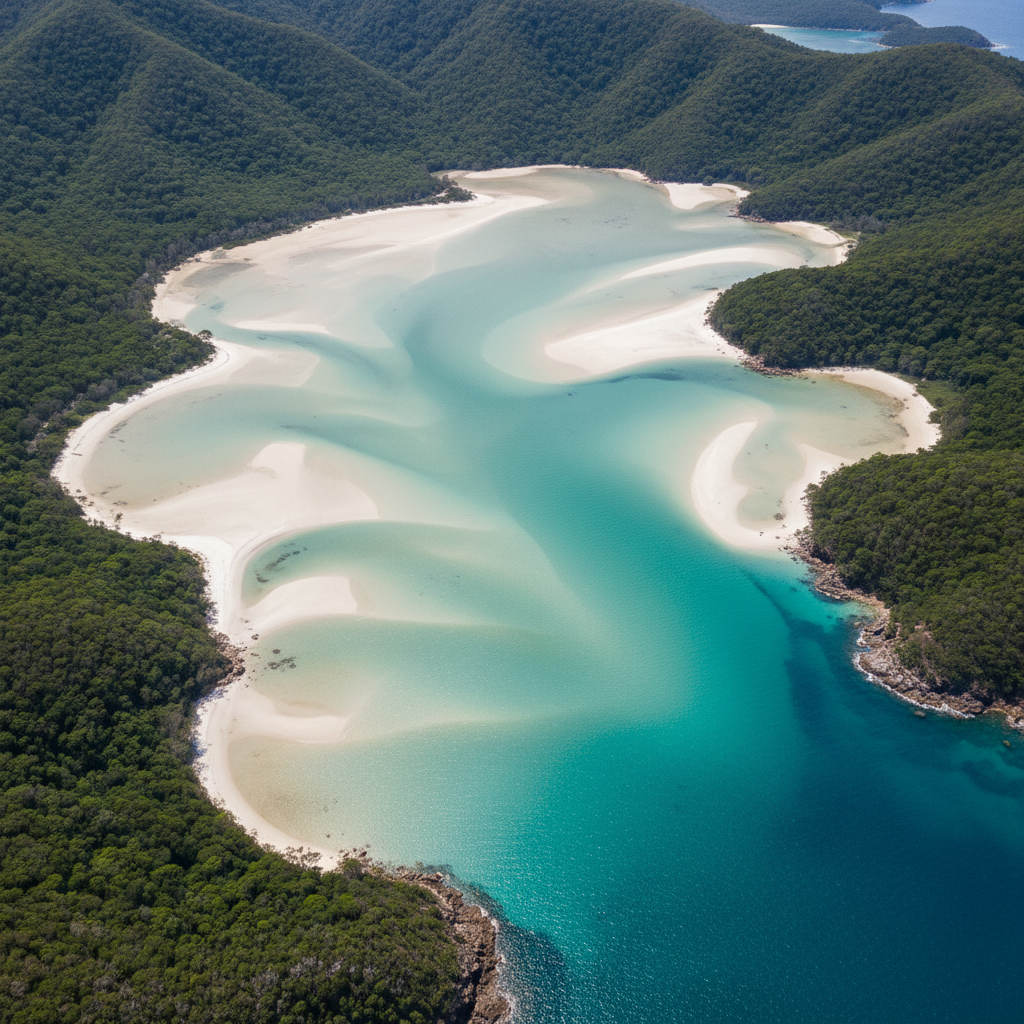
Traditional Whitsundays sailing tours accommodate 20-80 passengers and cover multiple destinations including Whitehaven Beach and snorkelling sites. These provide excellent value for comprehensive island exploration but limited opportunity for personalised wildlife education or extended marine life observation. Eco-focused tours in the region typically involve passive observation from larger vessels rather than the active exploration possible with jet skis.
Standard jet ski tours focus on speed and adrenaline, often disturbing marine life rather than observing it respectfully. EcoJet Safari's modified watercraft and trained guides enable wildlife encounters impossible with conventional high-speed jet ski operations. The educational component adds significant value for visitors interested in understanding the marine ecosystem rather than simply experiencing it.
Helicopter and scenic flights offer spectacular aerial perspectives but no opportunity for marine life interaction. Diving and snorkelling tours provide underwater experiences but lack the mobility and surface observation advantages of jet skis. EcoJet Safari essentially bridges these experiences, combining mobility, education, and respectful wildlife observation in a unique package.
Cost comparison reveals EcoJet Safari's premium positioning is justified by its specialised focus and extended duration. Full-day sailing tours range from $130-180 AUD but include meals and multiple activities. Half-day snorkelling tours cost $85-120 AUD. EcoJet's $189 price reflects its boutique nature and comprehensive inclusions.
What Are the Environmental and Conservation Aspects?
EcoJet Safari operates carbon-neutral tours through reef restoration investments and maintains strict wildlife interaction protocols. They contribute 5% of profits to marine conservation, participate in turtle monitoring programs, and use modified watercraft designed to minimise noise and wake disturbance to marine ecosystems.
Their environmental commitment begins with equipment selection. The modified Yamaha jet skis feature specialised exhaust systems reducing underwater noise pollution by approximately 40% compared to standard models. Propeller guards prevent injury to marine life, while reduced wake design minimises disturbance to sensitive seagrass beds where turtles feed.
EcoJet Safari holds Advanced Ecotourism Australia certification, requiring demonstrated environmental best practices, community involvement, and ongoing conservation contributions. Their turtle monitoring activities provide valuable data to James Cook University's marine research programs, contributing to broader understanding of local sea turtle populations and behaviour patterns.
Carbon offset programs include investments in blue carbon reef restoration projects and participation in Reef Credits initiatives. The company calculates their total carbon footprint including fuel consumption, equipment manufacturing, and facility operations, then purchases verified carbon offsets exceeding their calculated impact by 20%.
Waste management protocols ensure zero marine pollution from tours. All equipment is thoroughly secured, and participants receive reusable water bottles and environmentally friendly sunscreen. Post-tour materials are primarily digital, eliminating paper waste while providing lasting educational resources.
What Should You Bring and How Should You Prepare?
Bring reef-safe sunscreen, hat, water bottle, and camera for above-water shots. EcoJet Safari provides all safety equipment, wetsuits, underwater cameras, and post-tour refreshments. Wear comfortable swimwear and secure footwear. Prescription glasses should be secured with a strap.
Reef-safe sunscreen is essential and mandatory – chemical sunscreens containing oxybenzone and octinoxate are prohibited to protect marine life. Physical sunscreens with zinc oxide or titanium dioxide are provided if needed. A wide-brimmed hat that can be secured with a chin strap helps prevent loss during jet ski operation.
Personal cameras should be in waterproof cases if you want backup photos beyond the provided underwater cameras. However, the included cameras are high-quality action cameras perfectly suited for marine photography, and trying to manage personal equipment can detract from the wildlife observation experience.
Clothing recommendations include comfortable swimwear that won't ride up during jet ski operation, and secure footwear that can get wet – reef shoes or dive boots are ideal. Loose clothing, jewellery, or hats without secure straps risk being lost. The provided wetsuits offer sun protection and warmth, particularly important during stinger season.
Pre-tour preparation should include a light meal 1-2 hours before departure (motion sensitivity can affect some participants), adequate hydration, and review of basic hand signals used for underwater communication. Prescription glasses wearers should bring a secure strap or consider contact lenses for the day.
Ready to experience the Whitsundays from an entirely new perspective? EcoJet Safari delivers the perfect combination of adventure, education, and environmental responsibility that you won't find anywhere else in the region. Book your eco-friendly jet ski adventure through Airlie to Whitehaven and discover why this unique tour operator is setting the standard for sustainable marine tourism in Queensland. Your underwater cameras are waiting, the turtles are calling, and an unforgettable day on the water awaits.