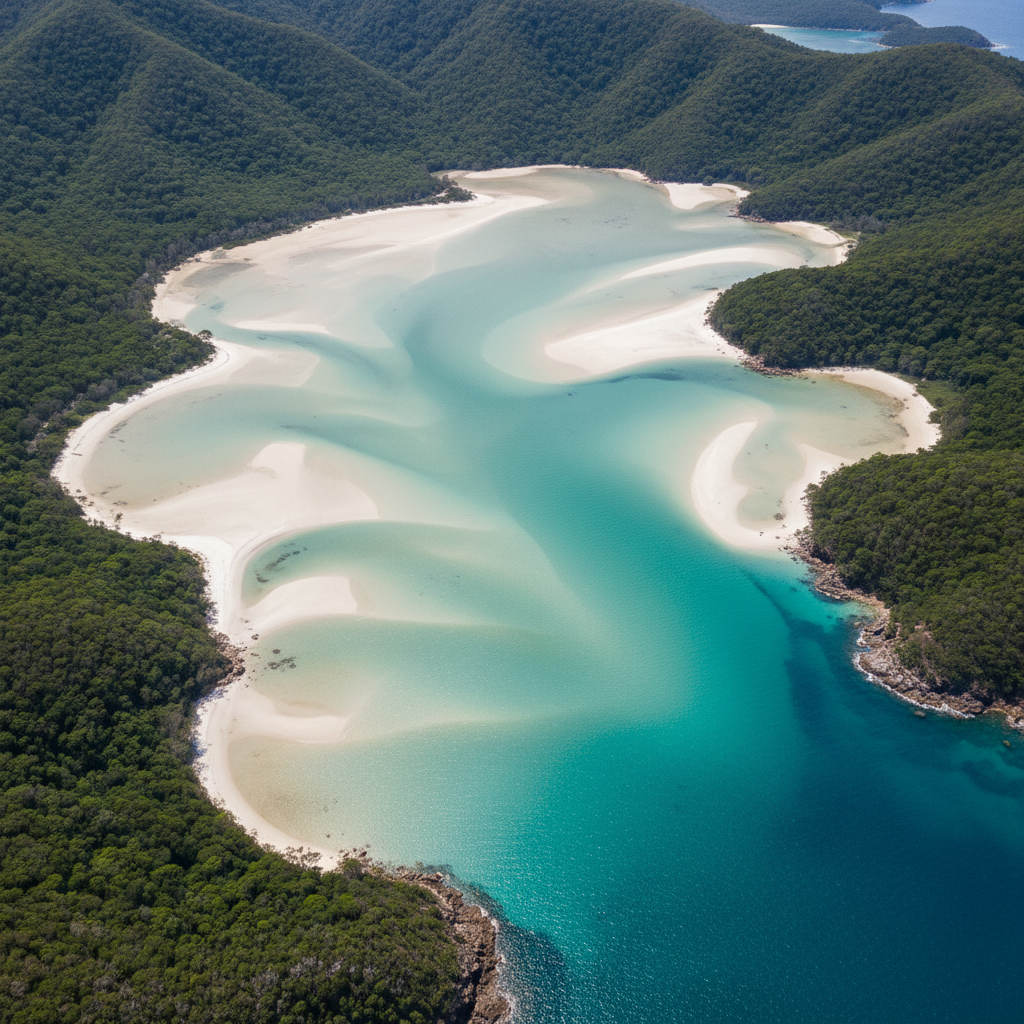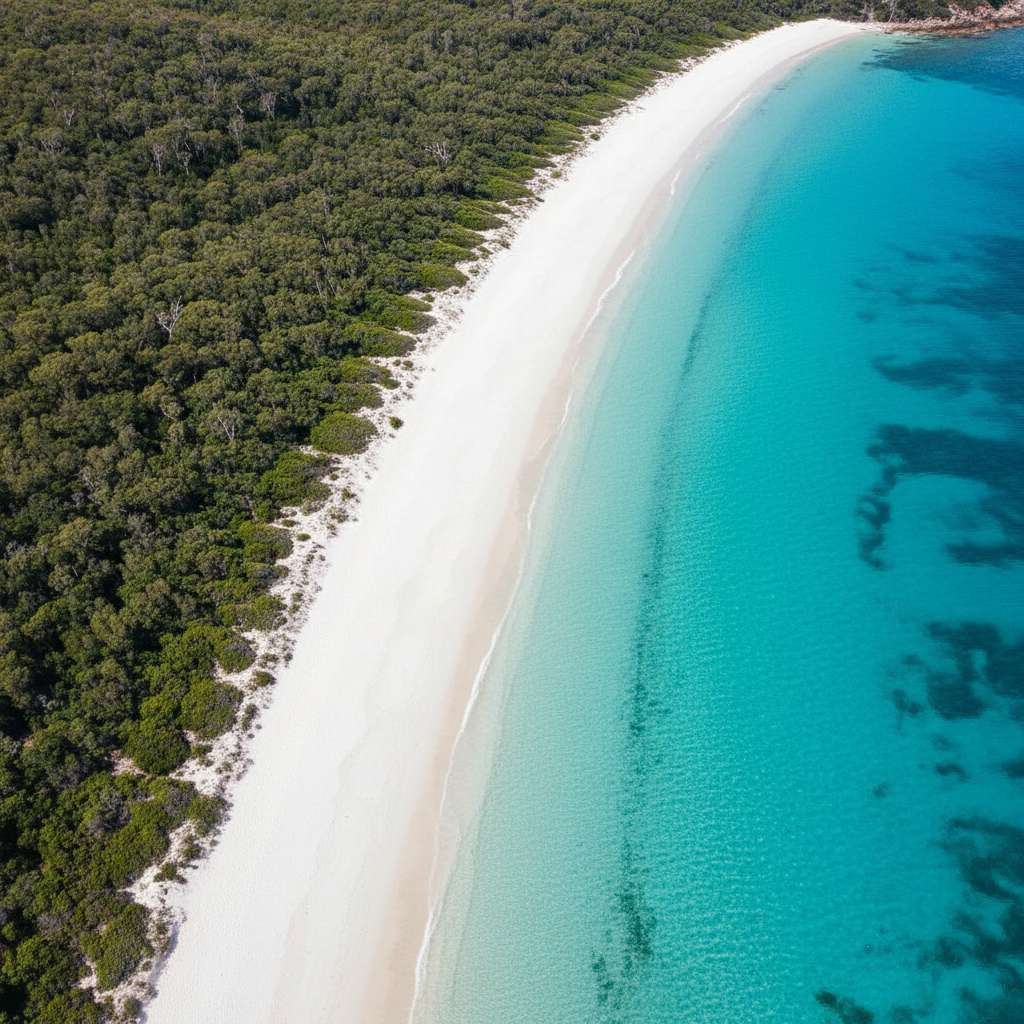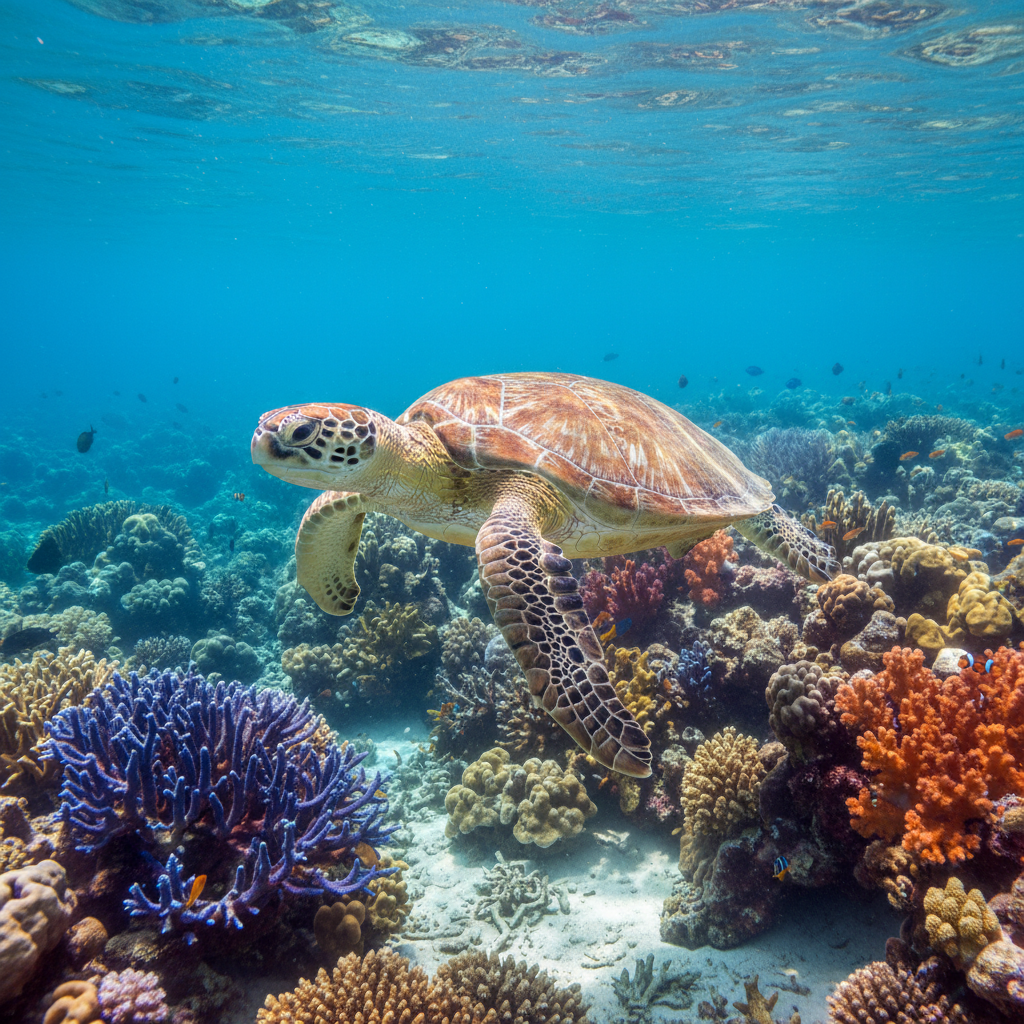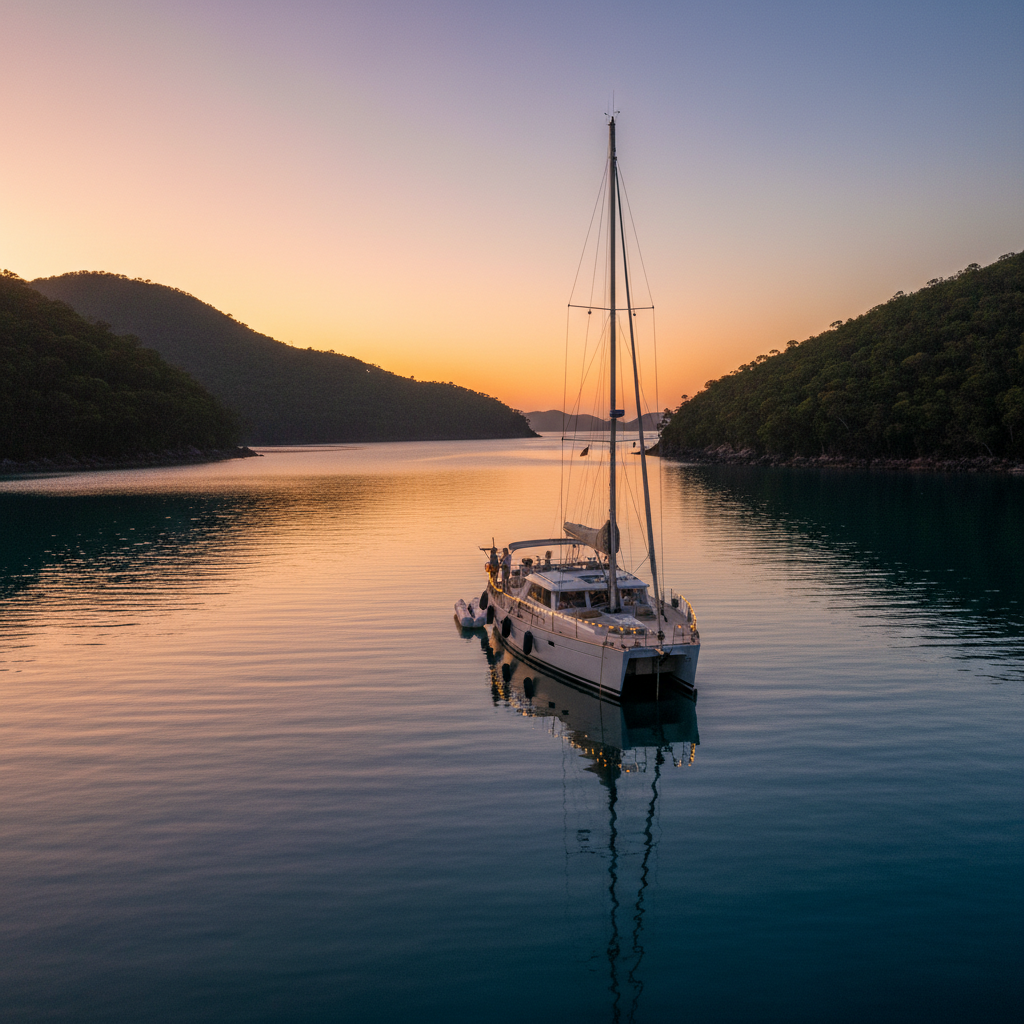
Chartering a catamaran in the Whitsundays offers the freedom to explore 74 tropical islands at your own pace, from the pristine silica sands of Whitehaven Beach to hidden snorkeling spots along the Great Barrier Reef. With both bareboat and crewed options available, catamaran charters cater to experienced sailors and complete beginners alike, though pricing varies significantly based on vessel size, season, and charter duration.
How much does it cost to charter a catamaran in the Whitsundays?
Catamaran charter costs range from $850-$2,500 per day for bareboat rentals, while crewed charters start at $3,500 daily. Prices depend on vessel size (38-62 feet), season (high/low), charter duration, and included services like crew, fuel, and provisioning.
The Whitsundays catamaran charter market operates on a tiered pricing structure that reflects vessel specifications and service levels. Entry-level bareboat catamarans (38-40 feet) typically accommodate 6-8 guests and cost $850-$1,200 per day during low season (February to June), rising to $1,400-$1,800 during peak periods (July to January).
Mid-range vessels (42-46 feet) sleeping 8-10 guests command $1,200-$1,800 daily in low season and $1,800-$2,200 in high season. Premium catamarans (50+ feet) accommodating 10-12 guests start at $1,800 daily, reaching $2,500+ during peak Christmas and Easter periods.
Crewed charters eliminate the need for sailing experience but cost significantly more. A 50-foot crewed catamaran with skipper and chef typically starts at $3,500 per day, while luxury 60+ foot vessels can exceed $8,000 daily during peak season. These prices include professional crew, gourmet meals, and often include water sports equipment.
What's included in Whitsundays catamaran charter prices?
Bareboat charter base rates include the vessel, safety equipment, basic inventory, and mooring fees. Additional costs include fuel ($200-$400), provisioning ($50-$100 per person), insurance ($150-$300), and optional extras like WiFi, kayaks, or fishing gear.
Standard inclusions for bareboat charters encompass the catamaran itself with full safety equipment meeting Australian maritime standards, basic kitchen utensils and crockery, bed linen and towels, tender dinghy with outboard motor, and VHF radio for emergency communication. Mooring fees at designated anchorages throughout the Whitsundays are typically covered in the base rate.
Fuel represents the largest additional expense, varying dramatically based on your itinerary. A fuel-efficient approach visiting nearby islands like Hamilton Island and Whitehaven Beach might cost $200-$250, while extensive exploration including outer reef locations can reach $400-$500. Provisioning costs depend entirely on your preferences – basic supplies from Airlie Beach IGA might cost $50 per person for a 3-day charter, while gourmet provisions from specialty suppliers can exceed $100 per person daily.
Insurance is mandatory, typically costing $150-$300 depending on vessel value and charter duration. Optional extras include stand-up paddleboards ($50-$80), snorkeling gear ($30 per person), fishing equipment ($80-$120), and satellite WiFi ($150-$200 for multi-day charters).
Do I need sailing experience to charter a catamaran?
Bareboat charters require demonstrated sailing competency and relevant qualifications like Day Skipper certification. Crewed charters need no sailing experience as professional crew handle all vessel operations, navigation, and safety responsibilities while guests enjoy the sailing experience.
Australian maritime law mandates that bareboat charter operators verify the sailing competency of at least one charter party member. Acceptable qualifications include Australian Day Skipper certification, International Certificate of Competency (ICC), or equivalent overseas qualifications like ASA 104 or RYA Day Skipper. Many operators require a practical assessment, particularly for larger vessels or charterers with limited recent experience.
The assessment typically involves demonstrating boat handling skills including docking, anchoring, sail trim, and emergency procedures. Operators may refuse charters if weather conditions exceed the demonstrated competency level of the charter party. First-time bareboat charterers often benefit from engaging a skipper for the first day to familiarize themselves with local conditions and the specific vessel.
Crewed charters eliminate these requirements entirely. Professional skippers hold Commercial Vessel Master certificates and extensive local knowledge of Whitsundays waters, including challenging passages like Whitsunday Passage during strong trade winds. Many crewed charters offer "learn as you go" experiences where guests can participate in sailing operations under professional supervision.
When is the best time to charter a catamaran for the best prices?
Low season (February to June) offers the best charter rates, with daily costs 20-30% lower than peak periods. Shoulder seasons (March-May, September-November) provide optimal weather-to-price ratios, while Christmas-January and Easter command premium rates with limited availability.
February through June represents the Whitsundays low season, coinciding with stinger season and higher humidity. However, this period offers significant savings and fewer crowds, with some operators offering promotional rates as low as $700 per day for smaller catamarans. Stinger suits are provided by all reputable charter companies, and marine stingers rarely venture into deeper waters where most sailing occurs.
March to May provides excellent value, with trade winds moderating and temperatures becoming more comfortable. September to November offers similar advantages post-winter, with whale migration season (June-September) concluded but before peak summer crowds arrive. These shoulder periods typically see 15-20% lower rates than peak season.
Peak pricing occurs during Australian school holidays, particularly the Christmas-New Year period when demand can exceed supply. Easter, June-July school holidays, and September-October also command premium rates. Advanced bookings 6-12 months ahead often secure better rates, while last-minute availability (within 30 days) sometimes offers discounted rates for unsold inventory.
What size catamaran should I choose for my group?
Choose vessel size based on guest count and comfort preferences: 38-42 feet for 6-8 guests, 44-48 feet for 8-10 guests, and 50+ feet for larger groups. Consider cabin configuration, shared spaces, and storage needs when selecting your charter vessel.
Vessel selection significantly impacts your charter experience and costs. A 38-foot catamaran typically features 3-4 cabins with double beds, accommodating 6-8 guests comfortably. These vessels suit couples or small groups prioritizing affordability over space, with daily rates starting around $850 during low season. However, limited living space can feel cramped during poor weather or extended periods aboard.
Mid-size catamarans (42-46 feet) provide the optimal balance of space, performance, and cost for most charter parties. These vessels typically offer 4-5 cabins, larger saloon areas, and better storage for provisions and personal belongings. The additional beam width (typically 22-25 feet versus 20-22 feet) creates noticeably more living space while maintaining reasonable charter costs.
Large catamarans (50+ feet) suit groups prioritizing comfort and space. These vessels often feature master suites, multiple bathroom facilities, larger galleys, and expansive deck areas perfect for entertaining. However, daily rates starting around $1,800 plus higher fuel consumption (larger engines and increased wind resistance) make them significantly more expensive.
Consider your group dynamics carefully – intergenerational families often benefit from larger vessels with private retreat spaces, while groups of friends might prefer smaller, more intimate settings that encourage interaction.
Are there alternatives to full catamaran charters?
Shared charters, day trips, and yacht hire provide alternatives to full catamaran charters. Day sailing trips cost $150-$300 per person, while overnight shared charters start at $400 per person. Private yacht hire offers similar experiences with different vessel configurations.
Day sailing tours represent the most accessible catamaran experience, with operators like Prosail and Cumberland Charter Yachts offering full-day excursions visiting Whitehaven Beach and snorkeling locations. These trips typically cost $180-$280 per adult including lunch, with some premium operators reaching $350 for smaller group experiences aboard luxury vessels.
Shared overnight charters, sometimes called "cabin charters," allow individuals or couples to book individual cabins aboard larger catamarans with other guests. These 2-3 day experiences cost $400-$600 per person and include meals, snorkeling equipment, and guided activities. While lacking the privacy and flexibility of exclusive charters, they provide excellent value for smaller parties.
Our comprehensive yacht hire pricing guide explores monohull alternatives, while our detailed boat hire guide covers the full spectrum of vessel options available. Each vessel type offers distinct advantages – monohull yachts typically cost less than equivalent catamarans but provide less living space, while motor yachts eliminate sailing skills requirements but consume significantly more fuel.
Power catamaran charters offer stability and speed without sailing complexity, though fuel costs can reach $600-$800 daily for extended cruising. These vessels excel for groups prioritizing water sports and reef exploration over the sailing experience itself.
How do I book a catamaran charter in the Whitsundays?
Book directly through charter operators or specialized brokers 3-12 months in advance for best selection and rates. Compare vessel specifications, included equipment, and hidden costs carefully. Confirm qualifications requirements, weather policies, and cancellation terms before paying deposits.
The booking process typically begins with determining your preferred dates, group size, and budget parameters. Peak season availability diminishes rapidly, with popular vessels booking 6-12 months ahead. Shoulder season bookings can often be secured 3-6 months in advance, while low season occasionally offers last-minute availability.
Reputable charter companies include Whitsunday Rent A Yacht, Cumberland Charter Yachts, and Multihull Central, each maintaining diverse fleets and offering different service levels. When comparing options, examine vessel age and maintenance records, included equipment lists, and customer reviews focusing on vessel condition and operator responsiveness.
Booking deposits typically range from 25-50% of total charter costs, with final payment due 30-60 days before departure. Travel insurance covering charter cancellations is strongly recommended, as weather-related cancellations rarely qualify for full refunds.
Charter agreements include detailed terms covering vessel damage, late returns, and operational restrictions. Review these carefully, particularly regarding smoking policies, pet restrictions, and geographical limitations that might affect your planned itinerary.
For comprehensive information about catamaran options across different price points, explore our dedicated catamaran hire section featuring detailed vessel comparisons and operator reviews.
Planning your perfect Whitsundays catamaran adventure requires careful consideration of your group's needs, experience level, and budget. Whether you're seeking a budget-friendly bareboat adventure or a luxury crewed experience, Airlie to Whitehaven can connect you with the ideal charter option. Browse our extensive selection of verified operators and vessels, read genuine customer reviews, and book your Whitsundays catamaran charter with confidence through our secure platform.