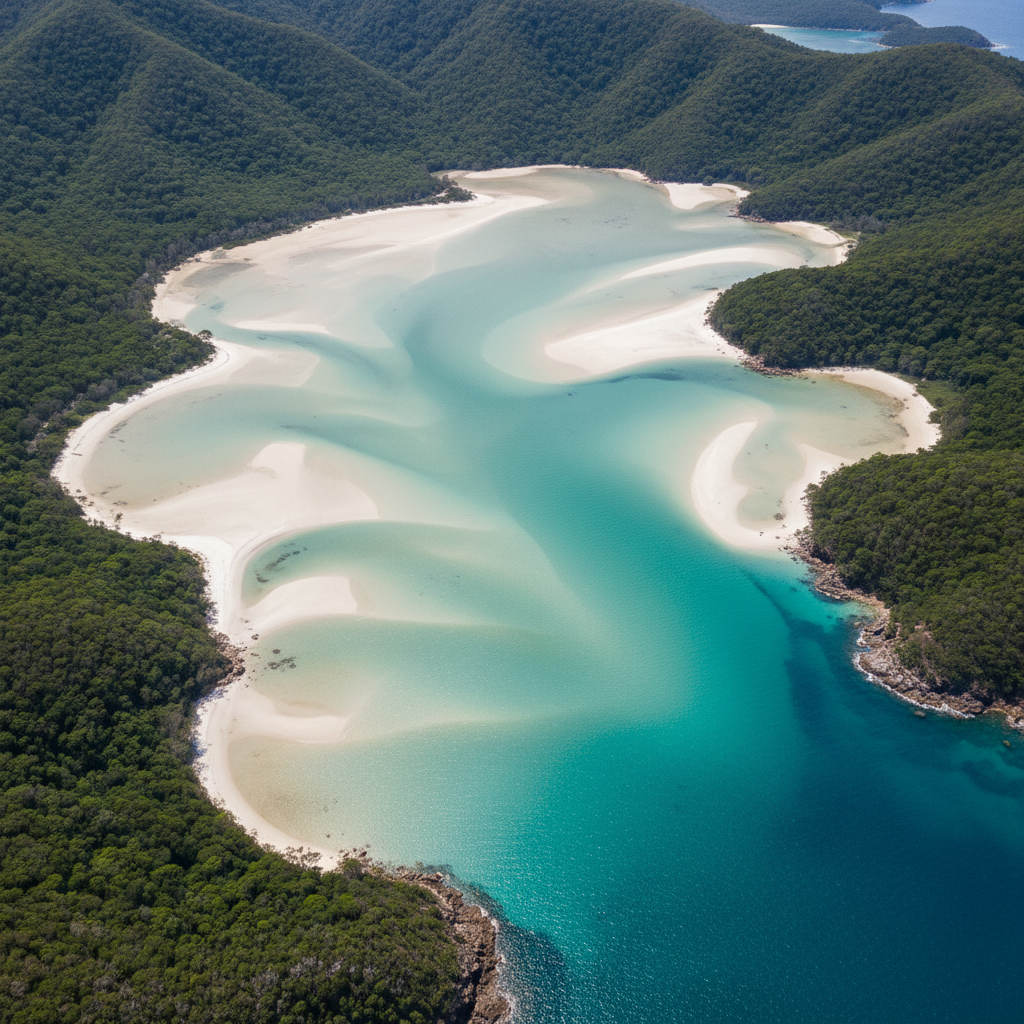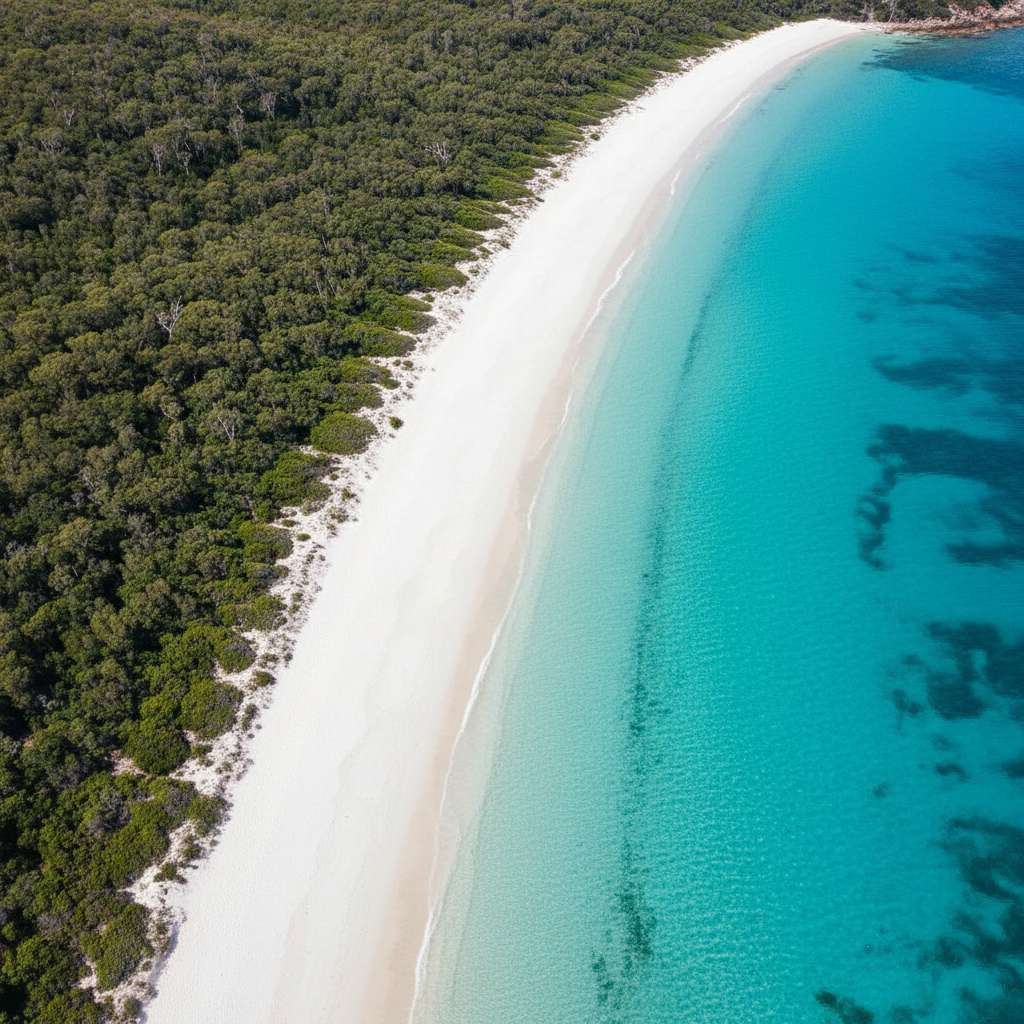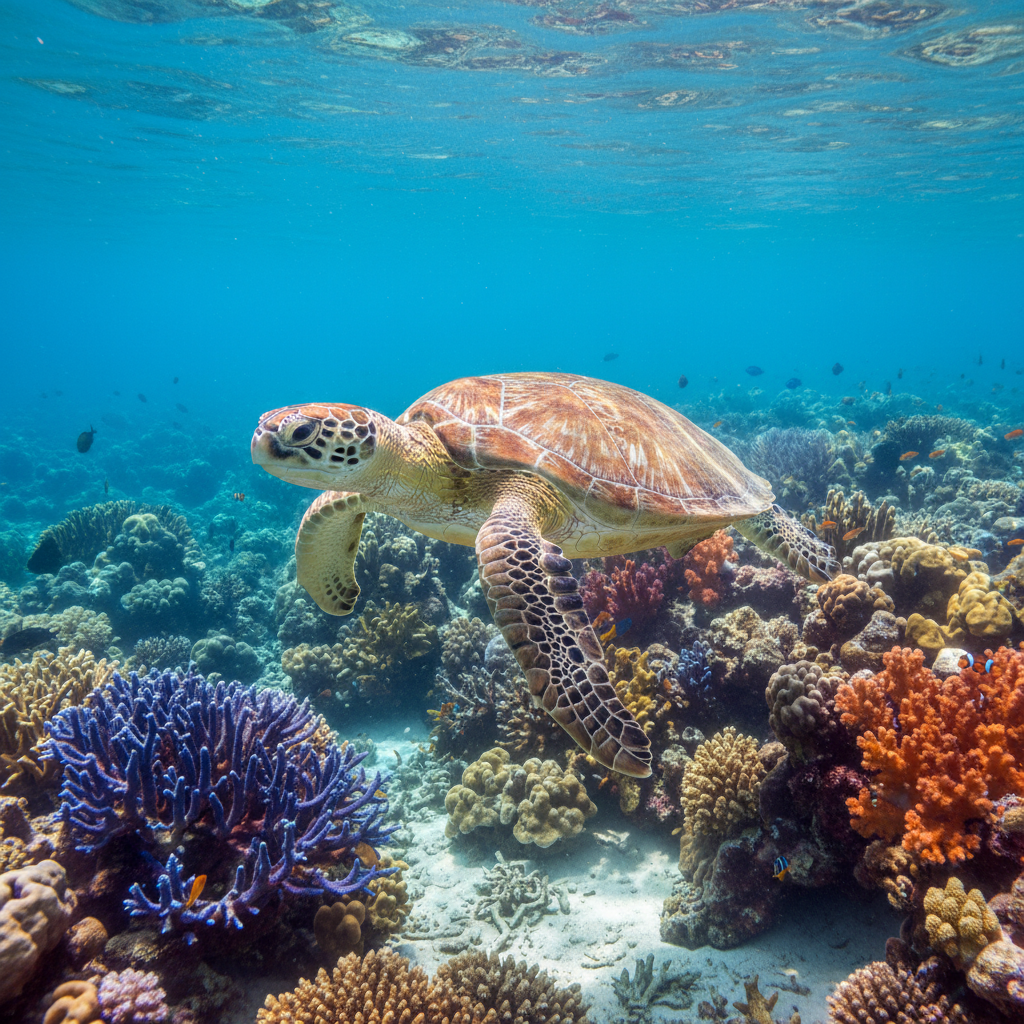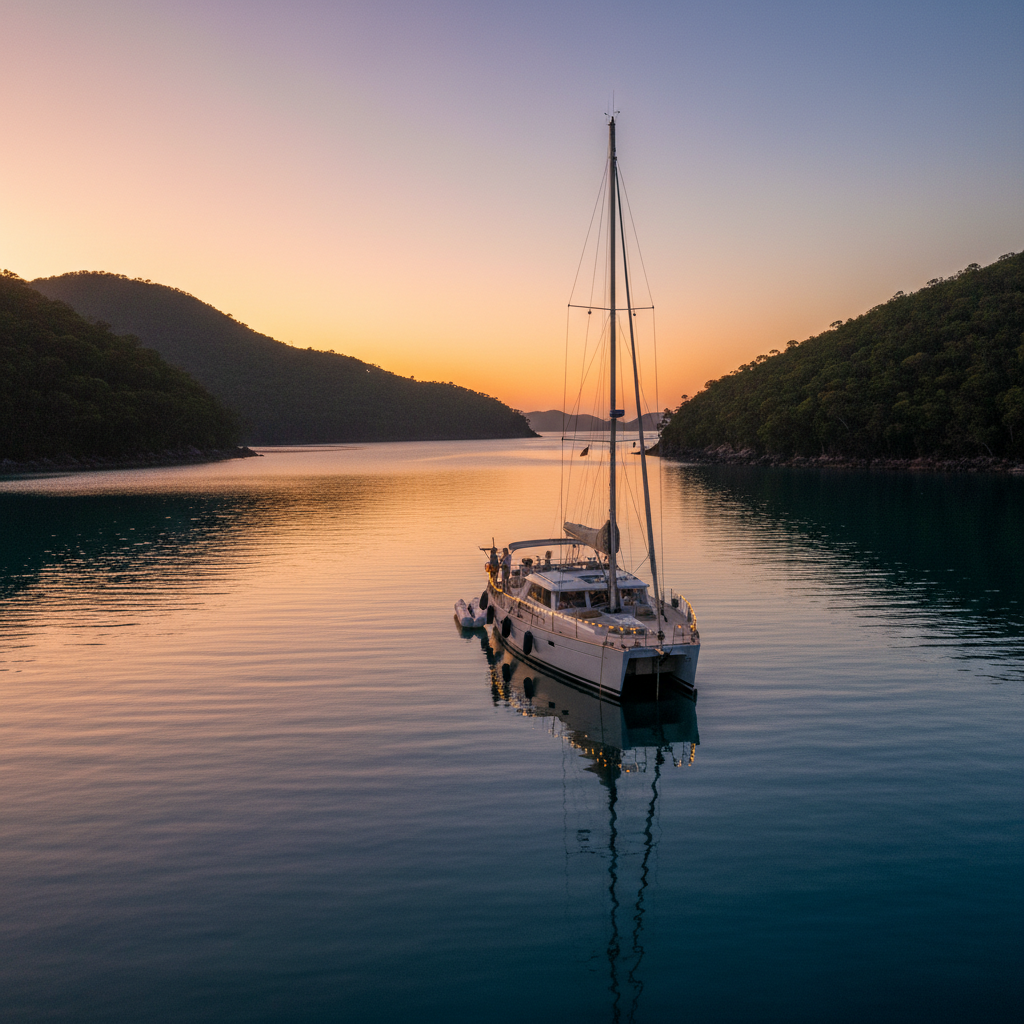
Picture this: you're at the helm of your own yacht, sailing crystal-clear waters between 74 tropical islands, dropping anchor wherever takes your fancy. A bareboat charter in the Whitsundays offers exactly this freedom — complete control over your sailing adventure without a skipper or crew aboard. For first-timers, the prospect can feel both exhilarating and overwhelming, but with proper preparation, it's absolutely achievable.
What qualifications do I need for a bareboat charter in the Whitsundays?
You need a valid recreational marine driver license from any Australian state, international equivalent, or internationally recognised sailing qualification like RYA Day Skipper. Charter companies also require a practical sailing assessment before departure.
The minimum requirement varies between charter companies, but most accept a NSW Boat Driving Licence, Queensland Recreational Marine Driver Licence, or equivalent from other states. International visitors can use their home country's recreational boating licence, provided it's recognised under international maritime agreements.
More comprehensive qualifications like the Royal Yachting Association (RYA) Day Skipper, International Certificate of Competency (ICC), or similar internationally recognised sailing certifications carry more weight. These demonstrate proper understanding of navigation, collision regulations, and seamanship — skills you'll definitely need navigating the Whitsundays' numerous islands and reefs.
Even with valid qualifications, every charter company conducts a practical assessment before releasing the yacht. This typically involves demonstrating boat handling skills like docking, anchoring, man overboard procedures, and basic navigation. The assessment usually takes 30-45 minutes and happens at the marina before departure.
How much does a bareboat charter cost in the Whitsundays?
Bareboat charter costs range from $400-$1,500 per day depending on yacht size, season, and duration. A 40ft yacht for a week typically costs $3,500-$7,000, plus fuel, provisions, and optional extras like insurance.
Pricing follows a clear structure based on yacht length and season. A 35ft yacht suitable for 4-6 people costs roughly $400-$800 per day, while a 50ft yacht accommodating 8-10 people ranges from $800-$1,500 daily. Peak season (June-September) commands highest prices, while shoulder seasons offer significant savings.
Weekly charters provide better value than daily rates, with most companies offering substantial discounts for 7+ day bookings. A typical 40ft yacht costs around $3,500-$7,000 for a week, depending on season and specific vessel features.
Additional costs include fuel (budget $200-$400 for a week), provisioning ($100-$150 per person), mooring fees at some locations ($20-$40 per night), and optional insurance excess reduction ($30-$50 per day). Security bonds typically range from $2,000-$5,000, fully refundable if the yacht returns undamaged.
What size yacht should first-time charterers choose?
First-timers should choose a 35-40ft yacht with simple systems and good manoeuvrability. These sizes offer comfortable accommodation for 4-6 people while remaining manageable for inexperienced sailors to dock and anchor safely.
Yacht size significantly impacts handling difficulty. A 35ft monohull provides excellent learning opportunities — responsive steering, manageable sail area, and forgiving docking characteristics. These yachts typically feature 2-3 cabins, one bathroom, and basic galley facilities, perfect for couples or small families.
40ft yachts represent the sweet spot for first-timers wanting extra space without overwhelming complexity. They usually offer 3 cabins, 2 bathrooms, larger saloon areas, and more deck space for relaxation. The additional length provides better stability in choppy conditions while remaining manageable for harbour manoeuvres.
Avoid larger yachts (45ft+) on your first charter. While tempting for larger groups, they require significant experience for safe operation. Heavy displacement makes docking challenging, and complex systems can overwhelm newcomers. Similarly, catamarans offer more space but handle very differently from monohulls, particularly in reverse gear.
How do I plan my bareboat sailing route through the Whitsundays?
Plan short sailing distances between well-protected anchorages, allowing 2-3 hours maximum sailing per day. Focus on must-see destinations like Whitehaven Beach, Hill Inlet, and Butterfly Bay while maintaining flexibility for weather changes.
The Whitsundays' compact geography works perfectly for bareboat charters — most destinations lie within 1-3 hours sailing time. A typical first-timer's route might include Airlie Beach to Butterfly Bay (1.5 hours), then Whitehaven Beach (45 minutes), followed by Nara Inlet (1 hour), and back via Daydream Island (2 hours).
Weather dictates everything in the Whitsundays. Trade winds typically blow 15-25 knots from the southeast, creating excellent sailing conditions but making some anchorages uncomfortable. Plan multiple options for each night, with protected alternatives for stronger wind days.
Essential stops include Whitehaven Beach on Whitsunday Island's eastern shore, accessible via Tongue Bay or Chance Bay anchorages. Hill Inlet offers stunning views and photography opportunities, while Nara Inlet on Hook Island provides excellent protection and bushwalking opportunities. Butterfly Bay serves as a perfect first-night anchorage — well-protected, beautiful, and close to Airlie Beach for confidence building.
What navigation equipment comes with bareboat charters?
Standard equipment includes GPS chartplotter, marine radio, depth sounder, wind instruments, and paper charts. Most yachts feature modern electronics with touch-screen displays showing position, depth, wind speed/direction, and detailed chart information.
Every charter yacht must carry Australian Government-mandated safety equipment including Emergency Position Indicating Radio Beacon (EPIRB), life jackets for all passengers, flares, fire extinguisher, and first aid kit. Navigation equipment typically includes Garmin or Raymarine chartplotter systems with Australia-wide electronic charts.
VHF marine radio enables communication with other vessels, marina facilities, and emergency services. Channel 16 serves as the international distress frequency, while channel 73 handles general communications in Queensland waters. Most yachts include handheld VHF backup units.
Paper charts remain essential backup navigation tools. The Whitsundays area requires charts AUS 820 (overall planning) and AUS 821 (detailed navigation). Many charter companies provide laminated charts and navigation guides specific to the Whitsundays, highlighting anchorages, hazards, and recommended routes.
How do I provision for a bareboat charter?
Budget $100-$150 per person for a week's food and beverages. Shop at Airlie Beach's Woolworths or Coles before departure, focusing on non-perishable items, frozen meals, and plenty of drinking water for hot weather sailing.
Provisioning requires careful planning due to limited refrigeration and storage space. Ice generally lasts 2-3 days in yacht fridges, so plan fresh food consumption accordingly. Frozen meals work excellently for first few days, transitioning to canned and dried goods later in the trip.
Essential provisions include 4-5 litres drinking water per person per day (yacht water tanks often taste unpleasant), breakfast cereals, bread, milk, coffee, tea, canned soups, pasta, rice, frozen meals, snacks, and alcohol if desired. Factor in additional water for cooking and washing up.
Airlie Beach offers excellent provisioning options. Woolworths and Coles provide standard supermarket items, while local bottle shops stock wine, beer, and spirits. Some charter companies offer provisioning services ($200-$300 extra) where groceries await your arrival — convenient but expensive compared to self-shopping.
What are the most common mistakes first-time bareboat charterers make?
Common mistakes include over-ambitious sailing schedules, inadequate anchoring techniques, poor weather planning, insufficient provisioning, and panic during emergency situations. Most problems stem from inexperience and unrealistic expectations about sailing timelines.
Over-planning represents the biggest first-timer error. Attempting to visit every Whitsundays highlight in one week creates stress and disappointment. Weather delays, equipment issues, or simple enjoyment of a particular location can derail rigid schedules. Build flexibility into every day's planning.
Anchoring problems cause numerous charter incidents. Many first-timers drop anchor in unsuitable locations — too deep, rocky bottom, or exposed to wind/swell. Proper anchoring requires finding 3-6 metres depth over sand, deploying sufficient chain scope (7:1 ratio), and testing the hold before leaving the boat unattended.
Weather misunderstanding leads to dangerous situations. Trade winds exceeding 25 knots create challenging conditions for inexperienced sailors. Many first-timers venture out in unsuitable weather because they don't want to "waste" a day. Remember: a day at anchor is better than a day in trouble.
Navigation errors occur when charterers rely solely on GPS without understanding chart symbols, depth contours, or tidal effects. The Whitsundays contain numerous reefs and shallow areas marked clearly on charts but potentially missed on small GPS screens.
When is the best time for first-time bareboat charters?
April to June and September to November offer ideal conditions for beginners — consistent trade winds, minimal rainfall, comfortable temperatures, and fewer stinger jellyfish. Avoid December to March cyclone season and July-August peak tourist crowds.
The Whitsundays enjoy tropical climate with distinct wet and dry seasons. Dry season (April-November) provides reliable southeast trade winds 15-25 knots, perfect for learning sail handling and yacht control. Rainfall remains minimal, and temperatures stay comfortable at 20-28°C.
Stinger season (November-May) requires protective clothing when swimming, though most charter companies provide stinger suits. Marine stingers including box jellyfish and irukandji pose serious health risks, making enclosed swimming areas or stinger suits essential during these months.
Peak season (June-September) coincides with Australian winter holidays, creating crowded anchorages and higher charter prices. While weather conditions remain excellent, popular spots like Whitehaven Beach become packed with tour boats and other charter yachts, reducing the peaceful sailing experience many seek.
What safety considerations should first-timers prioritise?
Priority safety measures include wearing life jackets while on deck, maintaining constant radio watch, informing others of your intended route, avoiding night sailing, and staying sober while responsible for the yacht's operation.
Life jackets save lives but many charterers become complacent in calm conditions. Australian maritime law requires readily accessible life jackets for all passengers, and responsible charterers ensure everyone wears them when conditions deteriorate or when moving around deck.
Radio communication provides crucial safety backup. Monitor Channel 16 continuously and conduct regular radio checks with other vessels or shore stations. File float plans with charter companies, detailing intended overnight locations and expected return times. This information proves vital if search and rescue becomes necessary.
Night sailing should be completely avoided by first-time charterers. The Whitsundays contain numerous reefs and shallow areas difficult to identify in darkness. Even experienced sailors find night navigation challenging here, and charter companies generally prohibit after-dark sailing movements.
Weather monitoring requires constant attention. Australian Bureau of Meteorology provides detailed marine forecasts, but conditions change rapidly in tropical environments. When in doubt, seek protected anchorage and wait for conditions to improve rather than pushing on regardless.
How do I choose a reputable bareboat charter company?
Choose companies with comprehensive insurance coverage, thorough yacht maintenance programs, detailed safety briefings, 24/7 emergency support, and positive customer reviews. Established operators like Sunsail, Dream Yacht Charter, and local specialists offer proven reliability.
Research charter companies thoroughly before booking. Established operators maintain newer fleets, provide comprehensive briefings, and offer reliable emergency support. Check online reviews, particularly focusing on comments about yacht condition, staff professionalism, and problem resolution.
Insurance coverage varies significantly between companies. Comprehensive policies should cover third-party liability, hull damage, and emergency assistance. Understanding excess amounts and exclusions prevents unpleasant financial surprises if damage occurs during your charter.
Quality companies provide detailed pre-departure briefings covering yacht systems, emergency procedures, local navigation hazards, and weather interpretation. This education investment significantly improves safety and enjoyment for first-time charterers. Avoid companies rushing through briefings or providing inadequate safety information.
Ready to experience the freedom of bareboat sailing in the Whitsundays? At Airlie to Whitehaven, we work with the region's most trusted charter operators to ensure your first bareboat adventure exceeds expectations. Our comprehensive bareboat charter options include everything from beginner-friendly yachts to detailed planning support. We also offer expert sailing guidance for newcomers and complete boat hire information to make your Whitsundays sailing dreams reality. Book with confidence through Australia's leading Whitsundays specialists.