Choosing between bareboat hire and skippered charter in the Whitsundays can make or break your sailing adventure. The decision comes down to your experience level, budget, and how much responsibility you want during your holiday. Let's break down everything you need to know to make the right choice for your Whitsundays getaway.
What's the difference between bareboat hire and skippered charter?
Bareboat hire means you captain the yacht yourself with no crew aboard, while skippered charter includes a professional skipper who handles navigation and sailing. Bareboat offers complete freedom but requires sailing qualifications; skippered provides expertise and relaxation without needing boat licenses.
The fundamental difference lies in responsibility and control. With bareboat charter in the Whitsundays, you're essentially renting an empty vessel and taking full command. You plot the course, handle the sails, anchor the boat, and make all navigation decisions. It's like hiring a car – you get the keys and off you go.
Skippered charters include a qualified skipper who remains responsible for the vessel's operation and your safety. They handle the technical aspects while you enjoy the experience. The skipper knows the local waters intimately, understands weather patterns, and can take you to hidden gems you'd never find on your own.
Most bareboat operators require evidence of sailing competency through recognized qualifications or a practical assessment. Skippered yacht charters welcome complete beginners, making them accessible to anyone dreaming of a sailing adventure.
What sailing qualifications do you need for bareboat charter?
Australian bareboat operators typically require Yachtmaster Coastal, International Certificate of Competency, or equivalent qualifications plus recent sailing experience. Some accept Day Skipper with additional logbook evidence or offer practical assessments for experienced sailors without formal certification.
The most commonly accepted qualifications include:
- RYA Yachtmaster Coastal or Offshore
- International Certificate of Competency (ICC)
- Australian Yachtmaster
- US Sailing Bareboat Cruising certification
- Canadian Yacht Association certifications
Beyond paper qualifications, operators want evidence of recent experience. Most require a minimum of 50 nautical miles logged in the past two years on similar-sized vessels. If you learned to sail decades ago but haven't been on the water recently, you'll likely need a refresher course or assessment.
Some operators offer practical assessments for experienced sailors without formal certification. This typically involves a 2-3 hour evaluation covering boat handling, navigation, anchoring, and emergency procedures. The assessment costs around $200-400 AUD but can open the door to bareboat freedom.
For those new to sailing, consider our sailing guide for beginners to understand what's involved before committing to either option.
How much does bareboat vs skippered charter cost?
Bareboat hire typically costs $800-2000 AUD daily depending on vessel size and season, while skippered charters add $300-500 AUD per day for professional crew. Total skippered costs range from $1100-2500 AUD daily, making bareboat roughly 25-30% cheaper overall.
Bareboat pricing varies significantly by season and boat size:
- Low season (February-May): $800-1200 AUD per day for 35-40ft catamarans
- High season (June-January): $1200-2000 AUD per day for similar vessels
- Luxury boats (50ft+): $2000-4000 AUD per day year-round
Skippered charter costs include the base boat hire plus crew fees. Professional skippers typically charge $300-500 AUD per day, though some operators bundle this into package pricing. Premium skippers with specialized knowledge (diving, fishing, photography) may command higher rates.
Additional costs affect both options similarly. Security bonds range from $2000-10000 AUD depending on vessel value. Fuel costs approximately $100-200 AUD per day for typical cruising. Provisioning (food and drinks) averages $100-150 AUD per person for a week.
Many operators offer package deals including provisions, transfers, and equipment rental. These packages often provide better value than booking components separately, especially during peak season when individual services become expensive.
Which option gives you more flexibility and freedom?
Bareboat offers complete itinerary control and spontaneous decision-making without crew schedules, while skippered charters may have time constraints and shared decision-making. However, experienced skippers provide access to exclusive locations and optimal timing that inexperienced sailors might miss.
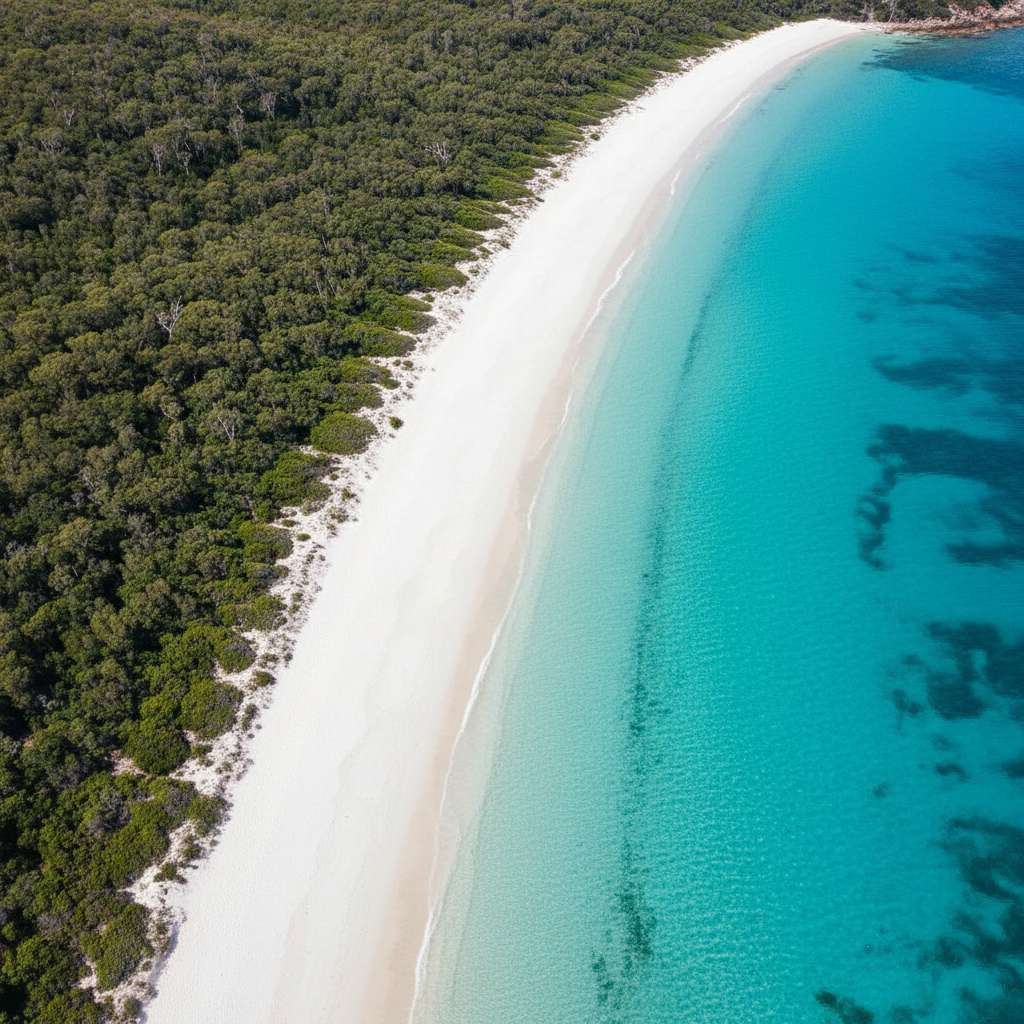
Bareboat hire delivers ultimate freedom. You wake when you want, sail where you please, and change plans without consulting anyone. Want to spend an extra day at Whitehaven Beach? No problem. Fancy exploring a secluded bay you spotted on the chart? Go for it. This flexibility appeals to experienced sailors who know exactly what they want from their holiday.
The flip side is complete responsibility. Weather decisions, navigation choices, and safety calls rest entirely on your shoulders. Poor decisions can result in missed opportunities, uncomfortable conditions, or safety issues.
Skippered charters involve collaboration rather than complete autonomy. Good skippers discuss options and accommodate preferences while ensuring safety and optimizing experiences. They might suggest departing earlier to beat weather, recommend alternative anchorages when your first choice proves unsuitable, or time activities to avoid crowds.
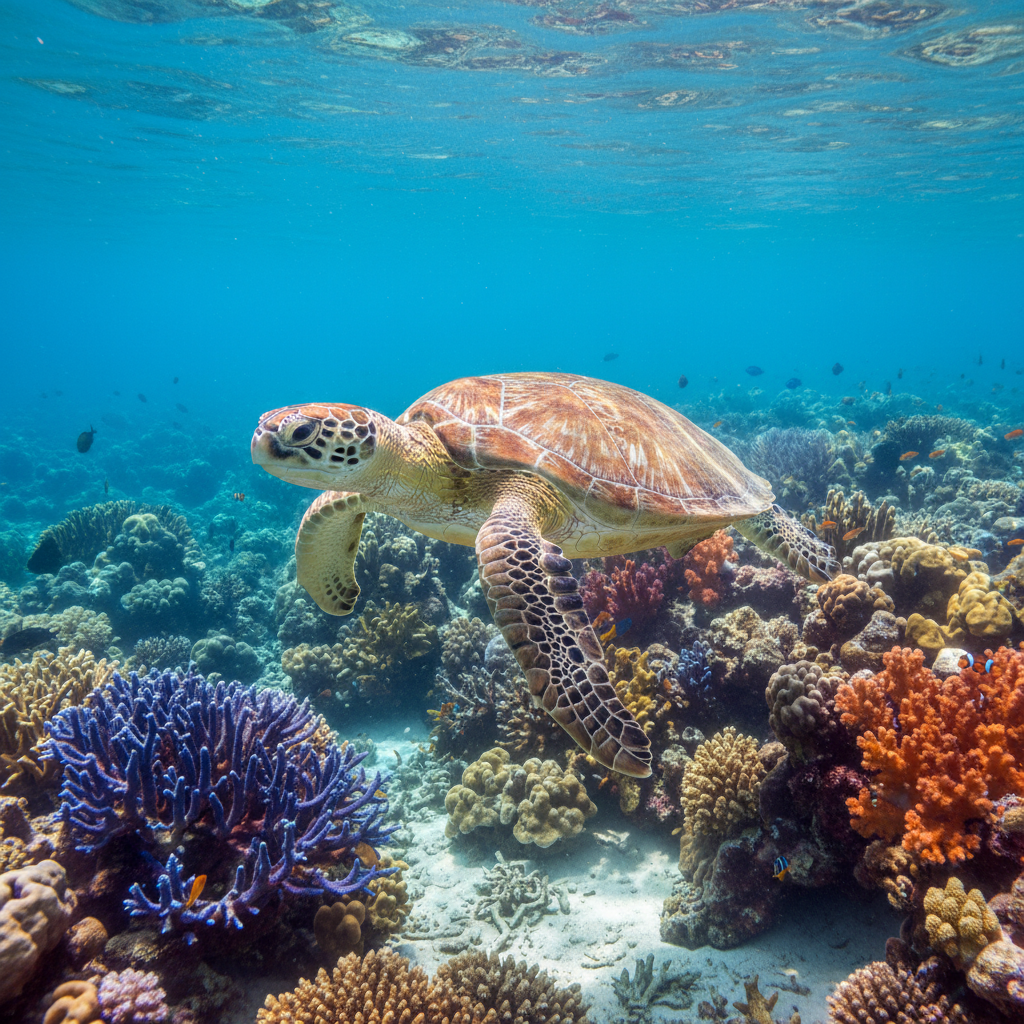
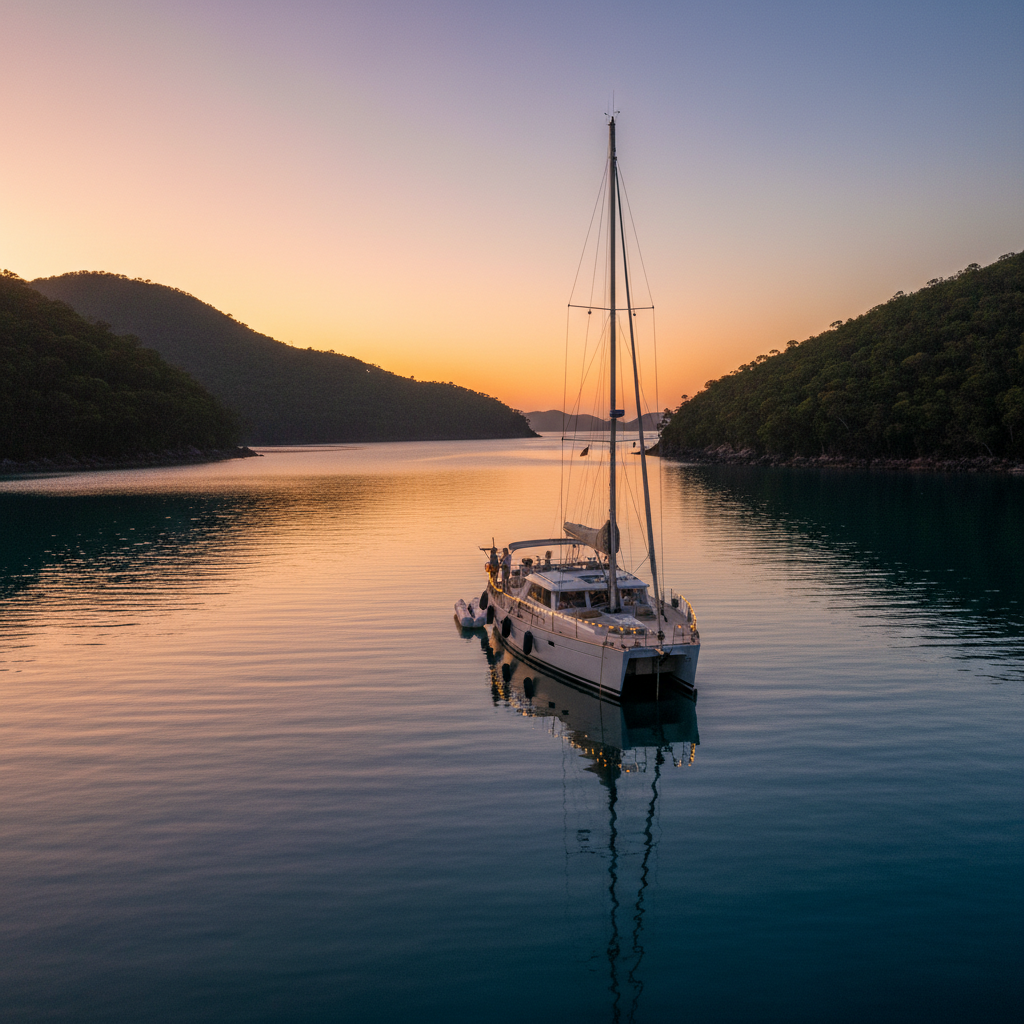
Experienced local skippers access locations and opportunities unavailable to bareboat charterers. They know which reefs offer the best snorkeling, when tides favor certain anchorages, and where to position for perfect sunset views. This insider knowledge often creates experiences that surpass anything achievable through pure freedom.
What are the safety considerations for each option?
Bareboat charterers bear full responsibility for weather decisions, emergency response, and vessel operation, requiring comprehensive sailing skills and local knowledge. Skippered charters provide professional safety oversight, emergency expertise, and intimate knowledge of local hazards and conditions.
The Whitsundays present unique challenges that experienced local knowledge helps navigate. Tidal ranges exceed 4 meters, creating strong currents and changing depths. Weather can deteriorate rapidly, with afternoon trade winds reaching 25+ knots. Coral reefs pose navigation hazards, especially at low tide.
Bareboat charterers must possess skills to handle these conditions independently. This includes reading weather patterns, understanding tidal influences, operating all safety equipment, and making sound decisions under pressure. Radio procedures, emergency protocols, and basic mechanical troubleshooting become essential skills rather than nice-to-haves.
Professional skippers bring years of local experience and formal safety training. They hold commercial licenses requiring regular assessments and continuing education. Most carry additional qualifications in first aid, radio procedures, and emergency response.
Modern charter boats carry comprehensive safety equipment including EPIRBs, flares, life rafts, and VHF radios. However, equipment is only effective when properly operated by trained individuals. Skippered charters ensure someone aboard can utilize all safety systems effectively.
Insurance considerations differ between options. Bareboat insurance typically includes higher excesses (often $5000+ AUD) and may exclude coverage for certain types of incidents involving operator error. Skippered charter insurance generally offers lower excesses and broader coverage since professional crew reduces risk.
Which is better for first-time Whitsundays visitors?
First-time Whitsundays visitors benefit more from skippered charters due to local knowledge, optimal timing, and access to hidden gems that maximize limited holiday time. Skippers ensure you experience highlights efficiently while avoiding common mistakes that waste precious vacation days.
The Whitsundays span 74 islands across hundreds of square kilometers. Without local knowledge, first-timers often waste time traveling to mediocre locations or arriving at popular spots during unfavorable conditions. Professional skippers know when Whitehaven Beach offers the best lighting for photos, which reefs provide optimal snorkeling conditions, and where to anchor for protection from prevailing winds.
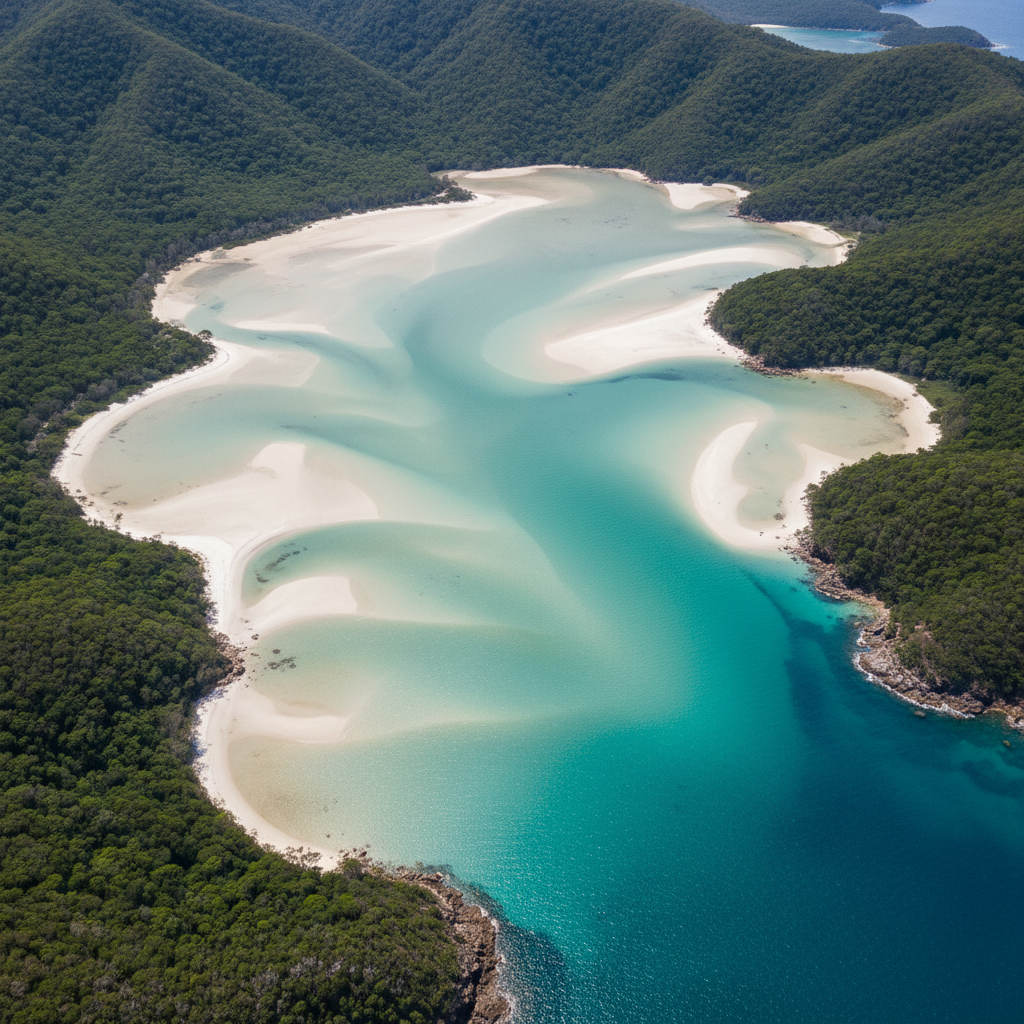
Timing proves crucial in tropical waters. Skippered crews understand tidal influences on snorkeling visibility, wind patterns affecting sailing comfort, and seasonal variations in marine life activity. They can position your boat to capture the famous swirling sands of Hill Inlet at the perfect tide or find calm water when trade winds pick up.
Educational value adds significant benefit for newcomers. Experienced skippers share knowledge about local history, marine ecosystems, navigation techniques, and sailing skills. Many guests leave skippered charters with enhanced understanding and confidence for future bareboat adventures.
However, sailing-experienced visitors familiar with chart reading and boat handling might prefer bareboat freedom to explore at their own pace. The choice depends on sailing competency rather than Whitsundays familiarity, though local knowledge always provides advantages.
What about crew dynamics and social aspects?
Bareboat charters keep groups private with no external personalities, ideal for intimate celebrations or family bonding. Skippered charters introduce professional crew who can enhance experiences through entertainment, education, and local insights, though require compatibility with additional personalities aboard.
Group dynamics change significantly with professional crew aboard. Most charter skippers are personable individuals who enhance the social atmosphere through storytelling, local knowledge, and sailing expertise. They often become integral parts of the experience, sharing meals and joining conversations while maintaining professional boundaries.
Private group charters benefit differently from each option. Bareboat hire ensures complete privacy for romantic getaways, family reunions, or corporate retreats. No external personalities means groups can be themselves without considering crew comfort or preferences.
Some groups specifically seek skipper interaction as part of their experience. Solo travelers, couples wanting to learn sailing, or groups interested in local culture often find enormous value in crew knowledge and companionship. Professional skippers typically have fascinating backgrounds and endless stories about life on the water.
Personality compatibility becomes crucial with skippered charters. Most operators carefully match crews to groups based on preferences and demographics. Young party groups get energetic skippers; families receive patient, educational crew; luxury seekers are paired with refined, service-oriented professionals.
Communication preferences should be discussed upfront. Some guests want highly interactive experiences with constant engagement, while others prefer crew to handle boat operations quietly while guests relax. Clear expectations prevent misunderstandings and ensure everyone enjoys their time aboard.
How do weather and seasonal factors affect your choice?
Experienced bareboat charterers can adapt to changing weather conditions independently, while novice sailors benefit from skippered expertise during challenging periods like stinger season (November-May) or strong trade wind months (June-September) when local knowledge proves invaluable.
The Whitsundays experience distinct seasonal patterns affecting charter decisions. Dry season (April-November) offers consistent trade winds and minimal rainfall but can produce strong afternoon breezes exceeding 25 knots. Wet season (December-March) brings calmer winds but increased rainfall and potential tropical storms.
Stinger season (November-May) requires additional precautions when swimming or snorkeling. Professional skippers understand which locations remain safe for water activities and when conditions favor stinger-free swimming. They carry current stinger reports and know alternative activities when water entry becomes inadvisable.
Trade wind patterns significantly impact sailing comfort and routing decisions. Strong afternoon winds can make certain passages uncomfortable or dangerous for inexperienced sailors. Local skippers understand how to time departures, choose protected routes, and position boats for comfort during windy periods.
Tidal influences affect navigation and activities throughout the year. Spring tides create stronger currents and greater depth variations, while neap tides offer calmer conditions but may limit access to shallow areas. Experienced skippers optimize itineraries around tidal timing for maximum comfort and opportunity.
Weather forecasting in tropical regions requires local interpretation beyond standard meteorological reports. Professional crew understand how topographical features influence local conditions, when weather models prove unreliable, and how to read natural signs for changing conditions.
Ready to experience the Whitsundays on your own terms? Whether you're drawn to the freedom of bareboat adventure or the expertise of skippered luxury, Airlie to Whitehaven connects you with the region's most trusted charter operators. Browse our carefully selected fleet, compare options side-by-side, and book the perfect vessel for your sailing dreams. Your Whitsundays adventure starts with the right choice – let us help you make it.