The Whitsundays might be famous for pristine beaches and coral reefs, but venture inland from Airlie Beach and you'll discover some of Queensland's most spectacular waterfall walks. From the iconic Cedar Creek Falls to hidden swimming holes tucked away in Conway National Park, these freshwater escapes offer a refreshing contrast to saltwater adventures and provide the perfect respite from tropical heat.
What are the best waterfall walks near Airlie Beach?
Cedar Creek Falls (45 minutes drive), Brandy Creek Falls (40 minutes), and Coral Creek Falls (35 minutes) are the top three waterfall destinations near Airlie Beach, each offering swimming holes and scenic bushwalks ranging from easy to moderate difficulty.
Each waterfall offers a unique experience within Conway National Park. Cedar Creek Falls stands as the crown jewel — a 65-metre cascading waterfall that plunges into a large swimming hole surrounded by ancient rainforest. The 1.2-kilometre return walk takes about 45 minutes and features well-maintained boardwalks and viewing platforms.
Brandy Creek Falls provides a more adventurous experience with its 2-kilometre return track leading to multiple swimming holes and smaller cascades. The final section requires some rock hopping, but rewards visitors with pristine pools perfect for swimming year-round.
Coral Creek Falls offers the shortest walk at just 800 metres return, making it ideal for families with young children. The swimming hole here is smaller but equally refreshing, with smooth granite rocks perfect for lounging.
How do you get to Cedar Creek Falls from Airlie Beach?
Drive 45 kilometres west from Airlie Beach via Shute Harbour Road and Brandy Creek Road to reach Cedar Creek Falls car park. The sealed road journey takes approximately 45 minutes, with the final 8 kilometres on unsealed but well-maintained gravel road.
From Airlie Beach, take Shute Harbour Road heading west for approximately 20 kilometres until you reach the Brandy Creek Road turnoff. Follow Brandy Creek Road for another 25 kilometres, passing through Conway National Park. The road transitions from sealed bitumen to well-maintained gravel for the final stretch.
Parking at Cedar Creek Falls accommodates around 30 vehicles, with additional overflow areas during peak times. The car park includes basic facilities: picnic tables, composting toilets, and information boards detailing the local flora and fauna. No entry fees apply as it's within Conway National Park.
Public transport doesn't service this area, so rental cars or tour operators provide the only access options. 4WD vehicles aren't necessary, but conventional cars should exercise caution during wet weather when the unsealed section can become slippery.
What should you bring for waterfall walks in the Whitsundays?
Essential items include sturdy hiking shoes, swimwear, towel, sunscreen, insect repellent, plenty of water (2-3 litres per person), and waterproof phone case. During stinger season (November-May), pack protective clothing for creek swimming despite freshwater locations.
Footwear choice significantly impacts your experience. The boardwalks can become slippery when wet, and rock surfaces around swimming holes require good grip. Hiking boots or quality athletic shoes with ankle support work best, especially for Brandy Creek Falls where rock scrambling is required.
Sun protection remains crucial even under the rainforest canopy. The tropical Queensland sun can cause sunburn within 15 minutes, and reflection off water surfaces intensifies exposure. Pack SPF 50+ sunscreen and reapply after swimming.
Insect repellent containing DEET or picaridin effectively deters mosquitoes, march flies, and other biting insects common in rainforest environments. Apply before starting walks and reapply after swimming.
Snacks provide essential energy for longer walks. The nearest food services are back in Airlie Beach, so pack enough provisions. Fresh fruit, nuts, and energy bars work well in the tropical heat.
When is the best time to visit Airlie Beach waterfalls?
April through November offers the best conditions with lower rainfall, comfortable temperatures (20-28°C), and reduced insect activity. Early morning visits (7-9am) provide cooler temperatures, better lighting for photography, and fewer crowds at popular spots.
The dry season (April-October) provides the most reliable weather patterns. Water levels remain consistent for swimming, tracks stay in better condition, and wildlife viewing opportunities increase as animals concentrate around water sources.
Wet season (November-April) brings challenges and rewards. While rainfall increases and humidity soars, waterfalls reach peak flow, creating more dramatic cascades. However, unsealed access roads can become difficult, and creek levels may rise dangerously during heavy rain periods.
Midweek visits typically encounter fewer crowds, especially at Cedar Creek Falls where weekend visitor numbers can exceed 200 people. Tuesday through Thursday generally provide the quietest experiences.
Weather patterns can change rapidly in tropical North Queensland. Check Bureau of Meteorology forecasts before departing, particularly during storm season (December-March) when flash flooding poses risks.
Are Airlie Beach waterfall swimming holes safe?
Freshwater swimming holes near Airlie Beach are generally safe from marine stingers but require caution for submerged rocks, varying depths, and slippery surfaces. Always test water depth before diving and supervise children closely around all swimming areas.
Unlike ocean swimming in the Whitsundays, freshwater creeks don't contain dangerous jellyfish species like Irukandji or box jellyfish. However, other risks exist that visitors must acknowledge and prepare for.
Water depths vary significantly, particularly after rainfall. What appears shallow may conceal deep holes, and previously safe jumping spots can become hazardous as water levels change. Always enter water feet-first initially to assess conditions.
Rock surfaces around swimming holes become extremely slippery when wet. Algae growth on granite and sandstone creates treacherous conditions, particularly near waterfall bases where spray keeps surfaces constantly moist. Proper footwear with good grip helps prevent falls.
Wildlife encounters remain rare but possible. Freshwater crocodiles inhabit some North Queensland waterways, though sightings in the Airlie Beach region are uncommon. Eastern brown snakes and other venomous species may be present in surrounding bushland but typically avoid human contact.
Flash flooding poses the greatest risk during heavy rainfall. Creek levels can rise rapidly, transforming peaceful swimming holes into dangerous torrents within minutes. Never enter water during or immediately after heavy rain, and always have exit strategies planned.
What wildlife might you see on waterfall walks?
Common sightings include rainbow lorikeets, king parrots, water dragons, freshwater turtles, and various butterfly species. Early morning walkers may encounter wallabies, while patient observers often spot azure kingfishers and sacred kingfishers hunting near water sources.
Birdlife thrives in the rainforest environment surrounding waterfall walks. Rainbow lorikeets create colourful flashes through the canopy, their raucous calls echoing off rock walls. Australian king parrots, with their distinctive red and green plumage, often allow close observation as they feed on native fruits.
Water dragons frequent rocky areas near swimming holes, basking in filtered sunlight and diving into water when disturbed. These large lizards appear intimidating but remain harmless to humans and play important roles in the ecosystem by controlling insect populations.
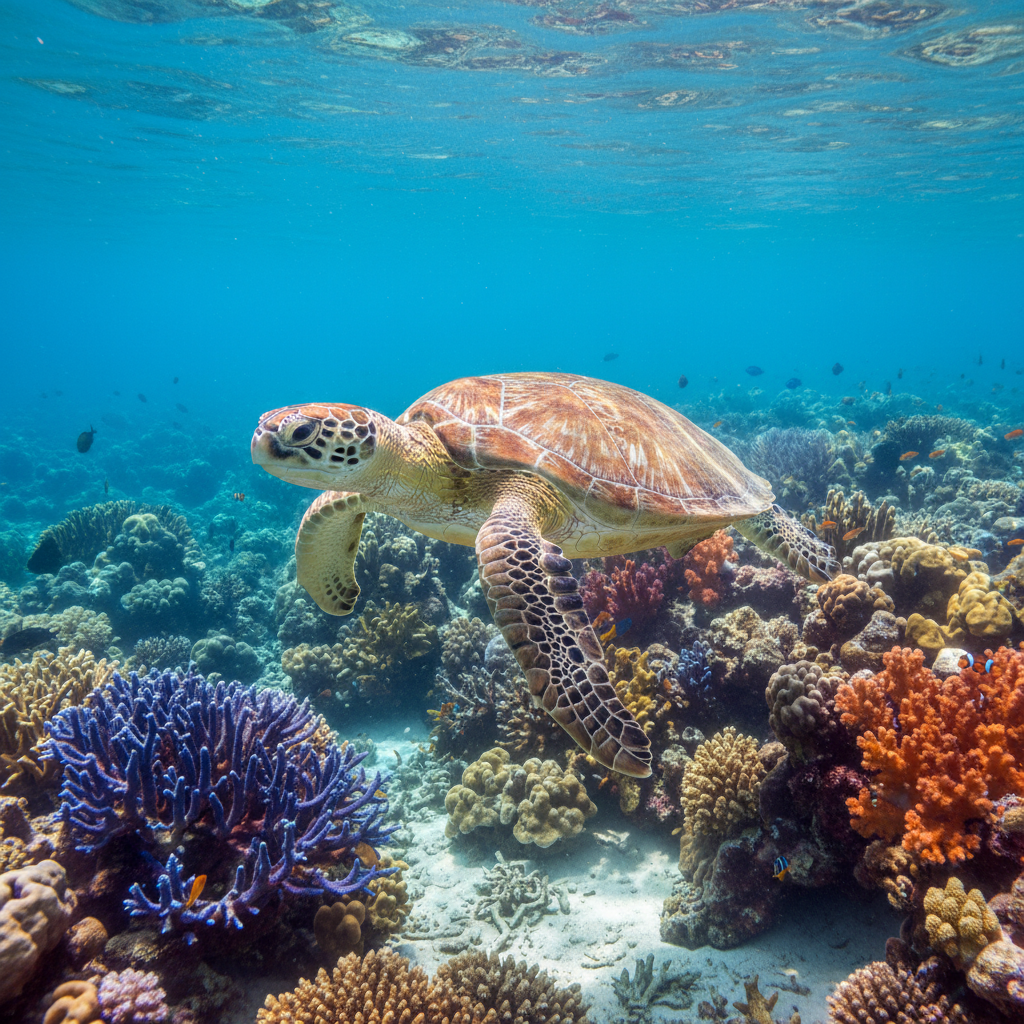
Freshwater turtles inhabit deeper pools, particularly at Cedar Creek Falls where the large swimming hole provides suitable habitat. Krefft's river turtles and saw-shelled turtles are the most common species, though sightings require patience and quiet observation.
Butterfly diversity peaks during warmer months, with species like Ulysses butterflies creating brilliant blue flashes through dappled sunlight. The region supports over 30 butterfly species, many endemic to tropical North Queensland rainforests.
Mammalian wildlife tends to be more elusive, with most species active during dawn and dusk periods. Agile wallabies occasionally appear in clearings, while sugar gliders and various bat species emerge after dark.
Which waterfall tours operate from Airlie Beach?
Several half-day and full-day tours combine waterfall visits with Conway National Park exploration, typically priced $80-150 per adult. Most include Cedar Creek Falls, transportation, and guided nature walks, while some add Brandy Creek Falls or Coral Creek Falls.
Whitsunday Jetski Tours offers unique waterfall experiences combining jet ski adventures with creek exploration, though water levels and seasonal conditions affect availability. These tours typically run $180-220 per person and include all equipment and safety briefing.
Adventure tours focusing on hiking and swimming generally include pickup from Airlie Beach accommodation, expert guides familiar with local flora and fauna, and basic refreshments. Some operators provide underwater cameras for swimming hole photography.
Eco-focused tours emphasize educational components, teaching visitors about rainforest ecosystems, indigenous cultural connections to the landscape, and conservation efforts protecting these fragile environments. These experiences typically run 6-8 hours and include healthy lunch options.
Private tour options accommodate specific interests and fitness levels, allowing customized itineraries combining multiple waterfalls or focusing intensively on photography opportunities. Expect to pay $400-600 for private group experiences.
What facilities are available at waterfall locations?
Cedar Creek Falls provides the most comprehensive facilities: large car park, composting toilets, picnic tables, information boards, and maintained walking tracks. Brandy Creek and Coral Creek Falls offer basic parking and tracks but no toilet facilities or tables.
Cedar Creek Falls car park accommodates approximately 30 vehicles plus overflow areas during peak periods. The composting toilet facilities, while basic, are regularly maintained by Queensland Parks and Wildlife Service. Picnic tables scattered throughout the area provide rest spots and lunch areas for families.
Information boards display detailed maps, safety warnings, and educational content about local ecosystems. These prove particularly valuable for self-guided visitors wanting to understand the area's natural and cultural significance.
Brandy Creek Falls and Coral Creek Falls operate as more primitive locations with minimal infrastructure. Parking areas are smaller and less defined, accommodating 10-15 vehicles each. No toilet facilities exist, so plan accordingly for longer visits.
None of the waterfall locations provide food services, drinking water, or emergency communication facilities. Mobile phone coverage remains patchy, particularly in deeper creek valleys. Visitors must bring all necessary supplies and inform others of planned return times.
How can you capture the best waterfall photography?
Use circular polarizing filters to reduce glare and enhance water clarity, shoot during golden hour (7-9am or 4-6pm) for warm lighting, and experiment with slow shutter speeds (1-4 seconds) to create silky water effects while keeping your camera stable.
Equipment selection significantly impacts results. Bring a sturdy tripod for long exposure shots, as handheld cameras cannot achieve the stability required for smooth water effects. Carbon fiber tripods work best in humid rainforest conditions, resisting corrosion and providing lighter weight for hiking.
Waterproof camera housing or cases protect expensive equipment from spray and humidity. Even cameras marketed as weather-resistant can suffer damage in tropical environments with high humidity and water spray from powerful waterfalls.
Compositional techniques enhance waterfall photography beyond technical settings. Include foreground rocks or vegetation to create depth, use leading lines from creek beds to draw eyes toward waterfalls, and experiment with different viewpoints including low angles that emphasize waterfall height.
Swimming hole photography requires different approaches. Underwater disposable cameras or waterproof phones capture unique perspectives of swimmers and underwater rock formations. Remember that water magnifies subjects, making them appear 25% closer than actual distance.
Best lighting occurs during brief periods when sunlight filters through rainforest canopy, creating dramatic contrast between bright water and shadowed rocks. These moments are unpredictable and brief, so be prepared with camera settings ready.
What are the hiking difficulty levels for each waterfall?
Cedar Creek Falls: Easy (1.2km return, mostly boardwalk). Coral Creek Falls: Easy (800m return, gentle gradient). Brandy Creek Falls: Moderate (2km return, includes rock hopping and creek crossings). All tracks are well-marked but become slippery when wet.
Cedar Creek Falls provides the most accessible experience with its well-maintained boardwalk system and gentle gradients suitable for most fitness levels. The 1.2-kilometre return journey takes 30-45 minutes at a comfortable pace, with multiple rest stops and viewing platforms along the route.
The boardwalk system at Cedar Creek Falls includes handrails in steeper sections and non-slip surfaces, though caution remains necessary during wet conditions. The final approach to the swimming hole involves some uneven rock surfaces requiring basic balance and mobility.
Coral Creek Falls offers the shortest and easiest walk, making it perfect for families with young children or visitors with limited mobility. The 800-metre return track follows a gentle creek-side path with minimal elevation gain and well-defined footing throughout.
Brandy Creek Falls presents the most challenging experience, requiring moderate fitness levels and confidence with uneven terrain. The 2-kilometre return journey includes creek crossings, rock scrambling sections, and steeper gradients that can be demanding in tropical heat.
Rock hopping skills become essential at Brandy Creek Falls, particularly during the final 200 metres approaching the main swimming hole. Wet rocks create slippery conditions requiring careful foot placement and possibly using hands for balance on steeper sections.
All tracks can become significantly more challenging during and after rainfall when surfaces become slippery and creek levels rise. Consider postponing visits during heavy rain periods or immediately afterward when conditions remain hazardous.
Whether you're seeking adventure beyond the beaches or looking to combine waterfall walks with your Whitsundays island experience, Airlie Beach serves as the perfect base for exploring these natural wonders. The refreshing freshwater swimming holes provide an ideal complement to ocean activities, while the Conway National Park setting offers insights into the region's diverse ecosystems. Plan your complete Whitsundays experience with Airlie to Whitehaven, where we can help you combine waterfall adventures with the iconic island tours that make this destination truly unforgettable.