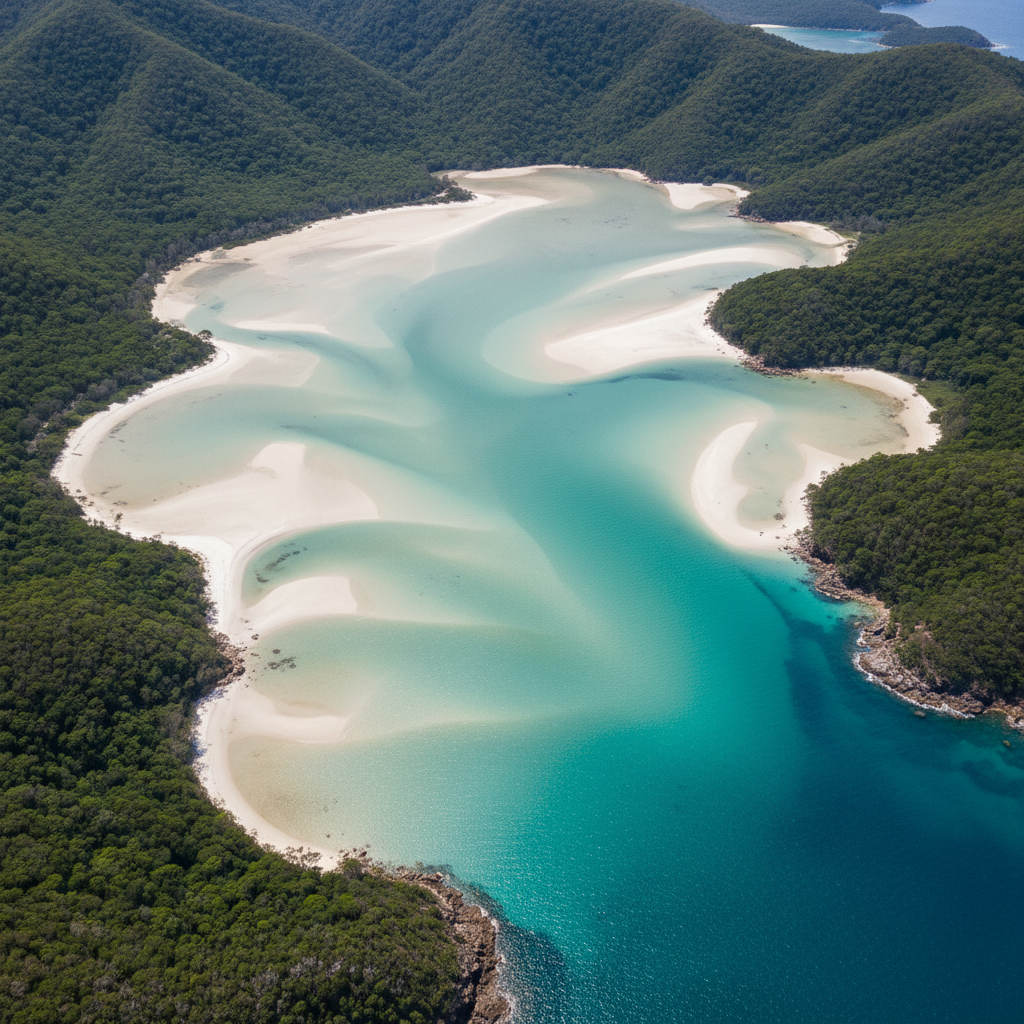
Just 30 minutes from the tropical beaches and resort vibes of Airlie Beach, Conway National Park offers a completely different Whitsunday experience. This 35,000-hectare rainforest sanctuary wraps around the coastal mountains, serving up ancient rainforest walks, hidden waterfalls, and wildlife encounters that most visitors to the region never discover. While everyone else heads straight for the boats to Whitehaven Beach, smart travellers know that Conway's cool mountain trails provide the perfect counterbalance to sun-soaked island days.
What exactly is Conway National Park and where is it located?
Conway National Park is a 35,000-hectare protected rainforest area located directly inland from Airlie Beach, stretching from the Conway Range mountains to the coastal hinterland of the Whitsunday region in Queensland.
The park forms a natural backdrop to the entire Whitsunday coast, with its eastern boundary just 8 kilometres west of Airlie Beach town centre. Conway National Park encompasses diverse ecosystems including subtropical rainforest, eucalyptus woodland, and wet sclerophyll forest across elevations ranging from sea level to 780 metres at Mount Rooper's peak.
Established in 1937, the park protects remnant rainforest that once covered much of the Whitsunday hinterland. The Conway Range forms the park's mountainous spine, creating a series of ridges and valleys that channel several permanent creeks and seasonal waterfalls. Key access points include the Swamp Bay Road entrance, Brandy Creek picnic area, and multiple trailheads along Shute Harbour Road.
How do you get to Conway National Park from Airlie Beach?
Drive west from Airlie Beach on Shute Harbour Road for 8-12 kilometres to reach various Conway National Park entrances, with the closest trailheads being a 15-minute drive from town.
The main access routes depend on which section you want to explore. For the popular Mount Rooper Track, continue past Shute Harbour towards Brandy Creek, then turn left onto Brandy Creek Road and follow signs to the picnic area. This journey takes about 20 minutes from Airlie Beach.
For the Swamp Bay circuit, head west on Shute Harbour Road and turn right onto Swamp Bay Road after approximately 8 kilometres. The sealed road leads directly to the Swamp Bay day-use area and trailhead in another 10 minutes. Rental cars handle all access roads easily, though a few tracks require short walks on unsealed paths suitable for regular vehicles.
No public transport serves the park directly, making a rental car or tour the only practical options. Several Airlie Beach tour operators include Conway National Park in rainforest and wildlife day trips for those without vehicles.
What are the main walking tracks and their difficulty levels?
Conway National Park offers five main walking tracks ranging from easy 20-minute strolls to challenging 6-hour mountain climbs, with the Swamp Bay circuit and Mount Rooper summit being the most popular options.
Swamp Bay Circuit (2.4km, Grade 3, 1.5 hours): This moderate loop track showcases the park's rainforest diversity, passing through dense vine forest, across Swamp Bay Creek, and returning via drier eucalyptus woodland. The track includes some steep sections and creek crossings that can be slippery when wet.
Mount Rooper Track (8.6km return, Grade 4, 5-6 hours): The park's premier challenge climbs 780 metres to Conway Range's highest peak. The track starts at Brandy Creek picnic area, ascending through changing vegetation zones from coastal forest to mountain rainforest. Panoramic summit views encompass the Whitsunday Islands, Coral Sea, and inland ranges.
Honeyeater Loop (800m, Grade 2, 20 minutes): An easy boardwalk circuit around Brandy Creek wetlands, perfect for birdwatching and families. Interpretive signs identify local flora and fauna.
Coral Beach Track (1.2km, Grade 2, 30 minutes): Links Brandy Creek to a small pebble beach on Repulse Bay, offering coastal views and beach access for swimming and fishing.
Jubilee Creek Falls Track (4.8km return, Grade 3, 3 hours): Follows Jubilee Creek to seasonal waterfalls, best visited during the wet season (December to April) when water flows are strongest.
What wildlife can you expect to see in Conway National Park?
Conway National Park hosts over 180 bird species, eastern water dragons, goannas, wallabies, and diverse rainforest fauna including sugar gliders, possums, and occasionally cassowaries in dense forest areas.
The park's varied habitats support remarkable biodiversity. Rainbow lorikeets, honeyeaters, and Australian king parrots frequent flowering trees near picnic areas, while the rainforest interior shelters more elusive species like brush turkeys, whipbirds, and golden whistlers. Early morning and late afternoon offer the best wildlife viewing opportunities.
Reptile encounters are common, with eastern water dragons basking on rocks near creek crossings and various skink species darting across sunny track sections. Lace monitors (goannas) grow up to 2 metres long in Conway National Park, though they're generally shy and retreat when approached.
The critically endangered southern cassowary occasionally appears in dense rainforest sections, particularly around fruiting trees. These large flightless birds stand 1.5 metres tall and require respectful distance - never feed cassowaries or approach them closely. Cassowary sightings should be reported to Queensland Parks and Wildlife rangers.
Nocturnal mammals include sugar gliders, ringtail possums, and bandicoots, while fruit bats emerge at dusk from roost sites in thick forest canopy. Red-necked wallabies graze in woodland clearings during cooler morning and evening hours.
When is the best time to visit Conway National Park?
April to September offers ideal conditions for Conway National Park walks, with cooler temperatures, lower humidity, minimal rainfall, and reduced stinger jellyfish risk in coastal water activities.
The dry season (May to October) provides the most comfortable hiking conditions, with daytime temperatures averaging 22-26°C and humidity levels significantly lower than summer months. Track conditions remain excellent during this period, with minimal mud and clearer creek crossings.
Wet season (November to April) brings higher temperatures (28-32°C), increased humidity, and regular afternoon thunderstorms that can make tracks slippery and potentially dangerous. However, this period also delivers spectacular waterfall displays and lush rainforest growth that transforms the park's appearance.
Wildlife activity peaks during cooler months when animals are more active throughout the day rather than seeking shade during scorching summer afternoons. Bird migration patterns also bring seasonal species between April and September.
For photography enthusiasts, the golden light during winter months (June to August) provides optimal conditions for landscape shots, while the vibrant green growth following wet season rains creates stunning rainforest imagery between February and May.
What facilities and amenities are available in the park?
Conway National Park provides basic facilities including picnic tables, barbecue areas, toilet blocks, and drinking water taps at Brandy Creek and Swamp Bay day-use areas, but no camping or accommodation options.
Brandy Creek picnic area serves as the park's main facility hub, featuring covered picnic tables, gas barbecues, clean toilets, drinking water, and ample parking for 50+ vehicles. This area connects directly to the Honeyeater Loop boardwalk and serves as the starting point for Mount Rooper Track.
Swamp Bay day-use area offers similar amenities on a smaller scale, with picnic tables, basic toilets, and parking for approximately 20 cars. Drinking water availability can be limited here during busy periods, so bringing extra water is recommended.
No camping is permitted within Conway National Park boundaries. Overnight accommodation options include Airlie Beach hotels and resorts just 15-20 minutes away, or designated camping areas at nearby Conway Beach (outside the national park).
Mobile phone coverage varies throughout the park, with reasonable reception near entrance areas but limited or no service on remote tracks like Mount Rooper summit. Emergency beacons or satellite communicators are recommended for solo hikers on challenging tracks.
The park operates as a day-use area only, with gates typically locked at sunset. Entry is free for all visitors.
How should you prepare for walks in Conway National Park?
Bring 2+ litres of water per person, sun protection, insect repellent, sturdy hiking shoes, and weather-appropriate clothing, while informing others of your planned route and expected return time.
Water requirements increase significantly in tropical conditions - plan for 500ml per hour of hiking, plus extra for hot weather or challenging tracks like Mount Rooper. While drinking water is available at main picnic areas, carry sufficient supplies for your entire walk as taps may not be accessible from all trailheads.
Sun protection remains crucial even under forest canopy, as many tracks pass through open sections or elevated ridgelines with direct exposure. Pack SPF 30+ sunscreen, a wide-brimmed hat, and lightweight long-sleeved clothing for full coverage.
Insect repellent containing DEET effectively deters mosquitoes, sandflies, and leeches common in rainforest environments. Long pants and closed shoes provide additional protection against leeches, which are most active during wet conditions.
Sturdy hiking shoes with good ankle support and tread grip are essential for Conway's often steep and potentially slippery tracks. Avoid sandals or smooth-soled shoes that can lead to slips on wet rocks or muddy sections.
Weather can change rapidly in mountain environments, so pack a lightweight rain jacket even during dry season. A basic first aid kit, torch/headlamp, and whistle should accompany longer walks like Mount Rooper Track.
What are the best photography spots and viewpoints?
Mount Rooper summit delivers 360-degree panoramas of Whitsunday Islands and Coral Sea, while Swamp Bay Creek offers intimate rainforest shots and Jubilee Creek Falls provides seasonal waterfall photography opportunities.
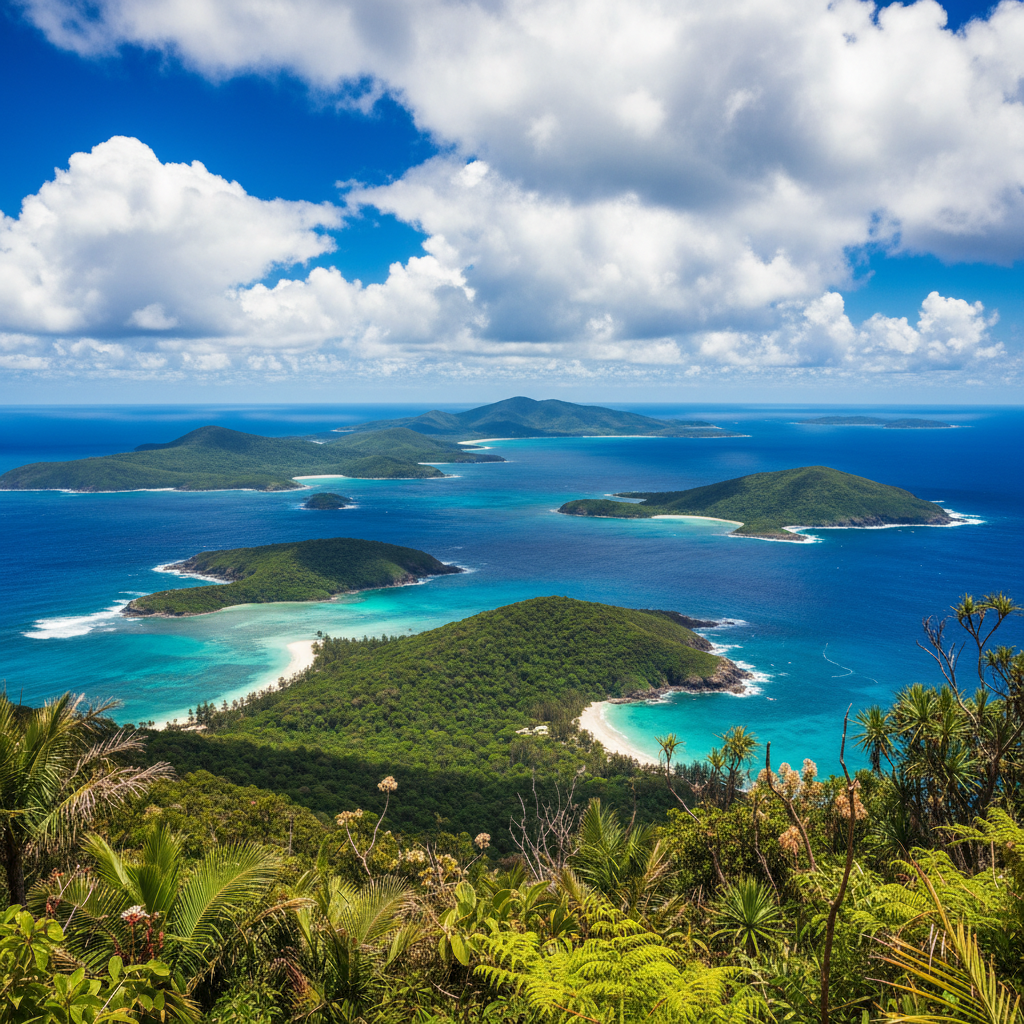
The Mount Rooper summit viewpoint showcases the region's most spectacular vista, encompassing Whitsunday Island, Hamilton Island, and the entire Whitsunday Passage spread below. Early morning light (7-9am) illuminates the islands beautifully, while late afternoon sun (4-6pm) creates dramatic shadows across the mountainous terrain.
Swamp Bay Creek presents excellent macro and close-up opportunities featuring strangler figs, creek crossings, and dense rainforest understory. The filtered light through the canopy creates ideal conditions for photographing ferns, orchids, and small wildlife throughout the day.
Jubilee Creek Falls becomes a photography highlight during wet season months when water cascades over granite boulders into clear pools below. The 20-metre falls require a 2.4-kilometre walk but reward photographers with classic Australian rainforest waterfall compositions.
Wildlife photography succeeds best near Brandy Creek wetlands where birds congregate around water sources. A telephoto lens (200mm+) captures distant subjects without disturbance, while patience during early morning hours yields the most active bird behaviour.
The Coral Beach Track terminus provides coastal landscape opportunities combining rainforest foreground with Repulse Bay and distant island views. Sunset timing (5:30-7pm depending on season) delivers warm light across the water.
Are there any guided tour options for Conway National Park?
Several Airlie Beach operators offer half-day and full-day Conway National Park tours combining rainforest walks, wildlife spotting, and cultural interpretation, typically priced between $95-$180 per person including transport and lunch.
Guided tours provide valuable insights into rainforest ecology, Aboriginal cultural connections to the land, and expert wildlife identification that independent visitors often miss. Professional guides also ensure safety on challenging tracks and access to lesser-known locations within the park.
Most tours operate small groups (maximum 12 people) for minimal environmental impact and better wildlife viewing opportunities. Tour inclusions typically cover park entry fees, morning tea or lunch, bottled water, and return transport from Airlie Beach accommodation.
Cultural tours led by local Aboriginal guides offer unique perspectives on traditional land use, bush tucker identification, and spiritual connections to Conway's ancient rainforest. These experiences provide context unavailable to independent visitors and support Indigenous tourism enterprises.
Photography tours cater specifically to serious photographers, visiting optimal viewpoints during peak lighting conditions and providing technical guidance for rainforest and landscape shooting. These specialist tours generally command premium pricing ($200-$300) but include small group sizes and extended time at prime locations.
Adventure tours combine Conway National Park walks with additional activities like sea kayaking, snorkelling, or Airlie Beach exploration for comprehensive Whitsunday region experiences.
How does Conway National Park fit into a Whitsundays itinerary?
Conway National Park serves as an excellent land-based contrast to marine activities, ideal for recovery days between boat tours or when weather conditions limit island access, requiring 4-8 hours depending on chosen tracks.
Smart Whitsundays itineraries balance high-energy marine adventures with quieter rainforest experiences. Conway National Park works perfectly as a rest day activity between multi-day sailing trips or intensive snorkelling/diving excursions. The cooler forest environment provides welcome relief from tropical sun exposure.
Weather contingency planning makes Conway particularly valuable when strong winds or stinger blooms restrict boat operations. The protected forest environment remains accessible during most weather conditions, ensuring productive sightseeing regardless of marine forecasts.
First-time visitors often allocate 80% of their time to water-based activities and miss Conway's unique ecosystem entirely. A more balanced approach might include 2-3 days of island hopping and reef tours combined with one Conway National Park day for comprehensive regional appreciation.
Early morning Conway walks (starting 7am) allow afternoon availability for boat departures or beach time. Alternatively, afternoon rainforest exploration provides perfect post-boat tour relaxation when returning from full-day island excursions.
Conway's proximity to Airlie Beach makes spontaneous visits possible when other planned activities face cancellations or delays. The flexibility to explore rainforest trails on short notice adds valuable backup options to any Whitsundays holiday.
Ready to experience Conway National Park as part of your Whitsundays adventure? Airlie to Whitehaven makes it easy to combine rainforest exploration with iconic island tours, reef snorkelling, and sailing experiences. Browse our curated selection of land and marine tours, or speak with our local experts about creating the perfect balance of rainforest walks and tropical island paradise for your Whitsundays getaway.