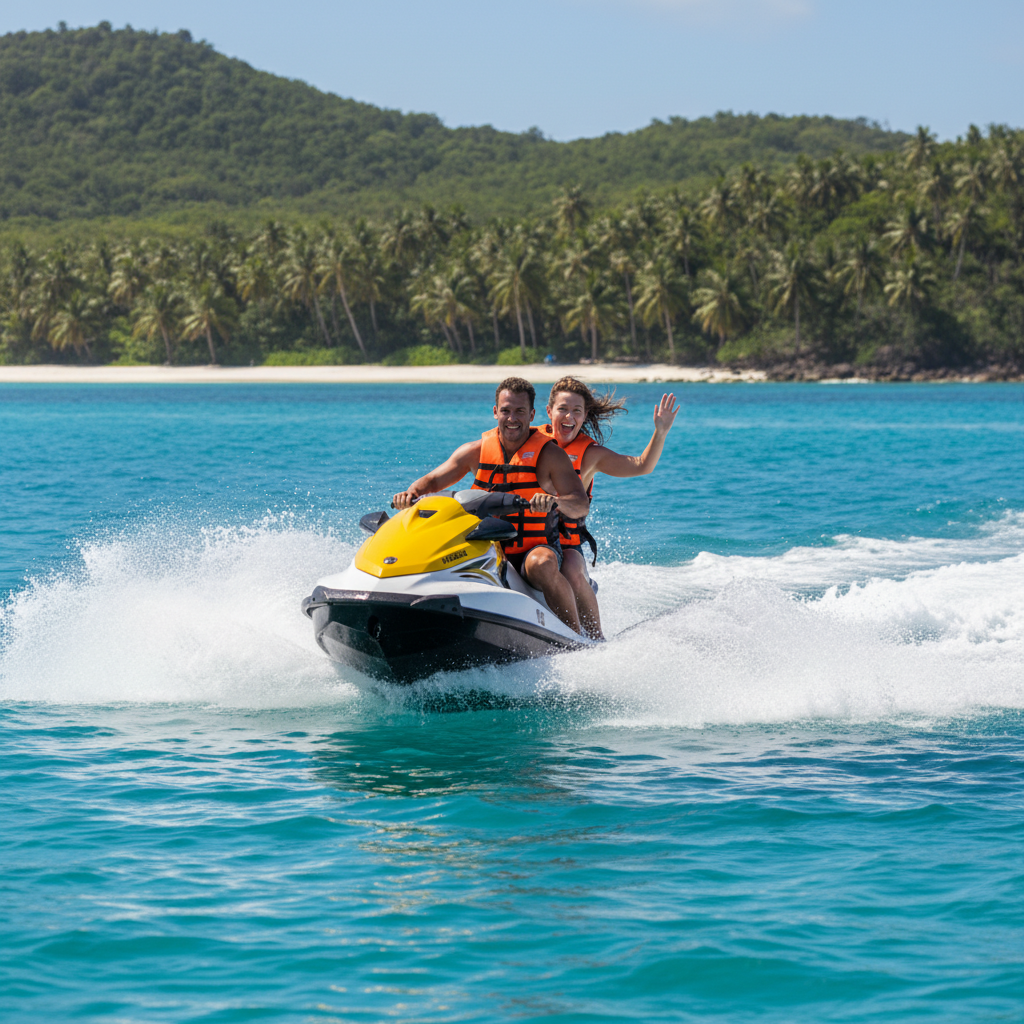
Jet skiing around Airlie Beach offers one of the most thrilling ways to explore the pristine waters of the Whitsundays, and a 1-hour tour strikes the perfect balance for first-timers and those short on time. The crystal-clear waters, protected bays, and stunning coastal scenery create an ideal playground for jet ski adventures, with operators offering guided tours that showcase the region's natural beauty while ensuring your safety on the water.
What does a 1-hour jet ski tour from Airlie Beach typically include?
A 1-hour jet ski tour includes safety briefing, equipment (life jacket, wet weather gear), guided route through protected waters, and visits to scenic spots like Abel Point or nearby islands. Tours typically accommodate 1-2 people per jet ski.
Most operators structure their 1-hour tours as comprehensive experiences rather than simple rentals. The typical package starts with a 15-20 minute safety briefing covering jet ski operation, local water conditions, and marine park regulations. This briefing is mandatory under Queensland maritime law and ensures all participants understand basic safety protocols.
Equipment provision includes Coast Guard-approved life jackets, wet weather gear during cooler months (April-August), and basic snorkelling equipment on some tours. Operators provide late-model jet skis, typically Yamaha or Sea-Doo models with 110-130 horsepower engines capable of carrying two adults comfortably.
The guided route usually covers 15-20 kilometres of protected waters around Airlie Beach, including stops at Abel Point Marina surrounds, Boathaven Bay, and sometimes extending toward Cannonvale Beach or the southern tip of Long Island. Some operators include a brief swimming stop at a secluded beach or snorkelling opportunity at fringing coral reefs.
Group sizes typically range from 4-12 jet skis per tour, with each tour led by a qualified guide on their own jet ski. Radio communication between guide and participants ensures safety and allows for commentary about local wildlife, island history, and navigation tips throughout the journey.
How much does a 1-hour jet ski tour cost in Airlie Beach?
1-hour jet ski tours from Airlie Beach typically cost between $180-280 AUD per jet ski (accommodating 1-2 people). Prices vary by operator, season, and inclusions like photography packages or additional equipment.
Peak season pricing (June-September during whale watching season and school holidays) generally sits at the higher end of this range, with most operators charging $250-280 AUD per jet ski. Shoulder season rates (April-May, October-November) often drop to $220-250 AUD, while wet season discounts (December-March) can bring prices down to $180-220 AUD per jet ski.
Premium operators offering additional services like underwater cameras, professional photography, or extended routes to outer islands typically charge $280-320 AUD for their 1-hour experiences. These tours often include higher-end equipment, smaller group sizes (maximum 6 jet skis), and more personalised service.
Budget-conscious travellers can find basic 1-hour guided tours starting from $180 AUD during off-peak periods, though these typically have larger group sizes and fewer inclusions. Some operators offer midweek discounts of 10-15% or early bird specials for tours departing before 9:00 AM.
Additional costs to consider include fuel surcharges during peak periods ($10-20 AUD per jet ski), optional insurance coverage ($15-25 AUD per person), and photography packages ranging from $40-80 AUD. Most operators accept major credit cards, with some offering small discounts for cash payments.
Is 1 hour enough time for a jet ski tour in the Whitsundays?
One hour provides sufficient time to explore Airlie Beach's immediate coastline and experience jet skiing basics, but limits visits to distant islands. It's ideal for beginners or those wanting a taste of Whitsundays jet skiing.
The 1-hour timeframe works well for first-time jet skiers who need time to become comfortable with the equipment and water conditions. Most participants spend the first 10-15 minutes adjusting to jet ski handling, leaving 45-50 minutes for actual touring and sightseeing.
Within this timeframe, tours typically cover the protected waters immediately around Airlie Beach, reaching areas like Boathaven Bay, the southern approach to Long Island (approximately 3 kilometres from Airlie Beach), and the scenic coastline toward Cannonvale Beach. This route provides excellent photo opportunities and wildlife spotting chances without venturing into open waters that require more experience.
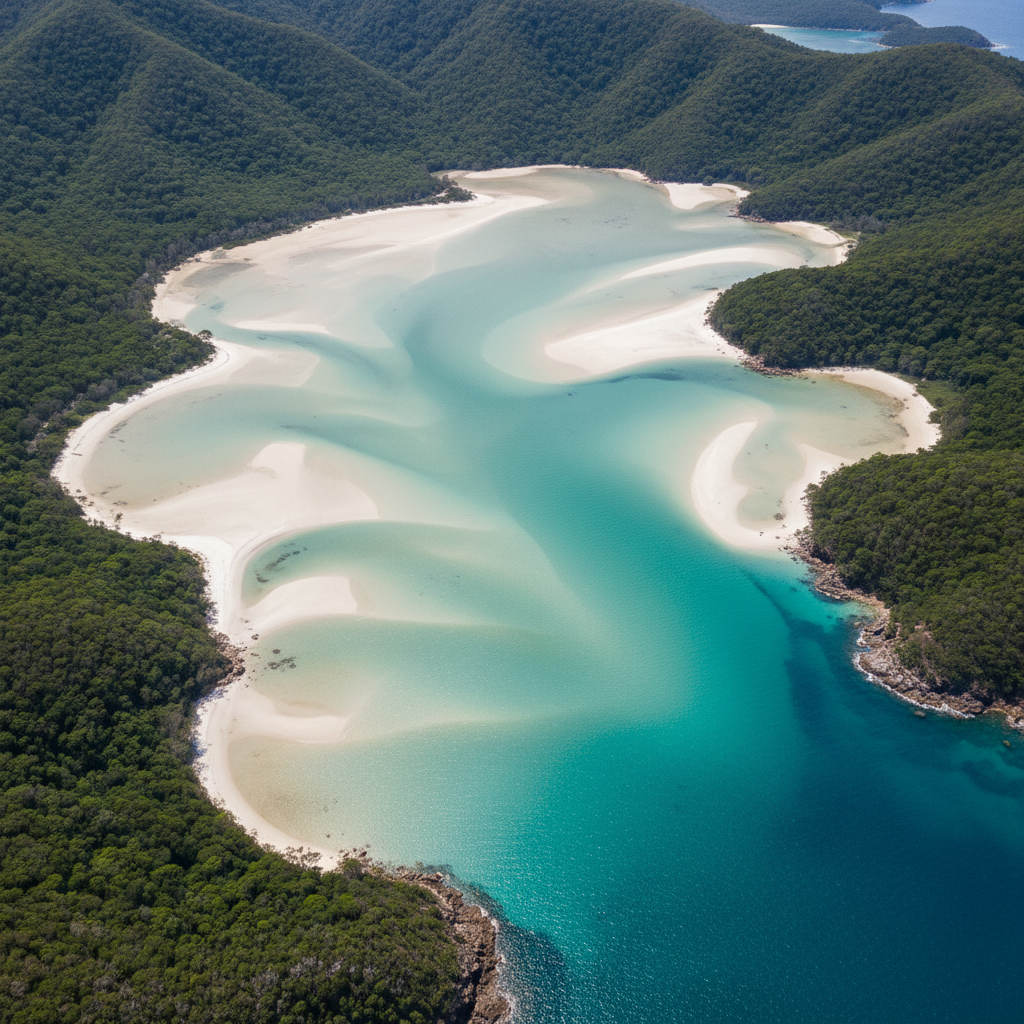
However, 1-hour tours cannot reach premier destinations like Whitehaven Beach (requiring 2-3 hours minimum), Hamilton Island surrounds, or the outer reef areas. For those wanting to explore iconic Whitsundays locations, longer tours of 2-4 hours offer access to multiple islands, better snorkelling spots, and more comprehensive wildlife encounters.
The shorter duration suits travellers with limited time, families with young children (minimum age restrictions apply), or those testing their comfort level before booking longer jet ski tours around Airlie Beach. Many participants use 1-hour tours as a trial before returning for half-day or full-day adventures.
What route do 1-hour jet ski tours typically follow?
Most 1-hour tours follow a circuit from Abel Point Marina north to Cannonvale Beach, then southwest around Airlie Beach township and Boathaven Bay, covering approximately 15-20 kilometres of protected coastal waters.
The standard departure point is Abel Point Marina, offering easy access to sheltered waters and convenient parking facilities. Tours typically head north initially, following the coastline toward Cannonvale Beach approximately 4 kilometres away. This section provides calm water conditions ideal for beginners and offers views of the Coral Sea through the channel between the mainland and Long Island.
From Cannonvale, the route usually turns southwest, following the shoreline back toward Airlie Beach township. This leg showcases the main beach area, waterfront accommodation, and busy marina activities. The protected waters between the mainland and Daydream Island (approximately 1 kilometre offshore) offer excellent conditions for photography and wildlife spotting.
The final section typically explores Boathaven Bay and the immediate waters around Abel Point, including approaches to the Airlie Beach Lagoon area. Some operators include a brief stop at Airlie Beach itself, allowing participants to view the township from the water perspective.
Weather conditions and participant experience levels may modify routes. During strong southeast trade winds (common April-September), tours might stay closer to shore or focus on the more protected southern sections. Experienced groups might venture slightly further toward Long Island or explore more of the channel waters, though always within sight of the mainland for safety.
What wildlife can you see on a 1-hour jet ski tour?
Common wildlife sightings include green sea turtles, rays, dolphins, various tropical fish species, and seasonal humpback whales (June-September). Bird life includes white-bellied sea eagles, brahminy kites, and numerous seabird species around coastal areas.
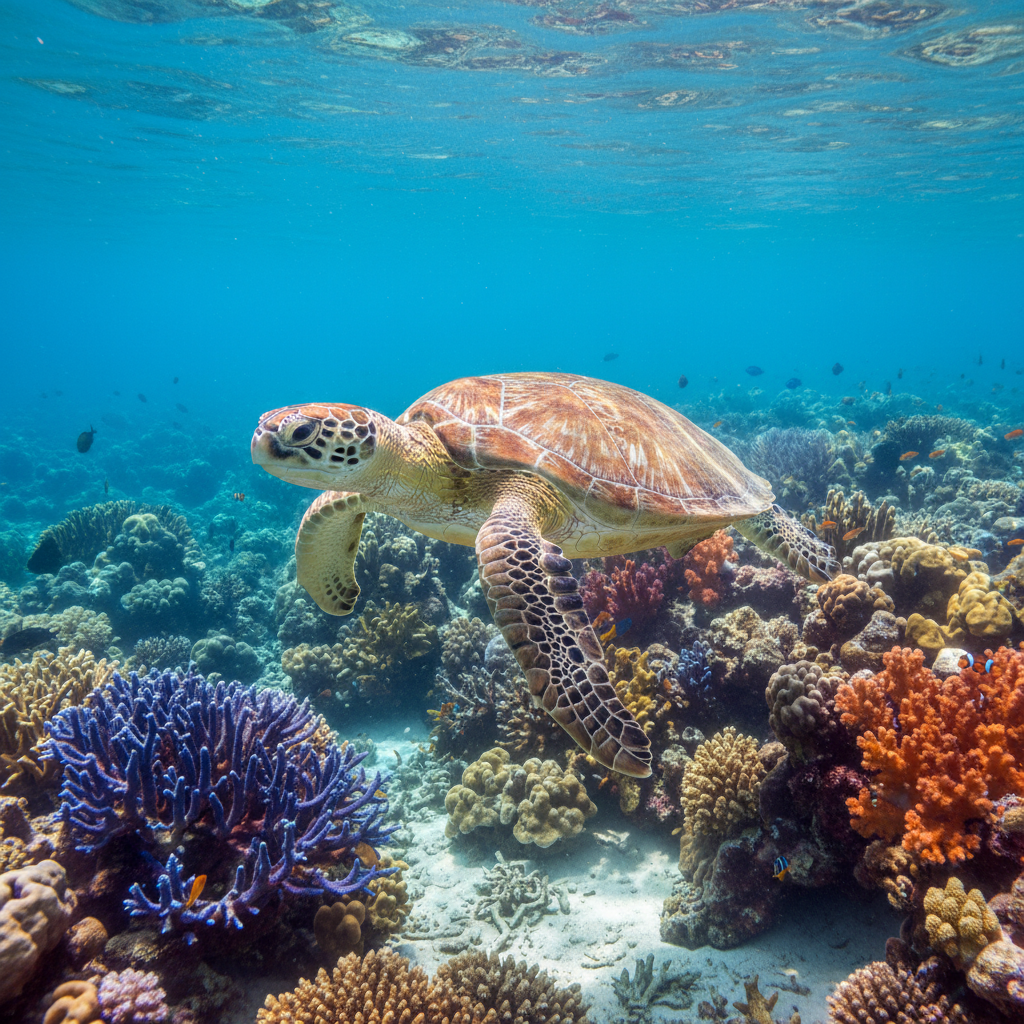
Marine life encounters depend heavily on season, time of day, and water conditions. Green sea turtles frequent the seagrass beds around Airlie Beach year-round, with highest sighting probabilities during early morning tours (7:00-9:00 AM) when they're actively feeding. These magnificent creatures, some measuring over 1 metre in length, often surface near jet skis with minimal disturbance to their natural behaviour.
Bottlenose dolphins regularly patrol the waters between Airlie Beach and Long Island, particularly during fish feeding times at dawn and dusk. Groups of 5-15 dolphins frequently approach jet skis, sometimes riding bow waves or displaying playful behaviour. Australian snubfin dolphins, a rarer species endemic to northern Australia, occasionally appear in deeper channel waters.
Ray species commonly encountered include small stingrays in sandy shallows and occasional spotted eagle rays in deeper areas. These graceful creatures often glide beneath jet skis in crystal-clear water, providing excellent viewing opportunities for passengers.
Whale season (June-September) brings spectacular humpback whale sightings, as approximately 35,000 whales migrate through the Whitsundays annually. Adult humpbacks measure 12-16 metres and frequently breach, tail slap, or spy hop in the channels around Airlie Beach. Operators maintain strict 300-metre approach distances as required by Australian marine mammal regulations.
Birdlife includes magnificent white-bellied sea eagles with 2.5-metre wingspans, brahminy kites, osprey, and various tern species. The rocky headlands around Airlie Beach provide nesting sites for these species, with early morning tours offering the best viewing opportunities as birds hunt in calm waters.
What safety measures are in place for 1-hour jet ski tours?
Safety measures include mandatory briefings, life jacket provision, qualified guides, radio communication systems, emergency procedures, and adherence to Queensland maritime regulations. Tours operate within protected waters with constant guide supervision.
All operators must hold Commercial Vessel Operator certificates and maintain comprehensive insurance coverage as mandated by Maritime Safety Queensland. Guides complete annual first aid training, marine radio operator licensing, and specific jet ski instruction qualifications.
Pre-departure safety briefings cover jet ski operation basics, hand signals for communication, emergency procedures, marine park regulations, and wildlife interaction guidelines. Participants must demonstrate basic jet ski handling skills in shallow water before joining the main group.
Equipment safety standards require Coast Guard-approved life jackets for all participants, with different sizes available for adults and children. Jet skis undergo daily pre-departure inspections covering engine operation, steering responsiveness, emergency stop mechanisms, and fuel levels. Most operators use GPS tracking systems to monitor tour locations and maintain communication with shore-based support.
Weather monitoring systems provide real-time updates on wind speeds, wave heights, and visibility conditions. Tours automatically cancel when wind speeds exceed 20 knots or during adverse weather warnings issued by the Bureau of Meteorology.
Emergency procedures include detailed evacuation plans, first aid kit accessibility, emergency beacon activation protocols, and direct communication with local water police and rescue services. Support boats may accompany larger groups or tours venturing into more exposed waters.
Participant requirements typically include minimum age restrictions (usually 8-12 years depending on operator), basic swimming ability, and disclosure of relevant medical conditions. Pregnancy restrictions apply, and operators reserve the right to exclude participants who appear under the influence of alcohol or drugs.
When is the best time to book a 1-hour jet ski tour?
The best time is during dry season (April-November) with optimal conditions in April-June and September-October. Early morning tours (7:00-9:00 AM) offer calmer waters, better wildlife sightings, and cooler temperatures before afternoon sea breezes develop.
Seasonal considerations significantly impact tour quality and safety. The dry season (April-November) provides consistent southeast trade winds of 10-15 knots, minimal rainfall, and excellent visibility. Water temperatures remain comfortable year-round (24-28°C), but air temperatures during wet season (December-March) can reach 35°C with high humidity levels.
Stinger season (November-May) requires protective clothing, though most operators provide stinger suits at no additional cost. Marine stingers, primarily box jellyfish and irukandji, pose serious risks during these months, making protective gear mandatory rather than optional.
Daily timing affects both safety and enjoyment significantly. Early morning departures (7:00-9:00 AM) coincide with glassy water conditions before thermal wind patterns develop. These tours offer the best wildlife viewing opportunities, as marine life is most active during cooler morning temperatures.
Afternoon tours (1:00-4:00 PM) encounter stronger sea breezes typically developing around midday, creating choppy conditions that can be challenging for beginners. However, afternoon lighting provides excellent photography conditions, and tour availability is generally higher during these periods.
Whale season (June-September) represents peak demand and pricing, but offers unparalleled marine life encounters. Booking 4-6 weeks in advance during this period is advisable, particularly for weekend tours or group bookings.
What should you bring on a 1-hour jet ski tour?
Essential items include sunscreen (reef-safe SPF 30+), water bottle, waterproof phone case, hat with strap, and comfortable swimwear. Operators typically provide life jackets, wet weather gear, and safety equipment.
Sun protection requires particular attention in the tropical Whitsundays environment. Reef-safe sunscreen with zinc oxide or titanium dioxide (avoiding chemical sunscreens harmful to coral) should be applied 20-30 minutes before departure. SPF 30+ is minimum recommended protection, with SPF 50+ preferred for extended sun exposure.
Clothing recommendations vary by season. During cooler months (April-August), lightweight long-sleeve rash guards or wetsuits help prevent wind chill at jet ski speeds. Summer tours (November-March) may require stinger suits provided by operators, though personal swimwear underneath is necessary.
Waterproof storage options are essential for valuables. High-quality waterproof phone cases ($20-40 AUD) allow underwater photography and video recording. Some operators provide dry bags, but personal waterproof storage ensures better protection for electronics, cash, and important documents.
Hydration becomes critical in the tropical climate, particularly during afternoon tours. Most operators provide water bottles, but bringing additional hydration is advisable for longer tours or during particularly hot weather.
Footwear considerations include reef-safe shoes for beach stops or snorkelling activities. Lightweight water shoes or dive booties protect feet from coral, rocks, and potential marine hazards while providing better grip on wet jet ski surfaces.
Photography equipment beyond waterproof phone cases might include action cameras (GoPro-style), floating straps to prevent loss, and extra memory cards. Some operators offer professional photography services, eliminating the need for personal camera equipment.
For comprehensive information about preparing for your Whitsundays adventure, check our detailed jet skiing guide for the Whitsundays region.
Can beginners safely participate in 1-hour jet ski tours?
Yes, 1-hour tours are specifically designed for beginners with comprehensive safety briefings, calm water routes, constant guide supervision, and modern, stable jet ski equipment. No prior experience is required for participation.
Beginner-friendly features include mandatory pre-departure training covering basic jet ski operation, steering techniques, acceleration control, and emergency stop procedures. Guides demonstrate proper mounting, dismounting, and passenger positioning before allowing participants to operate independently.
Modern jet ski technology significantly enhances beginner safety. Current models feature electronic speed limiters that operators can adjust based on experience levels, intelligent brake and reverse systems, and improved stability through advanced hull designs. These features make learning curves much gentler than older jet ski models.
Route selection for beginner tours prioritises protected waters with minimal boat traffic, consistent depths, and easy navigation. The sheltered bays around Airlie Beach provide ideal learning conditions with minimal wave action and clear visibility for obstacle avoidance.
Guide-to-participant ratios typically range from 1:6 to 1:8 for beginner groups, ensuring adequate supervision and immediate assistance when needed. Guides maintain visual contact with all participants throughout tours and provide ongoing instruction via radio communication or hand signals.
Physical requirements remain minimal for most participants. Basic swimming ability is mandatory, but jet ski operation doesn't require significant upper body strength or specialised skills. The seated position and handlebar steering make operation accessible to most fitness levels.
Age restrictions vary by operator but typically start at 8-12 years for passengers and 16-18 years for drivers. Young participants often show remarkable adaptability to jet ski operation, though parental supervision and guide attention increase accordingly.
Confidence building techniques employed by experienced guides include starting in very calm, shallow water, allowing extended practice time before departing, and providing constant positive reinforcement throughout tours. Most beginners achieve comfortable operation levels within 15-20 minutes of initial instruction.
How do 1-hour jet ski tours compare to other Airlie Beach water activities?
1-hour jet ski tours offer more active adventure than sailing or snorkelling tours but require higher fitness levels. They're more expensive per hour than most activities but provide unique personal watercraft experience unavailable through other tours.
Cost comparisons with popular Airlie Beach tour options reveal jet skiing as a premium activity. Half-day sailing trips typically cost $150-200 AUD per person, full-day Whitehaven Beach tours range from $180-250 AUD per person, and snorkelling day trips cost $120-180 AUD per person. Jet skiing's higher hourly cost reflects equipment complexity, insurance requirements, and personalised instruction needs.
Activity intensity levels vary significantly across water sports options. Jet skiing requires active participation, basic motor skills, and comfort with speed and movement. Sailing tours allow passive participation with optional crew involvement, while snorkelling requires swimming ability but minimal technical skills.
Coverage area differs markedly between activities. Sailing and motorboat tours can reach Whitehaven Beach, outer reef locations, and multiple islands in half-day or full-day formats. Jet ski tours cover smaller areas but provide more intimate exploration of coastlines, hidden bays, and shallow areas inaccessible to larger vessels.
Wildlife encounter opportunities vary by activity type. Jet skis' shallow draft allows access to turtle feeding areas and ray habitats in seagrass beds. However, sailing tours venture into deeper waters with better whale watching opportunities, while dedicated snorkelling tours focus on coral reef systems with greater marine biodiversity.
Weather dependency affects different activities variably. Jet skiing becomes uncomfortable or unsafe in moderate to strong winds (>15 knots), while sailing tours often perform better in windier conditions. Snorkelling tours depend more on water clarity and current conditions than wind strength.
Group size limitations make jet skiing more suitable for couples or small groups seeking personalised experiences. Larger sailing vessels accommodate 20-30 passengers, making them more economical for big groups but less intimate than jet ski adventures.
Experience Airlie Beach's stunning Whitsundays waters in the most exhilarating way possible with a 1-hour jet ski tour. Whether you're seeking adventure, wildlife encounters, or simply a unique perspective on this tropical paradise, these tours deliver unforgettable memories in a compact timeframe. Book your 1-hour jet ski adventure through Airlie to Whitehaven, where we connect you with the region's most reputable operators offering the best value, safety standards, and local expertise to make your Whitsundays experience truly remarkable.