Choosing between the Whitsundays and Noosa for your Queensland beach holiday? Both destinations offer stunning beaches and unique experiences, but they cater to completely different holiday styles. The Whitsundays deliver pristine island adventures with world-class sailing and snorkelling, while Noosa provides sophisticated beachfront dining, hinterland exploration, and relaxed coastal charm. Here's how these two iconic destinations stack up across every aspect that matters for your perfect beach getaway.
Which destination offers better beaches?
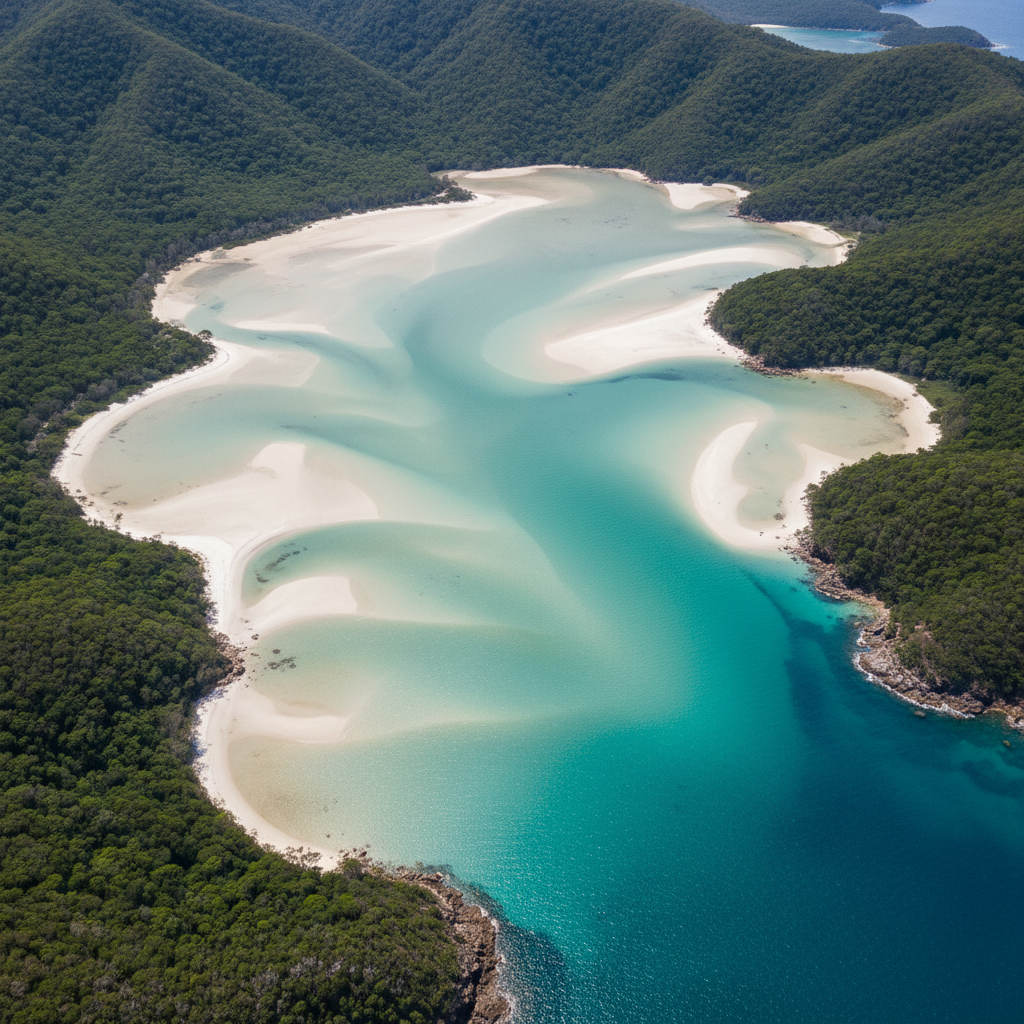
The Whitsundays wins hands-down for pristine, untouched beaches, featuring 74 islands with crystal-clear waters and 98.9% pure silica sand at Whitehaven Beach. Noosa offers beautiful but developed beaches with consistent surf, golden sand, and easy accessibility from accommodation.
Whitehaven Beach stands as Australia's most pristine beach experience. The sand stays cool underfoot even on 35°C days due to its unique silica composition, and the swirling patterns at Hill Inlet create Instagram-worthy views that change with each tide. Other Whitsunday beaches like Chalkies Beach on Haslewood Island and Catseye Beach on Hamilton Island offer equally stunning but smaller-scale beauty.
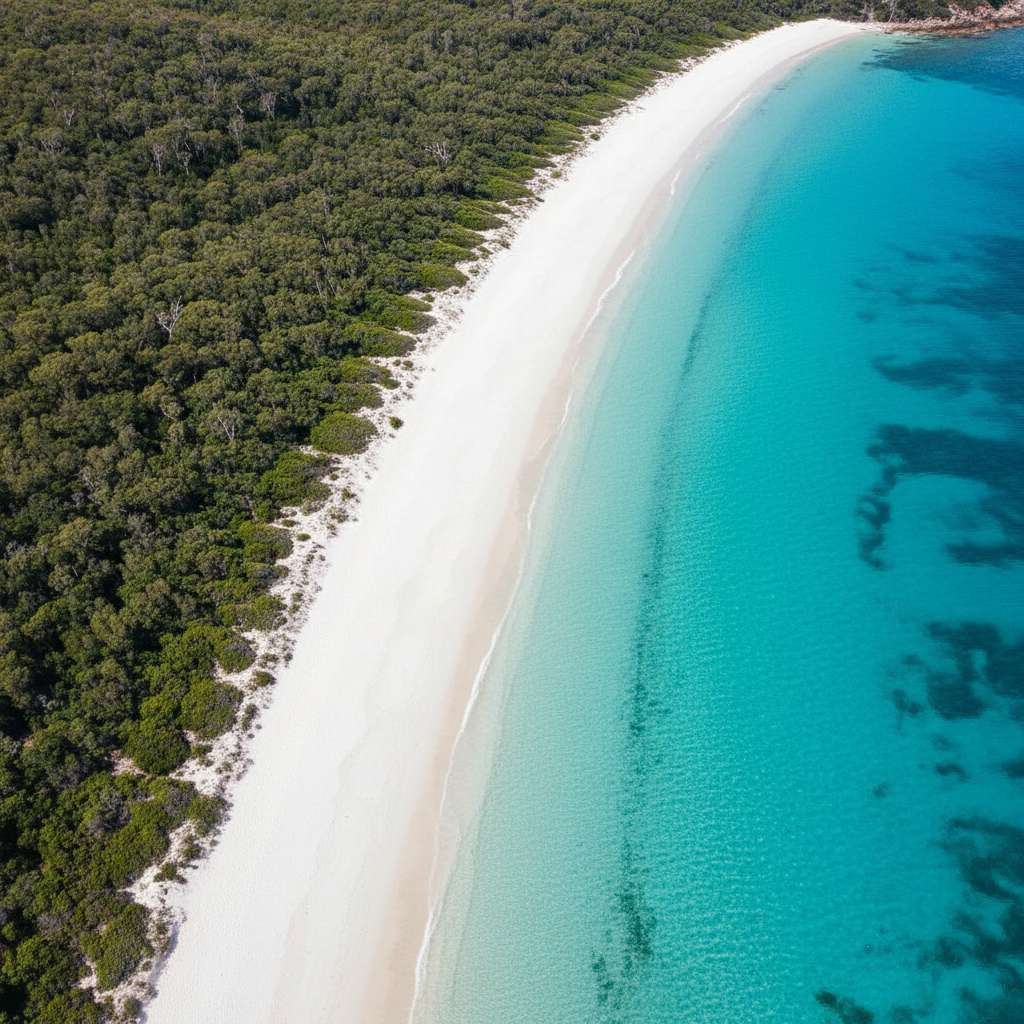
Noosa Main Beach stretches 4km along Laguna Bay, protected by Noosa National Park headland, creating consistently gentle waves perfect for swimming and learning to surf. The beach integrates seamlessly with Hastings Street's dining and shopping, making beach-to-café transitions effortless. Sunshine Beach, just south, offers more powerful surf breaks for experienced surfers.
Water quality differs significantly between destinations. Whitsunday waters average 24-28°C year-round with visibility often exceeding 20 metres. During stinger season (November-May), protective suits are essential but provided on all tours. Noosa's waters range from 18°C in winter to 26°C in summer, with excellent water quality thanks to strict coastal development regulations.
How do accommodation costs compare?
Noosa accommodation averages $200-400 per night for beachfront resorts, while Whitsundays ranges from $150-300 for Airlie Beach hotels to $500+ for island resorts. Budget backpacker options start around $35 in Airlie Beach versus $45 in Noosa.
Airlie Beach offers the most diverse accommodation range in the Whitsundays. Budget backpackers like Nomads and Base pay $35-50 per night in shared dorms, while mid-range hotels like Coral Sea Resort and Peppers Airlie Beach charge $180-280 per night. Luxury options include Intercontinental Hayman Island ($800-1500) and qualia on Hamilton Island ($1200-3000 per night).
Noosa's accommodation centres around Hastings Street and Noosa Junction. Hastings Street beachfront apartments start around $300 per night during peak season, while luxury resorts like Sofitel Noosa Pacific Resort charge $400-600. Budget options concentrate in Noosa Junction and Noosaville, with hostels from $45 and motels from $120 per night.
Peak season pricing affects both destinations differently. Noosa peaks during school holidays (December-January, Easter, July) with prices increasing 40-60%. Whitsundays peak season runs May-September when southern visitors escape winter, with Hamilton Island accommodation doubling in price during these months.
Which destination offers better tours and activities?
Whitsundays excels in sailing, snorkelling, and island-hopping adventures with half-day tours from $159 to multi-day sailing from $799. Noosa focuses on surfing lessons ($65), hinterland tours ($145), and national park walks, offering more land-based variety.
The Whitsundays tours revolve around marine experiences. Full-day Whitehaven Beach tours via catamaran cost $170-220, including lunch and snorkelling equipment. Sailing experiences range from 2-hour sunset sails ($89) to 3-day/2-night adventures aboard maxi yachts ($799-1299). Helicopter flights to Whitehaven Beach and Heart Reef start from $350 for 60-minute scenic flights.
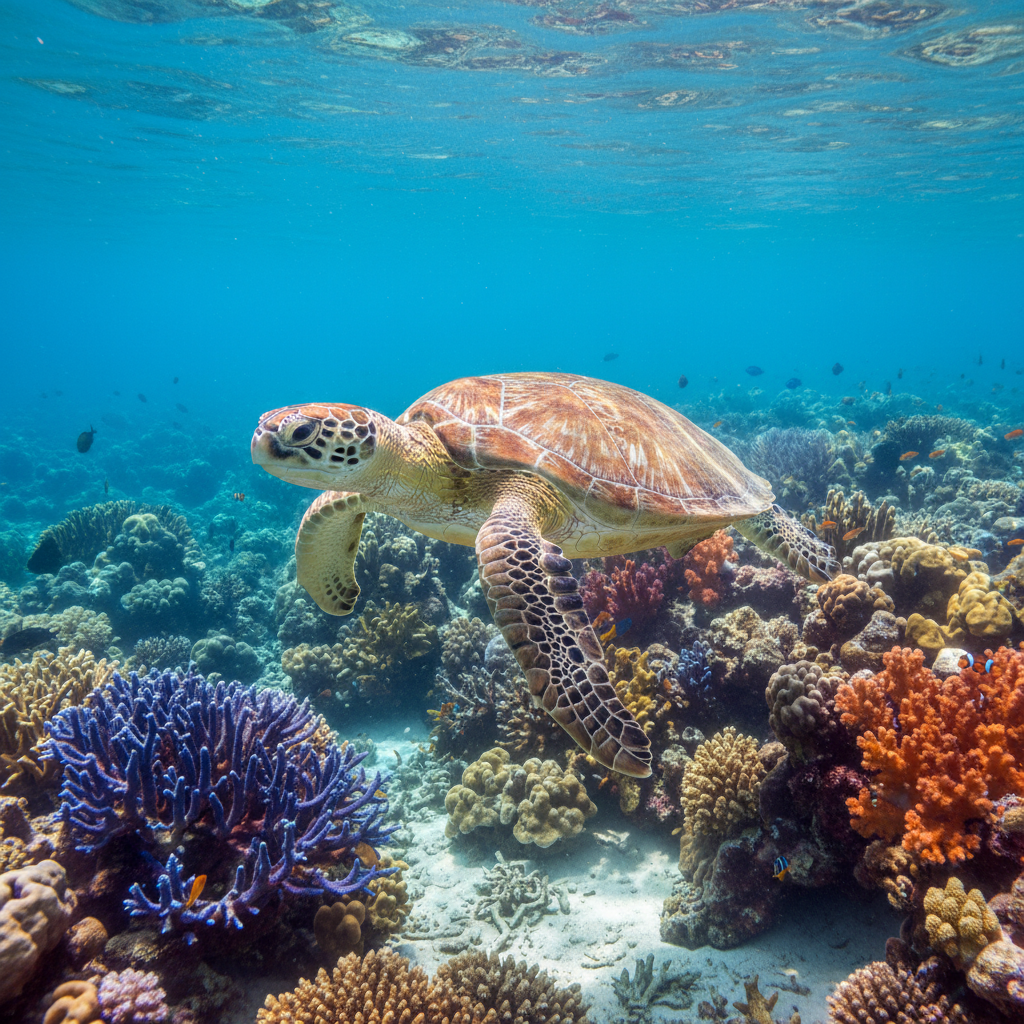
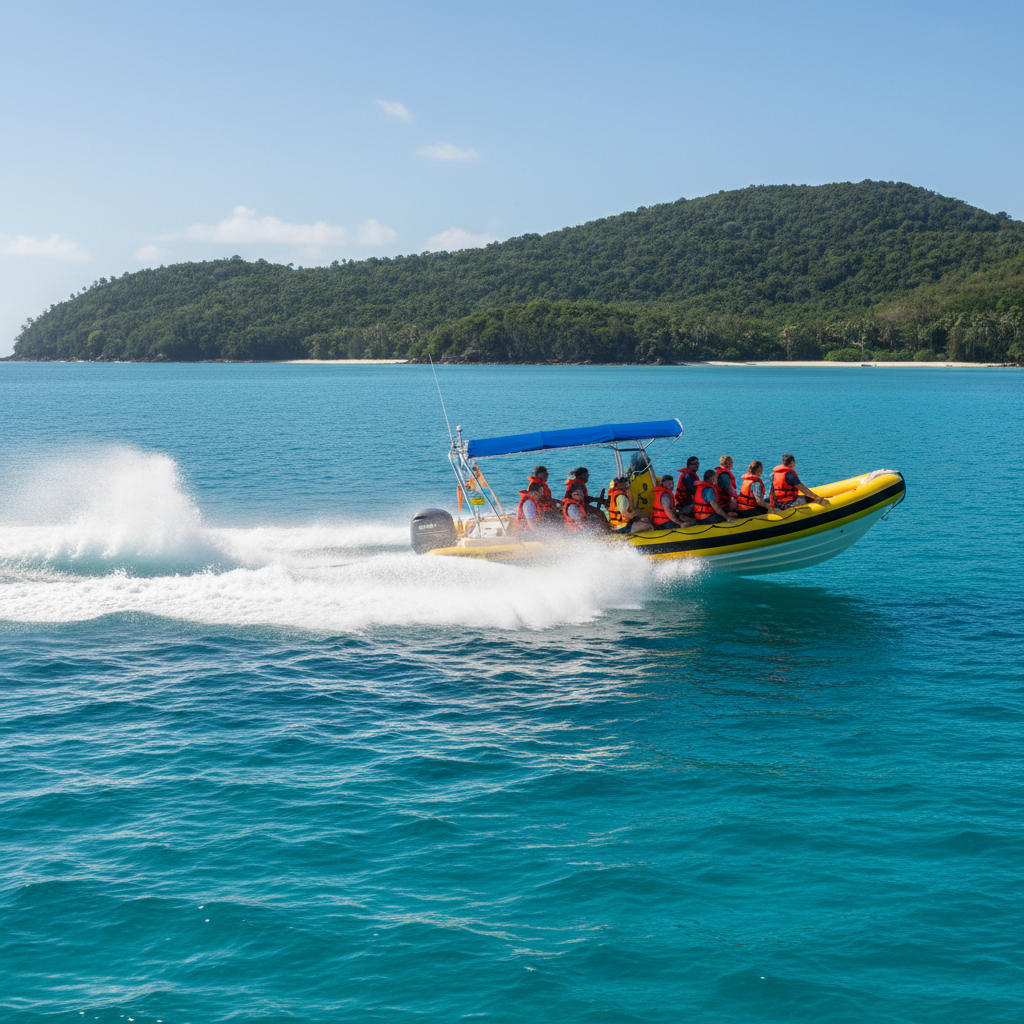
Ocean Rafting offers the most popular Whitsundays day tour ($179 adults), combining Whitehaven Beach with snorkelling at fringing reefs around Hook Island. Their Northern Exposure tour ($179) visits more remote locations including Butterfly Bay and Hill Inlet lookout. Reefworld pontoon experiences ($235) provide semi-submarine coral viewing and underwater observatories.
Noosa's activity focus shifts between water and land experiences. Learn to Surf lessons on Main Beach cost $65 for 2-hour group sessions, while private lessons reach $120. Stand-up paddleboarding through Noosa Everglades costs $85 for half-day tours through pristine mirror lakes surrounded by paperbark forests.
Noosa Hinterland tours ($145 full-day) explore Mount Tinbeerwah, visit local breweries, and include lunch at Eumundi Markets. Noosa National Park offers free coastal walks, with the headland track providing koala spotting opportunities and panoramic ocean views stretching to the Sunshine Coast.
How do dining and nightlife options compare?
Noosa offers sophisticated beachfront dining with 50+ restaurants along Hastings Street, averaging $35-65 per main course. Airlie Beach provides casual pub meals ($18-28) and international cuisine ($25-45), with limited fine dining but vibrant backpacker nightlife.
Hastings Street forms Noosa's culinary heart, featuring award-winning restaurants like Berardo's ($45-65 mains) serving modern Australian cuisine with beachfront views. Noosa Beach House ($38-55 mains) specialises in fresh seafood, while Wasabi ($28-42) offers contemporary Japanese dining. The strip extends dining outdoors year-round thanks to Noosa's subtropical climate.
Eumundi Markets (Wednesday and Saturday) showcase local produce, artisanal foods, and live music 20 minutes inland from Noosa. The markets feature over 80 food stalls selling everything from fresh tropical fruit to gourmet pies, creating Queensland's premier farmers market experience.
Airlie Beach dining centres around the Esplanade and Shute Harbour Road. Fish D'vine serves excellent seafood ($28-38 mains) with an extensive rum selection, while Coca Chu offers contemporary Asian fusion ($24-34). The Airlie Beach Hotel provides classic pub meals ($18-25) with harbour views and live music most evenings.
Nightlife differs dramatically between destinations. Airlie Beach pulses with backpacker energy at venues like Mama Africa Bar and Paddy Shenanigans, staying open until 3am during peak season. Noosa's nightlife centres around sophisticated wine bars and beachfront cocktail lounges, typically closing around midnight.
What are the travel and accessibility differences?
Noosa sits 90 minutes north of Brisbane by car with direct bus connections ($25-35). The Whitsundays requires flying to Hamilton Island or driving 6 hours to Airlie Beach, with most visitors booking connecting tours rather than self-driving.
Reaching Noosa from major cities involves straightforward road or bus travel. Brisbane to Noosa takes 90 minutes via the Bruce Highway, while Sydney requires 12 hours driving or 2-hour flights to Brisbane plus ground transfer. Greyhound buses connect Brisbane Airport directly to Noosa Junction ($35, 2.5 hours) with multiple daily services.
Getting to Airlie Beach requires more complex travel arrangements. Hamilton Island Airport receives direct flights from Sydney (2 hours, from $280), Melbourne (2.5 hours, from $320), and Brisbane (1.5 hours, from $180). Ferry transfers from Hamilton Island to Airlie Beach cost $45 and take 45 minutes.
Proserpine Airport (PPP) serves Airlie Beach with 25-minute shuttle transfers ($25). Jetstar and Virgin operate daily flights from Brisbane ($150-250) and Sydney ($280-350). Bus transfers connect Brisbane to Airlie Beach in 12 hours ($95-135) via Greyhound and Premier Motor Service.
Local transportation differs significantly. Noosa requires minimal transport with everything walkable along the beachfront, though car hire helps explore hinterland attractions. Airlie Beach functions as a tour departure hub where most visitors join organised trips rather than self-drive exploring.
Which destination offers better value for money?
Noosa provides better value for food and accommodation with more competitive pricing and self-catering options. The Whitsundays offers exceptional value for unique experiences like sailing through pristine islands and visiting world-heritage listed Great Barrier Reef locations.
Daily budgets differ markedly between destinations. A couple can explore Noosa comfortably on $200-300 per day including mid-range accommodation ($180), meals ($80-100), and activities ($40-60). Self-catering apartments along Hastings Street offer kitchenettes, allowing grocery shopping at Woolworths Noosa Junction to reduce dining costs.
Whitsundays daily budgets range from $150-400 depending on accommodation and tour choices. Backpacker couples spend $150-200 daily staying in Airlie Beach hostels ($70) and joining group tours ($120-160). Luxury travellers easily spend $800+ daily combining island resort accommodation ($500-1000) with helicopter tours ($350-500).
Free activities boost Noosa's value proposition. Noosa National Park offers 15km of coastal walking tracks with koala spotting opportunities, beach access, and panoramic viewpoints. Main Beach swimming, Noosa River walks, and weekend markets provide entertainment without tour costs.
Whitsundays experiences justify higher costs through exclusivity and natural beauty. Whitehaven Beach tours include UNESCO World Heritage snorkelling sites, pristine beaches accessible only by boat, and marine life encounters impossible in developed coastal areas. These experiences command premium pricing but deliver unique memories unavailable elsewhere in Australia.
What's the best time to visit each destination?
Whitsundays peak season runs May-September with perfect weather (22-26°C), calm seas, and whale watching opportunities. Noosa enjoys year-round appeal with winter temperatures around 20°C, though summer brings higher humidity and occasional storms.
Whitsundays weather patterns significantly impact tour operations. Dry season (April-November) offers consistent sunshine, calm seas perfect for sailing, and comfortable temperatures averaging 24°C. Trade winds provide natural cooling while maintaining ideal sailing conditions. Stinger season (November-May) requires protective suits for swimming but doesn't prevent tours operating.
Whale watching season (June-September) adds spectacular humpback whale encounters during their northern migration. Adult whales reach 16 metres length, with mothers and calves frequently spotted in Whitsunday waters. This natural phenomenon coincides with peak tourist season, increasing accommodation costs but enhancing overall experience value.
Noosa's subtropical climate enables year-round beach activities. Winter months (June-August) average 20°C with minimal rainfall and crisp, clear days perfect for hiking Noosa National Park. Summer temperatures reach 28°C with afternoon thunderstorms providing natural cooling and lush hinterland conditions.
Seasonal pricing affects both destinations differently. Whitsundays accommodation doubles during dry season, while tour operators increase prices 20-30%. Noosa maintains more stable year-round pricing with moderate increases during Australian school holidays only.
How do we rank these destinations overall?
Choose the Whitsundays for pristine nature experiences, sailing adventures, and once-in-a-lifetime island beauty. Select Noosa for sophisticated dining, accessible luxury, year-round activities, and easy family travel with diverse land and water experiences.
The Whitsundays wins decisively for natural beauty and unique experiences. Whitehaven Beach's pure silica sand, Heart Reef's coral formations, and 74 pristine islands create unmatched tropical paradise conditions. The region offers authentic sailing experiences through protected waters with consistent trade winds, making it Australia's premier sailing destination.
Noosa excels in accessibility, dining quality, and activity diversity. The seamless integration between beach, dining, shopping, and accommodation creates effortless holiday experiences. Families appreciate safe swimming conditions, nearby koala spotting, and educational hinterland experiences within 30 minutes' drive.
Budget considerations favour different traveller types. Backpackers and young couples find better value in the Whitsundays with affordable Airlie Beach accommodation and group tour savings. Families and luxury travellers often prefer Noosa's predictable costs and premium accommodation standards.
Weather reliability gives Noosa slight advantages with year-round appeal, while the Whitsundays delivers peak experiences during optimal conditions. Both destinations offer distinct Queensland coastal experiences worth visiting for different reasons.
Ready to experience the pristine beauty of the Whitsundays? Browse our complete selection of tours and experiences at Airlie to Whitehaven. From full-day Whitehaven Beach adventures to multi-day sailing expeditions, we'll help you book the perfect Whitsundays experience with local operators who know these waters intimately. Your tropical island adventure starts here.