Planning your next tropical escape but torn between Australia's Whitsundays and Fiji's island paradise? You're not alone. Both destinations offer pristine beaches, crystal-clear waters, and that coveted barefoot luxury vibe, but they deliver completely different experiences. Having spent countless hours exploring both regions, I'll break down the real differences to help you choose the perfect tropical getaway for your style, budget, and travel dreams.
How Do the Beaches Compare Between Whitsundays and Fiji?
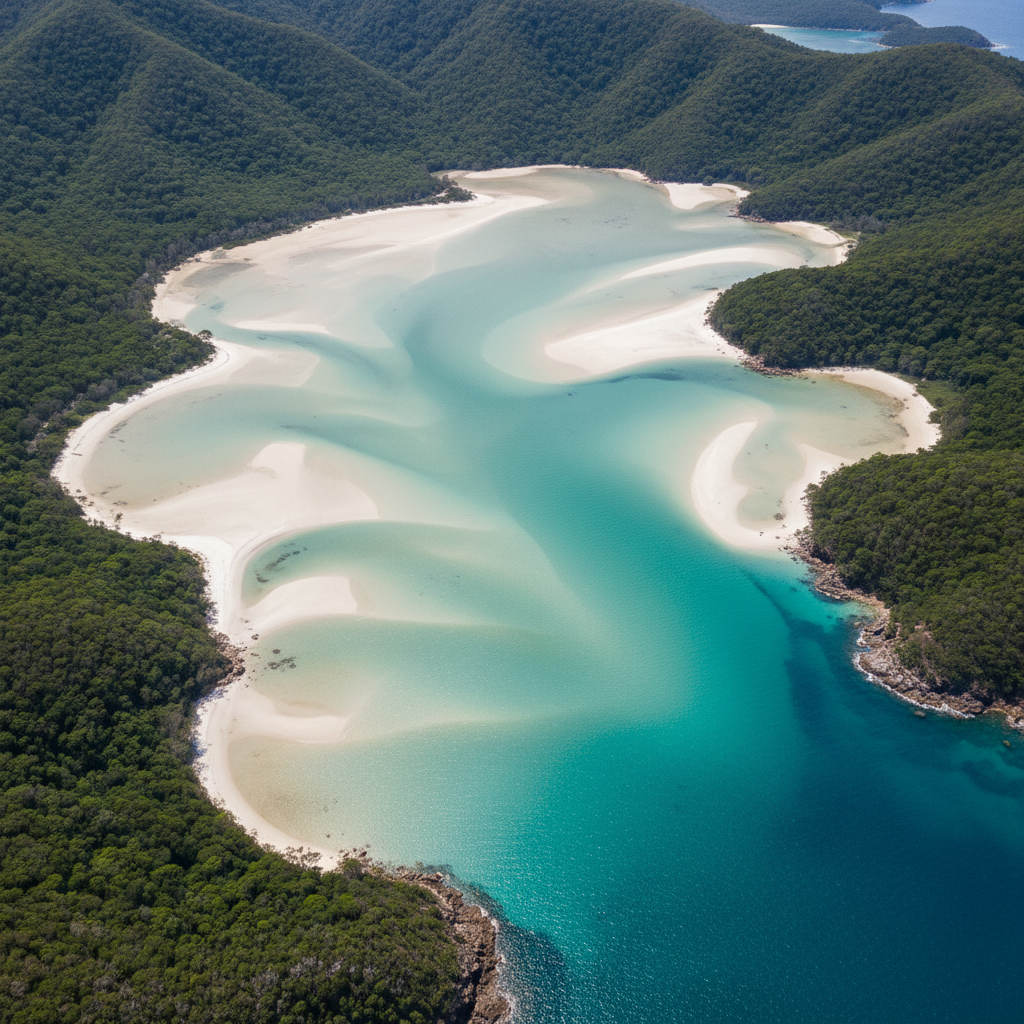
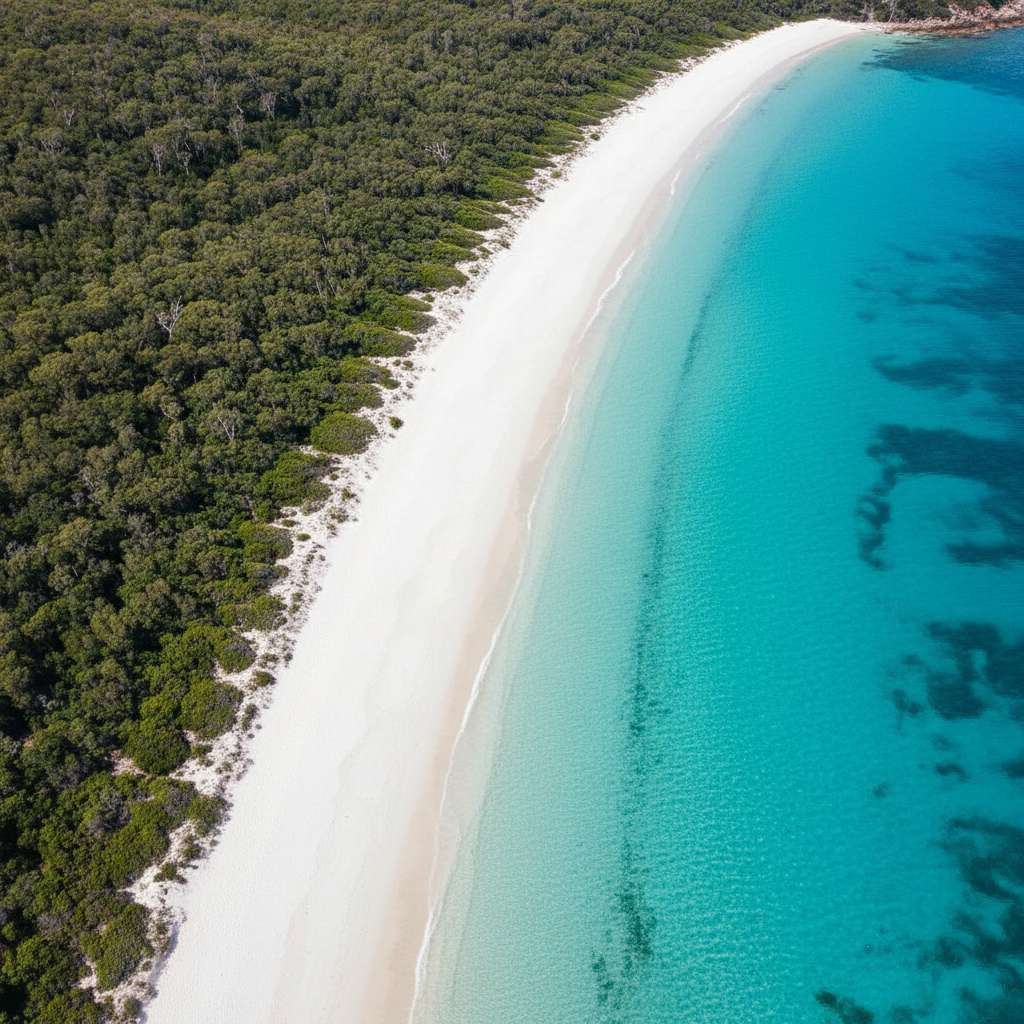
Whitehaven Beach's 98.9% pure silica sand stays cool underfoot and creates stunning swirling patterns, while Fiji's beaches offer coral sand with immediate reef access for snorkeling but vary significantly in quality across different islands and resorts.
The Whitsundays absolutely dominate when it comes to beach quality. Whitehaven Beach isn't just Instagram-famous for nothing – its 7-kilometre stretch of pure silica sand feels like walking on powder and maintains a comfortable temperature even on scorching days. The sand composition creates those mesmerising swirling patterns at Hill Inlet that change with each tide, offering photographers and beach lovers an ever-changing masterpiece.
Fiji's beaches tell a different story. While some resorts boast stunning white coral sand beaches, the quality varies dramatically depending on your location. The Mamanuca and Yasawa Islands offer the best beaches, with soft coral sand and immediate access to vibrant coral reefs. However, many of Fiji's beaches have darker, volcanic sand that can get uncomfortably hot, and some areas suffer from coral bleaching that affects the underwater scenery.
The Whitsundays also win on consistency – every island offers spectacular beaches, from the secluded coves of Hook Island to the party atmosphere of Hamilton Island's Catseye Beach. Fiji's beach experience depends heavily on your resort choice and budget, with luxury properties securing the prime beachfront real estate.
Which Destination Offers Better Value for Money?
The Whitsundays typically cost AUD $150-400 per day including tours and accommodation, while Fiji ranges from AUD $200-800+ daily depending on resort level, with meals and activities often adding significant extras to your bill.
Budget breakdown reveals some surprising truths. In the Whitsundays, you can enjoy a fantastic day tour to Whitehaven Beach for around AUD $165-215, including lunch and snorkeling equipment. Backpacker accommodation in Airlie Beach starts from AUD $35 per night in dorms, while decent hotels range from AUD $150-350 nightly. Meals are reasonably priced, with good pub meals around AUD $25-35 and fine dining AUD $50-80 per head.
Fiji presents a more complex pricing structure. Resort packages often seem attractive until you discover that meals, drinks, and activities carry hefty surcharges. A mid-range resort might cost AUD $300-500 per night, but breakfast could add AUD $45, lunch AUD $60, and dinner AUD $85 per person. Premium resorts easily reach AUD $800-1,500 nightly, with some exclusive properties exceeding AUD $2,000.
However, Fiji's bure-style accommodation and authentic village experiences can offer excellent value. Budget resorts and backpacker options start around AUD $50-100 per night, and local dining costs significantly less than resort restaurants. The key is choosing between authentic local experiences versus luxury resort isolation.
For families, the Whitsundays edge ahead with self-catering apartments, grocery stores, and tour operators offering family deals. Fiji's family-friendly resorts provide excellent kids' clubs but at premium prices.
How Do Travel Times and Accessibility Compare?
Whitsundays require domestic flights to Hamilton Island or Proserpine plus potential transfers, totaling 2-4 hours from major Australian cities, while Fiji needs 3-4 hour international flights from Australia plus resort transfers, often requiring overnight stopovers.
Getting to the Whitsundays from major Australian cities is refreshingly straightforward. Direct flights from Sydney, Melbourne, and Brisbane land at Hamilton Island Airport (HTI) in under 2.5 hours, putting you steps away from island resorts or a quick ferry to the mainland. Proserpine Airport (PPP) serves Airlie Beach with a 25-minute transfer, offering slightly cheaper flights but requiring ground transport.
Jetstar, Virgin Australia, and Qantas provide regular services, with return flights typically costing AUD $300-600 from east coast capitals during peak season. No visa requirements, no currency exchange, no jet lag – you can literally have breakfast in Sydney and be sipping cocktails at Airlie Beach by lunch.
Fiji's accessibility depends heavily on your departure point and resort location. Direct flights from Sydney, Melbourne, and Brisbane take 3-4 hours, costing AUD $400-800 return. However, reaching outer islands often requires additional seaplane transfers (AUD $300-500) or boat transfers (1-3 hours), turning travel into a full-day affair.
The visa requirement adds another layer – while Australians receive free 4-month tourist visas on arrival, it's still an international border crossing with customs declarations and potential delays. Resort transfers in Fiji can be expensive and time-consuming, particularly for remote locations in the Yasawas where boat transfers might only operate twice weekly.
What Activities and Experiences Set Each Destination Apart?
Whitsundays excel in sailing adventures, Great Barrier Reef access, and island hopping with day tours from AUD $165-400, while Fiji focuses on cultural immersion, world-class diving, and resort-based activities with experiences typically costing AUD $100-300.
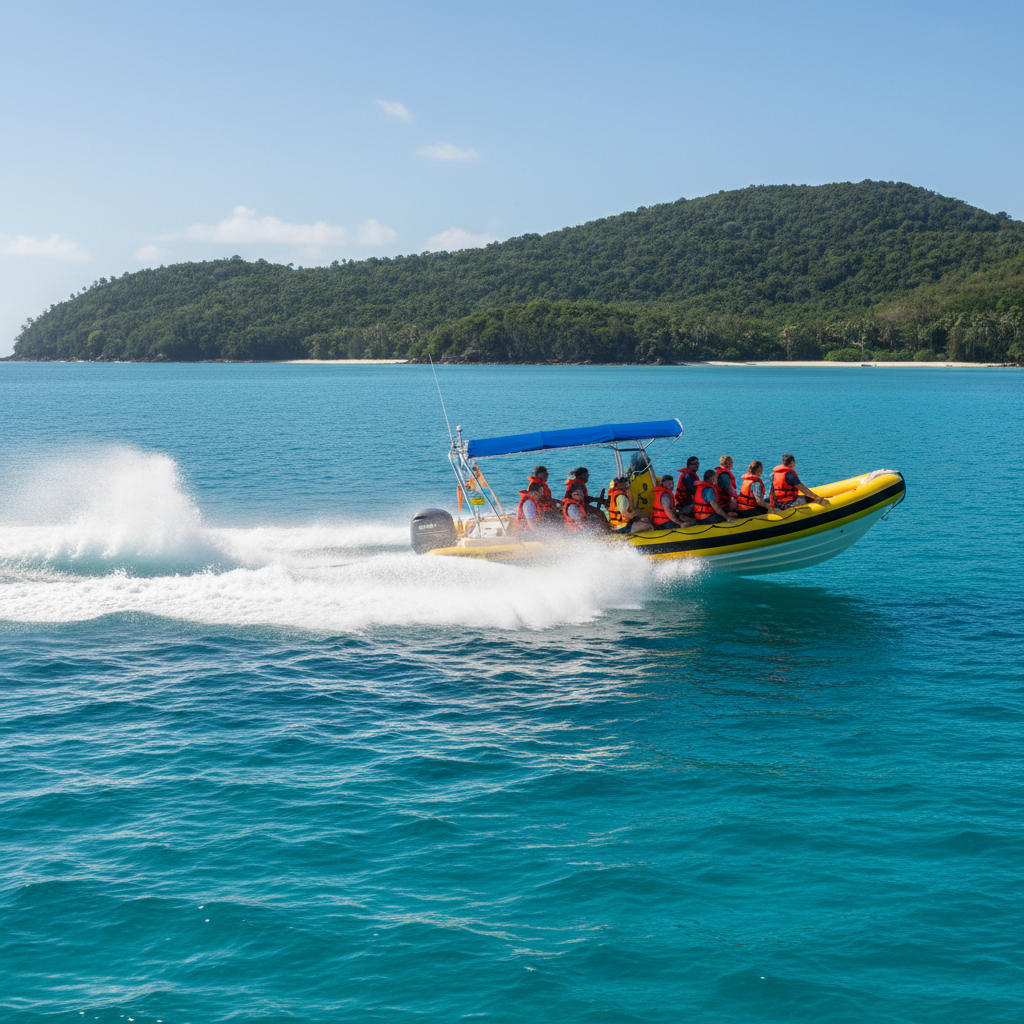
The Whitsundays are synonymous with sailing, and for good reason. The protected waters between 74 islands create perfect conditions for everything from luxury catamaran day trips to multi-day bareboat charters. Popular day tours combine sailing to Whitehaven Beach with snorkeling at premium reef sites, while overnight sailing trips offer the magical experience of sleeping under Southern Hemisphere stars.
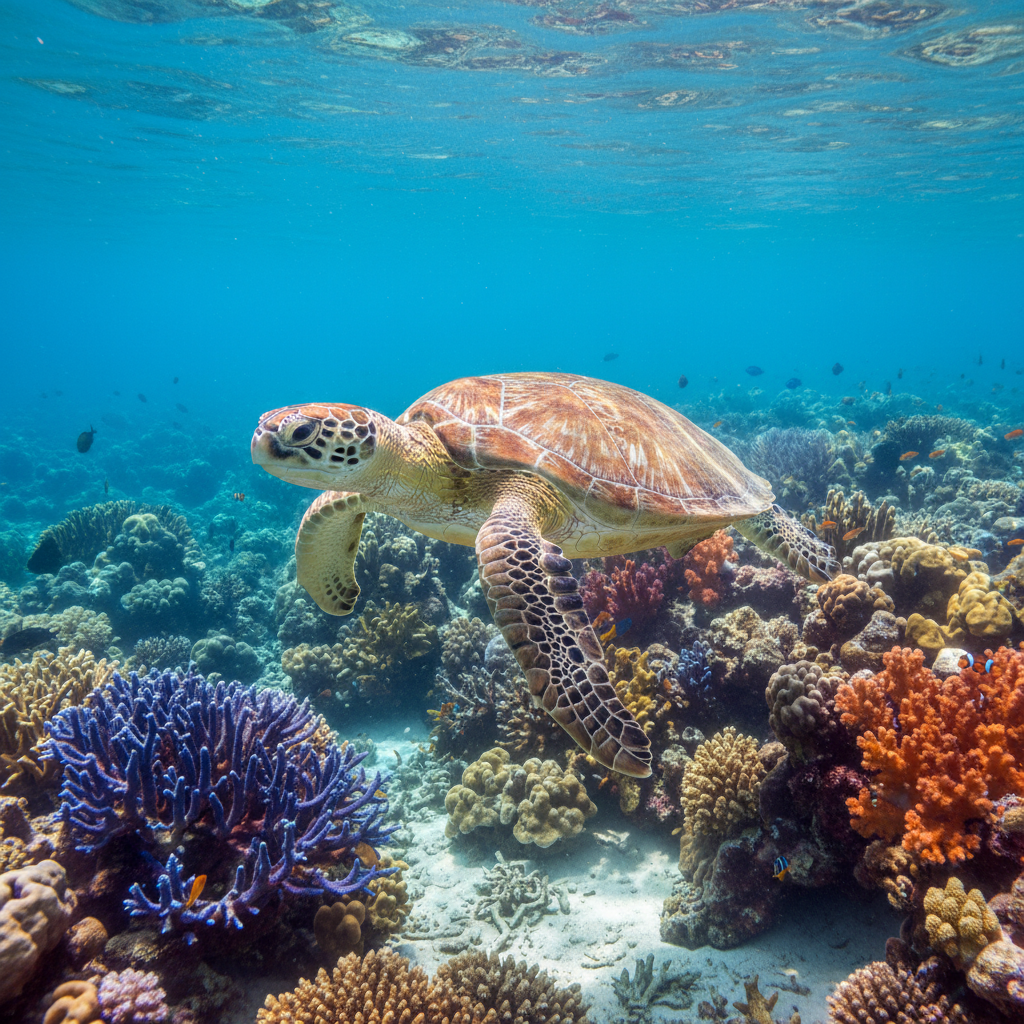
Great Barrier Reef access is another Whitsundays trump card. Reef sites like Bait Reef and Hardy Reef showcase pristine coral systems just 2 hours from Airlie Beach, with dive operators offering both beginner and advanced experiences. Heart Reef scenic flights provide that bucket-list aerial perspective impossible to capture elsewhere.
Fiji's strengths lie in cultural authenticity and diving excellence. Village visits reveal genuine Fijian culture – the kava ceremonies, traditional cooking methods, and community-based tourism feel authentic rather than performative. The diving here ranks among the world's best, with soft coral capital Rainbow Reef and shark encounters at Beqa Lagoon creating underwater experiences that rival anywhere globally.
Adventure seekers will find different thrills in each destination. The Whitsundays offer jet skiing, parasailing, helicopter tours, and hiking trails with panoramic lookouts. Fiji counters with zip-lining through tropical rainforests, white-water rafting, and some of the Pacific's best big-game fishing.
Which Destination Has Better Weather and When Should You Visit?
Whitsundays enjoy dry season perfection from April to November with temperatures 20-28°C and minimal rainfall, while Fiji's dry season runs May to October but faces more humidity and potential cyclone risk during wet months.
Understanding weather patterns is crucial for timing your tropical escape perfectly. The Whitsundays' dry season delivers consistently excellent conditions from April through November, with average temperatures ranging 20-28°C, low humidity, and minimal rainfall. Trade winds provide natural air conditioning, making outdoor activities comfortable throughout the day.
The wet season (December to March) brings higher humidity, afternoon storms, and stinger season – though modern stinger suits eliminate swimming concerns. This period also coincides with Australian school holidays, driving up prices and crowds. However, the landscape turns lush green, and accommodation rates drop significantly.
Fiji's tropical climate shows more variation between islands and elevation. The dry season (May to October) offers the most reliable weather, with trade winds moderating temperatures and rainfall minimal. However, even during dry months, tropical showers can occur, and humidity remains consistently high.
Fiji's cyclone season (November to April) presents real risks that don't exist in the Whitsundays. While modern resorts have excellent weather monitoring and safety protocols, severe weather can disrupt travel plans and limit activities for days. The Whitsundays, protected by the Great Barrier Reef and positioned outside the main cyclone belt, rarely experience severe weather disruptions.
For whale watching enthusiasts, both destinations offer spectacular opportunities, but timing differs. The Whitsundays host humpback whales from June to September during their annual migration, while Fiji sees whales primarily from July to October.
How Do Accommodation Options Compare?
Whitsundays offer diverse accommodation from backpacker hostels (AUD $35) to luxury island resorts (AUD $800+), while Fiji focuses heavily on resort experiences ranging from budget backpacker spots (AUD $50) to ultra-luxury properties (AUD $2,000+).
Accommodation diversity gives the Whitsundays a significant advantage for different travel styles and budgets. Airlie Beach serves as the backpacker capital, with excellent hostels offering dorms from AUD $35 and private rooms from AUD $90. Mid-range hotels and apartments provide self-catering facilities, perfect for families or longer stays, ranging AUD $150-350 nightly.
Island resorts in the Whitsundays cater to different market segments. Hamilton Island offers everything from basic hotel rooms to luxury villas, with golf courses, marina facilities, and diverse dining options. Smaller islands like Daydream and Long Island provide intimate resort experiences without the premium price tags of ultra-luxury properties.
Fiji's accommodation landscape centers heavily around resort experiences. Budget travelers can find backpacker-friendly options in the Mamanucas and Yasawas from AUD $50-100 per night, often including meals. However, the emphasis on resort packages means fewer self-catering options and limited flexibility for independent exploration.
Fiji's luxury resort offerings are undeniably spectacular – private islands, overwater bures, world-class spas, and service standards that rival anywhere globally. Properties like Likuliku Lagoon and Royal Davui offer exclusive experiences that justify their premium pricing. However, this focus on luxury can leave mid-range travelers feeling underserved.
The Whitsundays also excel in unique accommodation experiences – sleeping aboard sailing catamarans, glamping on private islands, or staying in eco-lodges with direct beach access. These experiences often cost less than comparable Fiji resort rates while offering more adventure and flexibility.
Which Destination Is Better for First-Time Tropical Visitors?
The Whitsundays provide easier logistics, no language barriers, familiar food options, and straightforward booking systems, making them ideal for first-time tropical travelers, while Fiji offers more cultural immersion but requires more complex planning and preparation.
First-time tropical visitors often feel overwhelmed by choices and logistics, which is where the Whitsundays shine. Everything operates in English, currency is familiar, and booking systems are straightforward. Tour operators provide clear information about what's included, pickup times, and weather contingencies. The comprehensive infrastructure means you can easily modify plans, add activities, or extend your stay without complex international arrangements.
Food familiarity reduces another stress point for nervous travelers. Airlie Beach offers everything from familiar pub meals and pizza to fresh seafood and Asian fusion, with clear ingredient lists and dietary accommodations readily available. Supermarkets stock recognizable brands, making self-catering straightforward for families or budget-conscious travelers.
The Whitsundays also eliminate cultural anxiety that some first-time international travelers experience. While respectful behavior is always important, there are no complex cultural protocols, tipping expectations, or language barriers to navigate. This allows visitors to focus entirely on enjoying their tropical experience rather than worrying about cultural missteps.
Fiji certainly offers richer cultural immersion – learning about indigenous traditions, participating in kava ceremonies, and experiencing authentic Pacific Island hospitality. However, this cultural depth requires more research, preparation, and openness to unfamiliar experiences that might intimidate first-time tropical travelers.
The medical and safety infrastructure also favors the Whitsundays for first-time visitors. Australian medical standards, familiar emergency services, and comprehensive travel insurance coverage provide peace of mind that international destinations can't match.
How Do We Choose Between These Two Tropical Paradises?
Choose Whitsundays for sailing adventures, Great Barrier Reef access, easier logistics, and diverse budgets; choose Fiji for cultural immersion, world-class diving, luxury resort experiences, and authentic Pacific Island culture, depending on your travel priorities and experience level.
Our comparison methodology evaluated seven key criteria: beach quality, value for money, accessibility, activities, weather reliability, accommodation diversity, and first-timer friendliness. We analyzed real pricing from multiple tour operators, accommodation booking platforms, and flight comparison sites across different seasons.
The Whitsundays win for travelers seeking sailing adventures, Great Barrier Reef experiences, budget flexibility, and hassle-free logistics. They're perfect for families, first-time tropical visitors, couples wanting active holidays, and anyone prioritizing outdoor adventures over resort relaxation.
Fiji excels for travelers seeking cultural authenticity, world-class diving, luxury resort experiences, and complete tropical isolation. It suits honeymooners wanting ultra-luxury, diving enthusiasts, cultural explorers, and travelers comfortable with international logistics and higher budgets.
Consider the Whitsundays if you want to explore multiple islands, enjoy sailing, snorkel the Great Barrier Reef, or maintain budget control with self-catering options. The destination rewards active travelers who want to pack multiple experiences into their tropical escape.
Choose Fiji if cultural immersion appeals to you, diving ranks high on your priority list, or you're seeking that exclusive resort experience where everything is handled for you. Fiji rewards travelers who want to unwind completely and immerse themselves in authentic Pacific Island culture.
Both destinations deliver unforgettable tropical experiences, but they cater to fundamentally different travel styles. The Whitsundays offer adventure, accessibility, and excellent value, while Fiji provides luxury, culture, and world-class diving in a more remote setting.
Ready to experience the Whitsundays' perfect combination of adventure and tropical beauty? Browse our carefully curated selection of Whitsundays tours on Airlie to Whitehaven, where we've partnered with the region's best operators to bring you everything from day trips to Whitehaven Beach to multi-day sailing adventures. Our local expertise and competitive pricing ensure you'll get the most from your Whitsundays tropical escape.