Planning a Whitsundays adventure involves more than just choosing between sailing and powerboat tours. With unpredictable weather, costly equipment, and remote island locations, travel insurance becomes a crucial consideration that many visitors overlook until it's too late. The tropical paradise can turn challenging quickly, and understanding your coverage options could save you thousands of dollars and plenty of stress.
What does travel insurance typically cover for Whitsundays trips?
Standard travel insurance for Whitsundays trips covers trip cancellation, medical emergencies, luggage protection, and evacuation costs. Most policies include weather-related cancellations, equipment loss, and emergency helicopter transfers from remote islands, which can cost $15,000-$25,000 without coverage.
The Whitsundays present unique risks that standard travel insurance addresses through specific coverage areas. Trip cancellation and interruption protects your investment when cyclones force tour operators to suspend services for days or weeks. During the 2017 Cyclone Debbie event, many visitors lost thousands on pre-paid Whitsundays tours and accommodation.
Emergency medical coverage becomes critical given the region's remote location. The nearest major hospital is Mackay Base Hospital, 150km south of Airlie Beach. Minor medical facilities exist on Hamilton Island, but serious injuries require helicopter evacuation to Townsville (190km) or Brisbane (1,100km).
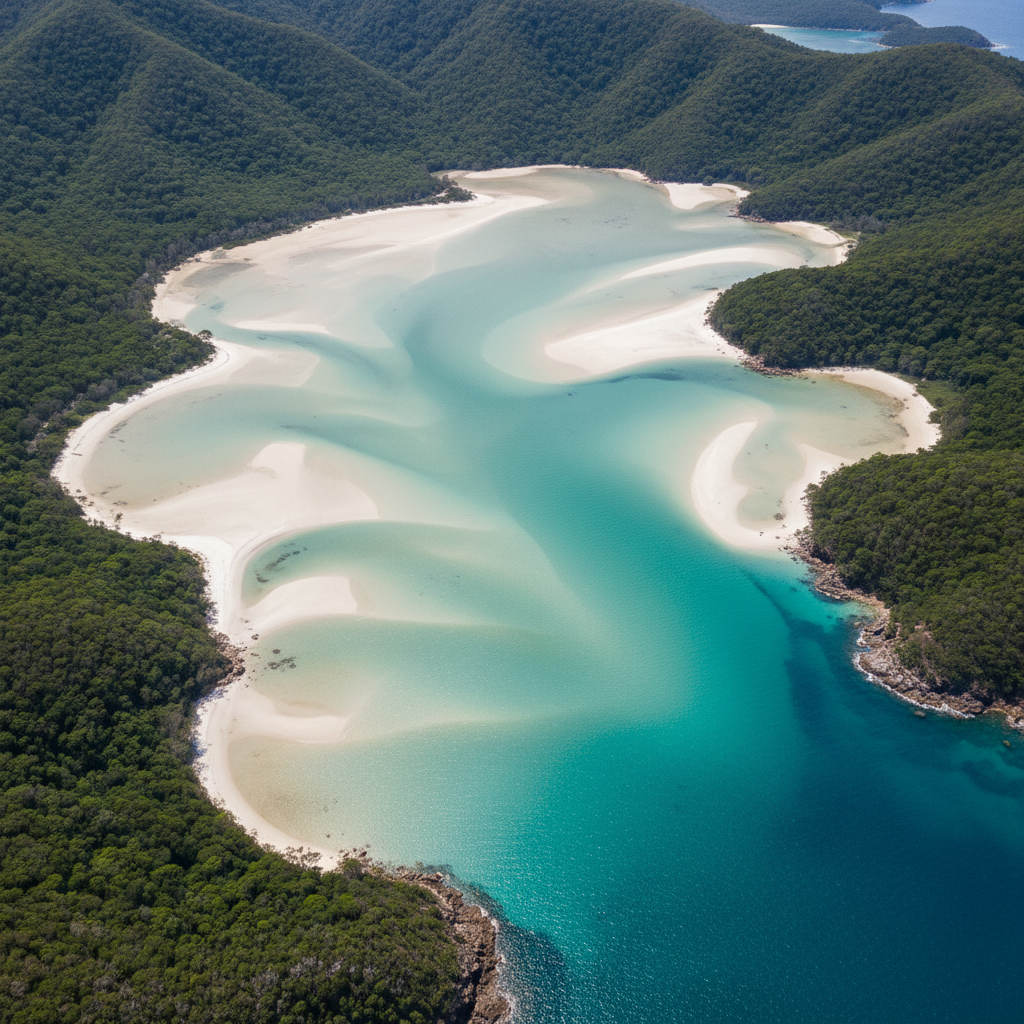
Emergency evacuation insurance covers helicopter transfers from Whitehaven Beach or other remote locations. Standard helicopter evacuations cost $8,000-$15,000 to Hamilton Island, while fixed-wing air ambulance to Brisbane reaches $25,000-$35,000.
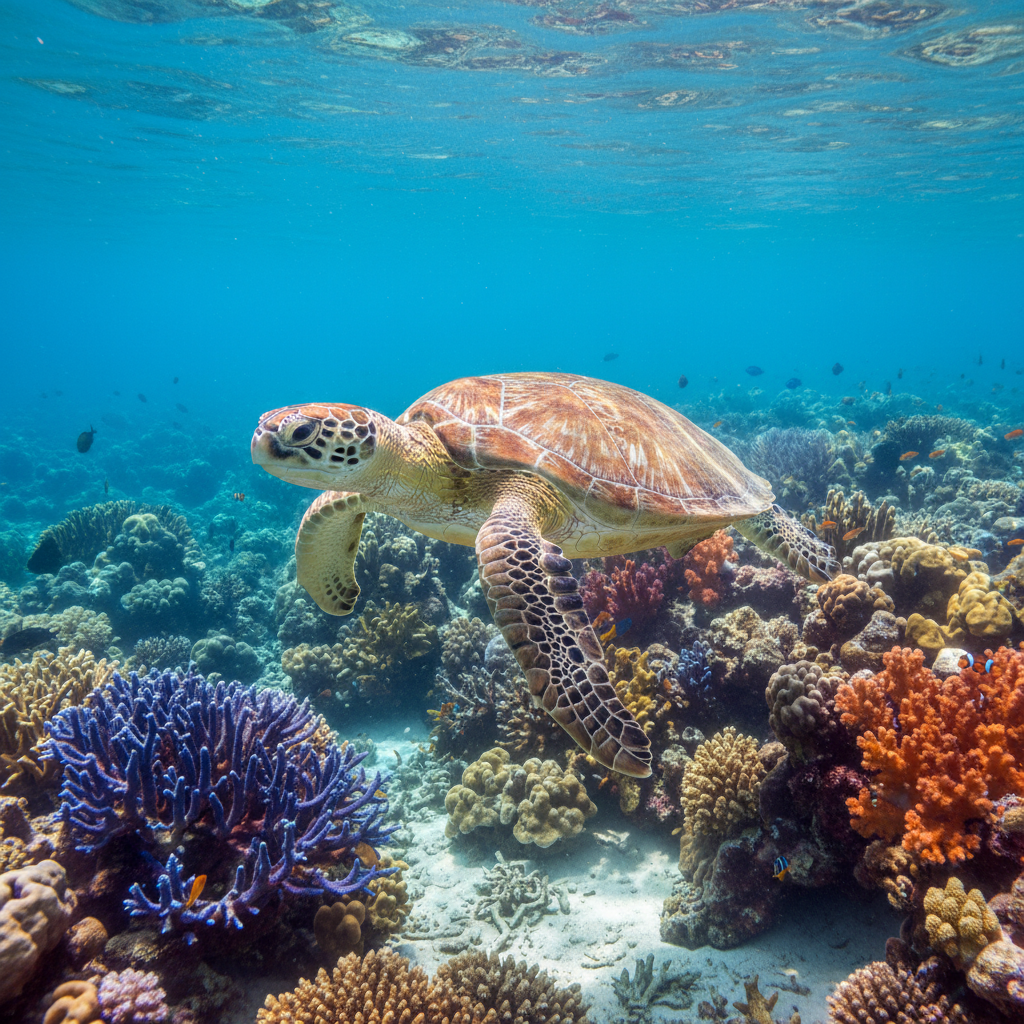
Luggage and personal effects protection proves valuable when snorkeling gear disappears overboard or cameras flood during reef tours. Quality underwater cameras cost $500-$2,000, while complete snorkeling sets run $200-$400.
Do I need travel insurance if I'm just visiting for a day trip?
Day trip visitors should consider travel insurance covering medical emergencies and evacuation costs, as accidents can happen during any water activity. Even single-day coverage protects against $15,000+ helicopter evacuation costs if you're injured on remote Whitehaven Beach or surrounding reef areas.
Many assume day trips carry minimal risk, but Whitsundays day tours involve inherent dangers. Marine stinger encounters during November to May require immediate medical attention, potentially necessitating helicopter evacuation from Whitehaven Beach where no medical facilities exist.
Boat accidents and water sports injuries occur regularly during reef tours and beach visits. Slip-and-fall incidents on wet boat decks, snorkeling equipment malfunctions, or severe sunburn requiring medical treatment can interrupt your entire holiday.
Weather-related cancellations affect day trips frequently. Operators cancel tours for wind speeds exceeding 25 knots or during storm warnings. Without insurance, you lose tour costs ranging from $149 for basic tours to $599 for premium sailing experiences.
Single-day travel insurance policies start around $15-$25 per person and cover emergency medical treatment, evacuation costs, and trip cancellation. This modest investment protects against potentially catastrophic expenses in one of Australia's most remote tourist destinations.
What weather conditions commonly cause tour cancellations?
Tour operators cancel Whitsundays trips when wind speeds exceed 25 knots, during severe weather warnings, or when wave heights surpass 2.5 meters. Cyclone season (November-May) sees the highest cancellation rates, with operators prioritizing passenger safety over scheduled departures.
The Whitsundays' exposed position in the Coral Sea makes it vulnerable to rapidly changing conditions. Wind speed thresholds vary by vessel type: large catamarans operate up to 30 knots, while smaller boats stop at 20-25 knots. Wave height limits typically range from 1.5-2.5 meters, depending on boat size and passenger comfort considerations.
Cyclone activity completely shuts down marine tourism for extended periods. The 2017 Cyclone Debbie closure lasted five days, while 2019's Cyclone Oma caused three-day suspensions. During these events, airports also close, stranding visitors who hadn't considered weather-related insurance coverage.
Severe thunderstorm warnings trigger immediate tour cancellations due to lightning risk over open water. These storms develop quickly in tropical conditions, sometimes forcing last-minute cancellations even after passengers board vessels.
Marine stinger warnings don't typically cancel tours but may restrict swimming areas or require full-body stinger suits. However, severe stinger blooms occasionally force operators to modify itineraries significantly, potentially disappointing visitors expecting full beach access.
Are medical helicopters expensive from Whitehaven Beach?
Medical helicopter evacuations from Whitehaven Beach cost $15,000-$25,000 for transfers to Hamilton Island Hospital, and $25,000-$40,000 for direct transport to mainland facilities. These remote location surcharges make emergency evacuation insurance essential for any Whitsundays visitor engaging in water activities.
The isolation of Whitehaven Beach creates significant logistical challenges for emergency services. Distance factors include 35km to Hamilton Island, 85km to Proserpine Hospital, and 190km to Townsville Hospital. Flight times range from 15 minutes to Hamilton Island up to 45 minutes for mainland transfers.
Aircraft requirements vary based on patient condition and weather. Standard helicopter evacuations use single-engine aircraft costing $3,000-$4,000 per hour plus medical team fees. Critical patients require twin-engine helicopters or fixed-wing aircraft with specialized medical equipment, increasing costs to $8,000-$12,000 per hour.
Weather dependencies can delay evacuations or require more expensive aircraft. During poor visibility or high winds, operators must use instrument-rated aircraft with higher operating costs. Night evacuations require specialized equipment and crew, adding 50-100% to standard rates.
Medical team costs include flight nurses, paramedics, and sometimes doctors, adding $2,000-$5,000 to evacuation expenses. Critical care transport teams command premium rates for remote location work and short-notice availability.
Will my existing health insurance cover Whitsundays emergencies?
Australian Medicare covers emergency medical treatment in public hospitals but excludes helicopter evacuation costs and private hospital treatment. International visitors need comprehensive travel insurance as their home country health systems don't cover Australian medical expenses or emergency transport.
Medicare coverage for Australian residents includes emergency department treatment, hospital admission, and surgical procedures at public facilities. However, Medicare specifically excludes ambulance services, including helicopter evacuations, which can cost more than major surgery itself.
Private health insurance may cover ambulance services depending on your policy level and extras coverage. However, many policies limit helicopter evacuation coverage to specific circumstances or cap payments at amounts insufficient for remote location transfers.
International visitor coverage requires travel insurance as Medicare doesn't extend to foreign nationals. Private medical treatment for non-residents costs significantly more than public hospital rates, making comprehensive coverage essential.
Reciprocal healthcare agreements exist with some countries but provide limited coverage excluding evacuation costs. Visitors from the UK, Ireland, New Zealand, and several European nations receive basic treatment but must pay evacuation and many specialist costs.
Smart travelers verify their existing coverage limits and exclusions before departure, purchasing additional travel insurance to fill gaps in evacuation coverage, private hospital treatment, and trip cancellation protection.
What about adventure activity exclusions for reef and sailing tours?
Standard travel insurance often excludes "adventure activities" like sailing, snorkeling, and jet skiing unless specifically covered. Many Whitsundays tours involve water sports that require additional adventure activity coverage, typically available for 10-20% extra premium to avoid claim rejections.
Common exclusions in basic policies include sailing on vessels over 10 meters, motorized water sports, and unsupervised snorkeling. Most Whitsundays tours operate vessels 15-25 meters long, automatically triggering sailing exclusions without proper coverage.
Snorkeling activities face restrictions in many policies, particularly for reef locations beyond designated swimming areas. Insurance companies classify Great Barrier Reef snorkeling as higher risk due to marine life encounters, strong currents, and remote locations requiring potential evacuation.
Jet skiing and parasailing require specific adventure coverage as standard policies exclude motorized water sports. Popular Whitsundays activities like jet ski tours around Hamilton Island or parasailing from Airlie Beach need declared coverage to ensure claims acceptance.
Sailing vessel classifications matter significantly for coverage. Policies often distinguish between day sailing, overnight sailing, and racing activities. Multi-day sailing adventures common in the Whitsundays may require specialist marine insurance beyond standard travel coverage.
Review activity exclusions carefully and purchase adventure coverage additions. The modest extra cost prevents claim rejections that could leave you facing tens of thousands in uncovered expenses.
How much does comprehensive Whitsundays travel insurance cost?
Comprehensive travel insurance for Whitsundays trips costs $50-$150 per person for week-long holidays, varying by age, coverage limits, and included activities. Premium policies with unlimited medical coverage, adventure activities, and high trip cancellation limits provide best value for expensive Whitsundays holidays.
Basic coverage starting around $50-$80 per person includes standard medical coverage up to $500,000, trip cancellation to $5,000, and basic luggage protection. These policies often exclude sailing vessels over 10 meters and limit evacuation coverage to $100,000.
Comprehensive policies costing $100-$150 per person offer unlimited medical coverage, adventure activity inclusion, and trip cancellation up to $50,000. Higher evacuation limits of $500,000+ adequately cover multiple helicopter transfers or international repatriation.
Age-based pricing significantly affects costs, with travelers over 65 paying 50-100% premium surcharges. Pre-existing medical conditions may require additional coverage or policy exclusions affecting Whitsundays travel feasibility.
Trip value considerations influence coverage needs and costs. Budget Whitsundays holidays under $2,000 may justify basic coverage, while luxury sailing charters costing $10,000+ require comprehensive protection with high trip cancellation limits.
Annual multi-trip policies provide better value for frequent travelers, covering unlimited trips up to specified durations. These policies often include automatic adventure activity coverage and higher medical limits than single-trip alternatives.
Should international visitors buy insurance from home or in Australia?
International visitors should purchase travel insurance from their home country before departure, as policies bought after leaving home typically exclude pre-departure incidents and may not cover trip cancellation. Australian domestic travel insurance doesn't cover international visitors for many circumstances.
Pre-departure coverage provides essential trip cancellation protection for expensive Whitsundays holidays. Policies purchased after leaving home exclude cancellation coverage for events occurring before policy inception, including flight delays, family emergencies, or work commitments preventing travel.
Currency and claims advantages favor home country policies. Claims processing occurs in your home currency with familiar legal frameworks and consumer protection. Language barriers and international banking complications can delay claim settlements significantly.
Existing relationship benefits apply when purchasing through your regular insurer or bank. Established customers often receive priority service, streamlined claims processing, and better premium rates than new policy arrangements.
Australian travel insurance limitations for international visitors include restricted coverage for overseas medical treatment, limited trip cancellation protection, and potential exclusions for non-resident circumstances.
Some international insurers offer 24/7 global assistance services with Australian medical networks, potentially providing better emergency coordination than locally purchased coverage. Compare options before departure, as changing policies mid-trip creates dangerous coverage gaps.
What happens if bad weather cancels my entire Whitsundays holiday?
Comprehensive travel insurance with weather cancellation coverage reimburses non-refundable tour costs, accommodation, and additional expenses when severe weather forces multi-day cancellations. Coverage typically requires official weather warnings or government advisories declaring dangerous conditions for tourism activities.
Multi-day weather events like cyclones can shut down all marine tourism for extended periods. During Cyclone Debbie, operators suspended tours for five days, affecting thousands of pre-paid bookings worth millions in collective tourist spending.
Reimbursement coverage includes non-refundable tour deposits, prepaid accommodation that becomes unusable, and additional expenses like extended hotel stays or alternative activities. Premium policies may cover up to 150% of original trip costs for weather-related extensions.
Official warning requirements typically trigger coverage when Bureau of Meteorology issues severe weather warnings, cyclone watches, or local authorities advise against marine activities. Operator discretion cancellations without official warnings may not qualify for insurance claims.
Alternative arrangement costs receive coverage when weather delays force expensive rebooking of flights, accommodation, or tours. These additional expenses can exceed original trip costs, making adequate coverage limits essential for expensive holidays.
Document all cancellation notices, official weather warnings, and additional expenses for successful claims processing. Maintain receipts and communication records demonstrating weather-related necessity for alternative arrangements.
Planning your Whitsundays adventure means preparing for the unexpected while ensuring you're covered for the amazing experiences ahead. Whether you're booking a first-time visit or returning to explore more of these stunning islands, the right travel insurance provides peace of mind that lets you focus on making unforgettable memories. Ready to secure your slice of paradise? Book your perfect Whitsundays experience with Airlie to Whitehaven and travel with confidence knowing you're prepared for whatever this tropical wonderland brings your way.