The Whitsundays offer some of Australia's most spectacular photography opportunities, from the swirling sands of Hill Inlet to the pristine silica beaches of Whitehaven Beach. Whether you're shooting with a smartphone or professional DSLR, understanding the best locations, lighting conditions, and practical considerations will transform your holiday snaps into frame-worthy memories. This guide covers everything from iconic aerial shots to underwater photography, plus the essential gear and techniques you'll need to capture the magic of these 74 tropical islands.
What are the most photographed spots in the Whitsundays?
Hill Inlet Lookout, Whitehaven Beach, Heart Reef, and Tongue Point deliver the most iconic Whitsundays shots, offering dramatic aerial perspectives, pristine beaches, and unique geological formations that define this World Heritage region.
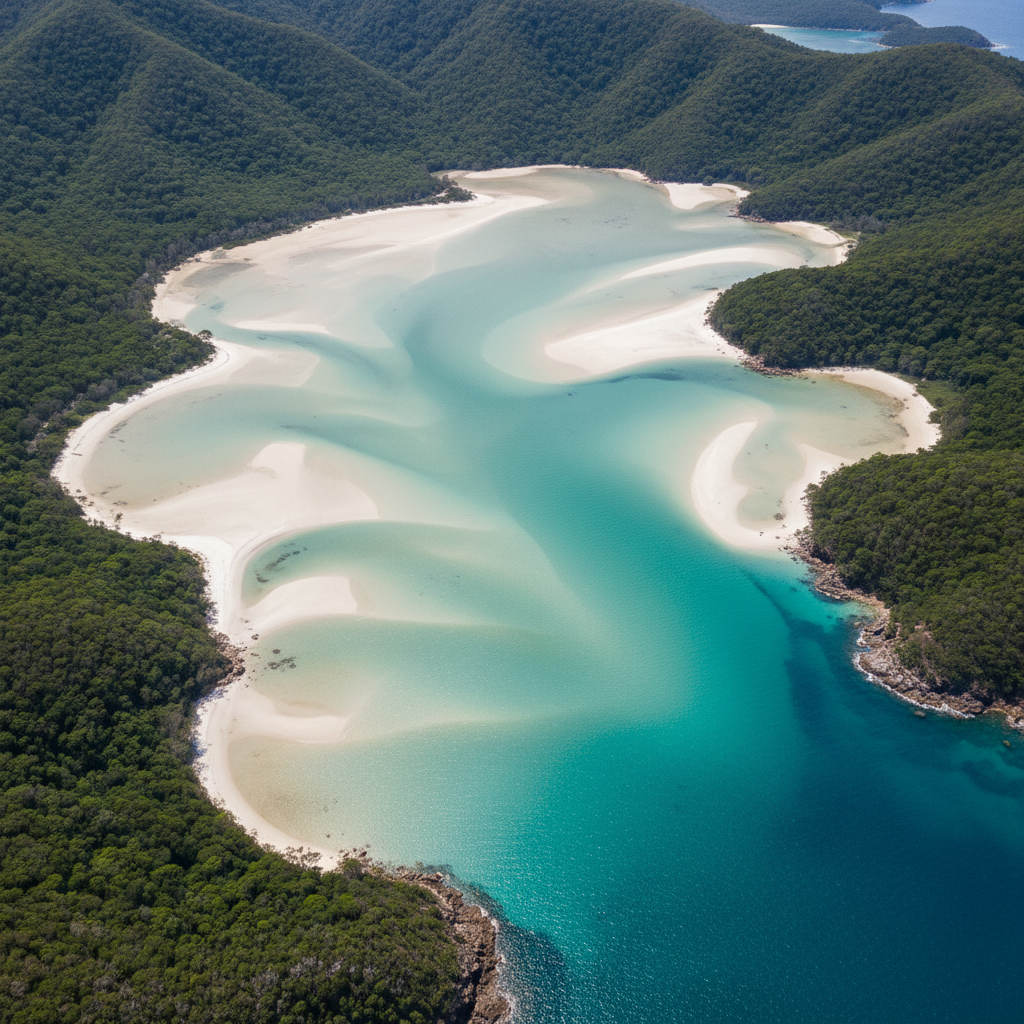
Hill Inlet Lookout stands as the undisputed champion of Whitsundays photography. Located on Whitsunday Island's northern end, this elevated viewpoint captures the swirling patterns where tidal movements create abstract art in sand and turquoise water. The lookout sits 180 metres above sea level, requiring a moderately challenging 20-minute bushwalk from the beach. The reward is a panoramic vista that changes dramatically with tidal movements every six hours.
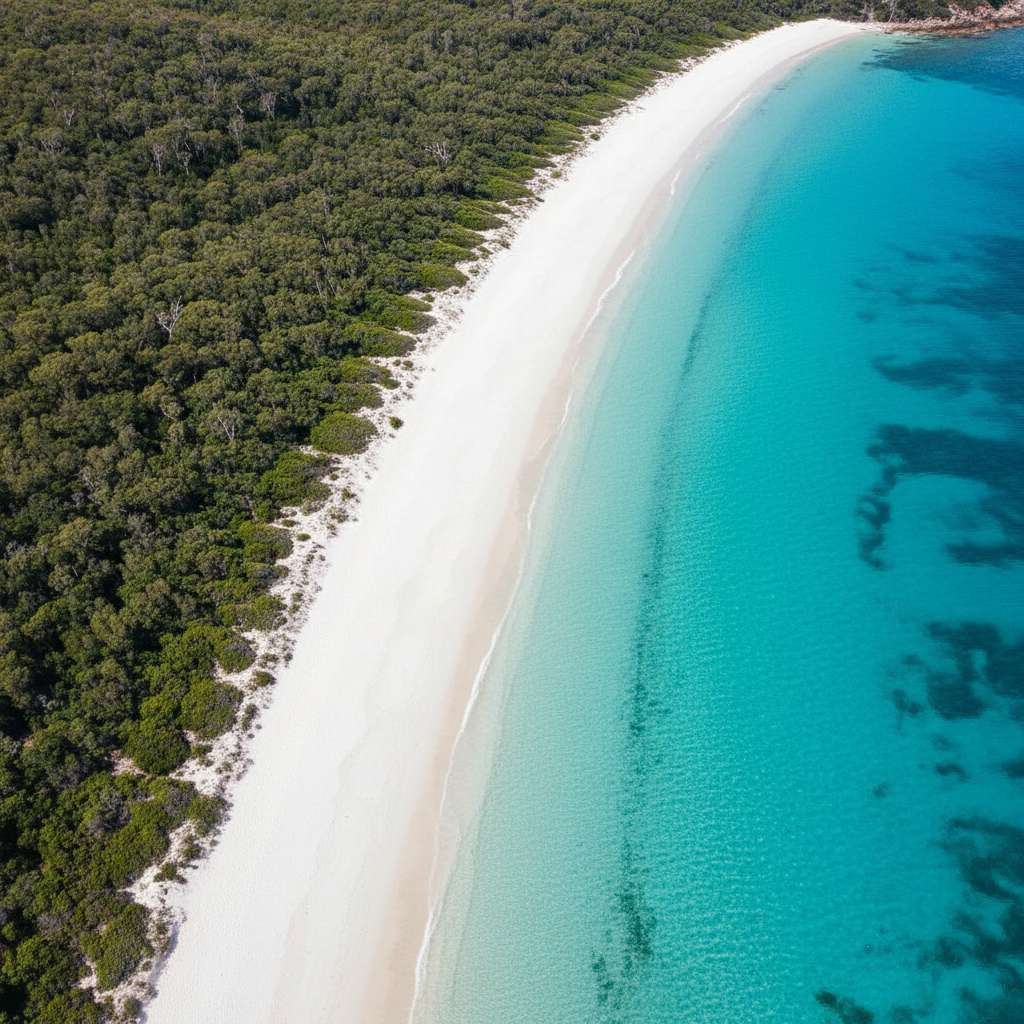
Whitehaven Beach itself provides endless photography opportunities along its 7-kilometre stretch of 98.9% pure silica sand. The beach's unique composition creates an almost blindingly white surface that contrasts beautifully with the azure waters. Early morning and late afternoon light enhance the natural colour gradients, while the beach's gentle curve provides leading lines for composition.
Heart Reef, located 80 kilometres northeast of Hamilton Island, requires aerial access but delivers one of Australia's most recognisable natural formations. This naturally occurring coral formation sits within Hardy Reef and measures approximately 17 metres across. Heart Reef scenic flights operate from both Hamilton Island and Airlie Beach, with helicopter tours starting from $450 per person and seaplane adventures from $350 per person.
Tongue Point on Whitsunday Island offers a lesser-known but equally stunning perspective. This rocky outcrop provides elevated views across the Whitsunday Passage, particularly beautiful during sunset when golden hour light bathes the surrounding islands. Access requires a short walk from Sawmill Beach, making it an excellent addition to full-day sailing itineraries.
When is the best time for Whitsundays photography?
April to September offers optimal photography conditions with clear skies, calm seas, and excellent visibility. Golden hour (6:30-7:30 AM and 5:00-6:00 PM) provides the most dramatic lighting for landscape and seascape photography.
The dry season from April to November delivers consistently clear conditions with minimal rainfall and reduced humidity. During these months, atmospheric haze is minimal, ensuring sharp distant shots of islands and reefs. Cloud cover is typically light and fluffy rather than the heavy storm clouds of the wet season, creating perfect natural diffusion for landscape photography.
Tide timing significantly impacts Hill Inlet photography. High tide (occurring roughly every 12.5 hours) creates the most dramatic swirling patterns as water flows between sand bars. Low tide reveals intricate sand formations and walking access to areas normally underwater. Consult tide charts when planning your visit – the best shots often occur 2-3 hours either side of high tide when water movement is most active.
Seasonal wildlife considerations add another dimension to timing. Whale season (June to September) offers opportunities to photograph migrating humpback whales, while turtle nesting season (November to February) provides underwater and beach photography opportunities. Stinger season (November to May) requires protective clothing for water photography but shouldn't deter serious photographers willing to work within these constraints.
Weather patterns during the wet season (December to March) can actually provide dramatic sky conditions for experienced photographers. Towering cumulus clouds and occasional storms create dynamic backdrops, though equipment protection becomes critical in tropical downpours.
What camera equipment works best in the Whitsundays?
Waterproof housings, polarising filters, and wide-angle lenses are essential for Whitsundays photography. Salt spray, humidity, and bright reflections from white sand require specific gear protection and optical enhancements for professional results.
A high-quality waterproof housing or underwater camera is non-negotiable for serious Whitsundays photography. The marine environment means salt spray reaches equipment even on deck, while underwater opportunities at snorkelling spots demand dedicated waterproof gear. Professional underwater housings from brands like Ikelite or Sea&Sea start around $800 AUD, while action cameras like GoPro Hero models ($400-700 AUD) offer excellent value for casual underwater shooting.
Polarising filters prove invaluable for cutting through surface reflections and enhancing underwater visibility from above. Circular polarisers ($50-200 AUD depending on filter size) dramatically improve water clarity in shots and reduce glare from white silica sand. The effect is most pronounced when shooting at 30-60 degrees to the sun's angle.
Wide-angle lenses capture the expansive beauty of beach panoramas and aerial perspectives. A 16-35mm equivalent lens covers most landscape scenarios, while ultra-wide options (10-24mm equivalent) excel for dramatic foreground-background compositions. Fisheye lenses create unique perspectives of curved beaches and can correct to rectilinear in post-processing.
Telephoto capabilities (200-400mm equivalent) become important for wildlife photography, particularly during whale season. Humpback whales maintain minimum approach distances of 100 metres, making long lenses essential for close-up shots. Image stabilisation is crucial on moving boats where even slight motion translates to camera shake at telephoto lengths.
Drone photography opens aerial perspectives previously limited to helicopter tours. Current regulations require registration with CASA (Civil Aviation Safety Authority) and specific permissions for commercial use. Popular tourist areas often have drone restrictions, so check with tour operators about designated flying zones. DJI Mini series drones offer excellent portability for travel while maintaining sufficient image quality for most applications.
How do you photograph Hill Inlet effectively?
Visit Hill Inlet 2-3 hours before or after high tide for maximum sand swirl patterns. Use a wide-angle lens, shoot in RAW format, and consider graduated neutral density filters to balance bright sand against darker water tones.
The Hill Inlet Lookout walk requires preparation beyond camera gear. The track involves steep sections with loose rocks, particularly near the summit viewing platform. Sturdy footwear with good grip is essential, as is adequate water (minimum 1 litre per person) for the return journey. The walk typically takes 40-50 minutes return, though photographers often spend 1-2 hours at the viewpoint capturing different light and tide conditions.
Composition at Hill Inlet benefits from understanding the tidal flow patterns. Water enters the inlet from both northern and southern channels, creating different swirl patterns depending on tide direction and wind conditions. The classic S-curve composition works best during incoming tides when water flows create natural leading lines through the sand banks.
Technical camera settings for Hill Inlet require balancing extreme dynamic range. The pure silica sand reflects intense light while deeper water channels appear much darker. Graduated neutral density filters help even this exposure difference, or bracket multiple exposures for HDR processing. Shoot in RAW format to maximise post-processing flexibility, as the scene often requires significant highlight and shadow adjustments.
Safety considerations include heat exhaustion risks during summer months and rapidly changing weather conditions. The lookout offers minimal shade, making early morning visits (departing by 7:00 AM) preferable during warmer periods. Afternoon light can be spectacular but requires heat protection and extra water supplies.
What underwater photography opportunities exist in the Whitsundays?
Fringing reefs around Hook Island, Hayman Island, and Border Island offer excellent underwater photography with diverse coral formations, tropical fish, and occasional turtle encounters requiring underwater strobes and macro lens capabilities.
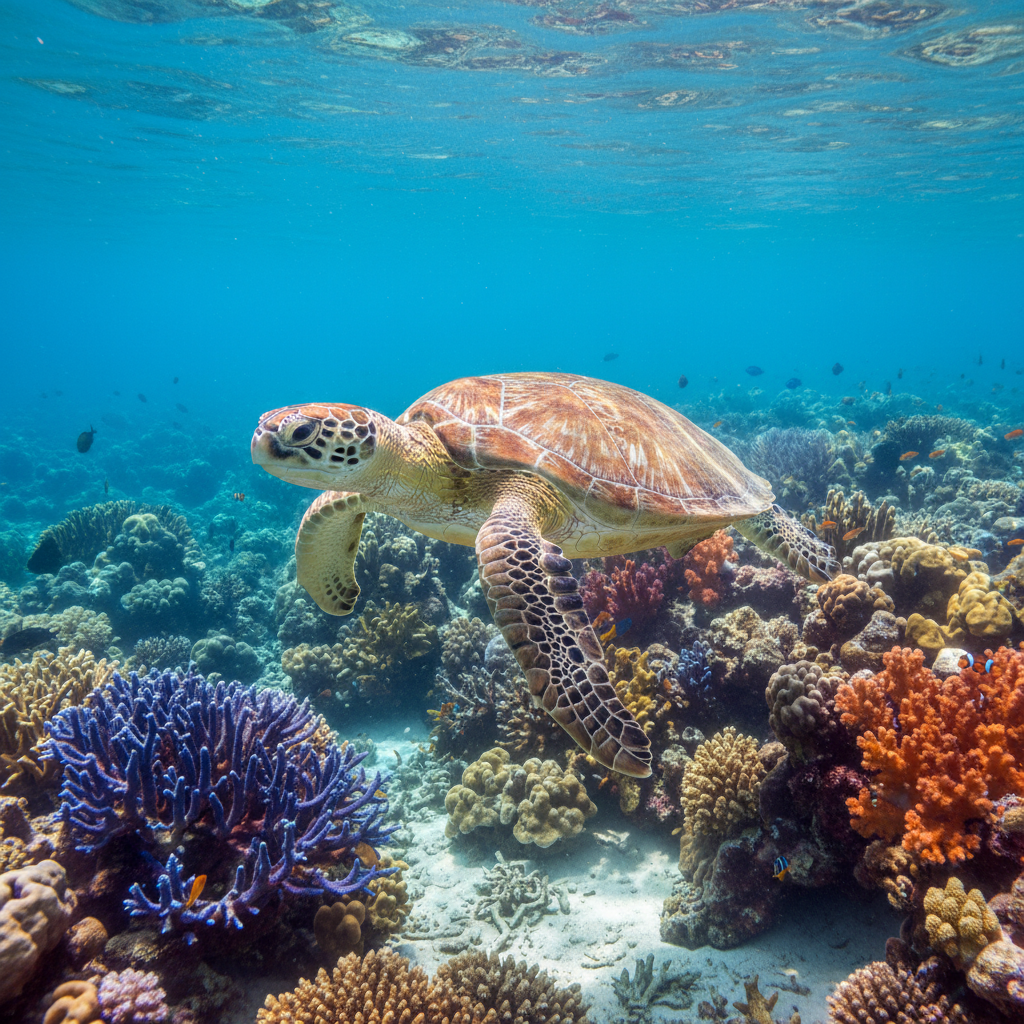
The Whitsundays' fringing reefs provide accessible underwater photography opportunities without requiring trips to the outer Great Barrier Reef. Hook Island's Maureen's Cove and Nara Inlet feature healthy coral gardens in relatively shallow water (3-8 metres), ideal for natural light photography and snorkelling-based shooting. Visibility typically ranges from 10-20 metres, improving significantly during calmer weather periods.
Blue Pearl Bay on Hayman Island offers consistently clear water and diverse marine life. The bay's protected location minimises current and wave action, creating stable conditions for macro photography of small reef fish and coral details. Depth ranges from 1-6 metres across the bay, allowing photographers to work comfortably at various skill levels.
Underwater lighting becomes crucial even in shallow tropical waters. Natural light penetration diminishes rapidly with depth, with red wavelengths disappearing first. External strobes or underwater LED panels restore natural colours, particularly important for coral photography. Many snorkelling tour operators provide underwater cameras for day use, though serious photographers should consider dedicated underwater housings for their existing equipment.
Macro photography opportunities abound for photographers interested in coral details, small fish behaviour, and unusual marine creatures. The Whitsundays' protected waters host cleaning stations where larger fish visit smaller cleaner fish, providing behavioural photography opportunities. Early morning dives often yield better wildlife activity as many marine creatures are more active during cooler periods.
Technical considerations for underwater photography include understanding colour temperature changes with depth and managing backscatter from suspended particles. Manual white balance settings or underwater filters help maintain colour accuracy, while careful buoyancy control prevents stirring bottom sediments that create backscatter in flash photography.
How do you capture aerial photography in the Whitsundays?
Helicopter and seaplane tours provide professional aerial access, while drone photography requires CASA registration and adherence to strict no-fly zones around airports and populated areas throughout the Whitsunday region.
Commercial helicopter tours operate from both Airlie Beach and Hamilton Island, offering dedicated photography flights with doors-off options for unobstructed shooting. GSL Helicopters and Hamilton Island Air provide specialised photography charters starting from $200 per person for shared flights or $1,200+ for private photography sessions. These tours typically last 20-60 minutes depending on destinations covered.
Seaplane photography offers unique low-altitude perspectives unavailable from helicopters. Air Whitsunday operates scenic flights from Airlie Beach with large windows providing excellent shooting angles. The aircraft's slower speeds and ability to fly lower over water create opportunities for detailed shots of beaches and reef formations. Photography-focused seaplane tours start around $350 per person for 30-minute flights.
Drone photography requires careful planning within strict regulations. Hamilton Island Airport creates a significant no-fly zone extending several kilometres, while populated areas including Airlie Beach have additional restrictions. Tourist operations often have designated drone-flying areas, but permissions must be obtained in advance. Professional commercial drone work requires Remote Pilot Licence certification through CASA.
Camera settings for aerial photography must account for aircraft vibration and varying light conditions. Fast shutter speeds (minimum 1/250 second) help eliminate motion blur, while lower ISO settings maintain image quality. Circular polarising filters remain valuable for reducing reflections from water surfaces, though be cautious with aircraft windows that may already be polarised.
Planning aerial shots requires understanding flight paths and timing. Most scenic flights follow established routes for safety and efficiency, but photography charters can often accommodate specific requests. Communicate desired shots with pilots beforehand, as they understand local conditions and optimal shooting angles for various locations.
What are the best smartphone photography tips for the Whitsundays?
Use HDR mode for high-contrast beach scenes, invest in waterproof cases, clean lenses frequently from salt spray, and utilise portrait mode for depth-of-field effects with boats and wildlife as subjects.
Modern smartphones excel in Whitsundays conditions thanks to computational photography advances. HDR (High Dynamic Range) mode automatically balances the extreme contrast between bright white sand and blue water that challenges even professional cameras. This feature is particularly effective at Hill Inlet where sand reflections can overexpose while water channels remain dark.
Waterproof protection is essential rather than optional for smartphone photography in the Whitsundays. Salt water and spray can damage devices even outside the water, while opportunities for underwater shots are too valuable to miss. Quality waterproof cases from brands like LifeProof ($80-150 AUD) provide full protection while maintaining touch screen functionality and camera clarity.
Lens cleaning becomes a constant requirement in marine environments. Salt spray leaves residue that degrades image sharpness, while humidity can fog internal camera elements. Carry microfibre cleaning cloths and lens cleaning solution, cleaning the camera lens before every important shot rather than hoping for clear results.
Portrait mode and similar depth-of-field effects create professional-looking results when photographing boats, wildlife, or people against Whitsundays backdrops. The artificial bokeh helps separate subjects from busy backgrounds of islands and water, creating more impactful compositions. This feature works particularly well for shots of sailing boats with island backgrounds.
Smartphone photography accessories enhance results significantly. Clip-on polarising filters ($30-50 AUD) reduce reflections and enhance water clarity, while external battery packs ensure power for full-day photography sessions. Waterproof floating straps prevent expensive losses during water-based activities.
How do weather conditions affect Whitsundays photography?
Trade winds create choppy water surfaces reducing reflection quality, while overcast conditions provide natural diffusion for even lighting. Storm approaches offer dramatic sky photography but require equipment protection from sudden weather changes.
Southeast trade winds dominate Whitsundays weather patterns from April to September, creating consistent 10-20 knot winds that affect water surface conditions. Choppy water reduces mirror-like reflections that enhance beach and sunset photography, though it can add dynamic texture to seascape images. Sheltered locations like Nara Inlet or Cid Harbour provide calmer water when trade winds are strong.
Cloud cover variations dramatically impact lighting conditions throughout the day. Scattered cumulus clouds create natural diffusion panels, softening harsh tropical sunlight and reducing extreme contrasts. Complete overcast conditions eliminate shadows entirely, creating even lighting ideal for detail photography of coral, boats, or beach scenes. However, overcast skies can appear dull in wide landscape shots.
Humidity levels affect equipment performance and photographer comfort. High humidity (80-90% during summer months) can fog camera lenses when moving between air-conditioned spaces and outdoor conditions. Allow equipment time to acclimatise before shooting, and consider silica gel packs for camera bags. Humidity also creates atmospheric haze that reduces distant island clarity in telephoto shots.
Storm development provides dramatic photography opportunities for experienced photographers willing to accept equipment risks. Towering cumulonimbus clouds create spectacular backdrops for island and seascape photography, while lightning over water offers unique opportunities during evening hours. However, sudden weather changes in tropical environments can threaten equipment and personal safety.
Sunrise and sunset timing varies seasonally, affecting golden hour photography opportunities. During winter months (June-August), sunrise occurs around 6:30 AM and sunset around 6:00 PM, providing comfortable shooting times. Summer months push sunrise earlier (5:30 AM) and sunset later (6:30 PM), requiring early starts for optimal lighting conditions.
What post-processing techniques work best for Whitsundays photos?
Enhance turquoise water colours through selective saturation adjustments, use graduated filters for sky-water balance, apply clarity adjustments to silica sand textures, and consider colour grading to emphasise the tropical aesthetic.
Colour enhancement techniques should emphasise rather than oversaturate the natural beauty of Whitsundays waters. Selective colour adjustments targeting cyan and blue channels can enhance water colours without affecting skin tones or sand colours. Luminosity masking allows precise control over water areas, brightening turquoise shallows while maintaining depth in darker blue channels.
Graduated neutral density filters in post-processing help balance exposure differences between bright skies and darker water or land areas. Digital graduated filters in Lightroom or Photoshop provide more control than physical filters, allowing custom shapes and multiple gradients within single images. This technique is particularly effective for sunset and sunrise shots where sky brightness overwhelms foreground details.
Texture and clarity adjustments enhance the unique properties of silica sand and water surfaces. Positive clarity adjustments (+20 to +40) bring out texture details in sand patterns and cloud formations, while negative clarity (-10 to -20) can smooth water surfaces for more serene appearances. Structure adjustments in Nik Collection or similar plugins provide alternative texture enhancement approaches.
Colour grading establishes consistent tropical aesthetic across image collections. Warm highlights and cooler shadows create depth while maintaining natural colour relationships. Orange/teal colour grading complements the natural blue-green water colours while warming sand and sky tones. However, avoid extreme colour grading that makes images appear artificial.
Perspective correction becomes important for aerial and elevated shots where wide-angle distortion affects horizon lines and island shapes. Lens correction tools in Lightroom automatically correct for many common lenses, while manual perspective adjustments fine-tune horizon alignment and vertical line convergence. This is particularly important for Whitehaven Beach panoramic shots where horizon straightness affects image impact.
Ready to capture the stunning beauty of the Whitsundays? Airlie to Whitehaven offers photography-focused tours and experiences that take you to all the iconic shooting locations mentioned in this guide. From Hill Inlet Lookout walks to Heart Reef scenic flights, our local operators understand what photographers need for those perfect shots. Book your Whitsundays photography adventure through our platform and turn your holiday into a portfolio of unforgettable images.