The Whitsundays experience two tide changes daily, creating dramatically different conditions at Whitehaven Beach, Hill Inlet, and snorkelling sites. Understanding these tidal patterns helps you choose the perfect tour timing, avoid disappointment, and maximise your experience in this World Heritage marine park. Here's everything you need to know about how tides affect your Whitsunday adventure.
How do tides work in the Whitsundays?
The Whitsundays experience semi-diurnal tides with two high and two low tides daily, ranging 1-4 metres. The gravitational pull of moon and sun creates predictable patterns that significantly impact beach access, snorkelling visibility, and tour operations throughout the region.
The Whitsunday Islands sit within the Great Barrier Reef Marine Park, where tidal movements are influenced by the continental shelf structure. Unlike ocean tides that can reach 10+ metres, the Whitsundays see moderate tidal ranges due to the protected nature of the Coral Sea waters.
Tidal cycles follow a roughly 12-hour 25-minute pattern, meaning high tide occurs approximately 50 minutes later each day. This creates a spring-neap tide cycle over 14 days, where spring tides (larger ranges) occur during new and full moons, while neap tides (smaller ranges) happen during quarter moons.
Water temperature remains consistent year-round (22-29°C), but tidal movements affect water clarity, current strength, and accessibility to key attractions. Tour operators use detailed tide charts to optimise departure times and ensure the best possible experience at each destination.
What's the best tide for visiting Whitehaven Beach?
Mid to high tide provides optimal conditions at Whitehaven Beach, offering deeper water for boat anchoring, easier beach access, and the famous silica sand extending further underwater for that perfect pristine white appearance against turquoise waters.
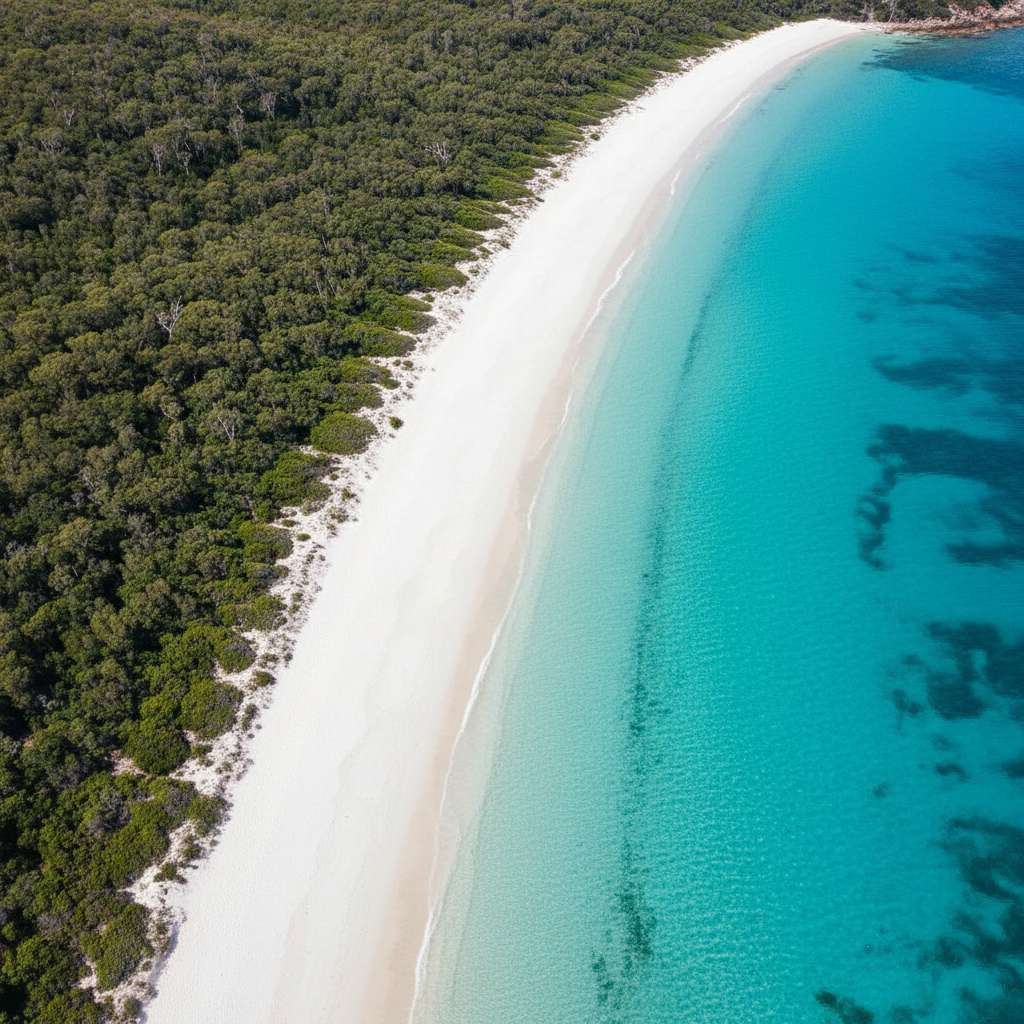
During high tide, boats can anchor closer to shore (within 50-100 metres), making transfers quicker and easier for all passengers. The famous 7km stretch of Whitehaven Beach looks most spectacular when water levels are higher, as the pure silica sand creates that iconic contrast photographers love.
Low tide reveals more beach area but creates challenges for boat access. Many operators need to anchor 200-400 metres offshore during low tide, requiring longer tender rides that can be bumpy in windy conditions. However, low tide does expose interesting rock formations and tidal pools at the beach's northern and southern ends.
Spring tides (larger tidal ranges) during full and new moons can create stronger currents around Whitehaven Beach. While this doesn't affect beach activities significantly, it can impact boat positioning and transfer operations. Most reputable operators adjust their schedules accordingly.
For photography enthusiasts, the two hours either side of high tide provide the best lighting and water contrast. The silica sand remains cool underfoot regardless of tide, maintaining its famous temperature-regulating properties throughout the tidal cycle.
How do tides affect Hill Inlet lookout visits?
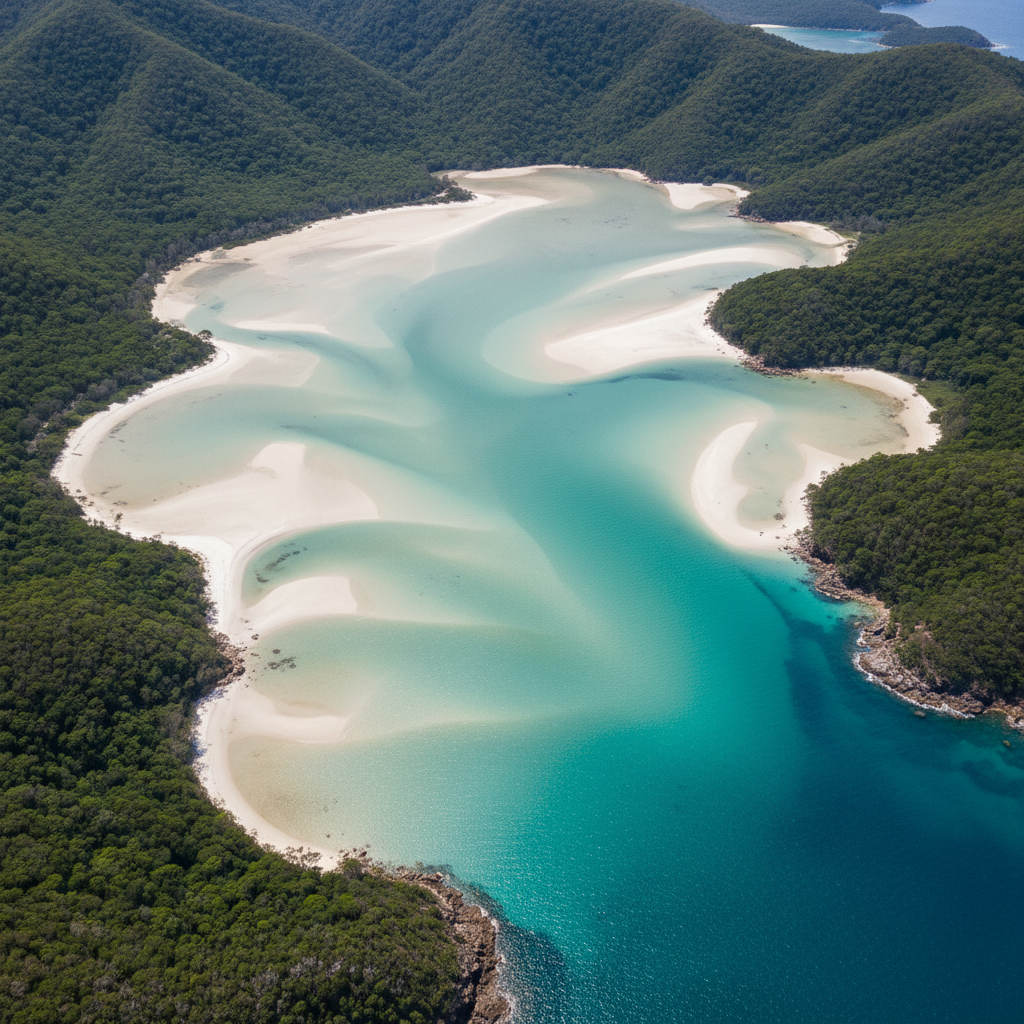
Hill Inlet's swirling sand patterns appear most dramatic during the two hours either side of high tide when water flows create maximum contrast. Low tide reduces the iconic swirls as less water moves through the inlet's shallow channels.
The Hill Inlet lookout sits 240 metres above sea level, offering panoramic views of the inlet's famous shifting sands. These sand patterns change constantly with tidal movements, but the most photographed swirls occur when sufficient water volume creates the characteristic marble-cake effect.
During spring tides, Hill Inlet's patterns become more pronounced as greater water volume rushes through the shallow inlet. The contrast between white silica sand and varying shades of blue water reaches peak intensity during these periods.
Neap tides create subtler patterns but can reveal more intricate detail in the sand formations. Many photographers prefer neap tide conditions for capturing the delicate gradations in colour and texture that define Hill Inlet's unique beauty.
The 20-minute uphill walk to the lookout remains accessible regardless of tide, but timing your arrival for optimal tidal conditions significantly impacts your experience. Most day tours schedule Hill Inlet visits during favourable tidal windows, typically mid-morning or mid-afternoon.
Weather conditions combined with tides create the best photographic opportunities. Clear skies during high tide periods produce the most vibrant colour contrasts, while overcast conditions can create moody, artistic shots during any tidal stage.
Why do tides matter for snorkelling in the Whitsundays?
Tides significantly impact snorkelling conditions by affecting water clarity, current strength, and coral accessibility. High tide generally provides better visibility and easier access to coral formations, while strong tidal flows can create challenging conditions for inexperienced snorkellers.
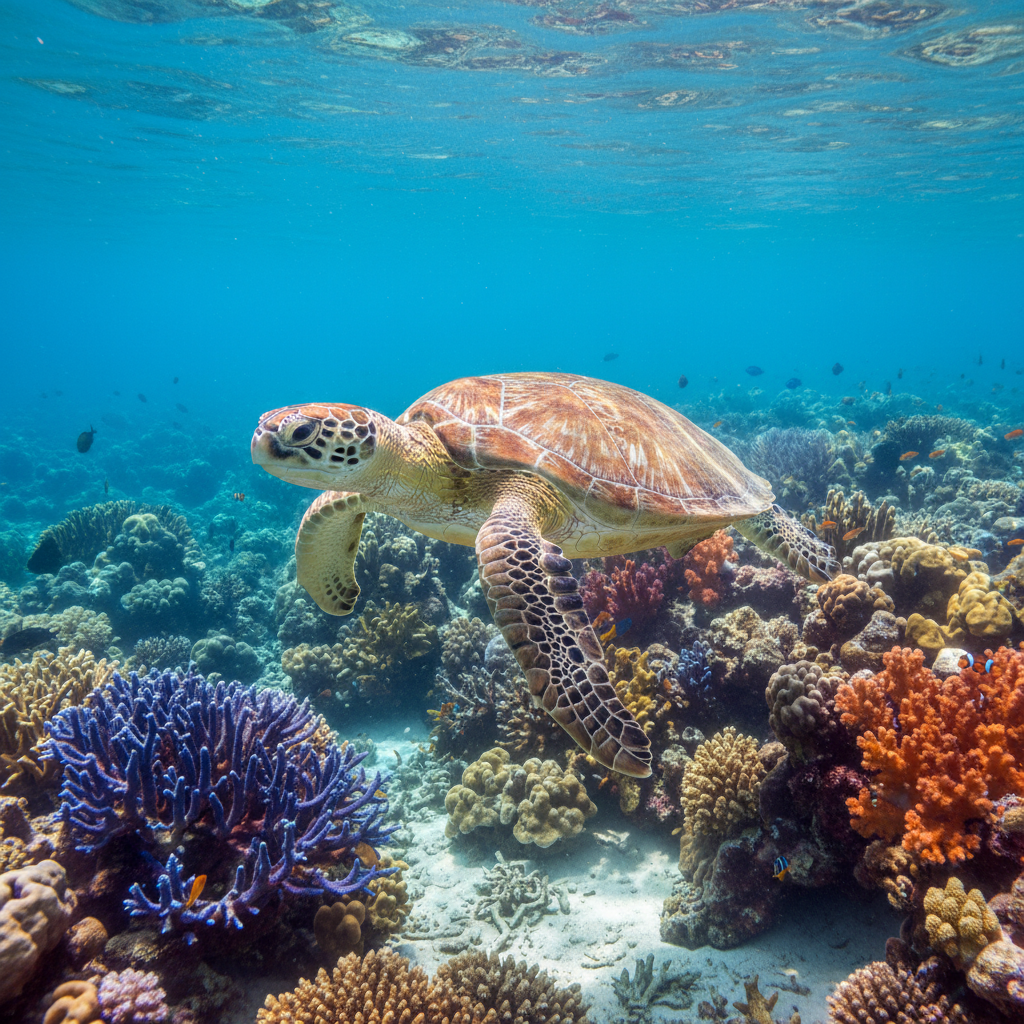
The Whitsunday snorkelling sites experience varying conditions throughout the tidal cycle. During slack tide (the brief period between high and low tide), water movement is minimal, creating ideal conditions for snorkelling with excellent visibility often exceeding 20 metres.
Strong tidal currents during mid-tide periods can reduce visibility to 5-10 metres as sediment gets stirred up. However, these currents also bring nutrients that attract marine life, so you might see more fish activity during these times.
Popular snorkelling locations like Hook Island, Tongue Bay, and Maureen's Cove each respond differently to tidal changes. Hook Island's western side provides more protection during incoming tides, while its eastern aspects offer better conditions during outgoing tides.
Coral damage risk increases during very low tides when formations sit closer to the surface. Experienced guides monitor tide charts carefully to ensure snorkellers maintain safe distances from coral, protecting both visitors and the delicate reef ecosystem.
Water temperature remains stable regardless of tide, but tidal movements affect thermoclines (temperature layers) that can influence fish behaviour and coral polyp activity. Many marine species are more active during specific tidal phases, enhancing wildlife spotting opportunities.
When are the best tides throughout the year?
Spring tides during dry season (April-September) offer optimal conditions with larger tidal ranges coinciding with clearer weather. These periods provide maximum contrast at Hill Inlet and reliable conditions for all activities, despite stronger currents requiring experienced guidance.
The dry season coincides with southeast trade winds, which work with or against tidal flows depending on location. April through June sees the most consistent weather patterns with moderate tidal ranges, making this period ideal for first-time visitors.
July through September brings larger spring tides during whale migration season. While tidal ranges increase, weather remains stable with average temperatures of 20-25°C and minimal rainfall (less than 50mm monthly). This combination creates excellent conditions despite stronger currents.
October through December marks the shoulder season with increasing humidity and occasional storms. Tidal patterns remain predictable, but weather variability can impact tour operations. Spring tides during this period still provide spectacular Hill Inlet patterns when weather permits.
Summer wet season (January-March) sees intense rainfall (150-300mm monthly) that can affect water clarity regardless of tidal conditions. However, neap tides during clear weather windows still provide excellent experiences with calmer water conditions.
School holiday periods (April, July, September-October, December-January) see increased tour demand regardless of tidal conditions. Booking during optimal tidal windows requires advance planning, particularly during these peak periods when prices increase 20-30%.
How do tour operators plan around tide times?
Professional tour operators consult detailed tide charts months in advance, scheduling departures to coincide with optimal tidal windows at key destinations. This planning ensures visitors experience Hill Inlet's best patterns and suitable snorkelling conditions while maintaining safe boat operations.
Most day tours depart Abel Point Marina or Shute Harbour between 8:00-9:00 AM, timing arrivals at Whitehaven Beach for mid-morning high tide periods. This schedule maximises beach access while allowing afternoon visits to snorkelling sites during favorable tidal conditions.
Sailing tours offer more flexibility, adjusting itineraries based on daily tidal predictions. Multi-day charters can wait for optimal conditions at each location, while day tours must work within fixed departure and return times.
Helicopter and seaplane tours operate independently of tides for transportation but coordinate beach landing times with tidal conditions. These operators often provide real-time updates on Hill Inlet patterns, adjusting flight paths for optimal viewing during specific tidal phases.
Safety protocols require operators to maintain minimum water depths for boat anchoring and tender operations. During extremely low tides, some operators may substitute alternative locations or adjust timing to ensure passenger safety and comfort.
Experienced operators build buffer time into schedules, accommodating tidal delays while maintaining published return times. This flexibility distinguishes professional operations from budget providers who may rush schedules regardless of conditions.
What should you pack for different tidal conditions?
Pack reef-safe sunscreen, non-slip water shoes, and quick-dry clothing for all tidal conditions. During spring tides with stronger currents, bring additional grip accessories for boat transfers and consider motion sickness prevention if you're sensitive to water movement.
High tide conditions require standard beach gear: swimwear, towels, sun protection (SPF50+ sunscreen, hat, UV shirt), and waterproof camera housing. Water shoes with good grip help during tender boat transfers when water movement is more pronounced.
Low tide excursions benefit from exploring shoes suitable for exposed reef areas, though always maintain safe distances from marine life. Pack a dry bag for electronics as boat transfers may involve longer rides through potentially choppy conditions.
Spring tide periods with stronger currents require secure storage for loose items during boat transfers. Lanyards for cameras, secure pockets for phones, and tight-fitting hats prevent losses during windier conditions common with increased tidal flow.
Snorkelling during optimal tidal windows needs standard equipment (mask, snorkel, fins) plus anti-fog solution and prescription mask inserts if required. Most operators provide equipment, but bringing personal gear ensures proper fit and comfort.
Weather protection remains essential regardless of tidal conditions. Pack a light rain jacket during wet season, and always bring extra water and snacks for longer tours that may extend due to tidal timing considerations.
How much do tours cost during different tidal periods?
Tour prices remain consistent regardless of tidal conditions, ranging $150-450 for day tours. However, premium operators charging higher rates often provide better tidal timing coordination, while budget tours may operate during suboptimal conditions to maintain lower prices.
Day sail tours ($180-280) typically offer the best value with flexible itineraries adapting to tidal conditions. These operators can adjust timing and destinations to maximise experiences without additional costs, unlike rigid motorboat schedules.
Premium catamaran tours ($300-450) justify higher prices through expert tidal planning, optimal departure times, and backup destination options when conditions aren't ideal. These tours often provide the most consistent experiences regardless of tidal variables.
Helicopter tours ($350-650 per person) and seaplane experiences ($400-800) maintain consistent pricing but offer different value during optimal tidal conditions when Hill Inlet patterns are most dramatic. Booking during spring tide periods maximises aerial photography opportunities.
Multi-day sailing charters ($600-1500 per person per day) provide the ultimate flexibility to wait for perfect tidal conditions at each destination. While more expensive upfront, this option guarantees optimal experiences at all locations.
Budget tours under $150 often compromise on tidal timing to maintain schedules and profits. While still providing access to destinations, the experience quality may vary significantly depending on when you book relative to tidal cycles.
Which tours work best during spring vs neap tides?
Spring tides suit experienced visitors seeking dramatic Hill Inlet patterns and don't mind stronger currents. Neap tides better suit families, inexperienced snorkellers, and photographers wanting calmer conditions with subtle but intricate sand pattern details at Hill Inlet.
Photography tours perform exceptionally during spring tides when Hill Inlet's patterns reach maximum contrast. The higher water volumes create more pronounced swirls, while stronger currents at snorkelling sites can reduce underwater visibility but increase marine life activity.
Family tours with young children benefit from neap tide conditions offering gentler water movement and calmer snorkelling sites. While Hill Inlet patterns may be less dramatic, the overall experience becomes more comfortable and manageable for inexperienced ocean visitors.
Adventure sailing tours embrace spring tide conditions, using stronger currents and winds for more exciting sailing experiences. These tours appeal to visitors seeking authentic sailing rather than motor-assisted cruising common during calmer neap tide periods.
Luxury resort transfers and helicopter tours showcase spring tide conditions best, when aerial views of Hill Inlet create the most Instagram-worthy content. However, neap tides provide better conditions for beach landings and extended ground time at destinations.
Educational eco-tours work well during neap tides when calmer conditions allow for detailed marine life observation and snorkelling instruction. The reduced water movement makes it easier to spot smaller creatures and examine coral formations safely.
Ready to experience the Whitsundays at the perfect tidal moment? Airlie to Whitehaven connects you with expert operators who understand tidal timing and plan your adventure accordingly. Our carefully selected tour partners monitor tidal conditions daily, ensuring your visit to Whitehaven Beach and Hill Inlet coincides with optimal viewing conditions. Book your tidal-timed Whitsunday experience today and discover why proper planning makes all the difference in this pristine marine paradise.