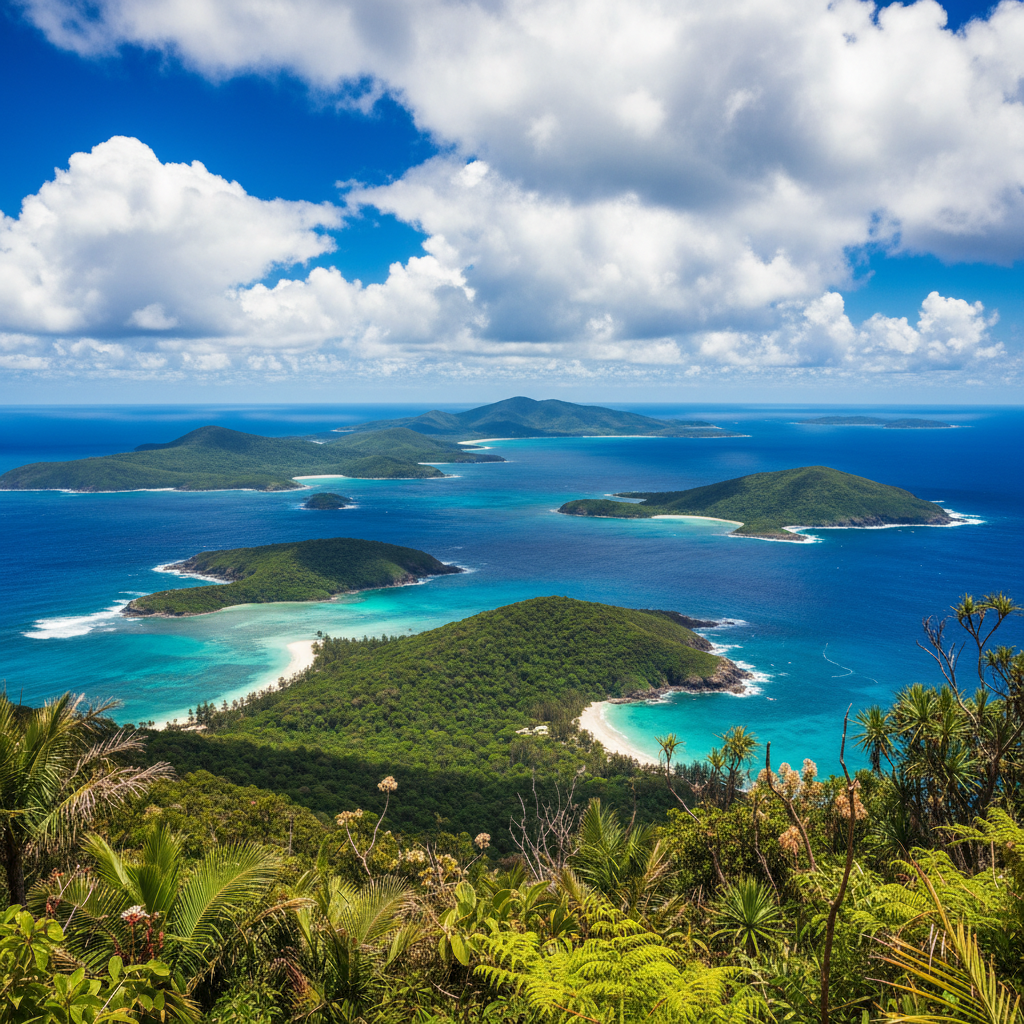
The Whitsundays archipelago spans 74 tropical islands across pristine turquoise waters, making it impossible to experience everything in a single visit. Multi-island cruises offer the perfect solution, combining several destinations into one unforgettable day trip. These guided tours typically visit 2-4 islands, allowing you to snorkel coral reefs, explore secluded beaches, and witness iconic locations like Whitehaven Beach and Hill Inlet Lookout without the hassle of planning separate excursions.
What islands are typically included in multi-island cruise packages?
Most multi-island cruises visit Whitehaven Beach on Whitsunday Island, Hill Inlet Lookout, plus 1-2 additional islands like Hamilton Island, Daydream Island, or Long Island for snorkeling and beach activities. Tours typically cover 40-60 nautical miles during 7-8 hour itineraries.
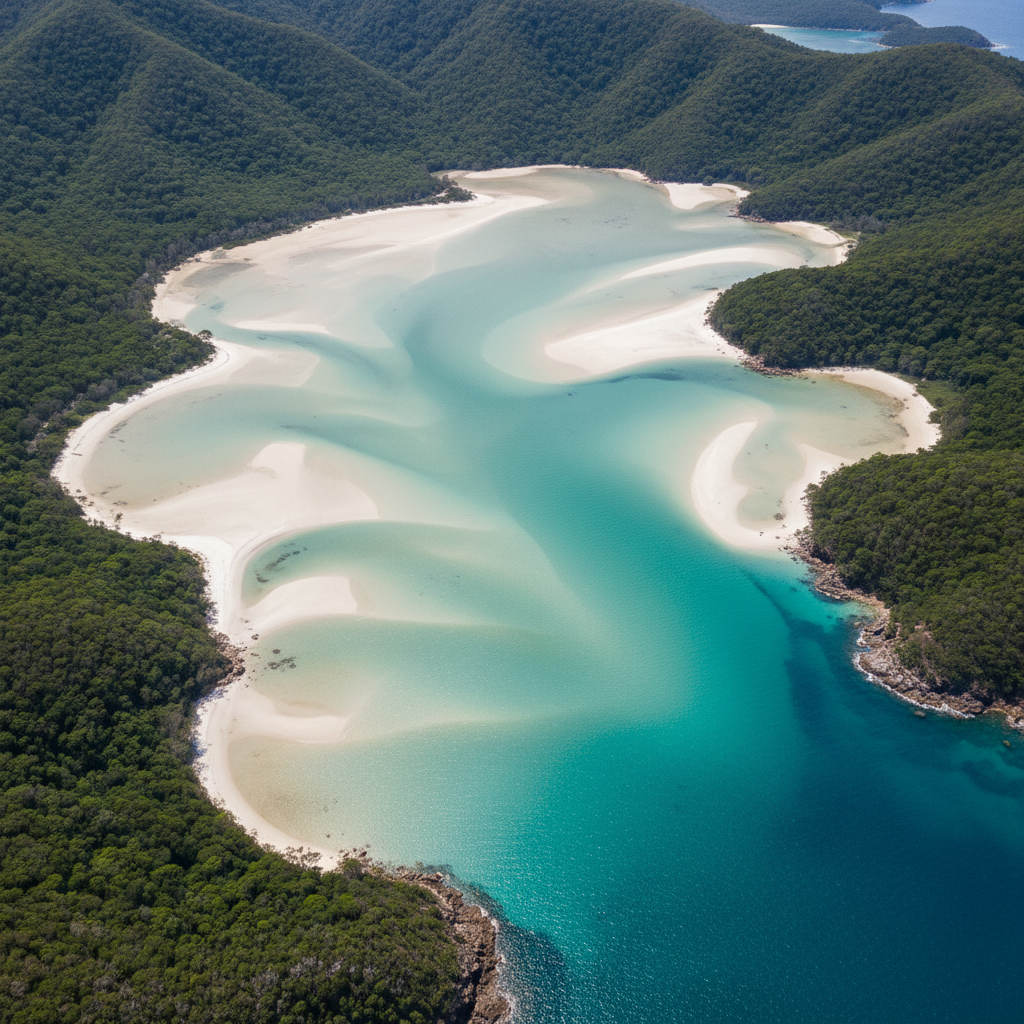
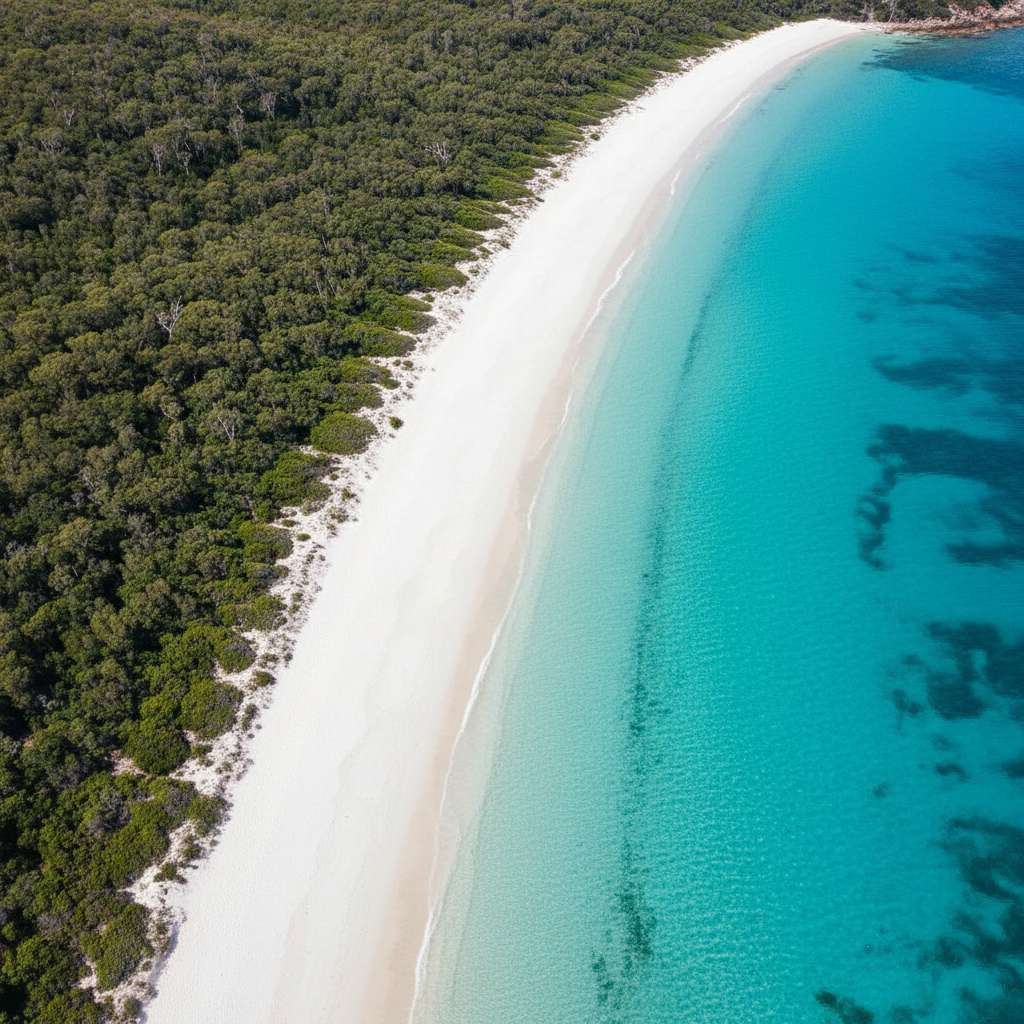
The classic combination includes Whitsunday Island as the centerpiece, featuring the world-famous Whitehaven Beach with its 98.9% pure silica sand stretching 7 kilometers along the eastern shore. The Hill Inlet Lookout provides spectacular aerial-style views where Whitehaven Beach curves into a stunning swirl of white sand and blue water during changing tides.
Hamilton Island frequently appears on itineraries as a civilized contrast to the wilderness islands. This resort island offers facilities including cafes, shops, and marina infrastructure. The island spans 5 square kilometers with a permanent population of 1,200 residents and attracts 750,000 annual visitors.
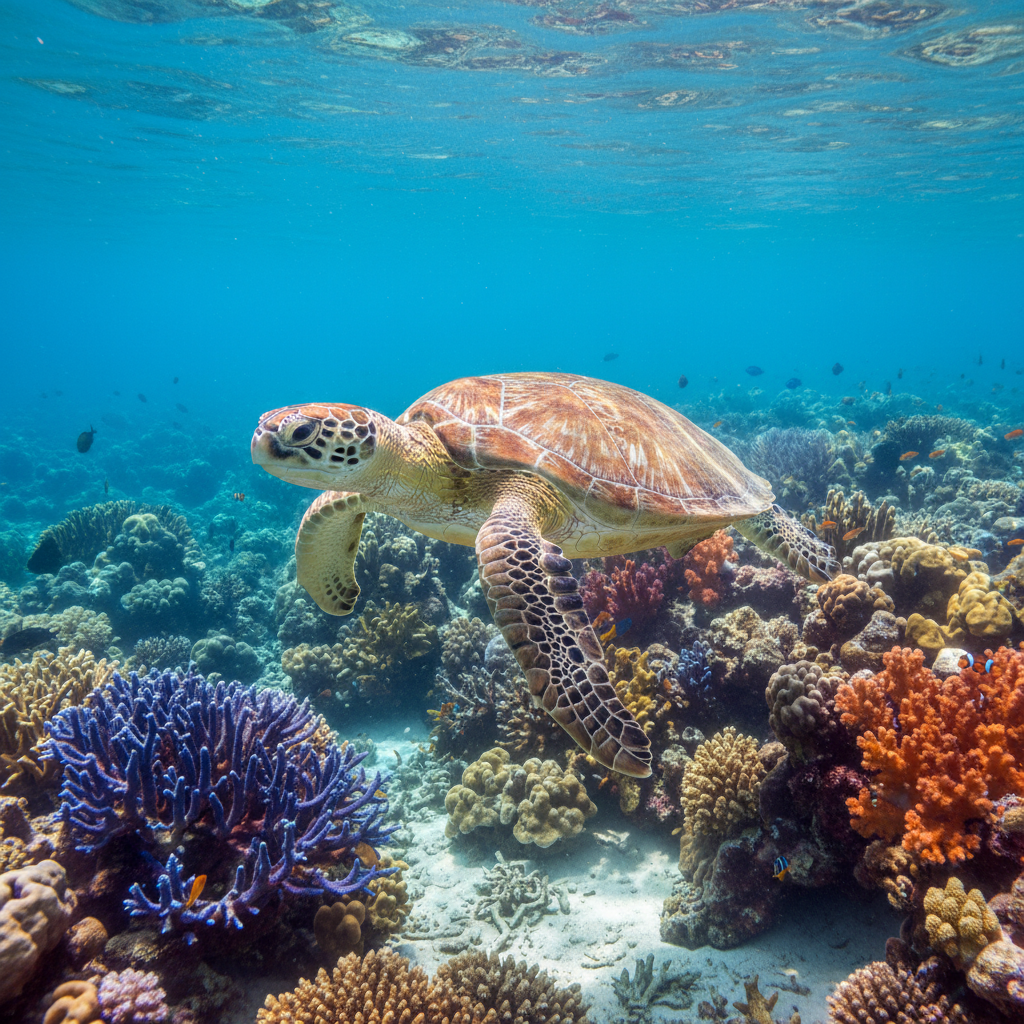
Daydream Island provides excellent snorkeling opportunities around its fringing coral reefs. The island measures just 1 kilometer long and 400 meters wide, making it easily explorable during short stops. Living coral gardens house tropical fish species including parrotfish, angelfish, and occasional reef sharks.
Long Island offers 20 kilometers of walking trails through native bushland and secluded beaches like Sandy Bay and Happy Bay. The island's western shore provides protected waters ideal for swimming and snorkeling, particularly around coral bommies near Paradise Bay.
How much do multi-island cruise tours typically cost?
Multi-island cruise prices range from AUD $89-179 for half-day tours to AUD $189-349 for full-day experiences. Premium tours with smaller groups, gourmet meals, and exclusive locations can cost AUD $400-600 per person including all activities.
Budget-friendly options around AUD $89-129 typically include basic lunch, snorkel gear, and visits to 2-3 locations. These tours often use larger vessels accommodating 80-150 passengers, departing from Abel Point Marina or Shute Harbour.
Mid-range tours priced AUD $189-259 usually feature smaller groups (30-60 people), buffet lunch with fresh local seafood, premium snorkel equipment, and guided beach walks. Many include complimentary stinger suits during November-May stinger season.
Premium experiences costing AUD $349-449 often limit group sizes to 12-35 passengers, provide gourmet meals prepared onboard by qualified chefs, offer semi-submersible coral viewing, and include guided bushwalks with marine biology commentary.
Ultra-luxury options reaching AUD $600-800 typically feature exclusive use of high-speed catamarans, private beach access, premium beverages, professional photography services, and personalized itineraries avoiding crowded tourist areas.
What's the typical duration and schedule for these cruise tours?
Full-day multi-island cruises typically run 7-8 hours departing 8:30-9:00 AM and returning 4:00-5:00 PM. Half-day options last 4-5 hours with morning departures 8:30 AM or afternoon departures 1:00 PM covering 2-3 destinations.
A typical full-day schedule begins with 8:30 AM departure from Abel Point Marina, reaching the first island destination around 10:00 AM after a 1.5-hour cruise through the Whitsunday Passage. First stops usually involve 60-90 minutes at snorkeling locations around fringing reefs.
The midday portion focuses on Whitehaven Beach, allowing 2-3 hours for swimming, beach walks, and lunch. Many tours include the Hill Inlet Lookout hike (20-minute return walk) during optimal tide conditions when sand formations create the most dramatic patterns.
Afternoon activities typically feature additional island stops for snorkeling or beach time, depending on weather conditions and passenger preferences. Return journeys often include afternoon tea service and wildlife spotting opportunities for dolphins, sea turtles, and seasonal humpback whales (June-September).
Half-day morning tours generally prioritize snorkeling activities when visibility is optimal, visiting 2 locations before returning by 1:30 PM. Afternoon half-day options focus on Whitehaven Beach and Hill Inlet Lookout when lighting conditions favor photography.
What activities and inclusions can I expect on multi-island cruises?
Standard inclusions feature snorkel equipment, lunch, soft drinks, and guided commentary. Activities include snorkeling coral reefs, swimming at secluded beaches, bushwalking to lookouts, and wildlife spotting. Some tours add semi-submersible reef viewing and professional photography services.
Snorkeling equipment typically includes masks, snorkels, fins, and flotation devices suitable for all swimming abilities. Tours provide stinger suits during November-May when potentially dangerous jellyfish are present in Whitsunday waters. Professional guides offer basic snorkeling instruction for beginners.
Meal inclusions vary significantly between operators. Budget tours often provide basic lunch boxes or simple buffets. Premium tours feature fresh local seafood, tropical fruits, and gourmet items prepared by onboard chefs. Most tours include unlimited soft drinks, tea, and coffee.
Guided activities enhance the educational value through marine biology commentary, Aboriginal cultural history, and environmental conservation information. Guides identify fish species during snorkeling stops and explain the geological formation of the islands over millions of years.
Optional extras frequently include underwater cameras (AUD $30-50 rental), alcoholic beverages (AUD $5-8 per drink), and helicopter scenic flights (AUD $99-159 for 10-15 minute flights) available at Hamilton Island.
Weather contingencies ensure tours operate safely during changing conditions. Alternative snorkeling sites provide protection during strong winds, while covered deck areas offer comfort during brief tropical showers common in the wet season (December-March).
Which departure points offer the best multi-island cruise options?
Abel Point Marina and Shute Harbour are the primary departure points, located 5-7 kilometers from Airlie Beach town center. Abel Point offers convenient parking and facilities, while Shute Harbour provides easier access to outer islands.
Abel Point Marina hosts the majority of tour operators due to its modern facilities and protected anchorage. The marina features 500 berths, ample parking (AUD $10-15 per day), restaurants, and shops. Shuttle buses connect Abel Point to Airlie Beach accommodation for AUD $5 per person.
Shute Harbour serves as the main ferry terminal for Hamilton Island and provides direct access to the Whitsunday Passage. Free parking is available, though spaces fill quickly during peak season (June-September). The location offers shorter travel times to outer islands, reducing seasickness risk for sensitive passengers.
Hamilton Island Marina caters to guests staying on the resort island, offering direct access to multi-island tours without mainland transfers. Tours departing from Hamilton Island often feature smaller groups and premium vessels but typically cost 20-30% more than mainland departures.
Abell Point Marina provides helicopter tour connections, allowing combination packages featuring scenic flights followed by island cruises. These hybrid experiences typically cost AUD $400-600 per person but offer unparalleled aerial photography opportunities.
What should I bring and how should I prepare for a multi-island cruise?
Essential items include reef-safe sunscreen (SPF 50+), hat, sunglasses, swimwear, towel, and waterproof bag for electronics. Comfortable walking shoes are necessary for Hill Inlet Lookout hikes, while reef shoes protect feet during beach entries.
Sun protection is absolutely critical in the tropical Queensland climate. UV radiation reaches extreme levels year-round, making SPF 50+ sunscreen, wide-brimmed hats, and UV-protective clothing essential. Reef-safe sunscreen protects coral ecosystems from harmful chemical damage.
Clothing recommendations include quick-dry swimwear, lightweight long-sleeved shirts for sun protection, and comfortable walking shoes with good grip for lookout hikes. Many passengers find that bringing a spare set of dry clothes improves comfort during return journeys.
Photography equipment should be protected in waterproof cases or dry bags. Action cameras like GoPros excel in marine environments, while underwater disposable cameras provide budget-friendly alternatives. Many tours offer professional photography services for AUD $20-40.
Personal items to consider include motion sickness tablets (take 1 hour before departure), reusable water bottles (many tours offer refill stations), and small snacks for dietary restrictions or energy boosts between meals.
Weather preparation involves checking forecasts and bringing light rain jackets during wet season months (December-March). However, brief tropical showers often provide welcome relief from intense heat and rarely disrupt tour activities.
When is the best time of year for multi-island cruising?
April to November offers optimal conditions with dry weather, calm seas, and comfortable temperatures 22-28°C. June to September adds humpback whale watching opportunities, while stinger season (November-May) requires protective suits but offers fewer crowds.
Dry season (April-November) provides the most reliable weather conditions with minimal rainfall, trade wind patterns creating comfortable 15-20 knot breezes, and excellent underwater visibility often exceeding 20 meters. Air temperatures range 22-28°C with water temperatures 23-26°C.
Whale season (June-September) coincides with humpback whale migration routes through the Whitsunday waters. During this period, tours frequently encounter pods of whales, particularly around the deeper channels between islands. Adult humpbacks reach 16 meters in length and display spectacular breaching behaviors.
Wet season (December-March) brings higher temperatures (25-32°C), increased humidity, and afternoon thunderstorms. However, this period offers advantages including fewer crowds, lush green island vegetation, and often dramatic cloud formations creating spectacular photography opportunities.
Stinger season (November-May) requires wearing protective stinger suits provided by tour operators. Irukandji and box jellyfish pose serious risks during this period, making suited swimming mandatory. Despite this precaution, water activities remain fully enjoyable with proper protection.
Shoulder seasons (April-May, September-November) often provide the best balance of favorable weather, moderate crowd levels, and reasonable accommodation prices. These periods feature stable weather patterns and optimal conditions for both snorkeling and photography.
How do multi-island cruises compare to single-destination island hopping?
Multi-island cruises offer convenience and value by combining multiple destinations in one tour, while dedicated island hopping allows deeper exploration of individual locations with more flexible timing and personalized experiences at each destination.
Time efficiency represents the primary advantage of multi-island cruises. These tours maximize sightseeing opportunities within limited vacation time, covering 40-60 nautical miles and 3-4 destinations in a single day. Independent island hopping requires separate bookings and potentially multiple days to cover equivalent ground.
Cost considerations often favor multi-island cruises for budget-conscious travelers. Combined packages typically cost 20-30% less than booking equivalent individual tours. However, luxury independent tours can provide more personalized experiences justifying higher costs for discerning travelers.
Group dynamics differ significantly between options. Multi-island cruises accommodate larger groups (30-150 passengers) creating social atmospheres but less personalized attention. Independent island hopping allows smaller group selection and customizable itineraries matching specific interests.
Flexibility factors favor independent travel for spontaneous travelers. Weather conditions, crowd levels, or personal preferences can dictate itinerary changes more easily with separate bookings. Multi-island cruises follow fixed schedules regardless of individual preferences.
Educational value often increases with guided multi-island cruises featuring professional commentary about marine ecosystems, Aboriginal history, and conservation efforts. Independent travel requires self-directed learning unless private guides are specifically arranged.
What makes the Whitsundays perfect for multi-island cruise experiences?
The Whitsundays' 74 islands clustered within 35 square kilometers create ideal conditions for multi-island cruising. Short distances between destinations, protected waters, diverse ecosystems, and consistent trade winds provide safe, comfortable, and spectacular cruise experiences year-round.
Geographic advantages include the islands' positioning within the Great Barrier Reef Marine Park, providing protection from ocean swells and creating calm cruising conditions. The Whitsunday Passage serves as a natural highway between islands, with most destinations accessible within 30-60 minutes sailing time.
Biodiversity richness spans multiple ecosystems within short distances. Fringing coral reefs around each island support different fish communities, while varying island sizes and elevations create diverse terrestrial habitats. This concentration allows comprehensive ecosystem exploration during single-day tours.
Historical significance adds cultural depth to cruise experiences. The islands hold 9,000 years of Aboriginal history from the Ngaro people, plus European maritime heritage dating to Captain Cook's 1770 voyage. Many tours incorporate cultural interpretation enhancing the educational value.
Infrastructure development balances accessibility with environmental protection. Modern marina facilities, well-maintained hiking trails, and established snorkeling sites ensure safety and comfort while maintaining the pristine natural environment that attracts visitors worldwide.
Weather reliability in this tropical location provides year-round touring opportunities. Even during wet season months, morning conditions typically allow full tour completion before afternoon thunderstorms develop.
Ready to explore multiple Whitsunday islands in one unforgettable day? Browse our comprehensive selection of multi-island cruise options and day trip packages through Airlie to Whitehaven. Our platform connects you with the region's most trusted operators, ensuring you experience the best the Whitsundays has to offer while supporting local businesses that know these waters intimately.