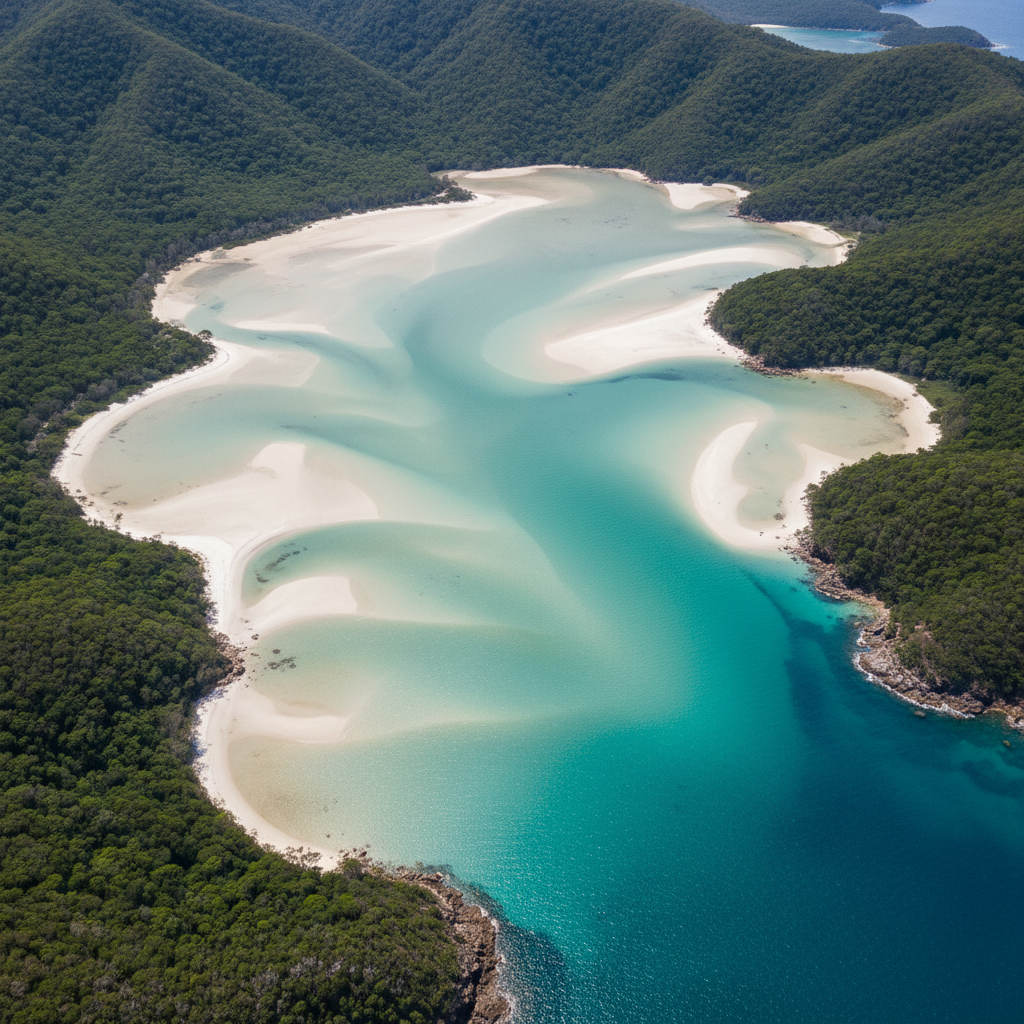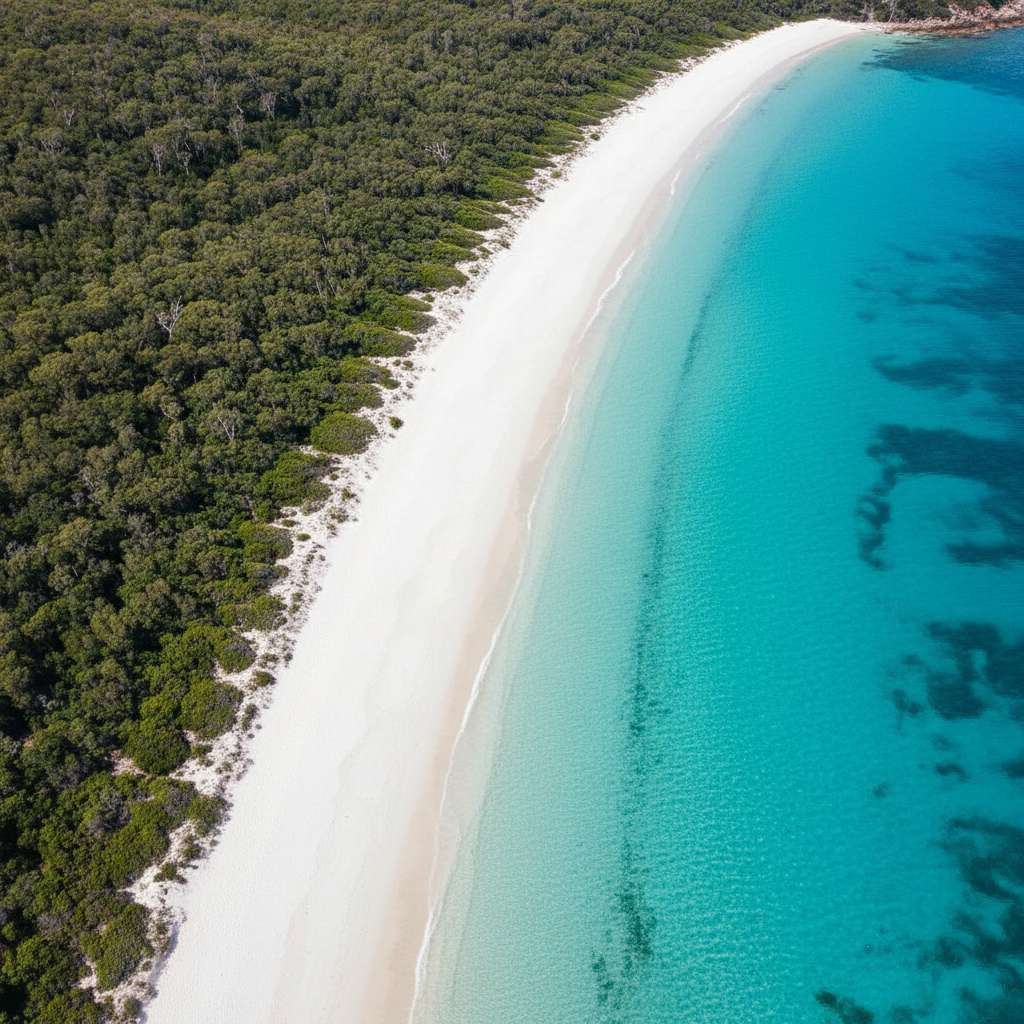
The Whitsunday Islands offer some of Australia's most accessible and spectacular diving experiences, combining pristine coral reefs, diverse marine life, and crystal-clear waters. From your first tentative underwater breath during an introductory dive to exploring advanced reef sites as a certified diver, the Whitsundays cater to every skill level and comfort zone.
Located between the mainland and the outer Great Barrier Reef, the Whitsunday waters host vibrant coral gardens, cleaning stations where manta rays glide overhead, and protected bommies teeming with tropical fish. The region's sheltered position means calmer conditions year-round, making it perfect for nervous beginners while still offering thrilling drift dives for experienced divers.
What types of diving tours operate in the Whitsundays?
The Whitsundays offer introductory dives for beginners, certified diver trips, PADI Open Water courses, advanced certifications, liveaboard expeditions, and specialty experiences like night diving and marine biology tours across 30+ dive sites.
The diving landscape here caters to absolutely everyone. Introductory dives (also called "Discover Scuba" or "Try Dives") require no prior experience — you'll receive basic training poolside or in shallow water before exploring coral gardens with a dive instructor holding your hand throughout the 6-8 metre descent.
Certified diver trips take qualified divers to deeper, more complex sites including the famous Stepping Stones, where granite boulders create swim-throughs and caves, and Bait Reef on the outer Barrier Reef, known for its massive Maori wrasse and reef shark encounters. These trips typically include 2-3 dives reaching depths of 12-30 metres.
PADI certification courses run from 3-day Open Water programs ($650-$750) to advanced specialties like deep diving, wreck diving, and underwater photography. The learn to dive options in the Whitsundays include both resort-style courses and intensive liveaboard programs.
Liveaboard expeditions (2-7 days, $400-$250 per day) combine multiple dive sites with overnight accommodation on purpose-built dive vessels, allowing access to remote outer reef locations unreachable on day trips.
How much do Whitsunday diving tours typically cost?
Introductory dives cost $120-$180 per person, certified diver day trips range $180-$280, PADI Open Water courses cost $650-$750, and multi-day liveaboard packages start from $400 per person per day including accommodation and meals.
Pricing varies significantly based on inclusions, group sizes, and destinations. Half-day introductory experiences typically cost $120-$150 and include basic equipment, instruction, and one guided dive to 6-8 metres depth. Full-day intro packages ($160-$180) often add snorkelling time, lunch, and sometimes a second dive.
Certified diver day trips range from $180 for basic 2-dive packages to $280 for premium experiences including Great Barrier Reef access, multiple dive sites, and gourmet meals. Equipment rental typically adds $30-$50 per day (mask, fins, wetsuit, BCD, regulator, tank).
Certification courses represent excellent value when you consider the international qualification you'll receive. Open Water courses ($650-$750) include all training materials, equipment use, certification dives, and PADI certification fees. Advanced Open Water courses cost an additional $450-$550.
Liveaboard expeditions offer the best per-dive value for serious divers. Two-day/one-night trips start around $400 per person, while week-long expeditions reaching remote Coral Sea locations can cost $2,000-$3,500 but include 15-20 dives, all meals, and cabin accommodation.
Which diving tours suit different experience levels and group types?
Families prefer half-day introductory dives, nervous beginners choose calm inner reef sites, certified divers book full-day outer reef trips, and serious underwater photographers select multi-day liveaboard expeditions with macro and wide-angle opportunities.
First-time divers and families should book introductory experiences at protected sites like Blue Pearl Bay or Butterfly Bay. These shallow, calm locations (3-8 metres) feature gentle currents, excellent visibility, and colourful coral gardens perfect for building confidence. Many operators offer family packages where non-diving members can snorkel above while others explore underwater.
Nervous or claustrophobic beginners benefit from pool-based training sessions followed by very shallow water dives (3-5 metres). Some operators offer "bubble maker" programs specifically designed for anxious first-timers, with extended shallow water practice and patient, experienced instructors.
Certified Open Water divers (10-18 metre qualification) can access most Whitsunday sites including Mantaray Bay, where cleaning stations attract large rays, and the diverse coral formations at Hook Island's northern points. These divers often choose full-day trips visiting 2-3 different sites with varying depths and marine ecosystems.
Advanced and rescue divers should consider outer reef expeditions to places like Hardy Reef or Bait Reef, where depths reach 25-30 metres and marine life includes reef sharks, large pelagics, and pristine hard coral formations. These sites often feature drift diving opportunities and more challenging navigation.
Underwater photographers gravitate toward multi-day liveaboard trips offering early morning and late afternoon dives when lighting conditions are optimal. Macro photographers particularly enjoy the diverse nudibranch populations at sites like Langford Reef, while wide-angle specialists prefer the dramatic topography of outer reef walls.
What marine life can divers expect to encounter in Whitsunday waters?
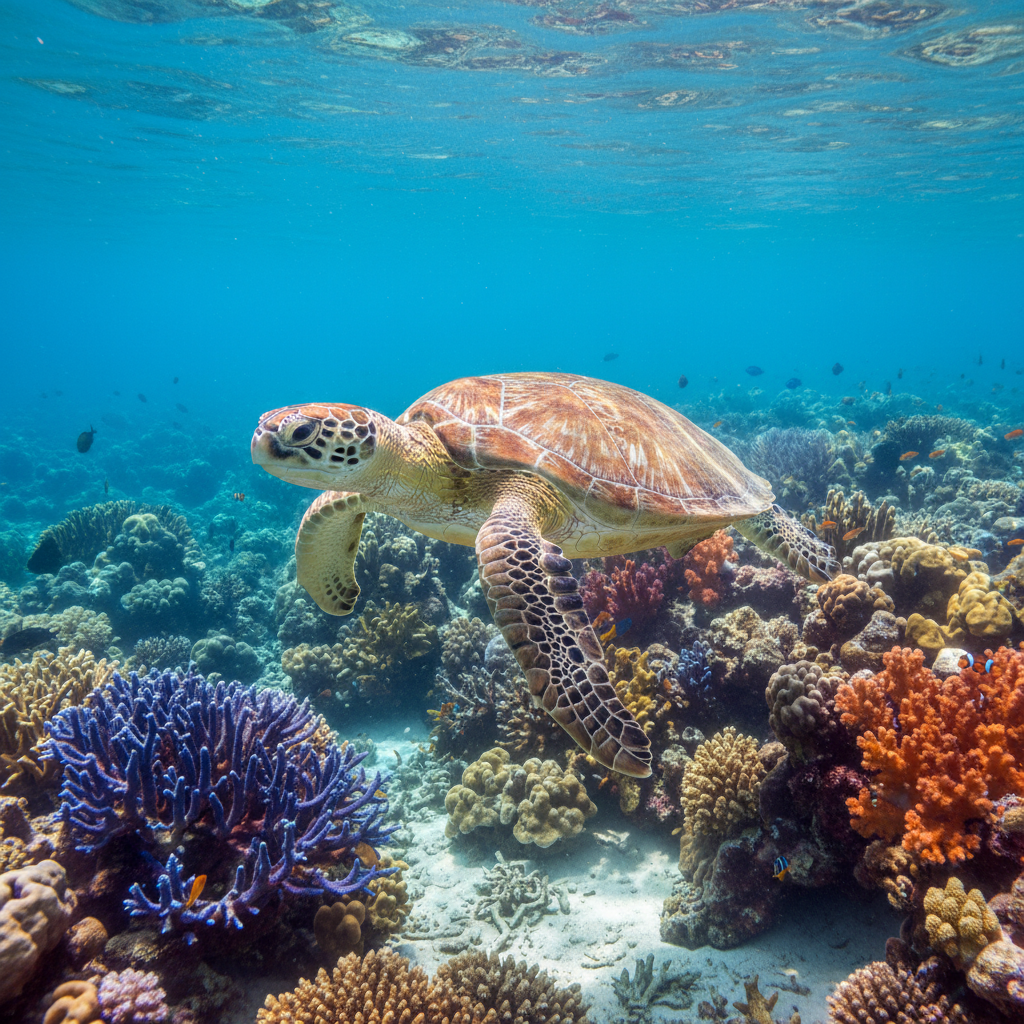
Whitsunday divers regularly spot green turtles, reef sharks, giant Maori wrasse, manta rays at cleaning stations, schools of barracuda, hundreds of tropical fish species, and diverse coral formations including staghorn, brain, and plate corals.
The turtle population here is particularly impressive — green turtles, hawksbill turtles, and occasional loggerheads frequent many dive sites, often approaching divers with surprising curiosity. Langford Reef and Bait Reef are known turtle hotspots where sightings occur on 70-80% of dives.
Reef sharks patrol most outer reef sites, with whitetip reef sharks being most common. These 1-2 metre sharks are completely harmless to humans and often rest in caves and overhangs during daylight hours. Grey reef sharks occasionally visit cleaning stations at Bait Reef and other outer locations.
Manta ray cleaning stations operate seasonally (typically May-September) at specific sites where these massive rays (3-5 metre wingspan) hover motionless while cleaner fish remove parasites. Mantaray Bay earned its name from reliable sightings, though these gentle giants appear unpredictably.
Giant Maori wrasse — some weighing over 100kg — inhabit several Whitsunday sites and display remarkable intelligence, often following divers and posing for photos. These protected fish can live over 50 years and are considered flagship species for the region's marine conservation efforts.
Coral diversity includes over 400 species, from delicate staghorn formations in shallow areas to massive brain corals on deeper walls. The relatively protected waters mean coral health is generally excellent, with vibrant colours and high coverage rates compared to more exposed reef systems.
When are the best conditions for diving in the Whitsundays?
Peak diving conditions occur April-November during the dry season, with 20-30 metre visibility, calm seas, and comfortable 22-26°C water temperatures. Stinger season (November-May) requires protective suits but offers fewer crowds and competitive pricing.
Dry season diving (April-November) provides the most reliable conditions with consistent southeast trade winds creating calm leeward conditions around most islands. Water visibility typically ranges 20-30 metres, though can exceed 40 metres on clear days following several calm weather periods.
Water temperatures remain comfortable year-round, ranging from 22°C in July-August to 28°C in January-February. Most divers use 3mm wetsuits during winter months and 2mm or shorty wetsuits during summer. Thermal protection is particularly important for multiple dives per day.
Stinger season considerations shouldn't deter serious divers — while box jellyfish and irukandji are present November-May, all reputable operators provide full-body stinger suits as standard equipment. The benefit is significantly reduced crowds, lower prices, and often better visibility due to less boat traffic stirring up sediment.
Weather pattern impacts are generally minimal due to the Whitsundays' protected position. Even during southeast trade wind periods, multiple dive sites remain accessible on the leeward sides of islands. Extreme weather events (cyclones) are rare and typically occur January-March with advance warning allowing trip rescheduling.
Seasonal marine life variations include humpback whale migration (June-September) when whales occasionally appear at dive sites, and coral spawning events (typically November) when timing coincides with new moon periods create underwater "snowstorm" effects.
How do diving tours typically operate from Airlie Beach?
Most diving tours depart Abel Point Marina or Shute Harbour between 7:30-9:00am, travel 30-90 minutes to dive sites depending on distance, include 2-3 dives with surface intervals, provide equipment and lunch, returning by 4:30-6:00pm.
Morning departures allow maximum diving time during optimal conditions. Day trip vessels range from fast catamarans reaching outer reef sites in 90 minutes to smaller boats focusing on closer inner reef locations accessible within 30-45 minutes. Departure times vary by operator and destination, with outer reef trips typically leaving earliest.
Equipment provision is comprehensive — all operators include mask, fins, wetsuit, weight belt, BCD (buoyancy control device), regulator, and tanks as standard. Underwater cameras can often be rented for $30-$50 per day. Prescription masks are available with advance notice from most operators.
Safety protocols are strictly regulated in Queensland. All dive guides hold professional qualifications (Divemaster or Instructor level), emergency oxygen is carried on all vessels, and comprehensive insurance coverage is mandatory. Detailed safety briefings occur before every dive, covering hand signals, emergency procedures, and marine life interaction guidelines.
Surface intervals between dives typically last 45-90 minutes, allowing nitrogen levels to reduce while enjoying provided meals, snorkelling, or simply relaxing on deck. Many operators include interesting marine biology presentations during surface intervals, particularly on outer reef expeditions.
Certification requirements are checked before boarding — certified divers must present their qualification cards, while introductory divers complete basic medical questionnaires. Recent medical clearance may be required for participants over 45 or with certain health conditions.
What should divers bring and how should they prepare for Whitsunday diving tours?
Bring certification cards, reef-safe sunscreen, towels, change of clothes, and motion sickness medication if needed. Operators provide all diving equipment. Complete medical questionnaires honestly and avoid alcohol 12 hours before diving for safety.
Essential personal items include current dive certification cards (or temporary cards if recently certified), a towel for after diving, complete change of clothes including underwear (diving gear gets you completely wet), and reef-safe sunscreen without oxybenzone which damages coral. A waterproof bag protects valuables and electronics.
Health preparation involves honest completion of medical questionnaires — certain conditions require doctor clearance before diving. Avoid alcohol for 12 hours before diving as it increases dehydration and nitrogen absorption risks. Stay well-hydrated but avoid excessive fluid intake immediately before diving to minimize comfort issues underwater.
Motion sickness prevention is crucial as dive sites are accessed by boat, often in open waters. Take motion sickness medication 30-60 minutes before departure if you're susceptible. Ginger tablets, sea-sickness bands, and staying on deck during transit help many people. Inform your operator about seasickness concerns — they often have additional remedies available.
Physical preparation should include basic swimming fitness and comfort in deep water. While diving requires minimal swimming due to buoyancy control, you must be able to swim 200 metres and tread water for 10 minutes for most certifications. Practice equalizing ear pressure (holding nose and gently blowing) if you're prone to ear problems.
Equipment familiarization helps nervous divers feel more confident. Many operators offer pool sessions or shallow water practice before the main dives. Understanding how your BCD inflates and deflates, how to clear your mask if water enters, and basic hand signals reduces anxiety and improves the underwater experience.
What booking considerations are important for Whitsunday diving tours?
Book 2-3 days ahead during peak season, compare certification requirements versus tour difficulty, confirm medical clearance needs, check cancellation policies for weather, and verify equipment inclusions to avoid unexpected costs on tour day.
Advance booking requirements vary seasonally — during peak periods (July school holidays, Easter) popular operators sell out 3-5 days ahead, while shoulder seasons often allow next-day bookings. Outer reef and liveaboard expeditions typically require longer lead times due to limited vessel capacity and weather-dependent scheduling.
Certification matching is crucial for enjoyable experiences. Open Water divers shouldn't book advanced-level trips featuring deep dives (below 18 metres) or challenging conditions. Conversely, experienced divers might find beginner-focused trips frustrating due to shallow depths and conservative dive profiles. Research your diving options thoroughly to match your qualification level.
Medical documentation requirements can delay or prevent participation if not addressed in advance. Participants over 45, those with heart conditions, respiratory issues, or certain medications may need doctor clearance. Complete medical forms honestly and obtain required documentation before your planned tour date.
Weather cancellation policies vary between operators but typically offer rescheduling rather than refunds for weather-related cancellations. Some operators run modified itineraries to more protected sites during marginal conditions rather than cancelling entirely. Understand your operator's specific policies before booking.
Group booking considerations often include discounts for 4+ participants but may limit operator choice due to vessel capacity. Mixed-ability groups should ensure the chosen operator can accommodate both certified and uncertified divers simultaneously, as some trips cater exclusively to one skill level.
Ready to explore the underwater wonders of the Whitsundays? Airlie to Whitehaven makes booking your perfect diving adventure simple and stress-free. Whether you're taking your first underwater breath or seeking advanced outer reef experiences, we'll match you with the ideal operator and itinerary. Compare options, read genuine reviews, and secure your spot on unforgettable Whitsunday diving tours that reveal why this region ranks among Australia's premier diving destinations.