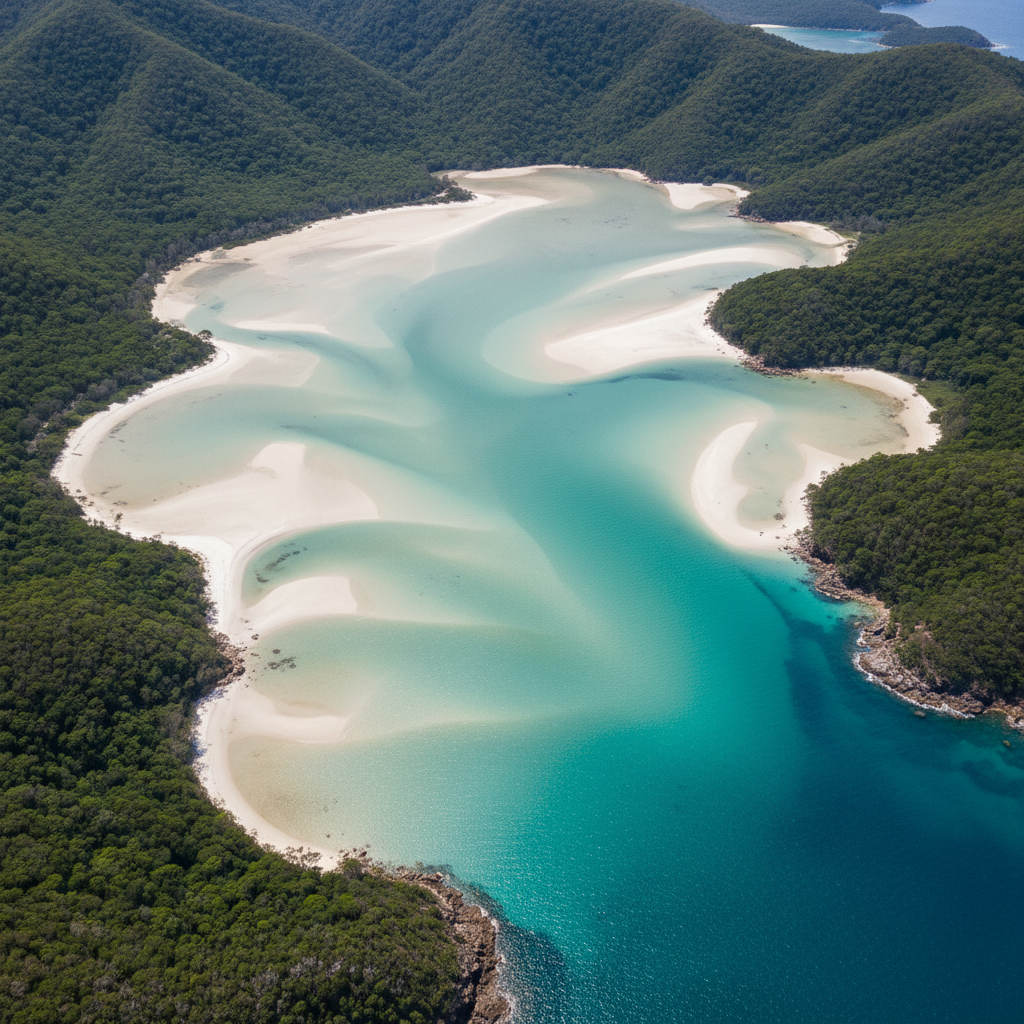
Whitehaven Beach's pristine waters might look perfect for snorkelling, but the reality is more complex than those Instagram shots suggest. While you can technically snorkel at Whitehaven, the best underwater experiences happen at nearby reef locations that many tours combine with beach visits. Here's everything you need to know about snorkelling around this world-famous stretch of sand and where to find the real underwater magic in the Whitsundays.
Can you actually snorkel at Whitehaven Beach itself?
Whitehaven Beach offers limited snorkelling directly off the beach due to its sandy bottom and lack of coral reef. The pristine silica sand creates minimal marine habitat, with most underwater life found at nearby reef locations included on combination tours.
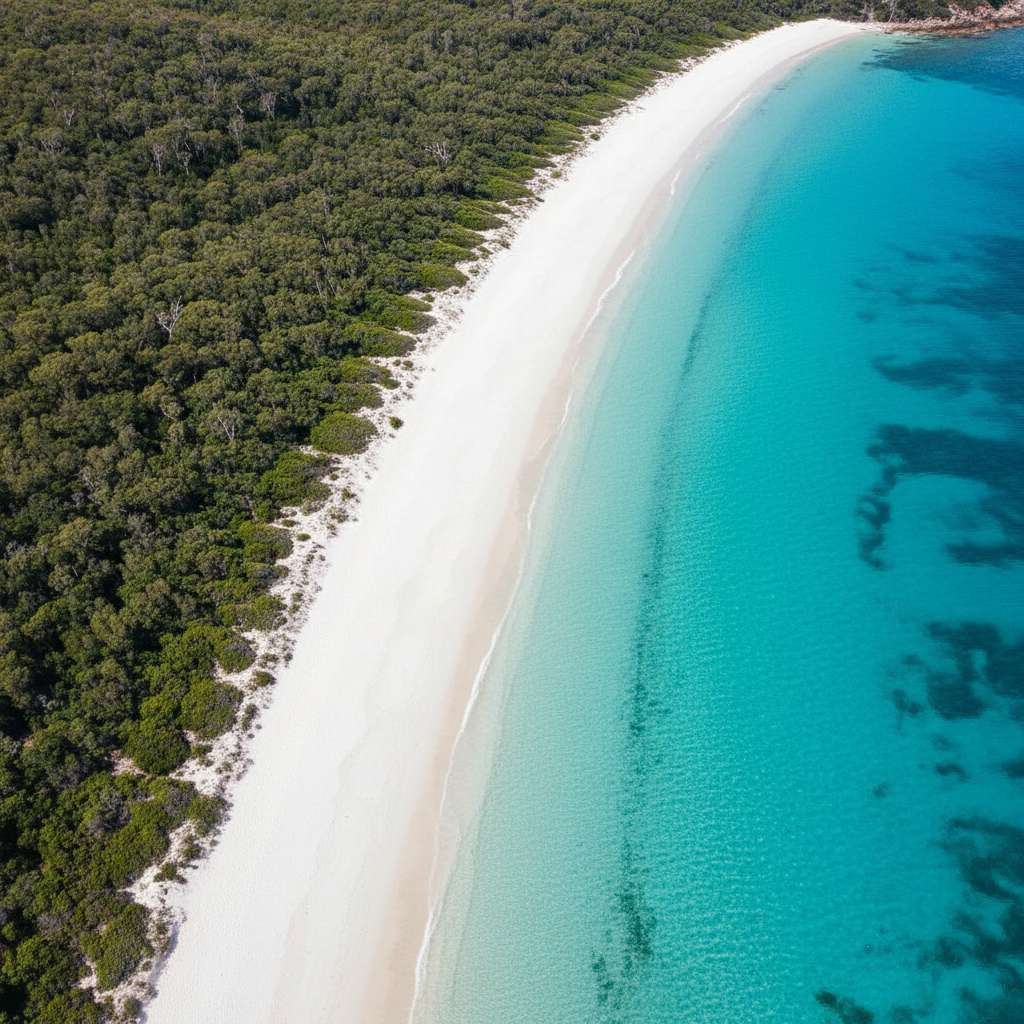
The 98.9% pure silica sand that makes Whitehaven Beach famous also creates challenges for snorkelling. This fine sand doesn't provide the rocky or coral substrate needed for diverse marine ecosystems. The beach's shallow, sandy bottom extends quite far offshore, meaning you won't find the colourful coral gardens you might expect.
However, this doesn't mean the waters are empty. Small schools of reef fish like wrasse, parrotfish, and occasional rays can be spotted in the clearer sections, particularly around the northern and southern ends where some rocky outcrops provide habitat. The water clarity is exceptional – often 20-30 metres visibility – making it perfect for spotting any marine life that does venture into the area.
Most visitors find better snorkelling at the dedicated reef stops that tours include alongside Whitehaven Beach visits. These combination experiences give you both the world's most beautiful beach and some seriously impressive underwater action.
What marine life can you spot in Whitehaven's waters?
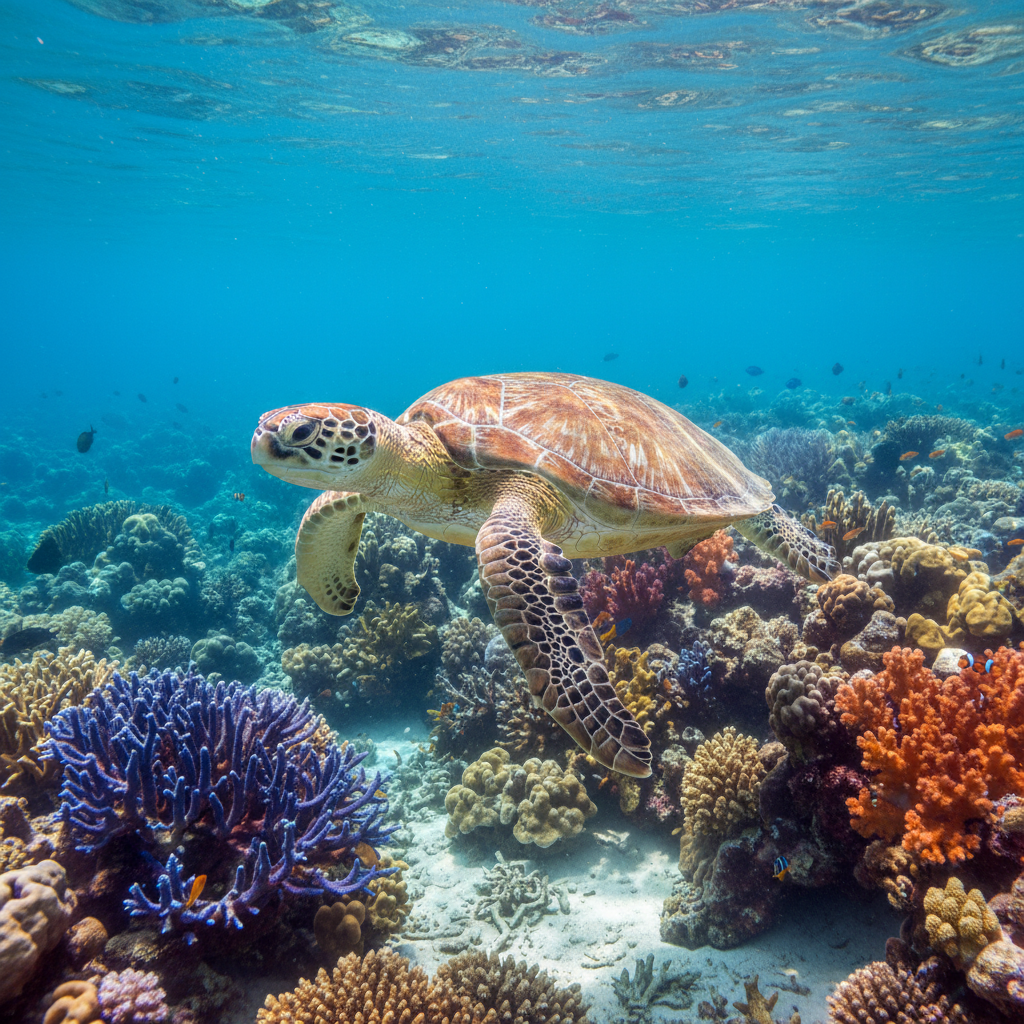
Whitehaven's sandy waters host stingrays, small reef fish, sea turtles (occasionally), juvenile sharks in shallows, and seasonal jellyfish. Marine life is limited compared to reef locations, but the crystal-clear water offers excellent visibility for spotting visiting species.
Stingrays are the most commonly sighted large marine animals at Whitehaven. Blue-spotted stingrays (Neotrygon kuhlii) and smaller whiprays often rest in the sandy shallows, particularly early morning or late afternoon. They're generally harmless but give them space – shuffle your feet when walking in shallow water.
Small reef fish include various wrasse species, juvenile parrotfish, and occasionally small schools of fusiliers that venture in from deeper waters. Look for the bright blue and yellow of blue tangs and the distinctive beak-like mouths of parrotfish grazing on any available algae.
Sea turtles occasionally visit Whitehaven's waters, particularly green turtles (Chelonia mydas) and hawksbill turtles (Eretmochelys imbricata). While sightings aren't guaranteed, they're more likely during turtle nesting season (November to March) when females come closer to shore.
Juvenile sharks, particularly whitetip and blacktip reef sharks, sometimes use the shallow, protected waters as nursery areas. These small sharks (usually under 1 metre) are completely harmless and actually indicate healthy water quality.
Seasonal considerations: During stinger season (November to May), box jellyfish and Irukandji can be present. All reputable tours provide stinger suits during this period. The clearer, calmer conditions of dry season (April to November) offer the best underwater visibility.
Where are the best snorkelling spots near Whitehaven Beach?
The best snorkelling near Whitehaven occurs at Luncheon Bay, Chance Bay, and Hook Island's northern shores, all within 15-30 minutes boat ride. These locations feature coral bommies, diverse fish populations, and clearer water than the beach itself.
Luncheon Bay (Whitsunday Island): Just 10 minutes north of Whitehaven by boat, this protected bay features scattered coral bommies and excellent fish diversity. Depth ranges from 2-8 metres, making it perfect for beginners. Regular sightings include Maori wrasse, angelfish, butterflyfish, and occasionally green turtles.
Chance Bay (Whitsunday Island): Located on the opposite side of Whitehaven Beach, this bay offers more coral coverage and typically clearer water. The fringing reef extends about 50 metres from shore, with depths of 3-12 metres. Marine life includes coral trout, sweetlip, and various ray species.
Hook Island Northern Shores: About 25 minutes from Whitehaven, Hook Island's underwater topography creates excellent snorkelling conditions. The combination of coral outcrops and sandy channels provides habitat diversity. Expect to see larger fish species including Spanish mackerel, trevally, and occasional reef sharks.
Maureen's Cove (Hook Island): A more advanced snorkelling location with deeper water (5-15 metres) and impressive coral formations. This spot requires stronger swimming ability but rewards snorkellers with some of the area's best marine life, including schools of barracuda and larger predatory fish.
Most Whitehaven Beach tours include at least one of these snorkelling stops, giving you the best of both worlds – pristine beach time and quality underwater experiences.
Which tour operators combine Whitehaven with quality snorkelling?
Full-day sailing tours, powerboat charters, and helicopter-boat combinations offer the best Whitehaven-plus-snorkelling experiences. Quality operators include multiple reef stops, gear provision, marine biology guides, and typically cost $180-$350 per person depending on vessel type and inclusions.
Full-day sailing tours represent excellent value, typically including 2-3 snorkelling stops plus 2-3 hours at Whitehaven Beach. Operators like Prosail and Whitsunday Blue charge around $180-$220 per person, including all snorkel gear, lunch, and stinger suits when required. These tours spend 6-8 hours on the water, allowing time for both quality snorkelling and proper beach exploration.
High-speed boat tours cover more ground in less time, often visiting 3-4 locations including Whitehaven and multiple snorkel sites. Expect to pay $280-$350 per person for these premium experiences, which typically include smaller group sizes (20-35 people versus 60+ on larger vessels), better snorkel site selection, and more personalised service.
Helicopter and boat combinations offer the ultimate luxury experience, with helicopter transfers to/from Hamilton Island or Airlie Beach and boat-based snorkelling. These tours cost $400-$600 per person but provide access to more remote snorkel sites and stunning aerial views of the reef patterns.
Key features to look for: Marine biologist guides, quality snorkel gear (including prescription masks if needed), small group sizes, multiple snorkel sites, and comprehensive stinger protection during relevant seasons.
When booking, specifically ask about the snorkel locations included – some budget tours only stop at easy, shallow sites while premium operators access better reef areas with more diverse marine life.
What snorkel gear do you need for Whitsundays waters?
Essential gear includes mask, snorkel, fins, and stinger suit during November-May. Most tour operators provide all equipment, but bringing your own mask ensures proper fit. Reef-safe sunscreen and underwater camera complete the setup for optimal Whitsundays snorkelling.
Masks and snorkels: While tours provide equipment, bringing your own mask guarantees a proper fit and prevents fogging issues. Look for low-volume masks with tempered glass lenses. Full-face snorkel masks aren't recommended for tour use – they're harder to clear if water enters and less suitable for diving down to examine coral closely.
Fins: Most operators provide fins, but if you're doing multiple snorkel days, your own pair ensures comfort and efficiency. Open-heel fins with booties work best for rocky entries, while closed-heel fins are fine for boat-based snorkelling.
Stinger suits: Absolutely essential during stinger season (November to May). All reputable operators provide these lycra suits, which protect against box jellyfish and Irukandji. Even outside stinger season, they provide sun protection and prevent coral scratches.
Sun protection: Use reef-safe sunscreen (zinc-based, no oxybenzone or octinoxate) to protect the marine environment. Many Airlie Beach snorkelling operators now mandate reef-safe products only.
Underwater photography: Waterproof cameras or phone cases allow you to document your underwater encounters. GoPros work well, but remember to stay neutral and avoid touching coral while filming.
Optional extras: Anti-fog solution for masks, reef identification guides (laminated), and a small mesh bag for any rubbish you might find (leave only bubbles, take only photos).
What are the water conditions like around Whitehaven for snorkelling?
Water temperature ranges 22-28°C year-round, with visibility typically 15-30 metres. Dry season (April-November) offers calmest conditions and clearest water, while wet season brings increased plankton but also marine life activity. Tidal movements affect current strength significantly.
Temperature variations: Winter months (June-August) see water temperatures around 22-24°C – comfortable for snorkelling but you might want a thin wetsuit for extended sessions. Summer temperatures (December-February) reach 26-28°C, perfect for lycra stinger suits only.
Visibility factors: The Whitsundays' protected island positions create generally calm conditions, but several factors affect underwater visibility. Post-rain runoff can reduce clarity temporarily, particularly after heavy wet season storms. Wind direction significantly impacts conditions – southeasterly trades create choppy surface conditions but don't affect underwater visibility much.
Tidal considerations: The Whitsundays experience significant tidal ranges (up to 4 metres), creating strong currents during tide changes. The best snorkelling conditions occur during slack water periods – about 1 hour either side of high or low tide. Tour operators time their snorkel stops accordingly.
Seasonal patterns: Dry season (April-November) provides the most consistent conditions with minimal rainfall and steady wind patterns. Wet season (December-March) can bring afternoon thunderstorms and increased plankton blooms, but also higher marine life activity as nutrient levels increase.
Current safety: Always snorkel within designated areas when on tours. The Whitsunday Passage can experience strong currents, particularly around headlands and between islands. Tour guides monitor conditions constantly and will relocate if necessary.
Are there any safety considerations for snorkelling near Whitehaven?
Main safety concerns include stingers (November-May), strong currents during tide changes, and marine life encounters. Always wear provided stinger suits, stay with tour groups, never touch coral, and maintain awareness of boat traffic in popular anchorages around Whitehaven Beach.
Stinger prevention: Box jellyfish (Chironex fleckeri) and Irukandji (Carukia barnesi) present the most serious risks during stinger season. Stinger suits provide excellent protection when properly worn – ensure complete coverage including wrists and ankles. Vinegar treatment is available on all tour boats for any stings.
Current awareness: Whitsunday waters can develop strong currents, particularly around headlands and during tide changes. Always enter and exit water near your tour boat, stay within designated boundaries, and signal immediately if you feel swept away from the group.
Marine life interactions: While shark encounters are rare, treat any sharks with respect and avoid sudden movements. Stingrays are more common – shuffle feet when walking in shallow water and give resting rays plenty of space. Never attempt to touch or feed any marine life.
Coral safety: Coral cuts can become infected quickly in tropical waters. Maintain neutral buoyancy to avoid accidental contact, never stand on coral, and seek immediate first aid for any cuts. Fire coral (Millepora species) causes painful stings – it appears orange or yellow with a fuzzy appearance.
Sun exposure: Reflection off water intensifies UV exposure significantly. Even with stinger suits, ensure face, hands, and feet receive adequate sunscreen protection. Dehydration happens quickly in tropical conditions – drink water regularly throughout the day.
Boat traffic: Whitehaven Beach anchorages can become busy, particularly during peak season. Always surface near your departure point and be aware of other vessels when snorkelling. Tour operators monitor radio channels continuously for safety updates.
When is the best time of year for snorkelling around Whitehaven?
April to November offers optimal snorkelling conditions with calmer seas, clearer water, and no stinger requirements. June to September coincides with whale season, adding humpback whale possibilities. Avoid January-March when cyclone season and heavy rains affect visibility.
Dry season advantages (April-November): Consistent southeast trade winds create predictable conditions, with morning glass-offs providing perfect snorkelling opportunities. Water visibility reaches peak clarity (25-30 metres) due to minimal rainfall and runoff. Comfortable air temperatures (20-26°C) make all-day boat trips pleasant.
Peak season considerations (June-September): This period combines excellent weather with humpback whale migration, creating opportunities for whale watching alongside snorkelling. However, it's also the busiest tourist period, meaning more crowded snorkel sites and higher tour prices ($200-$350 vs $150-$250 in shoulder seasons).
Shoulder season benefits (April-May, October-November): Fewer crowds, competitive pricing, and excellent conditions make these months ideal for serious snorkellers. Water temperatures remain comfortable (24-26°C), and marine life activity increases as seasonal transitions bring nutrient upwelling.
Wet season challenges (December-March): While water temperatures are warmest (26-28°C), afternoon thunderstorms, potential cyclones, and increased rainfall reduce water clarity. However, this season also brings increased marine life activity, including manta ray appearances and coral spawning events.
Monthly breakdown: April and November offer the best compromise of excellent conditions with fewer crowds. May through September provides most consistent weather. October sees increasing temperatures and excellent visibility as trade winds strengthen.
Planning your Whitsundays snorkelling adventure requires balancing weather conditions, marine life activity, and your tolerance for crowds and pricing variations.
How do Whitehaven snorkelling tours protect the marine environment?
Reputable operators follow Great Barrier Reef Marine Park Authority guidelines, use reef-safe practices, limit group sizes, provide environmental education, and support conservation research. Tours emphasise look-don't-touch policies and carry reef-safe sunscreen requirements to protect fragile ecosystems.
Marine Park compliance: All commercial operators require permits from the Great Barrier Reef Marine Park Authority (GBRMPA) and must follow strict environmental management plans. This includes designated anchoring areas, waste management protocols, and limits on visitor numbers at sensitive sites.
Reef-safe practices: Many operators now mandate reef-safe sunscreen (zinc-based, no oxybenzone or octinoxate) and provide it free to guests. They also supply reusable water bottles to reduce plastic waste and implement comprehensive recycling programs on vessels.
Education programs: Quality tour operators include marine biologists or certified eco-guides who provide species identification, conservation information, and sustainability messaging. These guides teach proper snorkelling techniques that minimise environmental impact while maximising wildlife encounters.
Group size management: Smaller group sizes (15-25 people vs 60+ on budget tours) reduce environmental impact at each snorkel site. Premium operators often limit numbers further and rotate between multiple locations to prevent site degradation.
Conservation support: Many operators contribute to marine research through citizen science programs, coral monitoring, and funding local conservation initiatives. Some participate in Crown-of-Thorns starfish removal programs and ghost net cleanup efforts.
Visitor guidelines: All tours emphasise "look but don't touch" policies, proper buoyancy control to avoid coral contact, and wildlife viewing distances (particularly for turtles and rays). Feeding marine life is strictly prohibited under marine park regulations.
When booking, choose operators who demonstrate clear environmental commitment through certifications like EcoCertification Australia or Advanced Ecotourism Accreditation.
Ready to combine the world's most beautiful beach with some incredible underwater adventures? Airlie to Whitehaven offers carefully selected snorkelling and Whitehaven Beach combination tours that showcase both the pristine silica sands and the vibrant reef ecosystems nearby. Our partner operators follow strict environmental guidelines, provide all necessary equipment including stinger suits, and include marine biologist guides to enhance your underwater experience. Book your Whitehaven Beach and snorkelling adventure today and discover why this combination represents the ultimate Whitsundays experience.