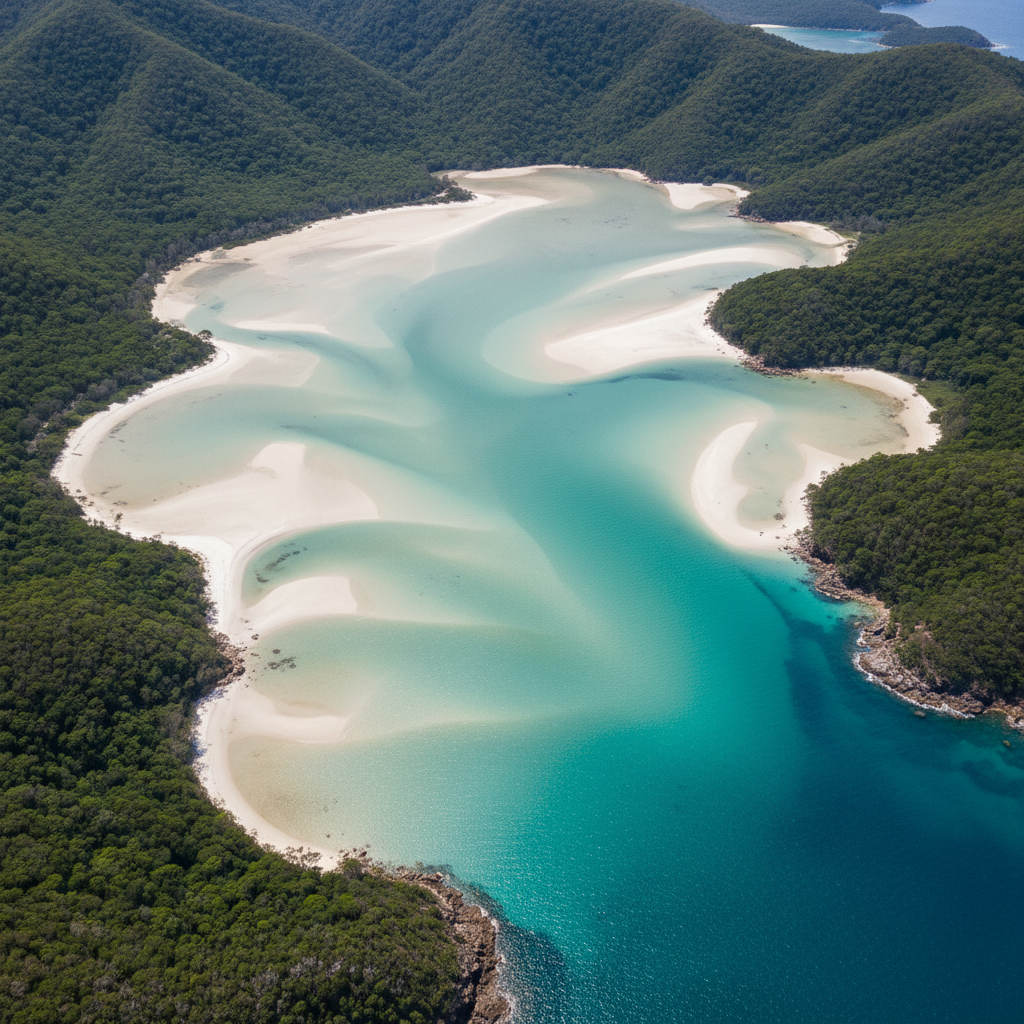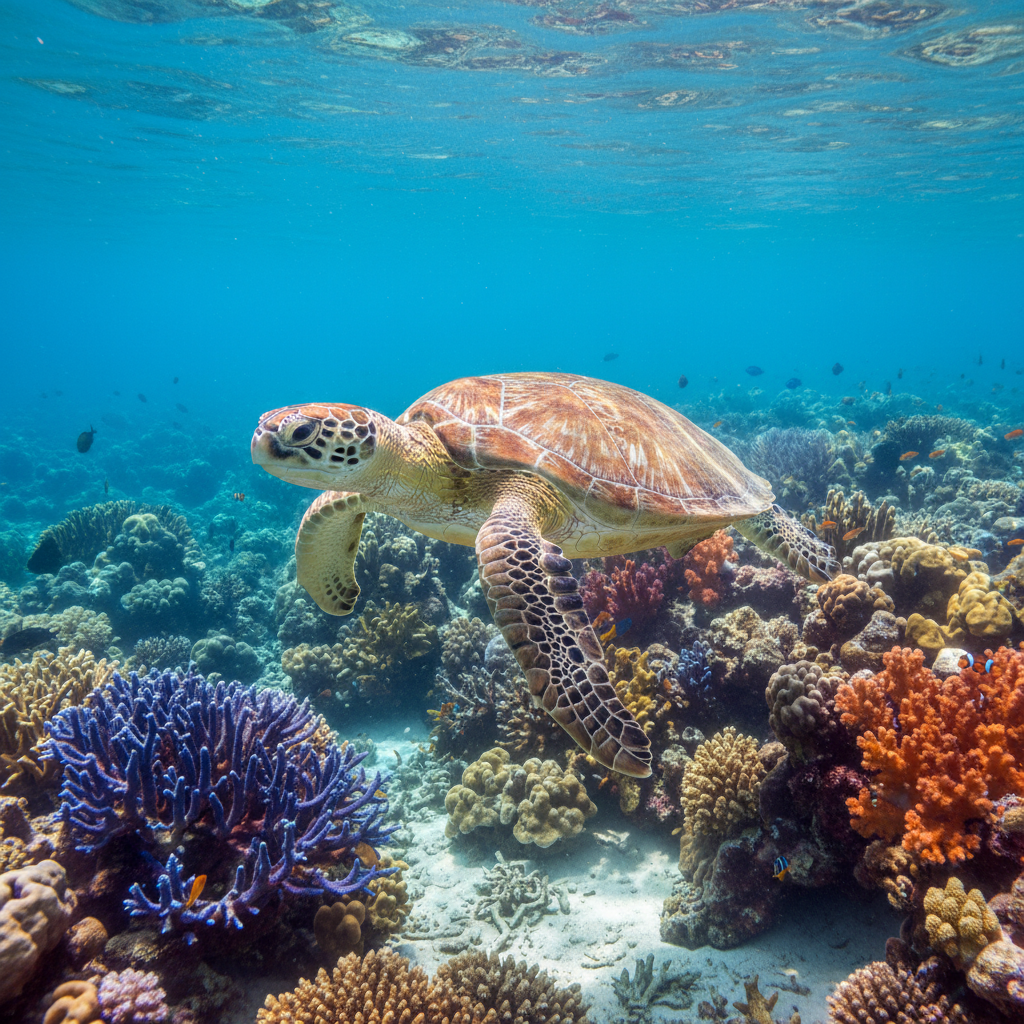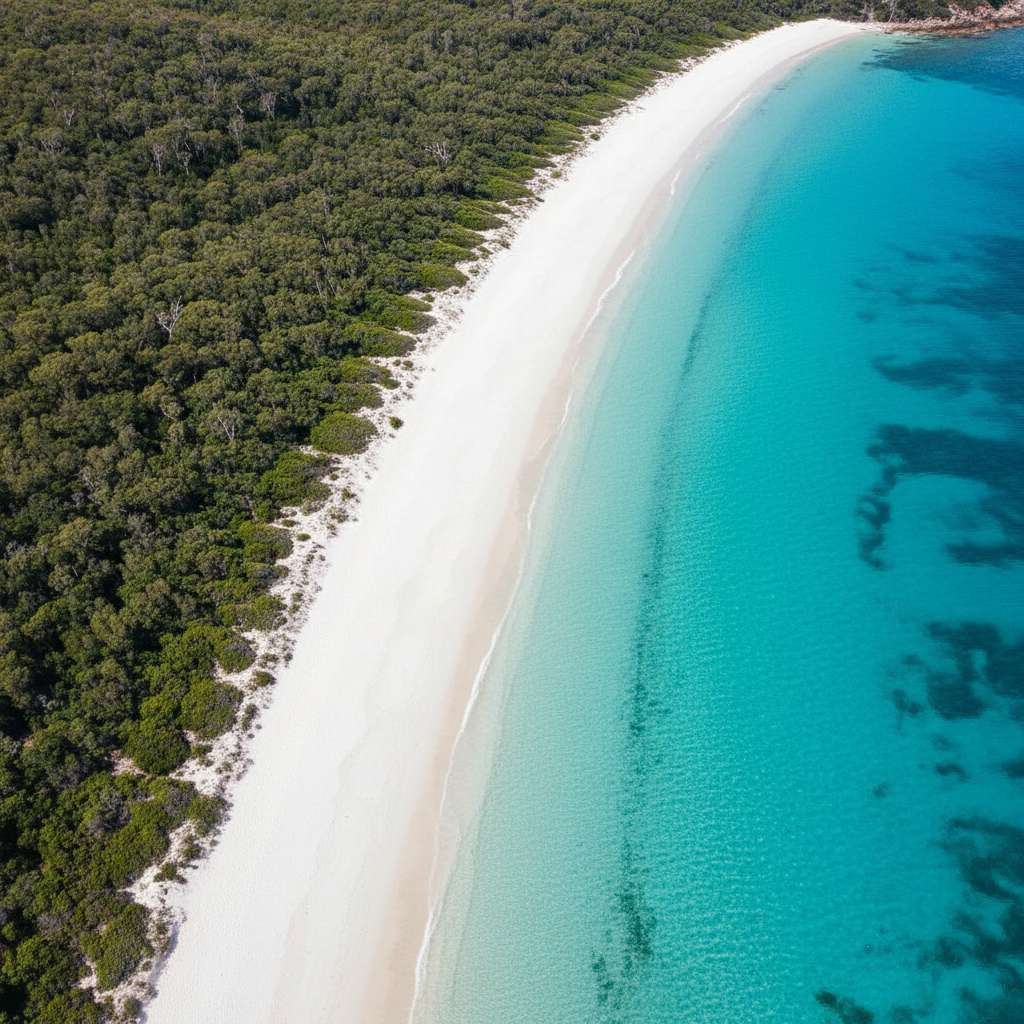
Whitehaven Beach and Hill Inlet form the Whitsundays' most photographed duo - seven kilometres of 98.9% pure silica sand meeting swirling turquoise waters visible from the famous lookout. Located on the uninhabited Whitsunday Island, this natural masterpiece combines Australia's best beach with one of its most spectacular viewpoints, creating an experience that defines tropical paradise for over 700,000 visitors annually.
Where exactly is Whitehaven Beach Hill Inlet located?
Whitehaven Beach Hill Inlet sits on the southeastern coast of Whitsunday Island, 74 kilometres northeast of Airlie Beach in Queensland's Whitsunday Islands National Park. The inlet forms where Whitehaven Beach curves around Tongue Point, creating the swirling sand patterns visible from Hill Inlet Lookout 230 metres above.
The beach stretches seven kilometres along Whitsunday Island's eastern shore, with Hill Inlet positioned at the northern end where the beach wraps around into a protected bay. Whitsunday Island itself covers 10,900 hectares and remains completely uninhabited, preserved as part of the Great Barrier Reef Marine Park. The closest inhabited island is Hamilton Island, 15 kilometres southeast, while the mainland town of Airlie Beach lies 74 kilometres southwest across the Coral Sea.
Hill Inlet Lookout provides the elevated perspective that makes this location world-famous. The lookout track begins from the northern end of Whitehaven Beach, climbing 230 metres through native bushland to reveal the swirling sand patterns that shift with each tide cycle. These patterns occur because fine silica sand mixes with tidal waters in the shallow inlet, creating ribbons of white, turquoise, and aquamarine that change throughout the day.
How do you get to Whitehaven Beach and Hill Inlet from Airlie Beach?
Whitehaven Beach Hill Inlet is accessible only by boat, seaplane, or helicopter from Airlie Beach, with boat transfers taking 45-90 minutes depending on vessel type and weather conditions. All tours depart from Abel Point Marina or Shute Harbour, both within 10 minutes of Airlie Beach township.
High-speed catamarans reach Whitehaven Beach in 45-60 minutes, making them the most popular option for day trips. These vessels carry 50-150 passengers and cost $140-180 per person for full-day tours including Hill Inlet Lookout. Sailing boats take 90 minutes but offer a more relaxed journey, with full-day sailing tours priced $150-200 per person including meals and snorkelling equipment.
Helicopter transfers provide the fastest access at 15-20 minutes flight time, costing $350-450 per person for scenic flights with beach landings. Seaplanes take 25 minutes and cost $400-500 per person, offering water landings directly at Whitehaven Beach. Both aircraft options include aerial views of the swirling sand patterns, though ground-level exploration time is typically limited to 1-2 hours.
Private boat charters offer maximum flexibility, with half-day charters from $1,200 for up to eight people and full-day charters from $1,800. These allow customised itineraries combining Whitehaven Beach with nearby snorkelling spots like Blue Pearl Bay or Border Island.
What can you see and do at Whitehaven Beach Hill Inlet?
Whitehaven Beach Hill Inlet offers swimming in pristine waters, the Hill Inlet Lookout walk, photography opportunities, and relaxation on seven kilometres of pure silica sand. The location combines beach activities with bushwalking and provides some of Australia's most spectacular scenic views.
The Hill Inlet Lookout walk is the highlight activity, requiring 20-30 minutes each way along a well-maintained track through native vegetation. The 500-metre boardwalk protects fragile vegetation while providing access to multiple viewing platforms. The main lookout offers 360-degree views encompassing Hill Inlet's swirling patterns, Whitehaven Beach's full seven-kilometre stretch, and surrounding Whitsunday Islands including Haslewood Island and Border Island.
Swimming at Whitehaven Beach provides crystal-clear water with visibility often exceeding 20 metres. The northern end near Hill Inlet offers calmer conditions, while the central beach provides more space during busy periods. Water temperature ranges from 23°C in winter to 29°C in summer, making swimming comfortable year-round. Stinger suits are recommended during November to May when marine stingers are present.
Photography opportunities are exceptional throughout the day. The swirling sand patterns change every six hours with the tide cycle, creating different compositions for landscape photographers. Sunrise visits (possible on overnight sailing trips) provide golden light on the sand patterns, while midday visits offer the most vibrant turquoise colours in the water.
Beach walking along the seven-kilometre stretch reveals varying landscapes from the bustling northern end to deserted southern sections. The sand's unique composition - 98.9% pure silica - remains cool underfoot even in direct sunlight and won't stick to skin, making barefoot exploration comfortable.
When is the best time to visit Whitehaven Beach Hill Inlet?
The best time to visit Whitehaven Beach Hill Inlet is during dry season from April to November, when southeast trade winds create calmer seas and minimal rainfall. Peak viewing conditions for Hill Inlet's swirling patterns occur during mid-tide transitions, approximately 2-3 hours before or after high tide.
Weather conditions significantly impact both access and enjoyment. April to November provides consistent sunshine with average rainfall under 50mm monthly, compared to 200-400mm monthly during wet season (December to March). Southeast trade winds from May to September create moderate sea conditions ideal for boat transfers, while summer's variable winds can cause tour cancellations.
Tide timing affects the visual impact of Hill Inlet's famous swirling patterns. Low tide exposes more sand banks but reduces water contrast, while high tide creates deeper channels but fewer visible patterns. Mid-tide periods - occurring four times daily - provide optimal conditions when sand and water create the most dramatic swirling effects visible from the lookout.
Seasonal considerations include whale watching opportunities from June to September when humpback whales migrate through the Coral Sea. Stinger season from November to May requires protective clothing but doesn't affect Hill Inlet Lookout access. School holidays (April, July, September-October, December-January) bring larger crowds but don't diminish the natural beauty.
Daily timing affects both lighting and crowds. Morning visits provide softer light for photography and fewer tour groups, while afternoon visits offer warmer swimming conditions and dramatic late-day colours. Tours typically spend 2-3 hours at the location, allowing time for both beach activities and the lookout walk.
What tour options include both Whitehaven Beach and Hill Inlet?
Most Whitehaven Beach tours include Hill Inlet Lookout access, with full-day catamaran tours ($140-180), sailing adventures ($150-200), and scenic flights ($350-500) being the most popular options. Half-day tours typically focus on beach time while full-day tours include the complete Hill Inlet experience.
Full-day catamaran tours provide the most comprehensive experience, spending 3-4 hours at Whitehaven Beach with dedicated time for the Hill Inlet Lookout walk. These tours typically include morning tea, buffet lunch, snorkelling equipment, and stinger suits during relevant seasons. Popular operators like Cruise Whitsundays and Prosail offer daily departures with professional guides explaining the area's natural history.
Sailing day trips combine transportation and experience, with 2-3 hour stops at Whitehaven Beach allowing time for swimming, lookout walks, and beach exploration. Many sailing tours include additional stops at snorkelling locations like Blue Pearl Bay or Luncheon Bay, creating diverse itineraries that showcase multiple Whitsunday highlights.
Overnight sailing trips provide ultimate flexibility, allowing sunrise or sunset visits to Hill Inlet when crowds are minimal and lighting conditions are optimal. Two-day, one-night trips cost $350-450 per person and typically include multiple Whitehaven Beach visits, extended snorkelling time, and onboard accommodation.
Scenic flights offer aerial perspectives of the swirling patterns before landing for beach exploration. Helicopter tours provide 60-90 minutes ground time, while seaplane tours offer 120 minutes, both sufficient for Hill Inlet Lookout walks and beach activities. These premium options suit travellers with limited time who want maximum visual impact.
Private charters accommodate specific interests and timing, allowing extended photography sessions, family celebrations, or customised itineraries combining Whitehaven Beach with other Whitsunday locations. Charter prices include fuel, skipper, and basic equipment, with catering available as optional extras.
What facilities and amenities are available at the location?
Whitehaven Beach Hill Inlet has minimal facilities to preserve its natural environment - composting toilets at the northern end near the Hill Inlet track, but no shops, cafes, freshwater showers, or shelter structures. Visitors must bring all food, water, and sun protection.
The composting toilet facilities near Hill Inlet Lookout trailhead are the only permanent infrastructure on the seven-kilometre beach. These eco-friendly facilities are maintained by Queensland Parks and Wildlife Service and designed to minimise environmental impact on this pristine wilderness area. No fresh water taps or hand-washing facilities are available.
Natural shade is extremely limited, consisting only of scattered pandanus palms and beach scrub along the high-tide line. The pure silica sand reflects intense sunlight, increasing UV exposure significantly. Most tour operators provide pop-up shelters or umbrellas, but independent visitors should bring sun protection including hats, sunscreen, and cover-up clothing.
Hill Inlet Lookout track includes interpretive signage explaining the area's ecology and formation processes. Wooden boardwalks protect sensitive vegetation, and safety railings secure viewing platforms. The track surface consists of compacted sand and natural materials, suitable for most fitness levels but requiring enclosed footwear.
Emergency considerations include mobile phone coverage being patchy or non-existent, particularly around Hill Inlet. Tour boats carry satellite communication equipment and first aid facilities, but independent visitors should inform others of their plans and expected return times. The nearest medical facilities are on Hamilton Island, 30 minutes by fast boat, or Proserpine Hospital on the mainland.
Waste management follows strict "leave no trace" principles. All rubbish must be removed, and camping is prohibited throughout Whitsunday Island. Commercial tour operators manage waste removal as part of their environmental permits, ensuring this pristine location remains protected for future generations.
What are the best photography tips for Hill Inlet's swirling patterns?
Photograph Hill Inlet's swirling patterns during mid-tide transitions using polarising filters to enhance water clarity and colour contrast. Shoot from multiple lookout platforms to capture different angles, and visit during golden hour for warm light on the white silica sand.
Camera settings should prioritise sharpness and colour saturation. Use apertures f/8 to f/11 for optimal depth of field, keeping both foreground sand patterns and distant islands in focus. ISO 100-200 maintains image quality in bright conditions, while shutter speeds of 1/250 second or faster prevent camera shake from coastal breezes.
Polarising filters dramatically improve Hill Inlet photography by reducing water surface reflections and enhancing the contrast between turquoise water and white sand. Rotate the filter to achieve maximum effect - typically when the filter is oriented 90 degrees to the sun's direction. This technique reveals subsurface sand patterns invisible to the naked eye.
Composition techniques should emphasise the unique swirling patterns. Use the S-curves created by tidal channels as leading lines drawing viewers into the image. Include surrounding islands like Haslewood Island or Border Island to provide scale and context. Vertical compositions work well for capturing the full extent of sand patterns extending into the inlet.
Timing considerations extend beyond tide cycles to include seasonal variations. Dry season (April-November) provides consistently clear skies and vibrant colours, while wet season can create dramatic storm clouds that add mood to landscape images. Early morning visits during overnight sailing trips offer golden light with minimal crowds, creating intimate compositions impossible on day trips.
Equipment recommendations include wide-angle lenses (14-24mm equivalent) to capture expansive views from the lookout platforms. Telephoto lenses (70-200mm) isolate specific pattern details and compress perspective to enhance the swirling effects. Drone photography requires permits and strict adherence to marine park regulations - most commercial operators handle these requirements for aerial tour inclusions.
How long should you spend at Whitehaven Beach Hill Inlet?
Plan minimum 3-4 hours at Whitehaven Beach Hill Inlet to complete the lookout walk (1 hour return), enjoy beach activities, and appreciate the changing light conditions. Full-day visits of 5-6 hours allow multiple lookout visits during different tide cycles for varied photographic opportunities.
The Hill Inlet Lookout walk requires 20-30 minutes each way plus 15-30 minutes at the summit viewing platforms. Allow extra time during busy periods when the narrow track can become congested with tour groups. Starting early in your beach visit ensures cooler walking conditions and better photography light.
Beach activities benefit from extended time allocation. Swimming and snorkelling near the inlet require 30-60 minutes to fully appreciate the pristine water quality and marine life. Beach walking along even a portion of the seven-kilometre stretch takes 45-90 minutes return, depending on how far you explore beyond the main tourism area.
Tide cycle timing influences optimal duration. Visiting during a single tide state provides one perspective, while 4-6 hour visits span tide transitions, revealing how the swirling patterns evolve throughout the day. Photography enthusiasts often prefer these longer visits to capture multiple compositions of the same scene.
Tour duration varies significantly by operator and vessel type. Half-day tours typically allow 2-3 hours at the location, sufficient for basic exploration but limiting leisurely enjoyment. Full-day tours provide 4-5 hours, allowing relaxed beach time plus Hill Inlet exploration. Overnight sailing trips offer ultimate flexibility with potential sunrise and sunset visits.
Physical considerations affect time planning. The lookout walk requires moderate fitness levels and appropriate footwear, taking longer for those with mobility limitations. Beach walking on soft sand can be tiring, particularly in warm weather. Factor in rest time and hydration breaks, especially during summer visits when temperatures exceed 30°C.
Ready to experience the magic of Whitehaven Beach and Hill Inlet for yourself? Airlie to Whitehaven makes booking your perfect Whitsundays adventure simple, with comprehensive tour options from half-day escapes to multi-day sailing expeditions. Our local expertise ensures you'll experience these world-famous swirling sand patterns at their absolute best, with tours departing daily from Airlie Beach to create memories that will last a lifetime.