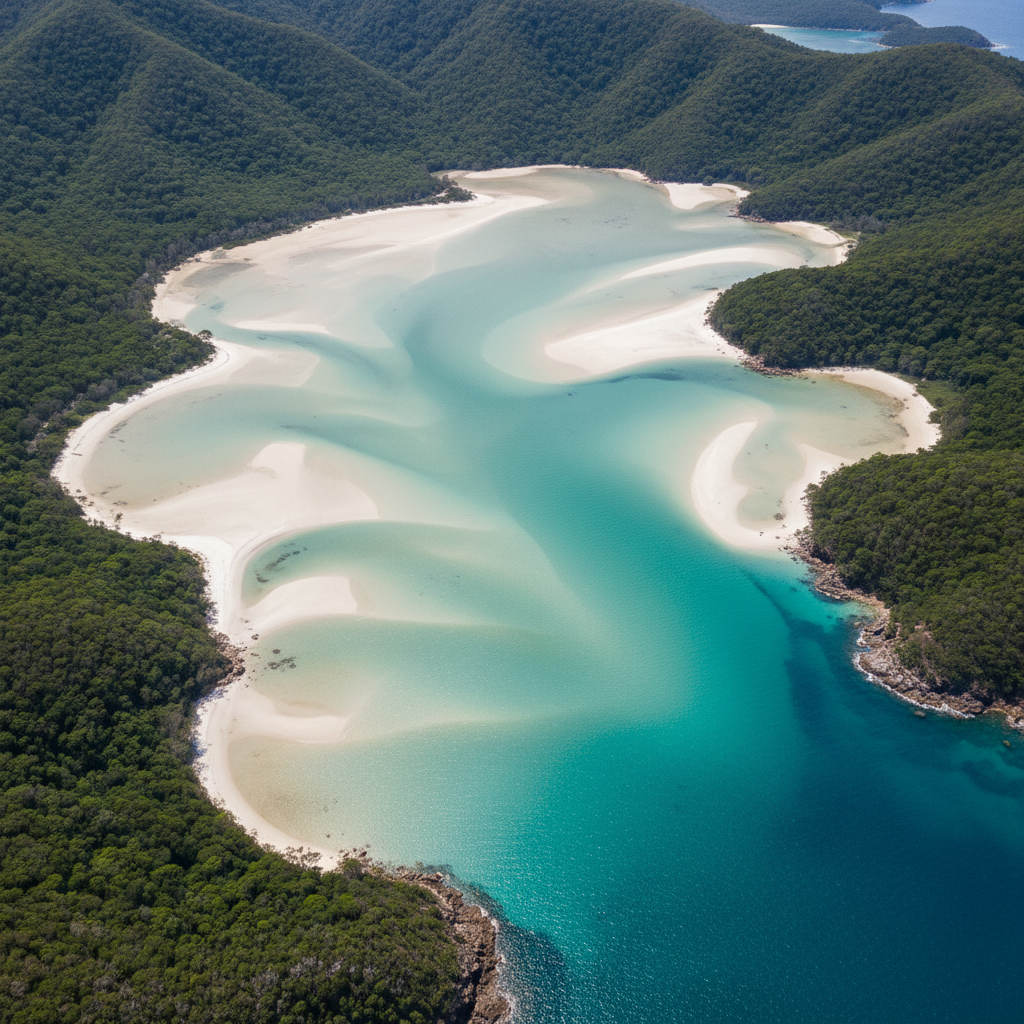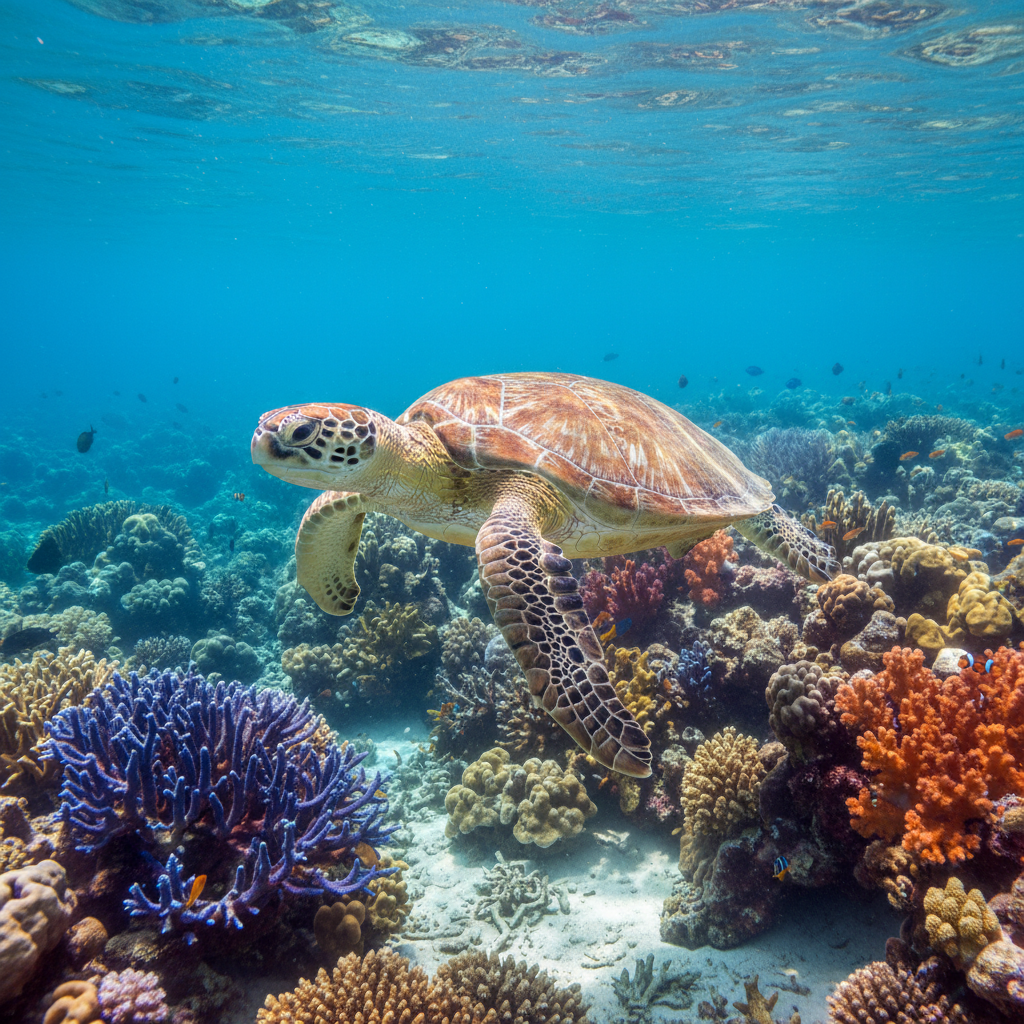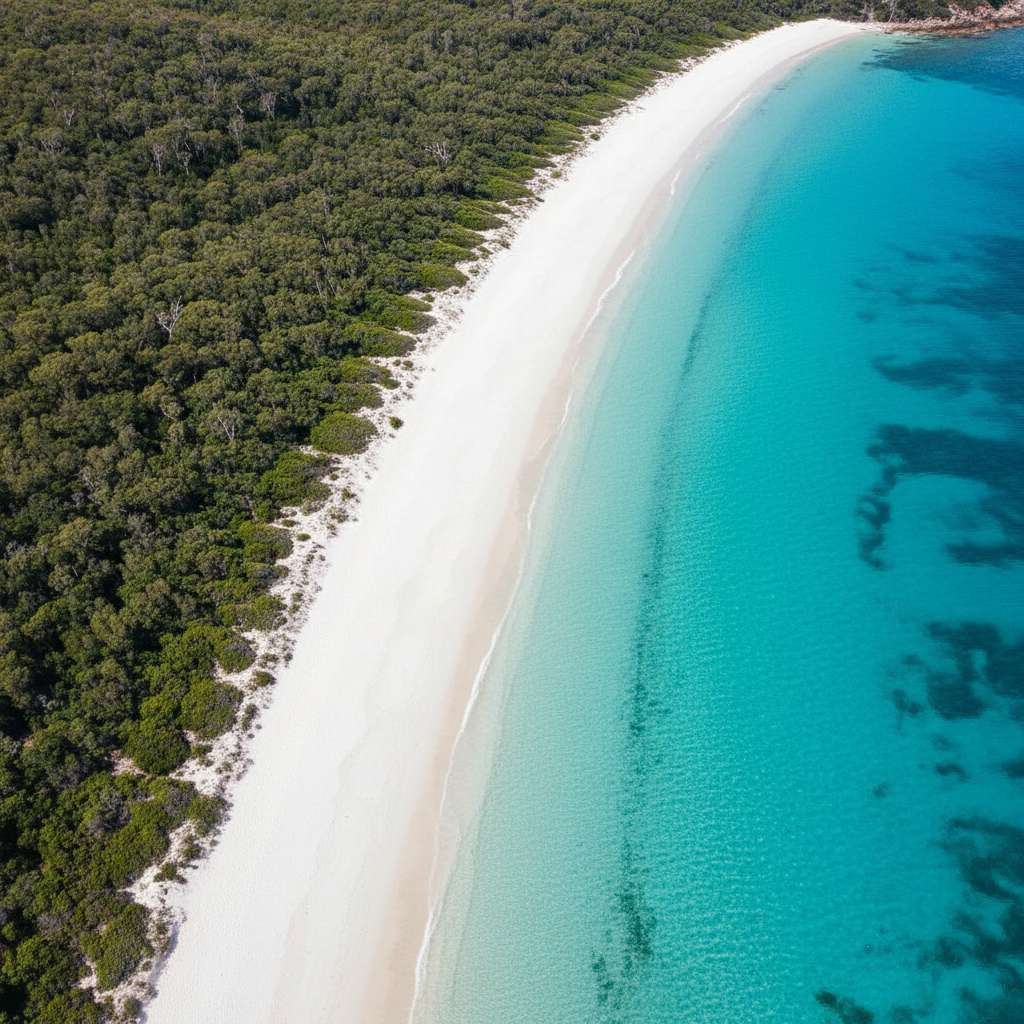
Standing on Whitehaven Beach's pristine silica sand while crystal-clear waters lap at your feet is an experience that defines the Whitsundays. This world-famous beach on Whitsunday Island consistently ranks among the planet's best beaches, but getting there requires careful planning. Unlike mainland beaches, Whitehaven is only accessible by boat, helicopter, or seaplane, making your day trip choice crucial to maximising your time on this 7-kilometre stretch of paradise.
What are the best tour options for a Whitehaven Beach day trip?
Full-day sailing tours offer the most comprehensive experience, typically including Hill Inlet lookout, snorkelling stops, and 2-3 hours beach time for $135-185 per person. Speed boat tours provide more beach time in less travel time, while scenic flights offer aerial perspectives before beach landings.
Your tour choice dramatically impacts your Whitehaven Beach experience. Full-day sailing tours (8-9 hours) provide the classic Whitsundays adventure, departing Abel Point Marina around 9am aboard modern catamarans. These tours include the iconic Hill Inlet lookout with its swirling sand patterns, snorkelling at protected reef sites, and typically 2.5-3 hours of actual beach time. Expect to pay $135-185 per adult, with lunch, stinger suits, and snorkel gear included.
High-speed boat tours cut travel time dramatically, reaching Whitehaven in just 45 minutes compared to 1.5-2 hours for sailing vessels. These tours maximise your beach time (3-4 hours) and often visit both northern and southern ends of the beach. Prices range $165-220 per adult, with some operators offering helicopter transfers for premium experiences.
Scenic helicopter flights with beach landings provide unmatched aerial views of Heart Reef, Hill Inlet's swirling sands, and the broader Whitsunday archipelago. Flight times range from 15 minutes (Whitehaven only) to 75 minutes (including reef flights), with 1-2 hours beach time. Costs start around $199 for basic flights, reaching $899 for comprehensive reef and island packages.
Seaplane adventures combine scenic flights with comfortable water landings directly on Whitehaven Beach's calm waters. These premium experiences typically include champagne beach picnics and cost $450-650 per person for half-day trips.
How long should I plan to spend at Whitehaven Beach?
Plan minimum 2-3 hours at Whitehaven Beach to fully appreciate its beauty, walk both directions along the shore, swim in pristine waters, and capture photos. Half-day tours provide 2-2.5 hours, while full-day tours offer 3-4 hours including Hill Inlet visits.
Your time allocation depends on your priorities and tour choice. Two hours allows basic beach appreciation – swimming in the remarkably warm waters (23-27°C year-round), walking along the northern section's softest sand, and taking essential photos. However, this feels rushed for most visitors.
Three hours provides the ideal balance for most day-trippers. You can explore both the northern and southern sections of the beach, each offering distinct experiences. The northern end features the finest, purest silica sand (98.9% pure) that remains cool underfoot even on 35°C days. The southern section offers better snorkelling opportunities around rocky outcrops and typically fewer crowds.
Four hours or more suits photography enthusiasts, families with children, or anyone wanting to truly unwind. This timeframe allows leisurely exploration, multiple swims, beachcombing for unique shells, and the luxury of simply lying on sand so pure it squeaks when you walk on it.
Consider that Hill Inlet lookout visits typically consume 45-60 minutes of your total island time, including the 20-minute bushwalk each way and photography time at the summit. Factor this into your expectations when booking combination tours.
What's the best time of day to visit Whitehaven Beach?
Mid-morning arrivals (10-11am) offer optimal lighting for photography, calmer waters, and comfortable temperatures before afternoon heat peaks. Early afternoon visits work well during winter months (June-September) when temperatures are milder and crowds often disperse after lunch.
Timing significantly affects your Whitehaven Beach experience. Mid-morning arrivals (10-11am) provide several advantages: the sand hasn't absorbed full heat yet, making barefoot walking comfortable; morning light creates stunning photographic conditions, particularly for the contrast between white sand and turquoise water; and tour boats from Hamilton Island haven't yet arrived in large numbers.
Early afternoon timing (12-2pm) works exceptionally well during winter months when maximum temperatures hover around 23-26°C. The sun sits higher, reducing shadows for photography, while many morning tours begin departing, leaving more beach space. However, avoid early afternoon visits during summer months when temperatures can exceed 32°C and humidity makes the sand uncomfortably hot.
Late afternoon visits (2-4pm) offer advantages for photography enthusiasts, as the western sun creates golden light filtering through the Whitsunday Passage. However, most day tours conclude by 4-5pm, limiting your options to premium helicopter or seaplane experiences.
Weather patterns also influence optimal timing. Trade winds typically strengthen through the day, creating choppier waters and less comfortable boat rides for the return journey. Morning departures usually encounter calmer seas, reducing seasickness risks for sensitive travellers.
What should I bring for a Whitehaven Beach day trip?
Essential items include reef-safe sunscreen (SPF50+), wide-brimmed hat, sunglasses, swimwear, and a waterproof phone case. Most tours provide lunch, snorkel gear, and stinger suits, but bring a towel, water bottle, and underwater camera for the complete experience.
Sun protection cannot be overstated – Whitehaven Beach offers minimal natural shade, and the pure silica sand reflects UV rays intensely. Pack SPF50+ reef-safe sunscreen (zinc-based formulations protect both your skin and marine ecosystems), a wide-brimmed hat that won't blow away in trade winds, and quality polarised sunglasses. Consider a lightweight long-sleeved rashguard for extended sun exposure.
Swimming and water gear enhances your experience significantly. While tours provide basic snorkel equipment, bringing your own mask ensures proper fit and hygiene. Pack a waterproof phone case or underwater camera to capture the incredible visibility (often exceeding 20 metres) and vibrant marine life around rocky sections. Quick-dry towels save space and weight compared to regular beach towels.
Practical essentials include a refillable water bottle (most tours provide limited water), dry bag for valuables, and comfortable walking shoes for Hill Inlet lookout hikes. The 20-minute bushwalk involves uneven terrain, tree roots, and occasional mud patches during wet season.
Photography equipment deserves special mention. The contrast between pure white sand, electric blue water, and green island vegetation creates challenging lighting conditions. Consider bringing a polarising filter to reduce glare and enhance water clarity in photos.
Avoid bringing excessive valuables, as most boats offer limited secure storage. Leave expensive jewellery, unnecessary electronics, and large amounts of cash at your accommodation.
Which tour operators offer the best Whitehaven Beach day trips?
Top operators include Cruise Whitsundays (large stable catamarans, $169-189), Red Cat Adventures (high-speed boats, $175-199), and Airlie Beach Jet Boat Tours (combination helicopter-boat experiences, $299-399). Choose based on group size, sea sickness concerns, and desired beach time.
Cruise Whitsundays operates the largest fleet with modern 35-40 metre catamarans accommodating 100-150 passengers. Their "Whitehaven Beach & Hill Inlet" tour ($169-189) includes buffet lunch, all equipment, and educational commentary from marine biologists. The large, stable vessels suit families and those concerned about seasickness, though loading/unloading takes longer with bigger groups.
Red Cat Adventures specialises in high-speed catamaran experiences with smaller groups (maximum 75 passengers). Their "Whitehaven Beach Full Day" tour ($175-199) reaches the beach in approximately one hour, maximising your time on shore. The boats feature comfortable seating, onboard toilets, and fresh water showers for rinsing off sand and salt.
Ocean Rafting offers semi-rigid inflatable boat tours accommodating just 32 passengers for a more intimate experience. Their "Northern Exposure" tour ($189) visits secluded areas of Whitehaven Beach inaccessible to larger vessels, though the open boat design means more exposure to spray and wind.
Helicopter and seaplane operators like Air Whitsunday and GSL Aviation provide premium experiences combining scenic flights with beach time. While significantly more expensive ($450-899), these tours offer unmatched aerial perspectives and access to remote beach sections.
For detailed comparisons of all operators, timing, and inclusions, visit our comprehensive Whitehaven Beach tours guide featuring real customer reviews and current pricing.
How do I get to the departure points for Whitehaven Beach tours?
Most tours depart from Abel Point Marina or Shute Harbour, both easily accessible from Airlie Beach accommodation. Abel Point Marina sits 5 minutes walk from central Airlie Beach, while Shute Harbour requires a 10-minute drive or courtesy shuttle service provided by most operators.
Abel Point Marina serves as the primary departure point for most Whitehaven Beach day tours. Located at 48 Shingley Drive, the marina sits within easy walking distance of central Airlie Beach accommodations, restaurants, and shops. Free parking is available, though spaces fill quickly during peak season (July-September). The marina features clean facilities, cafes, and retail shops for last-minute purchases.
Shute Harbour hosts several operators and provides deeper water access for larger vessels. Located 10 kilometres from Airlie Beach via Shute Harbour Road, this departure point requires transport. Most tour operators provide complimentary shuttle services from major Airlie Beach hotels, though pickup times vary. Paid parking ($10-15 per day) is available, with shuttle services running every 15-20 minutes during peak periods.
Hamilton Island Marina serves visitors staying on Hamilton Island or arriving via Hamilton Island Airport. Several operators provide day tours specifically for Hamilton Island guests, eliminating the need to travel to the mainland. However, tour options are more limited and typically more expensive than mainland departures.
For comprehensive information about reaching these departure points and choosing your base, check our detailed guide on getting to Whitehaven Beach, including transport options from airports and accommodation areas.
What's the weather like at Whitehaven Beach throughout the year?
Whitehaven Beach enjoys a tropical climate with year-round swimming temperatures (23-29°C water, 20-32°C air). Dry season (April-November) offers less rainfall and trade winds, while wet season (December-March) brings afternoon storms, higher humidity, and stinger jellyfish requiring protective suits.
Dry season (April-November) represents peak visiting conditions with average daytime temperatures of 20-27°C, minimal rainfall (less than 50mm monthly), and consistent trade winds providing natural cooling. Water temperatures remain comfortable at 23-26°C, perfect for swimming and snorkelling. However, this period also coincides with peak tourism season, meaning higher prices and crowded tours.
Wet season (December-March) brings higher temperatures (25-32°C), increased humidity (often exceeding 80%), and regular afternoon thunderstorms. Despite the name, mornings often feature clear skies and calm conditions ideal for early tours. The significant advantage is lower tourist numbers and reduced prices, particularly in January-February.
Stinger season (November-May) requires awareness of potentially dangerous box jellyfish and Irukandji in surrounding waters. All reputable tour operators provide full-body stinger suits during this period, and enclosed swimming areas at some beach sections offer additional protection. The risk is generally low around Whitehaven Beach itself due to its open ocean exposure.
Whale watching season (June-September) coincides with humpback whale migration through the Whitsunday Passage. Many tour operators modify routes during this period to include whale watching opportunities, adding incredible value to your Whitehaven Beach experience.
For current weather conditions, seasonal guidance, and what to expect during your visit dates, consult our comprehensive Whitehaven Beach guide with month-by-month breakdowns.
Can I visit Whitehaven Beach with young children or elderly family members?
Whitehaven Beach suits all ages, with calm, shallow waters perfect for children and easy beach access via most tour boats. Choose larger, more stable vessels for elderly passengers or those with mobility concerns, and consider morning tours when temperatures and sea conditions are typically milder.
Family-friendly features make Whitehaven Beach ideal for multi-generational trips. The beach slopes gradually into calm, protected waters perfect for young children to splash safely. The silica sand remains cool underfoot even during hot days, preventing burned feet common on regular beach sand. Most sections are wheelchair accessible via beach wheelchairs provided by some operators upon request.
Tour considerations for families include choosing operators with appropriate facilities. Look for boats with onboard toilets, fresh water for rinsing sandy hands, and enclosed areas providing shade and wind protection. Cruise Whitsundays and Red Cat Adventures specifically cater to families with children's life jackets, high chairs, and baby change facilities.
Age-specific recommendations suggest full-day sailing tours for families with children over 8, as the longer journey time allows for napping and the educational commentary engages curious minds. For elderly family members or those with limited mobility, consider high-speed boat tours that minimise time on potentially choppy waters.
Special requirements should be communicated when booking. Most operators accommodate dietary restrictions, provide assistance boarding vessels, and offer alternative activities for family members who cannot participate in snorkelling or hill walking.
Safety equipment including life jackets in all sizes, stinger suits, and first aid facilities are standard across reputable operators, ensuring peace of mind for multi-generational groups.
What makes Whitehaven Beach sand so special and unique?
Whitehaven Beach features 98.9% pure silica sand, making it among the purest in the world. This unique composition keeps the sand cool to touch, creates its distinctive bright white colour, and produces a squeaking sound when walked upon due to the uniform crystal structure.
Geological formation of this extraordinary sand occurred over millions of years through weathering of mainland granite and quartz deposits. Ocean currents and trade winds transported these materials to Whitsunday Island, where wave action ground the particles into incredibly fine, uniform crystals averaging 0.15-0.25mm in diameter.
Temperature regulation represents perhaps the most practical benefit of silica sand's unique properties. Unlike regular beach sand that absorbs and retains heat, Whitehaven's pure silica reflects thermal energy, remaining comfortable for barefoot walking even when air temperatures exceed 35°C. This property makes extended beach visits pleasant throughout the day.
Optical properties create Whitehaven's famous photography appeal. The pure white sand provides stunning contrast against the varying blue tones of surrounding waters, from pale aquamarine in shallow areas to deep sapphire blue in deeper channels. This contrast is particularly striking from Hill Inlet lookout, where shifting tides create swirling patterns of sand and water.
Environmental significance extends beyond aesthetics. The sand's purity indicates minimal pollution or sediment input from mainland sources, reflecting the overall health of the Whitsunday marine ecosystem. However, this purity also makes the beach vulnerable to contamination, which is why visitor numbers are carefully managed and certain activities restricted.
The sand's unique properties have made it valuable for industrial uses – historically, small quantities were used in high-quality glass and lens manufacturing, though commercial harvesting is now prohibited to preserve this natural wonder.
Ready to experience this natural wonder yourself? Airlie to Whitehaven makes booking your perfect Whitehaven Beach day trip simple and stress-free. Compare all tour options, read genuine customer reviews, and secure your spot on this bucket-list adventure with our local expertise and competitive pricing. Your unforgettable day on the world's most beautiful beach is just a few clicks away.