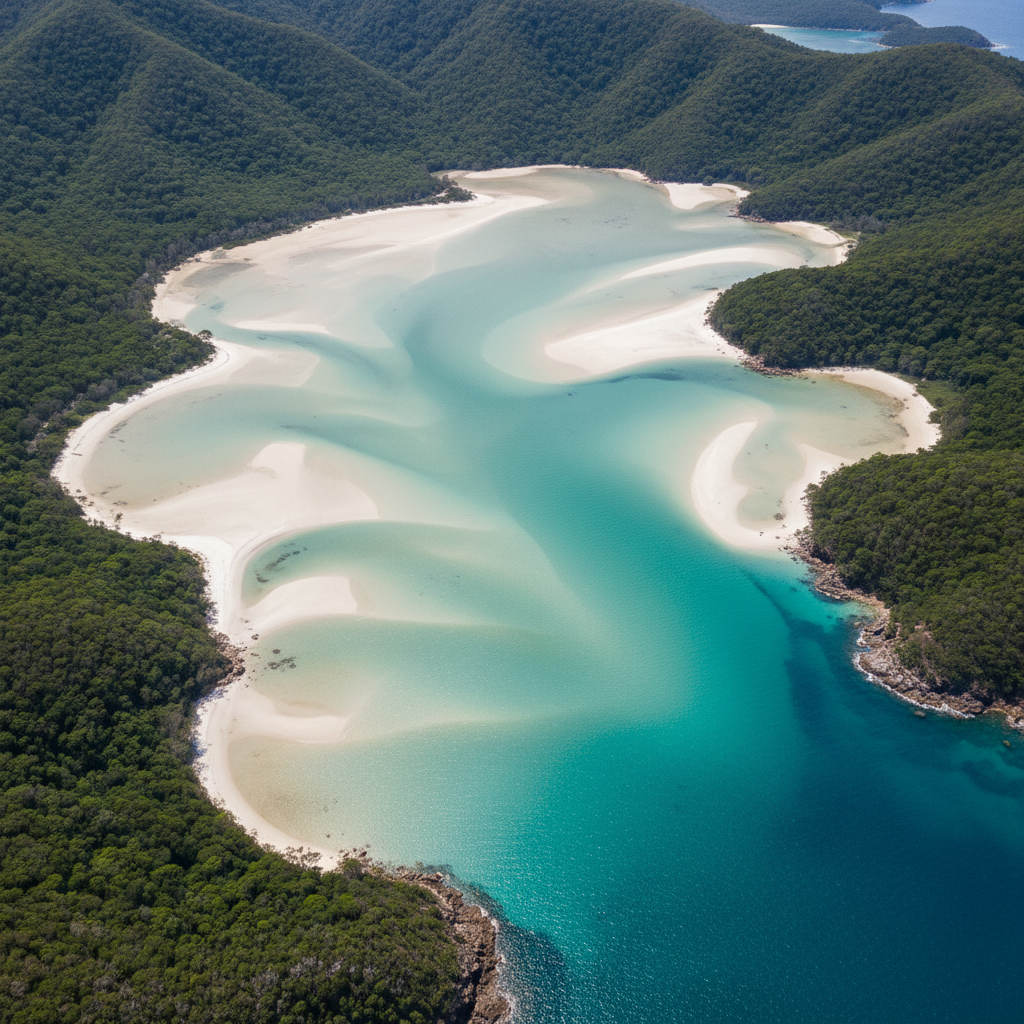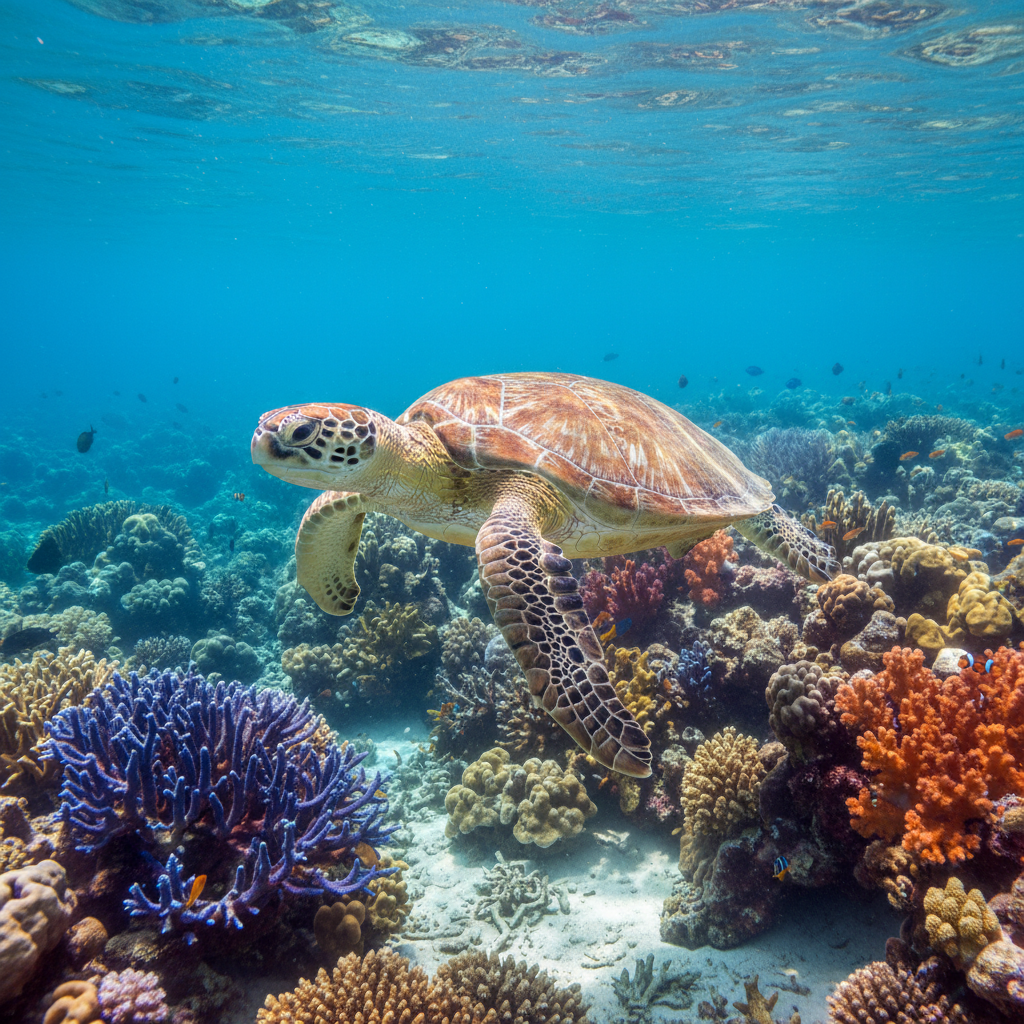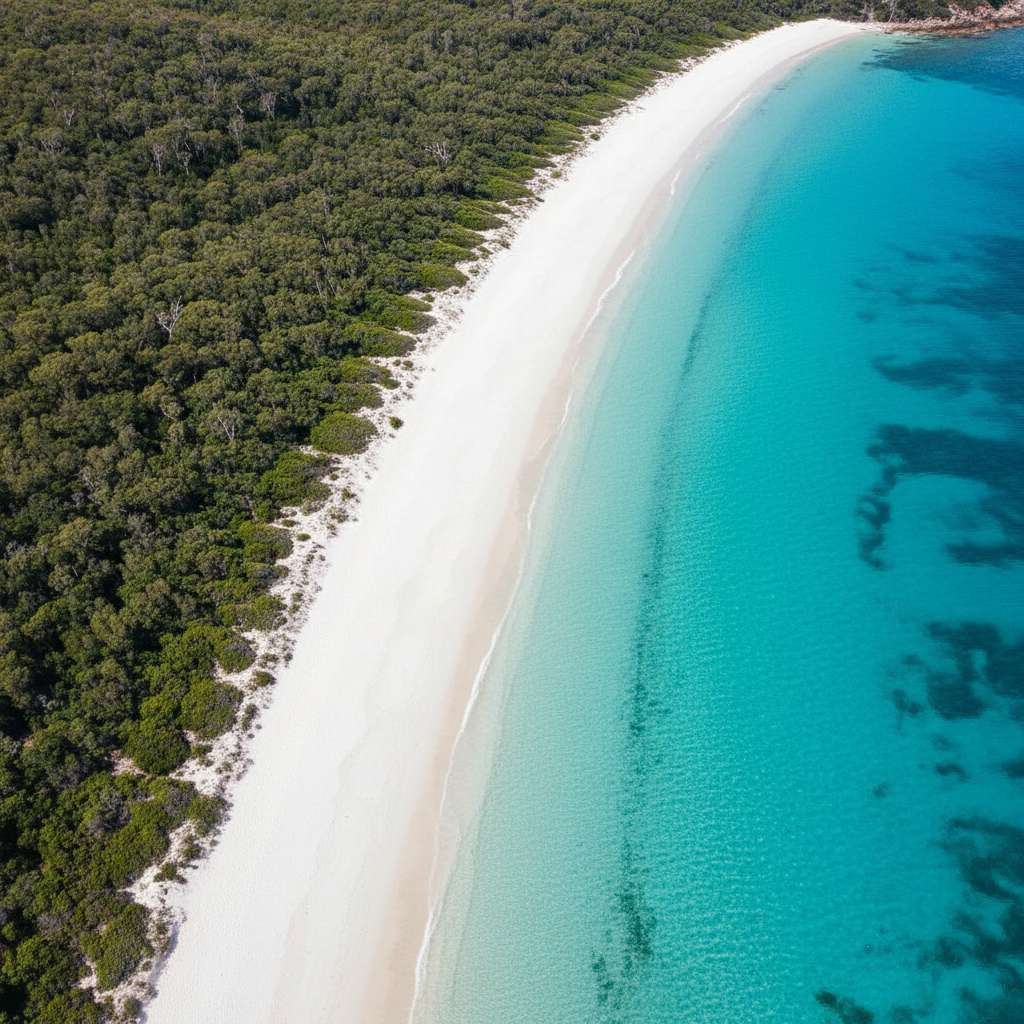
Getting your outfit right for a Whitsunday tour can make or break your day on the water. After guiding thousands of visitors through these pristine islands, I've seen people show up in everything from stilettos to business suits – and trust me, it doesn't end well. The key is balancing sun protection, comfort on deck, and being ready to jump in the water at a moment's notice.
The tropical conditions around the 74 Whitsunday Islands present unique challenges. You'll face intense UV rays reflecting off white sand and crystal-clear water, sea spray that'll soak through cotton in minutes, and temperatures that can swing from 25°C in the morning to 35°C by midday. Here's everything you need to know about dressing for success on your Whitsunday adventure.
What Should I Wear for Sun Protection on a Whitsunday Tour?
Wear a long-sleeved rashguard or UV shirt, wide-brimmed hat, quality sunglasses, and zinc-based sunscreen with SPF 50+. The sun's intensity increases dramatically on water due to reflection, making proper sun protection absolutely critical for your comfort and safety.
The Australian sun is no joke, especially when you're surrounded by water that reflects UV rays like a mirror. Whitehaven Beach's 98.9% pure silica sand is particularly reflective, creating what locals call "the oven effect." A quality rashguard with UPF 50+ protection is your best defence – brands like Billabong, Rip Curl, and Quiksilver offer excellent options starting around $60-80 AUD.
Your hat needs to stay put in sea breezes, so skip the baseball cap and go for a wide-brimmed hat with a chin strap. The Akubra Cattleman or similar styles work perfectly. Sunglasses should wrap around your face – the cheap tourist shop varieties will leave you squinting and give you a headache by lunch time.
For sunscreen, zinc-based formulas work better than chemical sunscreens in marine environments. Apply 30ml (about a shot glass worth) 20 minutes before departure, and reapply every 90 minutes. Most tour operators provide complimentary sunscreen, but it's often the basic stuff that washes off quickly.
What Type of Footwear Works Best on Whitsunday Boats?
Wear reef shoes or water shoes with good grip and quick drainage. Avoid thongs, heels, or any shoes you can't get wet. Boat decks become slippery when wet, and you'll need footwear that protects your feet on coral and provides traction on deck.
Reef shoes are absolutely essential – I've seen too many cut feet from coral and sharp shells at places like Hook Island and the fringing reefs around Hamilton Island. Quality brands like Cressi, Aqua Lung, or even Kmart's $15 reef shoes will do the job. The key features you need are:
- Rubber soles with good tread for wet deck grip
- Quick-draining mesh or neoprene upper
- Secure fit that won't slip off in water
- Toe protection for walking on coral rubble
Thongs (flip-flops) are the worst choice possible – they'll either fly off when you're trying to board a tender, or send you sliding across a wet deck. Canvas shoes like Converse will stay soggy all day and give you blisters. Save the fancy footwear for dinner at Airlie Beach's restaurants.
Should I Wear a Wetsuit or Stinger Suit in the Whitsundays?
Wear a stinger suit during November to May (stinger season) for protection against box jellyfish and irukandji. Outside stinger season, a thin wetsuit or rashguard provides warmth and sun protection in the 24-27°C water temperatures year-round.
The Great Barrier Reef Marine Park Authority requires tour operators to provide stinger suits during the dangerous season, typically running from November through May. These full-body lycra suits protect against potentially deadly box jellyfish and tiny irukandji jellyfish that are virtually invisible in the water.
Water temperatures around the Whitsundays range from 24°C in winter (June-August) to 29°C in summer (December-February). Most visitors find the water comfortable year-round, but a 2-3mm wetsuit can be worth it during the cooler months, especially if you're planning to snorkel for extended periods at sites like Blue Pearl Bay or Butterfly Bay.
Quality stinger suits from brands like Stinger Suit Company or Sea to Summit cost $80-120 AUD if you want your own. However, most tour operators include stinger suit rental in their package price, so check what's included when you book.
What Swimwear Should I Choose for Whitsunday Activities?
Choose secure-fitting swimwear that won't shift during water activities. Board shorts or swim shorts for men, and one-piece or well-fitted bikinis for women work best. Avoid string bikinis or loose-fitting swimwear that might come off during snorkeling or water slides.
You'll be jumping in and out of the water multiple times, using rope swings at places like Tongue Bay, and possibly trying stand-up paddleboarding or kayaking. String bikinis are a recipe for disaster – I've seen too many embarrassing wardrobe malfunctions when people hit the water slide at Hardy Reef pontoons.
For women, sports bikinis or one-piece swimsuits provide the security you need for active water sports. Brands like Seafolly, Rip Curl, and Billabong design swimwear specifically for Australian beach conditions. For men, board shorts with a drawstring waist ensure everything stays in place during beach volleyball at Whitehaven Beach or snorkeling at Cathedral Cave.
Consider bringing a spare set of swimwear if you're on a full-day tour. Nothing's worse than putting on a wet, sandy bikini for the afternoon activities after lunch.
What Clothing Should I Avoid on Whitsunday Tours?
Avoid cotton clothing, jeans, formal wear, leather items, or anything you can't get wet. Cotton takes hours to dry in humid conditions and becomes heavy and uncomfortable when soaked with salt water.
Cotton is the enemy on boat tours. It absorbs water like a sponge and stays wet for hours in the tropical humidity. I've seen people in cotton t-shirts still dripping wet at 4 PM after getting splashed at 10 AM. The constant dampness leads to chafing, discomfort, and potential skin irritation from salt residue.
Jeans are particularly problematic – they restrict movement when climbing back onto boats, take forever to dry, and the salt water will leave them stiff and uncomfortable. Similarly, avoid:
- Business attire or formal clothing
- Leather belts, shoes, or accessories
- White clothing (shows everything and gets dirty quickly)
- Anything with metal buckles or hardware that rusts
- Expensive jewelry or watches
Remember, you're heading to some of Australia's most pristine marine environments. What you wear should be functional first, fashionable second.
How Should I Dress for Different Types of Whitsunday Tours?
Half-day tours require minimal clothing changes – rashguard, boardshorts, and reef shoes suffice. Full-day tours need layering options including a light jacket for morning/evening temperatures. Sailing tours require non-slip footwear and clothing that handles wind and spray.
Half-day tours (typically 4-6 hours) to nearby spots like Daydream Island or Hamilton Island keep things simple. You'll likely stay in your swimmers most of the time, so focus on sun protection and comfortable footwear for walking around resort facilities.
Full-day tours covering Whitehaven Beach and Hill Inlet require more planning. Mornings can be cool (especially June-August), with temperatures around 18-22°C, while midday temperatures soar to 30-35°C. Pack:
- Light windbreaker or spray jacket for morning departure
- Long-sleeved rashguard for sun protection
- Shorts that dry quickly
- Extra layer for the return journey (sea breezes pick up in late afternoon)
Sailing tours present unique challenges. You'll deal with more wind and spray, plus the heel of the boat when under sail. Non-slip boat shoes are essential – deck shoes from brands like Sperry or Dubarry provide excellent grip on wet fiberglass decks. Avoid anything loose that might catch in rigging or blow overboard.
What Should I Pack in Addition to What I'm Wearing?
Pack spare swimwear, dry clothes for the return trip, waterproof phone case, small towel, and reef-safe sunscreen in a waterproof bag. Most tour boats provide large towels, snorkel gear, and basic sun protection, but personal items should be protected from salt water.
A waterproof dry bag (10-20 liters) is essential for protecting your valuables. Quality options from Sea to Summit or Outdoor Research cost $25-40 AUD and will keep your phone, wallet, and spare clothes completely dry even if dropped overboard.
Essential additional items include:
- Spare swimwear (for afternoon activities if morning gear is sandy/wet)
- Dry t-shirt and shorts for the return journey
- Waterproof phone case rated to at least 10 meters depth
- Small microfiber towel (boat towels are often limited)
- Personal medications in waterproof containers
- Cash for optional extras (some tours charge for premium drinks or photos)
For more comprehensive packing guidance, check our detailed what to pack for the Whitsundays guide which covers everything from camera gear to seasickness remedies.
Are There Different Clothing Requirements for Different Seasons?
Dry season (April-November) requires lighter clothing and more sun protection. Wet season (December-March) needs quick-dry materials and light rain protection. Stinger suits are mandatory November-May, while winter months (June-August) may require light wetsuit for extended snorkeling.
The Whitsundays experience distinct wet and dry seasons that dramatically affect what you should wear. During the dry season (April through November), you'll enjoy consistent sunshine, trade winds, and minimal rainfall. This is when UV protection becomes critical – the clear skies and calm seas create perfect conditions for sunburn.
Wet season (December through March) brings afternoon thunderstorms, higher humidity, and the dangerous stinger season. Your clothing needs to handle sudden downpours and dry quickly afterward. Synthetic materials like polyester and nylon blends work best during this period.
Winter months (June-August) present the coolest conditions, with morning temperatures sometimes dropping to 16-18°C. You'll want layers you can remove as the day warms up. This is also whale watching season, when tours often venture further offshore where it's cooler and windier.
If you're a first-time visitor, our Whitsundays first-timer guide provides seasonal recommendations for planning your trip timing and packing accordingly.
What About Evening Tours or Sunset Cruises?
Evening tours require warmer layers as temperatures drop 5-8°C after sunset. Pack a light fleece or hoodie, long pants, and closed-toe shoes. Sea breezes intensify in the evening, making it feel cooler than the actual temperature suggests.
Sunset cruises and evening tours around the Whitsundays offer spectacular views but dramatically different temperature conditions. Once the sun drops below the horizon, the temperature can plummet from 28°C to 20°C within an hour, especially during the cooler months.
Essential evening wear includes:
- Light fleece or zip-up hoodie
- Long pants (quick-dry hiking pants work well)
- Closed-toe shoes with grip
- Light beanie for windy conditions
- Windproof jacket if sailing
Many visitors underestimate how cool it gets on the water after dark. Tour operators often provide blankets, but having your own warm layer ensures comfort throughout the evening. This is particularly important on sailing tours where you're more exposed to wind.
Ready to experience the Whitsundays but want to ensure you're perfectly prepared? Browse our comprehensive range of Whitsundays tours where you'll find detailed packing lists and clothing recommendations for each specific adventure. At Airlie to Whitehaven, we provide detailed preparation guides with every booking, ensuring you arrive properly equipped for your Whitsunday adventure. Our local team knows exactly what works best for each tour type and season, taking the guesswork out of your packing decisions.